
Pedro Costa’s O Sangre

Vicente (Pedro Hestnes) and Clara (Ines de Medeiros) create their own version of family to combat the darkness in O SANGRE aka Blood (1989), directed by Pedro Costa.

Most film aficionados known that the Cinema Novo movement of the 1960s in Brazil was influenced by both Neorealism and New Wave filmmakers but became an identifiable style of its own. Portugal also had their own Cinema Novo movement in the sixties but it transitioned into a different aesthetic approach in the 1980s known as “The School of Reis,” named after Antonio Reis, a filmmaker and professor at the Lisbon Theater and Film School. Reis influenced a new generation of filmmakers that includes Manuela Viegas, Joaquim Sapinho, Joao Pedro Rodgrigues and Pedro Costa to name a few. Among this group Costa is probably the best known in the U.S. due to his work being exhibited at film festivals and art houses as well as a trilogy of his films known as Letters from Fontainhas being distributed on DVD and Blu-ray by The Criterion Collection. Less known is his 1989 debut feature, O Sangre aka Blood, which Michelle Carey of Senses of Cinema called, “Undoubtedly one of the most remarkable film debuts of the last 20 years.”

Continue reading
It Came from Brazil

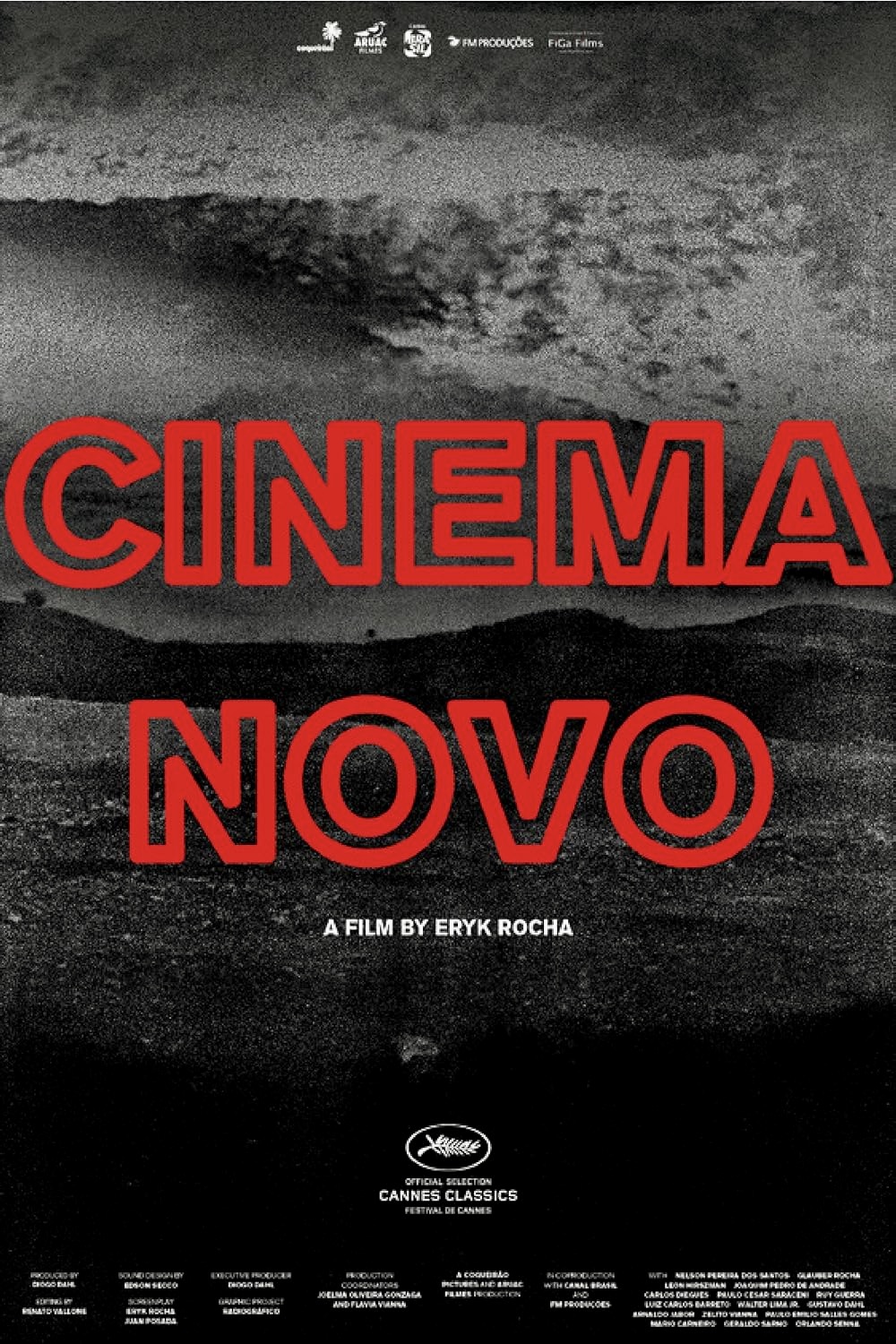
What are the circumstances that lead to the formation of a new film movement? For the pioneers of the neorealism movement in Italy, it was the need to address the problems of the country in the aftermath of WW2 when commercial films seemed irrelevant in comparison. In France during the late 1950s and early 1960s, it was the desire by the Nouvelle Vague filmmakers to break away from the aesthetics of studio made films in favor of new and more relevant subject matter and production methods. And, in Brazil during this same time period, it was also a generational response by young filmmakers to their country’s cinema, which became known as the Cinema Novo movement. Yet, it wasn’t just a revolt against the traditional commercial movies of Brazil but an effort to address, discuss and critique aspects of the country’s national identity on the world stage. Cinema Novo (2016), a documentary by Eryk Rocha (son of director Glauber Rocha), is a non-traditional approach to the genre which immerses the viewer in a visual and aural whirlwind that captures the power, passion and creativity of the movement. The Hollywood Reporter called it “a pure bombardment of the senses” and that’s a compliment.

Continue reading

Scorched Earth

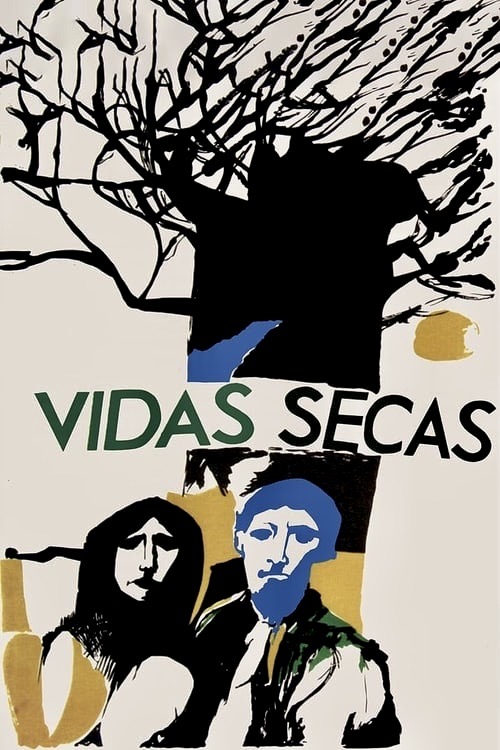
VIDAS SECAS aka BARREN LIVES (1963), a Brazilian film by Nelson Pereira dos Santos.

You don’t have to believe in climate change to experience and understand the devastating effects of a drought. The northeastern part of Brazil is no stranger to this condition which has plagued the region for decades yet people continue to live there. If you are a wealthy landowner, you can survive the seasonal hardships but if you are a poor migrant worker, life is a constant struggle. Vidas Secas (English title: Barren Lives, 1963), directed by Nelson Pereira dos Santos, is the portrait of a family of four and their dog as they wander the arid deserts and sun-baked landscapes of northwestern Brazil in search of work, water and food. Set in 1941 and covering a two-year period in their lives, the film is considered a landmark work in the Cinema Novo movement, which emerged in the late fifties and focused on marginalized communities and people, often using non-professional actors, real settings and black and white cinematography in the manner of Italian Neorealism. 

Continue reading

Lisbon: City of Dreams, City of Despair

The Covid-19 crisis has taken its toll on film distribution and exhibition as we know it and there is no guaranteed that attending films in the near future will resemble anything like movie-going prior to the pandemic. This challenging situation has encouraged some distributors and filmmakers to come up with more innovative ways to reach their audience and one of them is to offer direct streaming options to viewers. This has resulted in some new movies receiving a world premiere showcase on the internet along with restored classics from aboard that never received an American release such as Paulo Rocha’s Os Verdes Anos aka The Green Years (1963), filmed in Lisbon, Portugal’s capital.   Continue reading