The Free Cinema Shorts of Lindsay Anderson

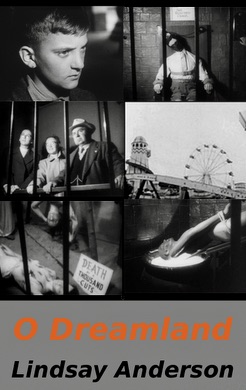
The 1960s might be seen as the decade that ushered in a significant number of game changing film movements such as the Czech New Wave, Cinema Verite and New German Cinema but the 1950s shouldn’t be overlooked for inspiring the birth of the Nouvelle Vague in France and the self-reflective ‘kitchen sink’ realism trend in England. One of the most influential but short lived film developments during this period was the Free Cinema movement, which flourished between 1956 and 1959 in the U.K.. It rejected the conservativism and class bound traditions of commercial filmmaking as well as the didactic approach to documentaries made famous by Scottish director John Griegson (Song of Ceylon [1934], Night Mail [1936]]. Instead, Free Cinema was dedicated to making personal films that expressed the opinion and artistic vision of their directors despite limited budgets and semi-amateur conditions (most of the movies were shot with a 16mm Bolex camera). Karel Reisz, Alain Tanner, Claude Goretta, Tony Richardson and Lindsay Anderson were among the leaders of the Free Cinema group but Anderson, in particular, created some of the movement’s most significant work, including Wakefield Express (1952), O Dreamland (1953), Thursday’s Children (1955) and Every Day Except Christmas (1957). Continue reading

Time Machine

There may come a time in the future when science or even advanced AI creates a way that humans can time travel to another year or century. It might seem improbable now but look at all the technological innovations that we never thought possible and are now a reality. At the same time, movie lovers already know they can vicariously visit people and places in the past thanks to the miracle of motion pictures. Just as recently as 2018, Peter Jackson produced and directed They Shall Not Grow Old, a stunning collection of archival footage from World War I which he had restored and colorized from black to white to give the documentary an immediacy and impact that brought the soldiers on screen to life (before they met their untimely deaths on the battlefield). If you want to go back even further to the turn of the century, you can experience life in the U.K. (mostly northern England with a few stops in Ireland) in Electric Edwardians: The Lost Cinema of Mitchell & Kenyon (2005), an amazing treasure trove of footage from 1901 and beyond that was considered lost for years until its discovery in 1994.

Continue reading

The Eternal Search for Paradise

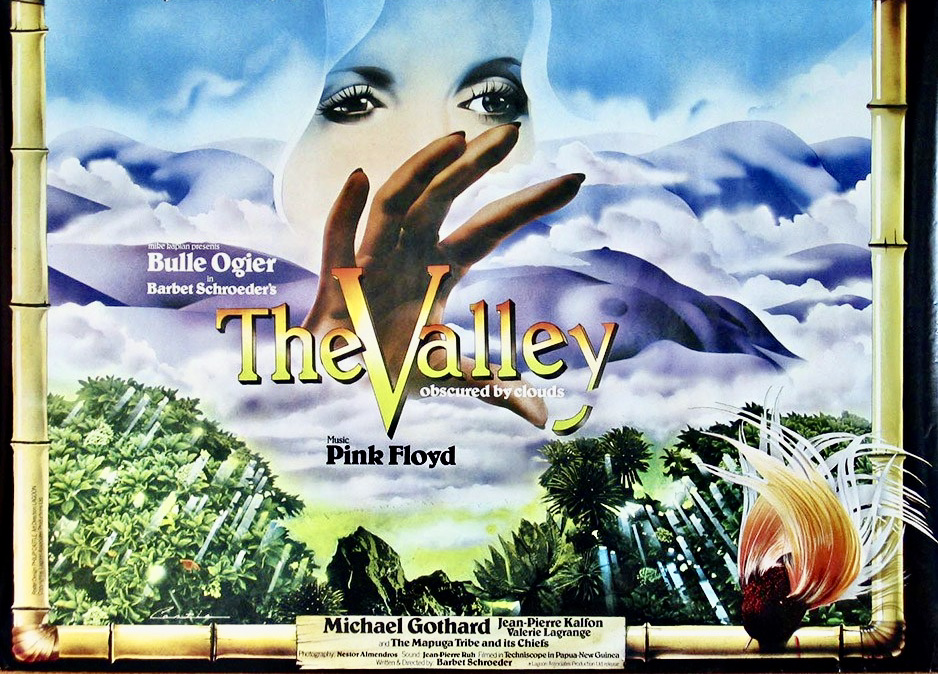
What is it about human nature that makes men want to climb the highest mountains, explore unknown regions in search of a rumored paradise or challenge their perceptions of the world in the name of self-discovery? It is this eternal quest that drives the narrative of  La Vallée (English title: The Valley, 1972), Barbet Schroeder’s second feature film after More (1969), a drug addiction drama that explores a similar theme of people who go too far in seeking ultimate experiences and sensations. Both films were made at a time when the youth culture of the late sixties was becoming more pessimistic and cynical about the hippie lifestyle. While More is a deep dive into hedonism that has the structure of a traditional drama, The Valley is a stranger affair. It combines ethnographic documentary elements with a loose storyline about a small group of hipster explorers who are intent on discovering an unexplored area on a map of Papua, New Guinea that is marked as a valley obscured by clouds.  

Continue reading