
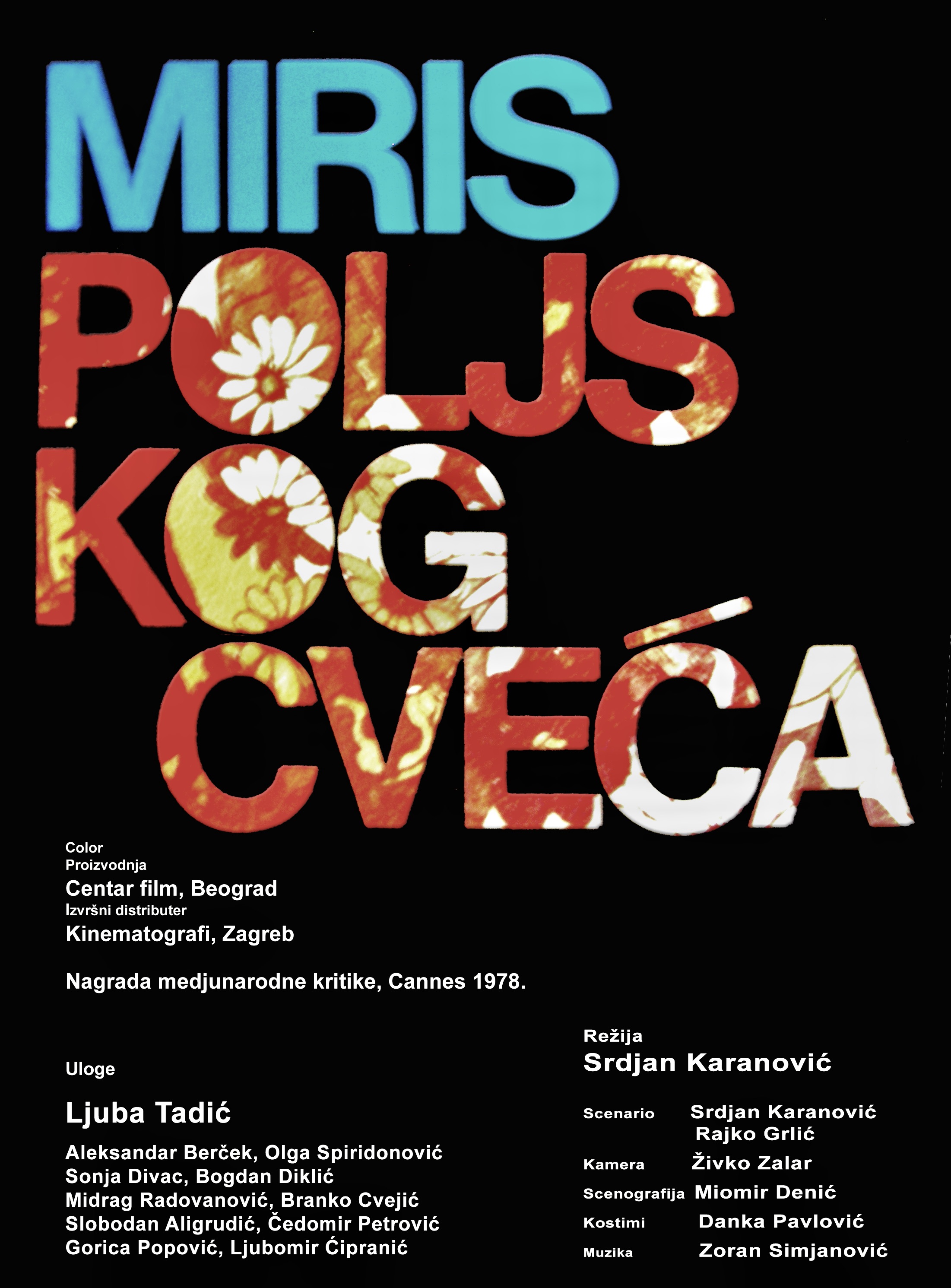
Have you ever felt like you were not leading the life you imagined for yourself or worse – you had achieved success in your field but felt as if everything had become a boring, mechanical routine and you were trapped? This is the existential dilemma that is facing Ivan Vasiljevic (Ljuba Tadic), a famous theater actor, who is currently preparing for a production of Oscar Wilde’s An Ideal Husband. The day before the play’s premiere, Ivan walks out during the rehearsal, refusing to return, and decides to abandon everything, including his wife. He joins his friend Jeca Smrda (Nemanja Zivic) aboard a rundown barge and settles into a life of leisure with no responsibilities as they drift along the shore of the Danube. While Ivan’s nonconformist rebellion seems to mirror the behavior of free-spirited characters in American films like Murray (Jason Robards Jr.) in A Thousand Clowns (1965) or the poet Samson (Sean Connery) in A Fine Madness (1966), his journey, as depicted in Miris Poljskog Cveca (English title: The Fragrance of Wild Flowers, 1977), becomes a wry satire and meditation on one man’s life in Yugoslavia under a Socialist regime. But the film is not a political critique and opts instead for an offbeat character study.
Continue reading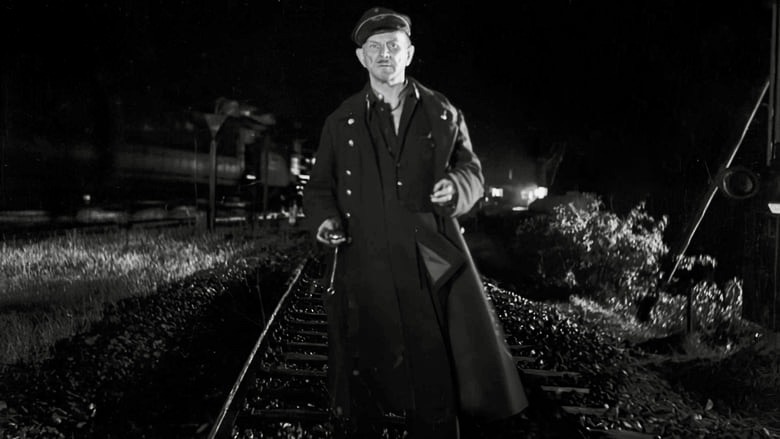
 Cinema Sojourns