Saboteur, Pawn or Hero?

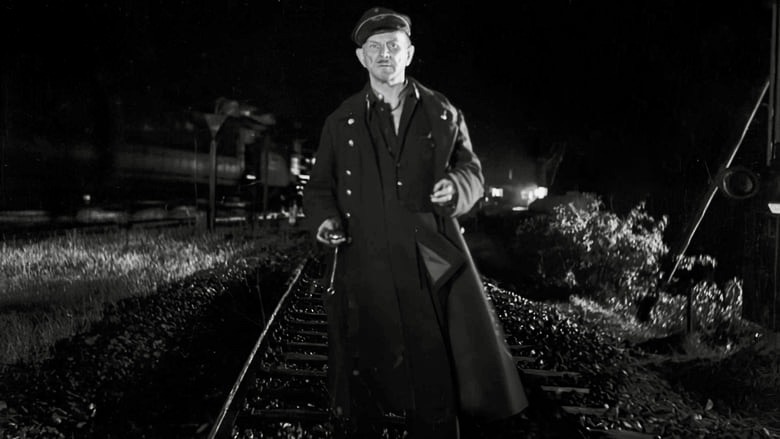
Orzechowski (Kaimierz Opalinski), a retired railroad employee, tries to prevent an impending disaster in the 1957 Polish drama Czlowiek na Torze (English title: MAN ON THE TRACKS), directed by Andrzej Munk.

A train rushes through the night somewhere in Poland and the engineer receives an all-clear signal from the local lineman as it moves full speed ahead through a rural crossing. Suddenly a man appears in the train headlights and seems to be warning the engineer of some impending danger but is struck down before the train can be stopped. The victim is Wladyslaw Orzechowski, a former railroad employee who was recently goaded into retirement. Czlowiek na Torze (English title: Man on the Tracks, 1957) is, in some ways, a mystery except that we know the identity of the victim and how he died. The big question is why and Polish director Andrzej Munk presents the facts of the case in the form of a crime procedural crossed with a flashback structure seemingly influenced by the 1950 Japanese film Rashomon. Four people, including three witnesses, give their versions of the event, and each one adds another level of insight and complexity to the tragedy.

Continue reading
Break Up the Dance and Other Film Shorts from Poland

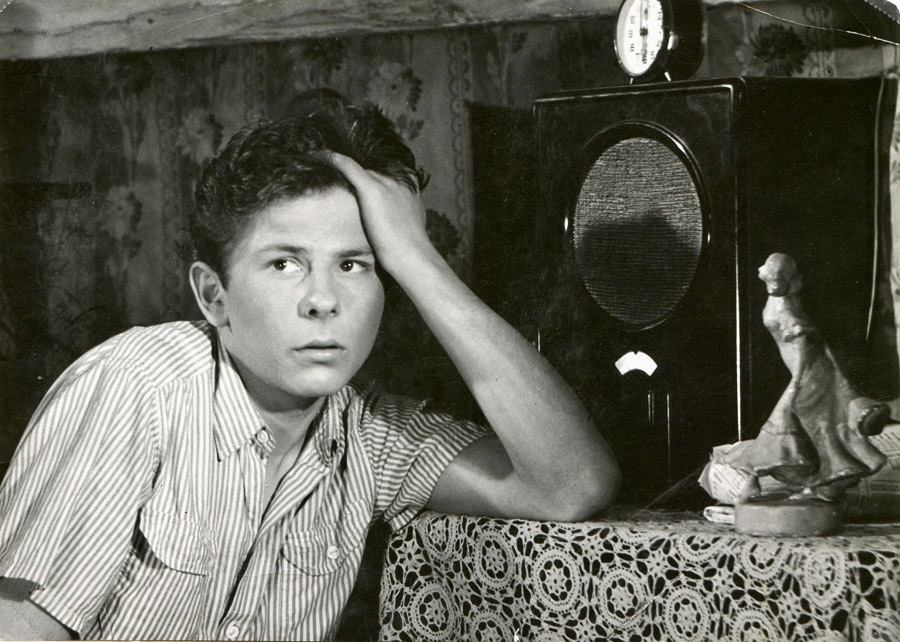
Polish film director Roman Polanski during his student years at the Lodz Film School.

At an early age Roman Polanski began to realize his true ambition to be a filmmaker with a series of short films which were made during his time as a student at Poland’s prestigious National Film School at Lodz. His debut film Morderstwo [English title, Murder aka The Crime, 1957] – a three minute short without dialogue about a senseless murder – and the one that followed it, the three-minute Usmiech Zebiczny [English title: Teeth Smile aka A Toothful Smile, 1957], about a peeping tom, were atmospheric studies in violence and voyeurism that disturbed his fellow filmmakers and raised speculations about the young filmmaker’s dark side. His third short, Rozbijemy Zabawe… [English title: Break Up the Party, 1957], however, aroused considerably more controversy over his directorial methods. 

Continue reading