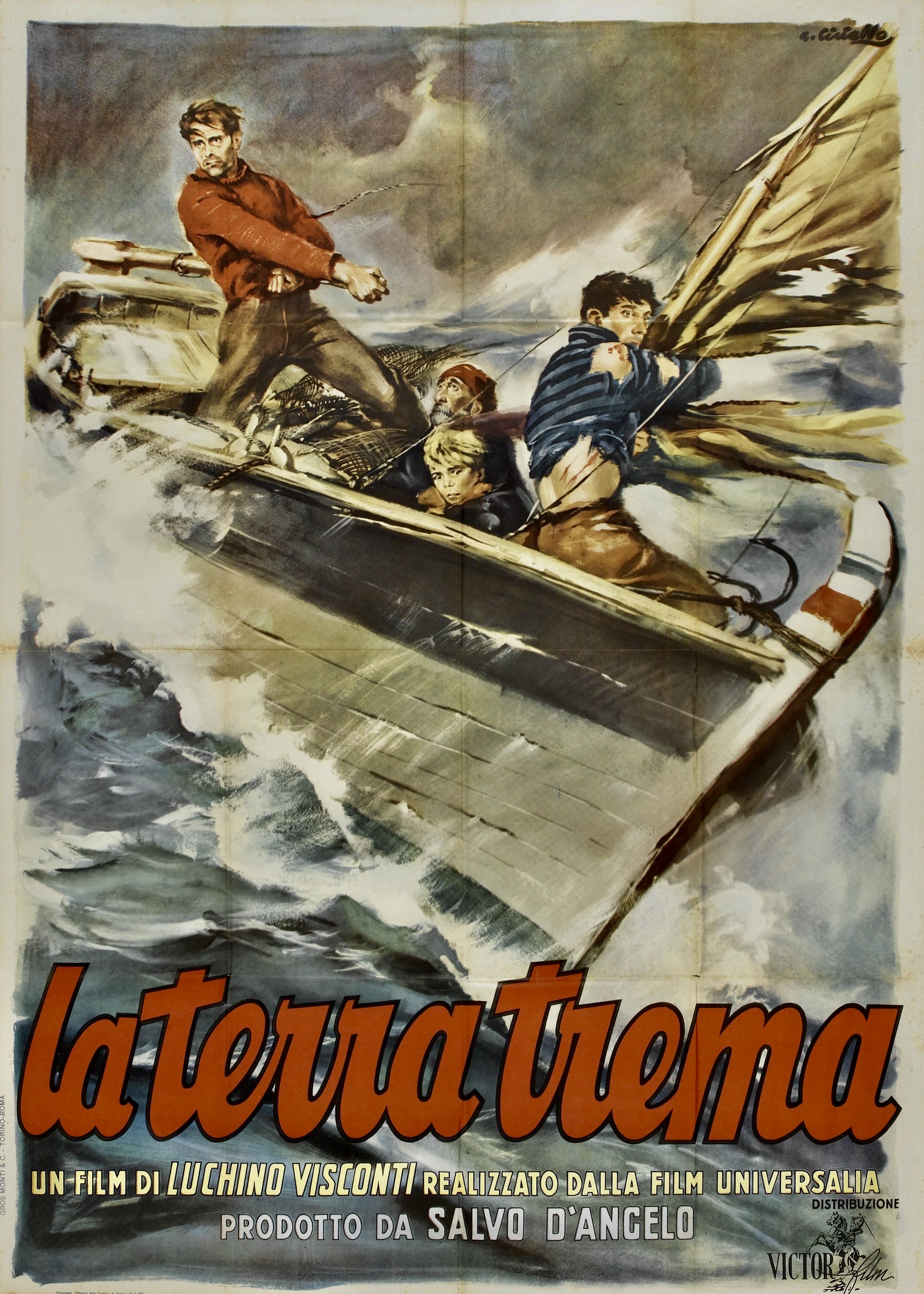
Every film lover remembers a point when they begin to view cinema as an art form and not just ephemeral entertainment. A turning point for me was the PBS series Film Odyssey, which presented classics from the Janus Collection, hosted by Los Angeles Times’ film critic Charles Champlin in 1971. That marked my first exposure to Ingmar Bergman (Wild Strawberries), Federico Fellini (La Strada), Jean Cocteau (Beauty and the Beast) and Akira Kurosawa (Rashomon), among others. But it was the film history class I took at the University of Georgia in 1974 that really opened my eyes to the possibilities of film as a creative medium. I learned about the auteur theory in that class with screenings of Sam Fuller’s The Steel Helmet and Nicholas Ray’s Bigger Than Life and developed an appreciation for silent cinema (D.W. Griffith’s Orphans of the Storm, Aleksandr Dovzhenko’s Earth) and the virtues of the Studio System (represented by George Sidney’s Scaramouche and Leo McCarey’s An Affair to Remember). What made the biggest impact on me, however, were the Italian neorealism films of the post-WW2 era, especially Luchino Visconti’s La Terra Trema [1948] (The English translation is The Earth Trembles).
Continue readingTag Archives: Ossessione
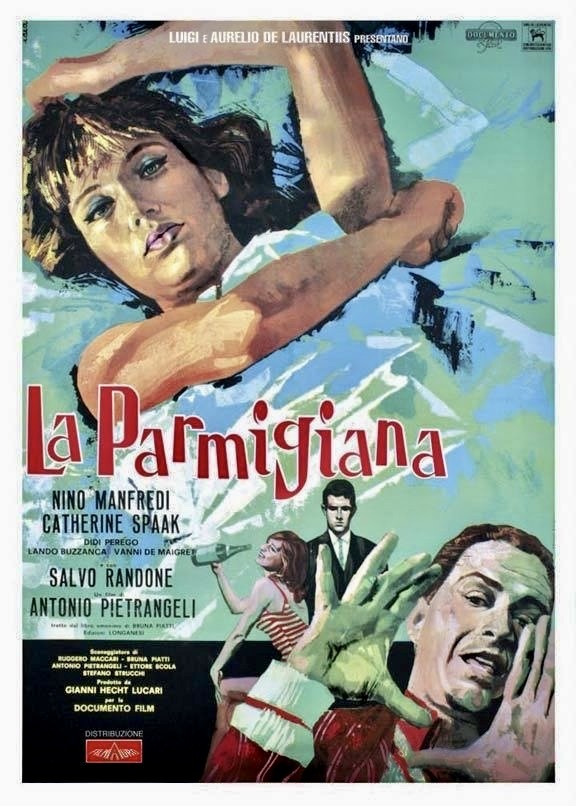
The Girl from Parma (1963)
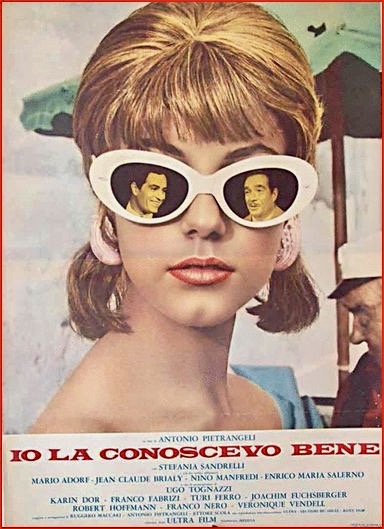
Why does it take so long for certain extremely gifted filmmakers to achieve international attention and praise for their body of work? Italian director Antonio Pietrangeli might have been popular and well-known in his own country but not so much in the U.S. where he was almost forgotten until the last decade. Thanks to filmmaker Alexander Payne, a re-discovery of Pietrangeli’s work began in 2012 after Payne hosted a showing of Lo La Conoscevo Bene (English title: I Knew Her Well, 1965) at the Telluride Film Festival that year (The Criterion Collection would later release it on Blu-ray and DVD in 2016). It was also in 2012 that Raro Films released Pietrangeli’s La Visita (English title: The Visit, 1963) on DVD in America and followed it up with a 2014 DVD release of his Adua e Le Compagne aka Hungry for Love aka Love a la Carte (1960).
Retrospectives of Pietrangeli’s work at museums, film festivals and cinema archives soon followed with MoMA presenting 10 of his movies in 2015 (He only directed 11 feature films plus contributions to two anthology films, 1954’s Mid-Century Loves and 1966’s The Queens. He was more prolific as a screenwriter and also worked as an assistant director on films like Luchino Visconti’s Ossessione. It’s a shame Pietrangeli didn’t live long enough to see his work being re-discovered in the U.S. and abroad (he drowned at sea in 1968 at age 49) but renewed interest in his work doesn’t necessarily mean that most of his work is now readily available for viewing. One of his key achievements, La Parmigiana (English title: The Girl from Parma, 1963) is still missing in action but it is an impressive showcase for actress Catherine Spaak and a fine example of Pietrangeli’s unusually effective blend of comedy and drama featuring a female protagonist. In fact, most of his films view Italian society through the eyes of a sympathetic heroine or heroines.
Continue readingThese Violent Delights Have Violent Ends
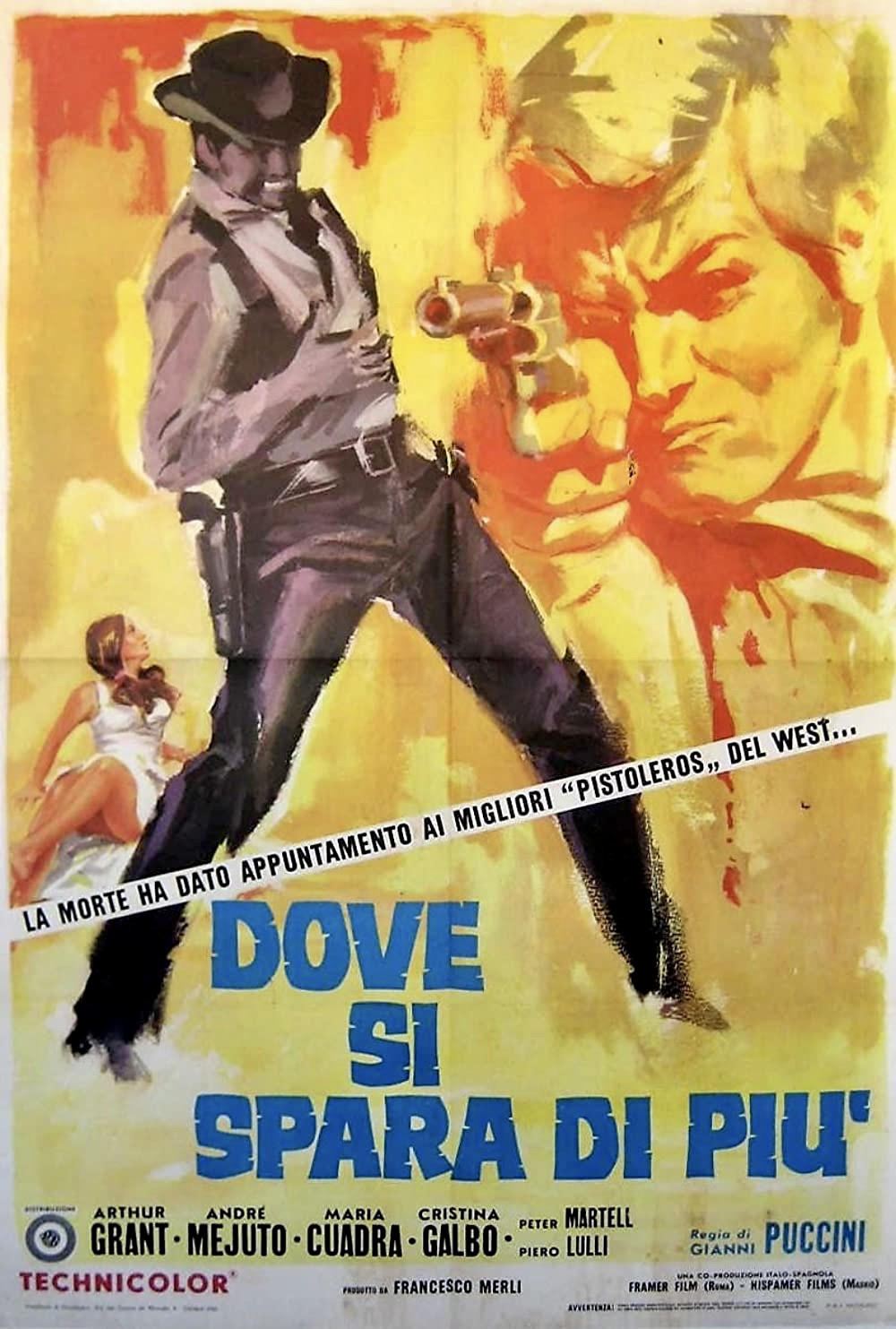
The William Shakespeare tragedy, Romeo and Juliet, has served as the inspiration for countless movies about star-crossed lovers such as Beneath the 12-Mile Reef (1953), West Side Story (1961) and the zombie comedy Warm Bodies (2013) but it has rarely been re-imagined as a spaghetti western. One of the few but notable exceptions is Dove si spara di più (1967), which is also known under the alternate release titles of Fury of Johnny Kidd, Ultimate Gunfighter and Ride for a Massacre.
Continue reading