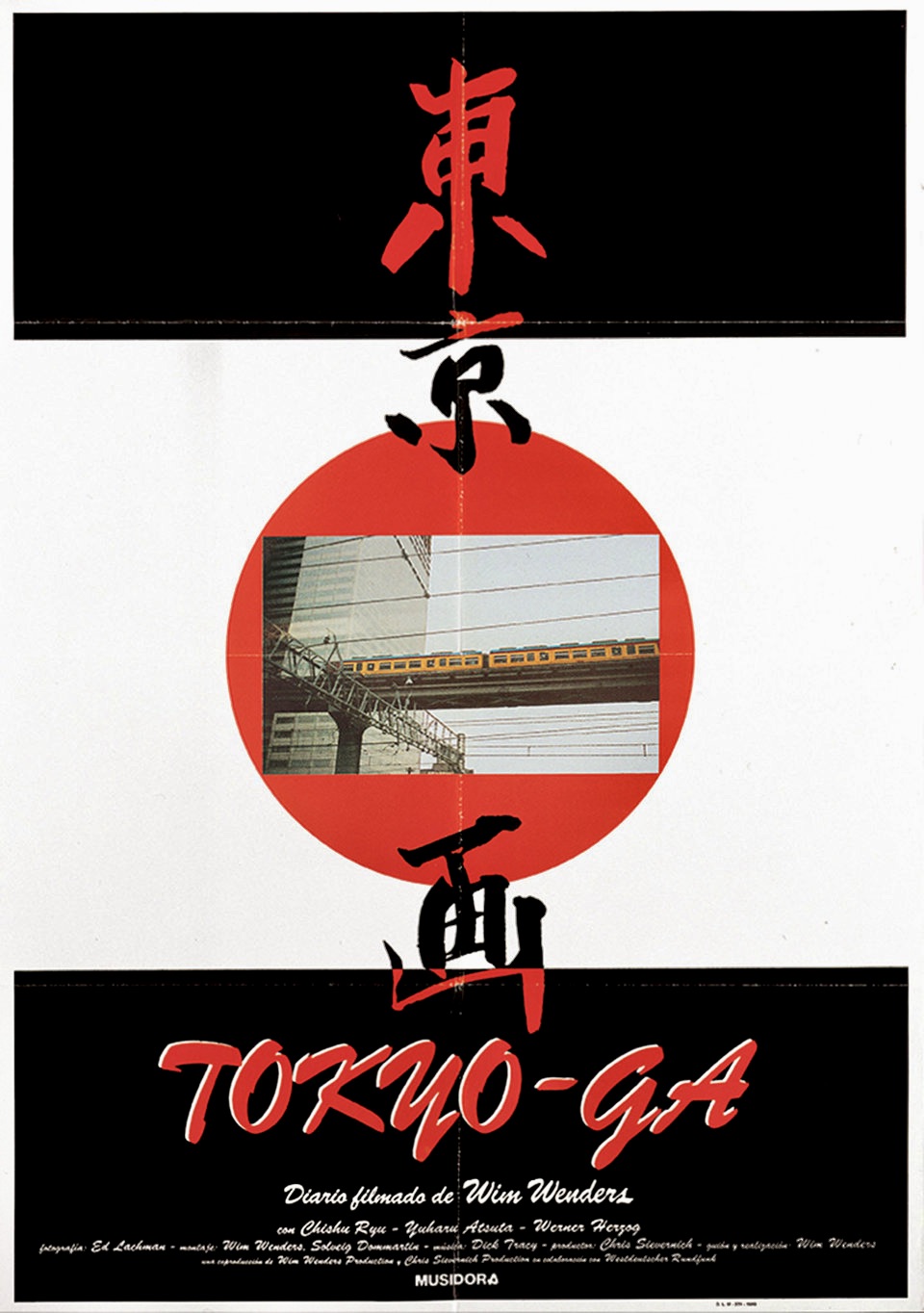
By the time Wim Wenders won the Palme d’Or at Cannes for Paris, Texas in 1984, he was well established as an internationally renowned director. He made his first big splash on the world stage in the early 1970s along with other New German Cinema directors (Werner Herzog, R.W. Fassbinder, etc.) with films such as The Goalie’s Anxiety at the Penalty Kick (1972) and Alice in the Cities (1974). Wenders had also dabbled with non-fiction-like formats in early experimental shorts, music videos and the Cannes-focused TV documentary of various film directors in Chambre 666 (1982). Yet, it was Tokyo-Ga 1985), the feature length portrait he made directly after Paris, Texas, that really triggered Wenders’s interest in not just non-fiction filmmaking but in Japan cinema and culture, especially the works of Yasujiro Ozu.
Continue readingTag Archives: La Jetee
In Praise of Tarkovsky
When he died in Paris on July 29, 2012, filmmaker Chris Marker left behind more than 60 short films and features, most of which were experimental cinema essays and documentaries. Many were political in nature but he also dabbled in other favorite subjects such as cats (Cat Listening to Music, 1988), Japan (The Koumiko Mystery, 1965) and the contemplation of memory (Immemory, an interactive CD-Rom from 1997). His work rarely found an outlet in commercial cinema venues but was often celebrated at film festivals and archival/repertory mainstays. If his name sounds familiar to you, it is due to his landmark science fiction short, La Jetee (1962), which remains influential today for its innovative approach to visual narrative. What many don’t know, however, is that Marker directed several highly accessible tributes to favorite film figures such as Yves Montand (La Solitude de Chanteur de Fond, 1974), Akira Kurosawa (A.K., 1985) and Simone Signoret (Memoires pour Simone, 1986) and one of his finest achievements is One Day in the Life of Andrei Arsenevich (1987).
Continue readingIn the Kingdom of G
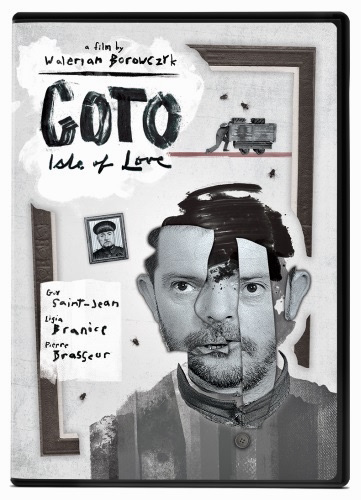
In the film world of the 20th century, there were not too many animators who made the transition to live action feature film directing. Certainly Frank Tashlin was one of the most famous, going from Porky Pig and Daffy Duck cartoon shorts to manic pop culture comedies like The Girl Can’t Help It (1956) and Hollywood or Bust (1956). Another rare exception was George Pal, who became famous for his Puppetoon shorts for Paramount before establishing himself as a director of fantasy features such as Tom Thumb (1958) and The Time Machine (1960). It is far easier to name more contemporary filmmakers like Terry Gilliam, Tim Burton and Brad Bird, all of whom graduated from cartoons to live-action features successfully. The above are all artists who worked in the commercial cinema but, if you are talking about art cinema, the list is much smaller and Polish animator Walerian Borowczyk should be in the top slot. Goto, Island of Love (1969, Polish title: Goto, I’ile d’amour), his feature film debut, is a fascinating achievement that successfully brings the avant-garde sensibilities of his animated shorts to a live action feature.
Continue reading