

PTSD (Post-traumatic stress disorder) is a term that became prominent in 1980 when the American Psychiatric Association recognized it as a mental health diagnosis that was often used to describe Vietnam War veterans and Holocaust survivors. Although PTSD could also apply to survivors of violent crimes, natural disasters and other calamities, it is more often association with war victims. Shellshocked is an earlier term for this disorder and was common in describing afflicted soldiers returning from battle during World War I. The Return of the Soldier, Rebecca West’s debut novel (published in 1918), was unique for featuring a shellshocked war veteran whose return home exposed his fragile mental condition to those who knew him before he went to battle. West’s novel was also significant for addressing such prevalent concerns in the narrative as class differences, Freudian psychoanalysis (which was popular at the time) and the lives of women living in a patriarchal society. All of this was skillfully integrated into the overlooked 1982 film adaptation of The Return of the Soldier, which faithfully captures the spirit and central focus of West’s narrative, one that utilizes the shellshocked protagonist as a means to examine three important women in his life and their response to his war trauma.
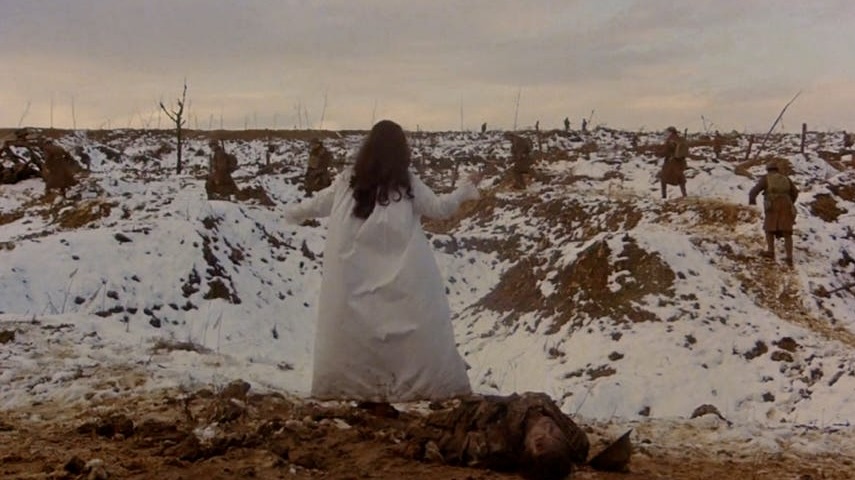
Directed by Alan Bridges from a screenplay by Hugh Whitemore, The Return of the Soldier opens with Jenny Baldry (Ann-Margret), having a disturbing dream about her cousin Chris (Alan Bates), a captain who is at the front lines of WW1. Jenny, who lives on the Baldry estate with Chris’s wife Kitty Baldry (Julie Christie), soon learns that Chris is being treated for trauma at a London hospital. The messenger of this news is Margaret Grey, a married, working-class woman who is a stranger to both Jenny and Kitty. The fact that Margaret has a telegram from Frank (Jeremy Kemp), Chris’s cousin, requesting her presence at the hospital creates confusion and anger within the Baldry household. Who is this dowdy woman and why is she notified about Chris’s condition before his wife and cousin?
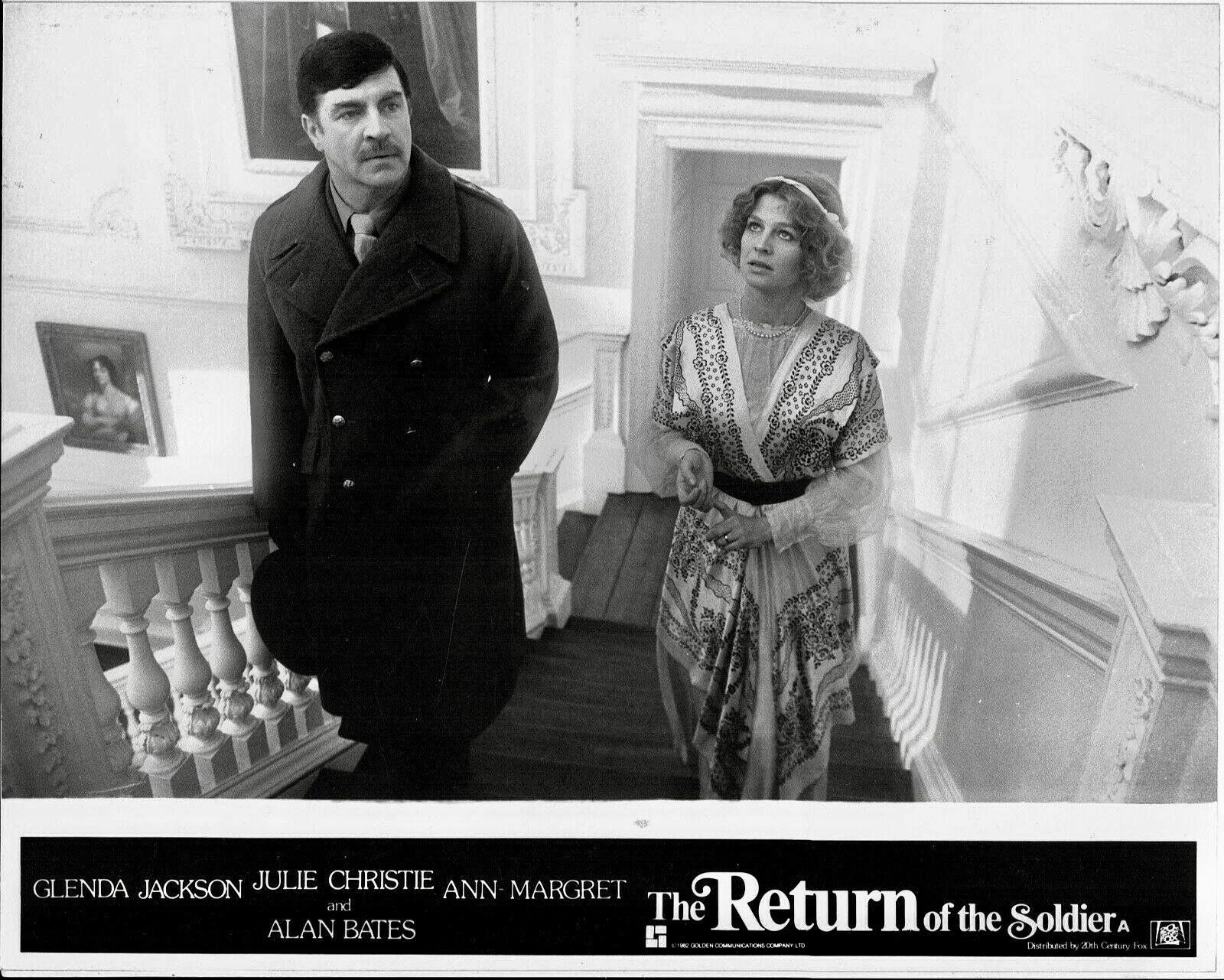
It turns out that Chris in his shellshocked state has forgotten the past twenty years and only wants to be reunited with Margaret, his childhood sweetheart. When he finally accepts the fact that he is suffering from memory loss – the sight of his own face in the mirror confirms he is no longer a young man – he agrees to return to the Baldry estate to see if his condition will improve. He remembers his cousin Jenny but his reunion with Kitty is strained and awkward. He doesn’t remember their years together but Kitty thinks he might be pretending. His excitement over seeing Margaret again and the way he acts when they are together, however, suggests that Chris is stuck in some strange state of arrested development. Kitty decides to send for Dr. Anderson (Ian Holm), a psychiatrist who might be able to cure Chris’s amnesia.
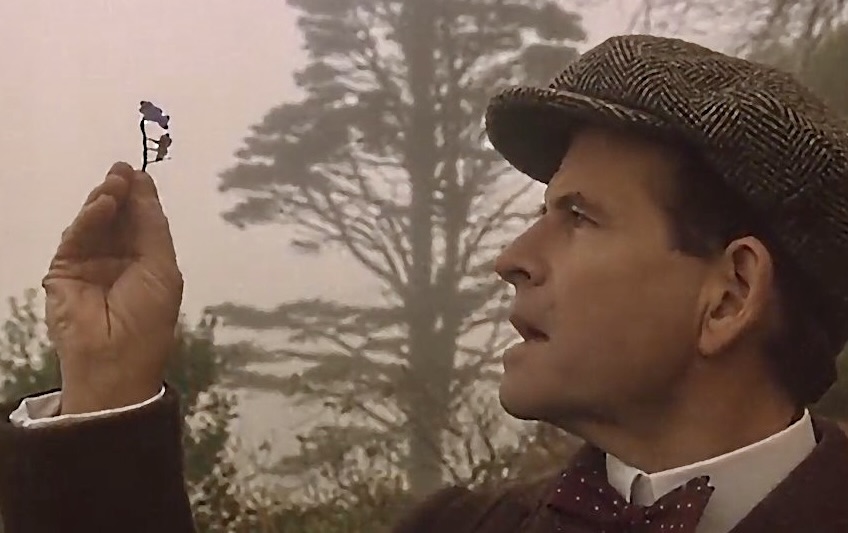
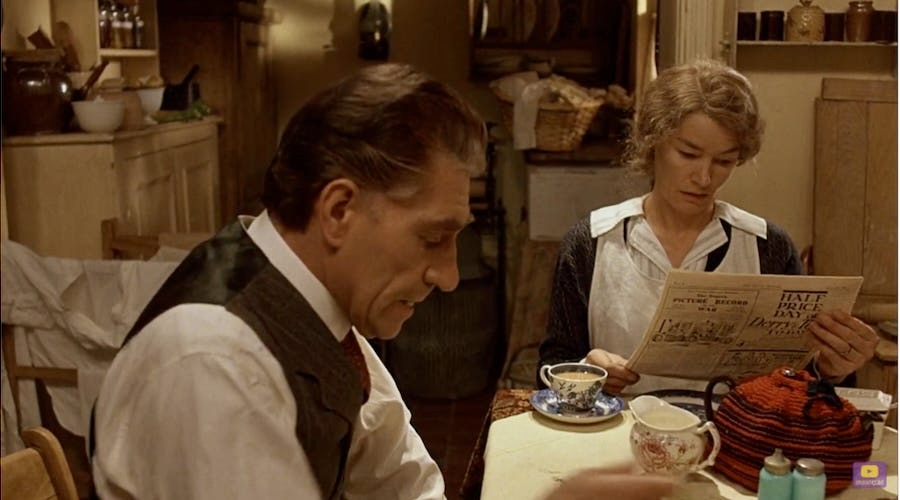
While Kitty is struggling to adjust to this unsettling situation in her life, William (Frank Finlay), Margaret’s husband, is equally concerned but he agrees to let his wife meet frequently with Chris in the hopes that the shellshocked man will regain his memory. Only Jenny really knows how unhappy Chris was before he went off to war; he was struggling financially due to the debt he inherited from his father but he was also devastated over the death of his two-year son Oliver. Dr. Anderson has mixed feelings about trying to cure Chris’s amnesia, fearing it might make him worse. Margaret, on the other hand, feels joy and passion for the first time in years – her own marriage is mundane and loveless – yet she worries that hiding the past from Chris is unrealistic. Ultimately, her final decision holds the key to his future state of mind.
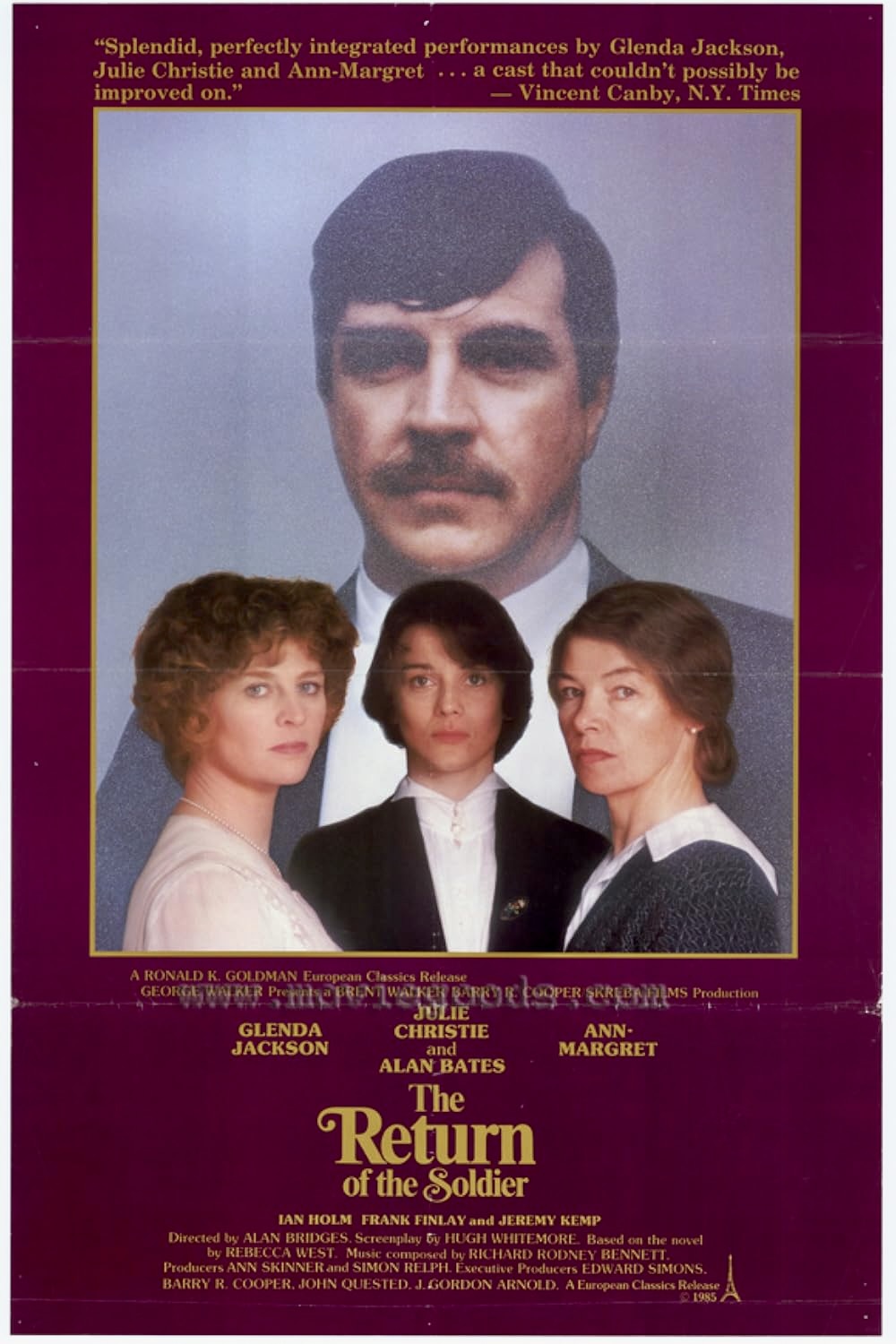
Amnesia is a plot device that has been used countless times in the movies and it is probably the most cliched aspect of The Return of the Soldier but what makes the film such a compelling drama is the interaction of the three female characters as they clash over Chris’s welfare and his state of mind. Film critic Vincent Canby of The New York Times wrote that he “had no idea that anything depending on amnesia could still be so affecting, largely because of the splendid, perfectly integrated performances by Glenda Jackson, Julie Christie and Ann-Margret.” And Alan Bridges achieves a perfect balance of romance and suspense delivered with a theatrical flair that brings this period melodrama to life.
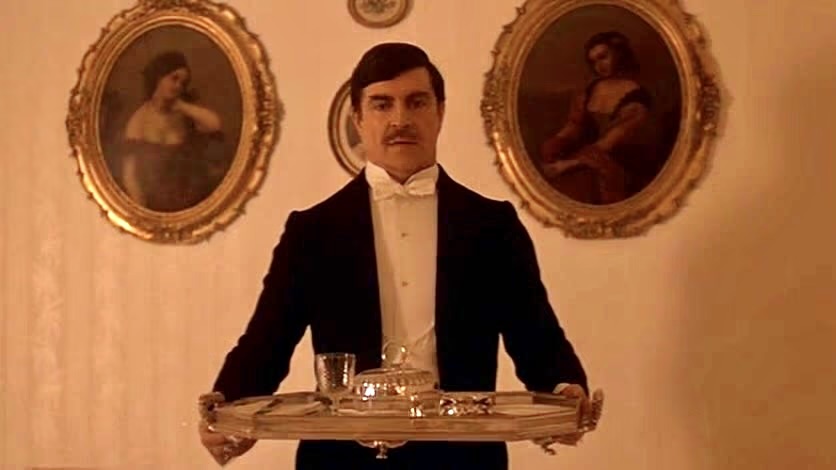
Julie Christie, looking gorgeous, is appropriately agitated and resentful as Chris’s spoiled, class-conscious wife. This might be one of her most unsympathetic screen characters but she manages to be both pitiful and an object of ridicule as the self-absorbed Kitty. Some of her callous remarks to both Jenny and Margaret are so mean-spirited at times that her character can be caustically funny as well as a satiric send-up of a privileged bourgeois housewife.
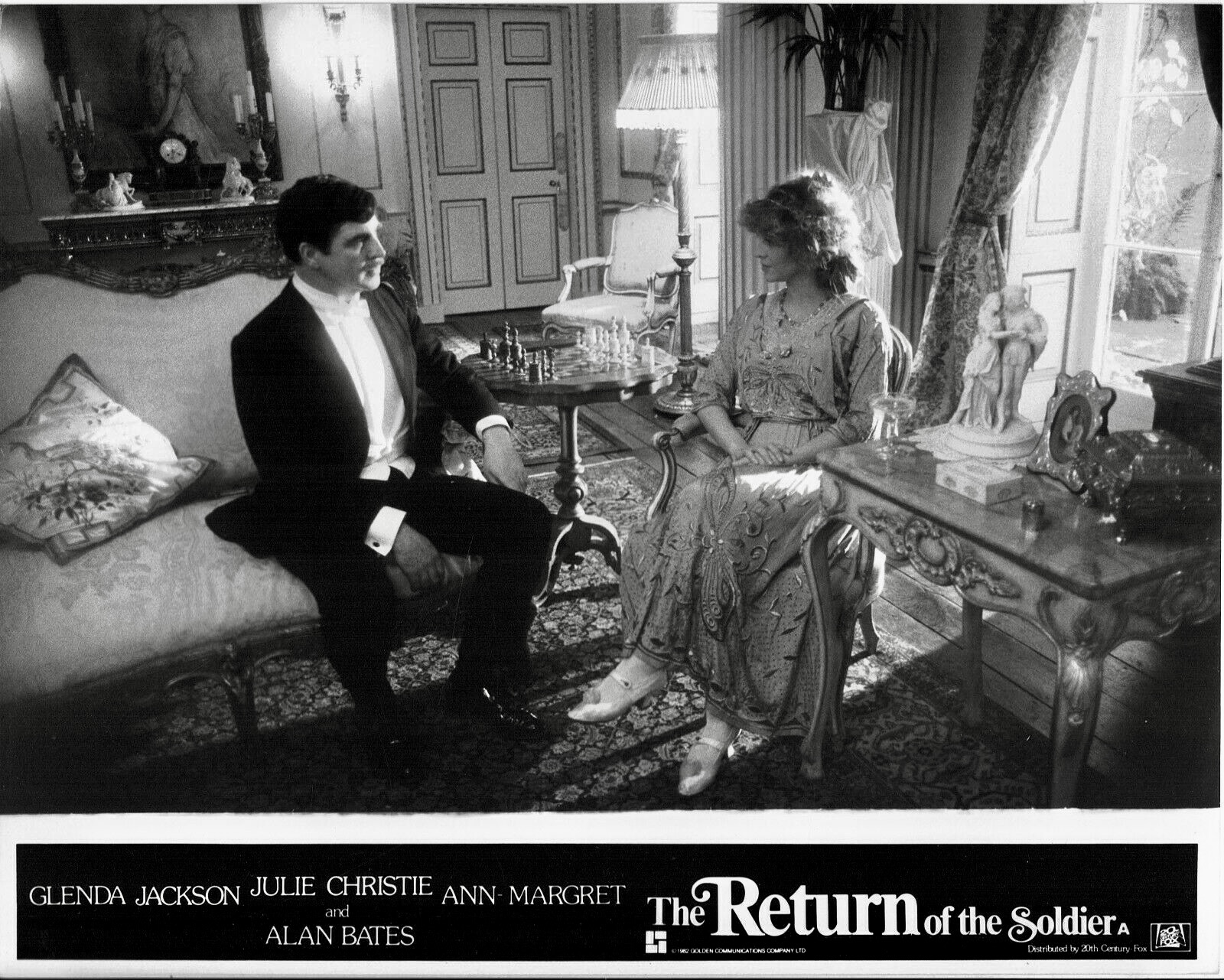
In a decidedly deglamorized role, Ann-Margret is quite impressive as the reticent, long-suffering Jenny, who has always idolized her cousin Chris from afar while being treated like a poor relation/servant by his wife. In the novel, the story was told from Jenny’s point of view and, in the film, you watch as her sympathies slowly shift from Kitty to Margaret as she sees the positive effect the latter has on Chris’s shellshocked state.

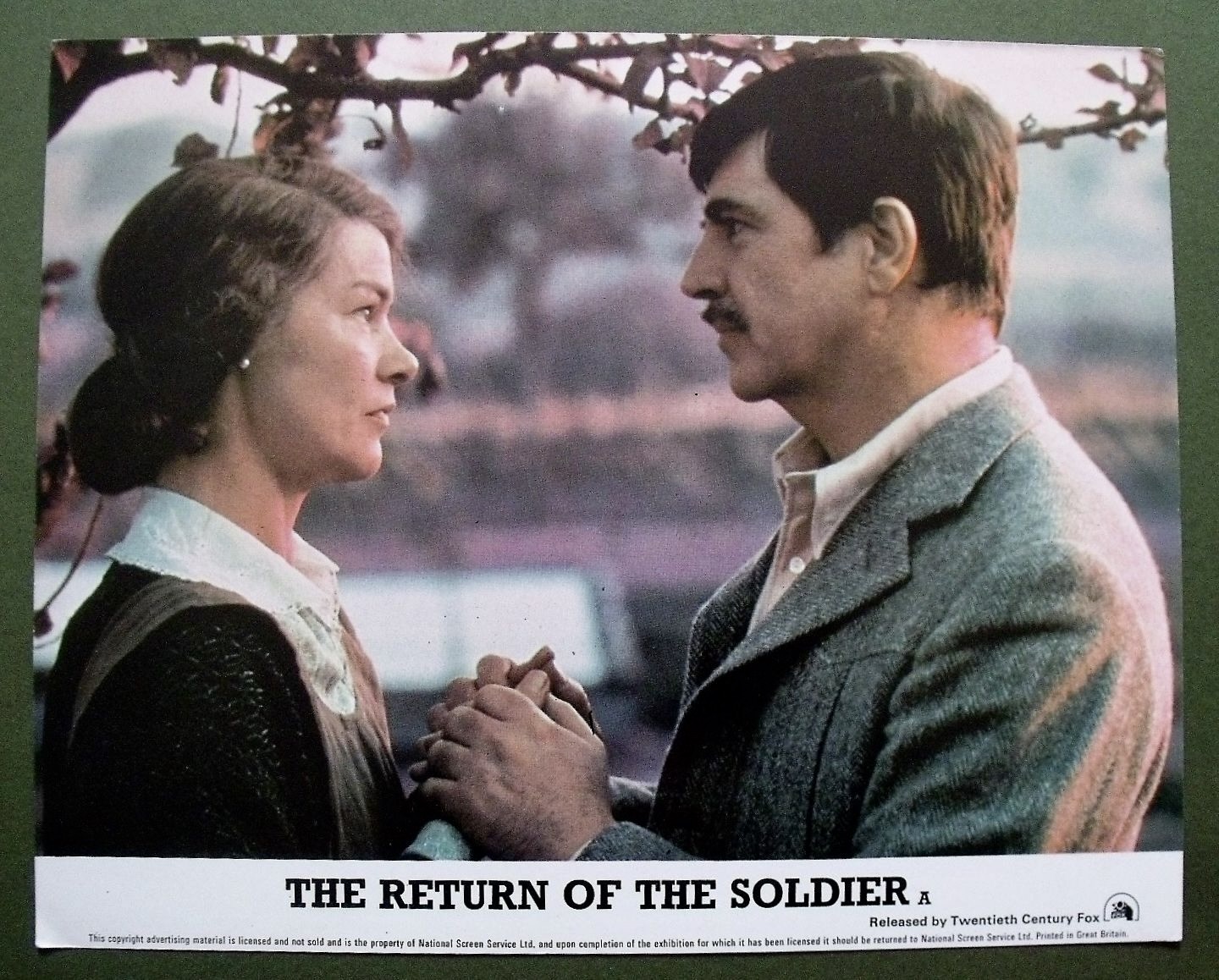
Nevertheless, it is Glenda Jackson’s portrayal of Margaret that is the heart and soul of The Return of the Soldier and guides the story to its inevitably sad and tragic conclusion. Most critics praised the work of the ensemble cast but Pauline Kael, in her review, singled out Glenda Jackson and Alan Bates in particular and I agree: “Glenda Jackson takes Rebecca West’s literary conception of an instinctual, loving woman and plays it with an ease and leanness that’s fairly astounding…And in a role that could seem ludicrous Alan Bates has a weight and an aura of middle-aged bewilderment that you don’t laugh off. The dated modernity of the novel is faithfully reproduced, and it’s a fascinating reminder that it has only been a few decades since Freud and [Queen] Victoria walked arm in arm.”
The film version of The Return of the Soldier was co-produced by Ann Skinner, who had served as a script girl on 1978’s Magic starring Anthony Hopkins and Ann-Margret. Skinner had been instrumental in bringing the novel to the screen; she bought the book rights, hired Alan Bridges to direct, assembled a first-rate cast and financed the production in a piecemeal manner. In an interview with film critic Roger Ebert, Ann-Margret recalled, “Halfway through production, we went broke…The cast and crew kept working without being paid, and finally another British production company came through with some more money. It was a labor of love.”
There were no reports of any diva behavior behind the scenes during production although co-producer Simon Relph noted in Glenda Jackson: The Biography by Chris Bryant that the cast members didn’t socialize with each other: “Julie is shy, Glenda has always been a recluse, and Ann-Margret is shyer than shy – the Ann-Margret in the night-club act is a character she plays. Julie and Ann-Margret got on very well. Glenda and Ann-Margret got on very well. Julie and Glenda got on, but just. Basically, they challenge one another. Julie thinks Glenda is more of an actress than she is, and Glenda thinks Julie is more of star than she is. They admire those qualities in each other, but it’s still a bridge to cross.”
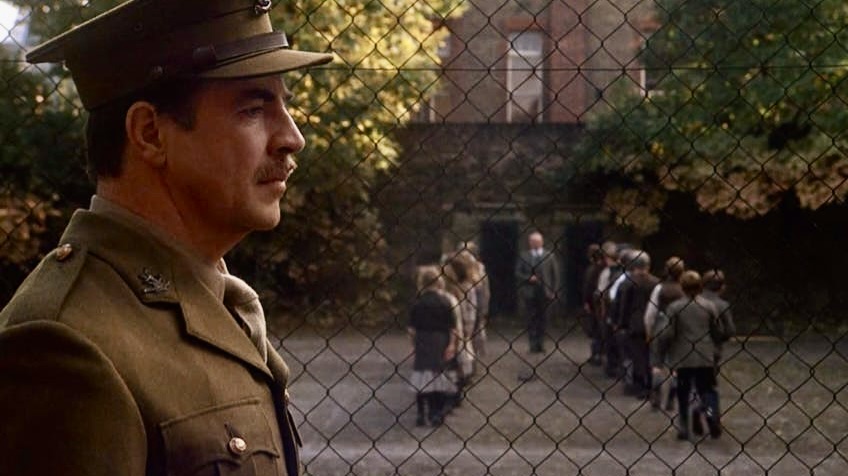
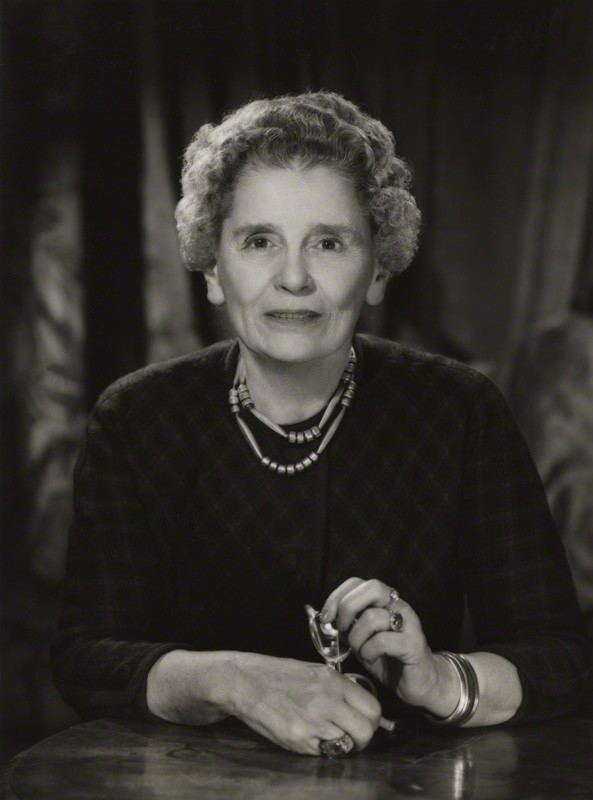
Alan Bates’s congenial presence on the set helped unify the entire cast and crew plus he had worked well with both Julie Christie and Glenda Jackson in the past; with Christie, he co-starred in Far from the Madding Crowd (1967) and The Go-Between (1971) and Jackson joined him for Ken Russell’s 1969 adaptation of D.H. Lawrence’s Women in Love. During the filming of The Return of the Soldier, he also received a surprise guest to the seet. According to Donald Spoto, author of Otherwise Engaged: The Life of Alan Bates, “Eighty-nine-year-old Rebecca West visited the company during filming, and when she saw the finished product she was delighted. ‘It was a double pleasure to see you act,’ she wrote to Alan on 5 May 1982, ‘and to see you acting in an invention of my own! This has been one of the most enjoyable things that has happened to me in my seventy-one years of writing, and I thank you for it?”

Rebecca West, who died in March 1983 at age 90, was a popular author, journalist and literary critic during her time. Her birth name was Cecily Isabel Fairfield but she took the pseudonym of Rebecca West because it was the name of a favorite heroine from Henrik Ibsen’s play Rosmersholm. She enjoyed a ten-year affair with novelist H.G. Wells and Charlie Chaplin, CIA found Allen Dulles and Harold Ross of The New Yorker were among her friends. Toward the end of her life, she appeared as herself as one of the “witnesses” who was interviewed in Reds, Warren Beatty’s 1981 biopic of John Reed.
Although The Return of the Soldier was released in 1982 in the U.K., the promotional campaign and the distribution were spotty. It didn’t even open in the U.S. until 1985 and, as a result, it was overlooked by many film critics and moviegoers. It did, however, garner a nomination for the Palme d’Or prize at the Cannes Film Festival and Frank Finlay was nominated for Best Supporting Actor in the annual BAFTA awards.
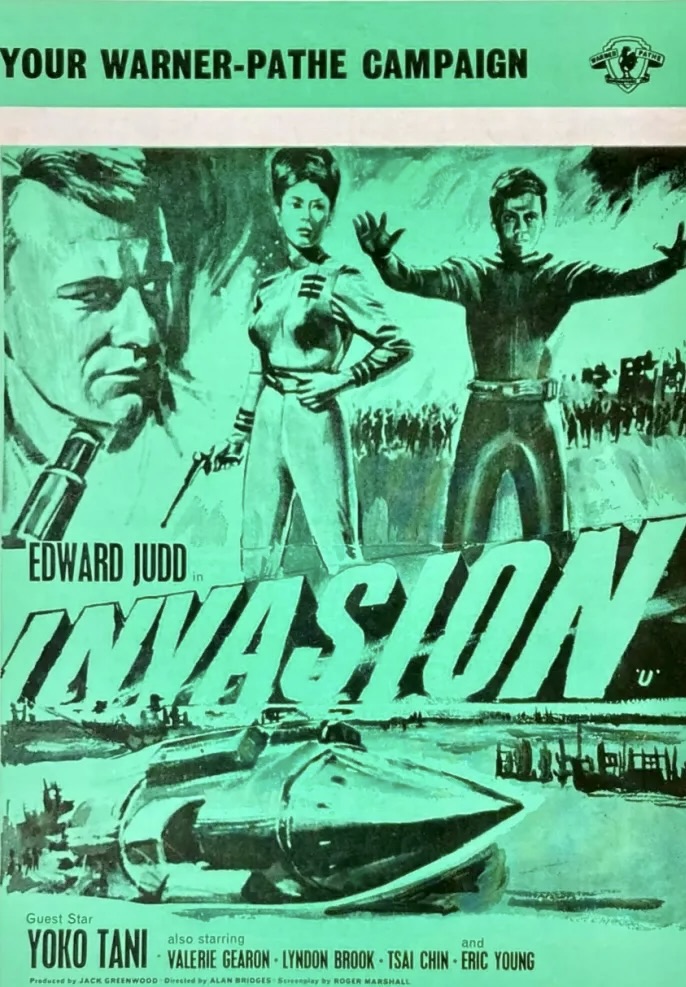
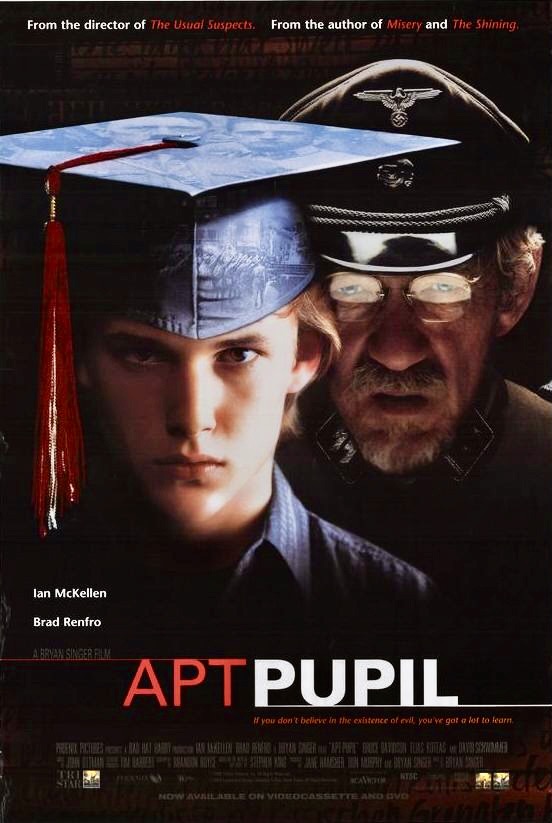
Director Alan Bridges is not well known outside his own country and spent most of his career working in British television where he enjoyed adapting literary classics as mini-series for the small screen; Among them are his versions of The Brothers Karamazov (1964-65), The Idiot (1966), Great Expectations (1967), Les Miserables (1967) and a made-for-TV remake of Brief Encounter (1974) starring Richard Burton and Sophia Loren. He has only made a handful of films including Invasion (1966), an offbeat, low-budget science fiction film with a cult following. The Hireling (1973), based on a novel by L.P. Hartley and starring Robert Shaw and Sarah Miles, is generally considered his breakthrough film and won him the Palme d’or at Cannes (it shared the prize with Jerry Schatzberg’s Scarecrow). Although it led to more movie offers, Bridges preferred to work in TV and only returned to feature film making sporadically, with The Shooting Party (1985), a WWI period drama starring James Mason, Edward Fox and John Gielgud, representing the last significant movie of his career. In the late 1980s, he began working on an adaptation of Stephen King’s 1982 novella Apt Pupil with Nicol Williamson as the Nazi and Ricky Schroder as the student but the production money dried up before it could be completed and the project was shelved. It finally reached the screen in 1998 with Bryan Singer (The Usual Suspects, X-Men) directing and the two main leads were played by Ian McKellen and Brad Renfro.
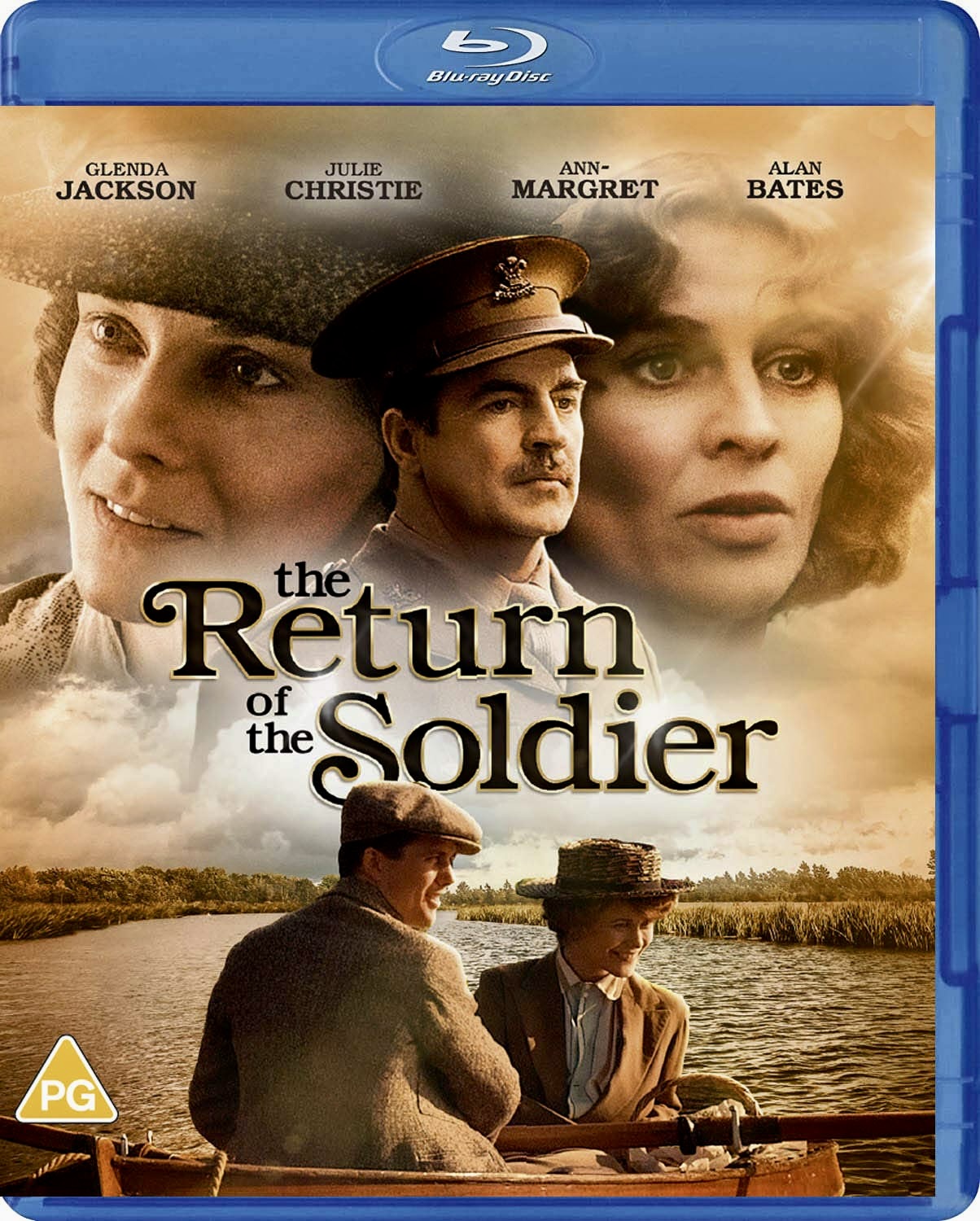
The Return of the Soldier was originally released on DVD by Trinity Home Entertainment but was later issued on Blu-ray as an all-region disc which you might be able to still purchase from online sellers. It certainly deserves a second chance at finding its audience so maybe The Criterion Collection or Radiance Films will come to the rescue.
Other links of interest:
https://lukehoney.substack.com/p/the-return-of-the-soldier-1982
https://www.bfi.org.uk/sight-and-sound/features/julie-christie-honey-glow-girl
https://www.rogerebert.com/interviews/interview-with-ann-margret-1982
https://www.scotsman.com/news/obituaries/obituary-alan-bridges-film-and-television-director-2001550

