
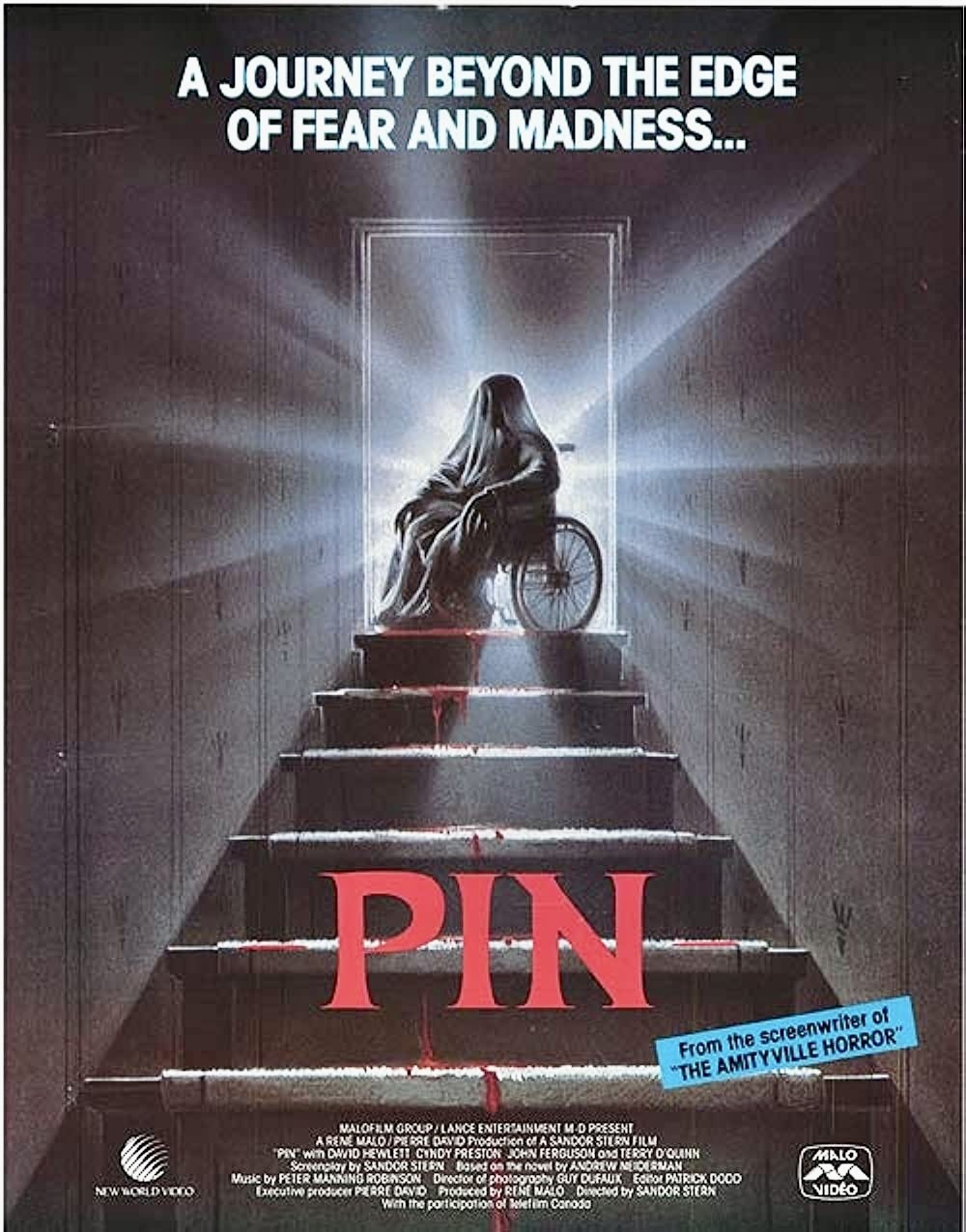
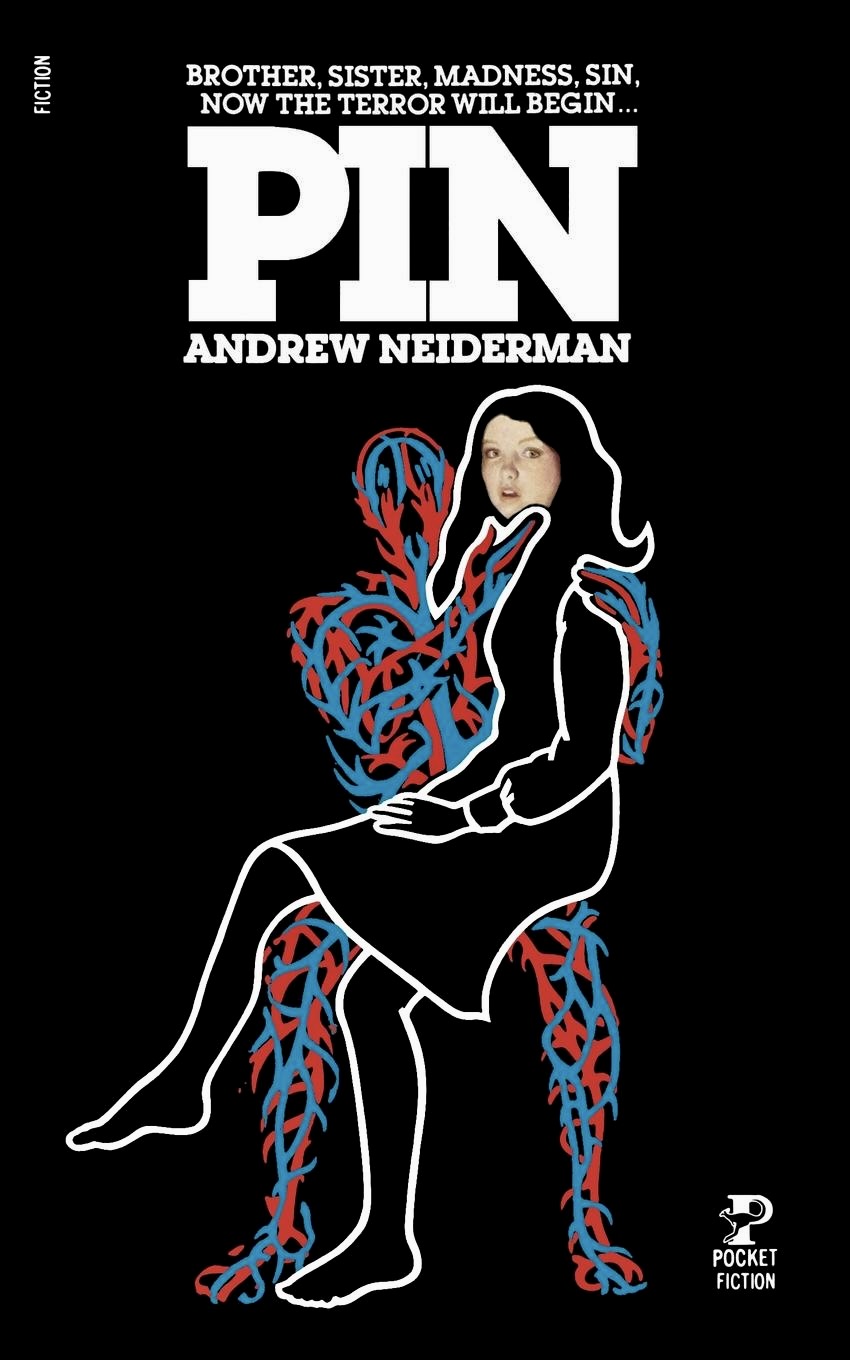
During the early years of the VHS boom movie lovers were suddenly able to access hundreds of films they had always wanted to see but weren’t available on TV or had never played movie houses in their town. Many were titles they had only read or heard about from fellow movie buffs. So it is no wonder that VHS became the dominant format in the home entertainment industry for awhile. I certainly credit VHS with introducing me to countless B-movies, forgotten Hollywood pictures and genre films but also introducing me to movies from outside the U.S., especially those from Canada. Among some of my favorites are Circle of Power aka Brainwash aka Naked Weekend (1981), a disturbing drama about a corporate retreat weekend for employees led by a dominatrix-like motivator (Yvette Mimieux); Siege aka Self Defense (1983), in which a small group of people are trapped in an apartment and attacked by crazed vigilantes; Family Viewing (1987), Atom Egoyan’s hypnotic drama about alienation; and Tales from the Gimli Hospital (1988), Guy Maddin’s bizarre debut feature. These were all surprising revelations to me but the one that still haunts me is Pin aka Pin: A Plastic Nightmare (1988).
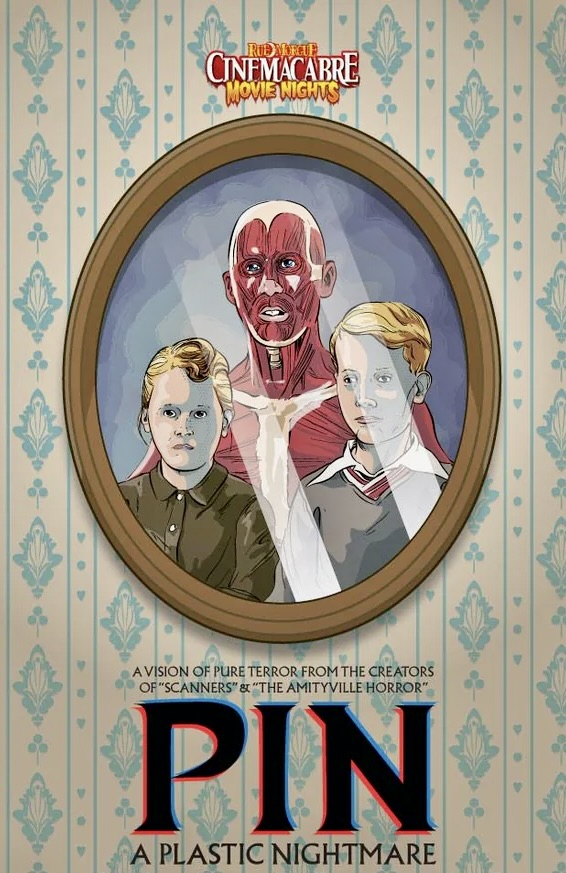
Directed by Sandor Stern, this low-budget indie production was often lumped in with other horror films during the VHS craze but the film doesn’t really fit easily into any specific genre. On the surface, Pin unfolds like a psychological thriller but it could be more accurately described as a perverse portrait of a truly dysfunctional family. How screwed up are they?
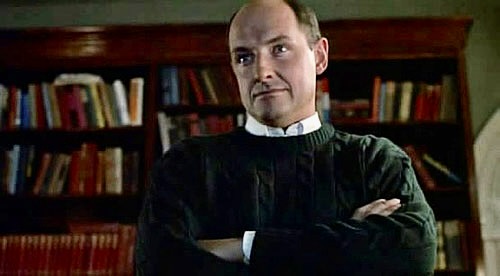
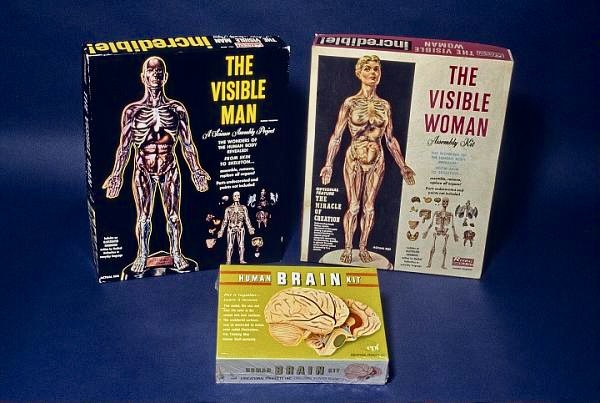
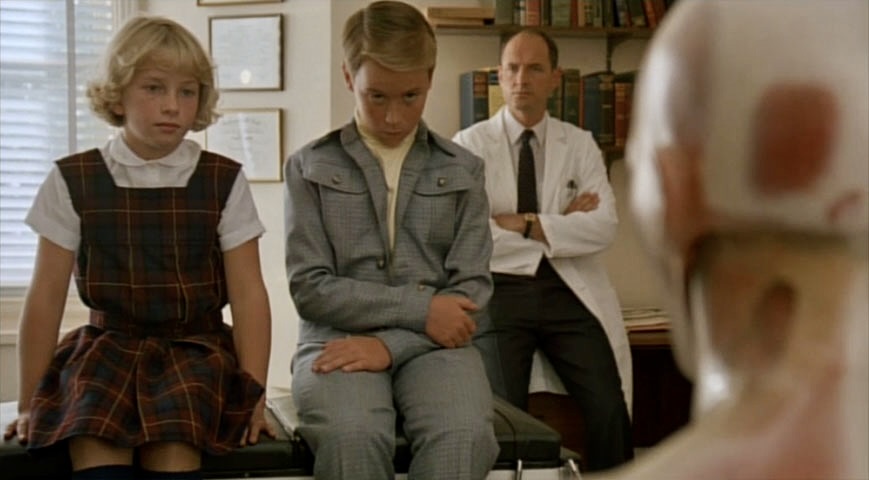
For starters, the head of the Linden household is a family doctor (Terry O’Quinn) who keeps an anatomical dummy with transparent skin in his office for educational purposes. Nothing weird about that….except he gives it a name – Pin – along with a personality and a voice – his own – in the manner of a ventriloquist and his dummy. (Pin looks a lot like the famous Visible Man models created by the Renwal Toy Corporation in the late 1950s and could be ordered from ads in the back pages of comic books and fanzines like Famous Monsters of Filmland).
Dr. Linden uses Pin as a sex education instructor for his two children, Leon and Ursula. The doctor is so good at throwing his voice that his kids actually think Pin is real. The dummy is not easy on the eyes but it has a calm, soothing voice and personality which is less abrasive the kids’ strict, authoritarian father and their anal-retentive mother (Bronwen Mantel), who is obsessed with cleanliness and household rules (she wraps most of the chairs and couches in plastic covers). In one of the more memorable dialogue exchanges between the brother and sister, Ursula wonders if her parents have sex before joking, “I bet before they do it mother washes his penis with Spic and Span.”

Flash forward several years later and Leon and Ursula are teenagers in high school where they stand apart from the more normal students. Leon (David Hewlett) is teased and bullied by other boys in his class because of his neatnik appearance, repressed manner and overly protective concern for his sister (Cynthia Preston). Ursula has her own issues due to a lack of love and affection at home so she tries to find it by having sex with any interested male classmate. She gets a reputation as the local slut but panics when she learns she is pregnant. The situation is soon resolved by Dr. Linden giving his daughter an abortion but it also forces him to confront his woefully misguided efforts in using Pin as a sex ed instructor and surrogate parent.

[Spoiler alert] The film ventures into even darker territory when Dr. Linden and his wife exit the narrative and Leon and Ursula are left on their own…except for Pin who functions as the third family member. It becomes increasingly evident to Ursula that Leon is retreating more and more into a fantasy world as he alternates between being himself and an alter ego who gives Pin a new voice and personality. When Ursula tries to exert some freedom and independence from Leon by getting a job at the local library and dating Stan (John Pyper-Ferguson), a former high school acquaintance, he becomes more sinister in his behavior.
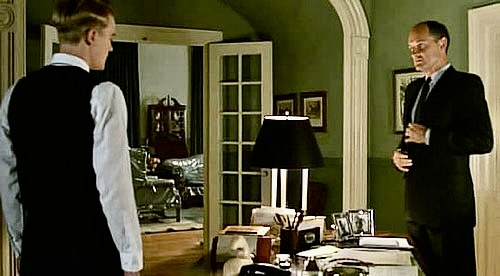
Most of Pin takes place in the doctor’s office and the Linden home with only a handful of scenes taking place in the outside world such as the high school scenes or Ursula’s job at the library. But the hermetically sealed world of Leon and Ursula is so suffocating and unhealthy that it exerts an almost palpable presence.
Pin will probably disappoint hardcore horror fans because of its slow, methodical pacing, low body count and minimal violence and bloodshed. It has an uncluttered, slow burn narrative arc but its overtones of sexual repression, incest, schizophrenia and aberrant familial relations make the movie seem much more subversive and toxic than a traditional psychological drama.
One can imagine a contemporary remake of Pin (director Stern was actually planning one in 2011 but the project never materialized) with a much more aggressively violent Leon and plenty of bloody murders. Scenes such as Leon terrorizing his visiting Aunt (Patricia Collins) with Pin or bringing a woman home for sex would certainly have more dire consequences in a reboot.
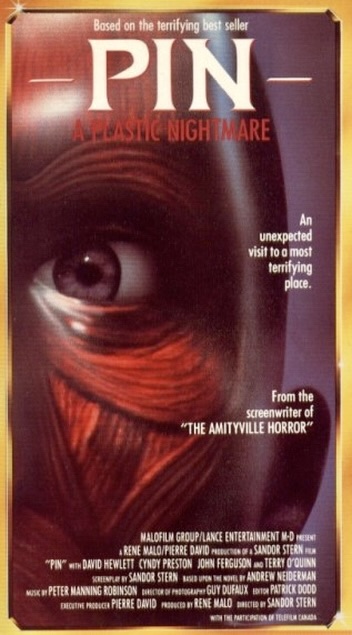
Yet the reason Pin is so effective is due to the methodical pacing, the drab, claustrophobic art direction of Francois Sequin, the subtle but eerie music score by Peter Manning Robinson and the committed performances. Cinematographer Guy Dufaux doesn’t try any flashy visual effects or weird camera angles to generate suspense and he doesn’t have to when the real protagonist of the movie is a creepy looking mannequin. When Leon ends up giving Pin an external layer of skin, a wig, and human clothes to wear, the dummy becomes even more unnerving. It is also easy to spot similarities between Pin and other psychological thrillers like Alfred Hitchcock’s Psycho (1960) and Otto Preminger’s Bunny Lake is Missing (1965) with its tortured brother-sister relationship.
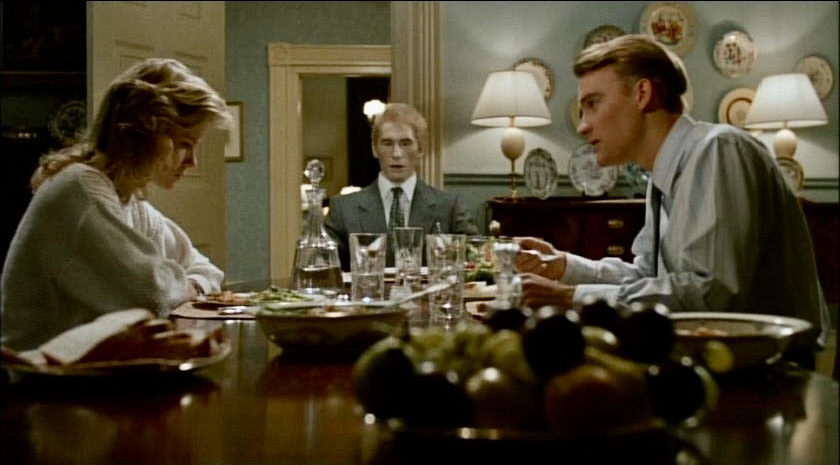
The top acting honors in Pin belong to Terry O’Quinn in his brief scenes as the controlling doctor/father and David Hewlett as the obsessive Leon. Horror fans know O’Quinn from his performance as the sheriff in Silver Bullet (1985), a Stephen King adaptation, and the original version of The Stepfather (1987) and its sequel Stepfather II: Make Room for Daddy (1989). Despite his unforgettable performance as the demented psychopath in the latter two films, O’Quinn managed to avoid being typecast in the horror genre and has become a versatile character actor in movies like The Rocketeer (1991) as Howard Hughes, the western Tombstone (1993) and Rob Reiner’s Civil Rights era drama Ghosts of Mississippi (1996). He is probably better known, however, for his prolific TV work which includes Millennium (1996-1999), The West Wing (2003-2004), and Lost (2004-2010), for which he won a Primetime Emmy award for Outstanding Supporting Actor in a series.

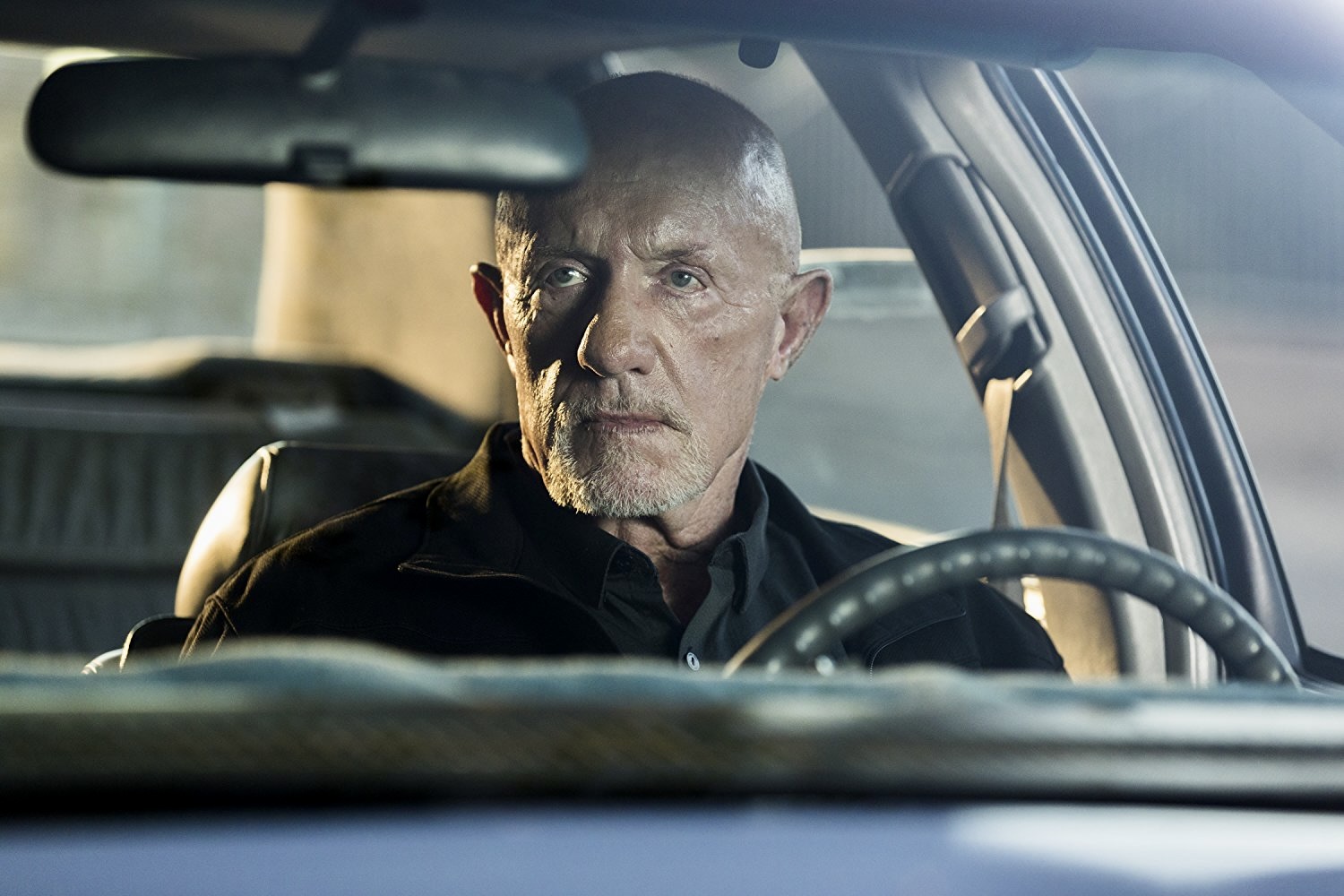
Still, it is David Hewitt who dominates the proceedings with his intense portrayal of the schizophrenic Leon. As he switches back and forth between the personalities of Leon and Pin, he becomes the perfect poster boy for inept child-rearing. At a certain point, you even begin to believe that Pin has come to life. By the way, the voice of Pin is provided by Jonathan Banks, best known for his portrayal of hitman Mike Ehrmantraut in the cable series Breaking Bad (2009-2012) and Better Call Saul (2015-2022).
Hewitt would go on to appear in many more horror and sci-fi based movies and TV shows. Among them are Scanners II: The New Order (1991), Cube (1997), Splice (2009), Guillermo del Toro’s The Shape of Water (2017), and the series Stargate: Atlantis (2004-2009). As for director Sandor Stern, he would work mainly in television for most of his career, helming made-for-TV thrillers like Amityville Horror: The Evil Escapes (1989) and The Stranger Beside Me (1998). He might be even better known for his work as a screenwriter such as his 1979 adaptation of The Amityville Horror starring James Brolin and Margot Kidder.

Pin wasn’t released in the U.S. until 1989 and suffered from erratic distribution due to the fact that it was one of the last theatrical releases of New World Pictures. The company was in the process of dissolving its theatrical arm and few critics saw the film although one exception was Janet Maslin of The New York Times, who said it was “a cool, bloodless, well-made thriller with a taste for the quietly bizarre.” The film didn’t start to acquire a cult following until it appeared on VHS and later on DVD in 2001. The film is now difficult to see although it occasionally pops up as a streaming option on Youtube. Pin definitely needs to be remastered and released on Blu-ray now that it has finally been recognized as an overlooked gem from the 1980s by an appreciative fanbase.

Other links of interest:
https://thecanadianencyclopedia.ca/en/article/david-ian-hewlett
https://willharris.substack.com/p/something-streaming-this-way-comes-540
https://www.avclub.com/terry-o-quinn-on-gang-related-heaven-s-gate-and-insta-1798269292


Pin is one messed up film! I watched it on Netflix back when they had weird old movies but can’t imagine what I would have thought if I’d seen it in the video store days. 😳