
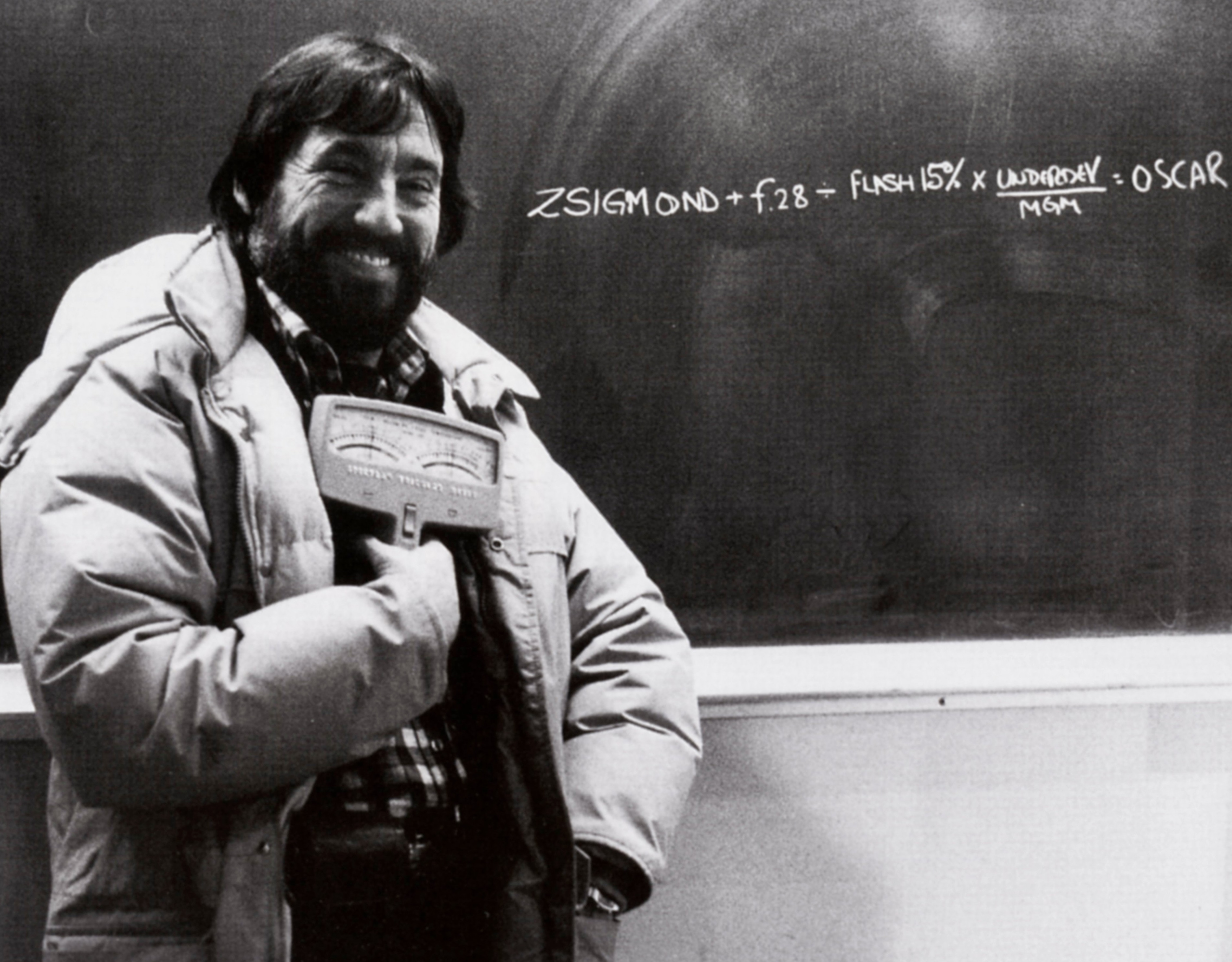
*This is an archival interview from 2004 that originally appeared on the Turner Classic Movies website.
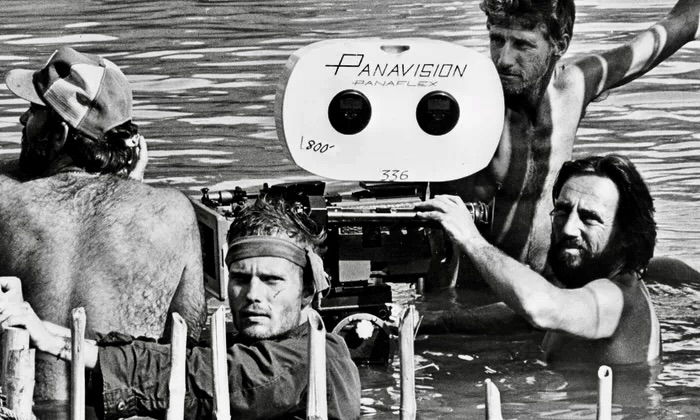
One of the great cinematographers to emerge in the second half of the 20th century was Vilmos Zsigmond (1930-2026). His rise to prominence occurred around the same time as the Hollywood Renaissance of the 1970s when such directors as Martin Scorsese, Steven Spielberg, Dennis Hopper, Hal Ashby, Brian De Palma, Francis Ford Coppola and other young directors changed the way movies were made.
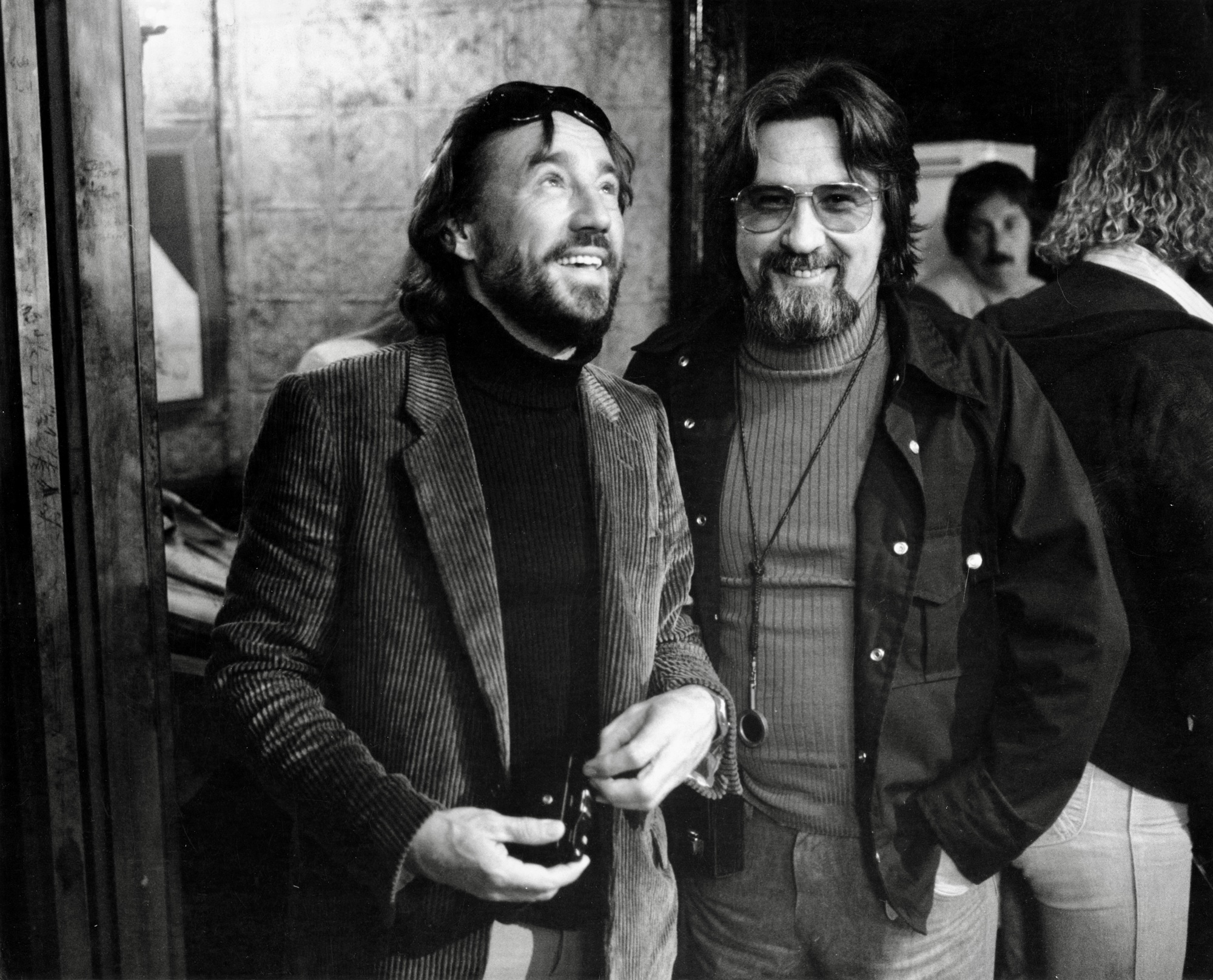
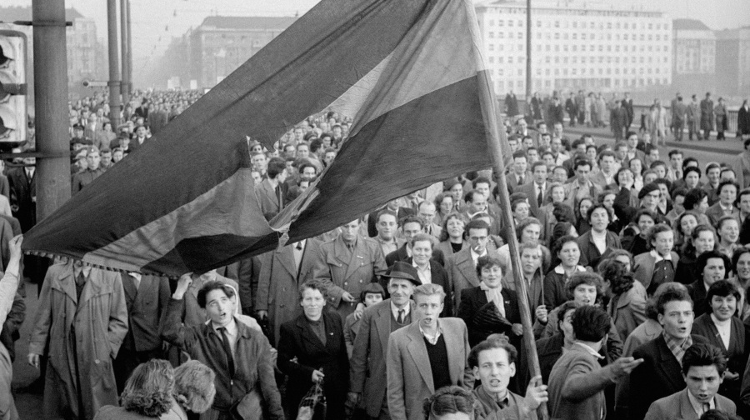
Zsigmond was born on June 16, 1930 in Szeged, Hungary and became interested in photography as a teenager. While working in a factory, he earned enough to buy his first camera and taught himself how to use it, eventually organizing a camera club for his fellow factory workers. He later studied cinematography at the University of Theatre and Film Arts in Budapest and graduated in 1955. During the Hungarian Revolution of 1956, he and fellow classmate Laszlo Kovacs captured street scenes of those chaotic days with a camera hidden in a shopping bag and smuggled it out of Hungary (and sold the footage to CBS). Both Zsigmond and Kovacs ended up immigrating to the U.S. in 1958 as political refugees and eventually settled in Los Angeles. At first Zsigmond supported himself by working in photo labs but soon moved on to shooting educational films.
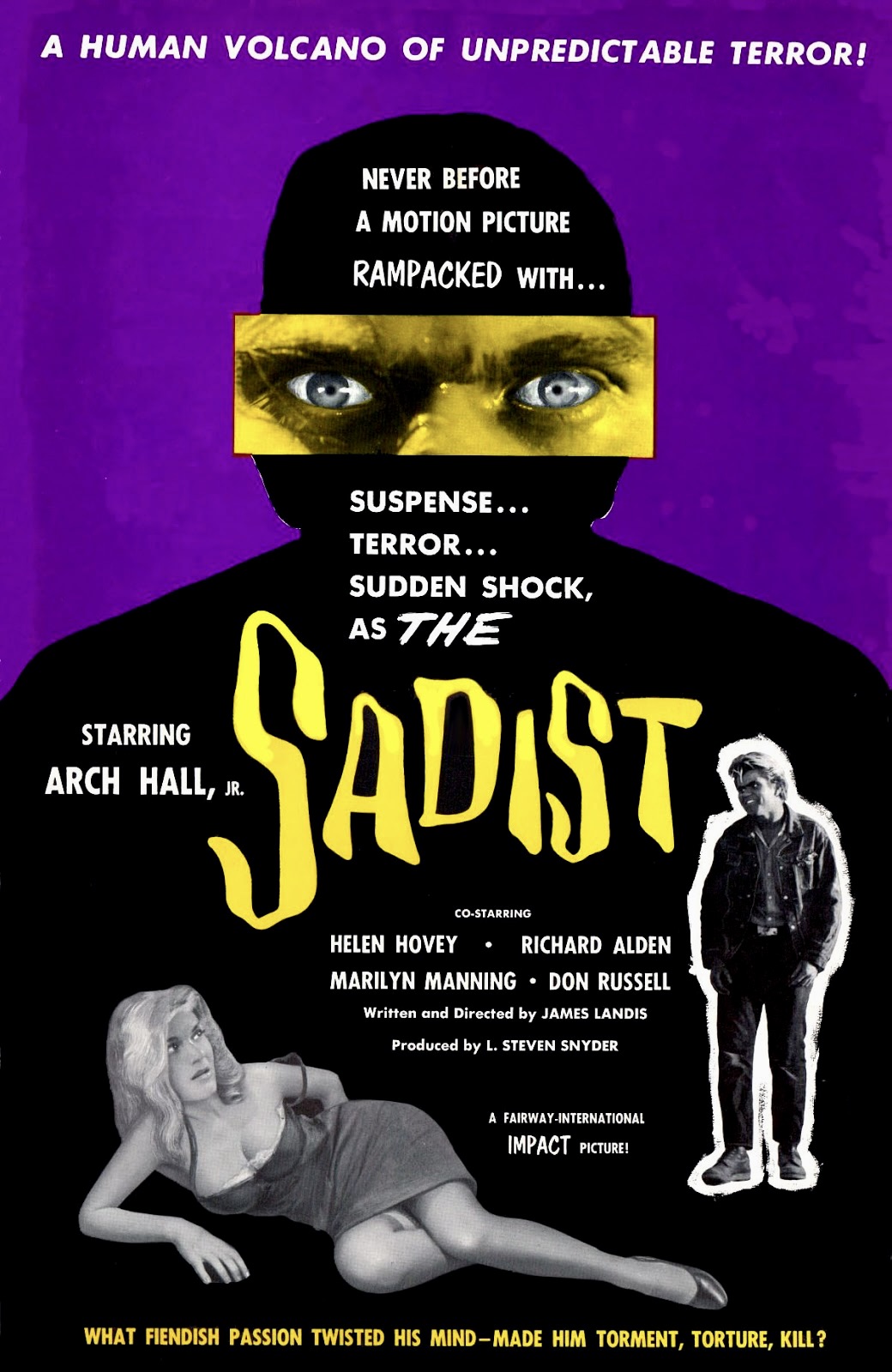
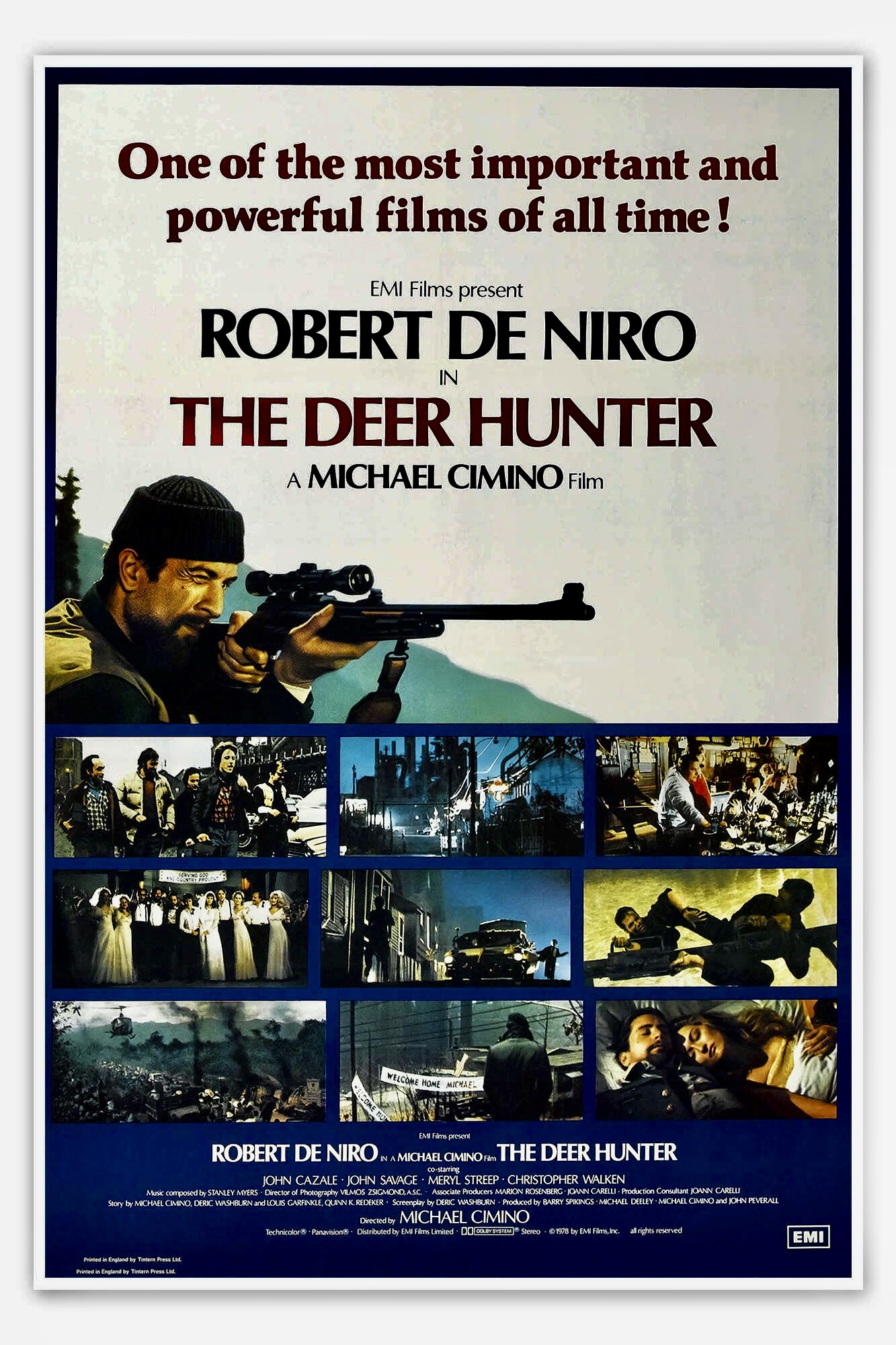
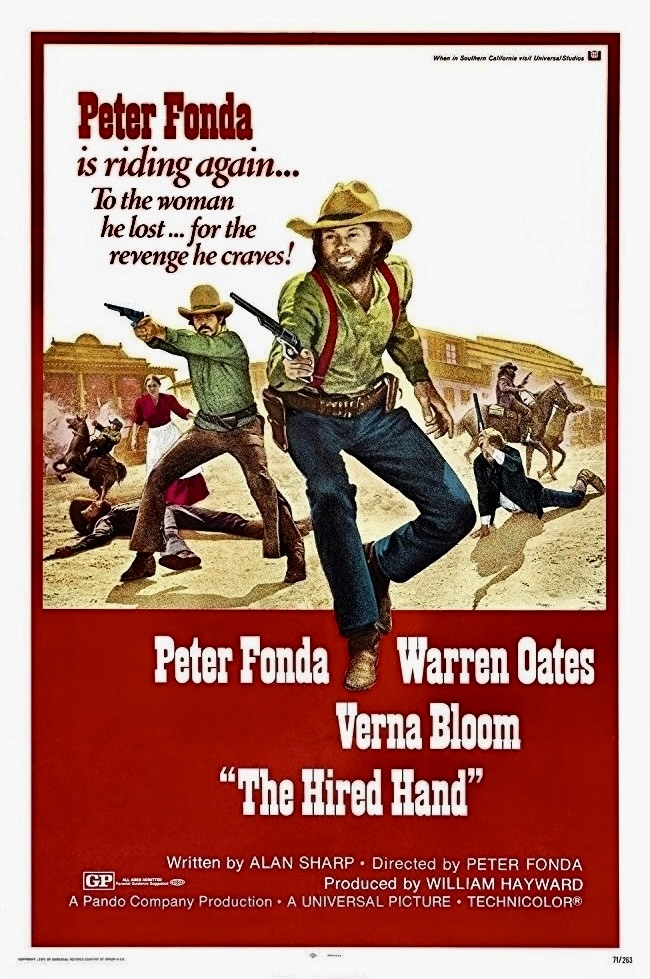
His Hollywood career began in the early 1960s when he broke into feature filmmaking by shooting numerous low-budget horror/sci-fi and exploitation films like The Sadist (1963), The Time Travelers (1964), The Incredibly Strange Creatures Who Stopped Living and Became Mixed-Up Zombies (1965), The Name of the Game is Kill (1968), Satan’s Sadists (1969), and Horror of the Blood Monsters (1970). He achieved a major breakthrough in 1971 when he was hired to shoot McCabe & Mrs. Miller for Robert Altman and The Hired Hand by Peter Fonda. After that, he became an in-demand cinematographer for most of the major directors in the film industry. Among his many awards and honors are four Oscar nominations for Best Cinematography – 1978’s Close Encounters of the Third Kind (which he won), The Deer Hunter (1979), The River (1985) and The Black Dahlia (2007).
TCM: According to the Internet Movie Database, your first feature film as a cinematographer was Hajnal Elott in 1955. Is that correct?
Zsigmond: Hajnal Elott (Before Dawn) was my diploma film for the Academy of Film and Theater in Budapest. It was a 35mm film I photographed and was distributed by MAFILM along with 3 other short films made by graduation students. These films were financed by the government and had to be good enough to be presented to the general public in theaters.
TCM: How did you become a cinematographer?
Zsigmond: I had some photography experience, taking family pictures with a Kodak camera, developing and printing them at home; then became an assistant in a photo studio for a year in my home town – Szeged. I was admitted to the Academy in 1951 through a rigorous screening process (16 cinematography applicants were selected out of several – hundred) – only four of us graduated 4 years later.
TCM: Did You immigrate to the U.S. with your fellow countryman Laszlo Kovacs or did you arrive separately?
Zsigmond: We shot some documentary footage during the Hungarian Revolution in 1956 October and November; then escaped to Austria – smuggling 10 thousand feet of film of the events. I immigrated to the U.S. at the same time as Laszlo Kovacs in 1957 January. We got separated for a year and a half. He went to Seattle, I went to New York. We were reunited in the summer of 1958 in Los Angeles where we shot a short film in 35mm Eastman color [The Blue of the Sky].
TCM: How did you first establish yourself in Hollywood?
Zsigmond: It was very difficult to find employment in Hollywood in those days. After learning some English some doors started to open for us: 16mm documentaries at Wolper Productions, educational films for independent producers.
TCM: Is there a film from your early career that you still think of as a major turning point for your craft?
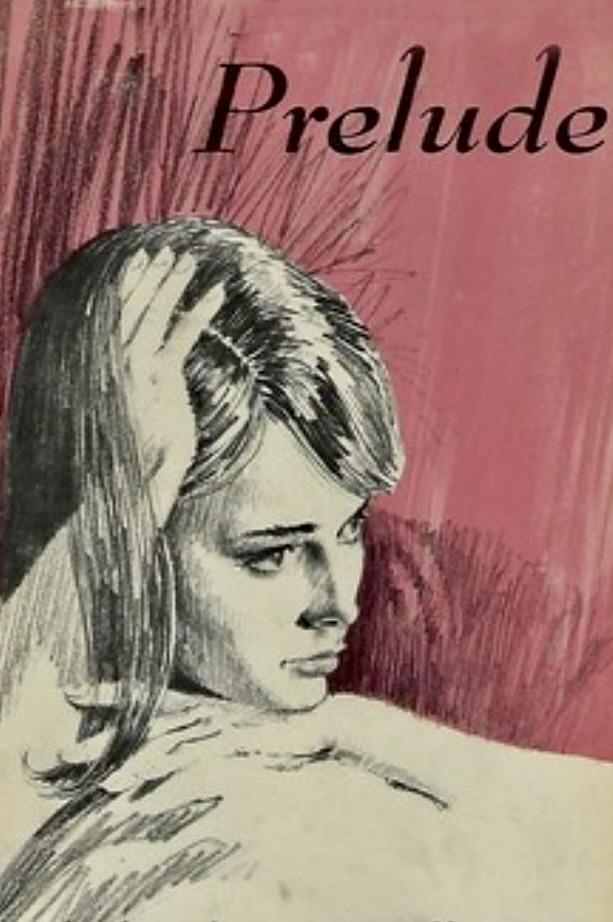
Zsigmond: John Austin’s Prelude, a live action short film got an Academy Award nomination. This film opened the door for me to photograph Peter Fonda’s The Hired Hand and McCabe & Mrs. Miller for Robert Altman. After these films I worked with John Boorman, Brian de Palma, Mark Rydell, Steven Spielberg, Jerry Schatzberg, Michael Cimino…
TCM: Did you ever create or design any camera equipment that has been adopted by other cinematographers?
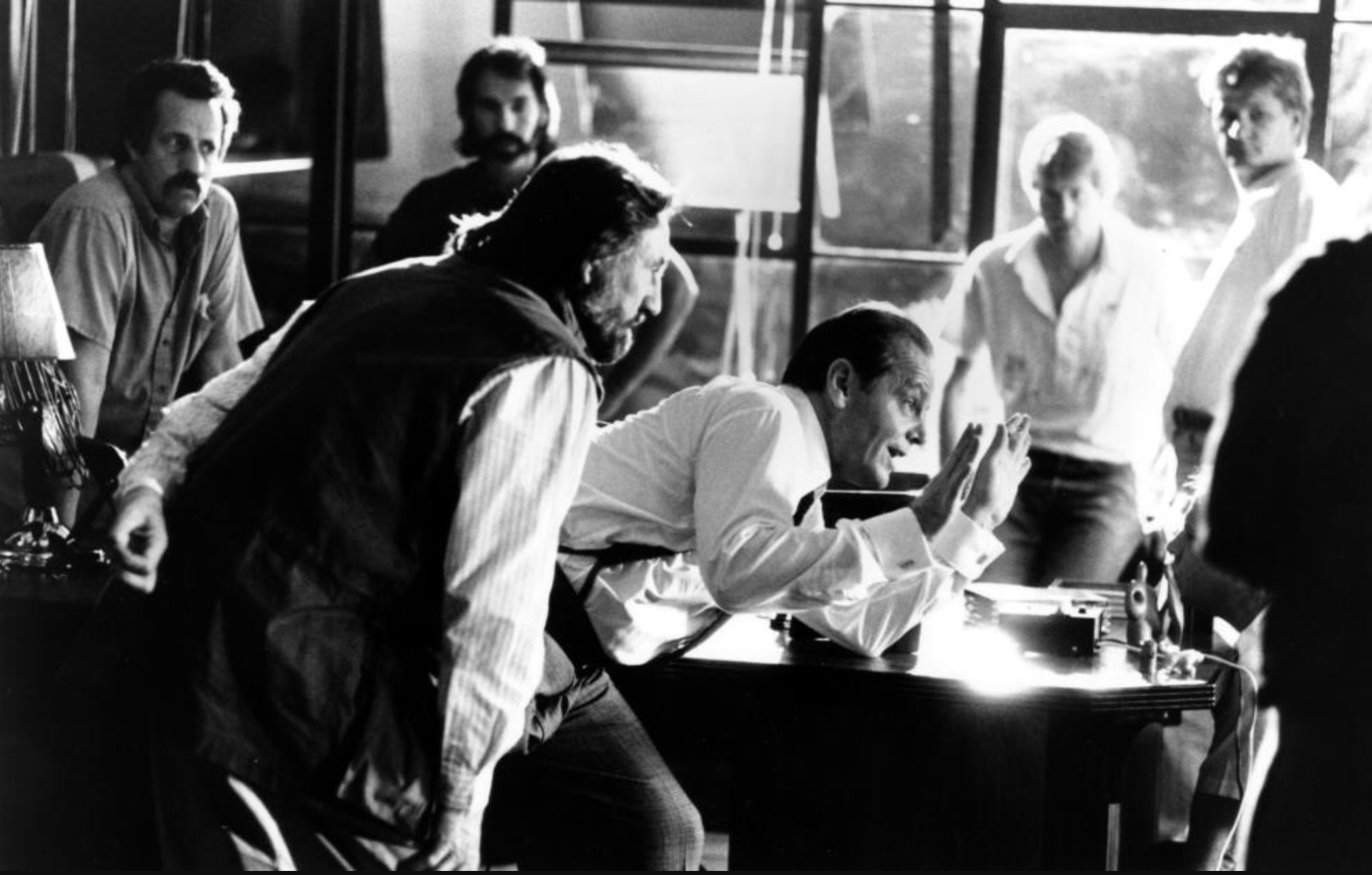
Zsigmond: Together with my key grip Dicky Deats we built the first portable crane in America – maybe in the world – called “The Little Big Crane.” For the first time we could use a crane shot on top of a building, in the middle of the Pyramids in Egypt, in the Colliseum of Rome, in a big ballroom of a hotel, etc. I designed a long lens shade for Panavision cameras which helps cinematographers to shoot against a setting sun. With the help of Tiffen and Panavision I designed a sliding vertical filter holder for a graduated soft effects filter to be able to start a scenic shot with no diffusion and at the end of a panning shot slide the filter to a numbere 1 or number 2 diffusion position. This device maintains the sharpness of the scenery and diffuses the image of the actors when it’s needed.
TCM: How did you pick your projects once your established yourself in Hollywood?
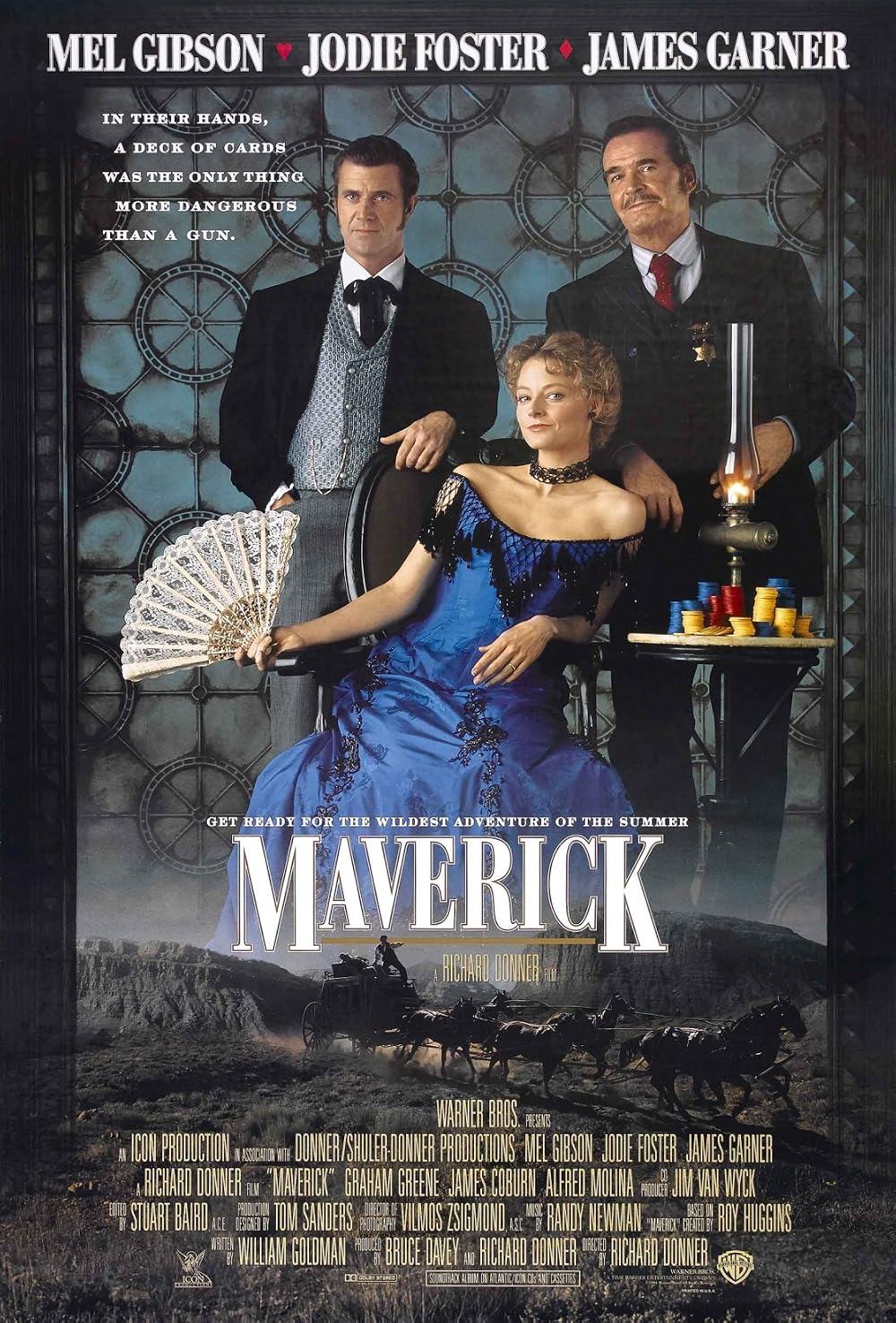
Zsigmond: It’s a combination of things. I often select my projects by the subject matter. I love to shoot stories about people. I like to see the characters develop in a movie. I want the audience to learn from each movie I photograph. A movie should be an entertaining and learning experience at the same time. I would also pick a movie if it’s directed by a filmmaker I like. I shy away from violent movies. I don’t really like to shoot comedies unless it is a Maverick or a Woody Allen comedy.
TCM: Among the Oscar nominated movies you have worked on are Deliverance and Close Encounters of the Third Kind. Are there any anecdotes you’d like to share about either of those two films?
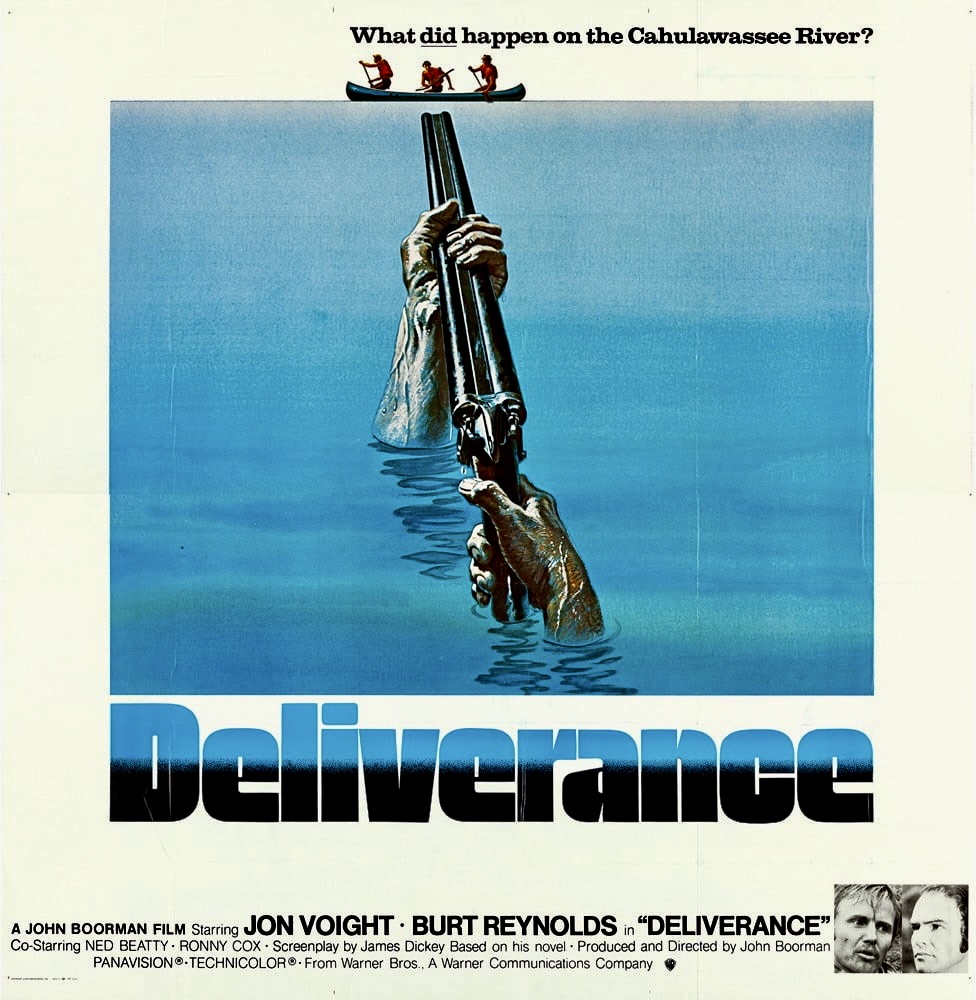
Zsigmond: On Close Encounters of the Third Kind I loved working with Francois Truffaut. He had the curiosity and enthusiasm of a child looking at the technology of shooting a special effects movie. He was baffled by the expense of making this movie. He said to me: “Vilmos, I can make a whole movie with the money you spend one day here.” On Deliverance with director John Boorman we practiced canoeing for a week in Georgia to show the actors that they could do it. In the end, 90 percent of the shots which were planned to shoot with stuntmen were done by the actors themselves. Needless to say, the whole movie became much more realistic because we see the actors in closer shots in their dangerous trips down the rapids of the river.
TCM: I noticed that you are credited with The Long Shadow starring Michael York in 1992. How did that film come about and do you still have an interest in directing?
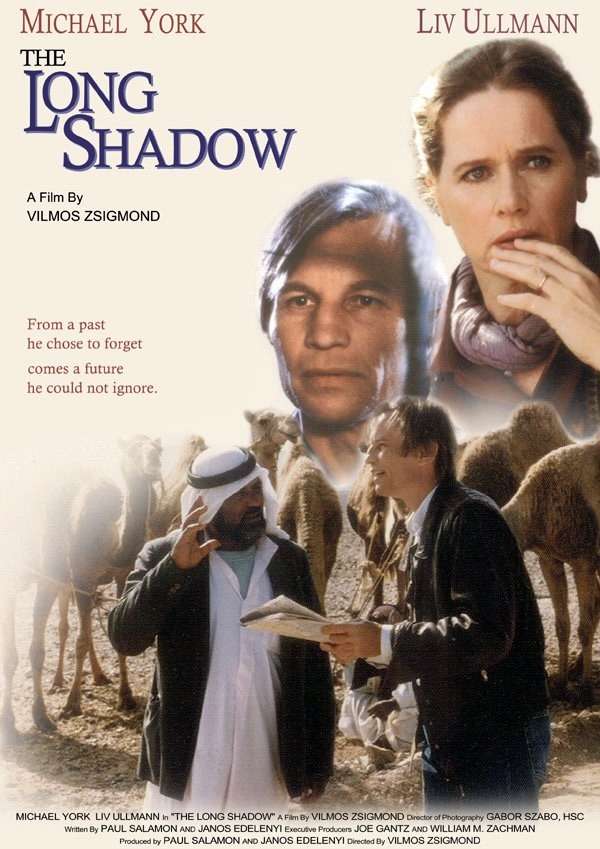
Zsigmond: I loved the experience of working with Liv Ullmann and Michael York. Unfortunately, I didn’t have any power to override decisions made by the amateur writers who produced their own script. The film ended up as a DVD release. The lesson I learned: never direct a movie unless you have full control. Someday I might try it again with a good project.
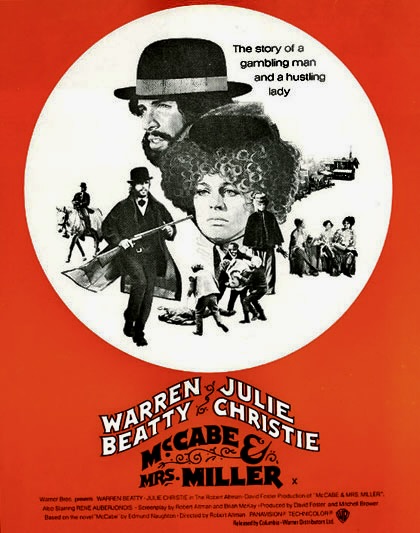
TCM: Can you point out any films where you really pushed the borders on camera techniques that paid off in terms of creativity?
Zsigmond: McCabe & Mrs. Miller was the movie where Robert Altman and myself went as far as anyone can go against the existing style of the period we lived in Hollywood. We took the risk of being fired and left out of the studio system forever. However, it took a long time for the critics and audiences to appreciate our work. The film was not nominated for an Academy Award [in cinematography], nor was Deliverance next year. In England three of my movies were nominated for the British Academy Award in the same year [including Robert Altman’s Images. Of course today, McCabe & Mrs. Miller is considered a classic.
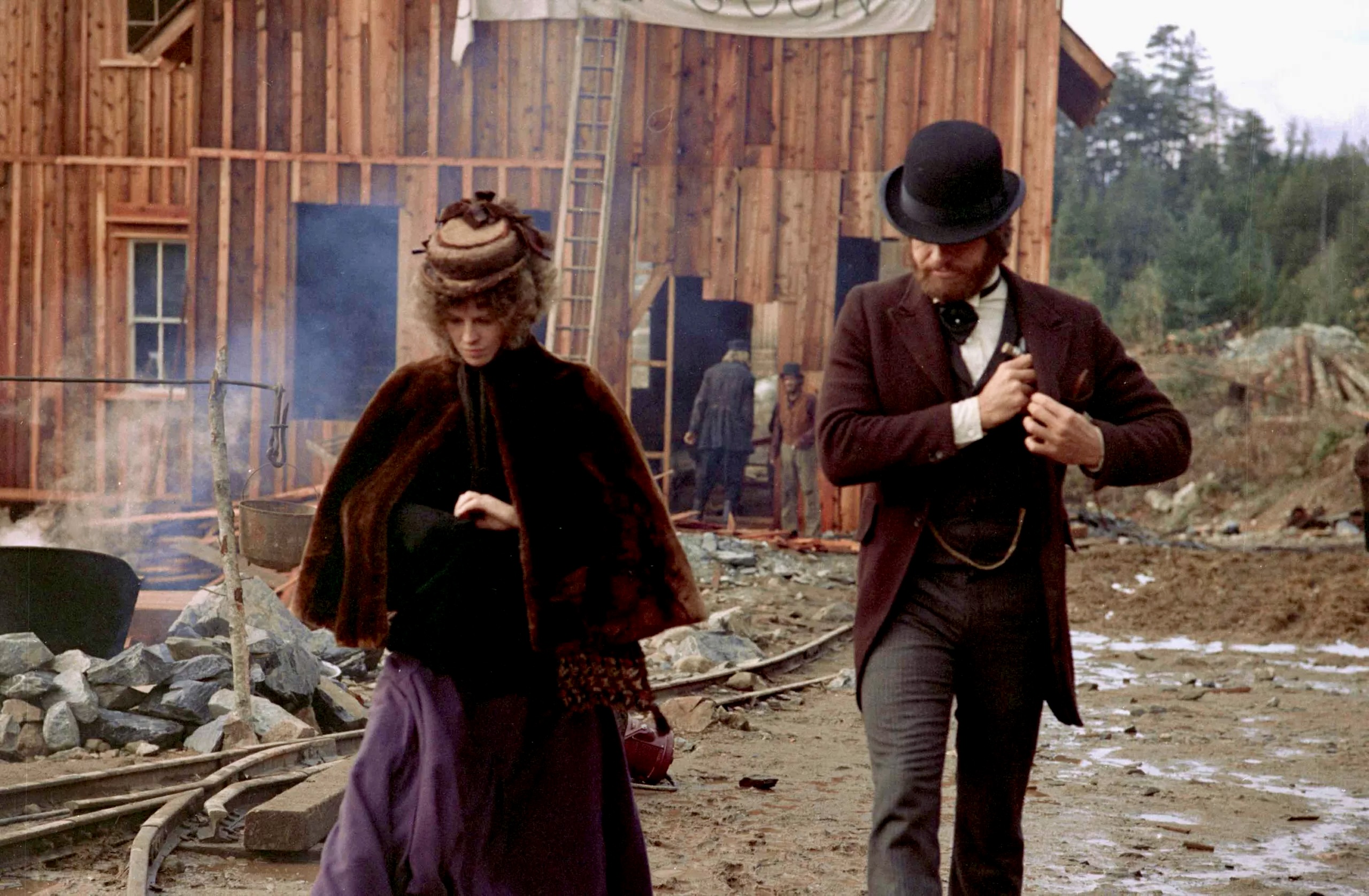
TCM: Regarding the textured, daguerreotype look of Altman’s McCabe & Mrs. Miller, some accounts seem to indicate that the film’s visual look was a happy accident.
Zsigmond: Everything was pre-planned. I made tests about the degree of desaturation and graininess. We liked what we were doing – the studio hated it. Now everybody loves it. McCabe is one of my favorite movies.
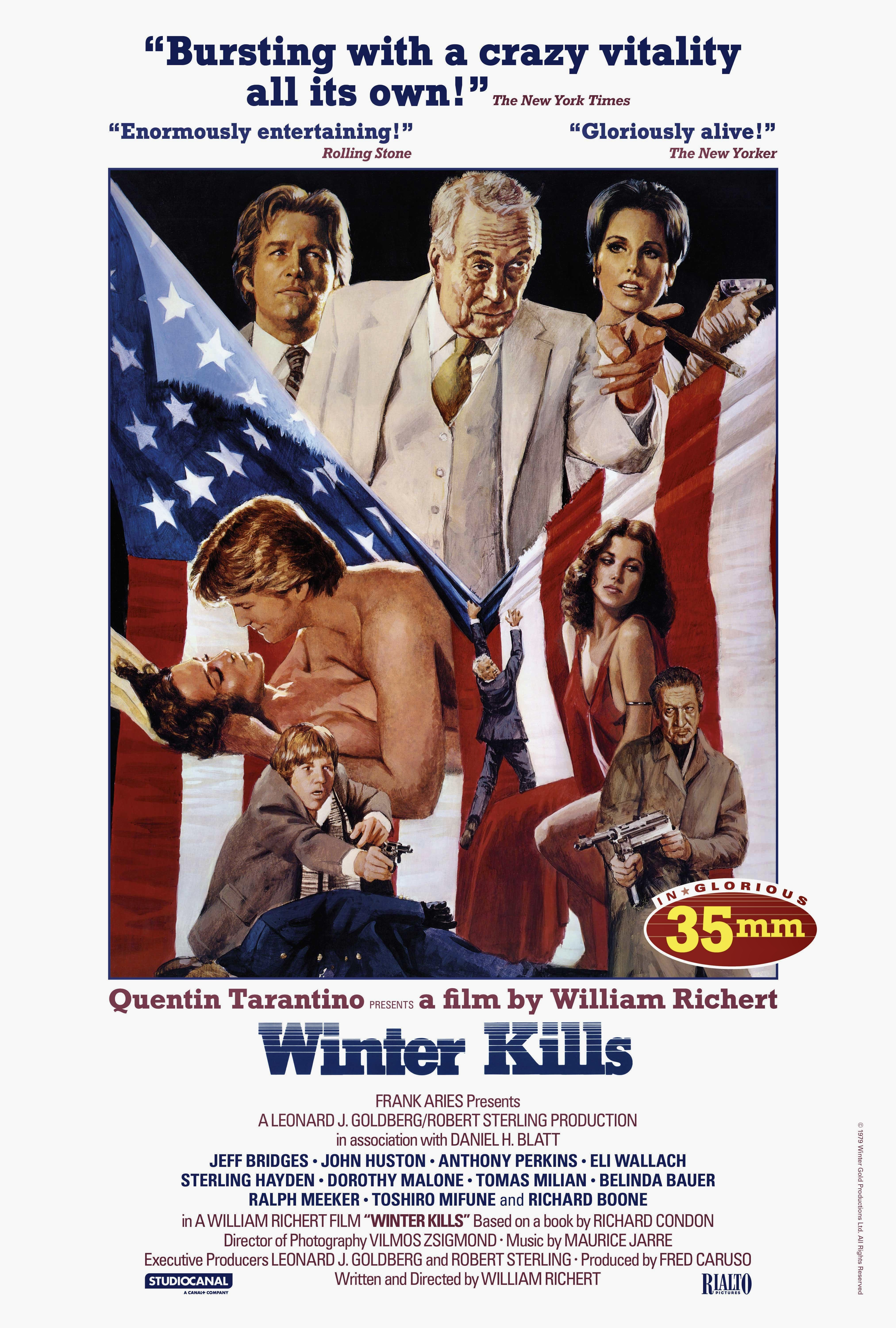
TCM: During your career you’ve been active in smaller, independent productions like the delightfully offbeat Winter Kills as well as big Hollywood productions like Maverick. Do you still welcome the challenge to work with smaller budgets and first time filmmakers?
Zsigmond: I still like to work on independently produced movies – Playing by Heart, Life as a House…I feel that I can do a better job without the pressure of the budget-oriented “big” pictures.
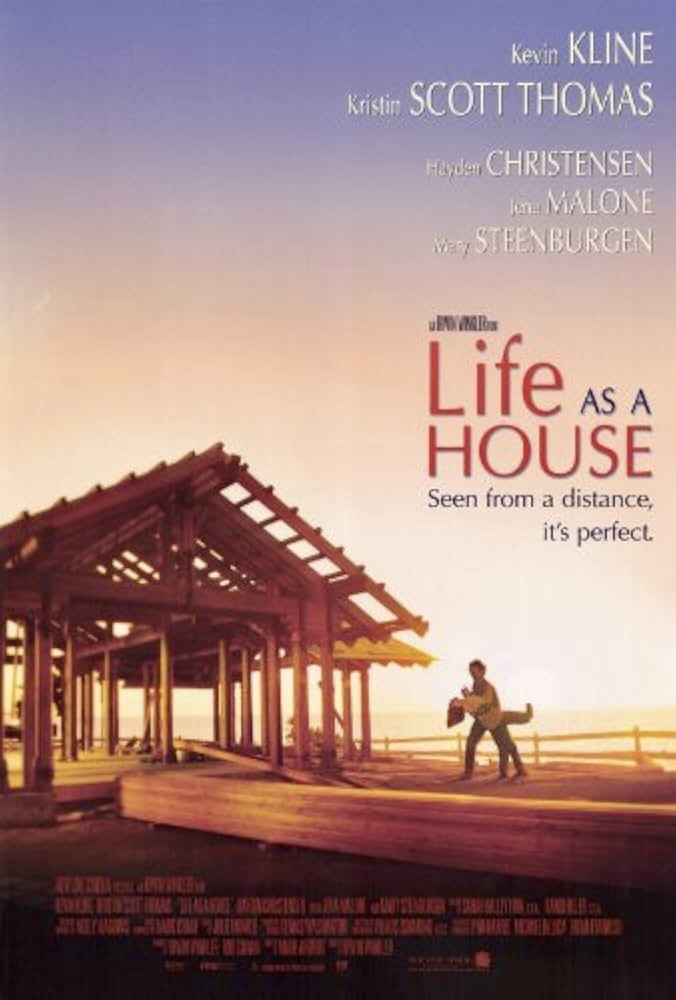
TCM: What visual challenges do you still face in contemporary filmmaking despite all of the innovations in technology?
Zsigmond: Low-cost digital filmmaking is giving us pressure to give up film in the near future. We are reluctant to change over to a new technology which is not superior to the old one. We like the images we can see on the big screen shot on film. On the other hand, we love the convenience of using digital intermedia for post-production, improving the quality of images without losing the superiority of film in production.
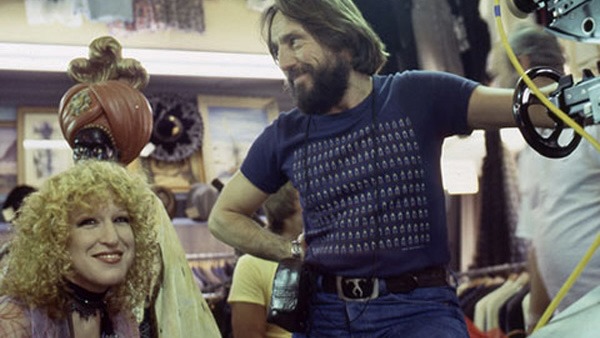
TCM: Due to the popularity of DVDs, many previously unavailable films are now available like The Hired Hand which includes your commentary. Are there other movies you’d like to provide commentary for which aren’t currently available?
Zsigmond: I would like to see The Rose, Scarecrow, Cinderella Liberty on DVD among others [all three of these titles are available on DVD & Blu-ray now].
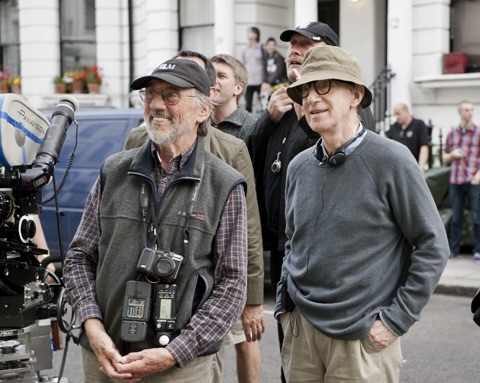
TCM: What current projects are you working on?
Zsigmond: I just finished a movie with Woody Allen. Presently it is titled Melinda and Melinda.
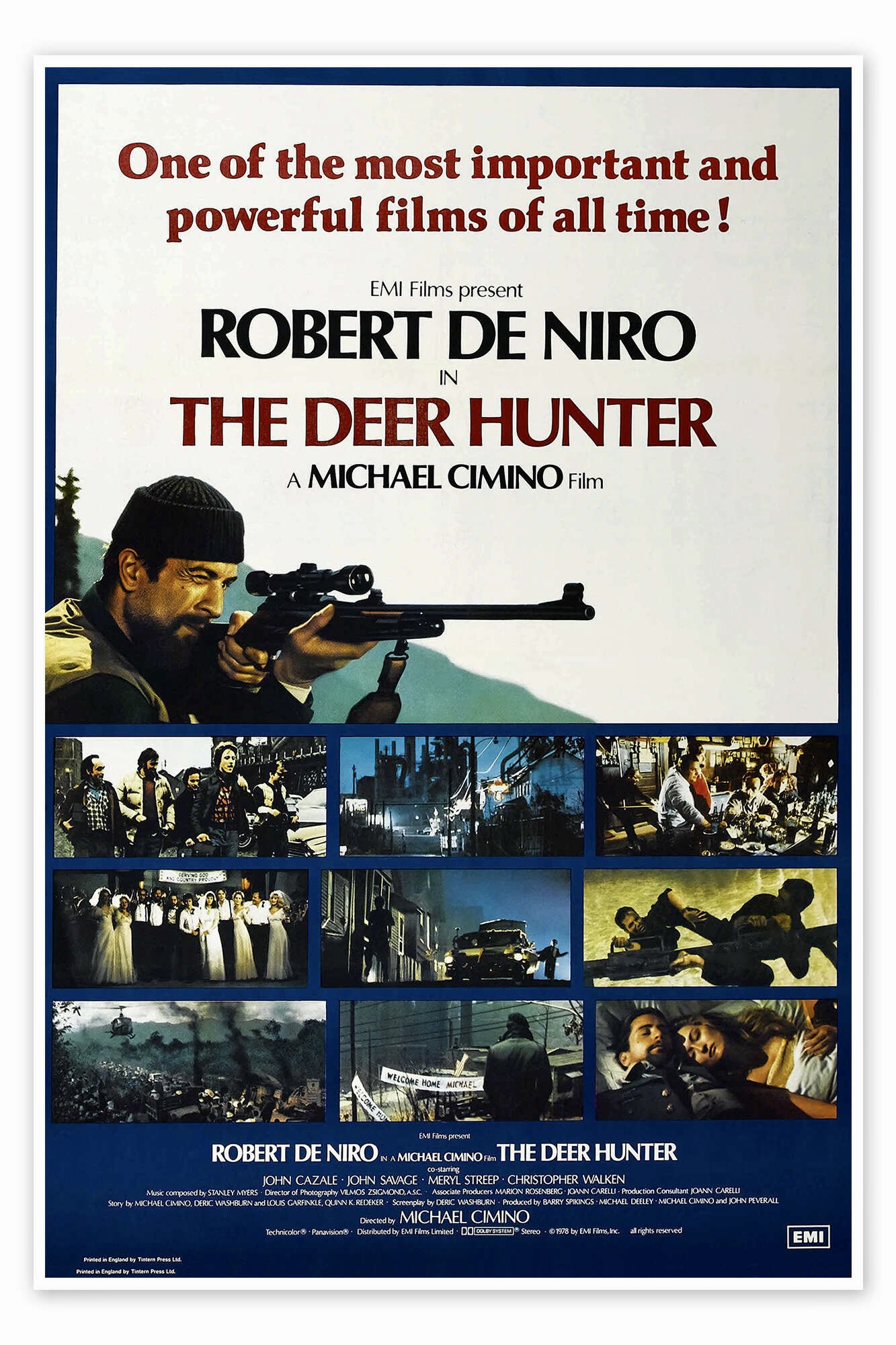
TCM: Of all the films you have worked on, do you have a favorite?
Zsigmond: My all-time favorite film is The Deer Hunter. Great script, editing, wonderful locations, incredible cast of actors, a spirited crew directed by a very talented director [Michael Cimino].

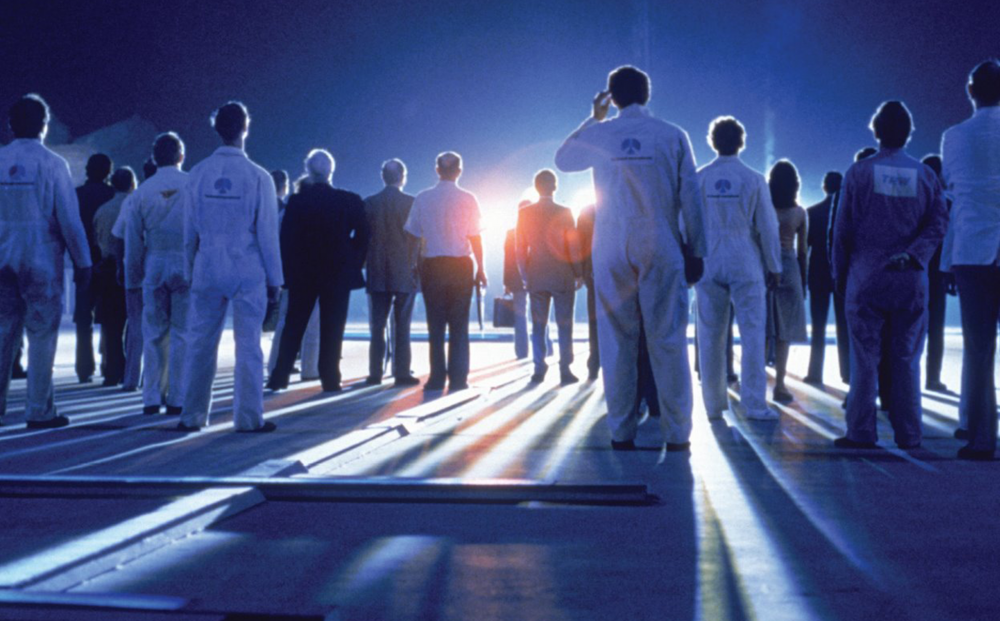
TCM: What is your favorite memory from the night of your Oscar win for Close Encounters of the Third Kind?
Zsigmond: I was very happy to receive the award from Goldie Hawn and Jon Voight, who I knew personally, having worked with both of them. Also, I was sad that Steven Speilberg, Douglas Trumball and many categories didn’t get rewarded [Star Wars took away most of the awards that year]. I believed that no other film came close to the passion and quality of Close Encounters that year.
Other links of interest:
https://www.televisionacademy.com/bios/vilmos-zsigmond
https://www.zsigmondvilmosfilmfest.com/en/festival/vilmos-zsigmond

