
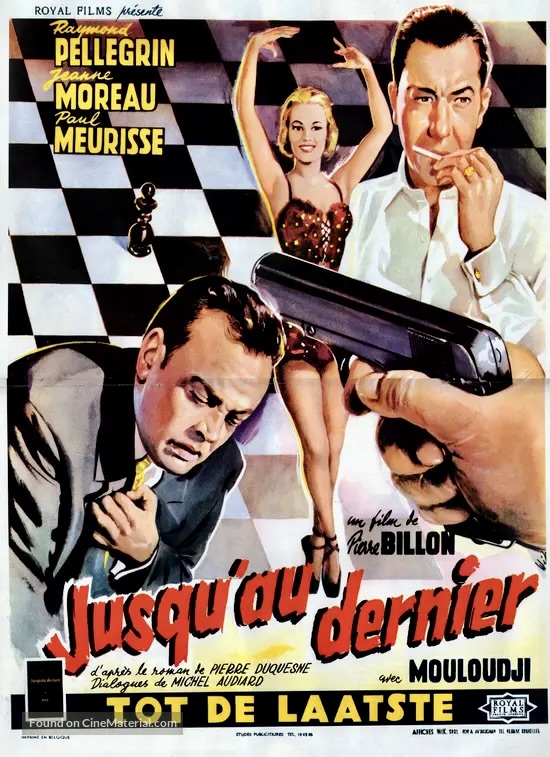
Circuses and traveling carnivals always make fascinating settings for films but it isn’t often that you find a film noir taking place in that milieu with the exception of Nightmare Alley, both the 1947 version directed by Edmund Goulding and the 2021 remake from Guillermo del Toro. If you take into account film noirs from other countries outside the U.S., you might find a few more such as Jusqu’au Dernier (English title: Until the Last One aka Until the Last Man, 1957), an obscure French entry from Pierre Billon featuring an early role for Jeanne Moreau as a femme fatale. It might not be quite as lurid or disturbing as Nightmare Alley but this is the sort of noir where almost every major character is either a thief, con artist, devious double crosser or some kind of desperate character willing to do almost anything for money. There are only two or three relatively sympathetic characters in the lot and they don’t figure prominently in the main story. And there is something so satisfying about seeing a bunch of despicable people get their just deserts as they all vie for a hidden suitcase full of stolen money.
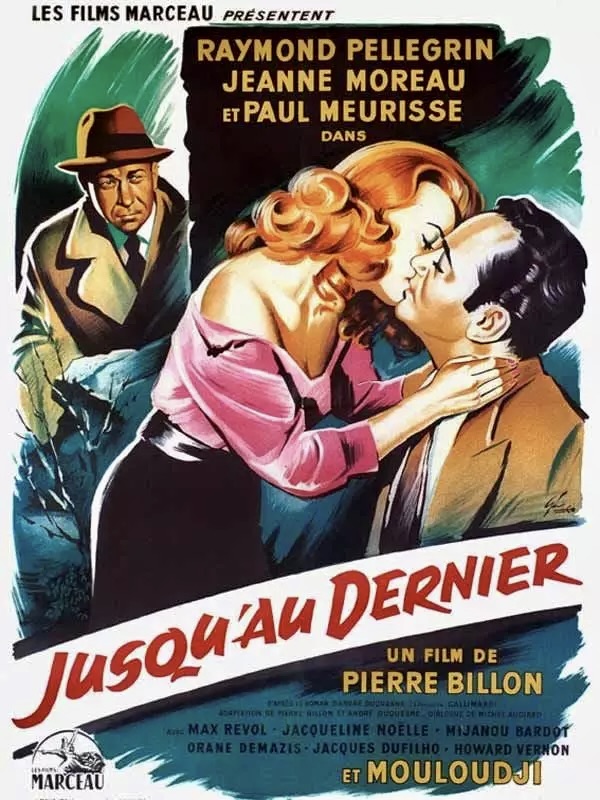
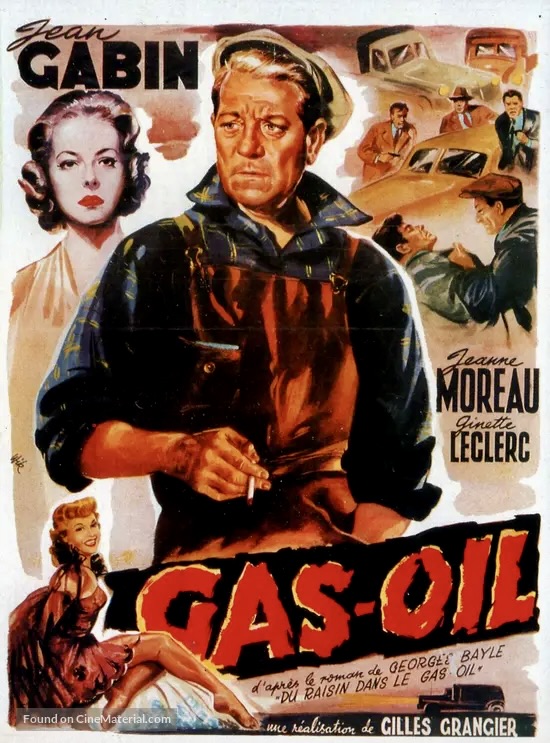
Why Until the Last Man isn’t better known is a mystery to me when you consider the final result; it is a tautly directed, engrossing crime thriller that is superior to most B-movies of its genre. The mostly French cast includes Raymond Pellegrin, star of numerous crime dramas like Jean-Pierre Melville’s Le Deuxieme Souffle (1966), Paul Meurisse, the sinister headmaster from Henri-Georges Clouzot’s Diabolique (1955), Mijanou Bardot, older sister of sex siren Brigitte Bardot, future Oscar winner Lila Kedrova (Zorba the Greek, 1964), and Swiss actor Howard Vernon before he became part of Spanish director Jess Franco’s ensemble company of actors in countless exploitation films. There is also the added treat of seeing Ms. Moreau as a duplicitous carnival dancer the year before she really broke out as a major screen star in Louis Malle’s Elevator to the Gallows (1958) and The Lovers (1958). Of course, the actress had already dabbled in noir territory before this with crucial roles in Jean Becker’s Touchez pas au Grisbi (1954), Henri Decoin’s The Scheming Women (1954), and Hi-Jack Highway (1955), directed by Gilles Grangier.
Directed by the relatively unknown Pierre Billon, Until the Last One throws the viewer immediately into the story as the protagonist Fernand Bastia (Raymond Pellegrin) gets off a bus in the region of Hauts-de-Seine, France. He has just been released after a six-month stint in prison and is now looking for his sister Marcella (Lila Kedrova), a fortune teller in a traveling carnival. He is directed to her caravan by Quedchi (Marcel Mouloudji), an overly curious arcade worker, and the brother-sister reunion isn’t exactly a joyous one. Fernand is in a desperate situation and needs to hide out for several days.
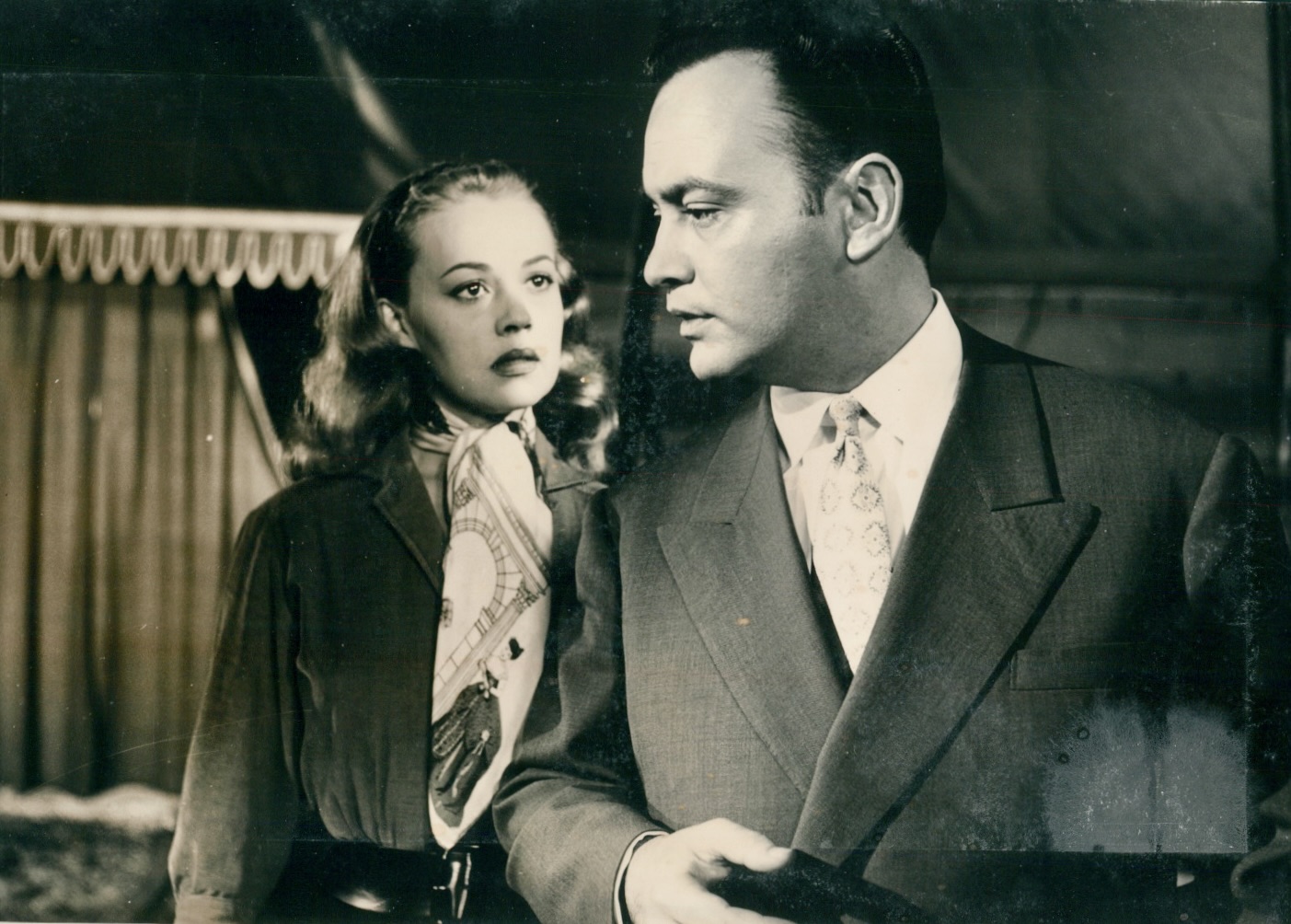
It turns out he has double crossed his former crime boss Fredo Ricioni (Paul Meurisse) by stealing a buried suitcase of loot from a major unsolved robbery. Fernand knows Fredo and his thugs will come looking for him but they might not find him in a traveling carnival. Marcella manages to get Fernand hired as the new midway barker and Gina (Jeanne Moreau), the resident ballet/carnival dancer, immediately senses that the stranger may be hiding something. Quedchi suspects the same thing and begins spying on Fernand, who ends up sharing sleeping quarters with top billed acrobat Philippe Dario (Howard Vernon).
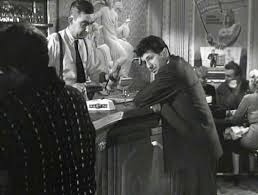
Fernand and Gina enter into a passionate relationship but he resists her attempts to become his partner-in-crime at first. Meanwhile, Quedchi has discovered from his constant spying that Fernand has hidden a key to a train station locket in Dario’s trailer and we know the little sneak is going to muck up Fernand’s getaway plans.
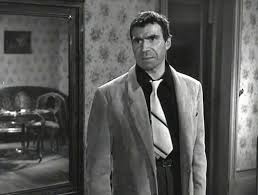
The action picks up considerably when Fernand anonymously informs the police on the masterminds behind a recent heist and where they can be found. Soon there is a violent confrontation between the law and Ricioni’s gang and when the smoke clears, Ricioni, his mistress Angele (Jacqueline Noelle), and Pepe (Jacques Dufilho), a homicidal accomplice, are the only survivors to escape. Naturally, they suspect Fernand of informing the cops and stealing their dough and they waste no time tracking him down. At this point, Until the Last Man turns into a deadly case of cat and mouse escapades with everyone stalking everyone else as greed becomes the driving force behind the escalating violence.
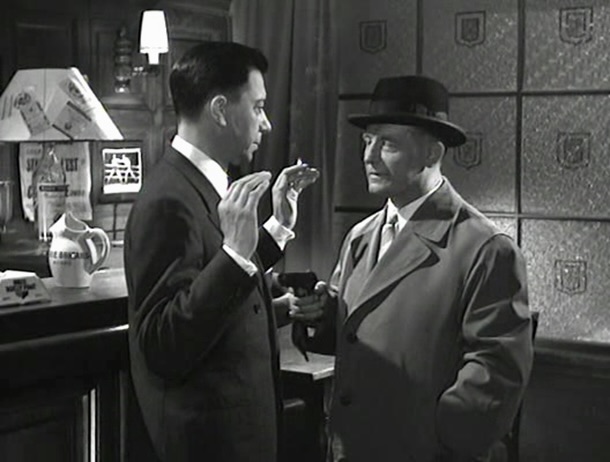
Fernand is certainly no hero and his smug arrogance and sense of entitlement to the money makes him easy to loathe. His treatment of Gina is also callous even though she seems attracted to misogynistic men. When she happily greets him after a night of rough lovemaking, he freezes up, and she responds, “What I like about you is your warmth and tenderness. Well, you can’t have everything…I’ll have to wear gauntlets next show. You bruised me.”
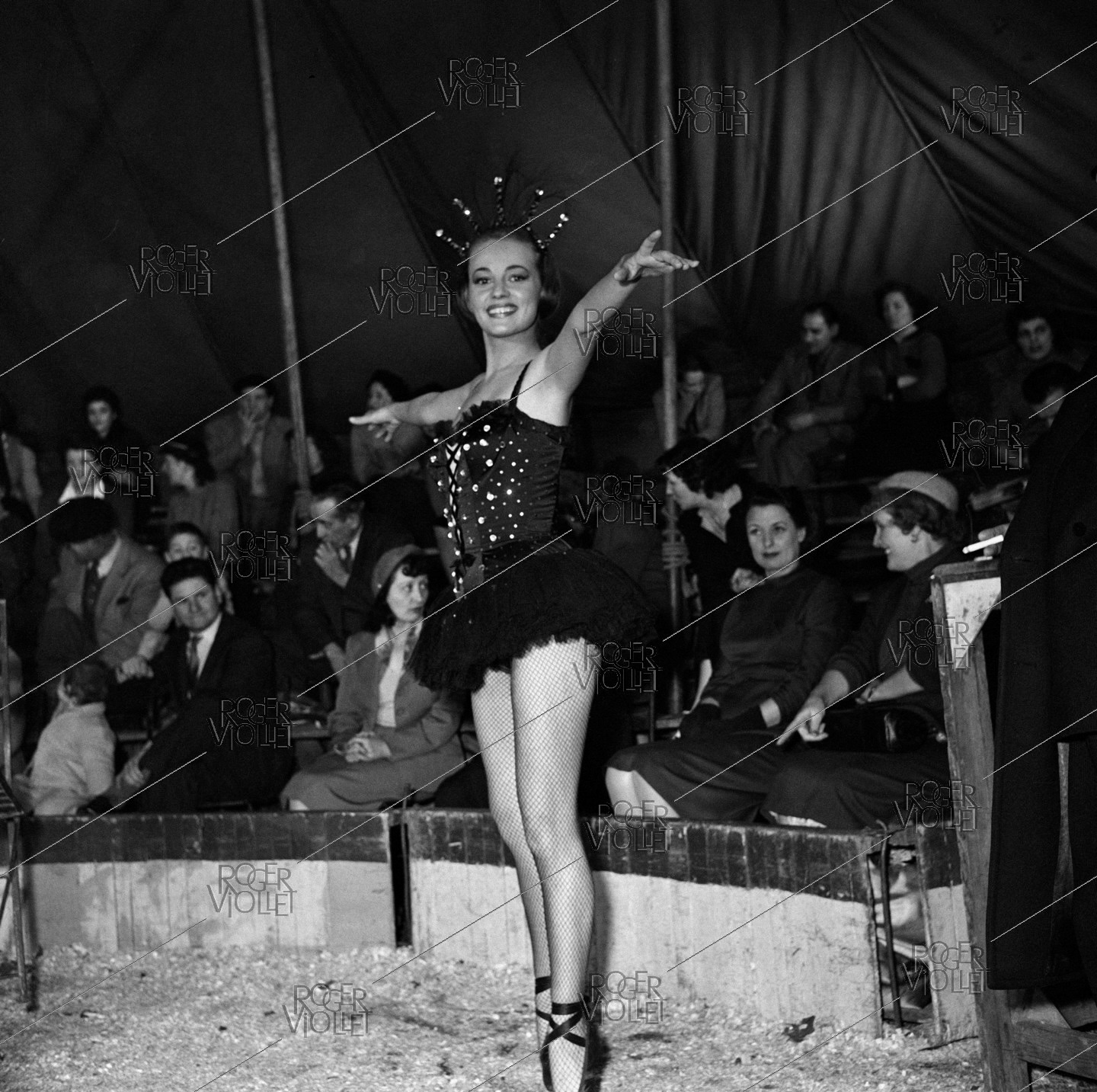
Of course, Gina is no saint either and is all to willing to help Fernand outwit his former crime cronies for a share of the stolen money. Still, she shows amazing loyalty to her new lover, even when she is being tortured with hot cigarettes on her chest by Pepe in his attempt to find out where Fernand has hidden the suitcase.
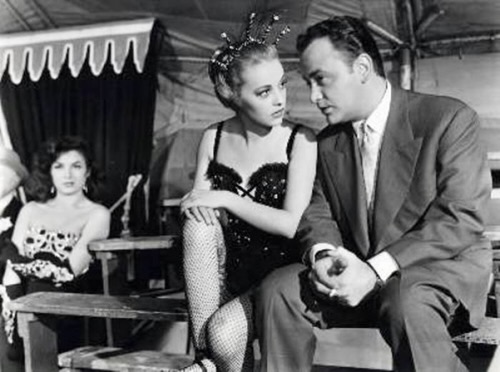
[Spoiler alert] Yet possibly the most treacherous and annoying character of all is Quedchi, who ends up stealing the suitcase from the train station and hiding it in his caravan. He plans to use to fortune to persuade the carnival owner Cinquo (Max Revol) to make him a partner in the business and let him marry his daughter Josiane (Mijanou Bardot), who wants nothing to do with him. Quedchi alternates between obsequious and haughty before panic sets in and he begins to feel that the stolen money is cursed, driving him to make a disastrous and explosive (literally) decision.
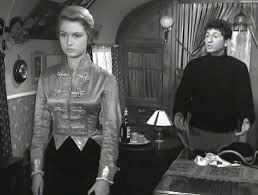
The only character who emerges with some dignity and class – though not from his actions or profession but the way he carries himself – is Ricioni. Dapper, cool, self-assured, he never explodes in anger or loses his head in the most dire situations and he goes out with quiet resignation in a memorable back alley shootout with the cops.
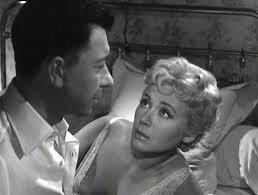
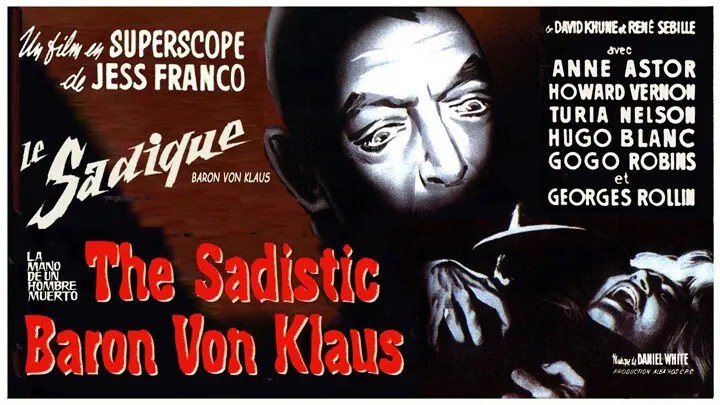
Compared to the professional criminals, most of the carnival workers are a motley crew of misanthropes. Quedchi’s nagging, money-grubbing mother (Orane Demazis) shows nothing but disdain for her skirt-chasing, layabout son and Marcella seems particularly bitter about having a bad seed brother who only brings her bad luck. Even Cinquo, the carnival owner, is a chronic complainer who blames television for hurting his business (an interesting observation for French audiences in 1957). At the same time, he has an inflated view of his carnival’s importance yet is constantly trying to underpay his troupe when he pays them at all. No wonder everyone is miserable…everyone except Dario, who takes great pride in his work as the star acrobat. It’s quite amusing to see Howard Vernon here as the athletic headliner, a stark contrast to the kind of evil characters he would soon play in Jess Franco cult faves like The Awful Dr. Orlof (1962) and The Sadistic Baron Von Klaus (1962).
Until the Last One – ideal title by the way as evidenced by the heavy body count – is certainly an unsung minor gem. The seedy ambiance of Cinquo’s second rate outfit is perfectly captured by the moody black and white cinematography of Pierre Petit and the darkening tone of the film is subtly expressed through Georges Van Parys’ unobtrusive but score. Pierre Billon also deserves credit for maintaining a constant tension throughout the briskly paced 90-minute narrative that ends in a classic film noir moment – the dying Fernand reaching his hand toward a stack of smouldering bank notes in the climatic fire. If there are any obvious missteps or pretentious elements in the movie, it might be the use of an omnipresent little boy and his white dog who appear constantly throughout the film as silent observers in the background of some of the most important scenes as if they are benign moral observers of the hot mess that unfolds. It’s overstated at best and simply isn’t needed (you can see them featured in the poster below).
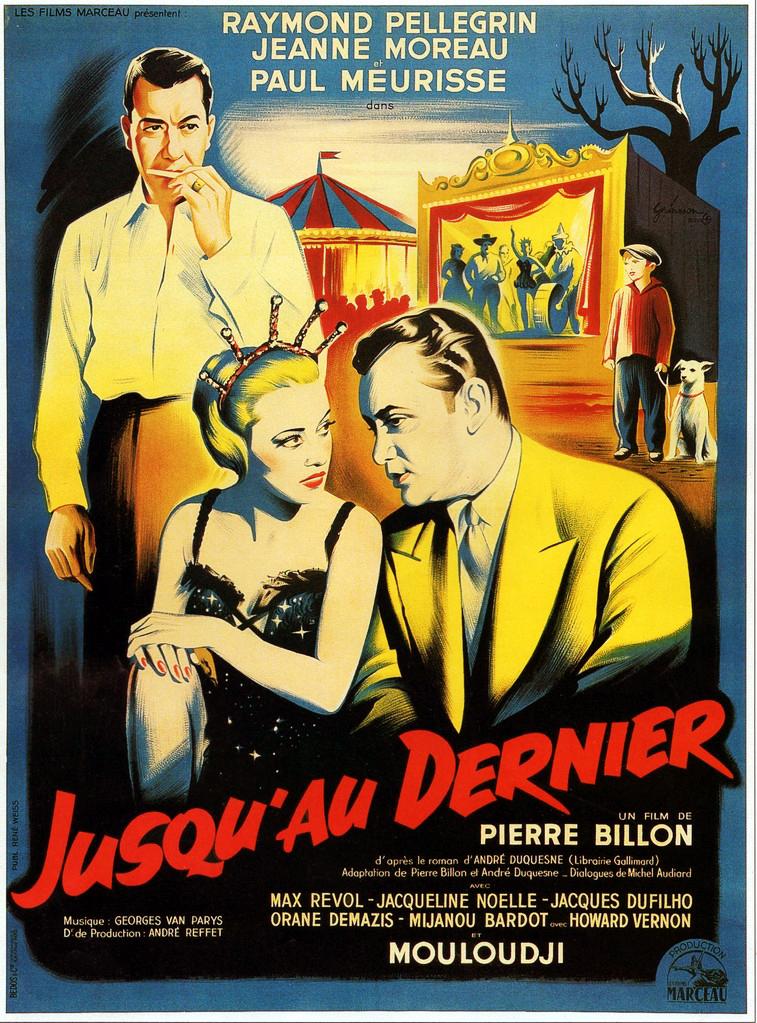
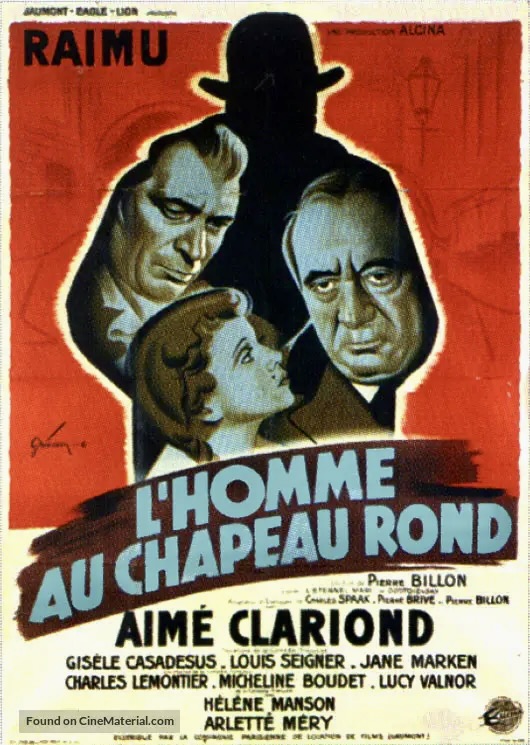
Sadly enough, Until the Last Man was the swan song for director Billon, whose 26-year career as a screenwriter/director was rarely celebrated or noted by French critics. Most of his work was devoted to genre pictures, especially adventure and espionage films, but his most important period was during the mid-to-late forties when he helmed some prestigious literary adaptations. Among the highlights were Vautrin the Thief (1943), based on stories by Honore de Balzac and starring Michel Simon, Fyodor Dostoevsky’s The Eternal Husband (1946) featuring French icon Raimu in his final movie, and Ruy Blas (1948) with Danielle Darrieux and Jean Marais in a version of a Victor Hugo play adapted by Jean Cocteau.
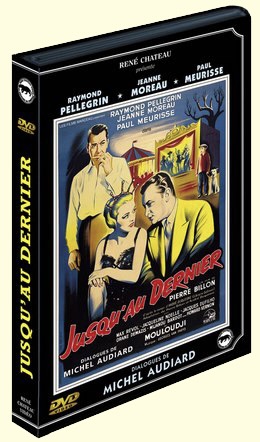
Until the Last Man is not currently available on any format in the U.S. although you might be able to still purchase a DVD copy of the film from Europe via online sellers (you would need an all-region player to view it and the DVD has no English subtitle options). This is exactly the sort of discovery the Noir City film festival often serves up in their annual series and would make a welcome appearance on Eddie Muller’s Noir Alley showcase on Turner Classic Movies.
Other links of interest:
https://filmstarpostcards.blogspot.com/2012/10/raymond-pellegrin.html
https://www.ladyevesreellife.com/2018/11/vive-la-moreau-celebrating-french-icon.html
https://www.independent.co.uk/incoming/howard-vernon-obituary-5601759.html

