
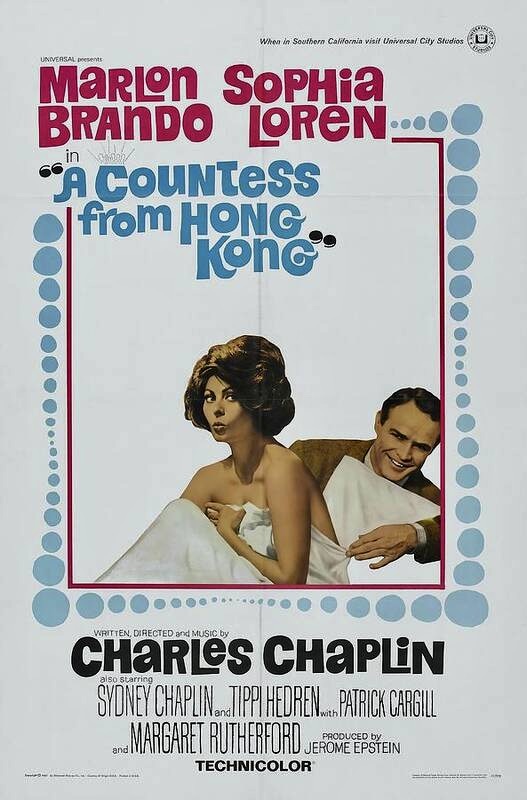
Nobody sets out to make a bad movie. Why would they? Not only is it a colossal waste of money but it will remain on the permanent record of everyone associated with it. Still, there are factors that no one can control and sometimes an actor makes a movie with the best intentions that the critics hate, audiences avoid like the plague or conflicts during production doom it to failure. Here are 15 well documented examples including Marlon Brando (A Countess from Hong Kong), Shelley Winters (Knickerbocker Holiday), Richard Widmark (Slattery’s Hurricane), Beverly Garland (Swamp Women and Stark Fear), Bruce Dern (The Incredible 2-Headed Transplant), Ava Gardner (The Bible…In the Beginning), Christopher Plummer (The Royal Hunt of the Sun), Ida Lupino (The Hard Way), Tony Curtis (Son of Ali Baba), Sally Kellerman (Reform School Girl), Ernest Borgnine (The Devil’s Rain), Raquel Welch (Myra Breckinridge), Warren Oates (Chandler), Joan Shawlee (Prehistoric Women) and Vincent Price (Green Hell).
Marlon Brando: A Countess from Hong Kong (1967)
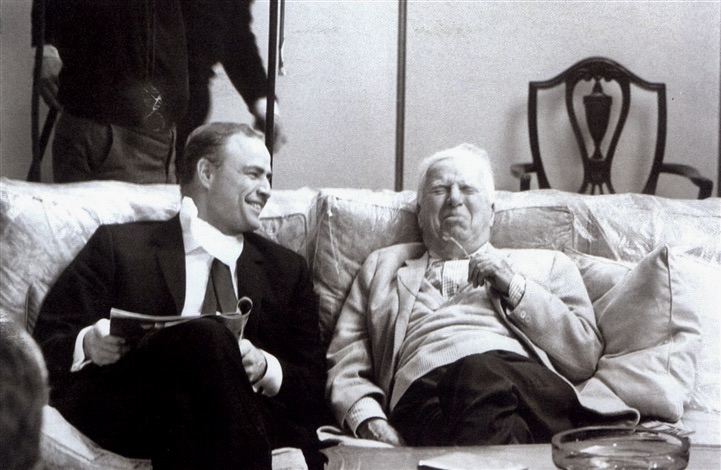
The Method Actor legend was no picnic to work with if you have read any accounts of the making of such films as One-Eyed Jacks (1961), The 1962 version of Mutiny on the Bounty and Morituri (1965). So it is unusual to read about a film in which Brando felt abused and manipulated by the director. The famous box office bomb A Countess from Hong Kong, directed by Charlie Chaplin, is a romantic comedy pairing Brando with Sophia Loren and a supporting cast that includes Tippi Hedren, Margaret Rutherford, several daughters of the director (Geraldine, Josephine and Victoria in bit parts) and Chaplin’s son Sydney in a prominent role. In his autobiography, Brando: Songs My Mother Taught Me (co-written with Robert Lindsey), the actor sets up his painful experience filming A Countess from Hong Kong by reminding readers of Chaplin’s brilliance and artistry in such films as City Lights and then writes, “Comic genius or not, when I went to London to work with him late in life, Chaplin was a fearsomely cruel man. He was almost seventy-seven when he offered me the part of a diplomat named Ogden Mears in A Countess from Hong Kong.…Although I revered Chaplin, who had written the story based on a voyage he had taken from Shanghai in 1931, when he offered me this part in 1966, I told him I didn’t believe I was right for it. I’ve always been leery of comedies, but he insisted that I could do it, and since I regarded him as a genius, I agreed to be a marionette in his hands…But A Countess from Hong Kong was a disaster, and while we were making it I discovered that Chaplin was probably the most sadistic man I’d ever met. He was an egotistical tyrant and a penny-pincher. He harassed people when they were late, and scolded them unmercifully to work faster. Worst of all, he treated his son Sydney, who played my sidekick, cruelly. In front of everybody, he humiliated him constantly: “Sydney, you’re so stupid! Don’t you have enough brains to know how to place your hand on a doorknob? You know what a doorknob is, don’t you?”
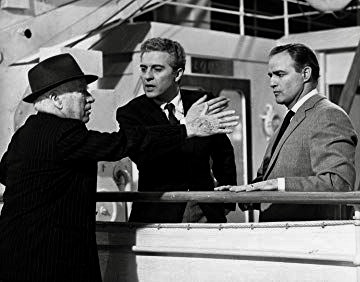
When Brando arrived late to the set one day, Chaplin berated him in front of the cast and crew and the star stomped off to his dressing room, refusing to return until the director apologized. Eventually they resolved their differences and finished the movie without further incident but the experience was extremely unpleasant for them both. Looking back, Brando said, “I still look up to him as perhaps the greatest genius that the medium has ever produced…But as a human being he was a mixed bag, just like all of us.”
Shelley Winters: Knickerbocker Holiday (1944)
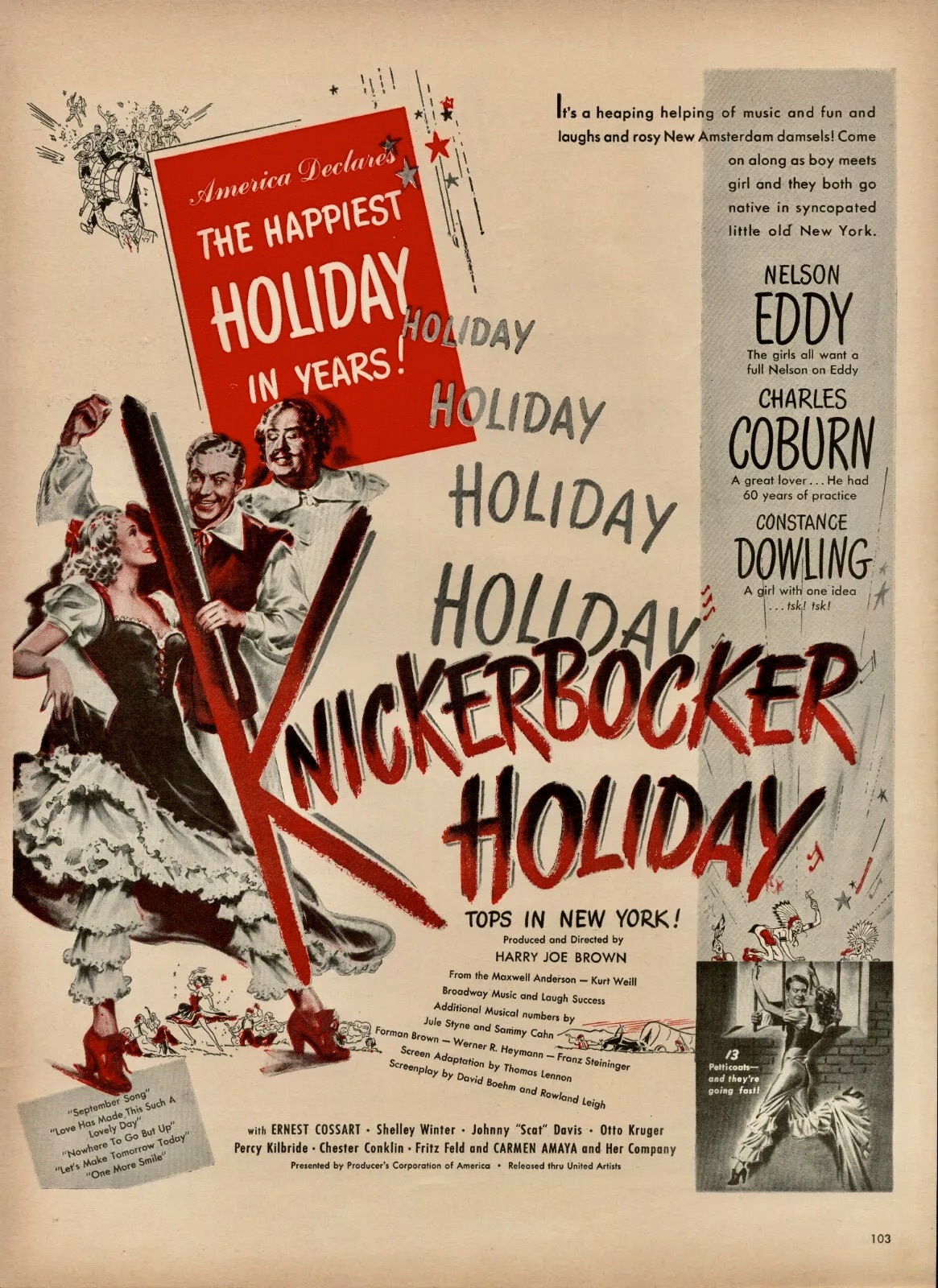
Shelley Winters has never been shy about expressing her opinions about her films, fellow actors or love affairs and, in her first autobiography, Shelley Also Known as Shirley, she recalled this rarely revived musical comedy set in New Amsterdam in 1650. Based on a popular play by Maxwell Anderson, Knickerbocker Holiday (1944) didn’t fare too well on the screen despite a talented cast including Nelson Eddy, Charles Coburn, Constance Dowling and Percy Kilbride. According to Winters, “We all sensed disaster from the third day. Charles Coburn was a fine actor, but he wasn’t Walter Huston [who was a sensation in the Broadway play]. Nelson Eddy had a beautiful voice, but he was self-conscious in this role and took on a Chocolate Soldier quality. Also, he didn’t want Connie [Dowling] to look into his eyes when they did a scene, insisting she look at his forehead instead. It really threw her.”
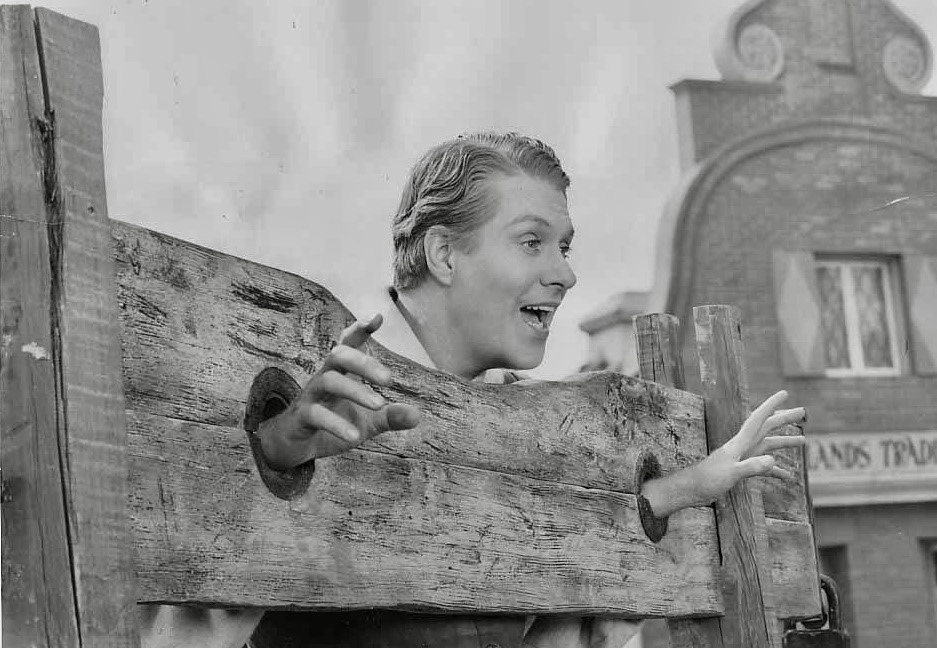
One evening I was napping in my dressing room when the dignified Nelson stumbled in, quite drunk, still in costume and weeping. He knew this picture wasn’t going to do him any good. Suddenly he muttered, “The rushes were lousier today. I think I’d better go back to the Mounties. Move over.” I made for the door.”
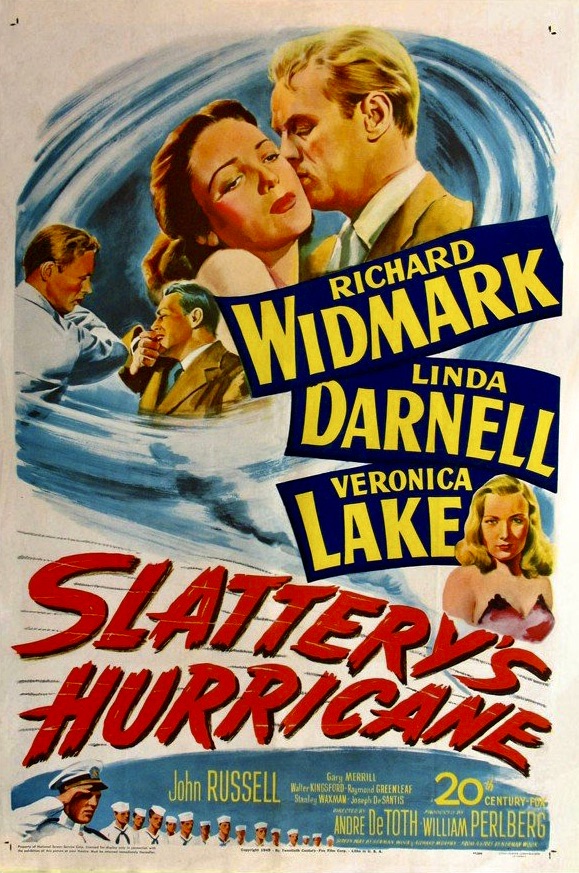
Richard Widmark: Slattery’s Hurricane (1949)
Slattery’s Hurricane, directed by the usually reliable Andre De Toth, had a promising premise: a pilot who works for drug smugglers gets a chance to redeem himself when he flies into a hurricane in order to relay vital information about the storm to the U.S. Navy in Miami. The mere mention of the film to Widmark, however, prompted this response in Hollywood Talks Turkey: The Screen’s Greatest Flops by Doug McClelland: “Oh, God! Slattery’s Hurricane – that’s one we made three times. We were constantly doing retakes. It was so bad that [Darryl F. Zanuck] couldn’t figure out what to do with it. He finally decided to flip it. He did a very complicated cutting thing. He started at the end and we wound up at the beginning.”
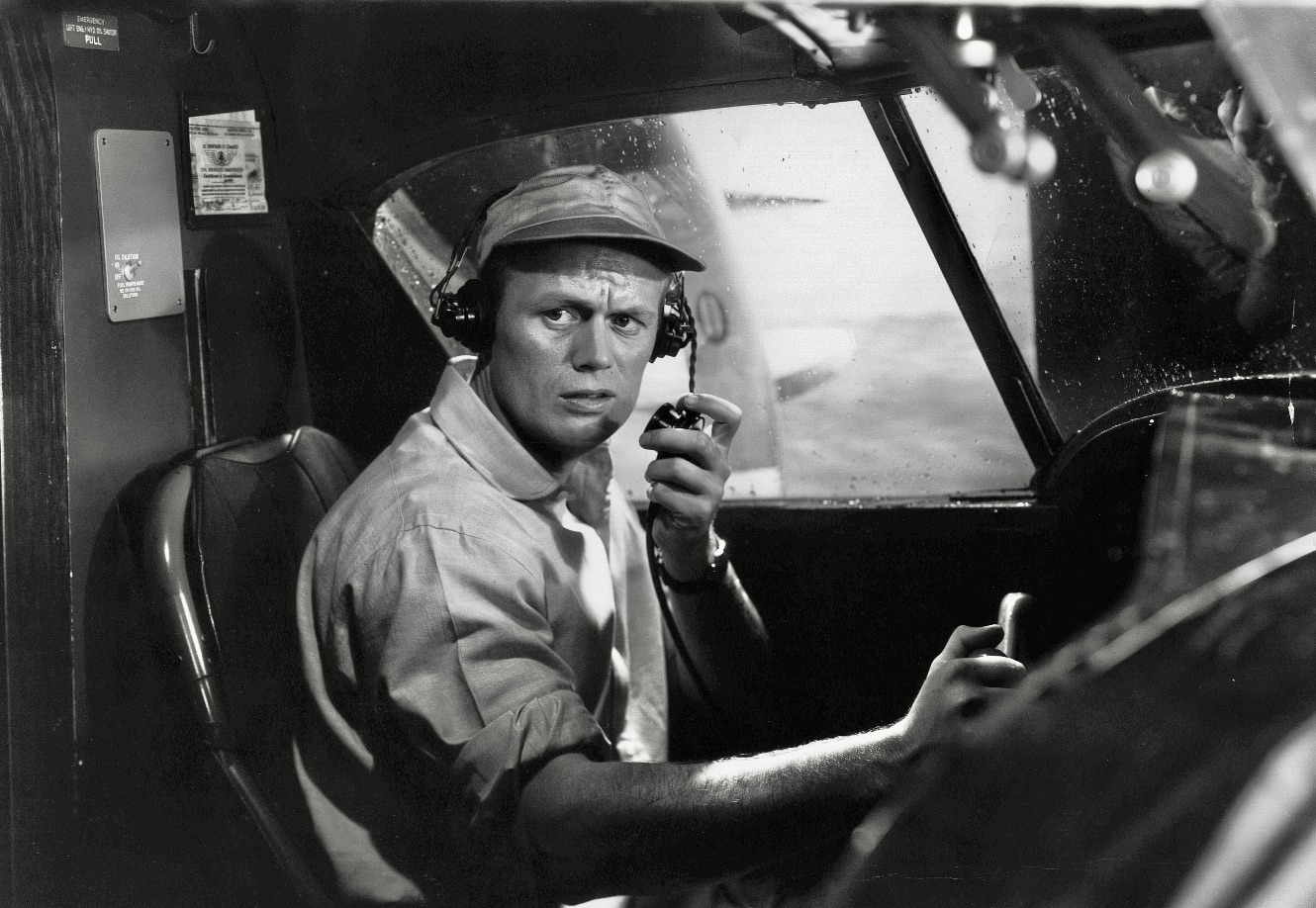
The director didn’t think it was so bad though and in De Toth on De Toth, he stated, “The chance of flying in hurricanes to reach the hurricane’s eye intrigued me…With today’s marvelous aids, it would be much easier but less fun to shoot that epoch. We shot real life. It was real rain. Real rain? The engines were drowning. At the assigned ten-, fifteen-thousand-feet altitude, we were in a shower in leaking cockpits. And it was real wind, and not wind machines, that blew real tree limbs across the PB-4Y’s path before touchdown. God, it was fun.”
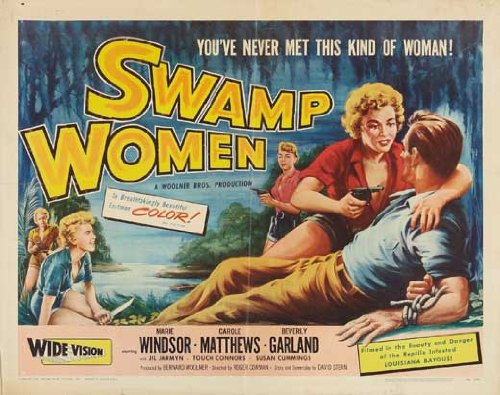
Beverly Garland: Swamp Women (1956) & Stark Fear (1962)
Anyone with a soft spot for the Roger Corman B-movies of the late fifties are more than familiar with this prolific actress who was one of the director’s finest “scream queens.” She spent more time working in television than film over the course of her busy career but she has achieved cult notoriety for such Corman faves as It Conquered the World (1956) and Not of This Earth (1957) as well as other offbeat offerings like The Alligator People (1959) and Pretty Poison (1968). Swamp Women and Stark Fear, however, are not among her favorite memories. Swamp Women was an overly melodramatic crime drama in which a group of female criminals break out of jail and take a male hostage (Touch Conners aka Mike Conners) on their way to retrieve some stolen diamonds hidden in the bayou. In Interviews with B Science Fiction and Horror Movie Makers: Writers, Producers, Directors, Actors, Moguls and Makeup by Tom Weaver, Garland recalled, Roger Corman’s Swamp Women: “Oooh, that was terrible thing! Roger put us up in this old abandoned hotel while we were on location in Louisiana – I mean, it was really abandoned! Roger certainly had a way of doing things back in those days – I’m surprised the hotel had running water! I went to bed, and I heard this tremendous crash! I went screaming into Marie Windsor’s room, and there she was with the bed on top of her – the whole bed had collapsed! Well, we started laughing because everything was so awful in this hotel, just incredibly terrible, and we became good friends.” Garland also added, “At the end of Swamp Women, I was killed with a spear and fell out of a tree…they had three guys underneath. And when they “killed” me, I just fell – dead weight on these three poor guys. Roger said to me, “You’re really one of the best stuntwomen I have ever worked with.”
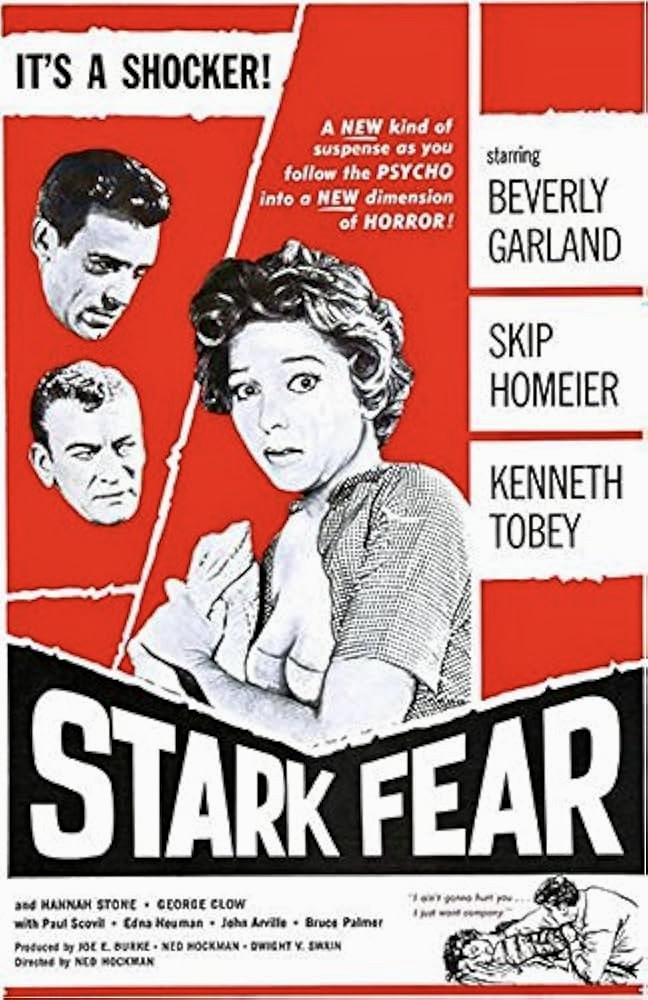
Stark Fear (1962) was not a Corman film and was even more low-budget than that director’s customary drive-in product. Stark Fear depicts the trials and tribulations of a woman (Garland) horribly abused by her violent, drunken husband and the sordid lowpoints include a rape in a cemetery. There is a grim fascination to this obscure indie that was promoted in the wake of Psycho as a shocker in the same vein but the shocker is that Garland agreed to do it. “That was made in Norman, Oklahoma, by Ned Hockman, the head of a drama department there,” Garland told Tom Weaver. “We kept saying to him, “This script doesn’t make any sense,” and he said, “No scripts at the Cannes Film Festival make sense, and they all win. This’ll be fine.”….It was a disaster…Skip Homeier finally ended up taking over the direction, and Skip didn’t know anything about making a movie, either! It just got to be more and more of a mess, but we finished it. I remember seeing it in a theatre here, and there were three people in the audience. The next day I came back to bring some more people, and the theater owner said he’d pulled it and was not going to show it any more. That was the worst movie that ever came out.”
Bruce Dern: The Incredible 2-Headed Transplant (1971)
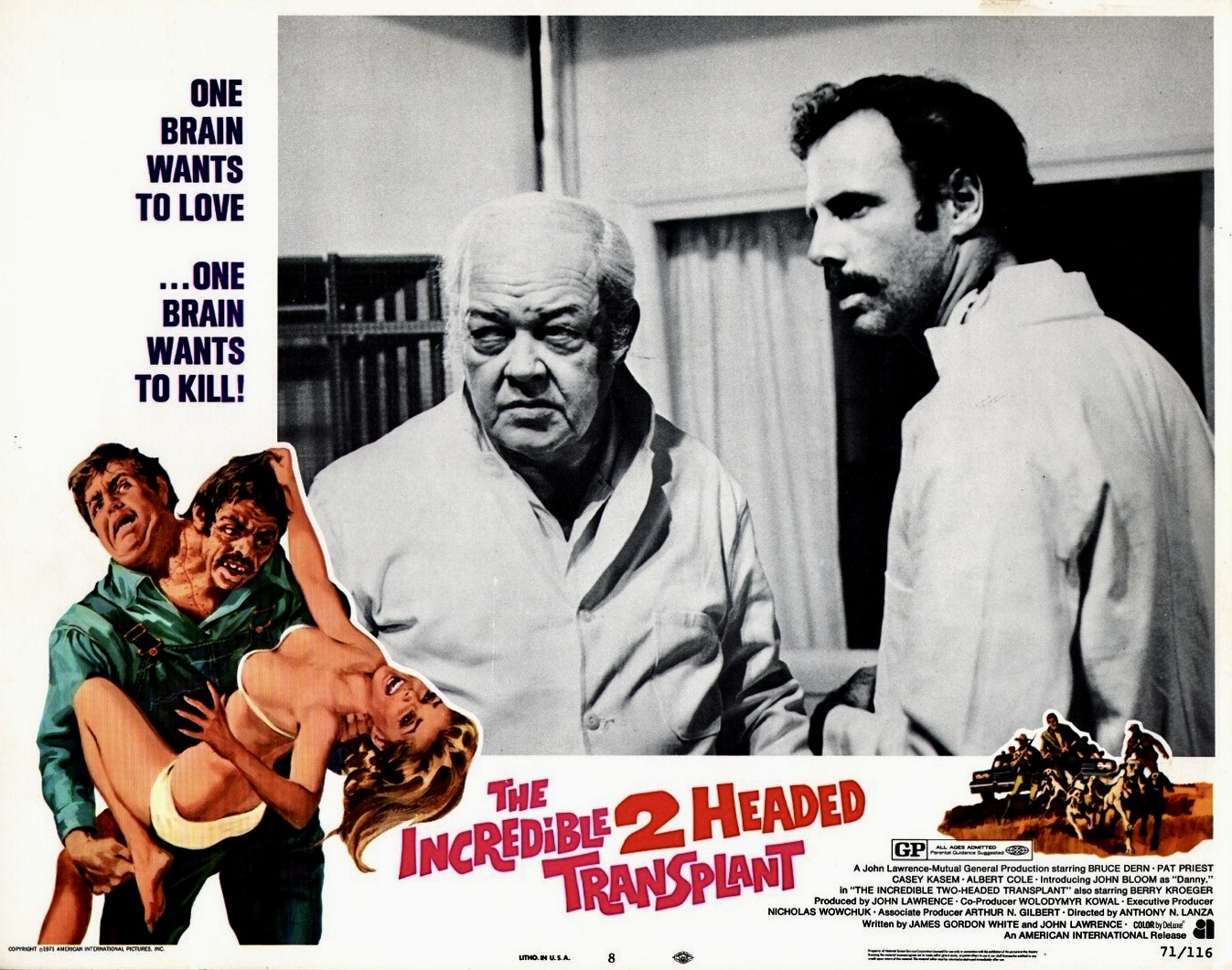
For some reason, there were TWO movies about two-headed transplants in 1971. The more famous of the two was The Thing with Two Heads starring Ray Milland as a wealthy white bigot who finds his head transplanted onto the body of a black Death Row prisoner (Rosie Greer). The lesser known title is The Incredible 2-Headed Transplant starring Bruce Dern as a mad scientist. Dern didn’t want to do the picture but his agent got him $3,500 for a ten day shoot so he signed on. Still, the actor had a hunch from the beginning that The Thing with Two Heads was going to steal their thunder, noting in his autobiography, Things I’ve Said But Probably Shouldn’t Have, “…Rosie Greer is a big person. It’s easy to mount two heads on him because he’s six feet nine and weighs 340 pounds. I had known him since college, when I was at Penn and he was at Penn State. He was national champion in the shot put and also was a great football player and was one of the fearsome foursome of the Rams. The year before he had been in the room when Robert Kennedy was shot, and he was the guy who physically picked up Sirhan Sirhan and slammed him against the bar. And Ray Milland is an Oscar winner. The audience is going to see their movie, not my little movie where I’m the doctor who creates this guy, a seven-foot kid who went to Southern Cal as a basketball player, who has a little actor strapped on his back. The big guy is the nice guy, and the little guy who’s the other head is the bad, sick guy. They run around creating all kinds of mayhem….Andrea [Beckett, Dern’s third wife] and I got married off the money from The Incredible 2-Headed Transplant. That was the end of my bona fide B days. That wasn’t a B. If you’ve going to call The Wild Angels a B movie, this was a Z movie.”
Ava Gardner: The Bible…In the Beginning (1966)
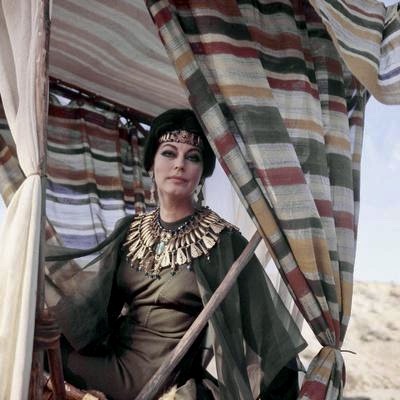
When film historians and movie buffs discuss John Huston’s career, The Bible…In the Beginning is not often mentioned or discussed even though it was a hugely ambitious epic for its time. Presented in the form of lavishly produced Old Testament vignettes, the movie was not a box office smash despite an all-star cast that included Peter O’Toole, Richard Harris, George C. Scott, Stephen Boyd, Franco Nero, Michael Parks, Ava Gardner and even Huston himself as Noah. Gardner had an amusing anecdote about the premiere of The Bible in Hollywood Talks Turkey: “I was up until four A.M. at that goddamn premiere of The Bible. Premieres! I will personally kill that John Huston if he ever drags me into another mess like that…Christ, they started off by shoving a TV camera at me and yelling, “Talk, Ava!” At intermission I got lost and couldn’t find my goddamn seat after the lights went out…Then Johnny Huston takes me to this party where we had to stand around and smile at Artie Shaw, who I was married to, baby, for Christsake, and his wife, Evelyn Keyes, who Johnny Huston was once married to, for Christsake. And after it’s all over, what have you got? The biggest headache in town. Nobody cares who the hell was there. Do you think for one minute the fact that Ava Gardner showed up at that circus will sell the picture? Christ, did you see it? I went through all that hell just so this morning Bosley Crowther [of The New York Times] could write I looked like I was posing for a monument. All the way through it I kept punching Johnny on the arm and saying, “Christ, how could you let me do it?”
Christopher Plummer: The Royal Hunt of the Sun (1969)
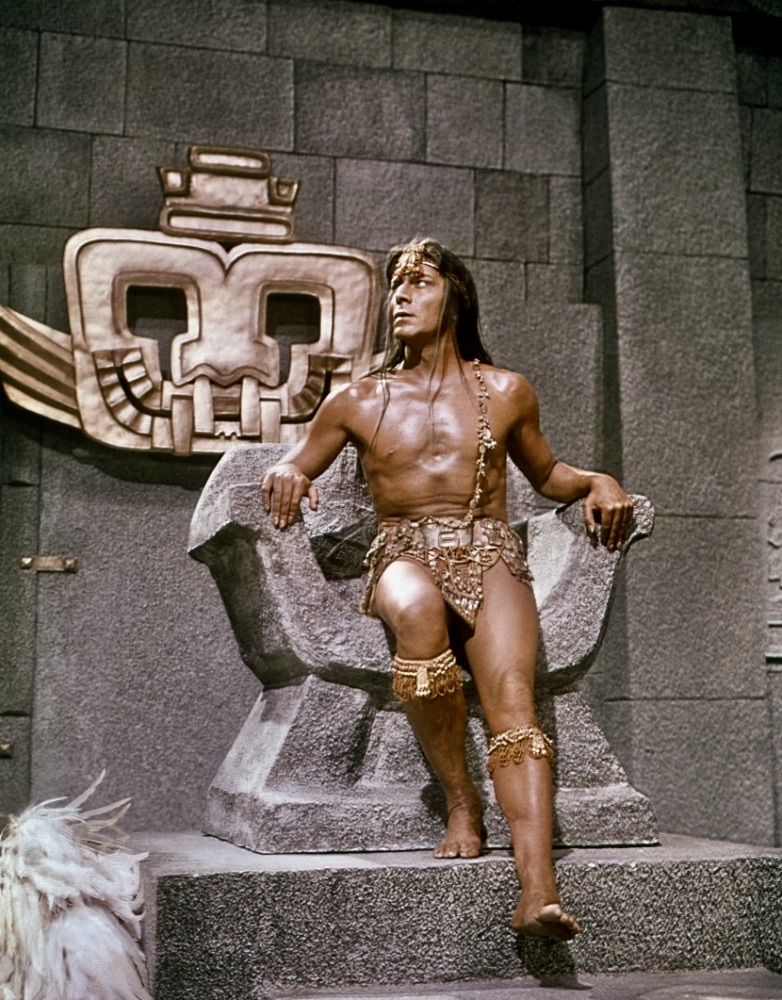
Among the many roles this highly regarded Canadian actor has played during his film career, few are as challenging or as physical as his performance as the Inca ruler Atahuallpa in The Royal Hunt of the Sun. Originally Plummer had played the part of Spanish explorer Pizarro in the stage version but Robert Shaw convinced him to play the Inca king instead for the movie adaptation while Shaw portrayed Pizarro. The film barely made a ripple upon its release but Plummer was singled out for his energetic, over-the-top acting. Pauline Kael wrote, “As the Inca king, Christopher Plummer arrives carried on a litter and dressed in feathers, and he hisses and prances like a mad queen; Robert Shaw, trying to play Pizarro straight, is howlingly upstaged. (Shaw keeps staring at Plummer and his pale-blue eyes get more and more bewildered). No doubt Plummer should be chastised, but he’s so outlandishly entertaining, and the movie is a mess, anyway.”
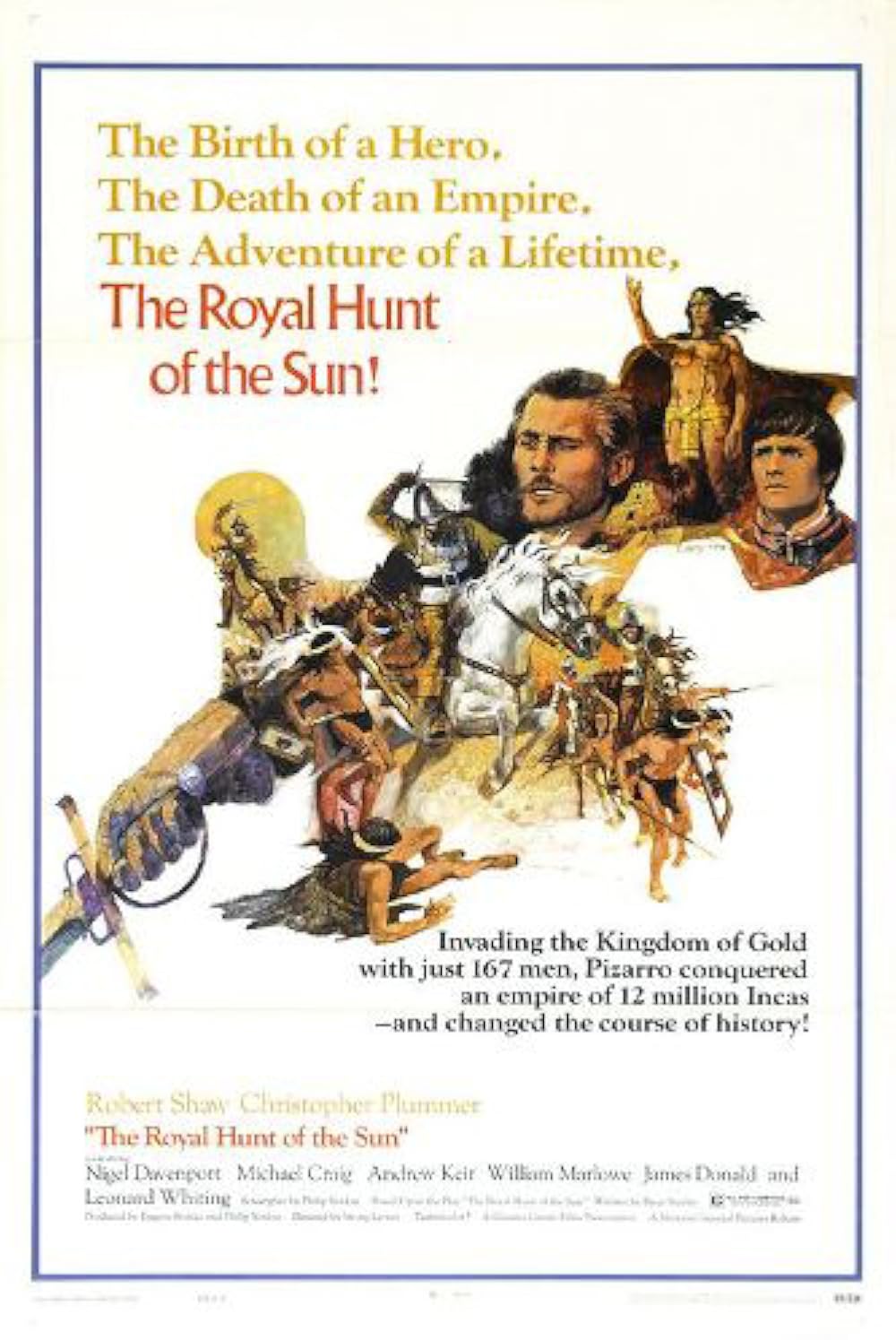
In his autobiography, In Spite of Myself, Plummer admits he had reservations about the part because “Atahuallpa glides about in nothing but the briefest of loincloths, so there was no getting out of it – I had to go into some serious training pronto…There was no script per se, so we used an edited version of the play with [Peter] Shaffer’s blessing – he never showed up and left us totally on our own. Robert Stephens, whom I had seen give an inspired performance of my role at the National Theatre, made little birdlike noises whenever he spoke or reacted, making of Atahuallpa a fantastical creature, utterly removed from this world. I decided to do the same only more so by learning some Quechuan, a dead forgotten language, which could sound very much like wild bird cries….The Royal Hunt as a movie didn’t quite come off as it should. It was neither a play nor a film. There was not enough in the kitty to photograph the whole story in the real Andes, but there were the occasional moments of suspenseful beauty (the snow scenes, particularly) and a general atmosphere that suggested something out of the ordinary due in large part to the Shaffer dialogue, what was left of it. However, for me it was an absolute boon because Atahuallpa took me out of myself, made me dare, forced me to invent and welcomed me into the world of character-acting.”
Ida Lupino: The Hard Way (1943)
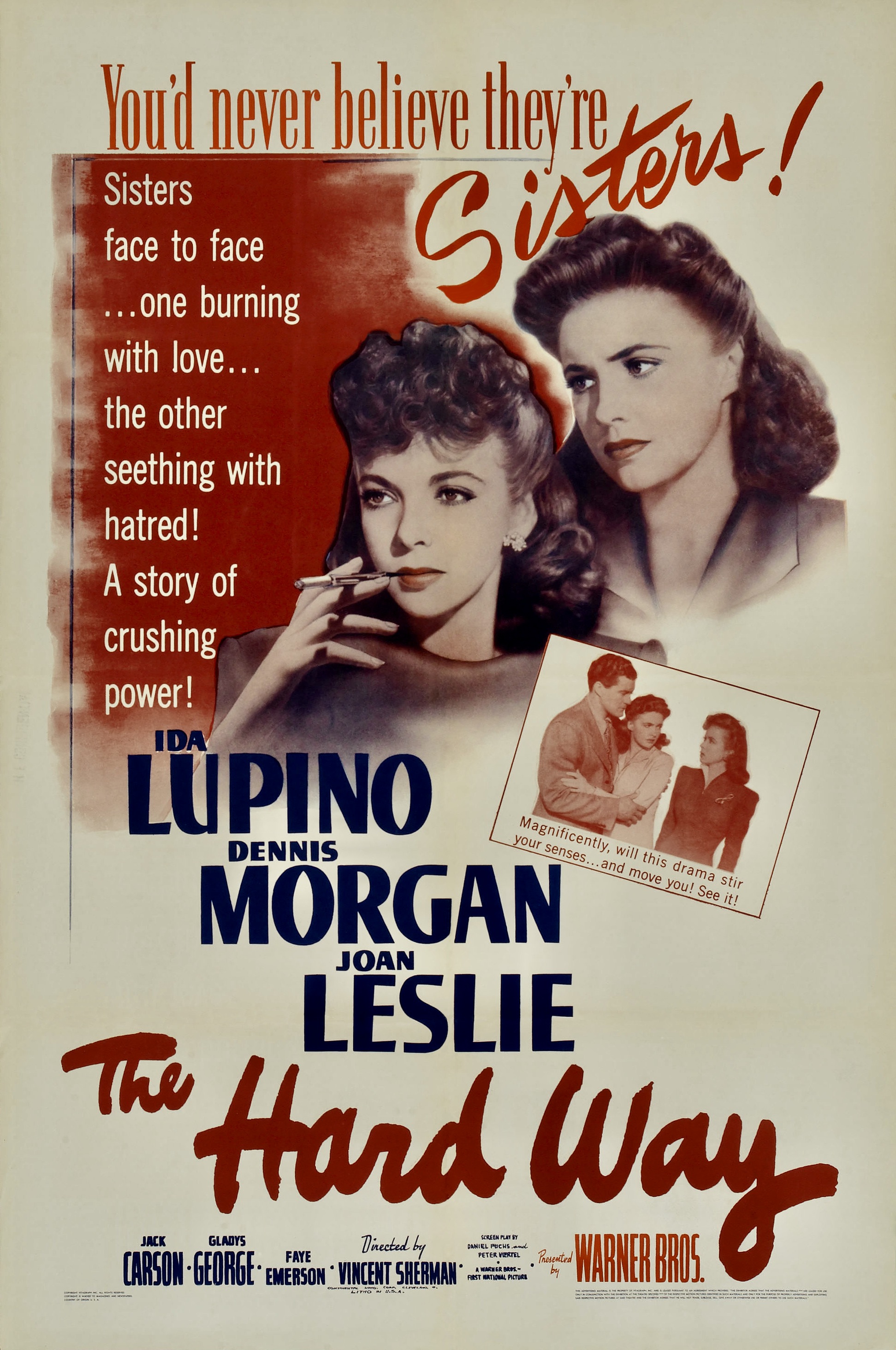
While it is hard to believe that Ida Lupino was never nominated for a Best Actress Oscar in her career, many believe that her performance in The Hard Way (1943) is possibly her best, surpassing her work in The Light That Failed (1939), High Sierra (1941) and Ladies in Retirement (1941). The Hard Way has enjoyed a revival in recent years thanks to enthusiastic screenings at the Telluride Film Festival and other film retrospectives. Yet Lupino was not fond of the movie at all and, in regards to her career as an actress, said to John Kobal in his interview collection, People Will Talk, “The worst of all for me was The Hard Way. I didn’t want to do that. I was terribly worried. You see, I knew my father was ill and I couldn’t tell my mother. I was in a terrible state keeping it to myself, and, as a matter of fact, I had a breakdown right in the middle of the picture when my father passed on. I had been keeping it in for a long time. And that was the only award I ever won. I won the [New York] Critics’ Award for The Hard Way, and I hated myself in it. I went to the preview with my mother and I said, “Connie, excuse me, dear, you stay and see the rest of this. It’s making me terribly nervous, my performance.” She said, “I’ll never speak to you again if you walk out. Don’t you dare walk out.” And I said, “No, I’ve got to, I can’t stand it.” I walked. I couldn’t stand myself in it, and I won the Critics’ Award.”
Tony Curtis: Son of Ali Baba (1952)
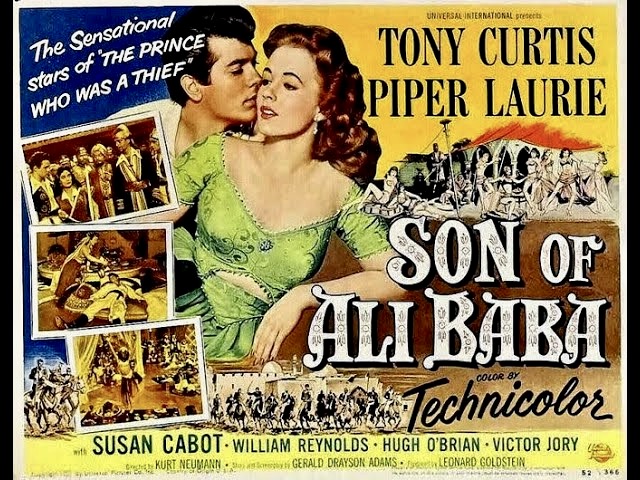
During his early years at Universal as a contract player, Tony Curtis was cast in a variety of B-movie genre pictures from costume adventures like The Prince Who Was a Thief (1951) to westerns (Kansas Raiders, 1950) to crime dramas (Forbidden, 1953). Made as a follow-up to The Prince Who Was a Thief, which also co-starred Piper Laurie, Son of Ali Baba was “another sand-and-tits movie” according to Curtis in his autobiography, American Prince. “This movie provided another opportunity for me to run around bare-chested in pajama bottoms with a turban around my head… Son of Ali Baba was the movie where I gave a line that people unjustly made fun of for years afterward. There’s a scene where I’m on horseback and Piper [Laurie] is sitting next to me, and I say to her, “Yonder in the valley of the sun is my father’s castle.” After the film came out, Debbie Reynolds, who would later marry Eddie Fisher, went on television and said, “Did you see the new guy in the movies? They call him Tony Curtis, but that’s not his real name. In his new movie he’s got a hilarious line where he says, “Yonder lies the castle of my fodda.” You could chalk her ridicule up to my New York accent, but when she mentioned the issue of my real name on television, I began to wonder if there was something anti-Semetic going on there. I’m probably just hypersensitive on that topic. But either way, she got the line wrong! Unfortunately, her version stuck with the public, and for a while it became popular for people to quote the incorrect line in a ridiculous New York accent. Years later, Hugh Hefner came up to me at a party and said, “Yonder lies the castle of my fodder.” I looked at him coolly. ‘Hef, I never said that.” “Then don’t tell anybody,” he said. “It makes a great movie story.”
Sally Kellerman: Reform School Girl (1957)
The success of The Wild One (1954) and Blackboard Jungle (1955) inspired a slew of low-budget imitations featuring juvenile delinquents, motorcycle gangs and rebellious, destructive teenagers. One of the least known entries in this genre is Reform School Girl (1957) in which the innocent heroine (Gloria Castillo) finds herself shipped off to a girls reformatory where Yvette Vickers is the bad-ass ringleader. Sally Kellerman, who has a bit part in it, had this comment about it in Hollywood Talks Turkey: “I’ve had my share of turkeys, but my first film was also my worst. It was called Reform School Girl and was released back in the late ’50s my ex-boyfriend, Edd “Kookie” Byrnes was one of the stars. I played the school dyke and carried a tool case. When I came on the screen, everybody in the theatre laughed. I didn’t work for three years after that.”
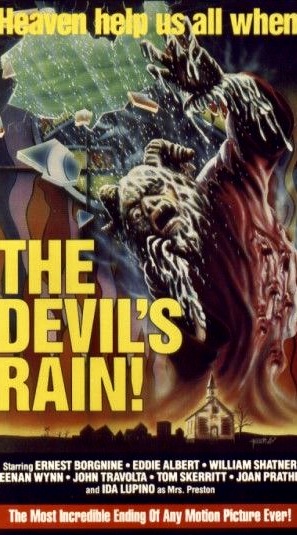
Ernest Borgnine: The Devil’s Rain (1975)
Here’s an actor who has had his share of triumphs (From Here to Eternity, Marty, The Wild Bunch) and low points (Bunny O’Hare, The Revengers, Holiday Hookers) with The Devil’s Rain falling into the latter category though I find it consistently entertaining despite its incoherent, often absurd storyline and direction. Most critics lambasted it and even horror fans stayed away despite the fact that such respected actors as Ida Lupino, Eddie Albert, William Shatner, Keenan Wynn, Tom Skerritt and John Travolta (in a small part) were in it. David Sterritt of The Christian Science Monitor wrote, “…it’s hard to make a movie about hooded demons and amulets and twisted rites and have it not look preposterous…On the other hand, as a colleague of mine put it after a screening, it’s the only movie in town wherein you can see Ida Lupino melt.”
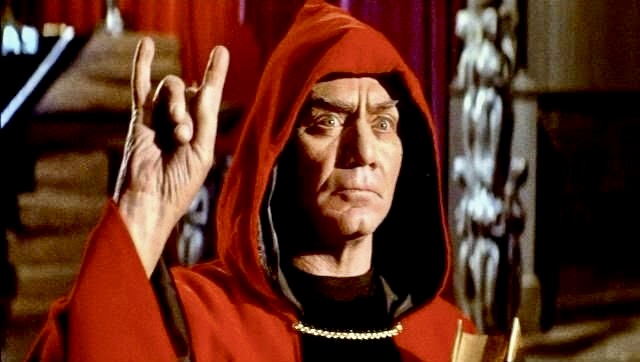
Borgnine recalled making The Devil’s Rain in Ernie: The Autobiography, stating, “The thing I remember the most is putting on the devil makeup for the climatic scenes. It took about four-and-a-half hours to make me up. A little Mexican boy in the film took a liking to me. He thought I was the greatest, like his favorite uncle or something. I told him the first day that we were going to put on this makeup and I couldn’t be distracted, so I said, “Now you come back in about four hours, okay?” So he came back and I turned around. You know, in my own head I’m still Ernie Borgnine. Well, he looked at me, let out one scream, and went running. And he never came back to see me. I’ll never forget that makeup, because I didn’t have a lot of mobility. While it was on, I could only fork in a little rice and peas and beans, stuff like that, for lunch. Even so, food would drop into one of the nooks and crevices without my knowing it. So I’d be shooting a scene and doing dialogue and there would be a rice grain or two that would come flying out.”
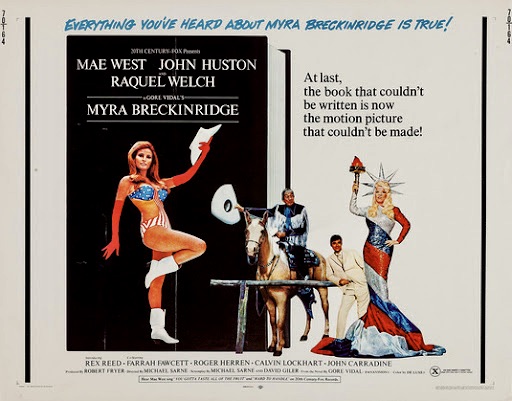
Raquel Welch: Myra Breckinridge (1970)
One of the most notorious box office bombs of the decade, Myra Breckinridge was based on Gore Vidal’s novel about a film buff who has a sex change operation in order to become the kind of all-American woman “no man will ever possess.” What was intended to be a satiric attack on social attitudes toward gender and sexuality became one of the most eagerly awaited movies of 1970 with plum roles for rising sex symbol Raquel Welch, director John Huston, screen icon Mae West and famous character actors like John Carradine, Andy Devine, Jim Backus, Kathleen Freeman and Grady Sutton. The film, directed by Michael Sarne, also featured the feature film debut of Tom Selleck and substantial roles for Farrah Fawcett (in her second movie) and film critic Rex Reed (as Myra’s male alter ego Myron). The production was troubled, to say the least, and when it was finally released, the critics roasted it. A typical example is the Time Magazine review which stated, “So tasteless that it represents some sort of nadir in American cinema…Myra Breckinridge is about as funny as a child molester. It is an insult to intelligence, an affront to sensibility and an abomination to the eye…”
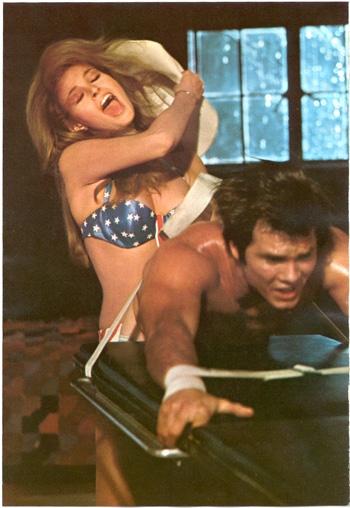
The film could easily have killed the careers of rising stars like Welch, Fawcett and Selleck but moviegoers stayed away in droves and it didn’t matter in the long run. Welch, in particular, enjoyed a long and varied career which included box office hits like The Three Musketeers (1973), acclaimed TV work (1987’s Right to Die) and a health and beauty franchise. But in 2012 at a tribute to Welch at the Film Society of Lincoln Center, the actress spoke about making Myra Breckinridge to interviewer Simon Doonan, saying “Very early on (I realized) this isn’t Gore’s book. Nobody’s going to understand it…they hired Michael Sarne who’s only claim to fame was Joanna (1969), a visual montage kind of thing and that’s what he did to this movie. The fact that it had dialog was secondary. He used to carry round this little rectangular box and he used to say, I’ve got this little box for you, Raquel…It was sad fun, I didn’t want to make a movie that didn’t make any sense. I thought we were going to make something that was revolutionary. I did think it was kind of a landmark that said it’s very likely that world culture will change from this point on.”
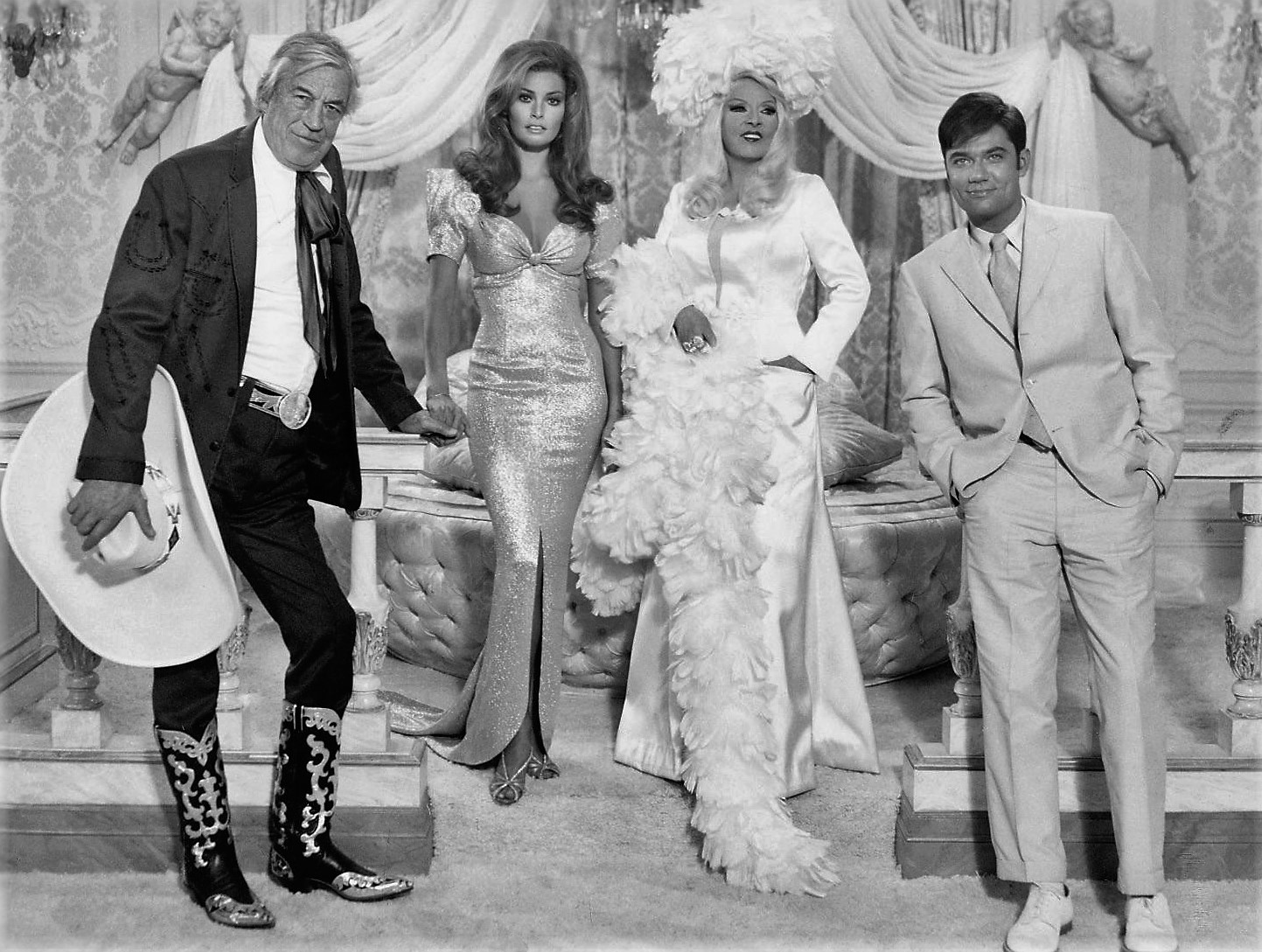
She also commented on the difficulties of working with a screen diva like Mae West: “Mae never worked before 5pm. Also she never really moved by herself. [The limousine that had driven her to the studio] also brought her on to the set. I kissed her hand and one false fingernail fell to the floor and then I thought I’m getting a vibe, I think she’s a man. She refused to appear in the same frame as me. At 77 [Mae’s age] all bets are off and you’re not going to be able to doll it up that much.”
Warren Oates: Chandler (1971)
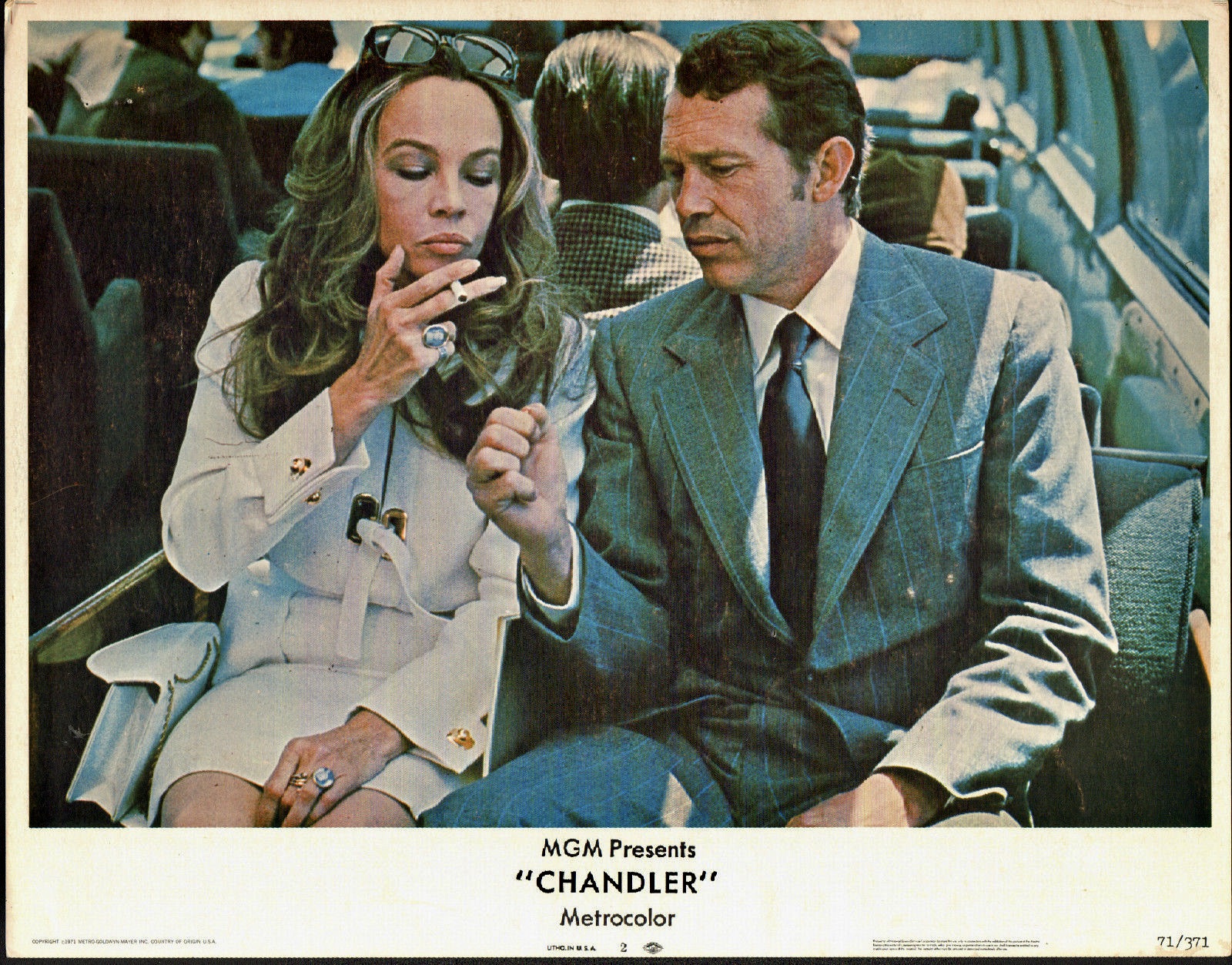
Whenever I think about this idiosyncratic and distinctive character actor, images from his memorable roles for Sam Peckinpah (Ride the High Country, The Wild Bunch, Bring Me the Head of Alfredo Garcia) are conjured up along with ones from Two-Lane Blacktop, Cockfighter and other cult titles. Rarely do I ever think of Oates in relation to a female co-star and throughout his career he hasn’t had that many. But the idea of Oates and Leslie Caron as a screen couple seems highly improbable and the 1971 crime drama Chandler bears this out. As the title character, Oates is doing a contemporary take on gumshoe Philip Marlowe, charged with escorting a threatened witness (Leslie Caron) in a crime case to safety. Most of the reviews noted the lack of chemistry between the two actors. One critic got the impression that “this couple is speaking a foreign language that neither of them felt too secure with” while another reviewer noted that Oates and Caron “walk dazedly through confused plotting…At 85 minutes the film still seems interminable.”
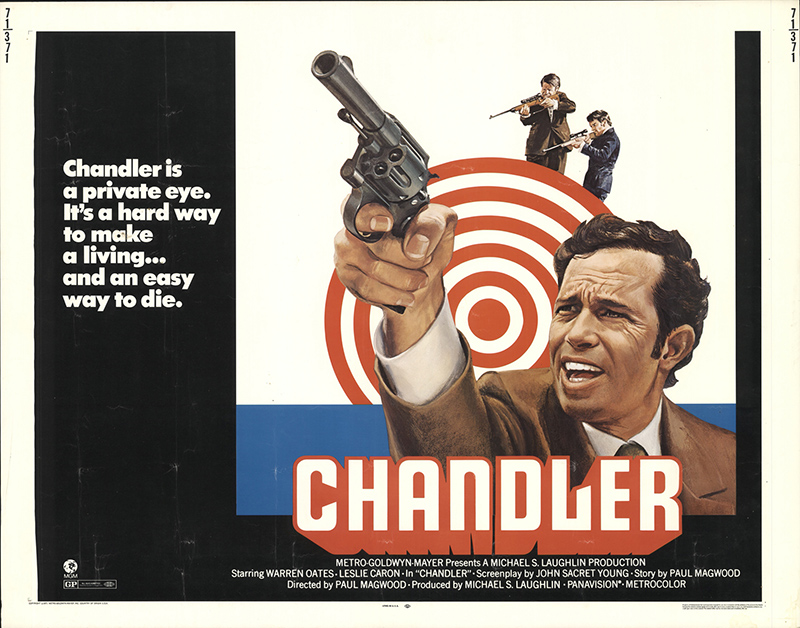
Oates tried his best to make Chandler work but later declared it “a horrible film,” adding, “It was an exciting concept, but the writing and directing were bad. Three days after we started it, I told a friend it was a loser. I saw it crumble for eight weeks on location and then it crumbled some more in the cutting room.” (Source: Warren Oates: A Wild Life by Susan Compo).
Joan Shawlee: Prehistoric Women (1950)
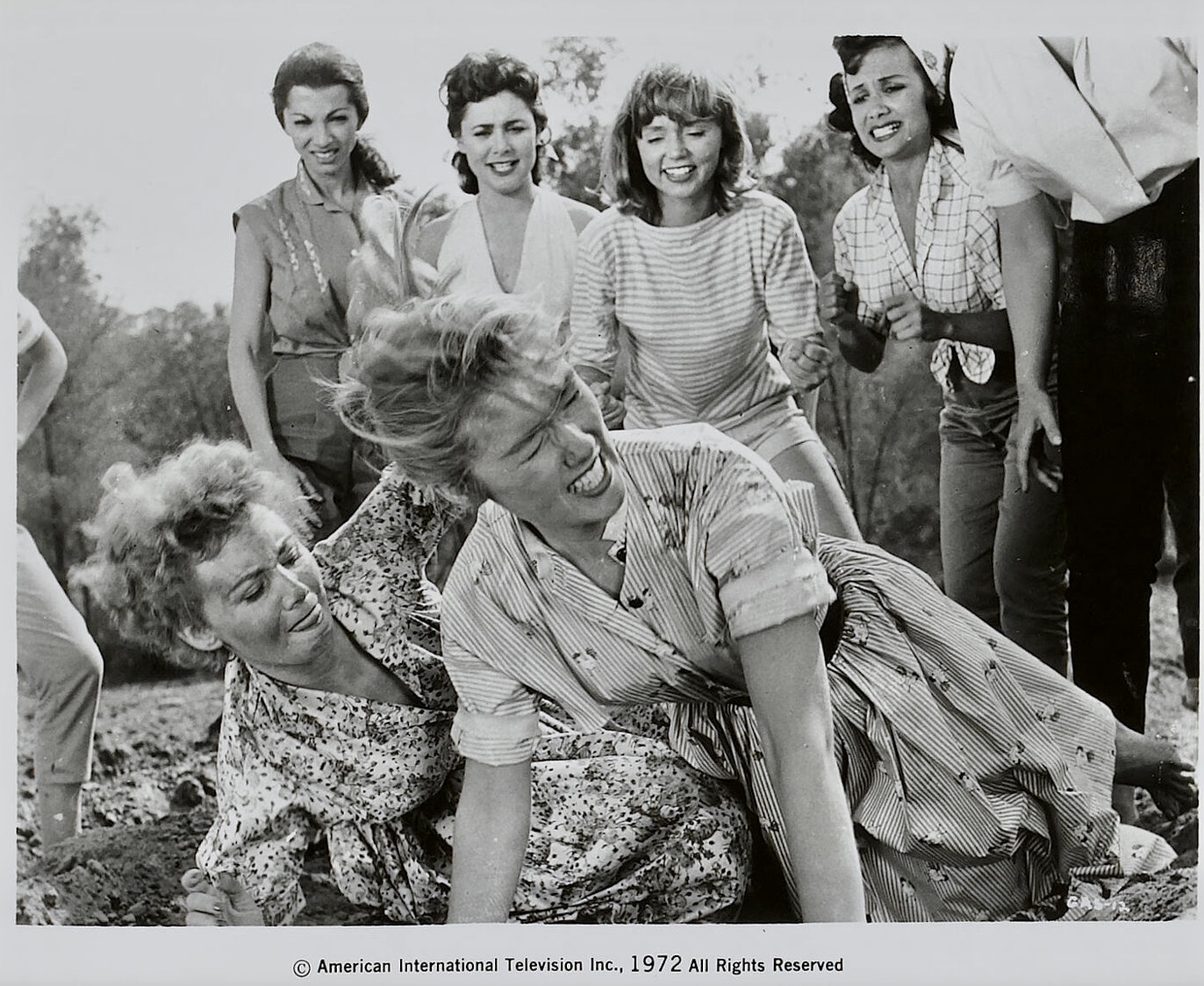
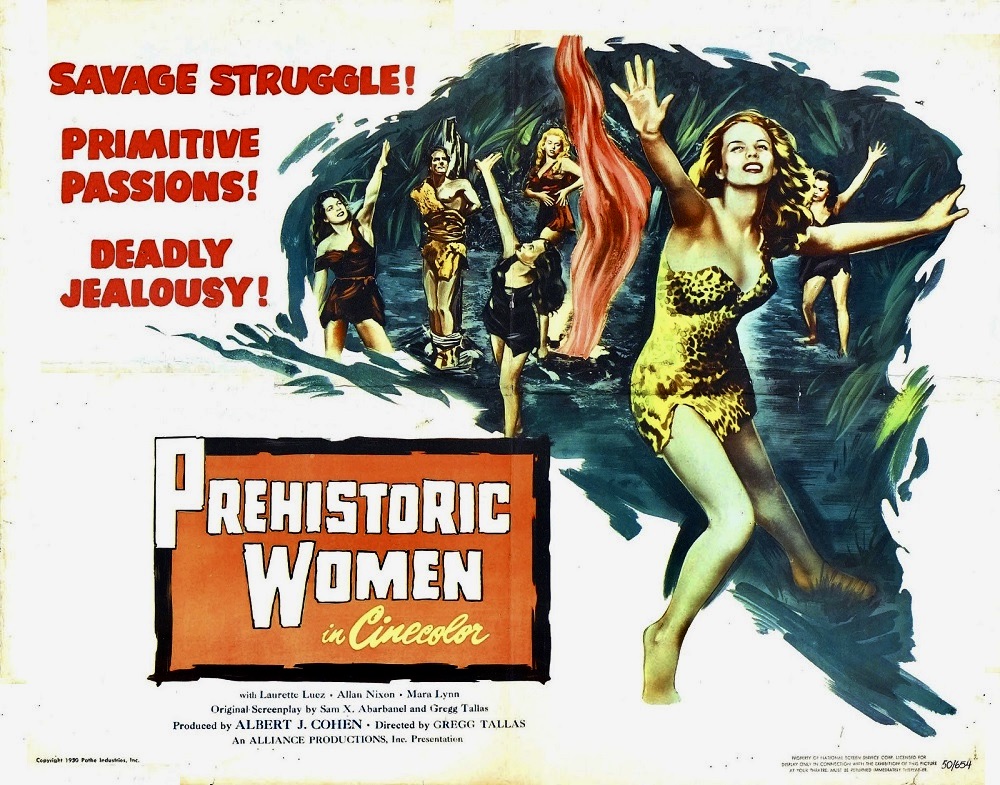
Not to be confused with the 1967 Hammer production starring Martine Beswick, Prehistoric Women (1950) is a camp classic to rival the similar The Wild Women of Wongo (1959) for moronic self-indulgence. Complete with a narrator and documentary-like footage, this cheapo period adventure has all the expected cliches of the genre (tribal dancing, scantily clad women, catfights, rock throwing and a flying dragon attack – the film’s worst special effect). One of the film’s stars, Joan Shawlee, who plays a cave woman named Lotee, had some amusing stories about the pre-production and filming in Hollywood Talks Turkey: “The “audition” for Prehistoric Women was like a Marine obstacle course. First you had to grab a rope and swing through the outer office into the producer’s office – and that broke me up to begin with. So I swung on the rope and fell into his office and picked myself up. “Terrific,” he said. “Now we have these hurdles over here.” So I did that and passed the tests. “Where’s the script?” I asked….He said, “This is prehistoric times. They didn’t even have the alphabet yet.” So he had me improvise a scene eating meat before a campfire and saying “Unga-chunga-lunga.” Later on I got the script. Guess what the dialogue was like? “Unga-chunga-lunga.”
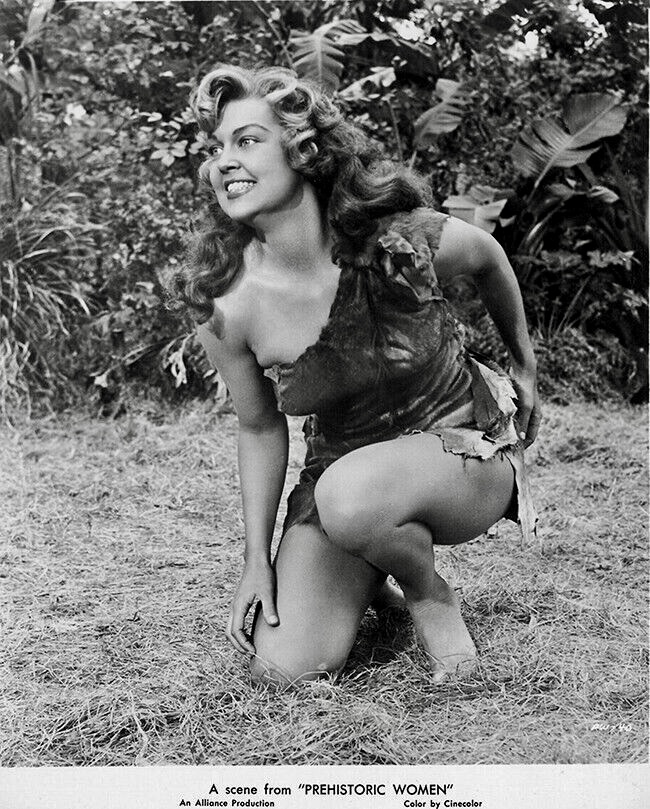
“They picked a gorgeous girl named Laurette Luez to play the leader of the women. Couldn’t act to save herself. How is she going to do it, I thought. She can’t even get by with “Unga-chunga-lunga.” Well, she married the director, Gregg Tallas, the day before the picture started. So there was no way to be thrown off the thing. And the day it was completed she filed for divorce.”
Vincent Price: Green Hell (1940)
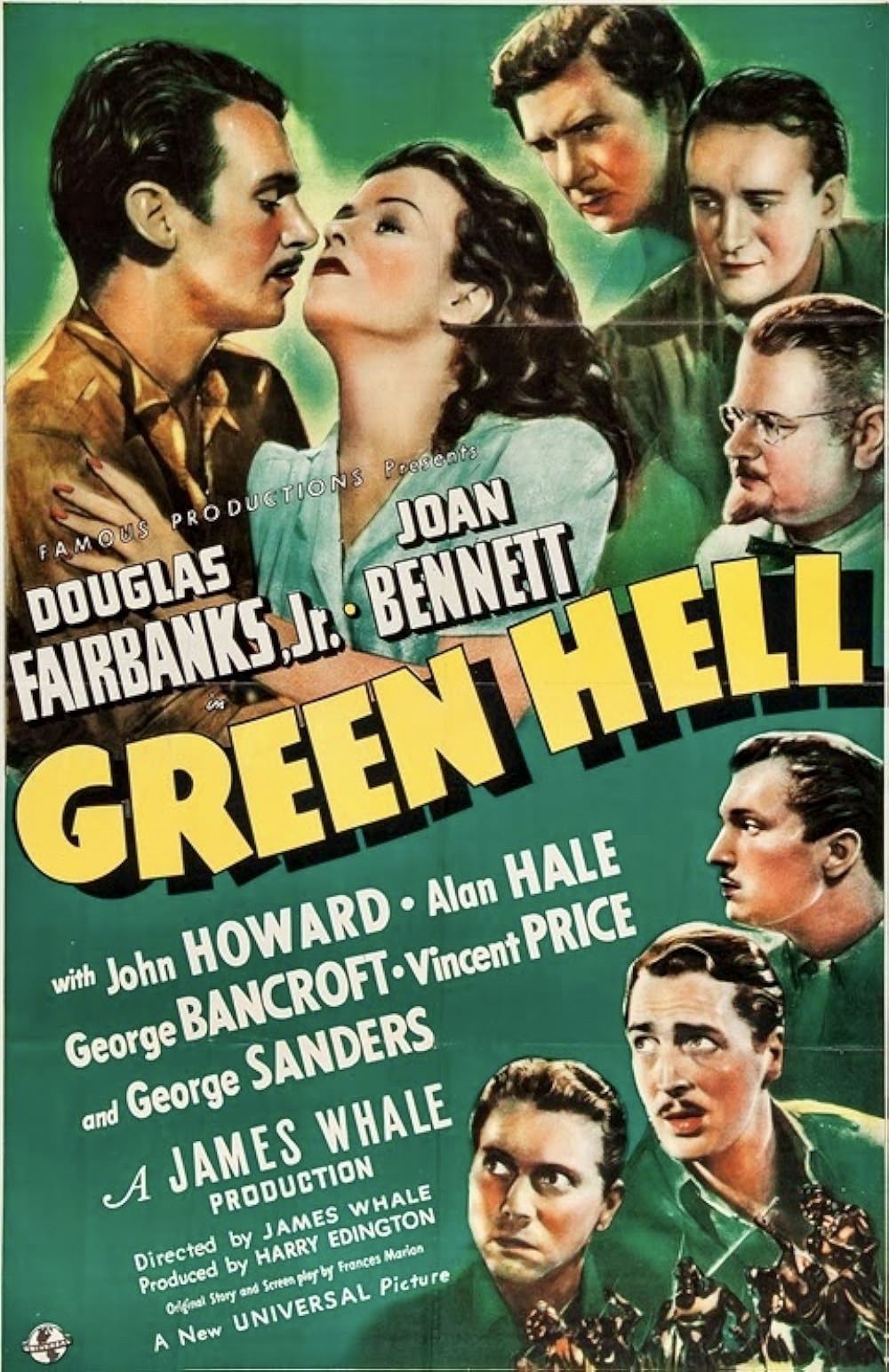
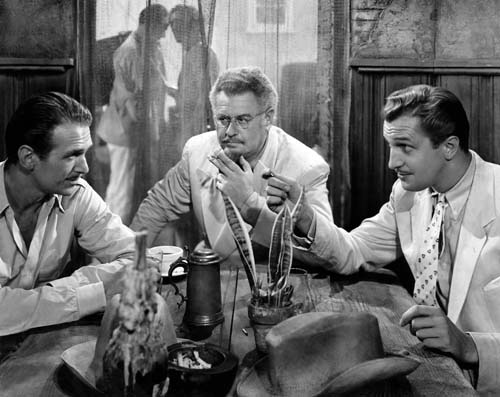
One thing you can say about Vincent Price is that he is rarely boring as an actor and his mere presence in a film can elevate a standard genre potboiler to something more worthwhile and enjoyable. This doesn’t always work as Rage of the Buccaneers (1961), War-Gods of the Deep (1965) and House of 1,000 Dolls (1967) prove but, surprisingly enough, the movie which Price singles out as a career low is Green Hell, a much more prestigious production directed by the highly esteemed James Whale and co-starring Douglas Fairbanks Jr., Joan Bennett, George Sanders, Alan Hale, Eskimo actor Mala and John Howard. In Price’s words, Green Hell, the tale about explorers headed into the South American jungle in search of ancient Incan treasure, is “Probably one of the ten worst pictures ever made. If you ever get a chance to see it, you must, because it is hysterical. I had a line where I am going up the Amazon with Douglas Fairbanks, Jr., who was playing a character named Brandy. For some unknown reason, going up the Amazon, I say, “Brandy, do you think it is possible for a man to be in love with two women at the same time, and in his heart be faithful to each, and yet want to be free of both of them?” Opening night, the audience fell on the floor – it was hysterical! It was the funniest picture in the whole world!” (Source: Attack of the Monster Movie Makers: Interviews with 20 Genre Giants by Tom Weaver)
Other links of interest:
https://www.rogerebert.com/interviews/interview-with-bruce-dern
https://ew.com/movies/raquel-welch-wildest-movie-role-myra-breckinridge/
 Cinema Sojourns