
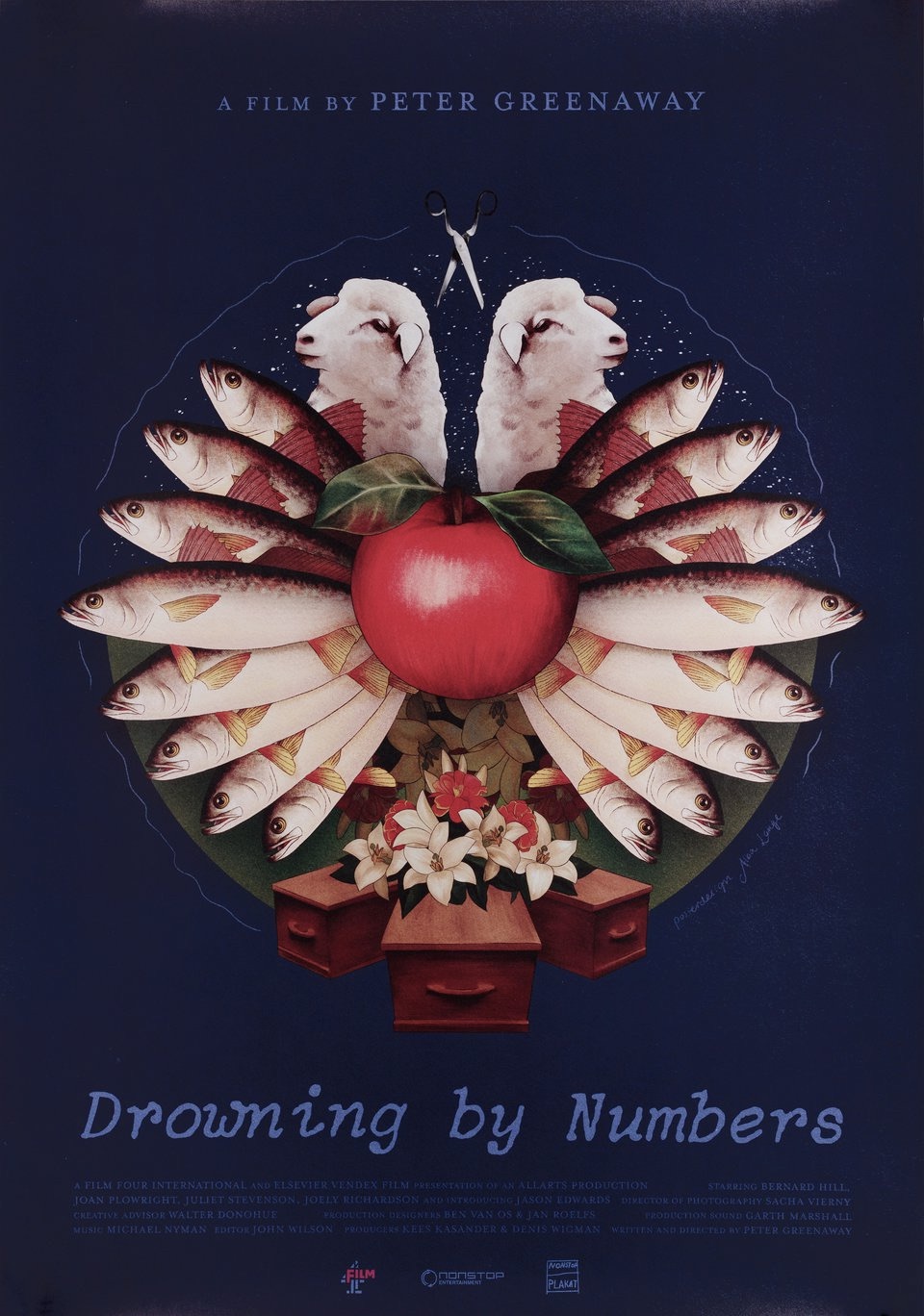
Peter Greenaway is not the sort of director who has ever tried to appeal to the average moviegoer or make a mainstream film but that doesn’t mean he hasn’t enjoyed a long and successful career in the cinema. In fact, his 1989 film The Cook, the Thief, His Wife & Her Lover was a surprise box office hit, grossing more than 7.7 million dollars in the U.S., which was highly impressive for an art house flick. Still, his filmography might seem intimidating or of little interest to most American viewers but several of Greenaway’s feature films from the 1980s are quite accessible, if only curious movie lovers would give them a chance. The Draughtsman’s Contract (1982) and The Belly of an Architect (1987) are good places to begin but my personal favorite is Drowning by Nights (1988), which is a subversive black comedy involving murder, game playing, and a fascination with numbers.
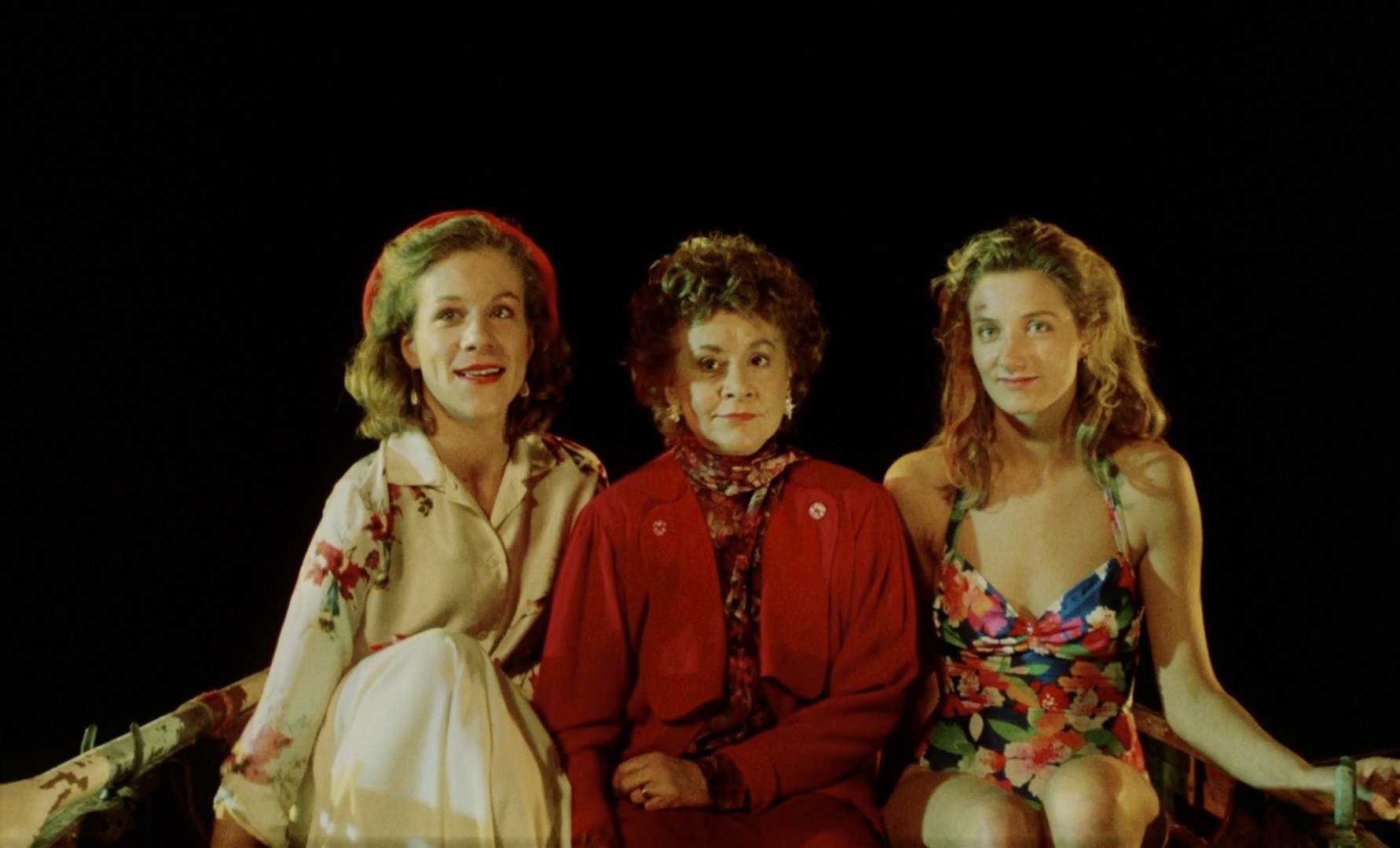
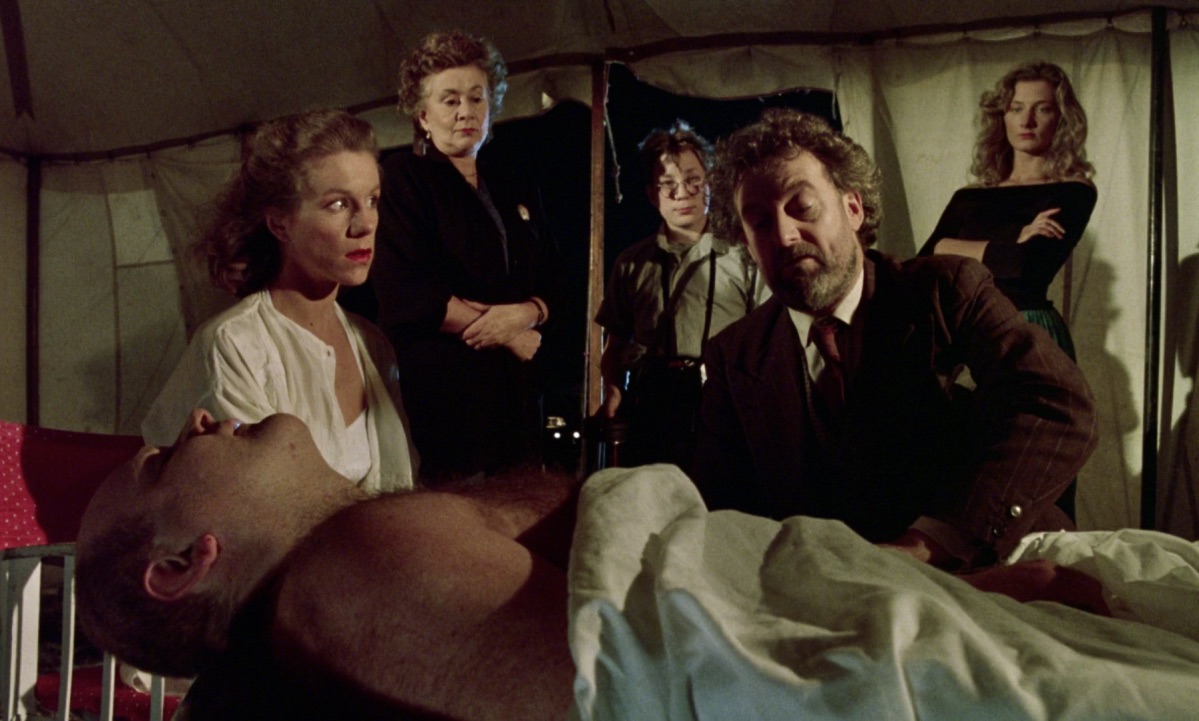
The narrative focuses on three women, who are related but from different generations, and strangely enough, they are all named Cissie Colpitts. Cissie 1 (Joan Plowright) murders Jake (Bryan Pringle), her drunken, unfaithful husband (she drowns him in the bathtub), and tells Madgett (Bernard Hill), the local coroner, that it was an accidental death. Madgett’s autopsy proves otherwise but he confirms Cissie 1’s non-involvement in the death because of his romantic interest in her. Jake’s death triggers a chain of events with Cissie 2 (Juliet Stevenson) and Cissie 3 (Joely Richardson), who contemplate their own relationships with their male partners as well as a solution to their problems.

More drowning deaths occur and there is no real mystery surrounding the victims or their demise. The main dilemma is whether Madgett, who performs the autopsies on the bodies, will reveal the truth to the police or use emotional blackmail to have his way with the three available women. Or at least that’s a loose interpretation of what transpires. (By the way, “Three is a Magic Number,” according to Greenaway and songwriter Bob Dorough, who wrote the 1973 cult song).
Despite the macabre nature of the storyline, Drowning by Numbers is a surprisingly playful and witty puzzle of a film with surrealistic touches and a stunning visual flair where every frame looks like a painting. That is no surprise since Greenaway was a former art student and painter who became interested in filmmaking the same year he entered art school at Walthawstow College of Art in 1962. Greenaway often references Alain Resnais and his 1961 film Last Year at Marienbad as the inspiration that helped him achieve his own artistic vision and aesthetics through filmmaking. It is also no surprise that Greenaway would hire Sacha Vierny, the cinematographer of Marienbad, to work with him on numerous features, starting with A Zed & Two Noughts in 1985.
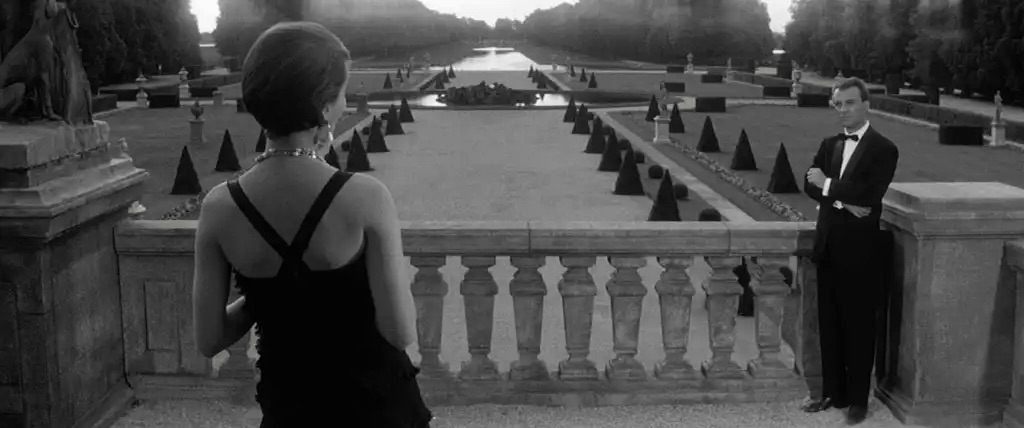
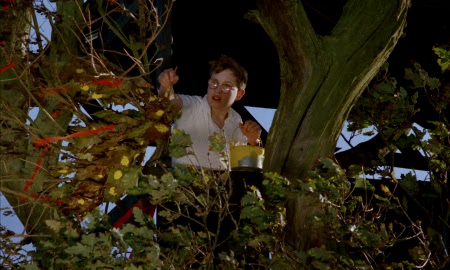
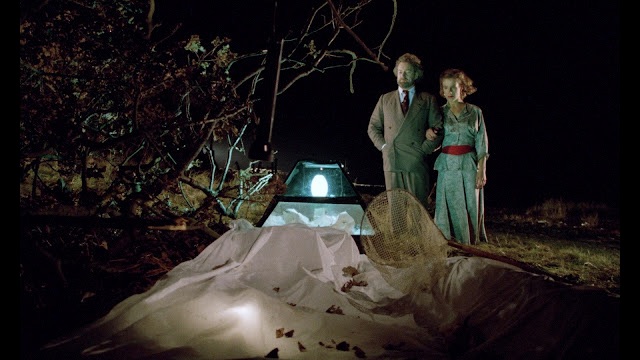
Drowning by Numbers is easily one of the most gorgeously photographed movies of all time with its use of color, lightning effects and compositions that often resemble English landscape paintings by masters of the form. This alone would be reason enough to see the film but there are so many other aspects to savor such as the excellent ensemble cast, the tart dialogue and a fascination with games. The latter provides an intriguing counterpoint to the tale of the three Cissie’s as Smut (Jason Edwards), the thirteen-year-old son of Madgett, concocts bizarre games involving a complicated numbering system like “Sheep and Tides,” “Bees in the Trees,” and “Hangman’s Cricket.”
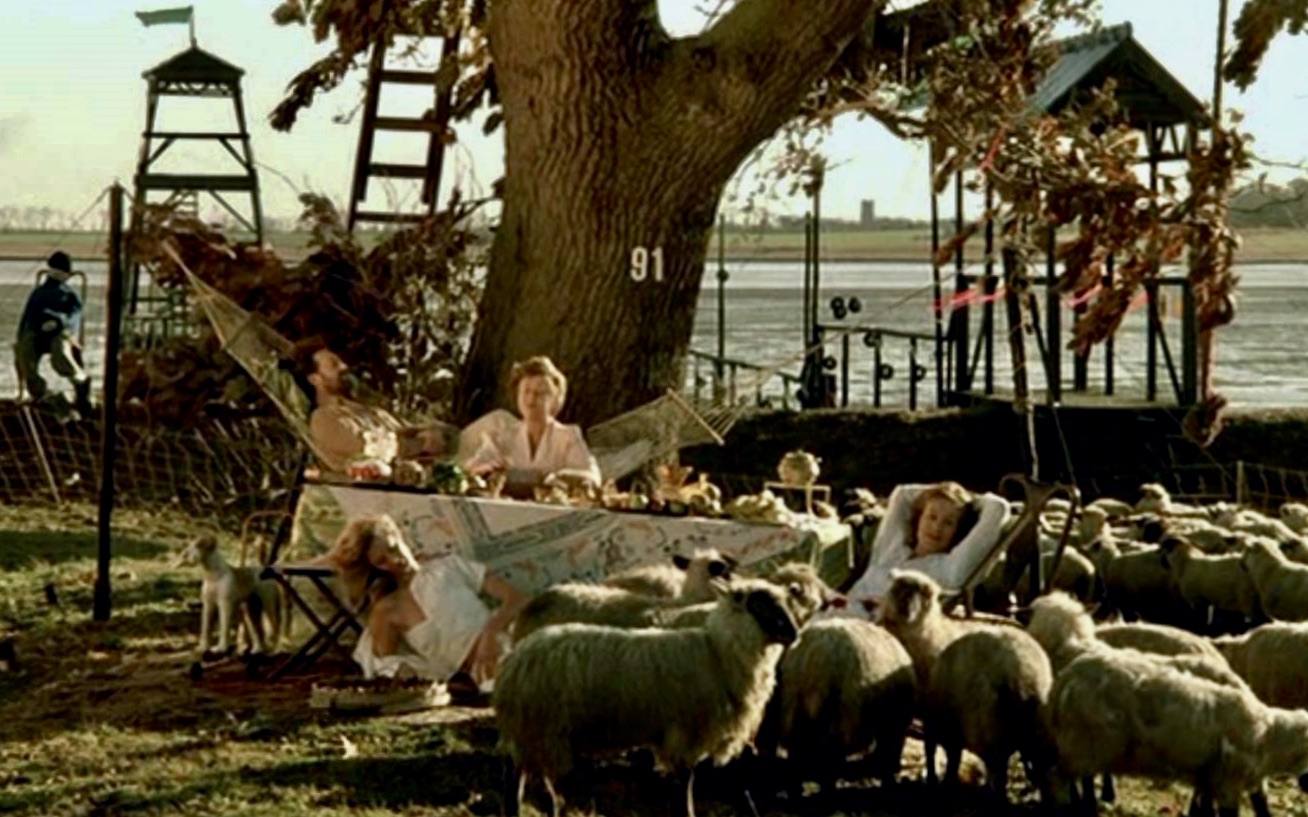
Greenaway’s fascination with numbers, a common motif in his films, plays out in unexpected ways in Drowning by Numbers. Sometimes the evidence is amusingly obvious such as a huge tree that bares the number 91 but other times you have to search for clues in the art direction, the dialogue or the arrangement of people or objects in a scene. In fact, Greenaway’s intention of representing every number from 1 to a hundred becomes a kind of cinematic maze for puzzle solvers and has led to various interpretations of the film.
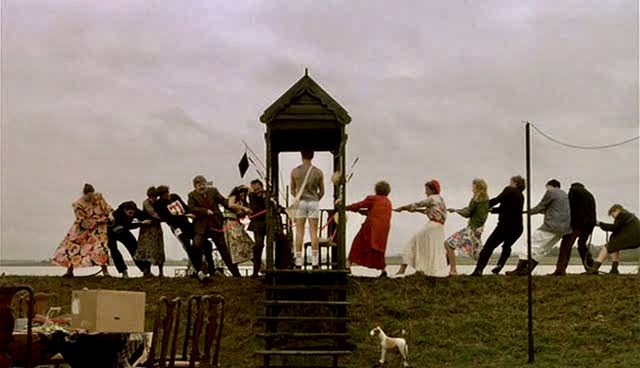
Like most Greenaway films, there is a visual preoccupation with food, sex, death, nature, decay, violence and the human body (especially a scene in which Smut commits an act of self-mutilation). WATER, of course, is the key metaphor and there are references to the biblical tale of Samson and Deliah, the paintings of Pieter Bruegel, constellations and various depictions of sheep, cows, snails and road kill. None of it approaches the disturbing heights of something like The Cook, the Thief, His Wife & Her Lover and even the most dire moments are played lightly.
That didn’t stop some critics from accusing the movie of being both misogynist and misandrist. Yes, the women are cool, detached and homicidal and show little remorse over their actions but the men are particularly unsympathetic and unappealing, ruled by their excessive appetites and sexist ideals. Misanthropic is probably a more appropriate description of Greenaway’s world view in Drowning by Numbers but gloom and doom are kept at bay by the director’s mischievous sense of fun and experimentation. In an interview conducted after the film’s release, Greenaway stated he saw his movie at the time as a vision of “male impotence versus female solidarity.”
In an interview with Bilge Ebiri on the Vulture website, the director admitted, “There’s a lot of stuff in Drowning by Numbers which is very, very personal. The little boy, Smut, is really me at age 10 or 11. (Not that I would remotely think of circumcising myself, of course — that has to be fictionalized.) And the circumstances of the geographical location I knew very well. My father had a very small cottage in a place called Walberswick. It was an area where “Sunday-afternoon painters” used to spend a lot of their time.”
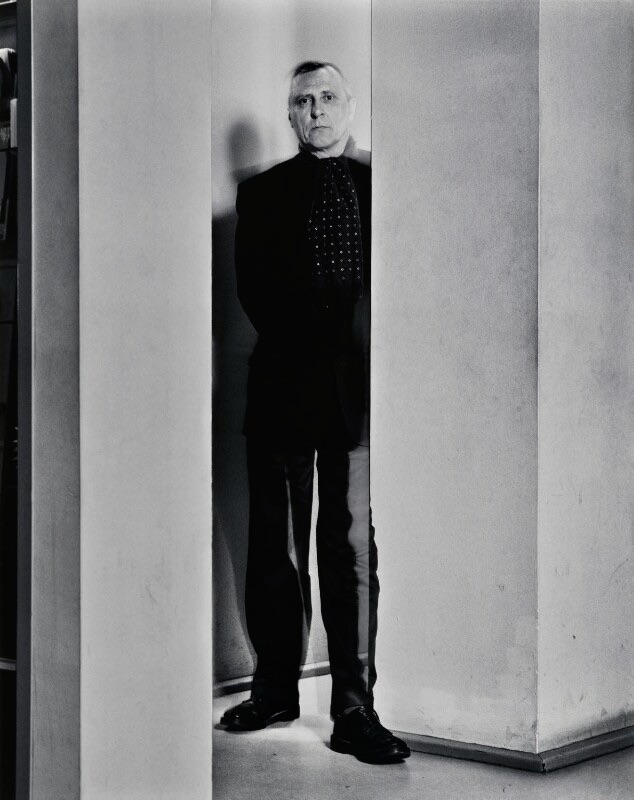
Drowning by Numbers, which was made before The Cook, the Thief, His Wife & Her Lover but released in the U.S. after it, received mixed reviews from the critics. Some, like Roger Ebert, were not fans of the movie. In his review, he wrote, “I found myself impatient after a time. When the movie was over, I was not sure why Greenaway made it. Since he is capable of taking even the strangest material and making it work (as in “The Cook,” etc.) I suppose that means this film was not successful for me, and so I should not recommend it. But if you like anagrams or crossword puzzles or mind games or beautifully photographed landscapes, you may well disagree.”

At the same time, several film reviewers praised the film such as Deeson Howe of The Washington Post. “The movie’s an intricately chartered tour through Greenaway’s mind, a mental maze beshrubbed with the science of probability, statistics, numerology, Darwininan laws and the history of Western art, to mention just a few of the director’s obsessions….But it’s a highly absorbing cornucopia of things Greenaway, exquisitely shot by veteran cinematographer Sacha Vierny, and hauntingly scored by Michael Nyman. For all its esoteric pleasures and numeral convolutions, it never gives up the gallows humor.”
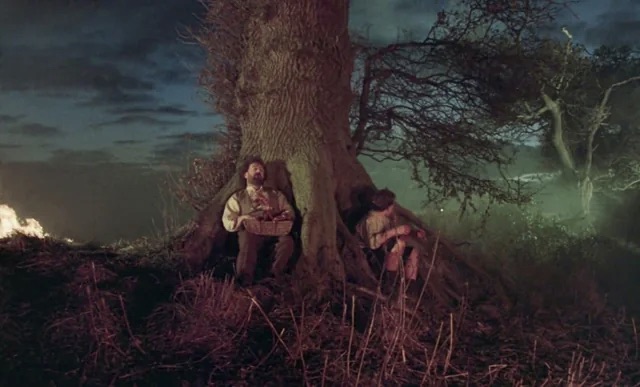
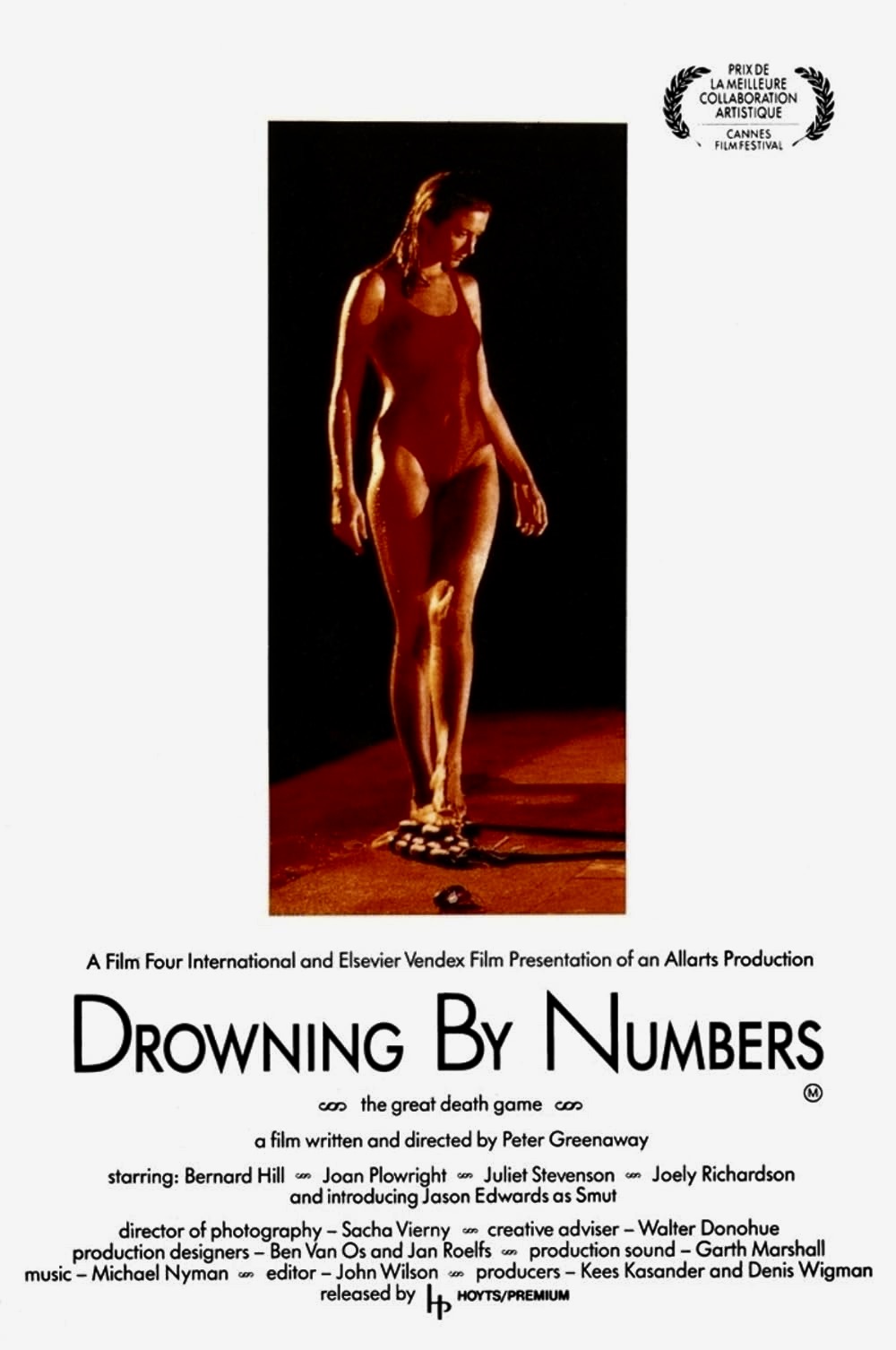
At the Cannes film festival of 1988, Drowning by Numbers was nominated for the Palm d’Or and won the Best Artistic Contribution award. It has since gone on to become one of Greenaway’s most important films and much more admired today than it was upon its original release. And I still maintain it is the ideal gateway film into Greenaway’s world, thanks to its elegant visual design and a superb music score by Michael Nyman, which is based on themes from the slow movement of Mozart’s Sinfonia Concertante in E flat. It may not be conventional in any way but a stranger to the director’s work could easily be seduced by it. As Greenaway stated in the Vulture interview, “I’ve always been interested in something we could call a nonnarrative cinema. I don’t really believe that cinema needs to tell you a story. I’m trained as a painter, and the very best paintings, I sincerely believe, are nonnarrative. They are about statements, about ideas. And I took this particular viewpoint into the manufacture of cinema. “
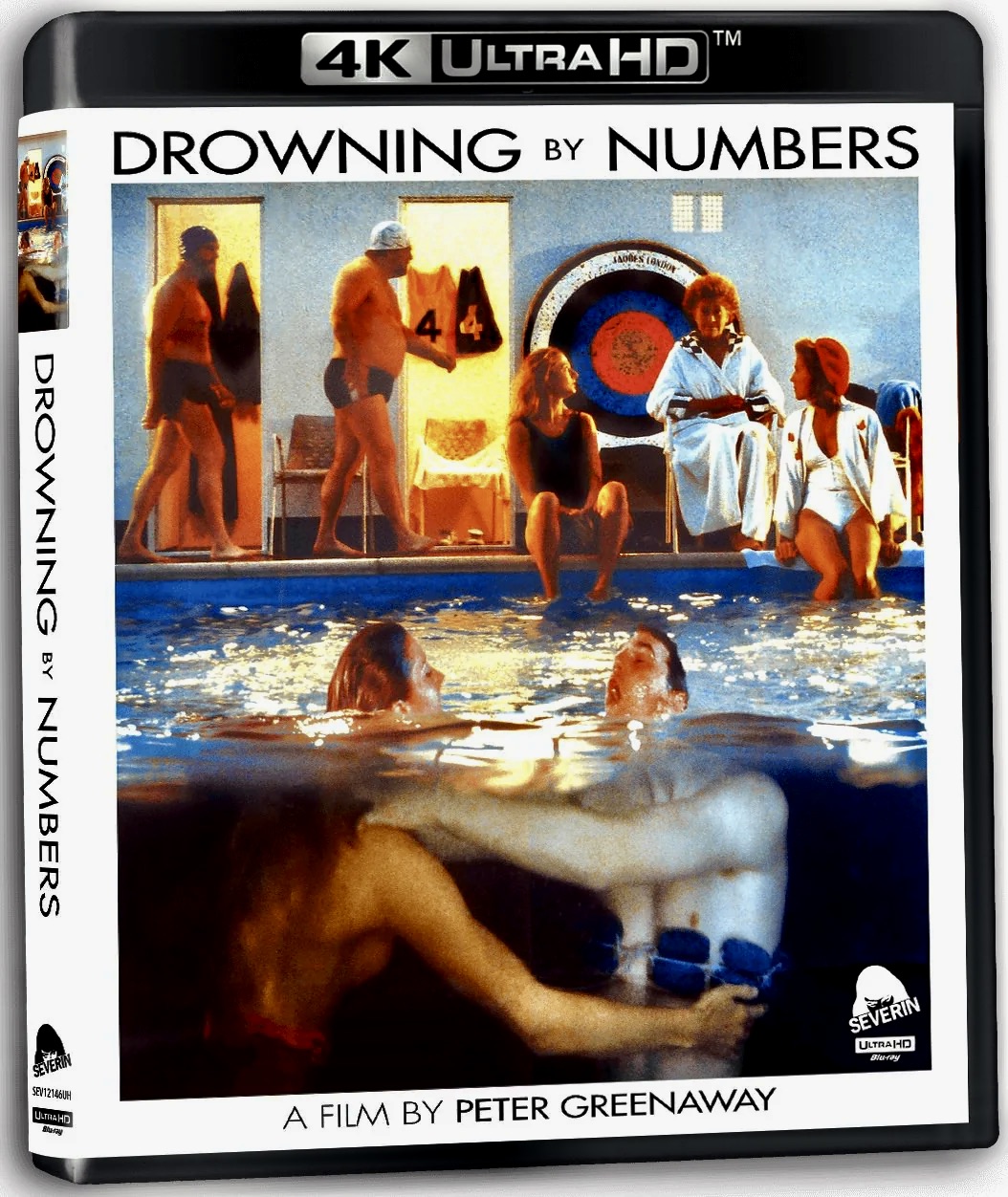
Drowning by Numbers has been released on DVD and Blu-ray over the years including the 2015 dual format release (DVD/Blu-ray) from the UK outfit MediumRare (which requires an all-region player). A more accessible option for U.S. fans is the May 2023 4K Ultra HD edition (includes Blu-ray) from Severin Films which comes with a host of extras such as an audio commentary by Greenaway, an interview with actor Bernard Hill and other supplementary material.
Other links of interest:
https://www.vulture.com/2023/05/peter-greenaway-on-drowning-by-numbers-and-his-long-career.html
 Cinema Sojourns