
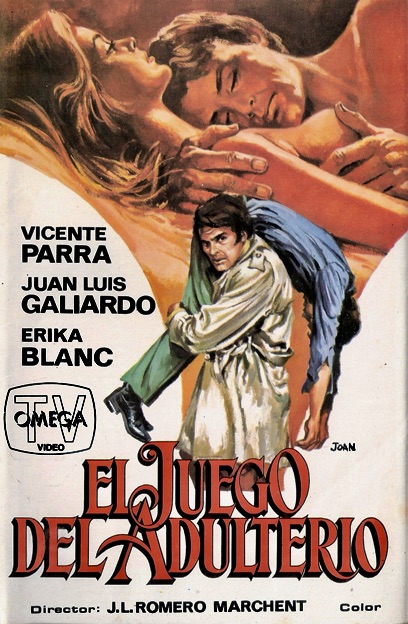
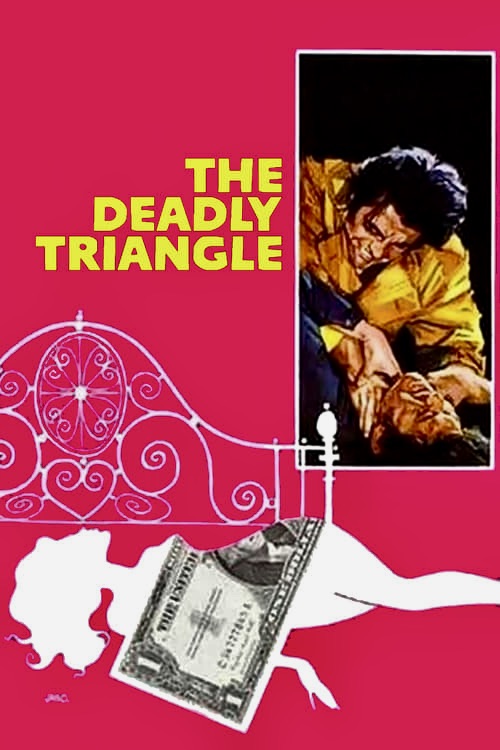
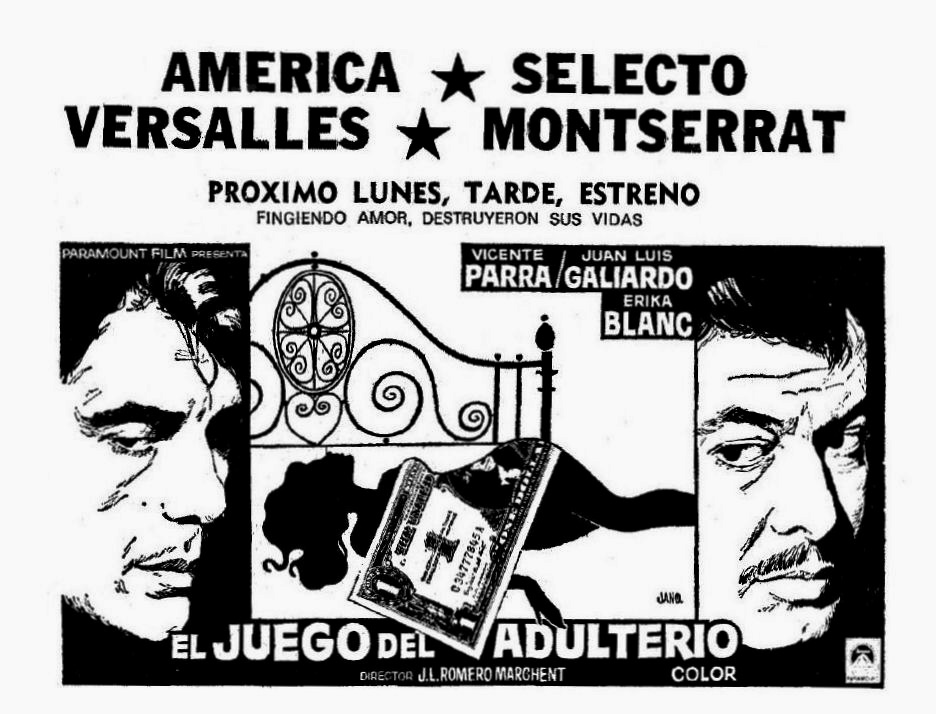
Giallo thrillers and spaghetti westerns are generally considered genres created by the Italian film industry but producers and filmmakers in other European countries also created their own versions in these categories, especially in Spain. Director/Screenwriter Joaquin Luis Romero Marchent, a native of Madrid, is best known for his Spanish take on wild west oaters but he did make a film that could be classified as a giallo. El Juego del Adulterio (English title: The Game of Adultery aka The Deadly Triangle, 1973) is blessed with a title that sounds like an erotic melodrama or maybe a softcore soap opera for the grindhouse crowd. It definitely has elements of that but is actually a psychological thriller crossed with a murder mystery.
The film opens with a freeze frame image of Alice (Erika Blanc) and her voice-over confession that her life is in danger. As the rich and successful owner of a business she inherited from her father, Alice is right to be concerned. She is trapped in a loveless marriage to John (Vincente Parra), who is also her business partner. He suspects her of having an affair with Andres (Juan Luis Galiardo), the company’s director of international relations, and plots to catch them in bed together and kill them.
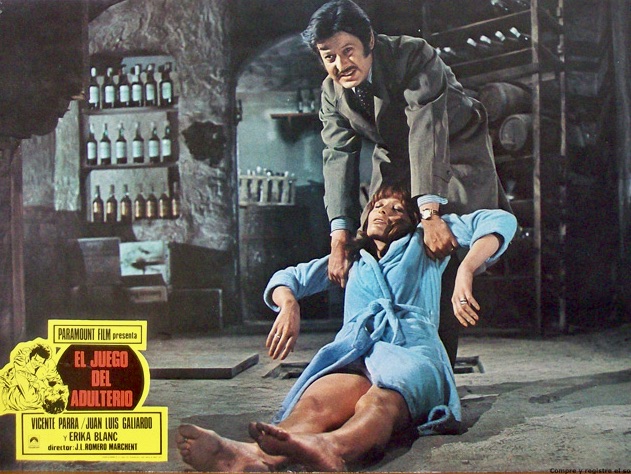
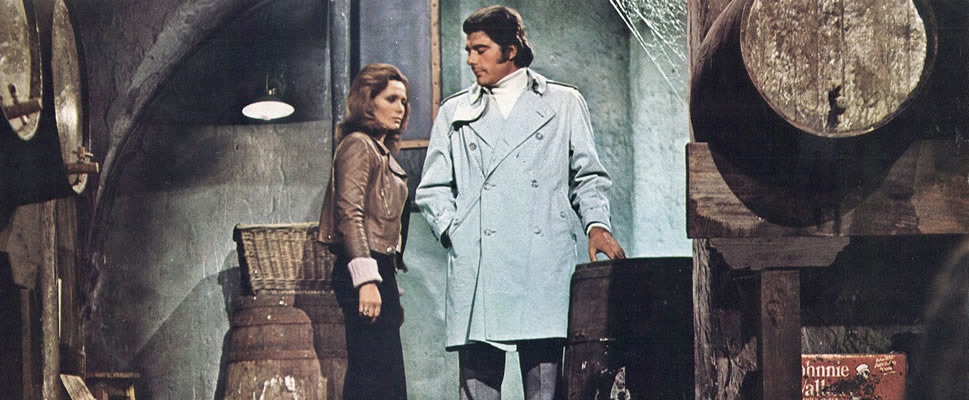
After pretending to leave town on a business trip, John circles back to his home and bursts in on Alice and Andres having sex. Intending to shoot them both with his gun, he suddenly has one of his frequent seizures from a weak heart and passes out. The following day Alice pressures John for a separation and makes plans to leave town for awhile but he attacks her while she is packing and knocks her out. He drags her to the basement and drops the body into a concrete cell which is hidden beneath the floor. We know she is still alive because she cries out before he closes the lid. But just when you think The Game of Adultery is going to turn into a variation of Edgar Allan Poe’s The Tell-Tale Heart, it introduces the first of numerous bait and switch surprises in the storyline that turns the movie into a deadly battle of the sexes.
As the main heroine, Alice is depicted as a love and sex starved woman who believes men are only interested in her because of her wealth and that also applies to her current lover Andres. Alice’s suspicions are further confirmed by a mysterious blonde woman who stalks her and eventually reveals her motives. The blonde, a model named Margot (Agata Lys), turns out to be a former prostitute who has been hired by Andres to aid him in his fortune hunting scheme.
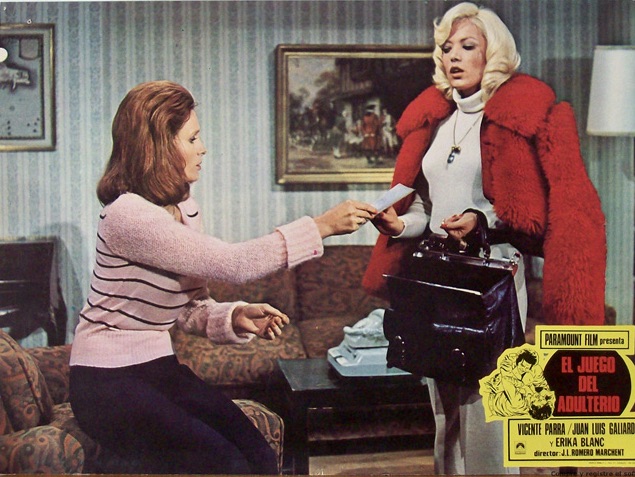
To reveal much more would ruin the pleasure of watching the film’s many twists and turns, which are plentiful…and maybe excessive. But there is something irresistible about watching the power games of the wealthy, which in this case pits two greedy, devious businessmen against two equally crafty and ambitious women in a winner-take-all battle to the death.
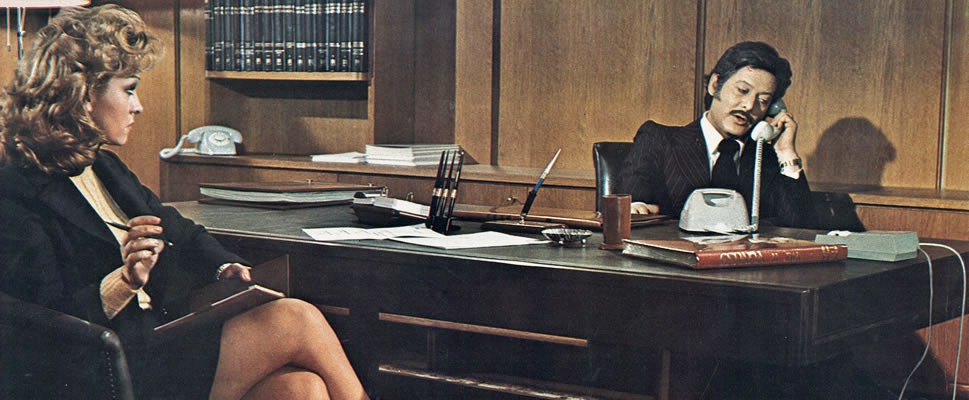
The Game of Adultery has plenty of hair-raising sequences that qualify it as a giallo, especially the sequence where Alice is trapped in a rat-infested tomb and scenes which reveal John’s true nature. We know he is bad news from the get-go when he is approached by a whore on the street and violently attacks her, triggered by a childhood memory (sexual abuse by his mother?). A subplot also follows his unsavory activities at a harborside drug den where he makes deals with underworld characters.

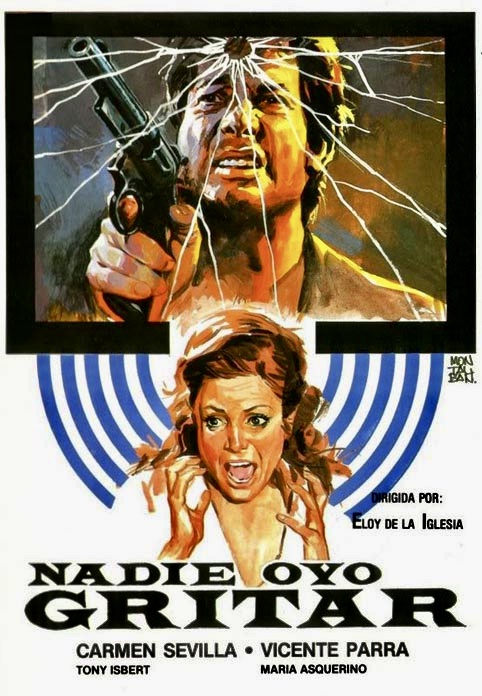
Vincente Parra is appropriately neurotic and sleazy in the role of John and the actor was no stranger to playing sinister leads in thrillers. Eurotrash fans know him as the homicidal protagonist of Eloy de la Iglesia’s La Semana del Asesino (English title: The Cannibal Man, 1972), which helped cement de la Iglesia’s reputation as a director of stylish horror/crime thrillers. Parra followed up that iconic role with another de la Iglesia murder mystery, No One Heard the Scream (1973), in which he plays a suspected wife killer who poses a threat to his next door neighbor (Carmen Sevilla). Neither of these films were popular in Spain at the time although they are currently reaching a new generation of movie lovers thanks to a cult revival of de la Iglesia’s work on Blu-ray.
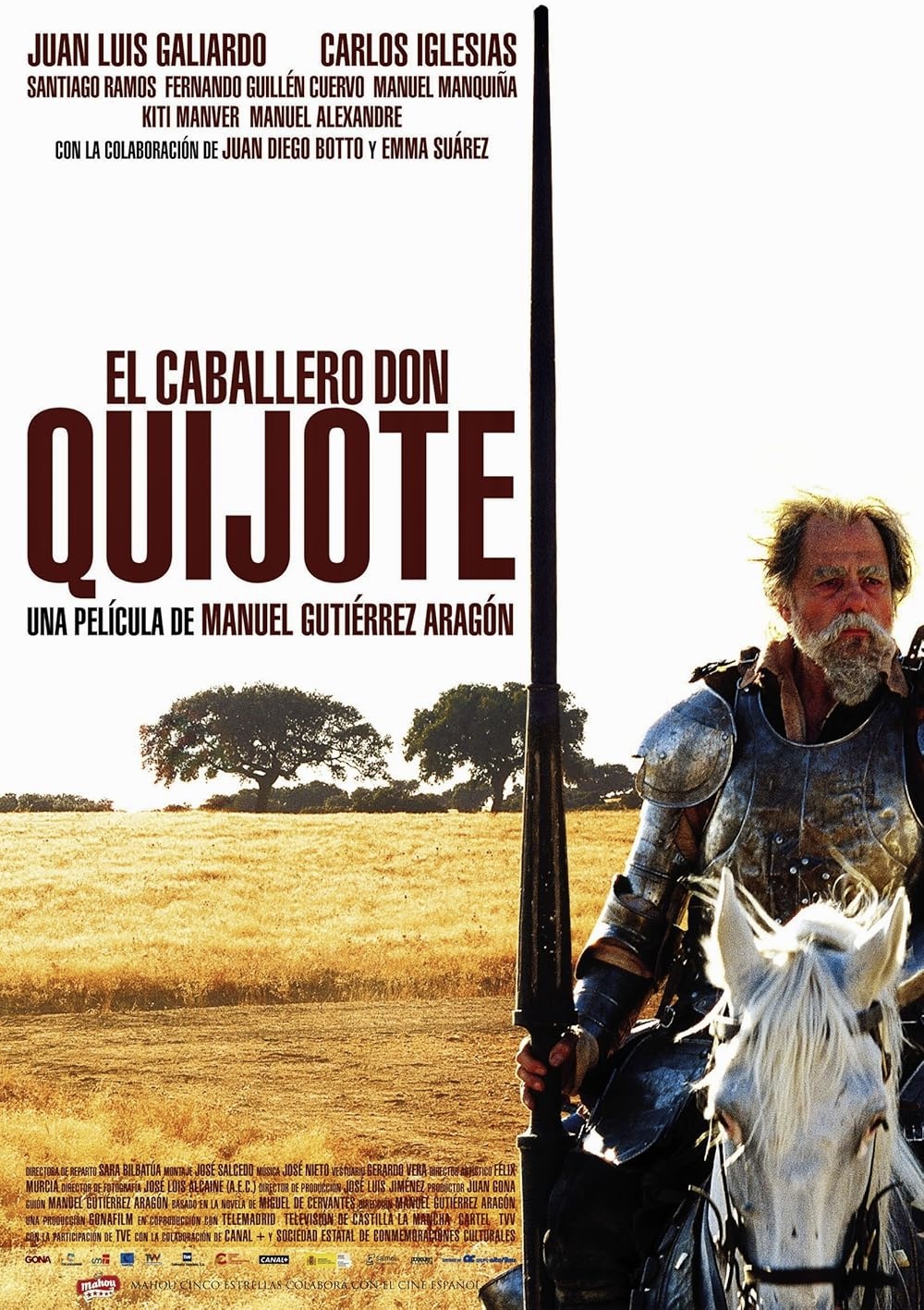
Strangely enough, Parra is more popular in Spain for his earlier dramatic roles, especially his portrayal of King Alfonso XII in the 1959 historical epic Donde Vas, Alfonso XII? Parra’s co-star in The Game of Adultery, Juan Luis Galiardo, had an even more distinguished acting career, appearing in more than 170 film and TV series and garnering numerous international awards for his work. Among his key films are Carlos Saura’s menage-a-trois melodrama Stress is Three (1968), El Vuelo de la Paloma (1990), a film set during the Spanish Civil War, the romantic comedy Adios con el Corazon (2001) and El Caballero Don Quijote (2003), with Galiardo in the title role. The actor also enjoys a cult following for such exploitation gems as the giallo Fieras sin Jaula (English Two Males for Alexa, 1971), Paul Naschy’s period witch hunt drama Inquisition (1977) and Guyana, Cult of the Damned (1979).
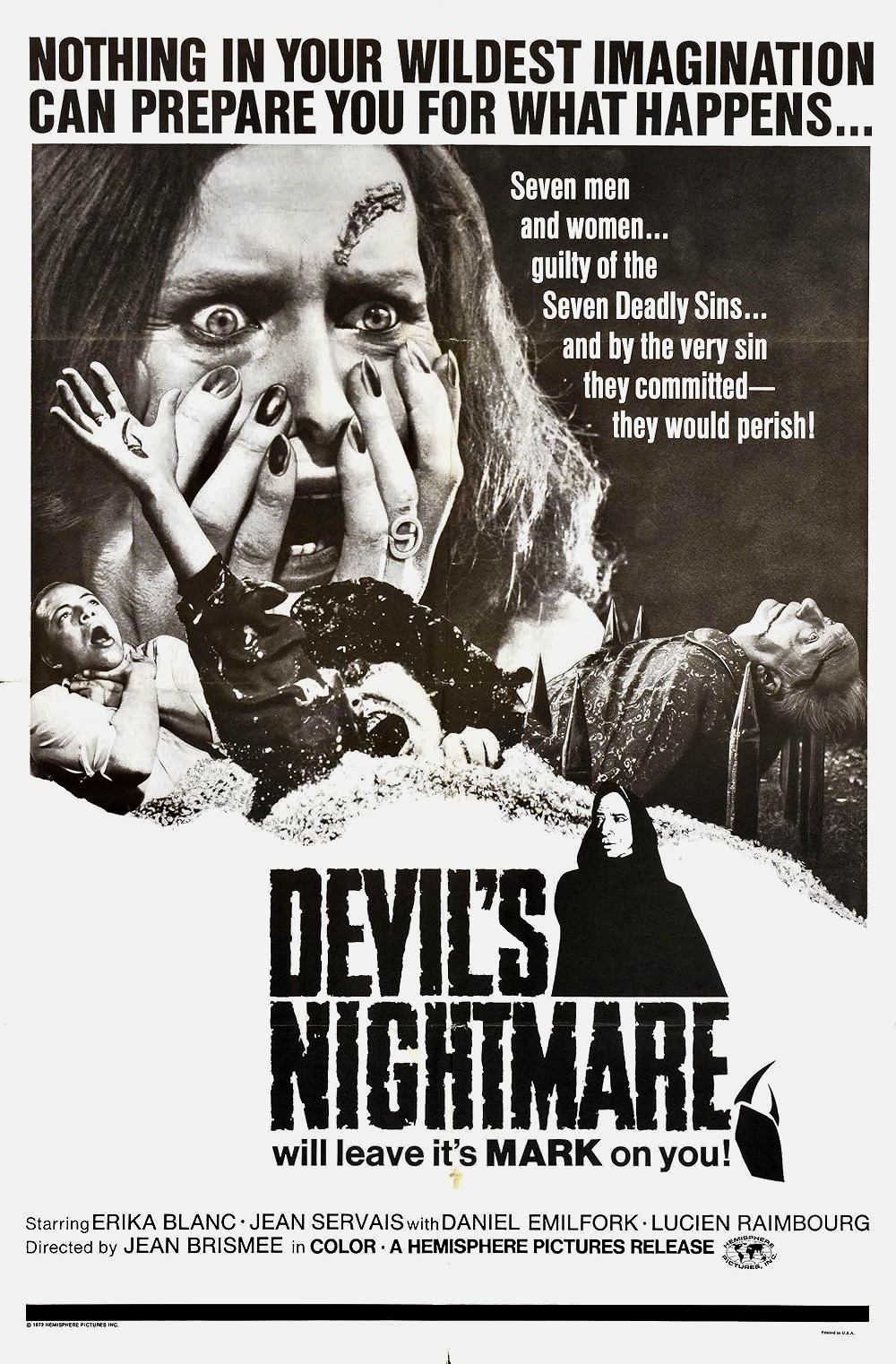
Of course, the true star of The Game of Adultery is the bewitching Erika Blanc, who has built her career on playing both seductive femme fatales and terrified women in peril. One of her most famous roles is the supernatural succubus of The Devil’s Nightmare (1971) and some of her best work in the horror genre includes Lady Morgan’s Vengeance (1965), Mario Bava’s Kill, Baby…Kill! (1966) and The Night Evelyn Came Out of the Grave (1971). But the bulk of her filmography is populated with spaghetti westerns (Sartana’s Here…Trade Your Pistol for a Coffin, 1970), crime dramas (The Long Arm of the Godfather, 1972) and giallos such as So Sweet…So Perverse (1969), A Dragonfly for Each Corpse (1975) and Body Puzzle (1982).
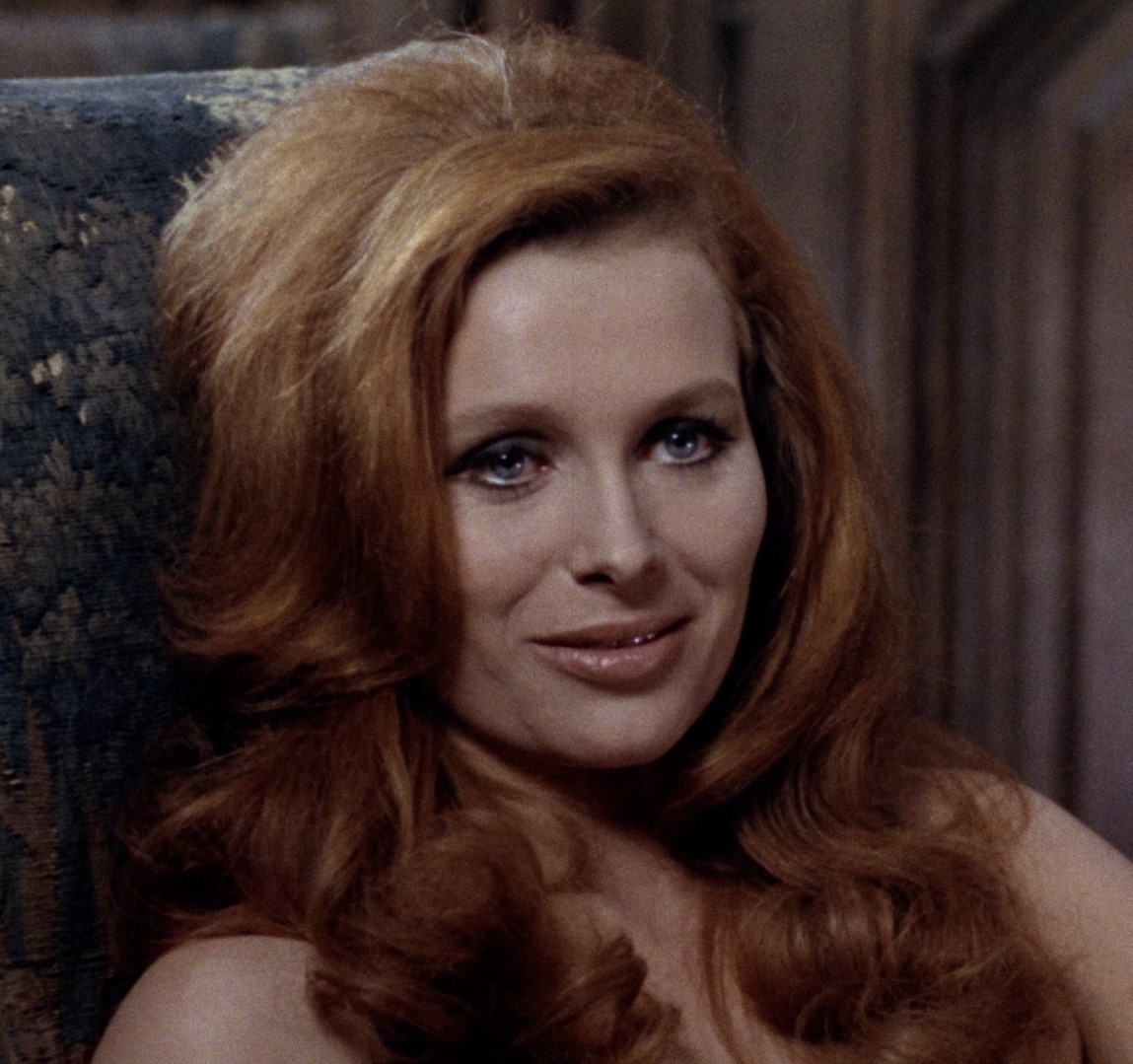
The Game of Adultery is an excellent showcase for Blanc, who can convincingly switch between playing a vulnerable damsel in distress and a taunting, self-confident woman of means. I particularly like the scene where she appears to rise from the dead a la Diabolique, removing her corpse-like makeup as she climbs out of the basement floor.
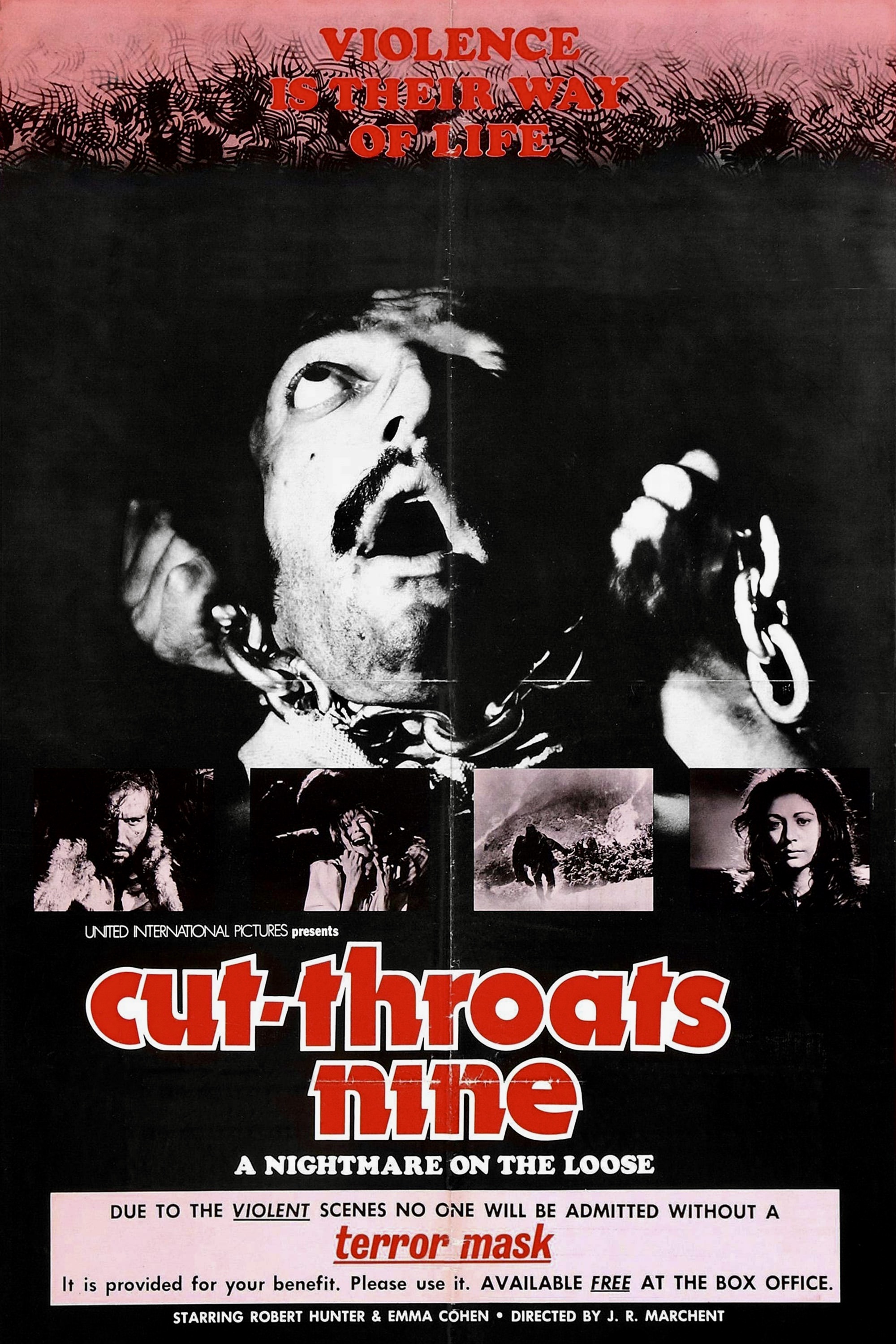
Director Marchent is rarely singled out for praise for The Game of Adultery, which is one of the better Spanish giallos, but he is well known for his contributions to the spaghetti western genre. Quentin Tarantino is a big fan of his ultra-violent opus Cut-Throats Nine (1972) and other popular entries in the genre include Zorro the Avenger (1962), Three Ruthless Ones (1963), Seven Hours of Gunfire (1965) and I Do Not Forgive…I Kill (1968).
The Game of Adultery is not currently available on any format in the U.S. I originally screened a DVD-R of the film from European Trash Cinema, which is now out of business, but I suspect this movie will turn up in a remastered Blu-ray edition one of these days from a cult-oriented outfit like Severin Films, Vinegar Syndrome or Mondo Macabro.
Other links of interest:
https://www.spaghetti-western.net/index.php/In_memoriam:_Joaqu%C3%ADn_Luis_Romero_Marchent
https://westernsallitaliana.blogspot.com/2021/08/joachim-luis-romero-marchent.html
http://spanishfear.com/13-spanish-gialli/
https://hypnoticcrescendos.blogspot.com/p/blog-page.html
 Cinema Sojourns
Parra looked fatter in El Juego del Adulterio.