
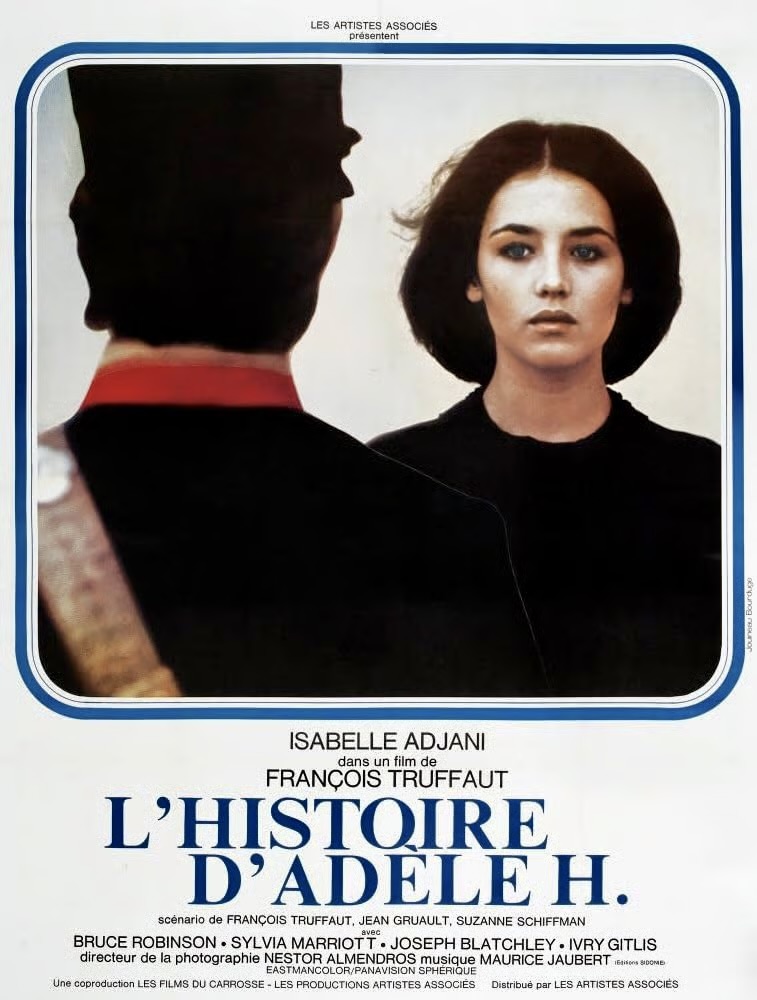
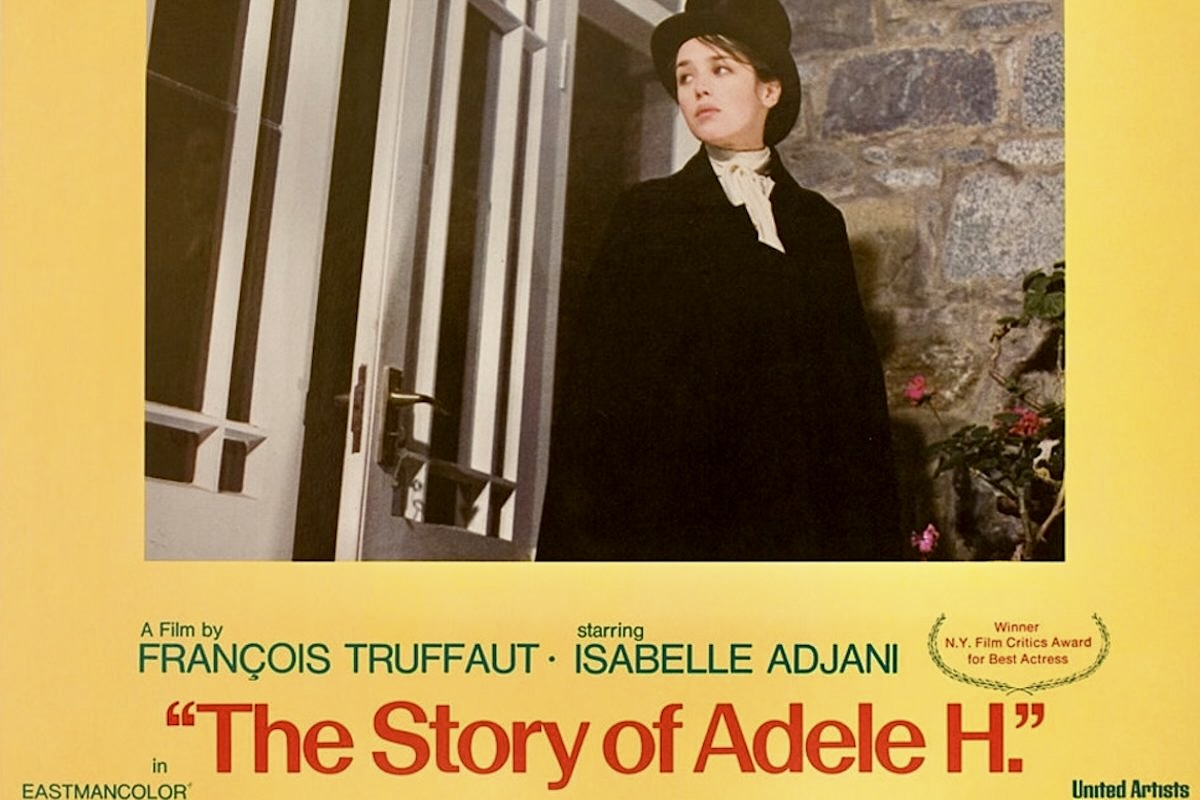
Francois Truffaut is one of those directors whose career peaked early with the phenomenal semi-autobiographical debut film The 400 Blows in 1959 at the dawn of the Nouvelle Vague and followed it with two more masterworks – Shoot the Piano Player (1960) and Jules and Jim (1962). The next ten years were more erratic with some successes like Stolen Kisses [1968] and The Wild Child [1970] and several disappointments, which were either box office flops (Fahrenheit 451 [1966]) or poorly received by French critics such as The Bride Wore Black [1968]. Then he revived his career and critical standing with two masterpieces in a row, Day for Night (1973) and The Story of Adele H. (1975). The former was a delightful, audience-pleasing homage to moviemaking which was nominated for four Oscars (and won for Best Foreign Language Film) but the latter was a much darker affair, based on real events, and focused on an obscure literary figure, Adele Hugo, the fifth and youngest child of Victor Hugo, who was one of France’s most famous writers and poets.
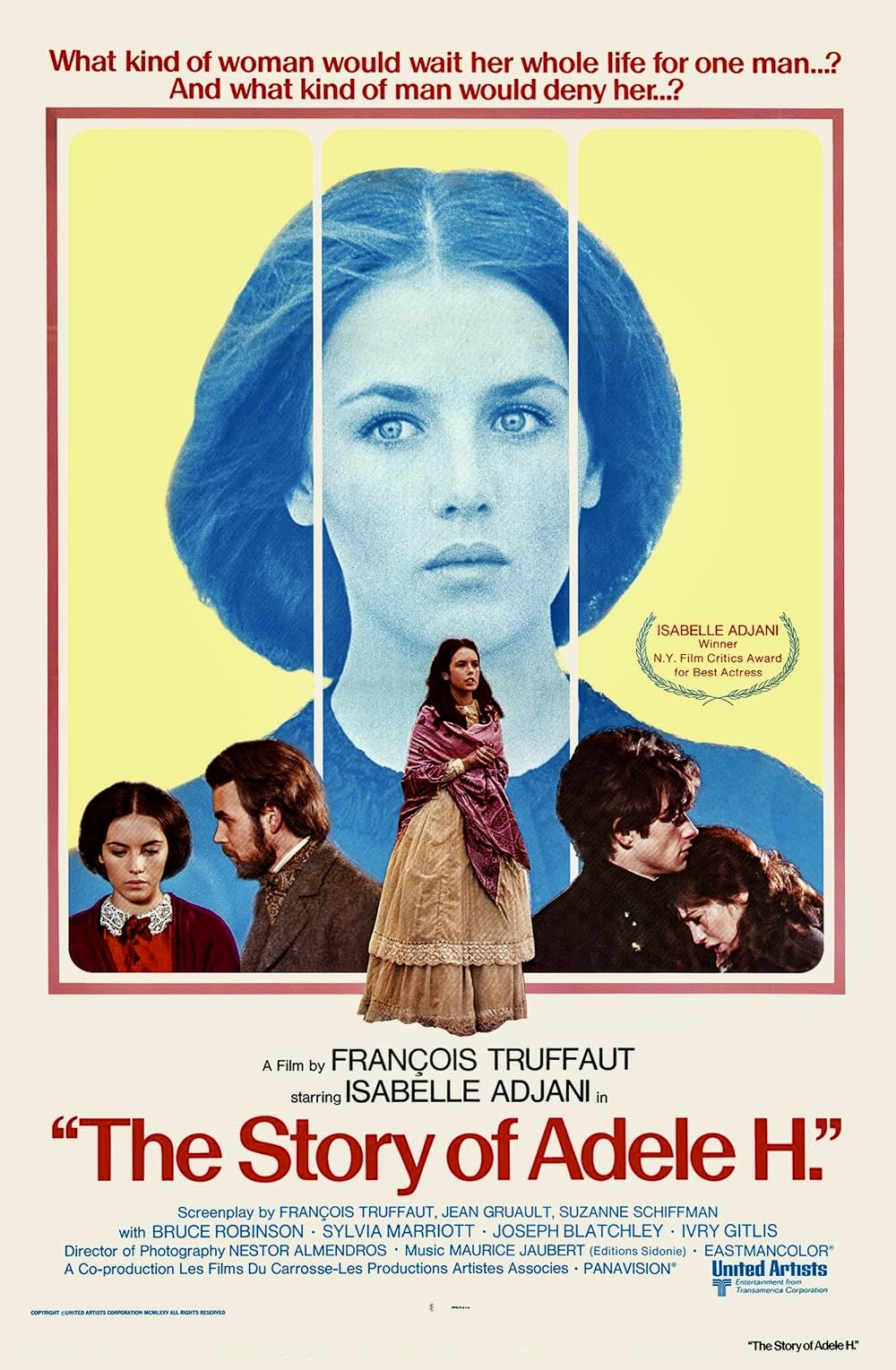
The Story of Adele H. was a rare historical biography for Truffaut and the central character was a true outlier, a woman who was atypical of her generation in that she was independent, highly creative (she composed music and kept a journal, which was later published) and adventurous. You could argue that her father’s fame and wealth allowed her to be independent but for a 19-year-old woman in the 19th century, Adele was not some shrinking violet who always deferred to men or obeyed her parents’ wishes. She also traveled alone from Europe to Canada in search of her former fiancé, Lieutenant Alfred Pinson, but she resorted to elaborate subterfuge and manipulation to try to regain his love. Unfortunately, it was a one-sided love affair and Pinson ignored her relentless entreaties, which resulted in a complete mental breakdown for Adele. It was her refusal to accept Pinson’s rejection of her that especially fascinated Truffaut and he stated, “I believe that it was this solitary aspect which attracted me most to this project; having produced love stories involving two and three people, I wanted to attempt to create a passionate experience involving a character where the passion was one-way only.”
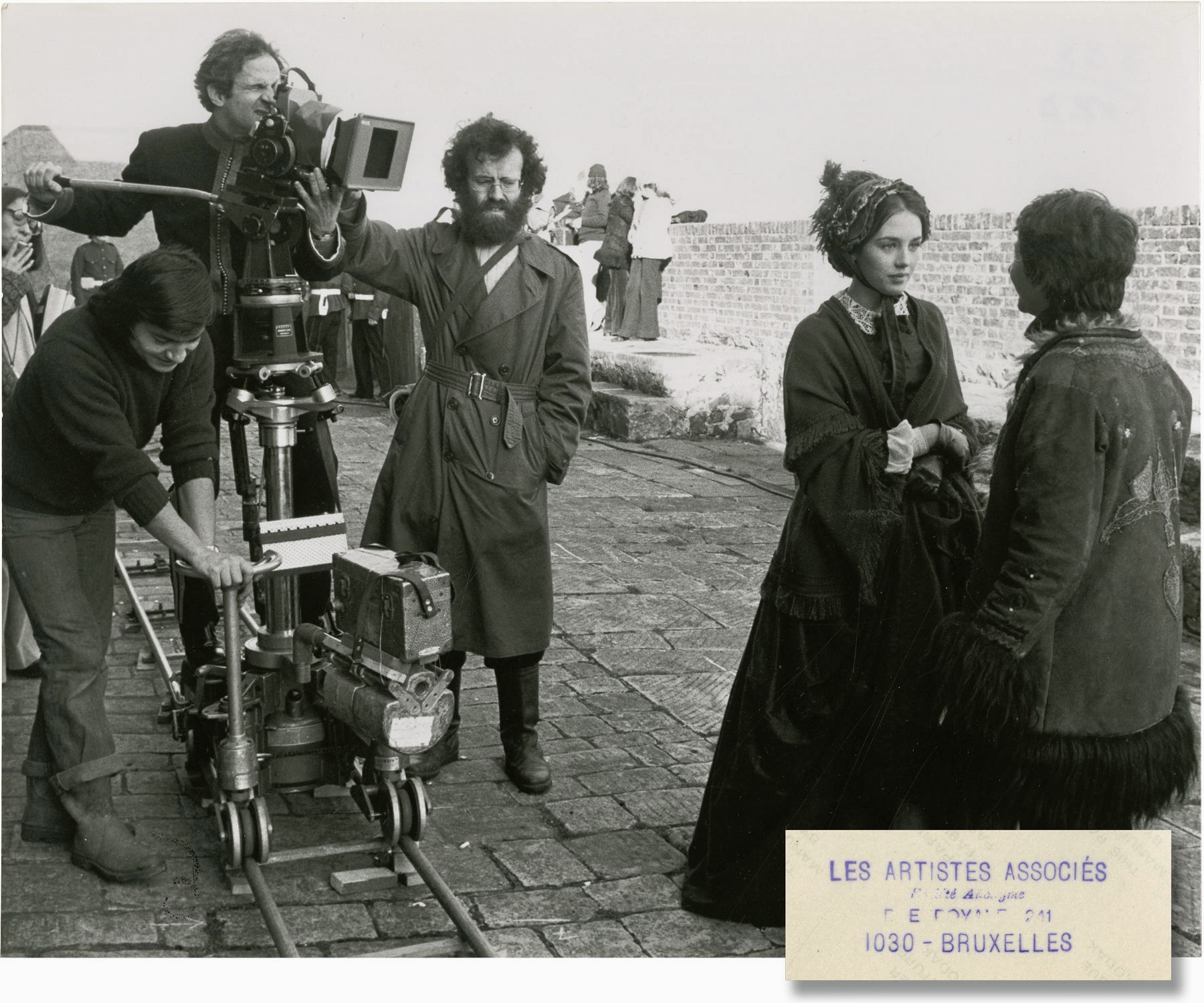
Truffaut had often featured women in his films who fit the label of femme fatale such as Jeanne Moreau in Jules and Jim and The Bride Wore Black, Catherine Deneuve in Mississippi Mermaid (1969), and Bernadette Lafont in Such a Gorgeous Kid Like Me (1972) but Adele was an unusual case study. She was an incurable romantic whose obsession with Lt. Pinson blossomed into full blown psychosis and Truffaut’s masterful direction dissects the breakdown in slow but devastating detail as the viewer is witness to every tiny step in the heroine’s break from reality. The lean, tautly constructed screenplay by Truffaut, Jean Gruault and Suzanne Schiffman won the Best Screenplay award from the New York Film Critics Circle Awards but credit must also go to Adjani in the title role. She not only inhabits her character completely but is in almost every scene and became internationally famous for her performance, receiving an Oscar nomination for Best Actress but also winning honors from the National Board of Review, National Society of Film Critics, and New York Film Critics Circle Awards, all for Best Actress.
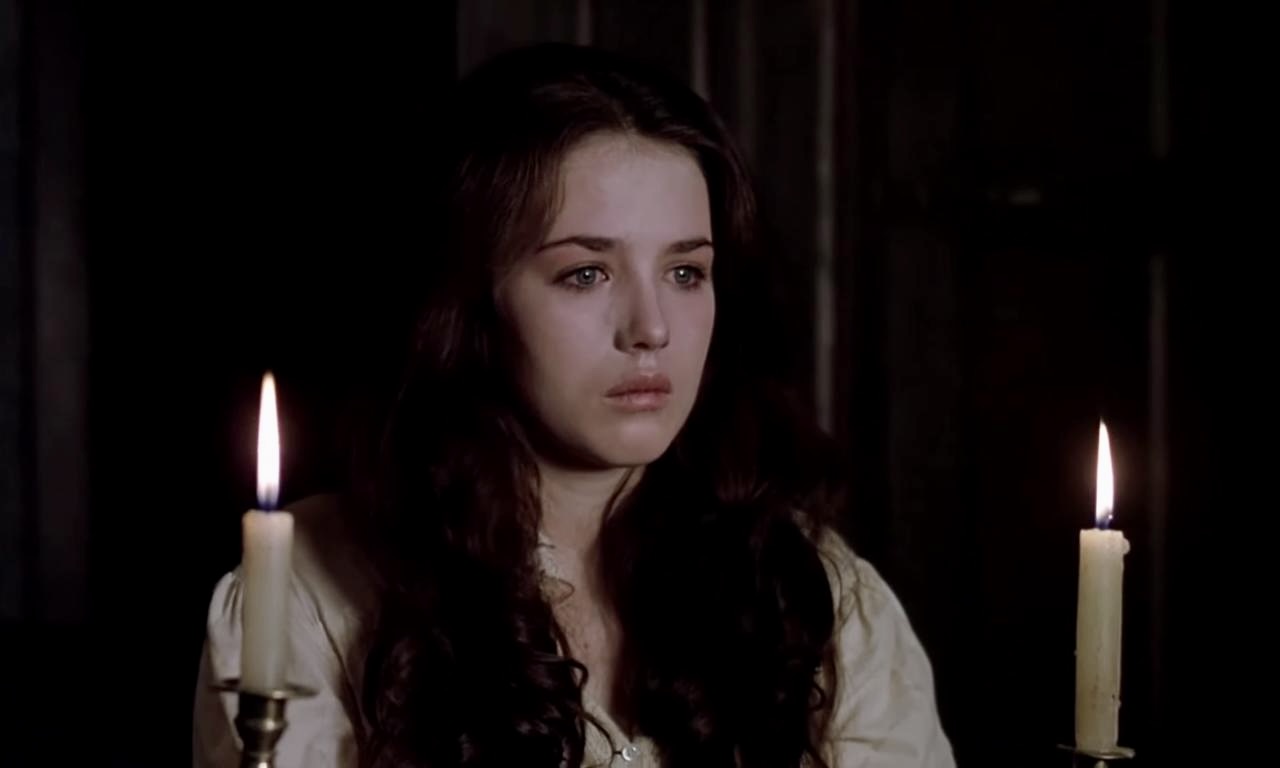
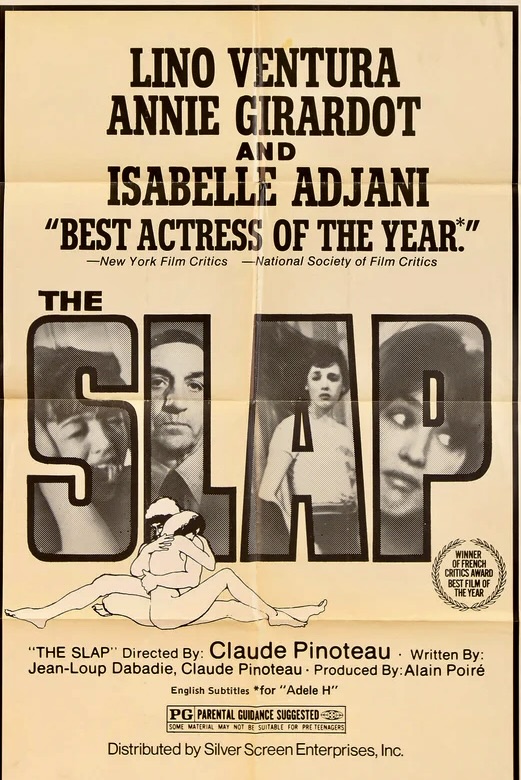
When Truffaut first considered making the film he pictured Catherine Deneuve as Adele but later decided to test Stacey Tendeter for the role (she had previously appeared in his 1971 period drama Two English Girls). It wasn’t until he saw Isabelle Adjani on the stage at the Comedie-Francaise and in the 1974 film La Gifle (English title: The Slap) that he knew he had found the ideal actress for the part. She was also close to the exact same age of the character she was playing. The one hurdle he faced in making the movie was the Victor Hugo estate, which would only grant him permission if he omitted any representation of the famous author on-screen.
Truffaut’s decision to start the movie as Adele arrives in Halifax, Nova Scotia dispenses with the backstory on the heroine’s romance with Lt. Pinson and allows the viewer to study her actions and behavior as she tries to reinvent her life in the New World. In some ways you could peg Adele as a stalker but her obsession with Pinson is the one thing that gives her life meaning and she becomes increasingly unhinged as her plans go awry.
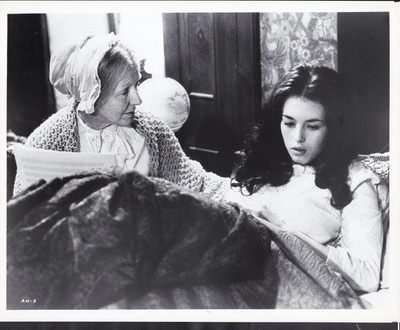
She first takes a room in a boarding house under the assumed name of Miss Lewly and tells the landlady Mrs. Saunders (Sylvia Marriott) that she has come to see Lt. Pinson (Bruce Robinson), a dear childhood friend, who is now stationed in Halifax with the army. Adele later sees Pinson in a bookstore and presses the owner Mr. Whistler (Joseph Blatchley) for details about his address. She then convinces Mrs. Saunders’s husband (Ruben Dorey) to deliver a personal letter to Pinson but is dismayed that he doesn’t reply to it. Instead the lieutenant comes to the boarding house to confront Adele in person and sternly tell her to return to Guernsey (in the Channel Islands), where her father has been exiled.
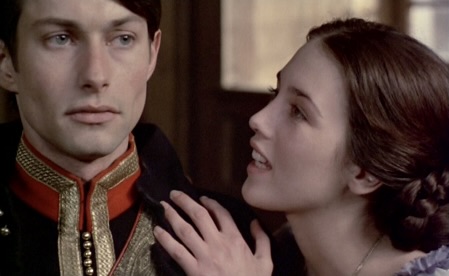
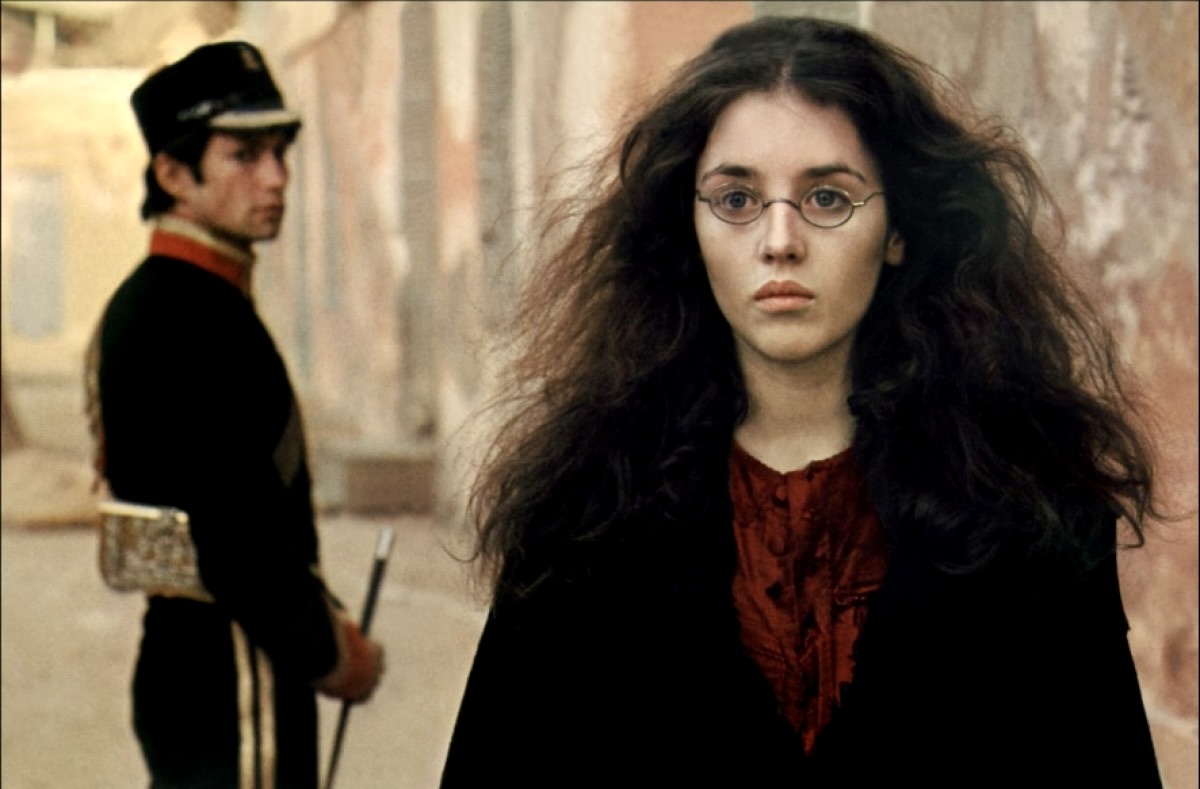
We can tell from Pinson’s behavior that their affair is past history and he has moved on with his life. He may be a dilettante, a cad and a ladies’ man but he doesn’t give Adele any encouragement or hope for a reunion. Her refusal to accept this reality only fires the flames of her fantasy and she becomes increasingly desperate in her schemes to win him back – dressing in disguise and spying on him with other women, hiring a prostitute for him to prove that his infidelity doesn’t affect her love for him, or trying to bribe a hypnotist to help her change Pinson’s mind.
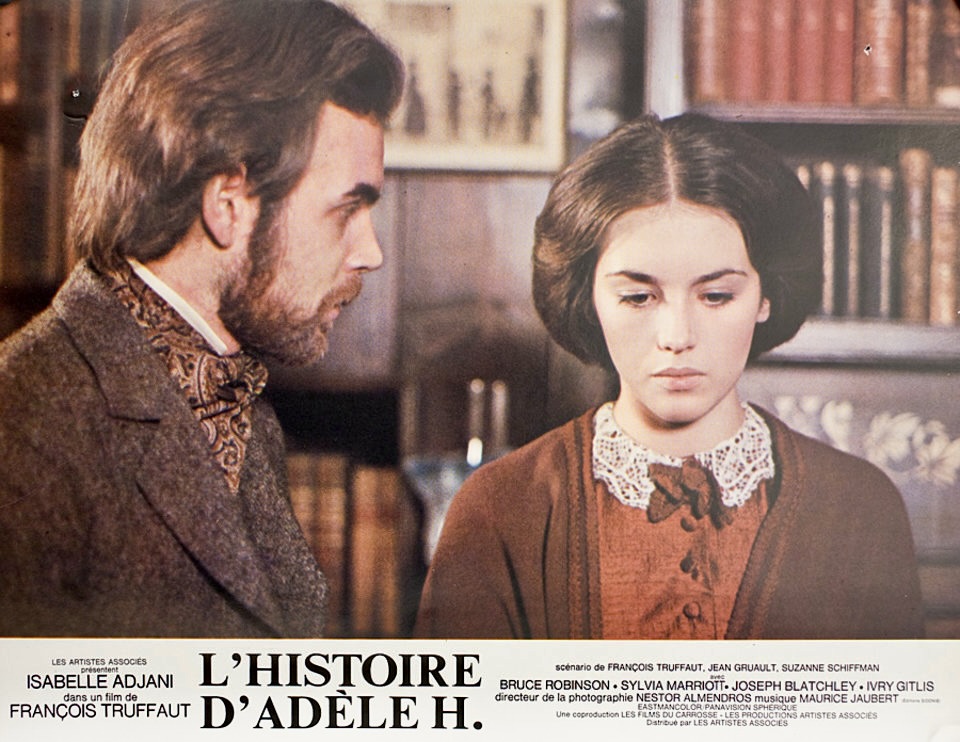
Much worse are her attempts to emotionally blackmail Pinson through threats or lies. She tells her father she and the lieutenant are married and Victor Hugo runs the announcement in the newspaper, which causes the lieutenant’s commanding officer to accuse him of bigamy as Pinson is engaged. Adele then visits the father of Pinson’s fiancée and tells him disreputable things about the officer, effectively ending the engagement. She also pretends she is pregnant by Pinson (padding her stomach with a pillow) but none of her actions succeed in winning Pinson back and, when she follows him to his new assignment in Barbados, she descends into total madness.
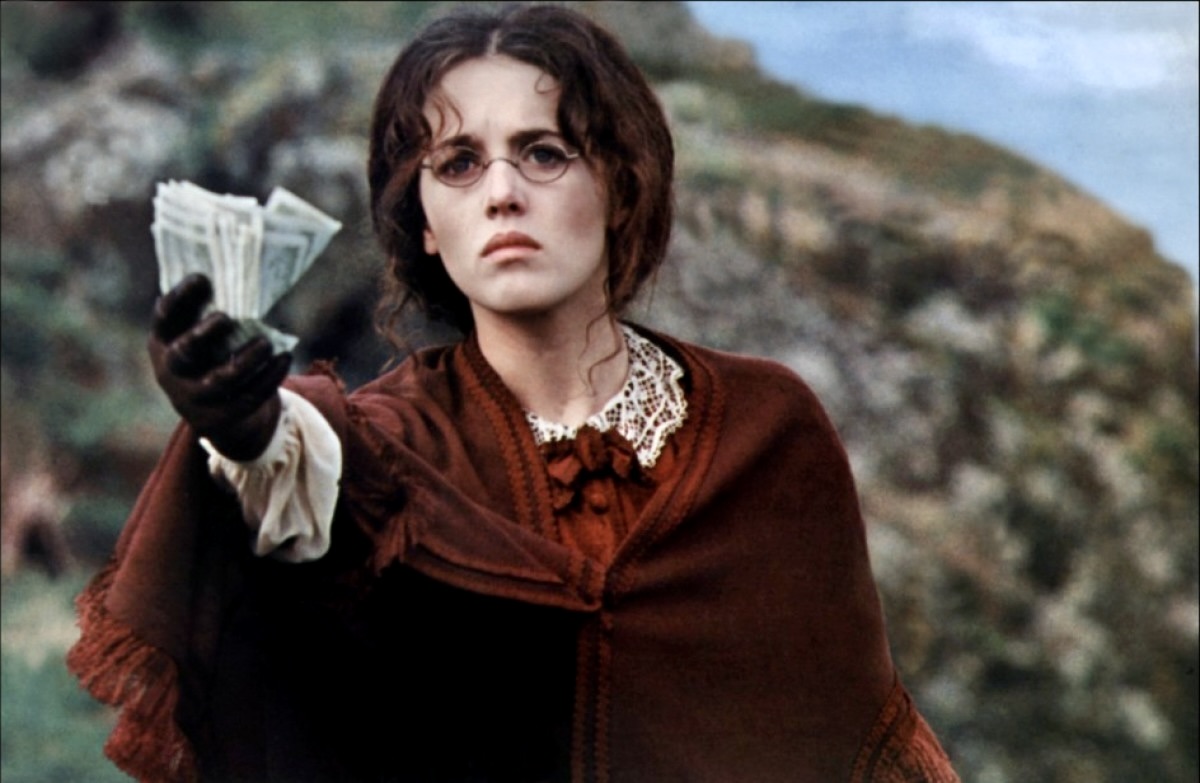
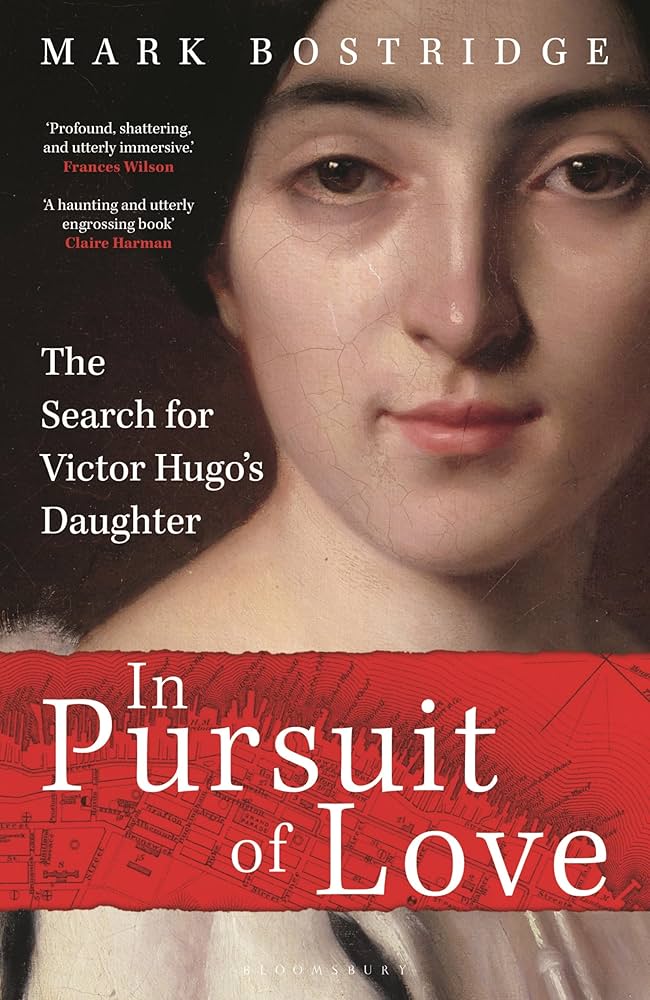
Truffaut’s film is certainly a tragedy but it is also a mesmerizing portrait of mad love that often unfolds like a black comedy. At the time the movie was made little was known about the real Adele H. and some of her biographical details were discovered to be fabricated or completely inaccurate. Yet Truffaut’s work inspired several historians to dig deeper and in 2024 Mark Bostridge published his highly acclaimed biography of Adele H. entitled In Pursuit of Love: A Journey in the Footsteps of Obsession.
When The Story of Adele H. opened theatrically in 1975, it was highly praised by most critics. Roger Ebert of The Chicago Sun-Times wrote, “Truffaut finds a certain nobility in Adèle. He quotes one of the passages in her diaries twice: She writes that she will walk across the ocean to be with her lover. He sees this, not as a declaration of love, but as a statement of a single-mindedness so total that a kind of grandeur creeps into it. Adèle was mad, yes, probably—but she lived her life on such a vast and romantic scale that it’s just as well Pinson never married her. He would have been a disappointment.”
Pauline Kael stated in her review for The New Yorker that “The picture is damnably intelligent – almost frighteningly so, like some passages in Russian novels which strip the characters bare. And it’s deeply, disharmoniously funny – which Truffaut has never been before.” Equally impressed was Vincent Canby of The New York Times who remarked, “The Story of Adèle H., impeccably photographed by Nestor Almendros (The Wild Child), looks and sounds like no other Truffaut film you’ve ever seen. … The colors are deep, rich and often dark, and the soundtrack is full of the noises that one associates with old costume films produced by M-G-M in its great days.”
In addition to Isabelle Adjani’s performance, the film is essential viewing for its exquisite period detail from Jean-Pierre Kohut-Svelko’s production design to Jacqueline Guyot’s costumes to the fluid, intimate cinematography which stays close to Adele and tracks her every action. The ensemble cast, most of whom are relatively unknown actors to American audiences, are impeccable, especially Sylvia Marriott as Adele’s concerned and devoted landlady. Bruce Robinson also cuts a handsome, dashing figure as the object of Adele’s obsession but he would soon abandon a full-time acting career to move into the director’s chair. His debut feature, Withnail and I (1987), became a huge cult comedy that continues to win new converts. His follow-up feature, How to Get Ahead in Advertising (1989), a surreal satire of the advertising industry, might be even better.
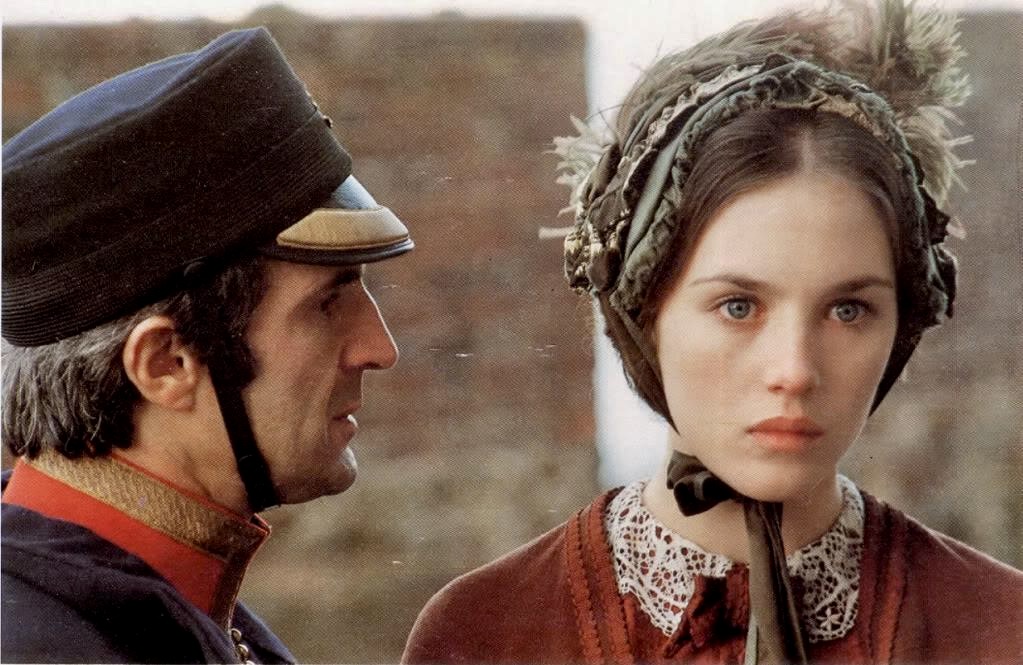
Additional trivia: Truffaut was well known for often becoming infatuated with his leading actresses (such as Jeanne Moreau and Catherine Deneuve) and having affairs with them but his romantic interest in Isabelle Adjani remained unrequited. She rebuffed his advances and the sexual tension may have aided her performance and the film’s direction.
Most of the movie’s exterior scenes were shot in Guernsey in the Channel Islands (Halifax was not used as a location) and the final section of The Story of Adele H. was filmed on the island of Goree off the coast of Senegal and not Barbados.
The movie was shot in French and English because Halifax, where most of the story takes place, is a bilingual city.
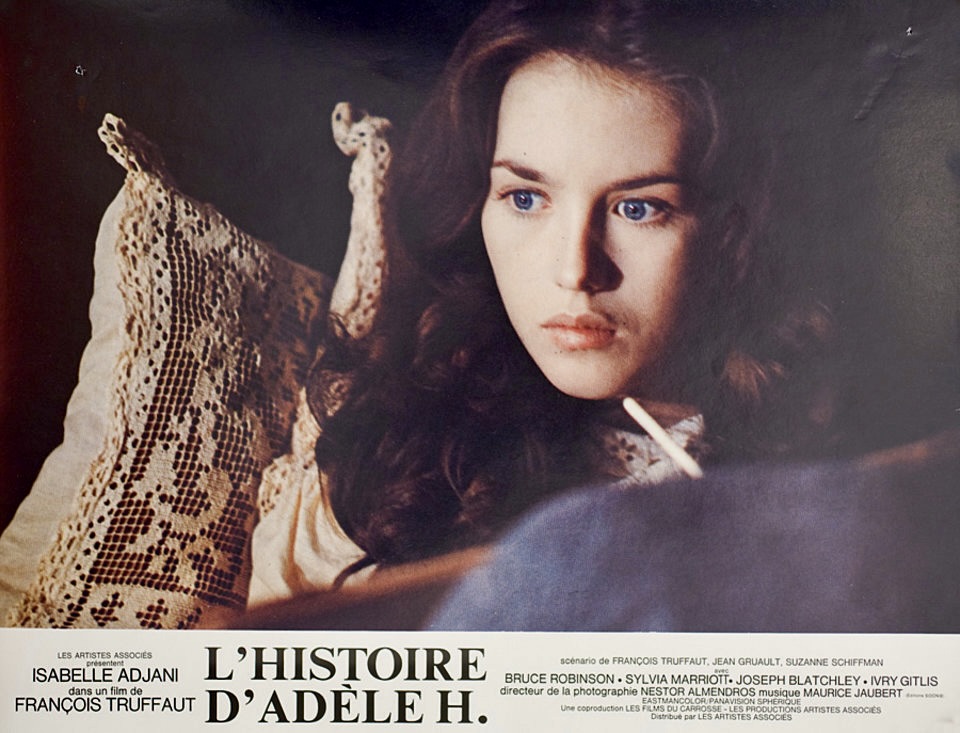
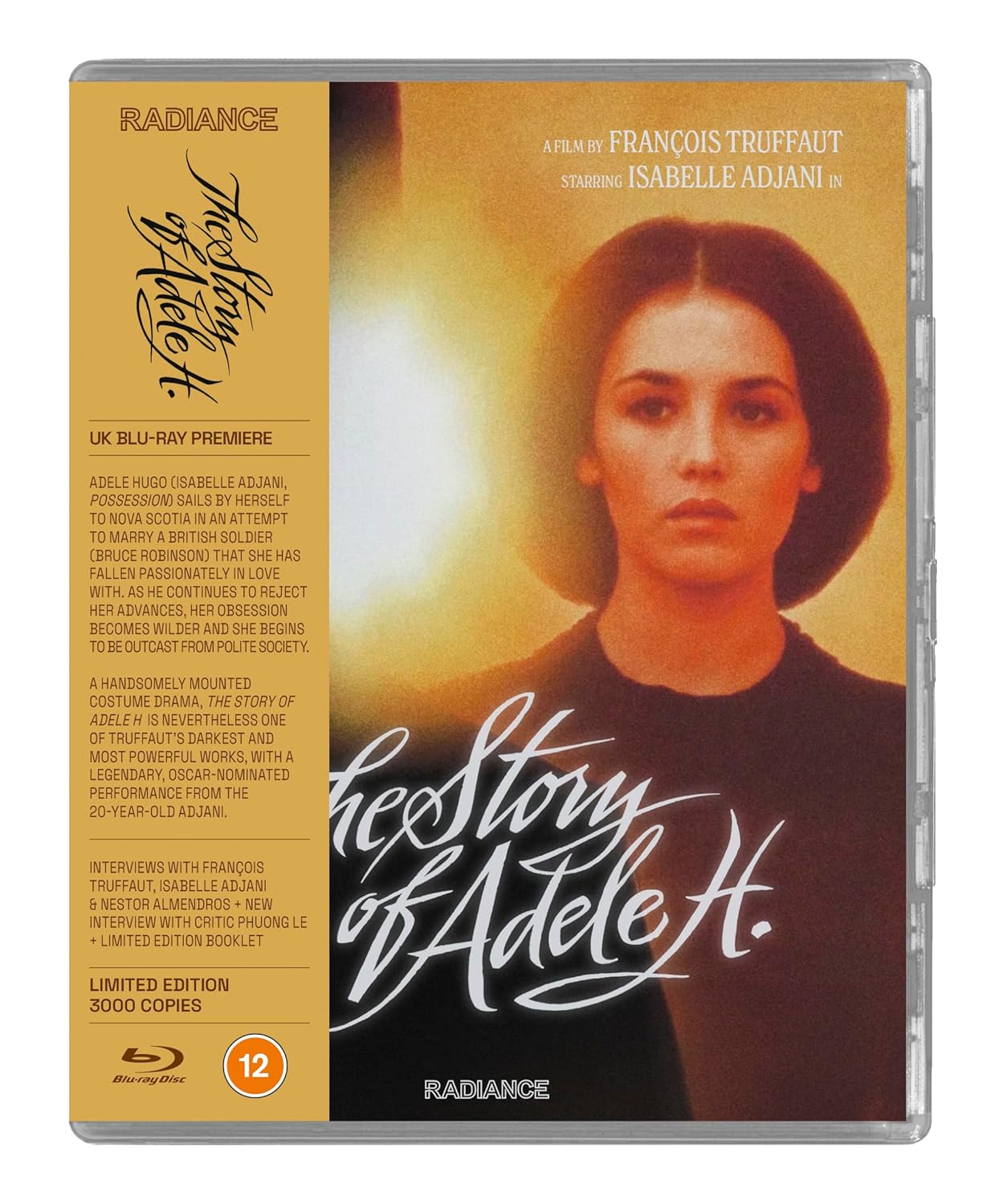
The Story of Adele H. has been released in various editions over the years with the Kino Lorber Blu-ray (released in February 2023) the most recent domestic release. I prefer the limited edition PAL Blu-ray of the movie released by Radiance Films in November 2024, which requires an all-region player for viewing. The extra features include a 1980 interview with Isabelle Adjani, a 1975 interview with Francois Truffaut, a 1986 interview with cinematographer Nestor Almendros and other supplements.
Other links of interest:
https://www.encyclopedia.com/women/encyclopedias-almanacs-transcripts-and-maps/hugo-adele-1830-1915
https://www.blupete.com/Hist/BiosNS/1800-67/Hugo5.htm
https://www.newwavefilm.com/french-new-wave-encyclopedia/isabelle-adjani.shtml
http://www.screenonline.org.uk/people/id/584216/index.html
 Cinema Sojourns