
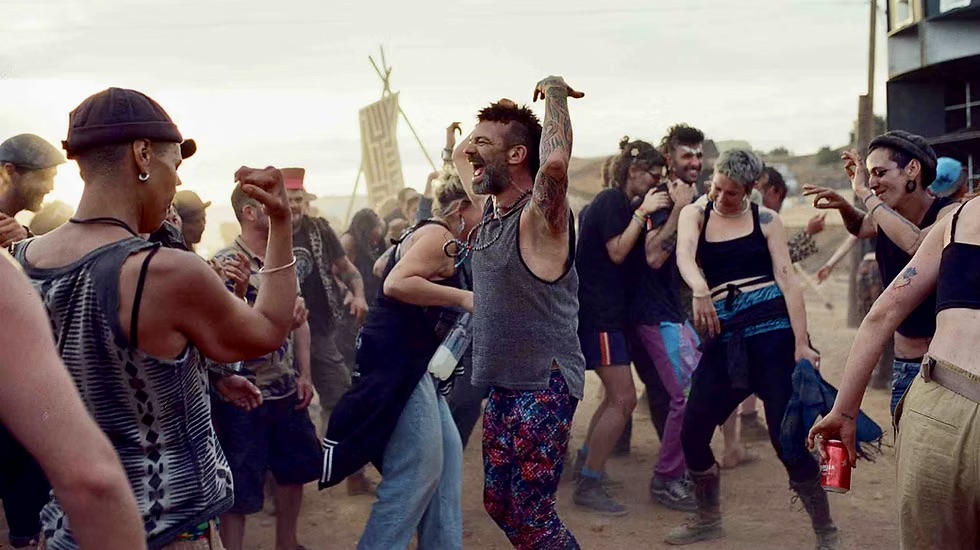
We see the hands of roadies placing gigantic audio speakers on top of and beside each other on the arid plains of the Sahara Desert in Morocco. When they are finished, their work is revealed as a literal wall of sound, designed to super-amplify the techno beats of an incognito rave. As the propulsive rhythm floods the desolate location framed by towering red canyon walls, ravers let themselves go in an uninhibited dance frenzy, most of them lost in drug induced or spiritual ecstasy. Yet, among this throbbing mass of humanity, two people have not come to dance. Luis (Sergi Lopez) and his young son Esteban (Bruno Nunez Arjona) have come to distribute flyers for Esteban’s missing sister, who is a fan of raves and could possibly be here. So begins Oliver Laxe’s Sirat (2025), a cinematic journey that is both corporeal and metaphysical as a search for a missing person evolves into a life or death encounter with the unknown.
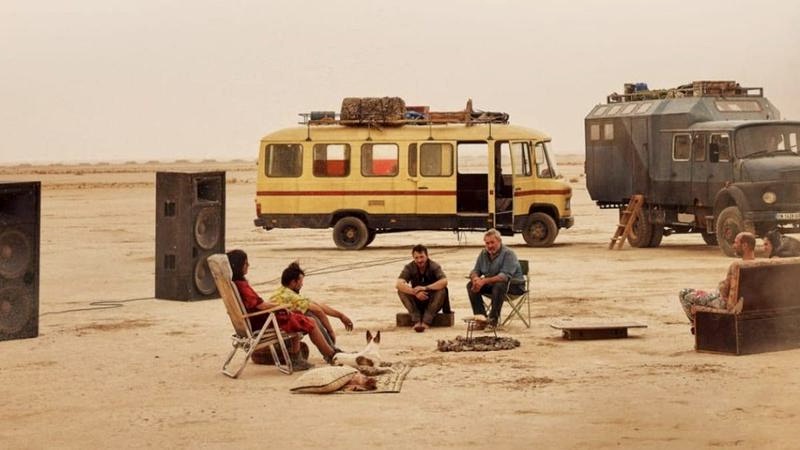
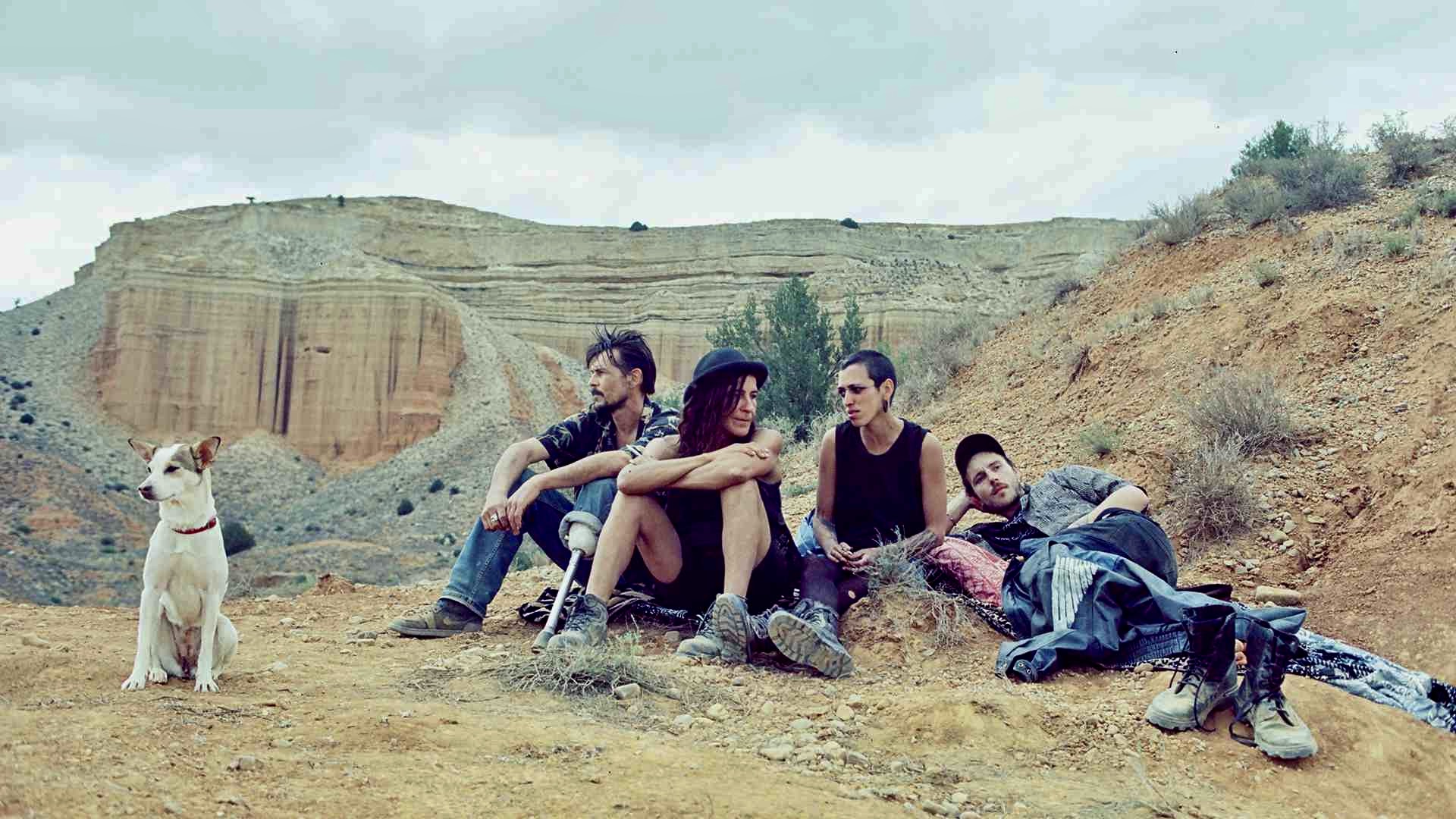
As they mingle among attendees at the rave, Luis and Esteban meet a tight knit group of gypsy-like wanderers – Steff (Stefania Gadda), Bigui (Richard ‘Bigui’ Bellamy), Tonin (Tonin Janvier), Jade (Jade Oukid) and Josh (Joshua Liam Henderson) – who mention the possibility of another rave happening deep in the desert near the border of Mauritania. When a convoy of armed military men arrives to shut down the illegal rave and escort the crowd out of the desert, Steff and her tribe flee the scene in their two vans and Luis and his son impulsively follow them into uncharted territory.

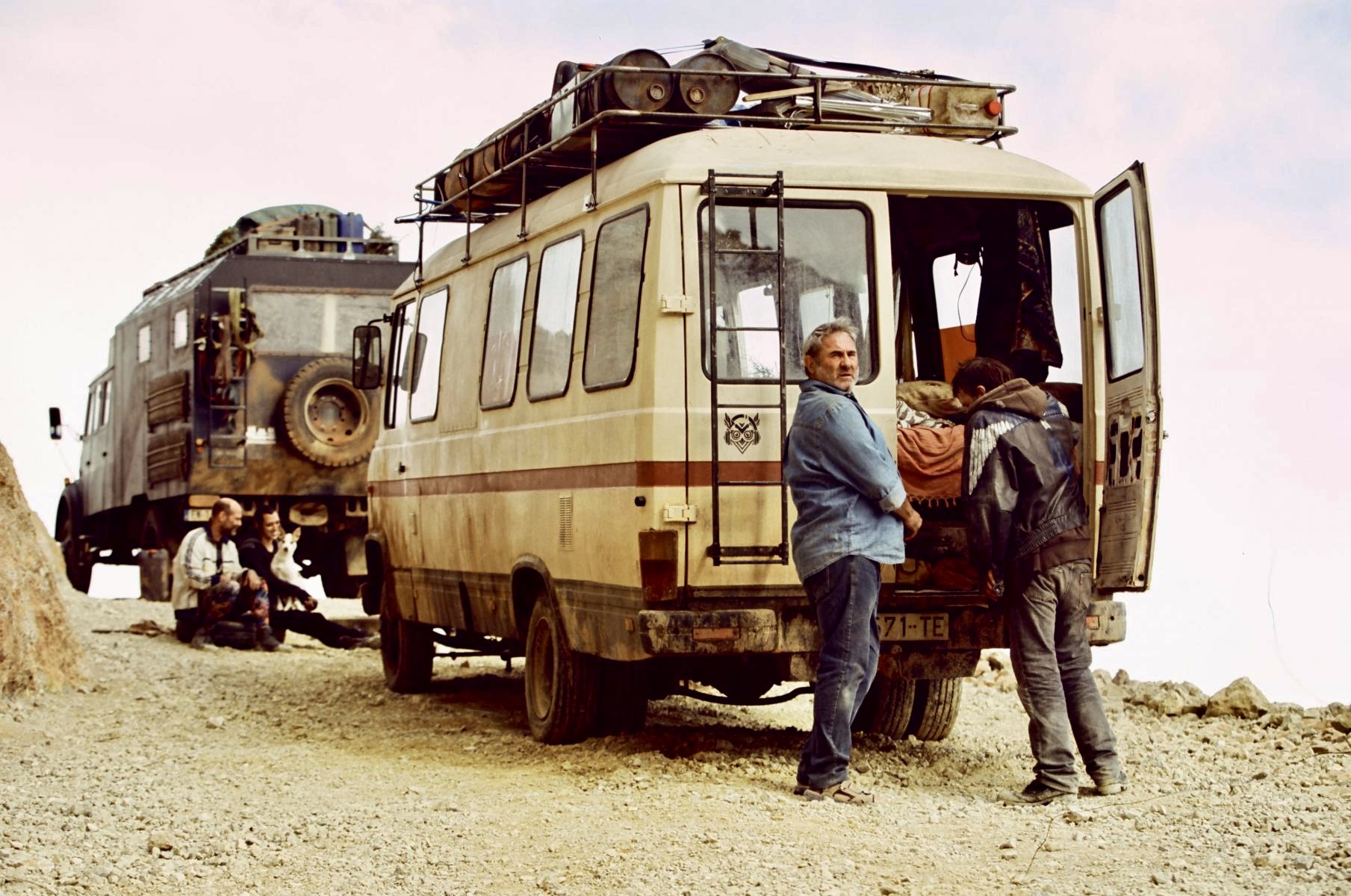
At first the hard-scrabble nomads are hesitant to let Luis, Estaban and their pet dog Pipa join them but eventually both parties agree to pool their resources so they can share gas and food on their way to the next rave. As this disparate bunch press on deeper into the desert, they decide to take the high, treacherous roads through the mountains so they can avoid the military police. Encountering numerous obstacles along the way, the ravers and the father-son duo bond over their circumstances and become a kind of make shift tribal family. That harmony is soon destroyed by an unexpected tragedy that changes the tone and the direction of Sirat. To reveal any more would be a disservice to the reader but just be aware it is the first of many shocks that are not telegraphed in advance.
Sirat was recently shown at the New York Film Festival and my wife and I were lucky enough to get tickets for the Alice Tully Hall screening. Our assigned seats, however, were daunting – section C, three rows away from the massive screen. But we settled into our seats looking straight up as the hypnotic score by Kangding Ray (aka David Letellier) and intense imagery of the ravers and the barren landscapes pulled us into the journey on-screen. Our sense of dislocation soon gave way to complete awe and it is now hard to imagine a better way to experience this powerful and polarizing film which some may find punishing or perplexing in its intentions.
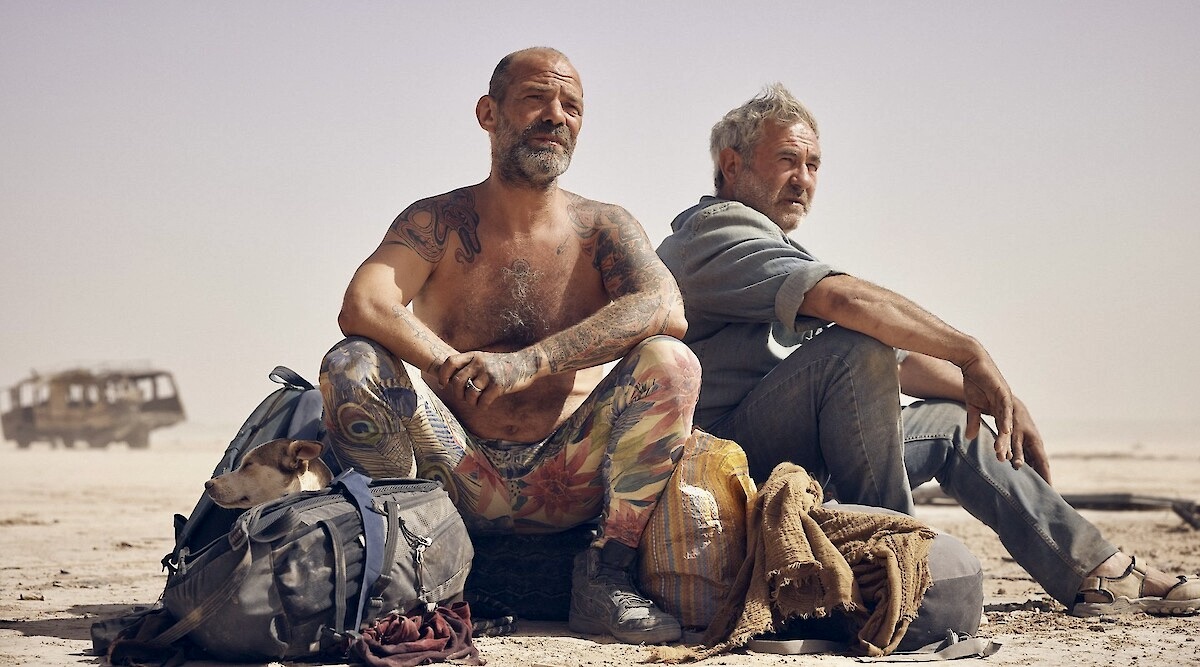
The title of the film is an Arabic word that means “the path” and, in Islamic culture, refers to a precariously thin bridge that passes over hell on its way to paradise. Although Sirat takes the form of a grueling road trip once the main characters begin their trek to a distant rave, Laxe’s film has a lot of other film influences coursing through its DNA. You can see elements of Mad Max and The Road Warrior in the post-apocalyptic setting and the ravers with their tattoos, piercings and sun weathered skin. There are moments of unbearable suspense in the mountain roads sequence and beyond that rival anything in The Wages of Fear. A palpable sense of alienation and existential despair are also in evidence not unlike Michelangelo Antonioni’s The Passenger and Bernardo Bertolucci’s The Sheltering Sky. But in the end, Sirat is an original conception that takes some of these influences and turns them into a contemplation of human existence.
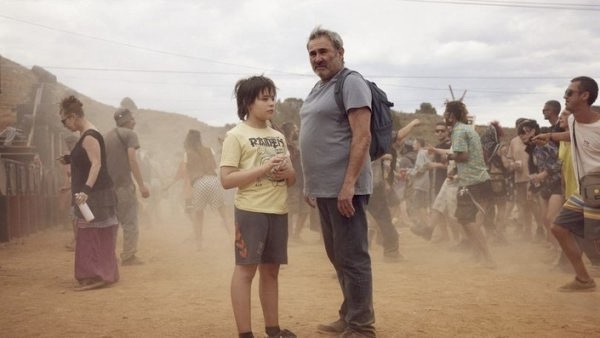
With the exception of Sergi Lopez and Bruno Nunez Arjona as Luis and Estaban, the other main characters in Sirat are non-professional actors, many of whom the director had met and befriended at raves in the past. The idea for the movie had been germinating in Laxe’s mind since 2011 when he wanted to do something featuring a daredevil race between trucks in the desert but it later morphed into a focus on rave culture. In an interview with Jordan Cronk for Film Comment, Laxe revealed that in 2016 he was living in a pine grove during the making of Mimosas (his second feature film) and attended a rave there. “It was during this time that I reconnected with rave culture, and started going to raves again. So I started to write a script about dancing, and these images started to develop with the music…So in this film I’m expressing the sensitivity of a human being in the last days of humanity—trying to trust in himself and having the tools, but also having too much ego to do it. I start from the basis that we—all of us—are broken. Ravers know this. In the end, this is a community of mutilated people, and this guy, this outsider, will touch the bottom of himself.”
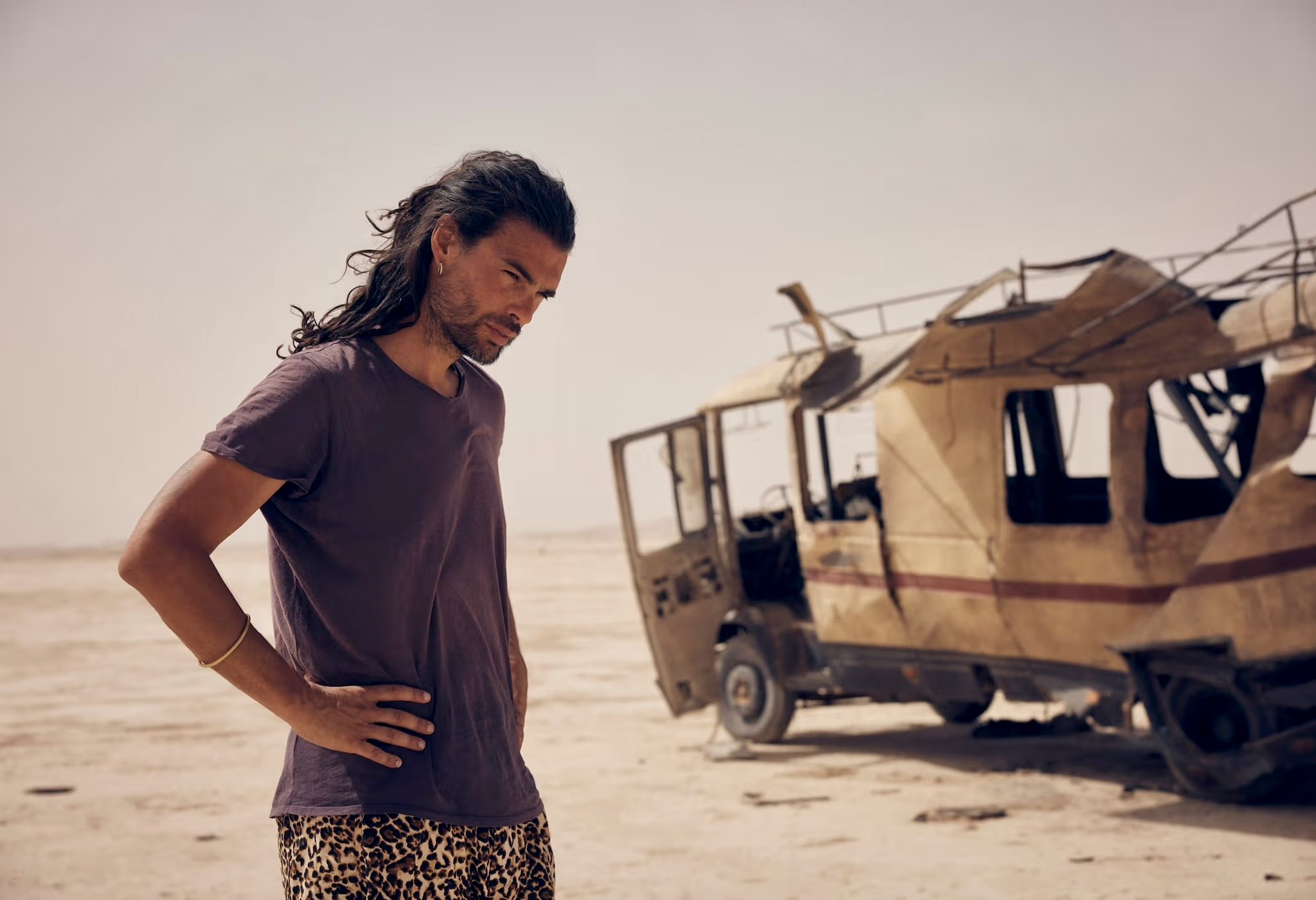
The filming of Sirat was almost as physically taxing to the cast and crew as it was to the main characters in the film. Laxe shot it in the Sahara Desert within Morocco’s border and Teruel, Aragon in Spain. During the May through July shoot, the production was plagued by intense heat and occasional sandstorms which damaged the camera lenses and required the re-shooting of various scenes. Incidentally, the super 16 format was supervised by director/cinematographer Mauro Herce, who had previously worked on all three of Laxe’s films – You Are All Captains (2010), Mimosas (2016) and Fire Will Come (2019).
Although there is the suggestion that Sirat is taking place during a major breakdown in society (the sequence where the military forces shut down the rave for being illegal is just the tip of a major world disorder), Laxe does not see Sirat as a post-apocalyptic vision. In a conversation with Benedicte Prot for FRED (The Festival Insider), he noted, “A few people thought my film was dystopian, but really, most people can feel that I love what I’m shooting – I mean I have faith in humanity, so it’s not a dystopian film, even if you see the worst situations in it… Hopefully it is not an idealization. Hopefully, we are really in a moment of change, and this film offers a taste of this future..”
Sirat has already appeared at various film festivals around the world and received critical acclaim as Laxe’s most audacious and powerful movie to date. Film critic Guillermo Lopez Meza of Film-Forward wrote, “Sirât will leave you in a state of stress and suffocation, and be warned: One scene is one of the most horrifying and nerve-racking sequences you’ll see this year, arriving just after another tragedy has already knocked you to the floor. Yet despite everything that goes wrong, the travelers persist. There is a word deeply rooted in Spanish culture that the film never mentions, but that feels inevitable: duende. Associated with flamenco, but applicable to other arts (even bullfighting), duende is that state of absolute surrender where a performer is seized by something almost divine—or demonic—transcending talent and discipline. In Sirât, we could say Laxe knows that duende comes with a terrible price for the unprepared.”
Mark Hansen of Slant Magazine said, “Sirât, which hauntingly echoes Gus Van Sant’s Gerry in its final stretch, is a vivid meditation on human possibility in the face of fate and nature’s tumultuous might, ending in a fog of ambiguity that mirrors the characters’ bewilderment. This is foremost a film about the power of feeling over understanding, which is sometimes the only antidote to a world that continues to grow more confusing and unstable.”
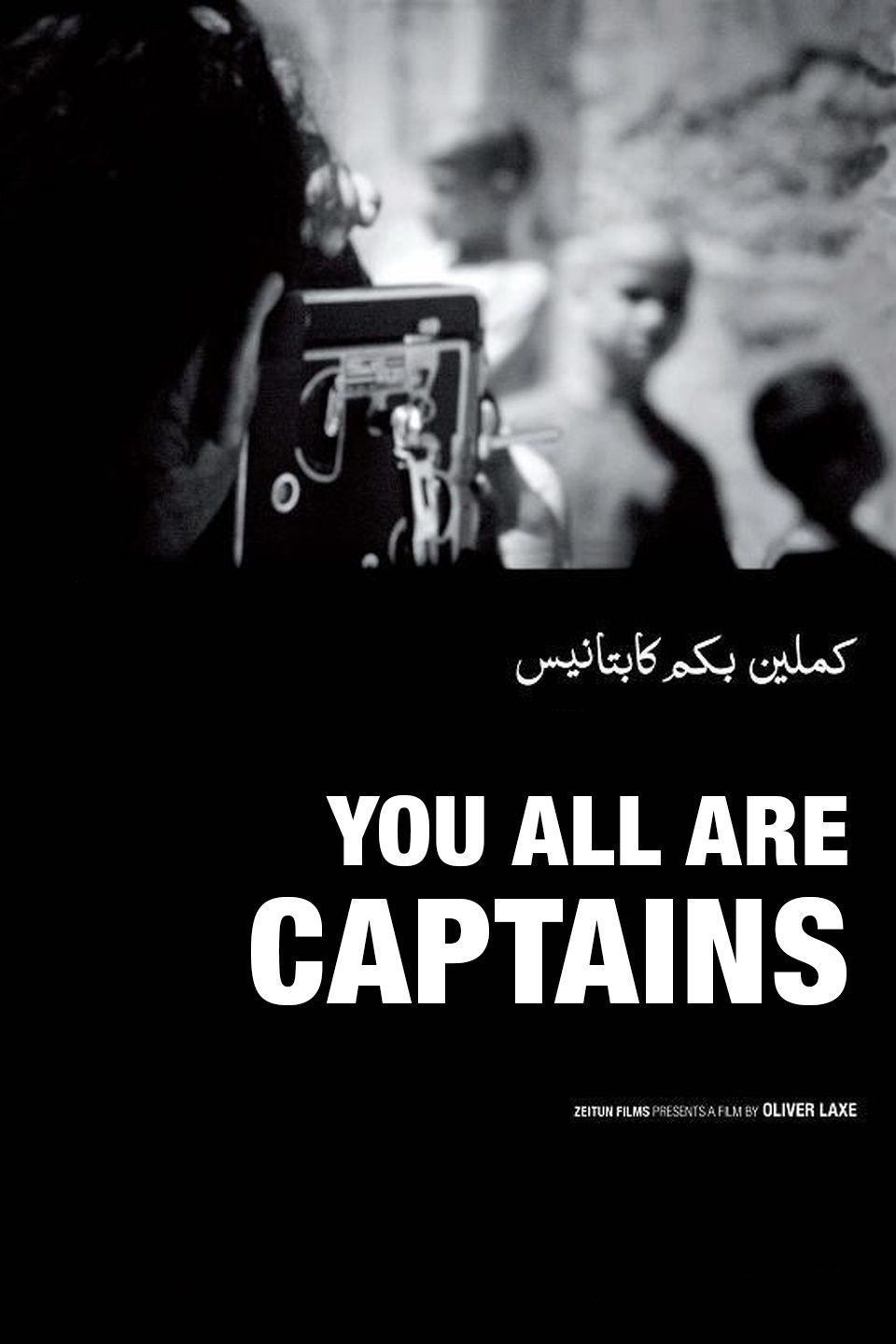
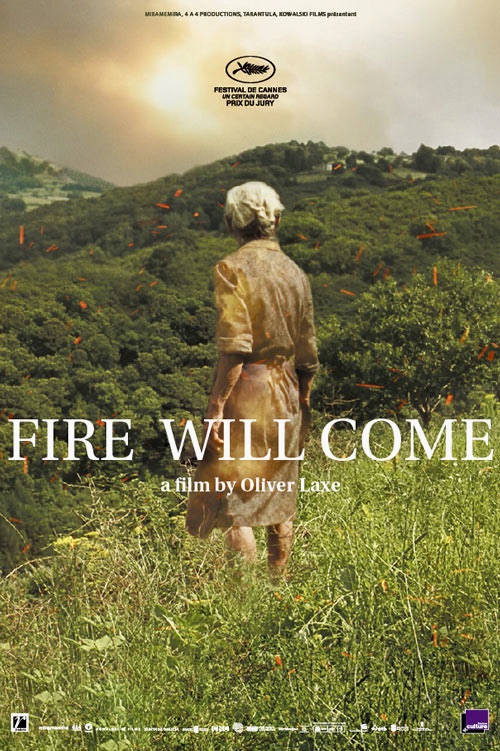
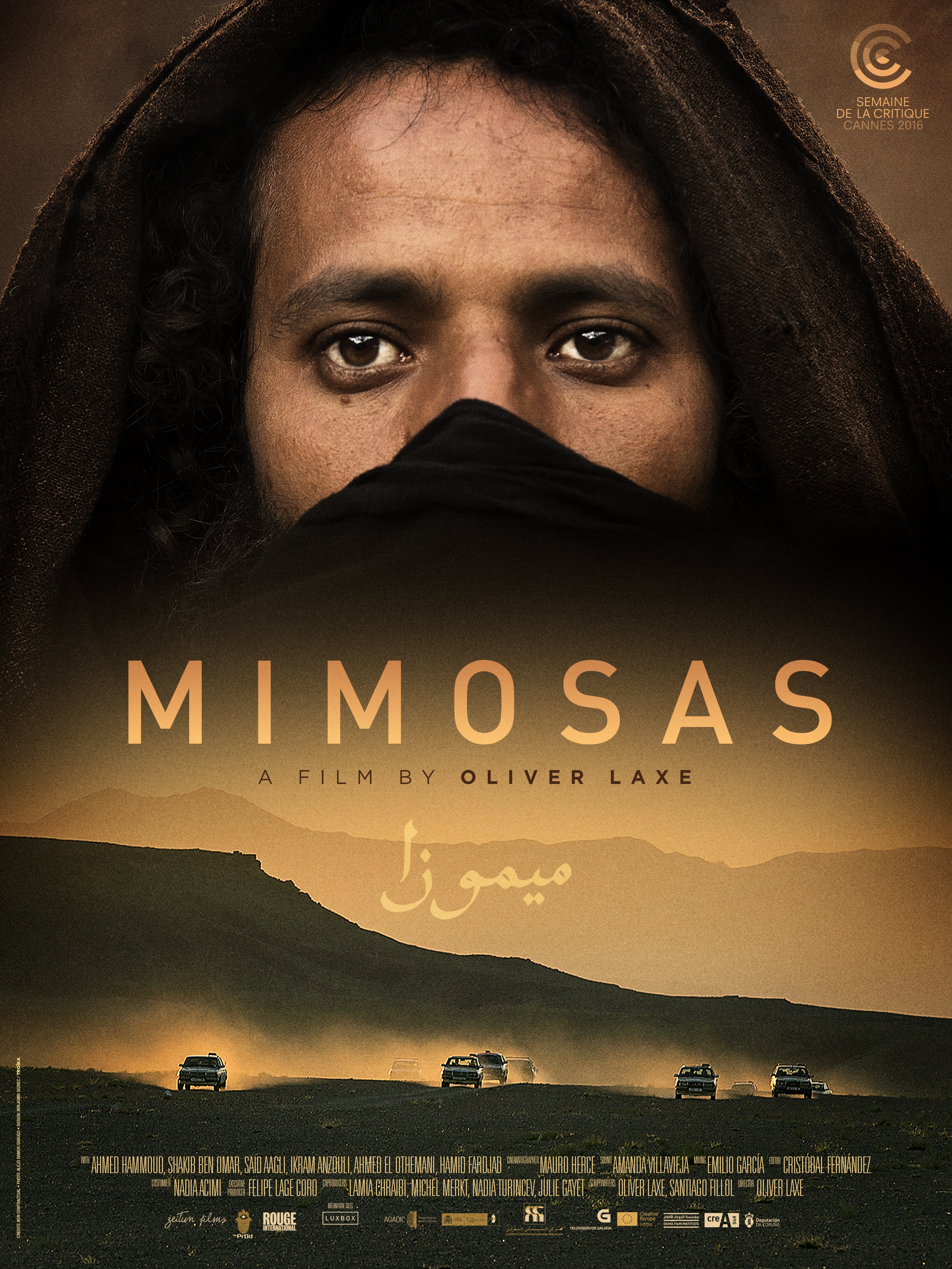
The film has already been selected as Spain’s official entry for Best International Film in the annual Academy Award competition (whether the Oscar committee will officially recognize it along with four other category entries is hard to predict). One thing we know to be true; Laxe has been a Cannes Film Festival favorite since he arrived on the scene in 2010 with You Are All Captains, a docu-fiction hybrid in which a filmmaker (played by Laxe) clashes with the subject of his movie – the children from a homeless shelter in Morocco. It won the Directors’ Fortnight Fipresci Award. His 2016 effort Mimosas, which won the Critics Week Grand Jury Prize, is the tale of a dying sheik who is escorted through the Atlas mountains by two suspicious nomads. And 2019’s Fire Will Come, in which a former arsonist returns to his Galician village, received the Un Certain Regard Jury Prize.
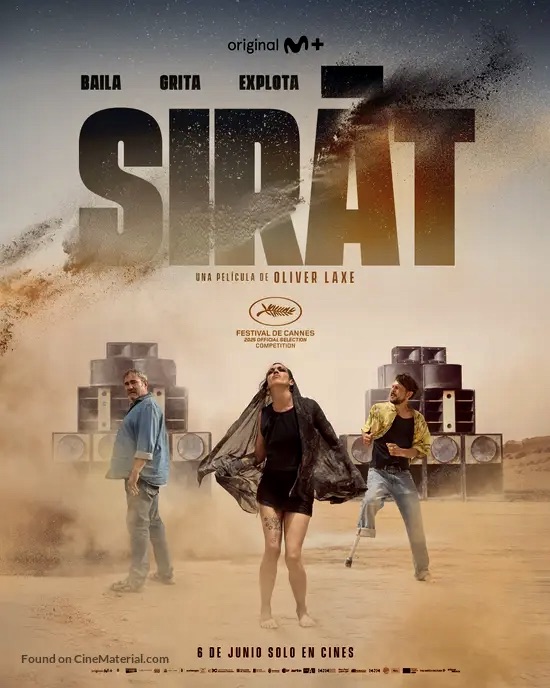
Sirat has received the most Cannes Film Festival nominations of any previous Laxe movie – five, including the Palme d’Or. It won four awards – the Jury Prize, the Cannes Soundtrack Award (for Kangding Ray), the AFCAE Award – Special Mention for Laxe, and the Palm Dog Jury Prize for the canine performances of Pipa (Luis & Estaban’s Jack Russell) and Lupita, the Podenco mix owned by the ravers.
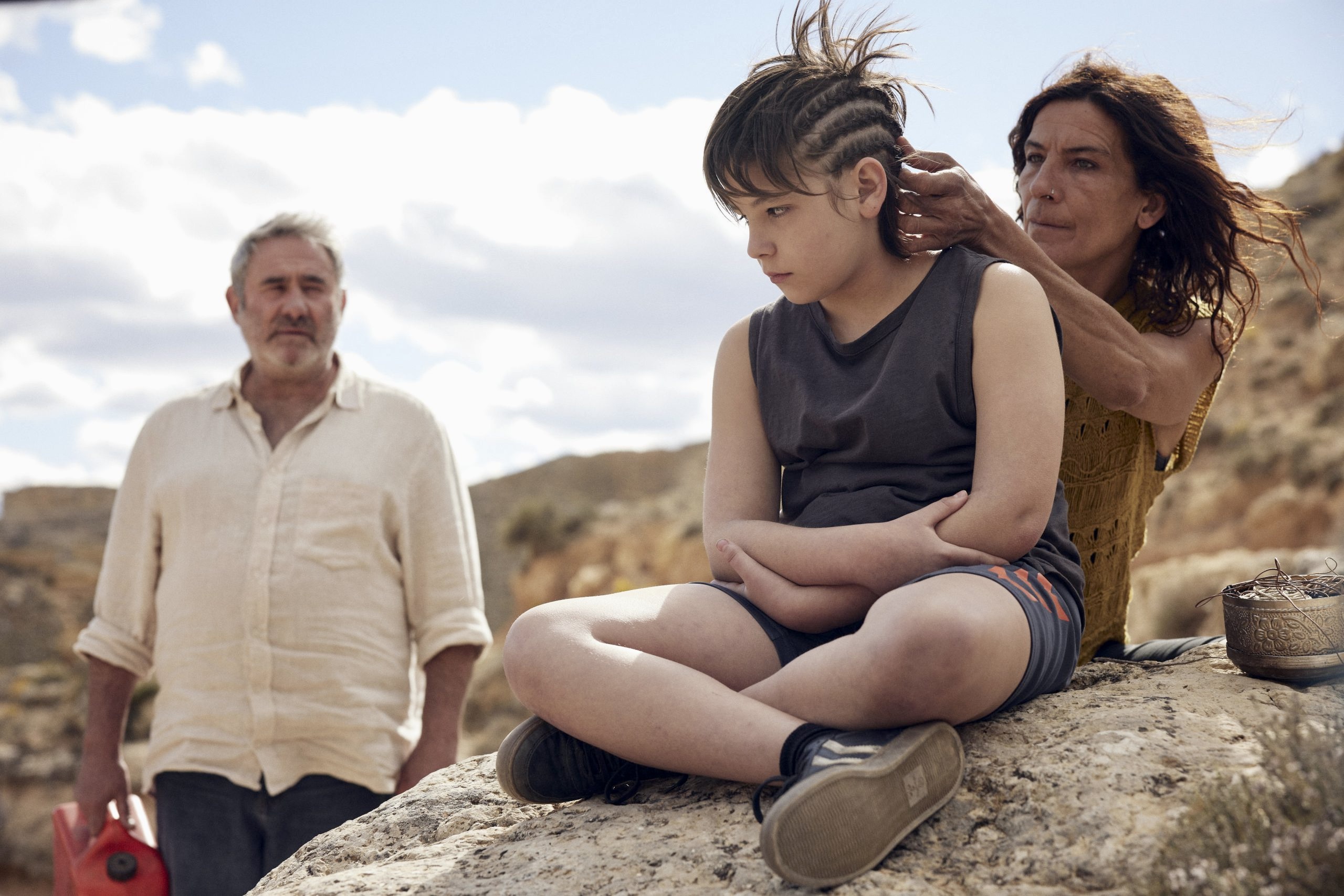
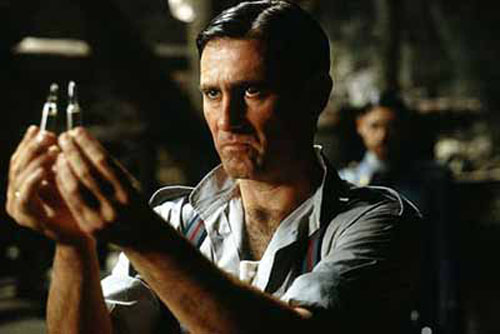
One last thing to mention – Sergi Lopez, the Barcelona-born actor who has been making movies for 34 years, has the role of a lifetime in Sirat. With his barrel-chested physique and serious demeanor, he looks tough and formidable as Luis but quickly reveals himself to be an emotionally vulnerable man on a mission. In the course of his journey, he goes from quiet determination to bemused curiosity to the depths of despair and finally arrives at a kind of numb acceptance of his fate. It’s a remarkable performance but no less impressive that the non-professional actors in the cast whose haunting faces reflect the ravages of a hardcore life on the edge.

Lopez has given award-winning performances in numerous high profile films over the years. If you are a cinephile who favors arthouse fare and international cinema, you have seen Lopez in Manuel Poirier’s comedy romance Western (1997), Dominik Moll’s quirky mystery thriller With a Friend Like Harry… (2000), Stephen Frears’ organ theft conspiracy opus Dirty Pretty Things (2002), Guillermo del Toro’s period fantasy Pan’s Labyrinth (2006), and Francois Ozon’s satire Potiche (2010), co-starring Catherine Deneuve and Gerard Depardieu.
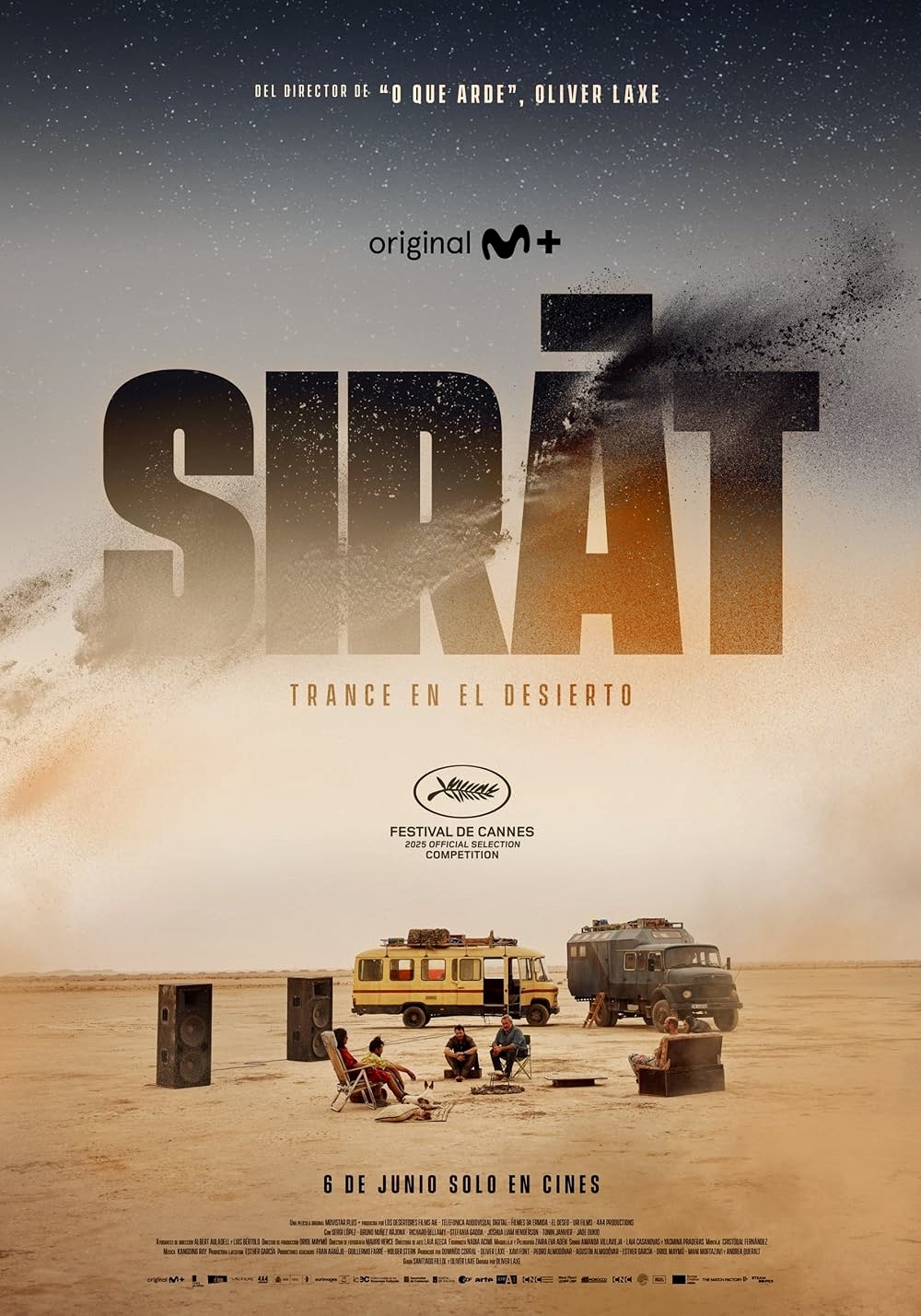
Sirat is currently being distributed theatrically by The Match Factory. Look for it at your local arthouse venue or cineplex.
Other links of interest:
https://variety.com/2025/film/global/oliver-laxe-sirat-interview-cannes-1236395540/
https://www.filmlinc.org/nyff2025/daily/oliver-laxe-and-sergi-lopez-on-sirat/
https://daily.redbullmusicacademy.com/2015/12/kangding-ray-interview
 Cinema Sojourns
Great review! I’ll keep an eye out for the film in London.