
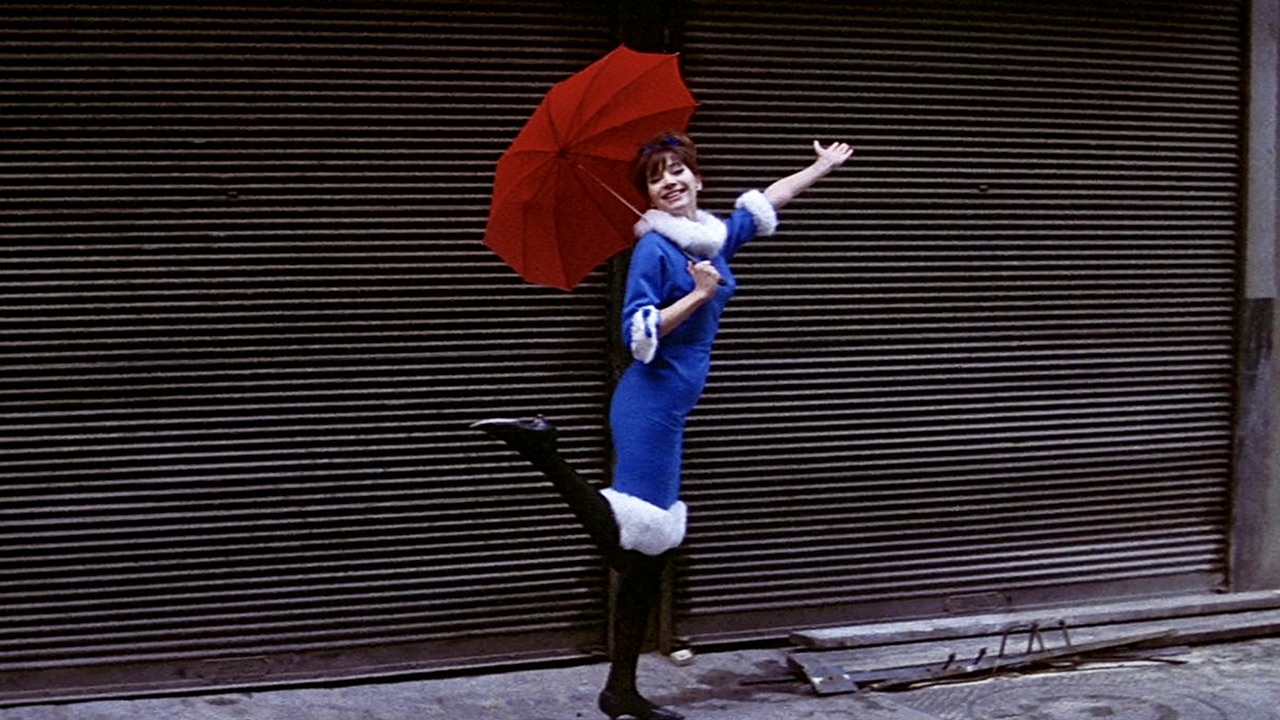
Of the more than 120 movies and short films in director Jean-Luc Godard’s oeuvre, there is really nothing like Un Femme est une Femme (English title: A Woman is a Woman, 1961). What other Godard creation could you describe as joyful, lighthearted and consistently playful? A homage to MGM musicals, romantic comedies a la Ernst Lubitsch and Hollywood productions shot in Cinemascope and Eastmancolor, A Woman is a Woman is essentially a valentine to Godard’s muse at the time, Anna Karina. It is also unlike any other musical ever made or even a Nouvelle Vague confection like Jacques Demy’s The Umbrellas of Cherbourg (1964). Yet, for someone who has never seen a Godard film, it is an accessible entry point to his work and an example of why he was considered so innovative, daring and controversial for his time.
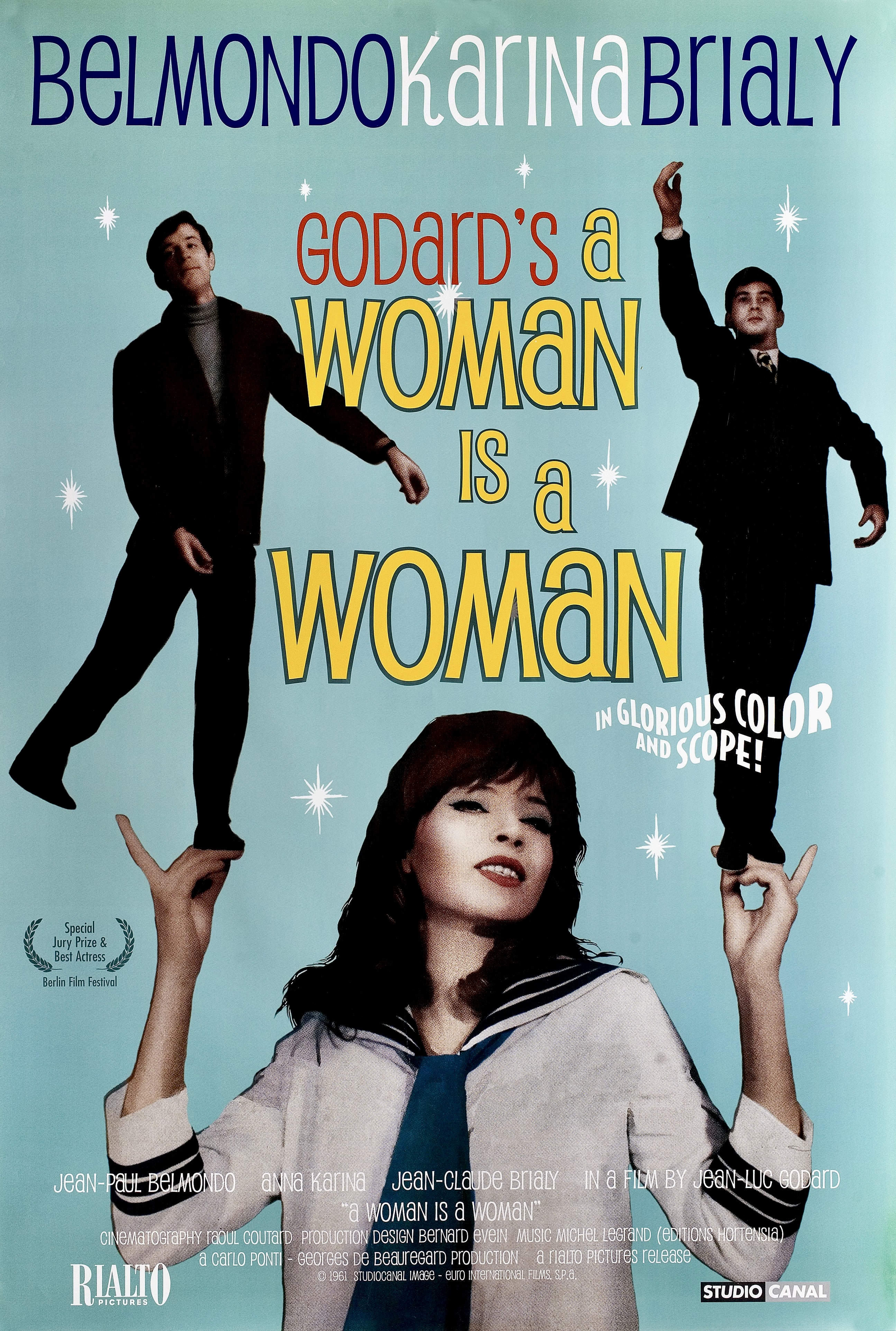
There isn’t much of a story, just a basic framework to allow the actors and director the freedom to experiment. Angela (Anna Karina) wants to have a baby with her lover Emile (Jean-Claude Brialy) but when he refuses, she appeals to his best friend Alfred (Jean-Paul Belmondo) for assistance. That’s all you need to know other than the fact that Godard is more interested in deconstructing the traditional concept of a movie musical rather than imitating it.
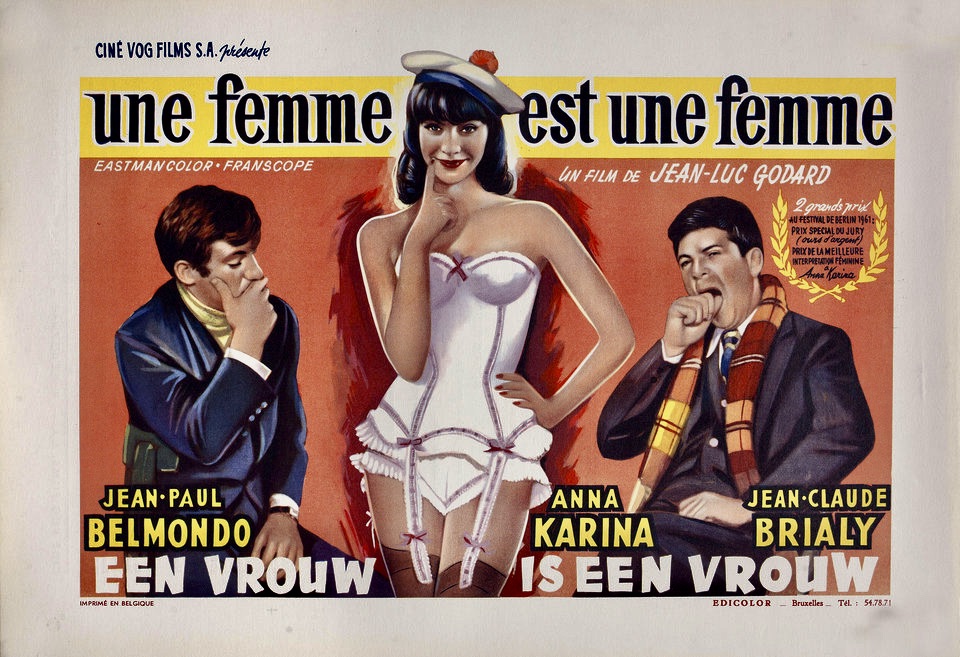
Take, for example, the opening credit sequence, in which you can hear the orchestra tuning up before a voice shouts, “Lights. Camera. Action.” The artificial nature of a MGM musical like Brigadoon or Easter Parade is constantly punctured by such devices as the actors breaking the fourth wall and addressing the audience. Angela winks at the camera in the opening moments and all three principal players speak to the viewer at certain points such as the main couple announcing “Before acting out our little farce, we bow to the audience.”
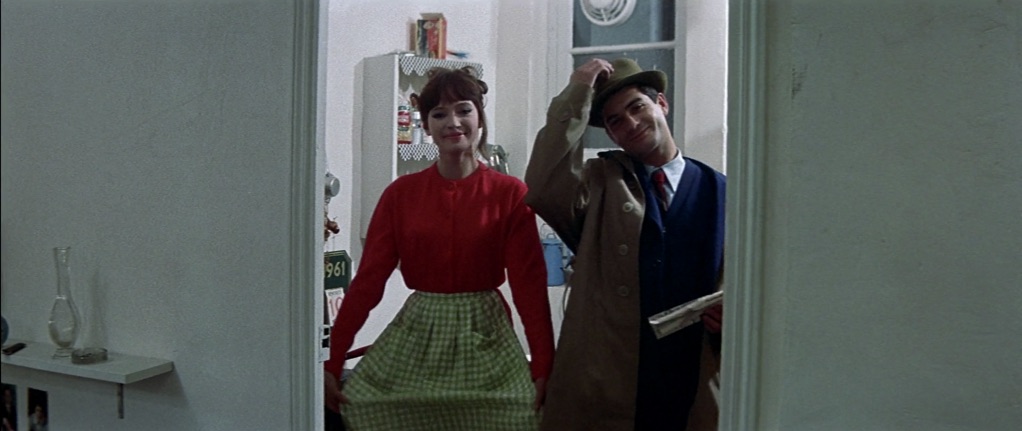
Some scenes are accented by on-screen text that sets the tone or mood such as a statement like “It’s because they are in love that everything will go wrong for Emile and Angela.” Other scenes are affected by stylistic choices such as having the actors freeze in certain poses or change clothes without rhyme or reason. Spontaneity is the order of the day and Godard has the cast and crew improvise much of what you see on the screen. There was no official script. Godard would decide each day on the set what the actors would do or say and cinematographer Raoul Coutard was often instructed to break traditional rules of filming or framing scenes.
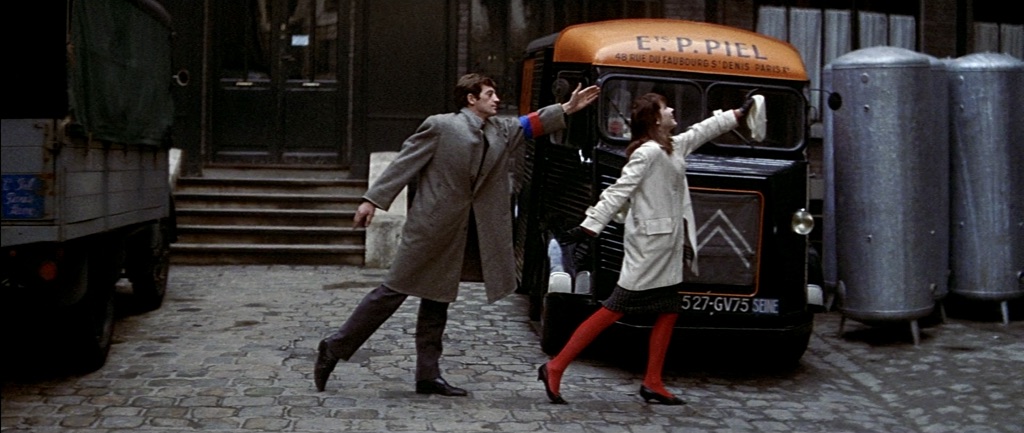
In an essay on the film by Michele Manceaux, Jean-Claude Brialy was quoted as saying, “He [Godard] made us play false situations in a realistic way, and realistic situations in a false way. The phonier it was, the more it had to seem natural; on the other hand, when things went on normally, then we really bore down and overdid it.”

There is a madcap sense of fun throughout A Woman is a Woman that rarely, if ever, surfaces in any other Godard film from the early years (with the possible exception of Karina, Sami Frey and Claude Brasseur performing the Madison in a café in 1964’s Band of Outsiders). Godard even includes cameos for two actors from his friend Francois Truffaut’s recent movies such as Marie Dubois (Shoot the Piano Player, 1960) and Jeanne Moreau – she appears in a scene at a bar and Alfred asks her, “How is Jules and Jim coming along?”
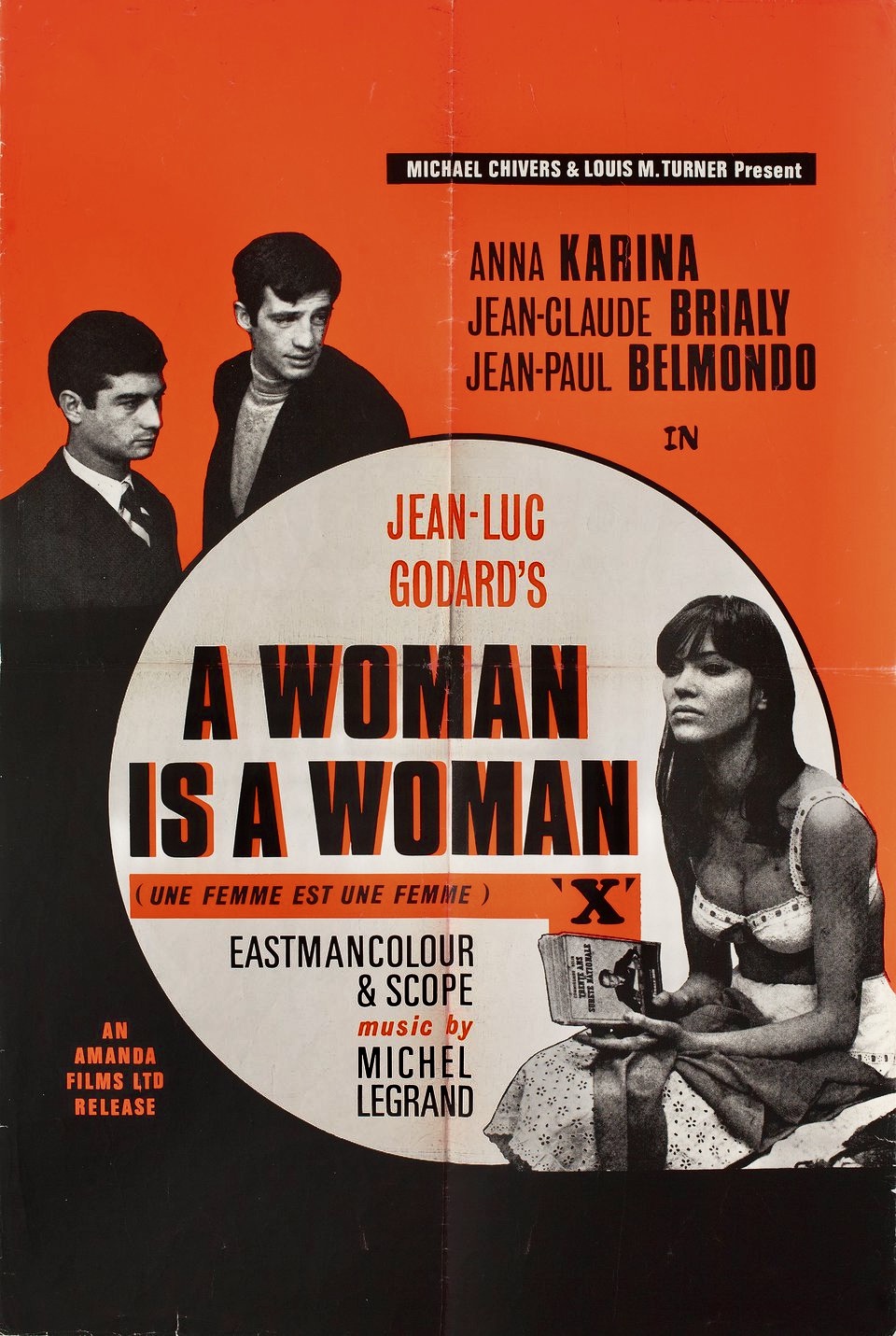
Probably the most radical departure from a traditional film musical is Godard’s presentation of a musical number. You hear snatches of Charles Aznavour performing “Tu te Laisses Aller” throughout A Woman is a Woman but it is always interrupted by the on-screen antics. And although the movie features a lush romantic score by Michel Legrand, there is only one genuine musical number – Karina performing “Chanson d’Angela” – but it is staged in the most unlikely way. We hear the orchestra introduce the melody but they immediately go silent whenever Karina begins to sing. Godard even interrupts her performance with interjections of momentary silence as one more sign to the audience that moviemaking is not real life and anything can happen. Karina’s flirtatious striptease number in a sailor suit is a particular highlight.
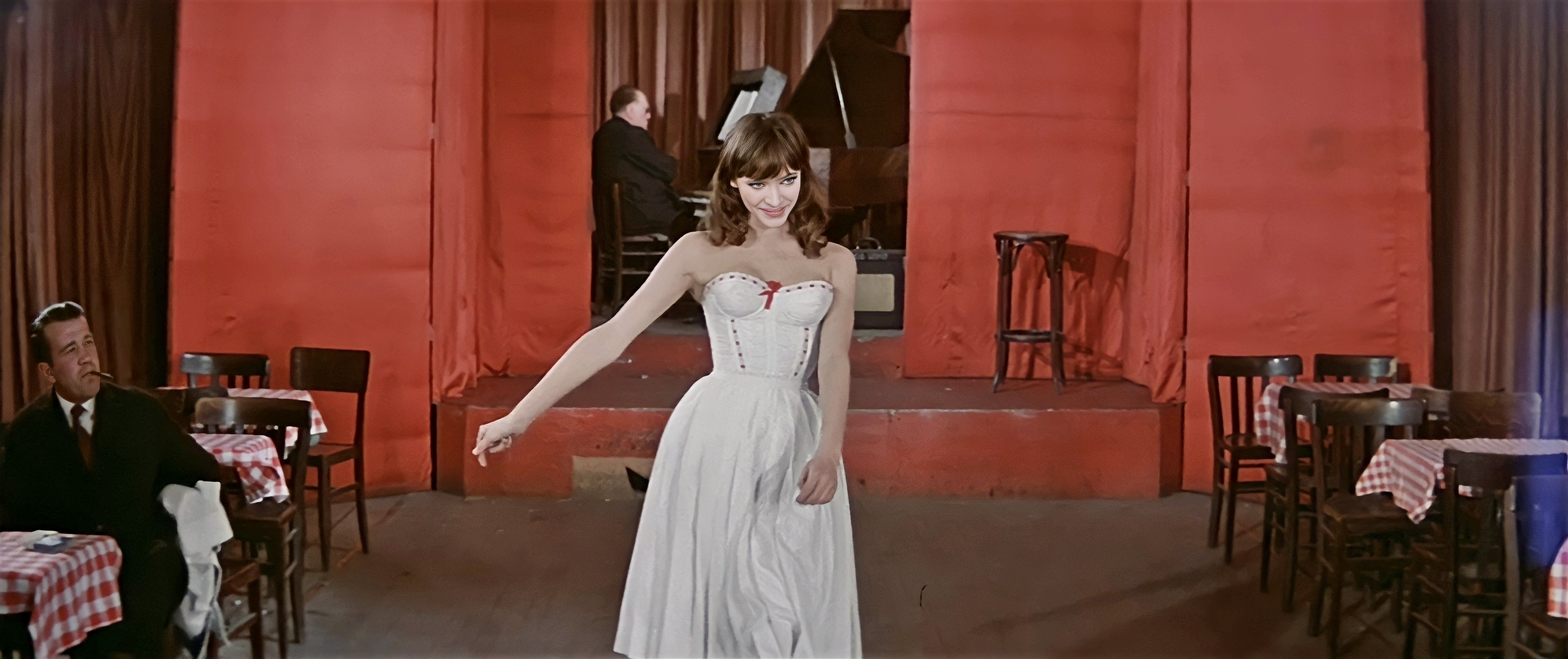
This is not to say that Godard doesn’t occasionally reference the outside world with pointed asides that intrude upon the upbeat, brightly colored bauble he has concocted. For one scene, Angela and Emile are interrupted from their lover’s quarrel by two policemen who enter their apartment to investigate a bombing in the neighborhood. At the same time, references to abortion or suicide are treated blithely or in a frivolous way. Certainly A Woman is a Woman will probably not appeal to hardcore fans of MGM musicals but if you approach it as a playful experimentation of the form it can be delightful and clever in unexpected ways. Think of it as Godard’s version of a “let’s put on a musical” organized by his star players in the style of Babes in Arms (1939) and Strike Up the Band (1940), which featured Judy Garland and Mickey Rooney.
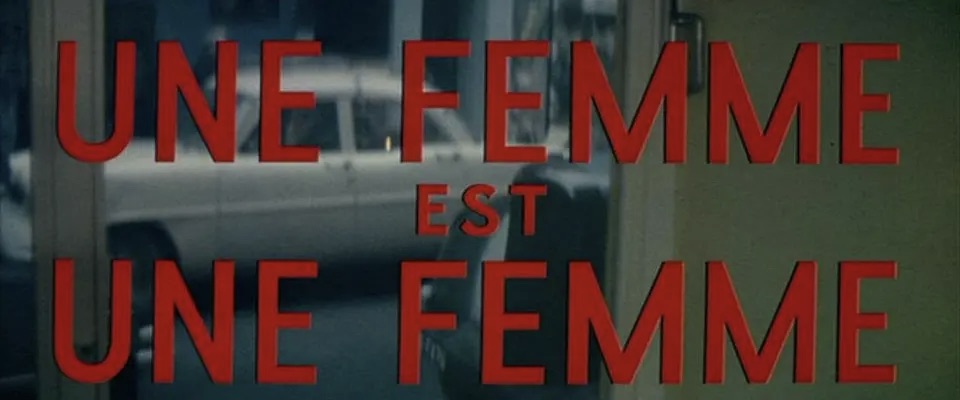
A Woman is a Woman marked Godard’s third directorial effort after Breathless (1960) and Le Petit Soldat (aka The Little Soldier), which was suppressed by French officials until its delayed release in 1963 due to its controversial storyline set during the Algerian War. Karina made her film debut in Le Petit Soldat but movie audiences first saw her in A Woman is a Woman and it transformed her into an overnight star. She even won the Best Actress award at the Berlin Film Festival (Godard won the Silver Bear special jury prize). Together Godard and Karina collaborated on 8 movies together if you count their episode “Anticipation” from the anthology feature The Oldest Profession (1967). They had a turbulent, up and down relationship during their time together but she was clearly his muse at the time of A Woman is a Woman and you can feel his adoration of her by the way she is showcased throughout the movie.
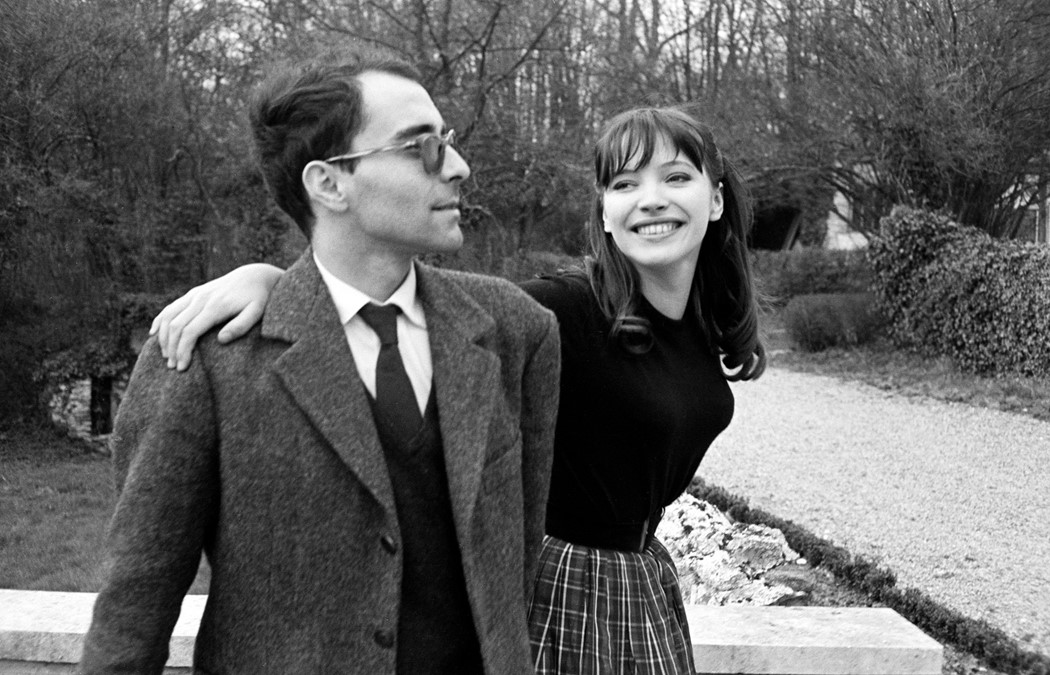
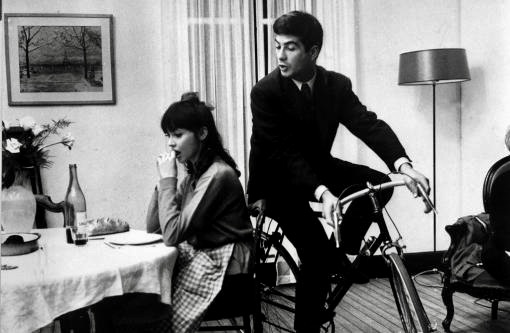
Shot during a five week period, most of the exterior scenes in A Woman is a Woman were filmed in the Strasbourg Saint Denis neighborhood of Paris. Initially Godard had arranged to shoot the scenes of Angela and Emile at home in the apartment of an elderly couple in the same location but they begged off at the last minute due to their uncomfortable feelings about a film crew using their space. With no other options, Godard had to recreate Angela and Emile’s apartment in a studio with immovable walls and ceiling but large enough for scenes in which Emile rode his bicycle around the apartment, circling his wife at the dining room table (a typical example of the movie’s freewheeling nature).
It should be noted that Karina was not Godard’s first choice for the female lead in A Woman is a Woman even though she had delivered an outstanding performance in Le Petit Soldat. He considered many other French actresses first but changed his mind once he saw her in Michel Deville’s Ce Soir ou Jamais (1961). Allegedly the thought of Karina working with other directors made him intensely jealous during their relationship and by casting her in his own films he could monitor her interactions with other men.
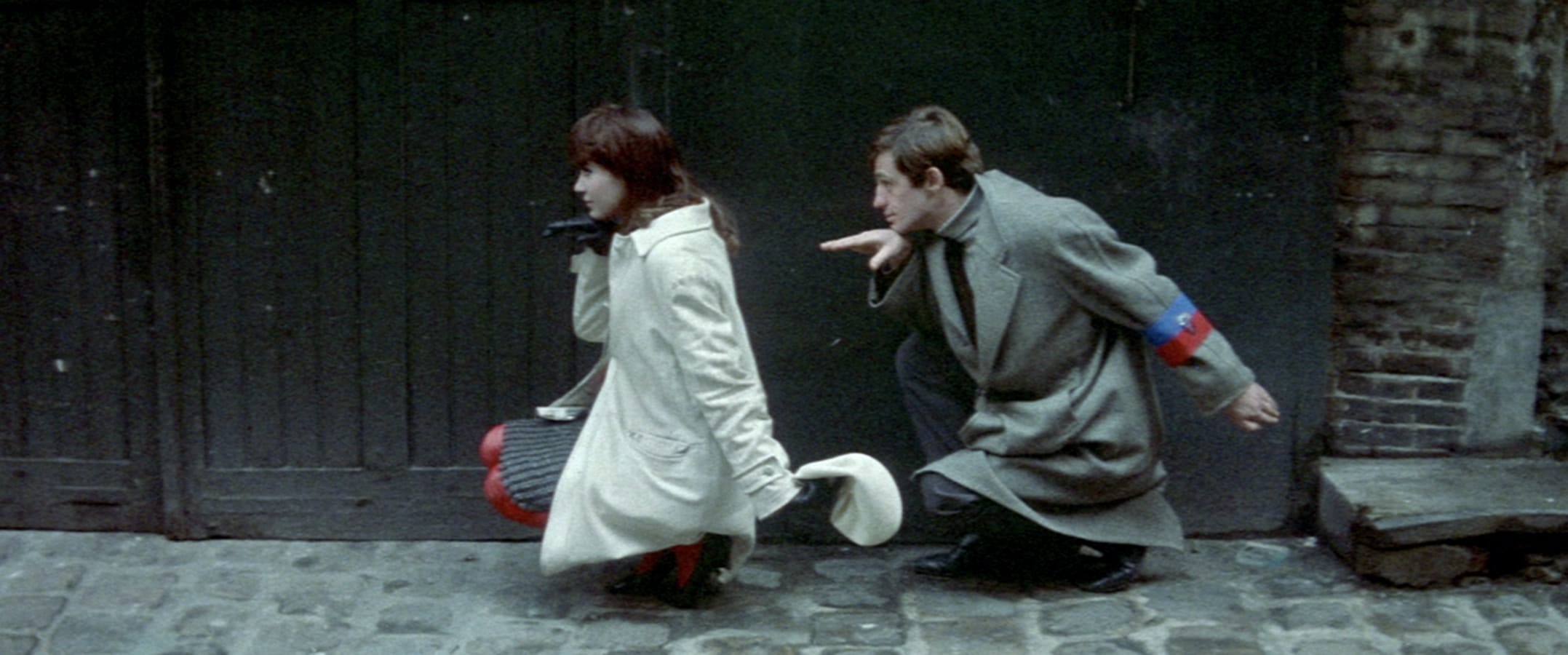
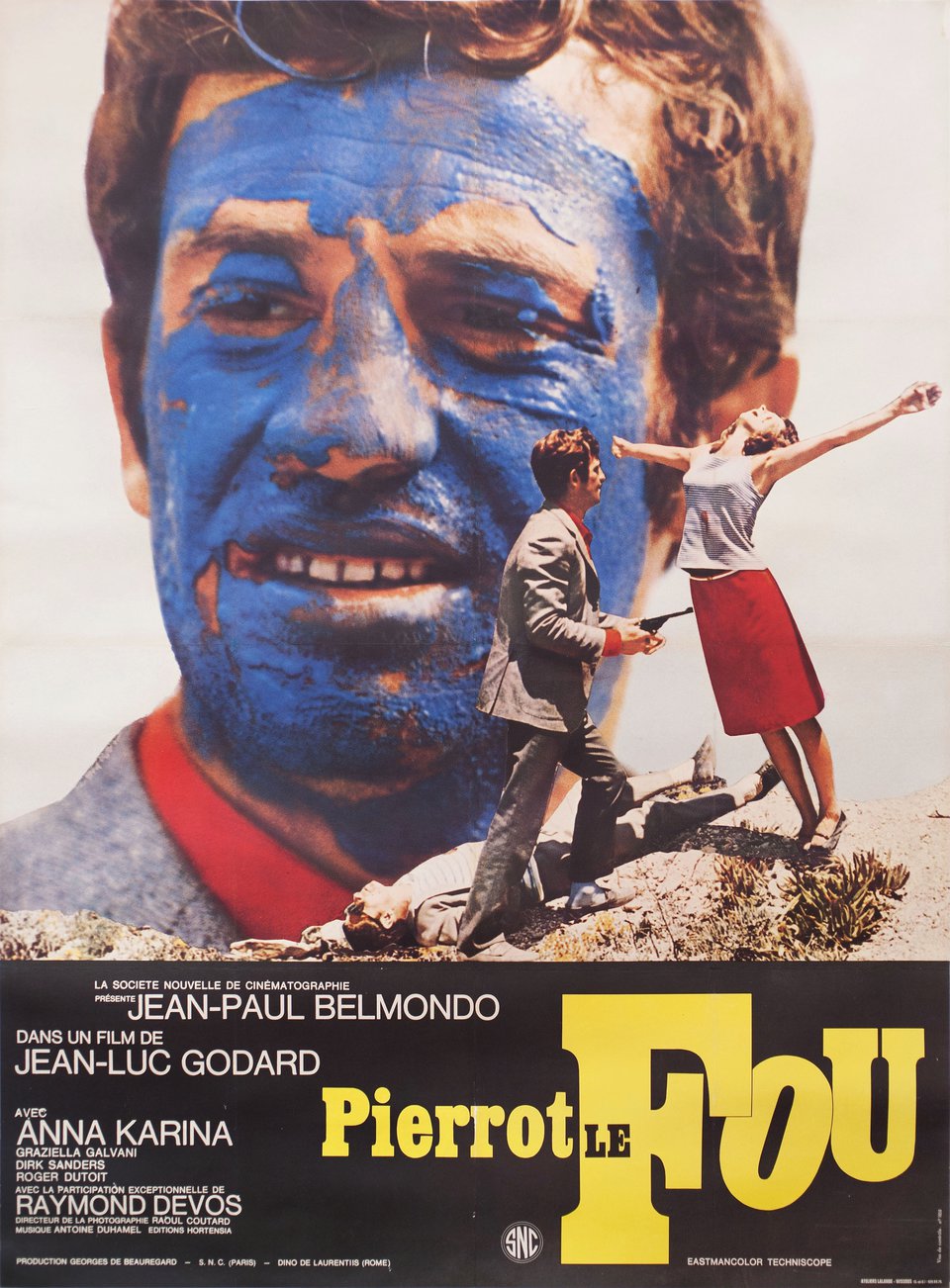
As for Jean-Paul Belmondo, he was already a major star in France thanks to his work in Breathless and he wasn’t happy about being in a supporting role. But he had no choice in the matter since he was under contract to the film’s co-producer Georges de Beauregard. Despite this, he would reteam with Godard, de Beauregard and Karina for Pierrot le Fou in 1965.
When A Woman is a Woman opened at theaters in France, it proved to be a box office disappointment despite excellent notices for Karina in the starring role. When it finally premiered in the U.S. in 1964 at the New York Film Festival, critics were mixed on the film. One of its admirers was Andrew Sarris of The Village Voice who deemed it “a documentary not only of Karina but of the sheer otherness of all women…employ[ing] all the resources of cinema to express the exquisite agony of heterosexual love.” Roger Ebert of The Chicago Sun-Times was less enthusiastic, calling it “slight and sometimes wearisome” and “too precious” while the Variety reviewer said it was “Only intermittently bright. Too much homage to Yank musicals and comedies point up the lack of polish.”
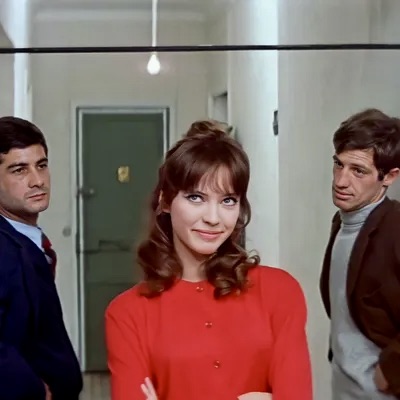
Godard’s third feature is much more highly regarded today for its high spirits, sense of style and the youthful energy of its attractive cast in their peak years. Ty Burr of The Boston Globe wrote, “The most playful film to come out of the French New Wave, it’s also the last time Jean-Luc Godard appeared to have any fun.” And The Faber Companion to Foreign Films by Ronald Bergen and Robyn Karney called A Woman is a Woman “one of his [Godard] lightest hearted, his first in colour and ‘Scope, and the first in which Karina played a dominant role. In fact, the camera is so besotted by her that it’s no surprise that the director behind it married her soon after.”
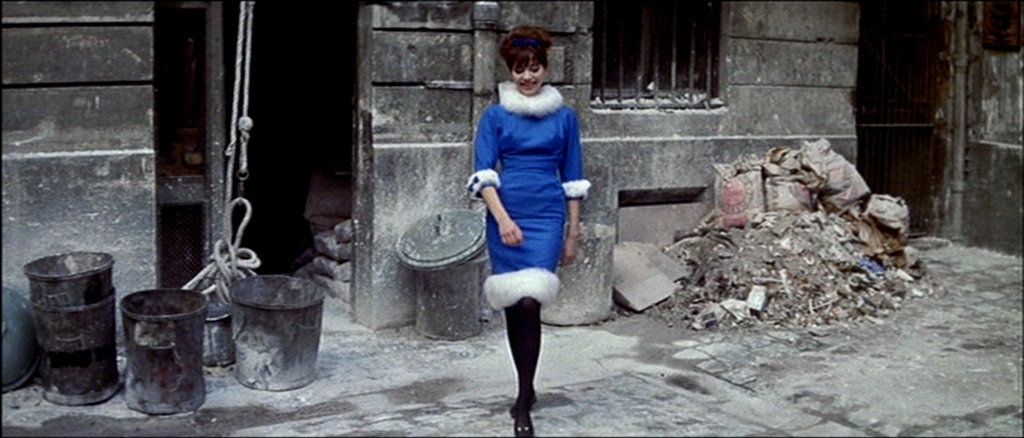
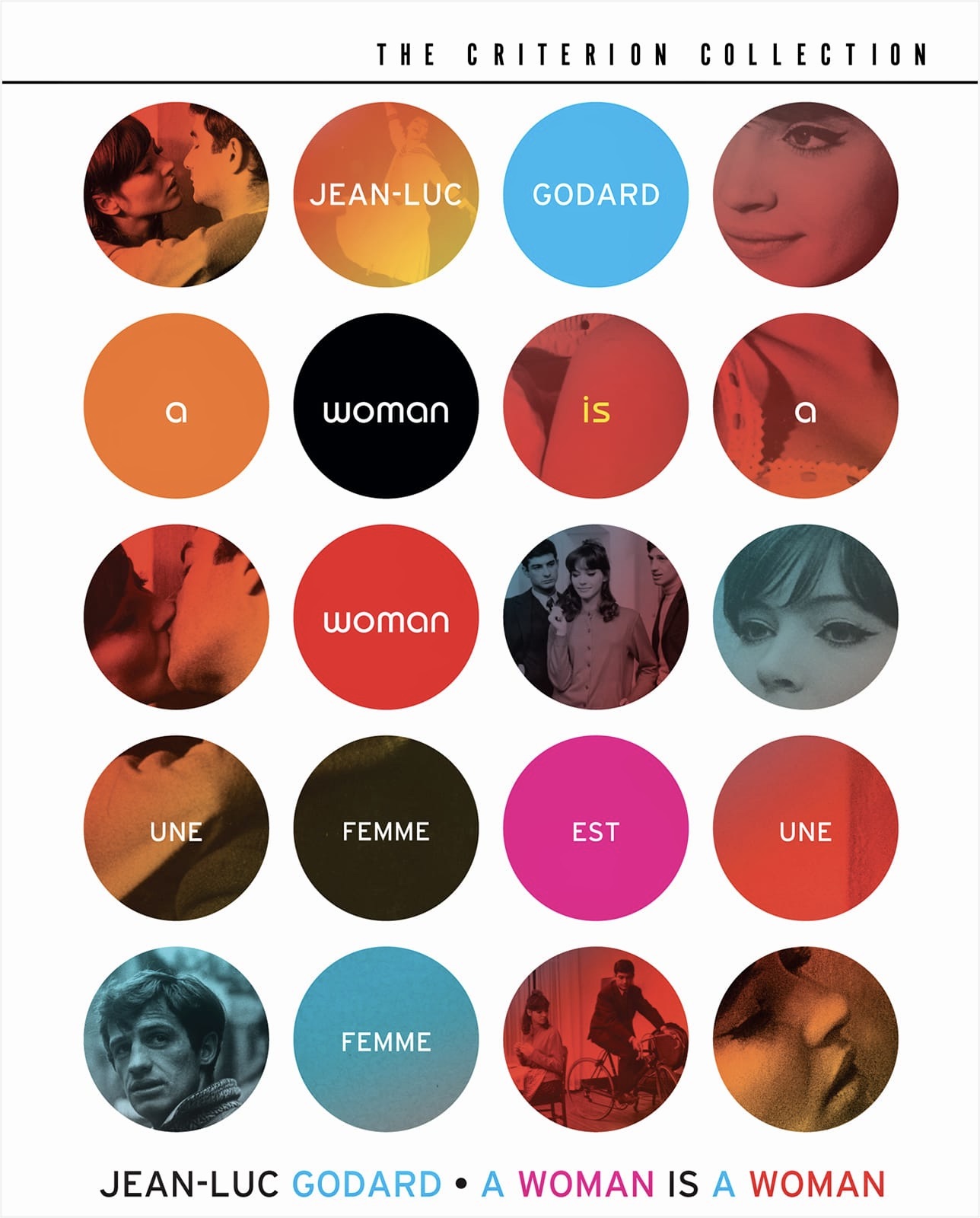
The Criterion Collection release of the film on DVD in June 2004 is still probably the best option for those who want to buy it (although a Blu-ray upgrade is needed at this point). The extra features include excerpts from a 1966 French TV interview with Anna Karina, Jean-Claude Brialy and Serge Gainsbourg, All Boys Are Called Patrick (a 1957 film short by Godard, written by Eric Rohmer and starring Brialy), publicity materials for the film and a 24-page booklet on the movie.
Other links of interest:
https://www.newwavefilm.com/interviews/godard-1962-interview.shtml
https://www.vulture.com/article/review-jean-luc-godards-a-woman-is-a-woman-restored-in-4k.html
 Cinema Sojourns