
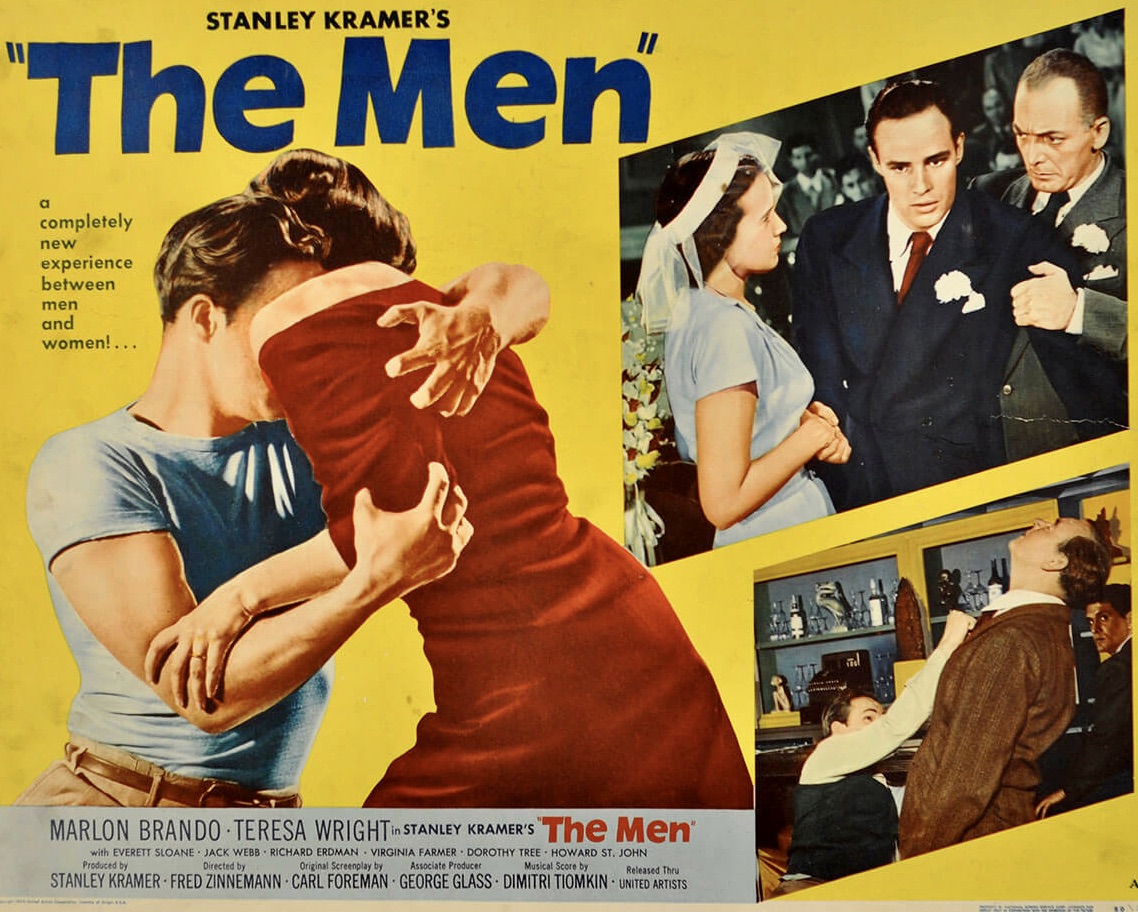
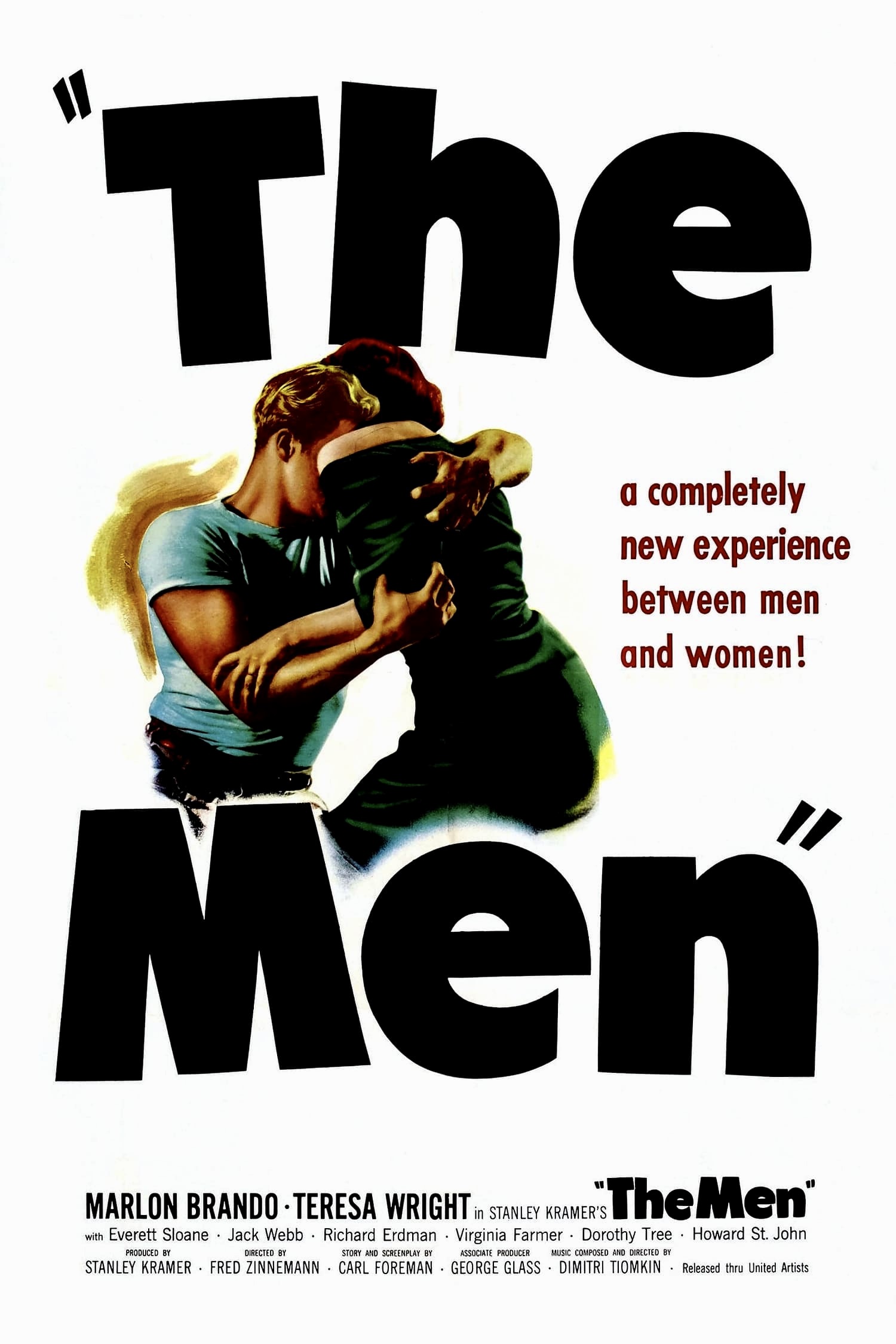
When director Fred Zinnemann left MGM Studios after his contract expired with Act of Violence in 1949, he embarked on a new career as an independent filmmaker. After trying to find a suitable movie project for almost a year, his search ended when two young filmmakers, Stanley Kramer and Carl Foreman, pitched him a story about paralyzed war veterans entitled The Men (1950). It was obvious that no major studio would tackle such an uncommercial subject but Zinnemann saw great possibilities in Carl Foreman’s screenplay and agreed to direct.

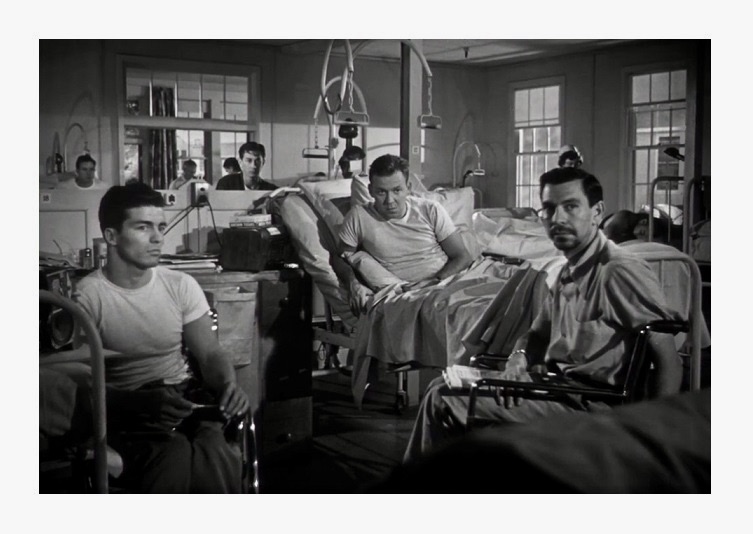
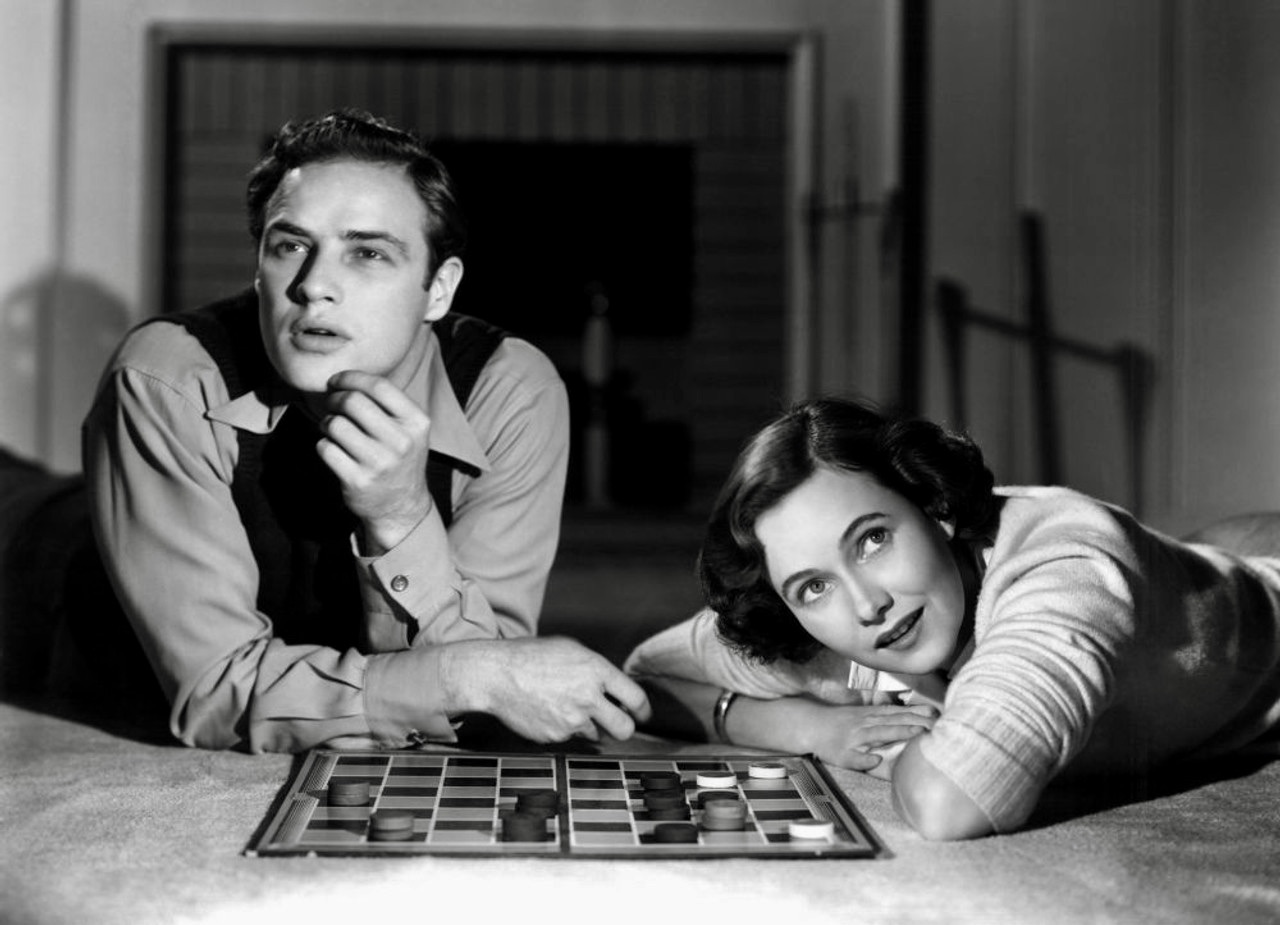
Set in a hospital ward full of young men, crippled by their war injuries, The Men addressed several postwar problems that Americans preferred to ignore. What happened to these soldiers who went off to fight for their country and came back mutilated or paralyzed, unable to return to their former jobs, deserted by their wives or girlfriends, forgotten by former friends? How do they readjust to a society that seems to hold no future for them? At the core of the film is an emotionally intense performance by Marlon Brando as an embittered paraplegic who is unable to come to terms with his shattered body or his fiancee (Teresa Wright), who still wants to marry him.
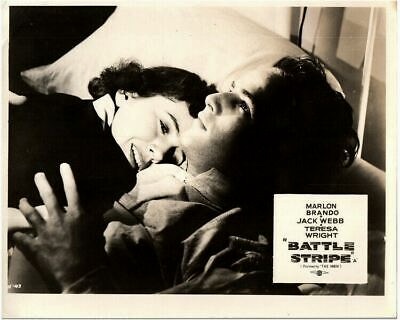
The Men was Brando’s film debut and he was an inspired choice for the lead. The director recalls his impressions of the actor in Fred Zinnemann: An Autobiography: “Brando arrived. He seemed fine, if a bit surly and very much on the defensive. It was obvious that he didn’t trust any one of us and that he was determined to keep his own counsel. He was still very much the Stanley Kowalski of A Streetcar Named Desire, stuck in that character, and he brought some of that into his performance in The Men. It was fascinating to see how deeply the ‘Method’ actors would merge into the characters they are playing and how long it took before they could return to being themselves again….It took a bit of time to get used to Brando. Things were difficult for him and he was under enormous strain, having to adjust to the new medium. And why not? People of such enormous talent should be allowed some extra elbow room….”
The combination of Zinnemann, Kramer and Foreman was particularly significant because all three men had focused on WW2-related topics in previous films. Zinnemann had directed The Search (1948), which focused on the efforts of the UN and the US military to aid displaced war orphans in Berlin, while his film noir Act of Violence (1948) depicted a former war hero being stalked by a disabled veteran from his outfit. Around the same time, producer Kramer and screenwriter Foreman made Home of the Brave (1949), which examined racial tensions in the military and the psychological toll it took on a black soldier (James Edward).
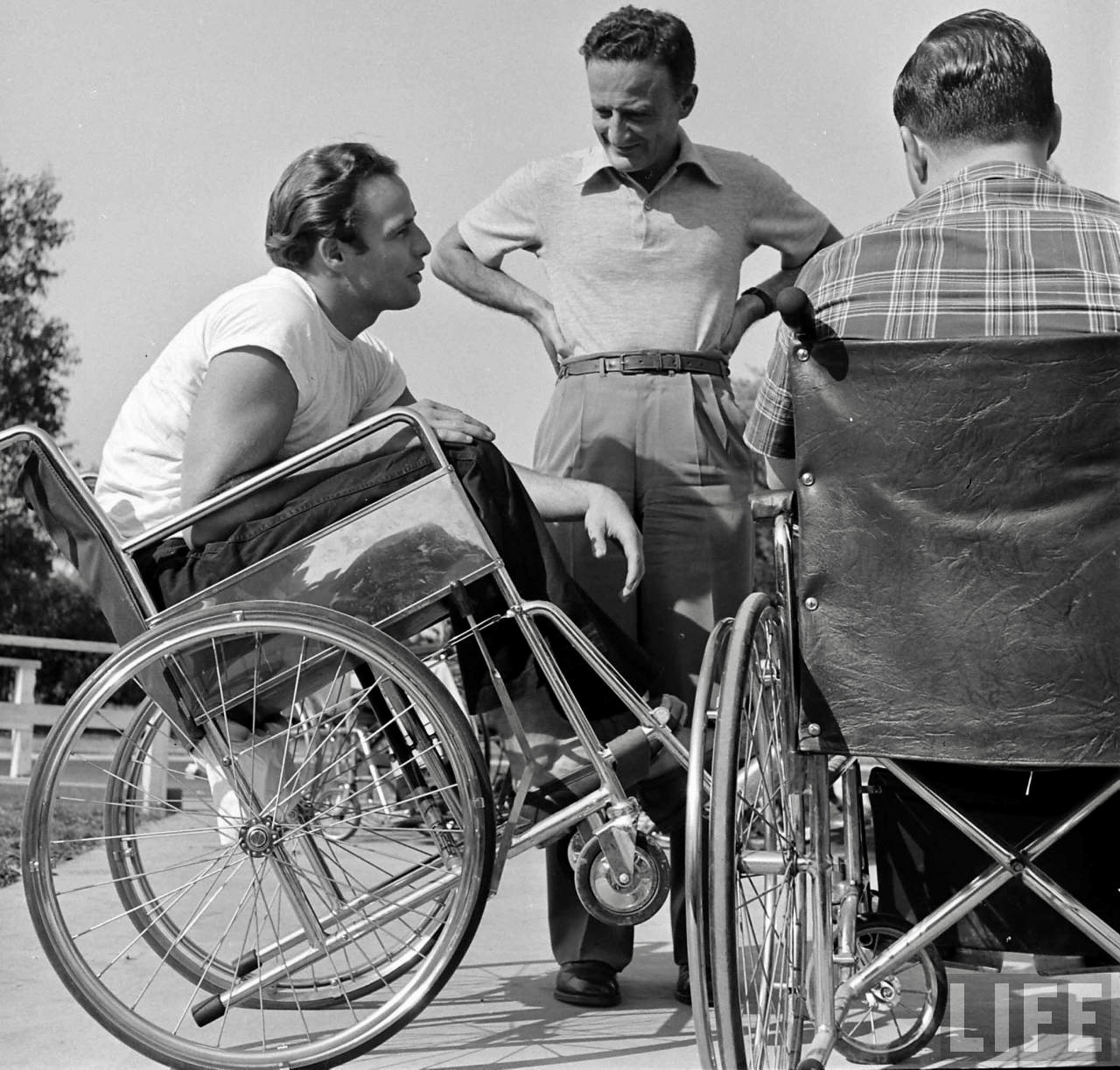
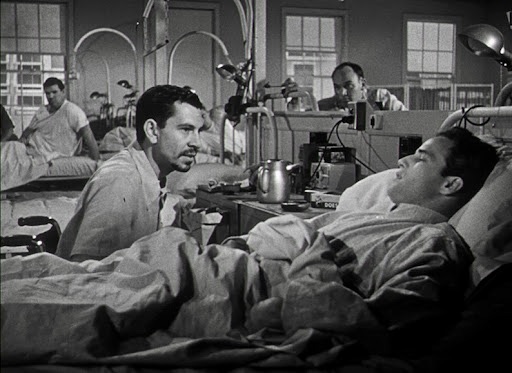
Zinnemann also had the advantage of working with Montgomery Clift on The Search and it marked the director’s first experience of working with an actor trained in what is now known as “method acting.” Since Brando was also a Method actor, Zinnemann was already prepared for how he might approach his role in The Men. The director recalled, “This was the way Brando prepared himself: he spent three weeks – day and night – living with the men on one of the paraplegic wards. He found out not only how they moved and behaved, but how they felt and what they thought. They gradually accepted him as one of their own and he became one of them. He shared their physiotherapy, played water polo with them and went to their drinking sessions at the Pump Room. Soon only a doctor or a nurse could tell that he was not a paraplegic.”
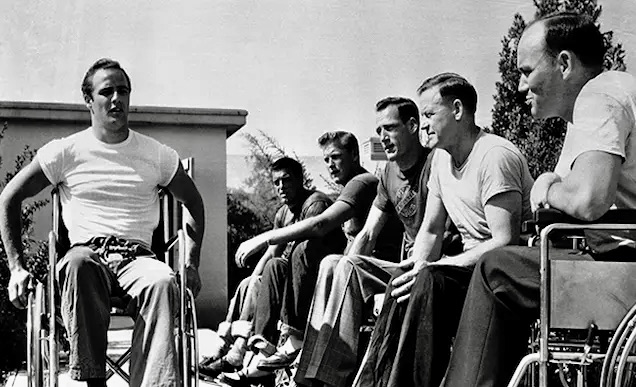
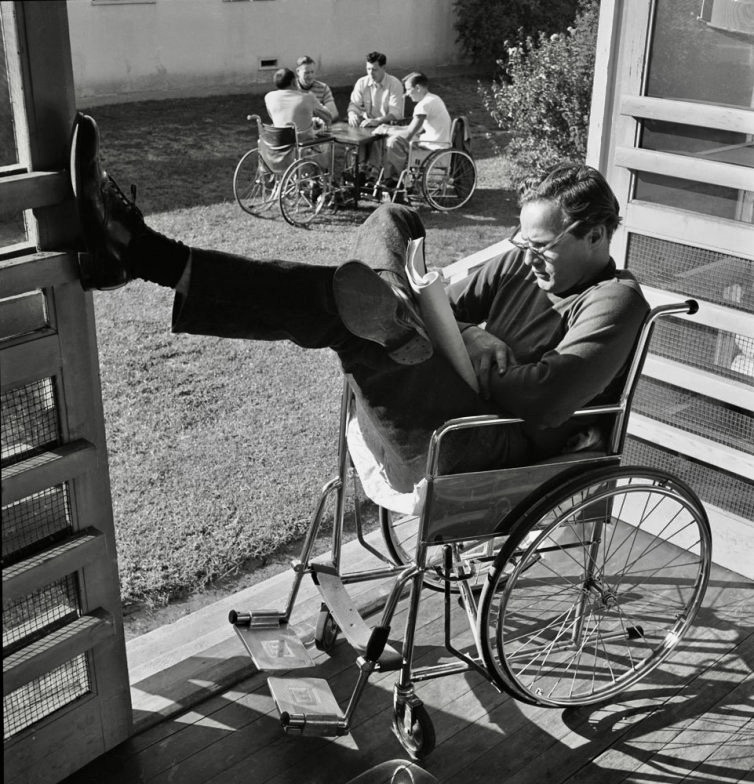
Prior to the actual filming of The Men, Zinnemann spent many weeks at the Birmingham Veterans Hospital in Van Nuys, California, consulting with several patients, three of whom were hired as technical advisors. One of these was Bud Woziak, a first lieutenant who had been hit in the back by a bullet while on combat patrol; screenwriter Carl Foreman used him as the model for Brando’s character.
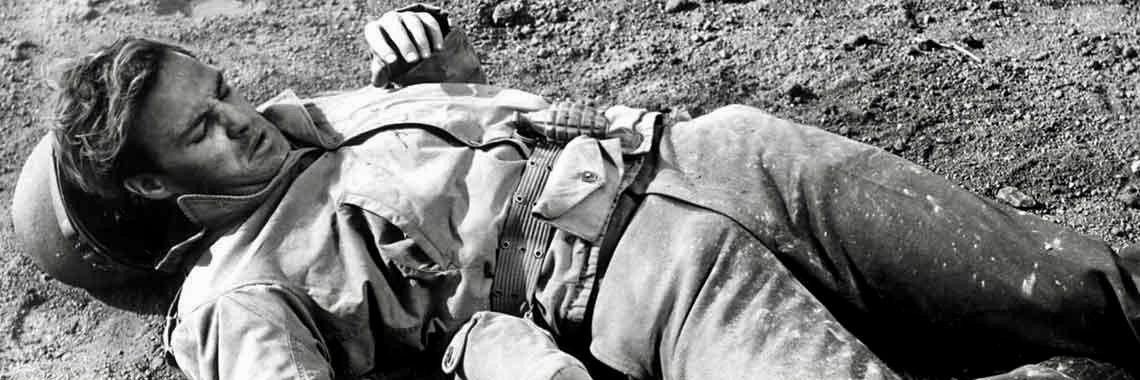
Several paraplegics were also hired for the supporting roles, such as Arthur Jurado, who has a very natural, charismatic screen presence (This was his only film role). Other standout performances include Everett Sloane, a former member of Orson Welles’ Mercury Theatre, in the key role of Dr. Bors, as well as Teresa Wright, Richard Erdman, and Jack Webb, who made his film debut two years earlier in He Walked By Night and had just launched his new TV series, Dragnet.
During the making of The Men, Brando was with some of the disabled veterans in the cast at the Pump Room when a religious woman spotted their group and began preaching to them. She stated that if they truly believed in the Lord, they could overcome their paralysis and walk again. Brando stared intently at the woman and said, “I believe you. I believe in the Lord,” and started to rise up slowly out of his wheelchair. According to Stefan Kanfer in his biography, Somebody: The Reckless Life and Remarkable Career of Marlon Brando, the actor “kept rising until he stood erect. Step by ungainly step he made his way to the bar. Then, without warning, he suddenly broke into an improvisatory dance, complete with leaps and jetes. The woman shrieked and fled as laughter filled the Pump Room. The loudest roars came from the wheelchair table.”
When The Men premiered it garnered mostly positive reviews with Bosley Crowther of The New York Times writing, “Stern in its intimations of the terrible consequences of war, this film is a haunting and affecting, as well as a rewarding, drama to have at this time.” The critic for Variety wrote “Producer Stanley Kramer turns to the difficult cinematic subject of paraplegics, so expertly treated as to be sensitive, moving and yet, withal, entertaining and earthy-humored.” Yet, the same reviewer found fault with Brando’s performance, stating that he “fails to deliver with the necessary sensitivity and inner warmth which would transform an adequate portrayal into an expert one. Slight speech impediment which sharply enhanced his Streetcar role jars here. His supposed college graduate depiction is consequently not completely convincing.”
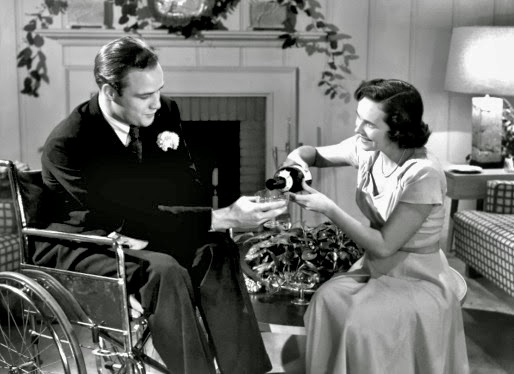
The Hollywood Reporter disagreed with that assessment calling Brando “an important new star in the Hollywood horizon” and more contemporary reviews praise the actor’s work here such as Pauline Kael, who wrote, ”…Brando gives an overpoweringly physical performance. He’s amazingly sensitive and intense – no one before him who smoldered on screen ever gave off so much heat. Fred Zinnemann directed, with sureness and tact.”
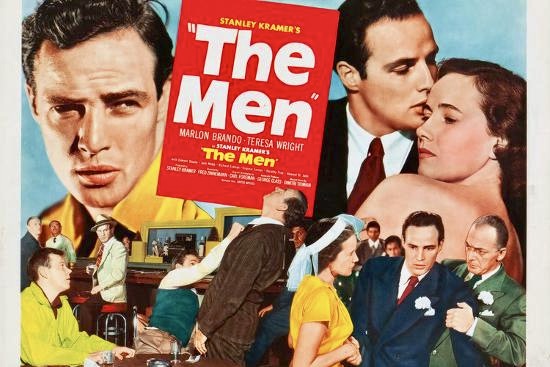
Strangely enough The Men was banned in the U.K. due to a scene in which Dr. Brock (Everett Sloane) speaks frankly with the wives, girlfriends and mothers of the disabled veterans. He addressed the possibility that some of the men might be unable to perform sexually or give their wives children, a topic which was still considered too sensitive for a public forum but needed to discussed openly. The Oscar-winning Best Picture of 1946, The Best Years of Our Lives, wasn’t afraid to touch on some of these serious matters either, but unlike William Wyler’s landmark drama, The Men was not a commercial success.
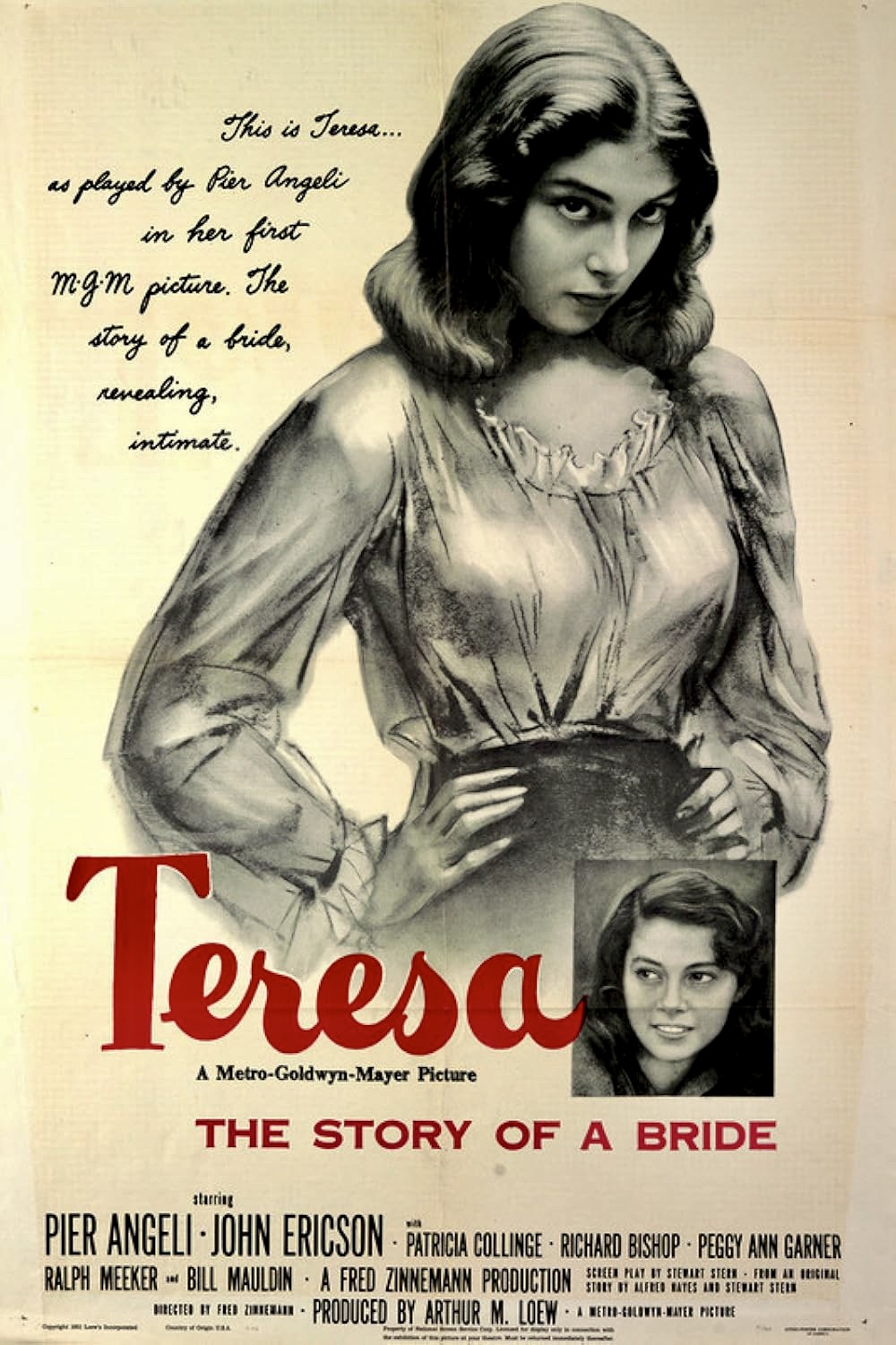
It did receive an Academy Award nomination for Best Story and Screenplay but lost to Billy Wilder, Charles Brackett and D.M. Marshman Jr. for Sunset Boulevard. Nevertheless, Zinnemann remained proud of his achievement and continued to explore similar postwar themes in his subsequent film, Teresa (1951), which focuses on an emotionally disturbed veteran (John Ericson) and his Italian war bride (Pier Angeli).
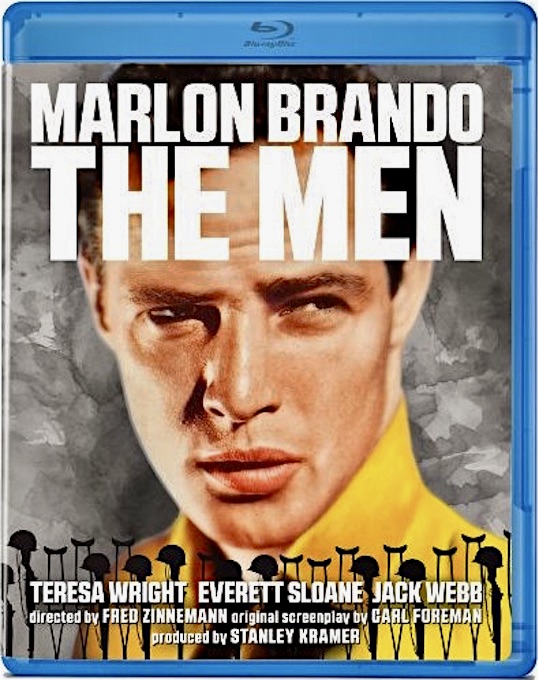
The Men has been released on VHS and DVD by various distributors but probably the best edition to date is the Blu-ray disc released by Olive Films in April 2013.
*This is a revised and updated version of an article that originally appeared on the Turner Classic Movies website.
Other links of interest:
https://www.hollywoodsgoldenage.com/moguls/fred-zinnemann.html
https://www.jeanniemacdonald.com/post/fred-zinnemann
https://spartacus-educational.com/USAforeman.htm
 Cinema Sojourns