
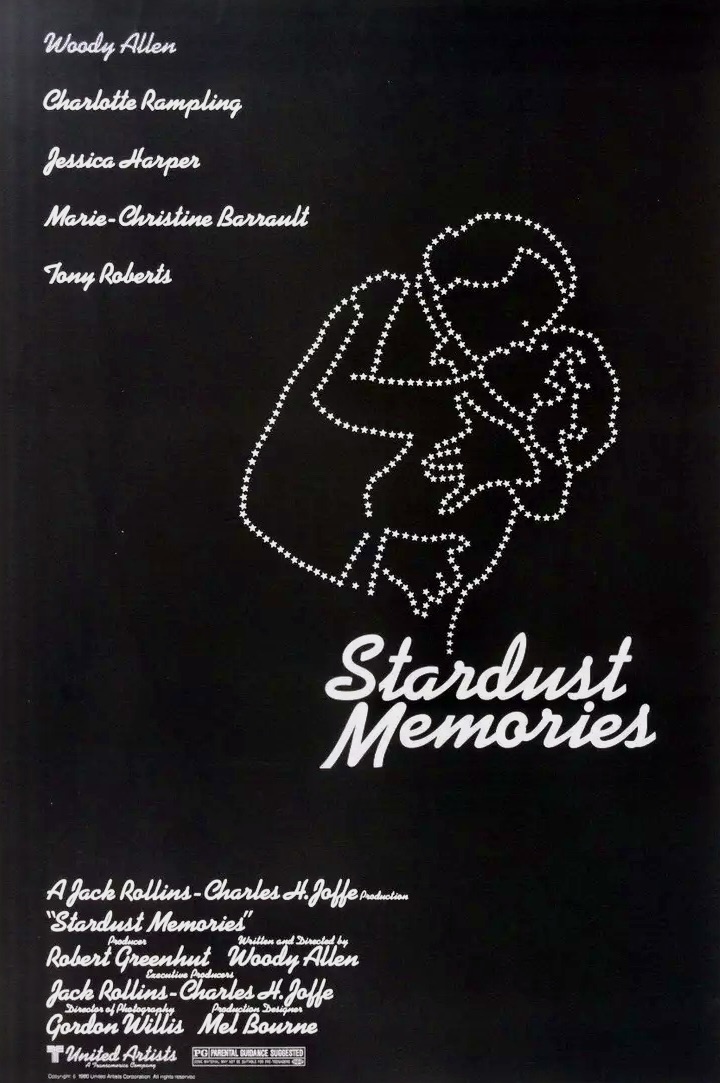
After directing more than fifty feature films including the three-part New York Stories (1989) with contributions from Francis Ford Coppola and Martin Scorsese and the re-edited/re-dubbed version of a Japanese spy thriller retitled, What’s Up, Tiger Lily? (1966), Woody Allen has one of the most impressive filmographies of any living director in Hollywood. Regardless of what you think about him as a person due to the controversy that surrounded his marriage to adopted stepdaughter Soon-Yi Previn, one can’t deny all of the critical acclaim he has amassed over the years, which includes 24 Oscar nominations, three of which won the Academy Award for Best Screenplay (Annie Hall, Hannah and Her Sisters and Midnight in Paris). Not all of his films have been box office hits and some have been minor efforts or polarizing like September (1987) or Deconstructing Harry (1997), but the true acid test for any fan or critic who loves Woody Allen movies is Stardust Memories (1980), his most misunderstood and generally maligned tenth feature about the downside of being famous.
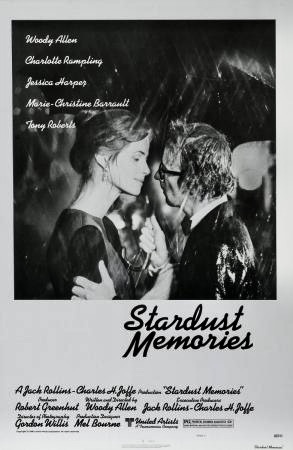
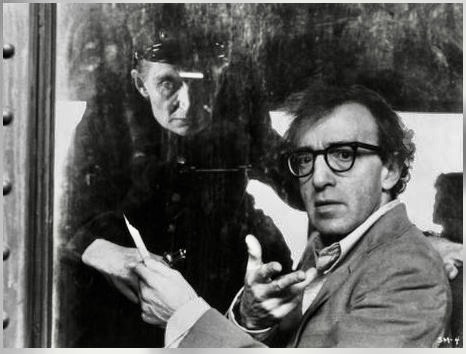
Obviously influenced by Fellini’s 8 1/2 (1963), Stardust Memories follows a prominent filmmaker named Sandy Bates to a weekend movie seminar at the Stardust Hotel in New Jersey where he is besieged by adoring fans and sycophants. Sandy no longer finds any personal satisfaction in his achievements or in his current relationships. And he is further incensed by the studio suits who want him to make funny movies when all he sees is human suffering everywhere.
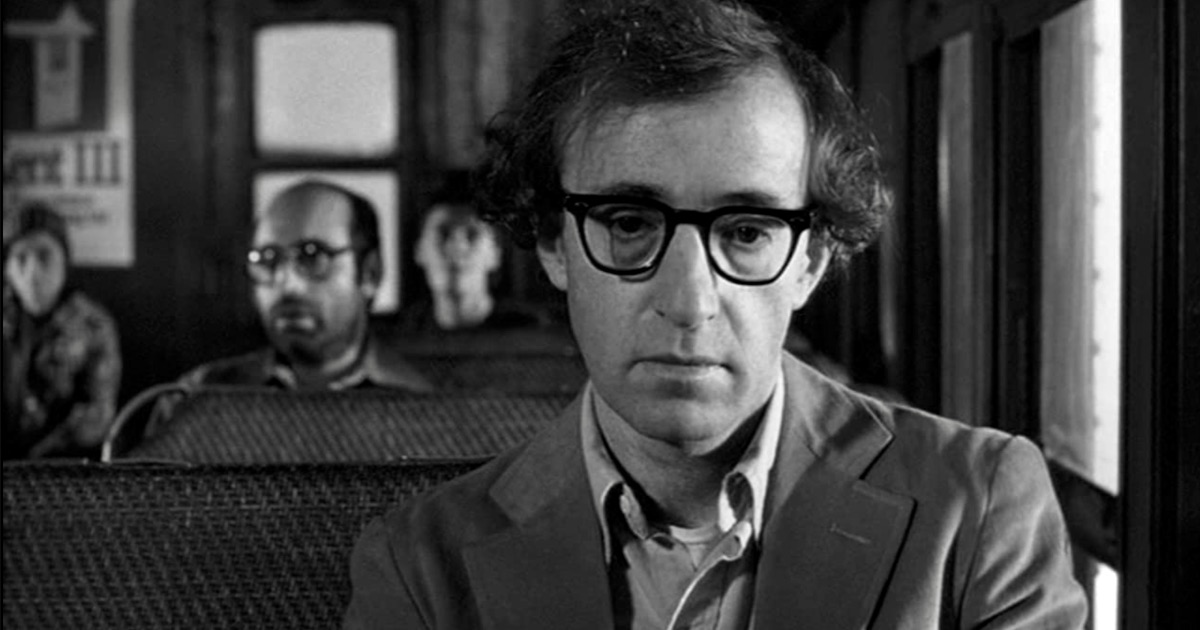
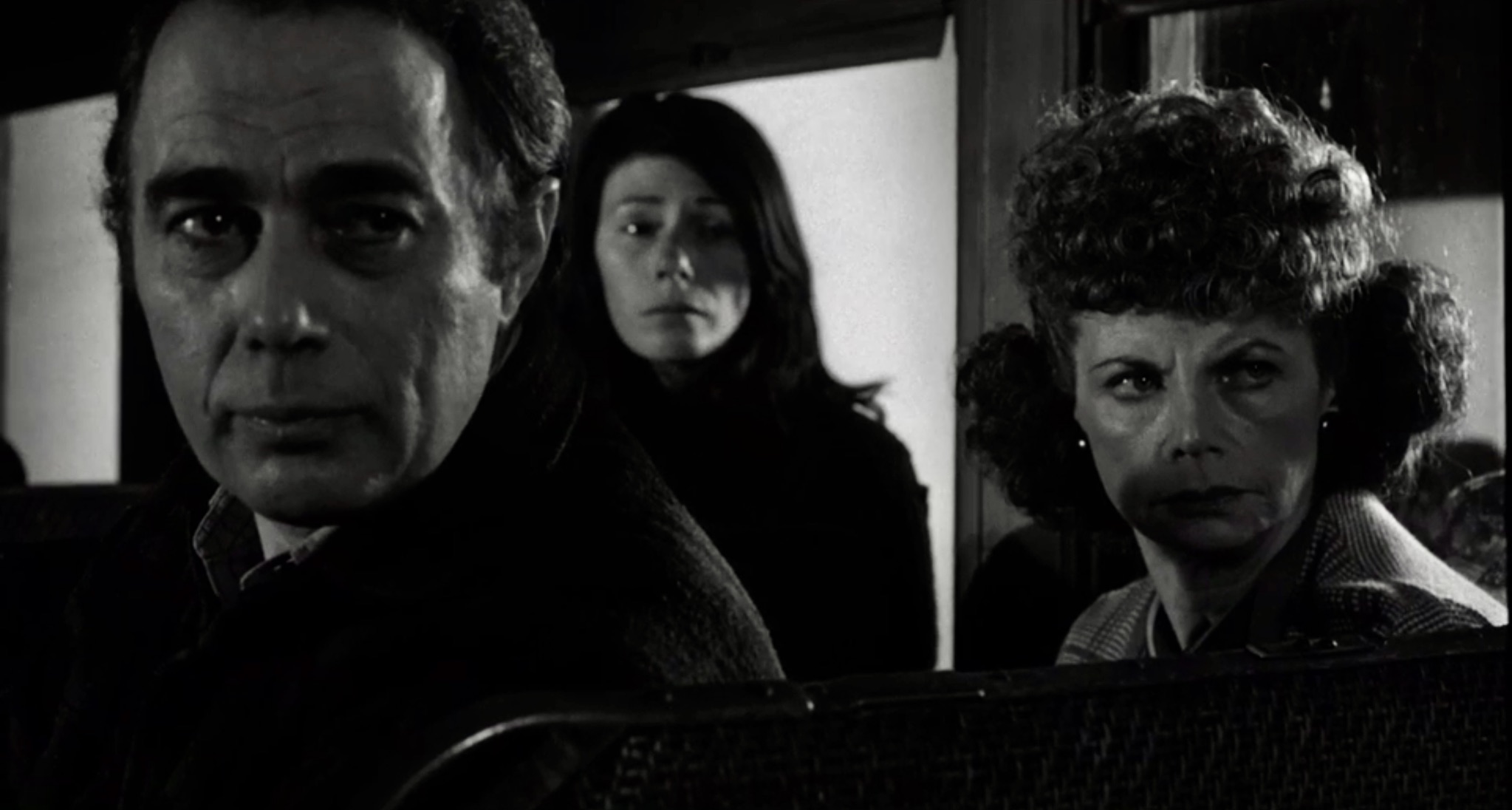
There’s no denying that Stardust Memories paints a bleak picture of Bates’ profession with its stark black-and-white cinematography by Gordon Willis and a gallery of grotesque characters who wouldn’t be out of place in a Diane Arbus photograph or a Hogarth painting. However, it is entirely speculative whether Sandy Bates is really an alter ego for Woody Allen.
Though the director has denied it, many critics felt Allen was using this film to express his disgust with his audience, the critics, and the film industry in general. The New Yorker’s Pauline Kael called the film “a horrible betrayal…a whiff of nostalgia gone bad,” while Andrew Sarris of The Village Voice thought the film seemed “to have been shaped by a masochistic desire to alienate Allen’s admirers once and for all.” Even Charles Joffe, Allen’s steadfast executive producer on most of his films, had his doubts. In an interview in The New York Times, Joffe said, “When I walked out of the first screening, I found myself questioning everything. I wondered if I had contributed over the past twenty years to this man’s unhappiness.”
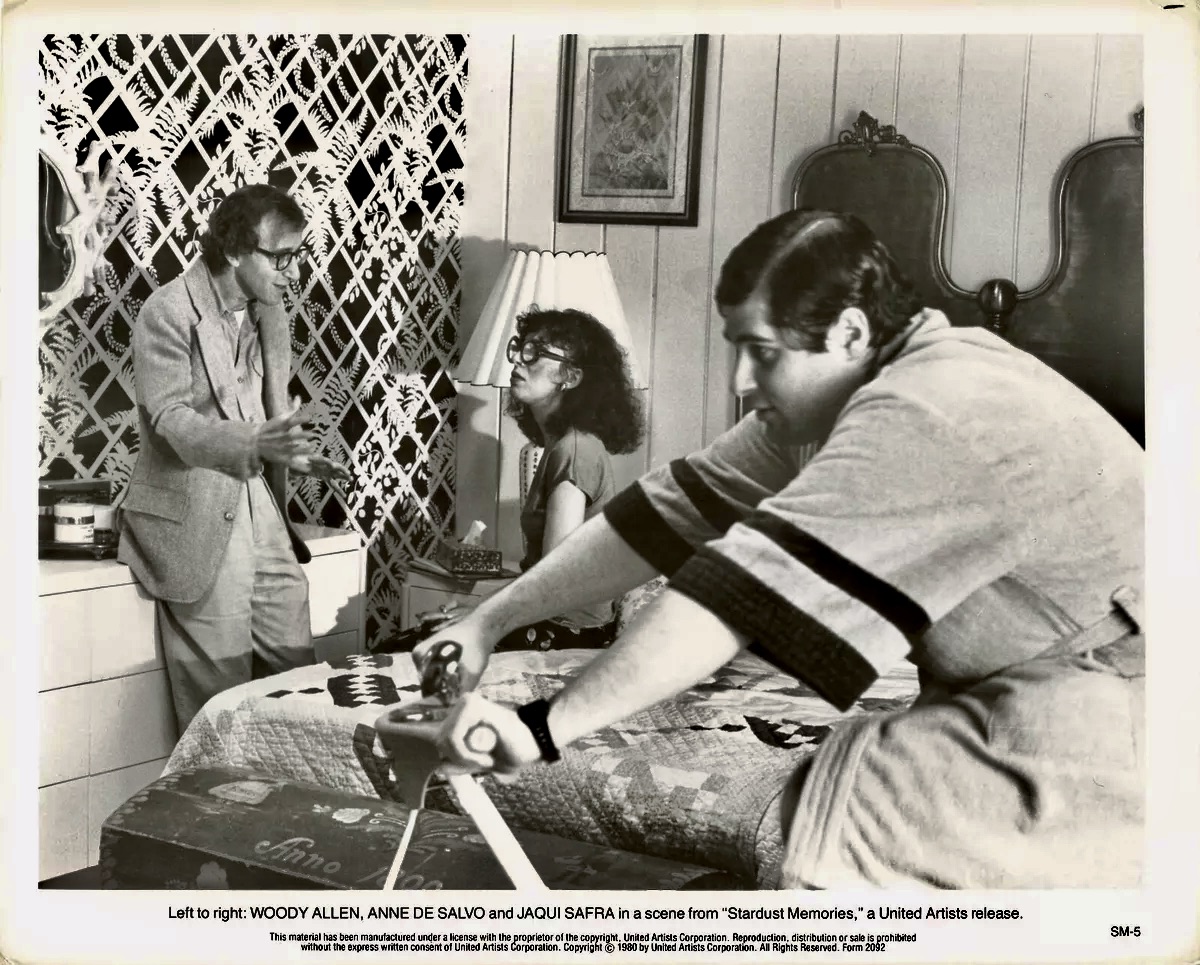
But for Allen, Stardust Memories was about an artist on the verge of a mental breakdown who viewed the world through a distorted state of mind. In an interview with Stig Bjorkman for the book Woody Allen on Woody Allen, the director stated, “That was one of my best films, I thought…But the reaction was like, ‘So you think critics are no good, you think the audience is no good.’ But I said, no, it’s not me. I guess if I’d let Dustin Hoffman or some other actor play the lead, then it would have been much less criticized. I think. It’s only speculation, of course.”
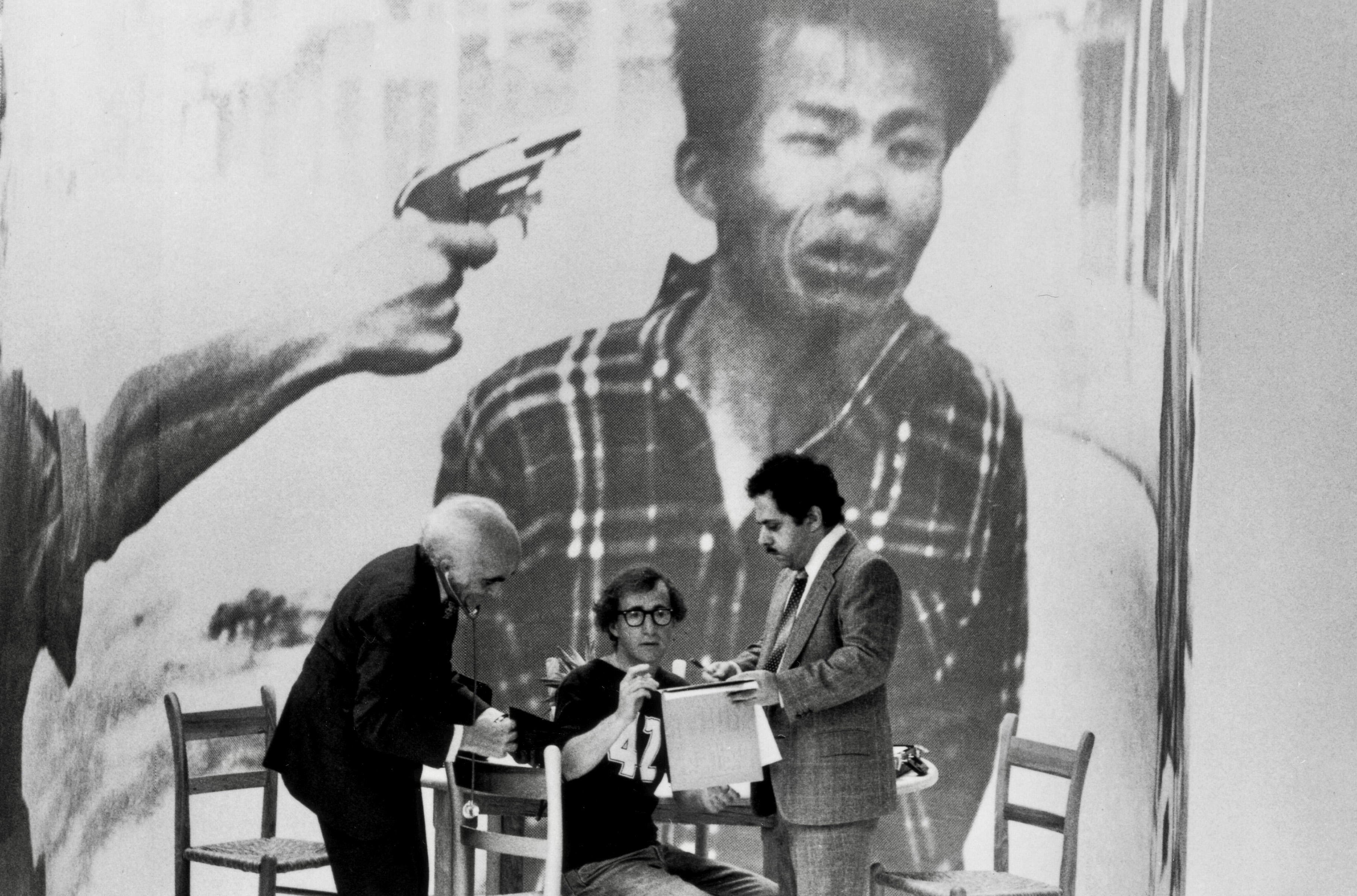
Despite the controversy surrounding Stardust Memories, the film remains one of Allen’s most complex and fascinating works. The satiric jabs at fame and fandom can be sour and mean-spirited but there are also plenty of lighthearted and amusing moments along the way as well as some moving and bittersweet passages, mostly involving the neurotic Dorrie (Charlotte Rampling). It also has to be said that Rampling, Jessica Harper and Marie-Christine Barrault are inspired and refreshingly different casting choices as love interests for the troubled protagonist. Harper, in fact, had originally been offered a supporting role in Allen’s Annie Hall (1977) but had turned it down to appear instead in Dario Argento’s cult supernatural thriller Suspiria (1977).
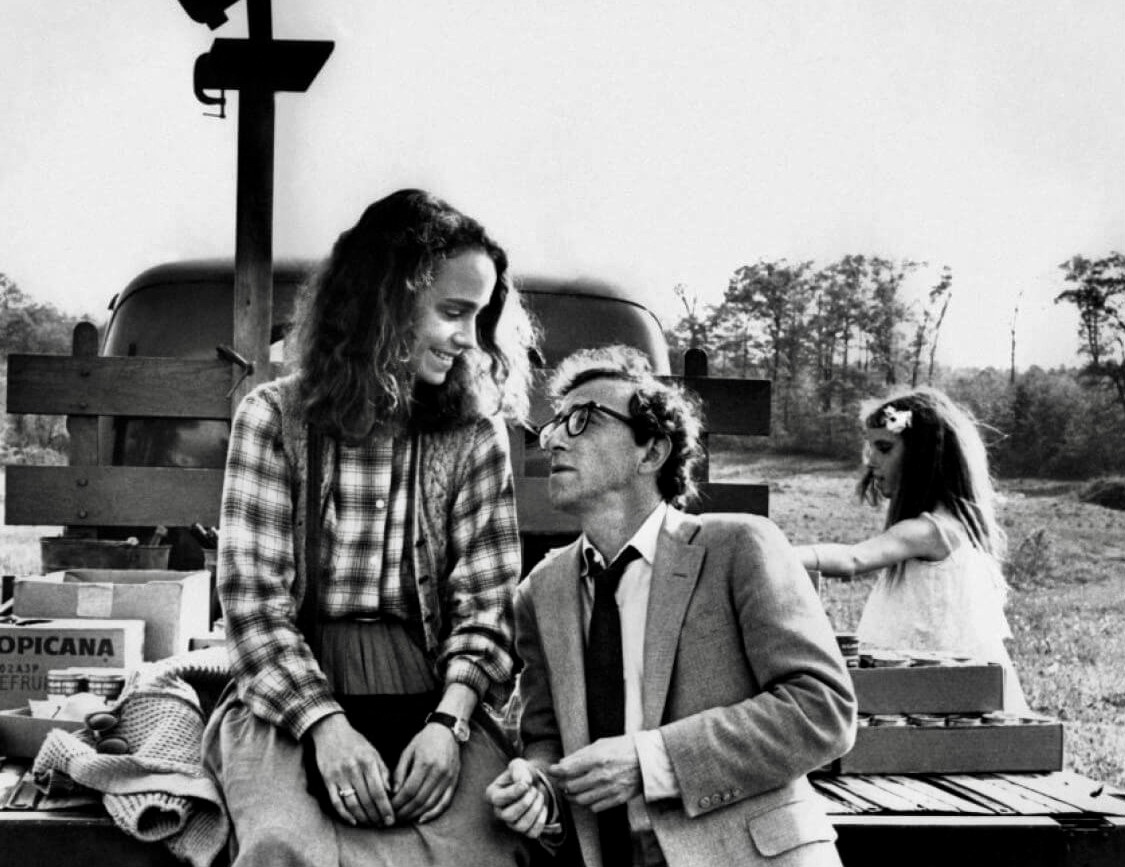
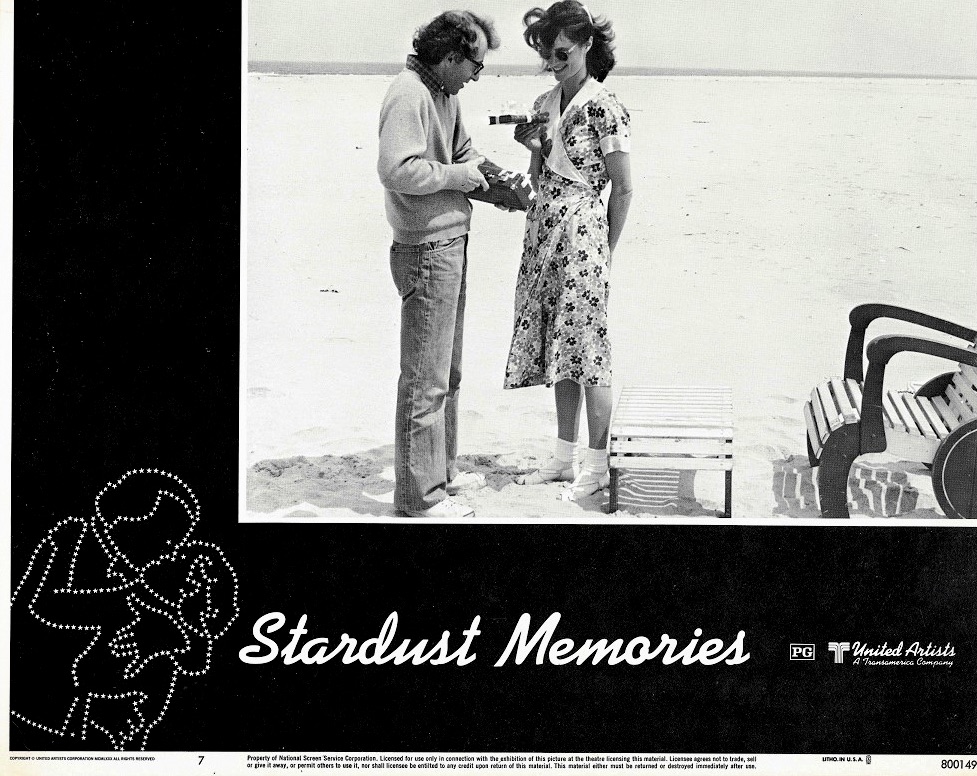
The film was shot over a six month period, mostly in the Nassau area of Long Island with additional locations in Asbury Park, the old Filmways Studio in Harlem, and the Ocean Grove Great Auditorium, which served as the exterior of the Stardust Hotel. The ‘Film Culture’ weekend event in Stardust Memories is modeled on the Tarrytown film seminars organized by movie critic Judith Crist who also has a cameo in a flashback sequence.
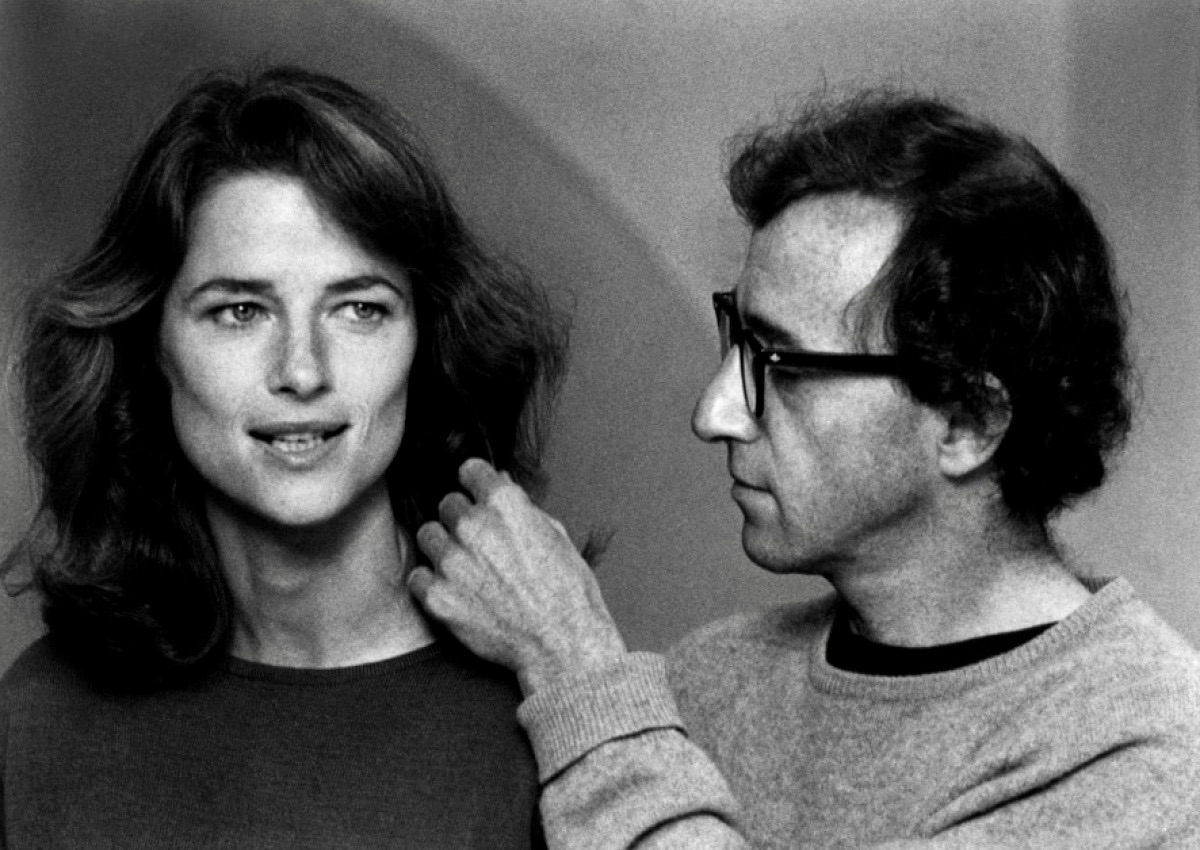
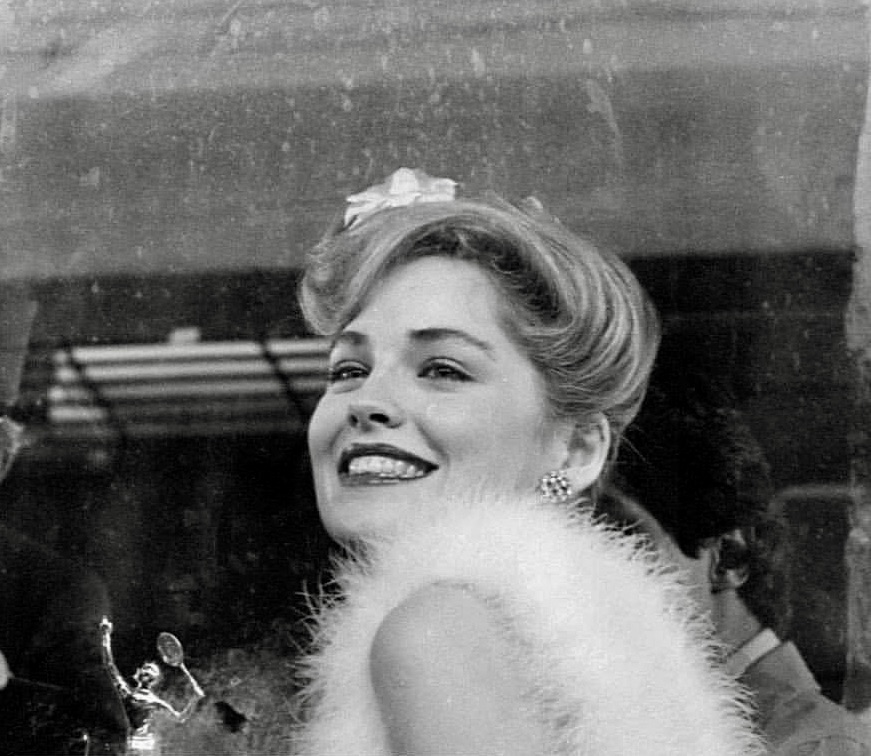
Andy Albeck, the former head of United Artists, also makes a brief appearance as a film mogul who is concerned that Bates’ new movie won’t be funny. And in the opening sequence of the film, you can spot Sharon Stone in her movie debut as the beautiful blonde who blows a kiss to Bates from the opposite train car window.
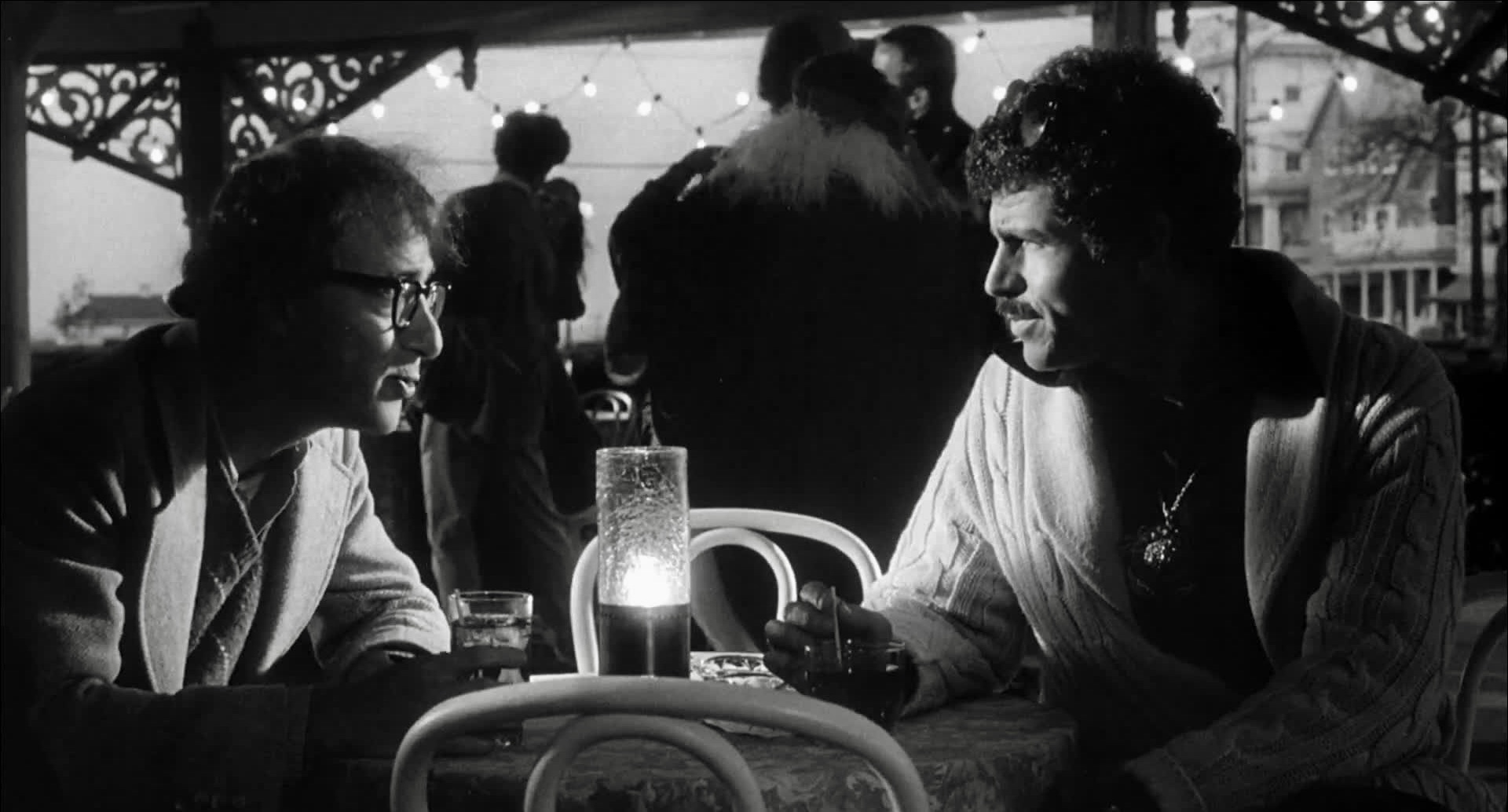
Other actors you may recognize in small bits and supporting roles include Amy Wright as a groupie who sneaks into Sandy’s bed, Allen’s ex-wife Louise Lasser appears as Sandy’s secretary, Saturday Night Live cast member Laraine Newman plays a Hollywood executive, Annie DeSalvo (Arthur, Perfect) stars as Sandy’s sister and Tony Roberts plays the filmmaker’s pal. Roberts, a friend of Allen in real life, had already appeared with Allen in Play It Again, Sam (1972) and Annie Hall and would join him again in small parts in three more Allen films after Stardust Memories – A Midsummer Night’s Sex Comedy (1982), Hannah and Her Sisters (1986) and Radio Days (1987).
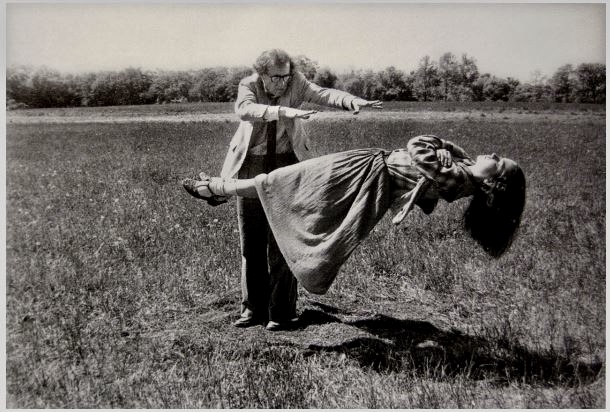
Among the many memorable scenes in Stardust Memories are the comic nightmare where Bates’ ‘hostility’ goes on the rampage in Central Park, pursued by police and tracker dogs; the appearance of an extraterrestrial named Og who confesses he prefers the filmmaker’s earlier films; a sequence which epitomizes Bates’ idea of a perfect day with his former lover, Dorrie (Charlotte Rampling), accompanied by Louis Armstrong’s rendition of “Stardust” on the soundtrack; a paranoid fantasy in which an autograph hound assassinates Bates. The latter sequence would prove to be prophetic when, just a few months later, former Beatle John Lennon was murdered outside his New York City residence by a psychotic fan on December 8, 1980.
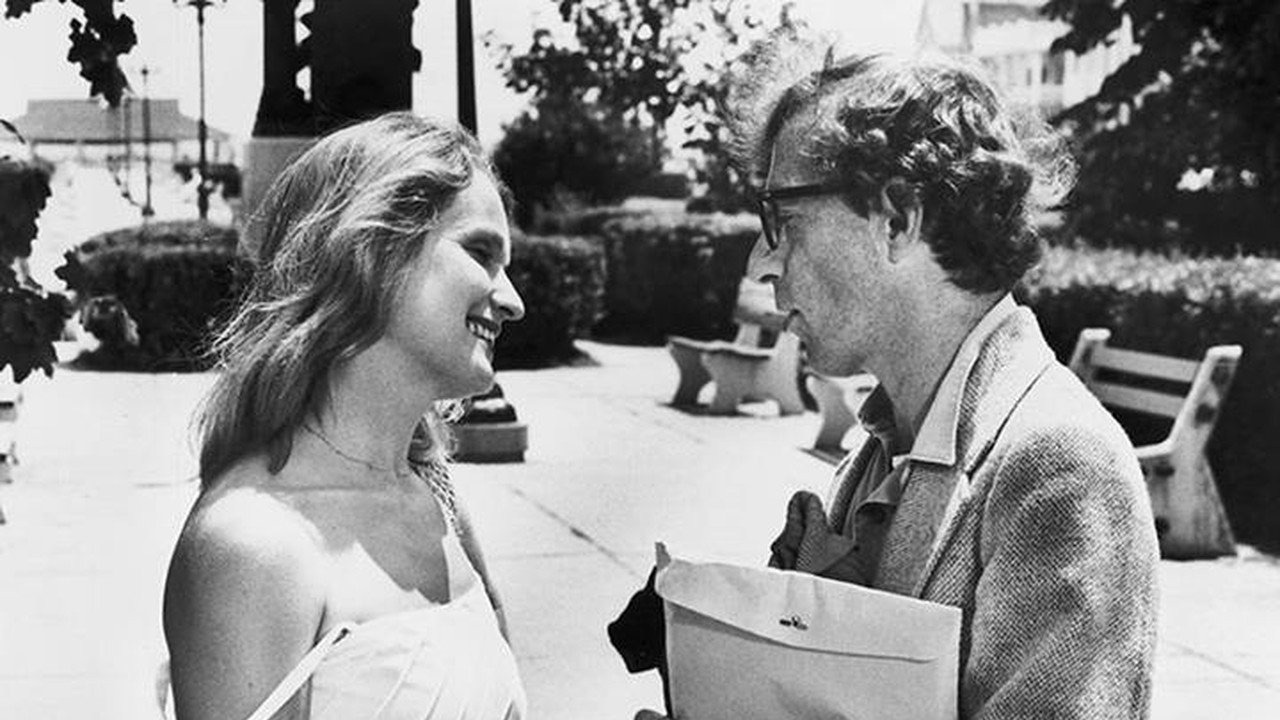
Stardust Memories marked Allen’s fourth collaboration with cinematographer Gordon Willis and the director felt much more self-assured about his creative vision going into the project than he had in previous films. “I felt that I had a command over the technique,” Allen stated in his interview with Stig Bjorkman. “I felt that there was a turning point for me…with Annie Hall and the meeting with Gordon Willis. I felt that the medium was more in my control. And from there on I could use the medium the way I wanted to use it.”
Many Allen fans consider the musical score to Stardust Memories one of the director’s best with several piano solos arranged and performed by Dick Hyman such as Cole Porter’s “Just One of Those Things.” Other standouts include “Tropical Mood Merinque” by Sidney Bechet, “I’ll See You in My Dreams” by Django Reinhardt, “Tickletoe” by Lester Young and “Moonlight Serenade” by Glenn Miller. Too bad the soundtrack is not available on CD or record.
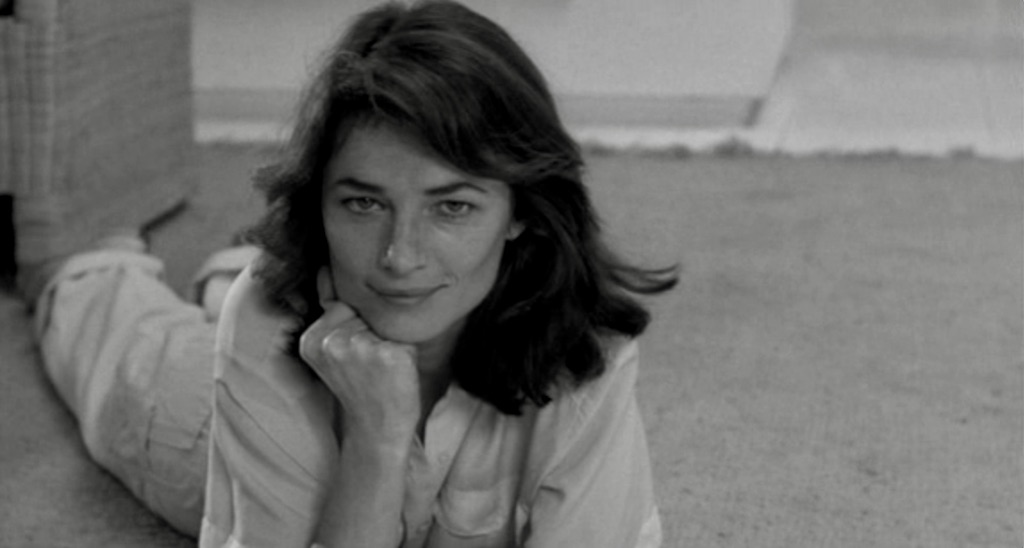
In recent years, Stardust Memories has been reappraised by various critics and is now considered one of his major achievements. Richard Brody of The New Yorker offers his own assessment of the film’s importance among Allen’s work. “…This movie is about much more than the burden of celebrity—the cinematic retrospective gets Sandy to become inwardly retrospective about his own life. Allen didn’t have a whole lot to complain about—only a few years earlier, “Annie Hall” walked away with a parcel of Oscars, and his serious drama “Interiors,” though it didn’t win any, garnered five nominations—but Allen’s kvetches have never been about money or success but about existence itself. In “Stardust Memories,” Allen confronts the ultimate conundrum of the personal artist: all the stuff that gets in the way of the work becomes part of the work, then becomes essential to it. He kvetches, therefore he is—and therefore he can make a film about it and kvetch some more about doing so. The circularity of the self-consuming artist is reflected in the movie’s structure. It’s also a setup that invites catastrophe as a principle of creative destruction, and that, too, is something that Allen audaciously suggests in the film. The break in art that Allen refers to—between “the early, funny ones” and what came later—would also become breaks in life.”
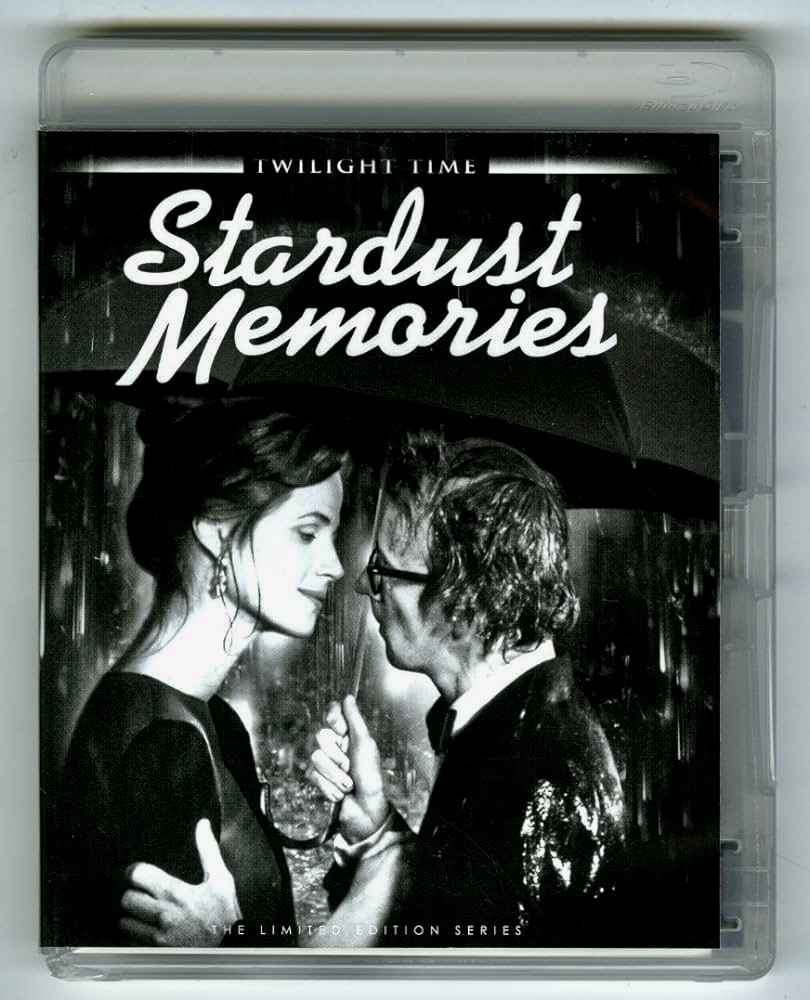
Stardust Memories has been released on VHS, DVD and Blu-ray over the years but probably the best looking edition is the Twilight Time limited edition from December 2016.
*This is a revised and expanded version of an article that originally appeared on the Turner Classic Movies website.
Other links of interest:
https://www.filmcomment.com/article/woody-allen-the-film-comment-interview/
 Cinema Sojourns
Woody never married Mia Farrow – they didn’t even live in the same apartment, so it is a popular conception that Woody married his ‘stepdaughter’ – they were not related.
Otherwise, good post!
Thanks for the correction. I will change it in my post. I think I, like many people, assumed they were married because of all of the children that they adopted.