
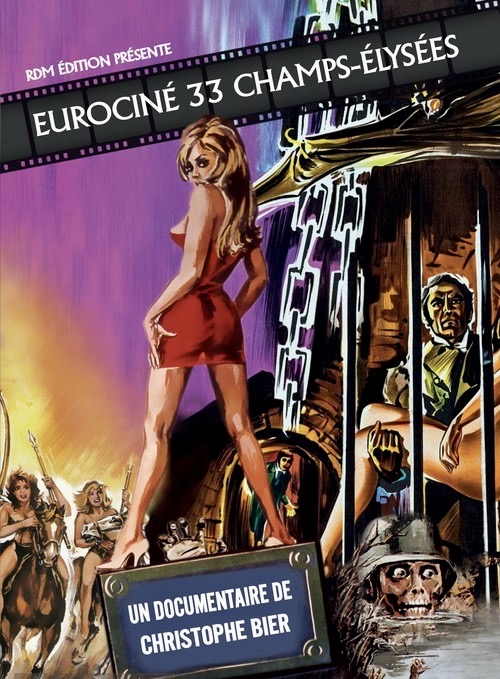
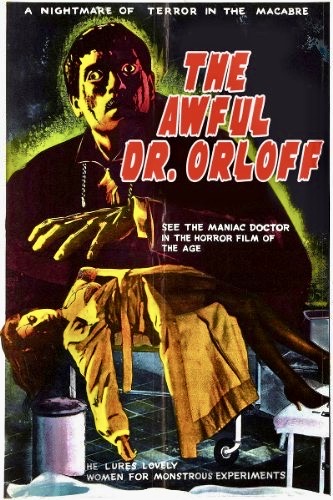
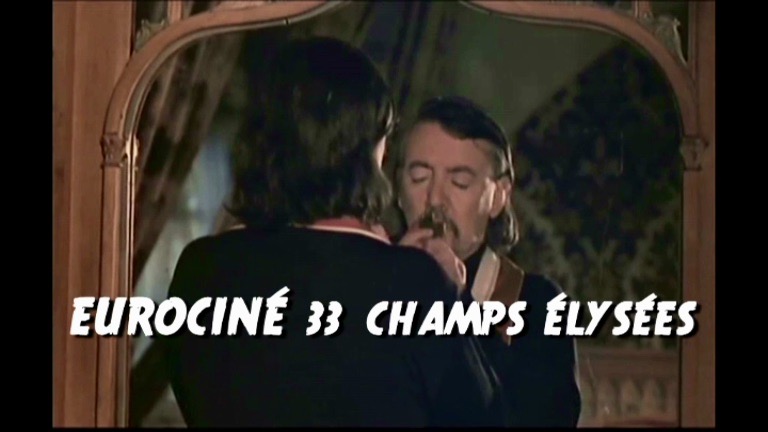
Exploitation films in every imaginable genre from the late fifties to the mid-eighties attracted a specific kind of viewer that enabled U.S. companies like American International Pictures (AIP) and Crown International Pictures to become profitable enterprises through drive-in and grindhouse saturation and later the VHS market. By spicing up their low-budget productions with more sex, violence and subject matter Hollywood avoided, these minor players provided a wildly diverse alternative to mainstream commercial cinema but it wasn’t unique to America alone. Europe also got into the act and the French company Eurocine went from obscurity to cult status for some of its more infamous hits like The Awful Dr. Orlof (1962), Red Hot Zorro (1972), White Cannibal Queen (1980) and Zombie Lake (1982). A behind-the-scenes look at the company’s history and Marius Lesoeur, the man who made it an international brand, is the focus of Eurocine 33 Champs-Elysees (2013), an entertaining and often amusing French documentary which is named after the company’s address in Paris.
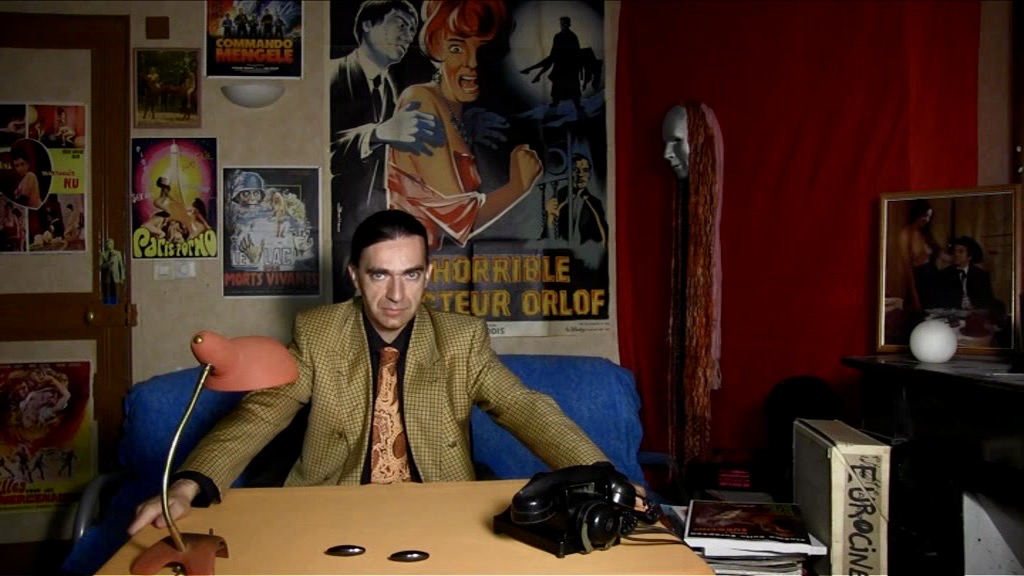
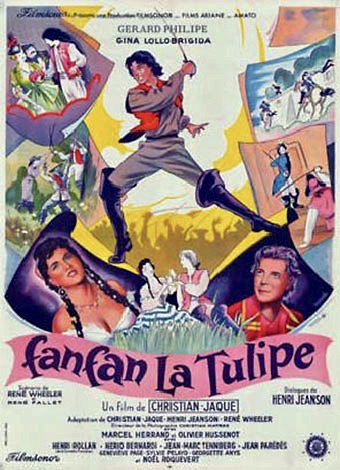
After a lively barrage of clips from several notorious offerings, the documentary, hosted and directed by Christophe Bier, settles into a chronological groove that takes us back to 1957 when Lesoeur took control of the company (which was founded in 1937). Lesoeur came from a family of circus performers and eventually gravitated toward the carnival business, managing and renting rides and attractions under the company name of Studios Mobiles de France. His introduction to the motion picture industry began when he rented fairground amusements to film producers for a sequence in the 1952 swashbuckling adventure Fanfan la Tulipe.
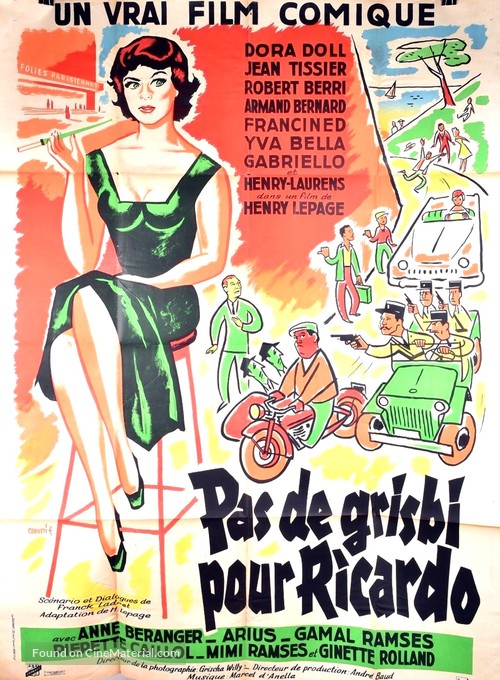
It was only a matter of time before Lesoeur began producing movies and contributing story ideas for Eurocine. Some of his earliest efforts include La Melodia Misteriosa (1956) starring Swiss actor Howard Vernon and the music hall melodrama Pas de Grisbi pour Ricardo (1957). Once he took over the studio, he sought out partnerships with film producers in Spain where he could make films for less money than in France. It also marked the beginning of a long collaboration with Spanish director Jess Franco, who directed The Awful Dr. Orlof, one of the first box office hits for Eurocine under Lesoeur’s management.
Dr. Orlof was ignored by most critics during its initial release as an undistinguished B-horror picture but the film’s mixture of Gothic horror, eroticism, female nudity and sadism was highly influential. It set the tone for future Eurocine productions that increased and exploited the sex and violence aspects.
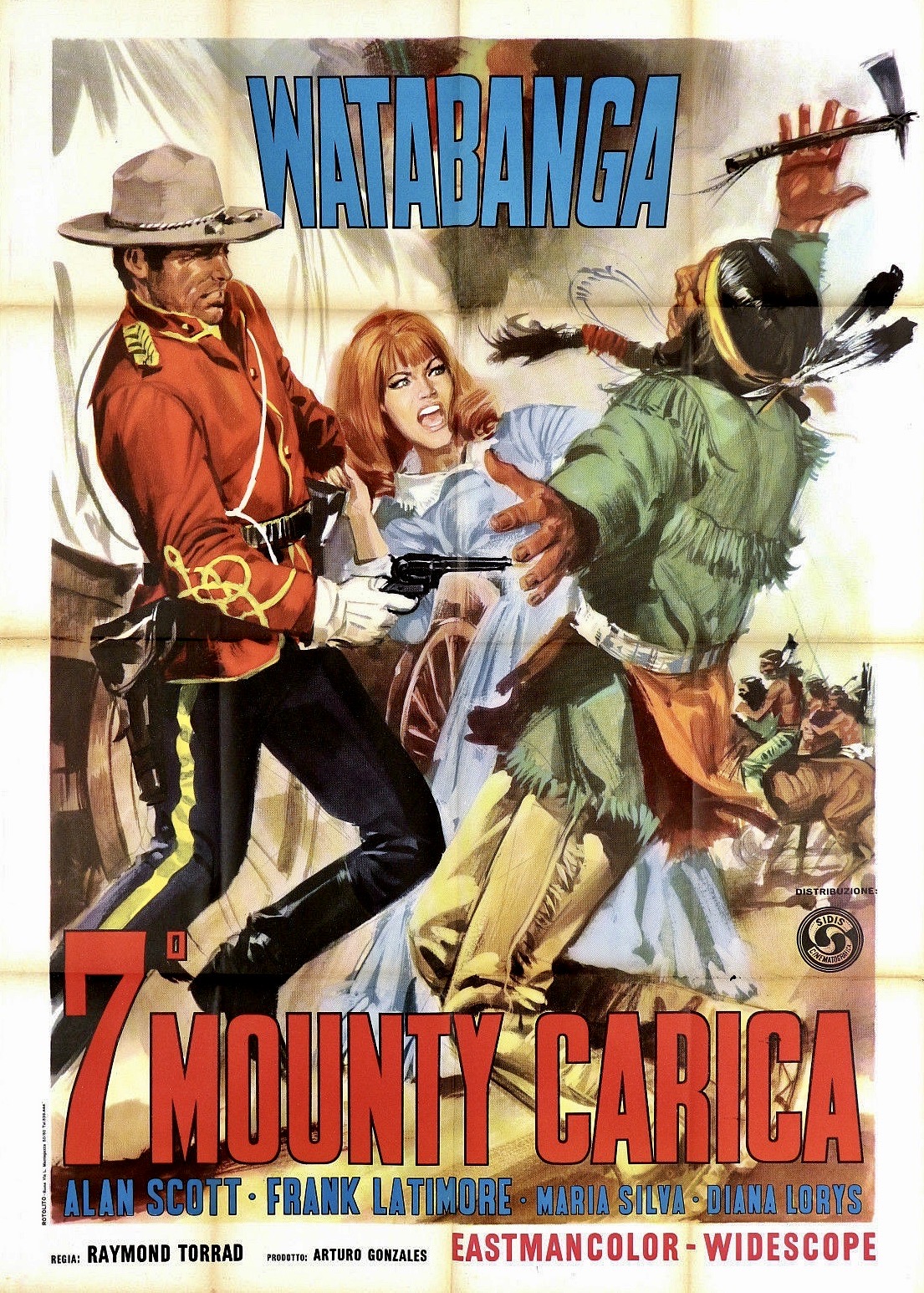
Lesoeur was also one of the first French film producers to make American-style westerns in Europe (Le Tre Spade di Zorro, Cavalry Charge aka La Carga de la Policia Montada) and was even approached by Italian producer Alberto Grimaldi to partner with him on a movie entitled A Fistful of Dollars. He turned down the offer (which he later regretted) because he couldn’t justify the high production budget for a film French moviegoers might snub at the box office. But Lesoeur was always budget conscious and made American maverick Roger Corman look like a spendthrift.
Lesoeur would soon become famous for shooting two or more movies at the same time, redressing the sets as needed, and requiring his cast and crew to often work 12 to 15 hours a day (There was no union to monitor this). The producer would also inject more sex and nudity into his films as censorship restrictions eased up in the more permissive climate of the late sixties and early seventies.
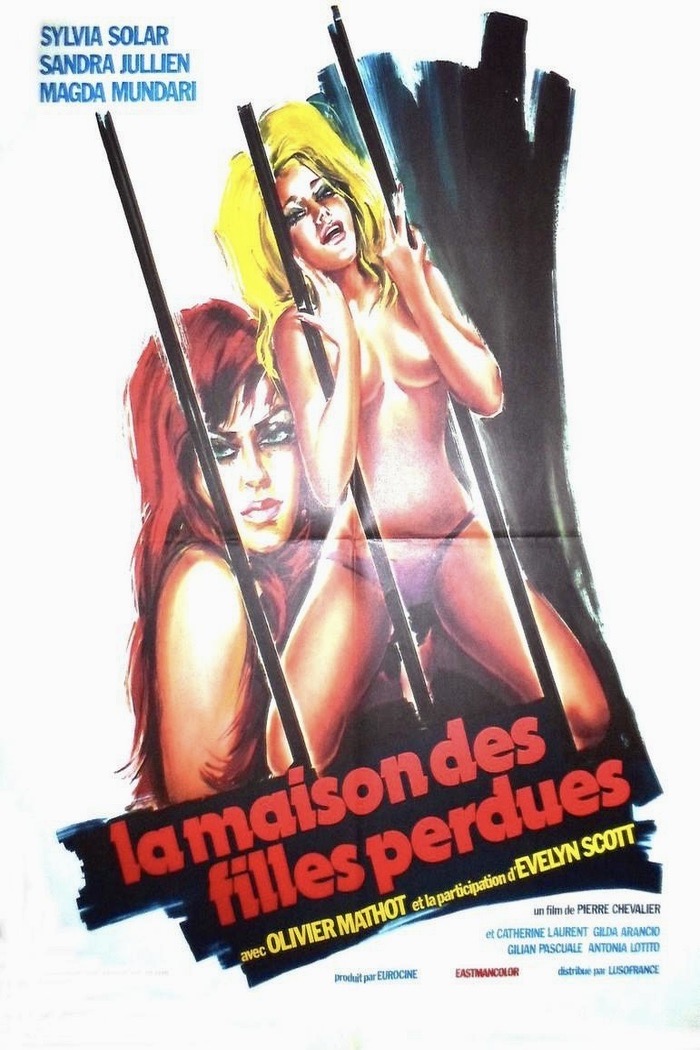
Softcore exploitation titles like Pigalle Carrefour des Illusions (1973), La Maison des Filles Perdues aka House of Cruel Dolls (1974), a White Slave trade expose, and Ladies House of Pleasure (1974) had minimalistic storylines that provided the framework on which to hang countless sequences of women stripping, getting completely naked and having sex…and the predominantly male audiences weren’t complaining.
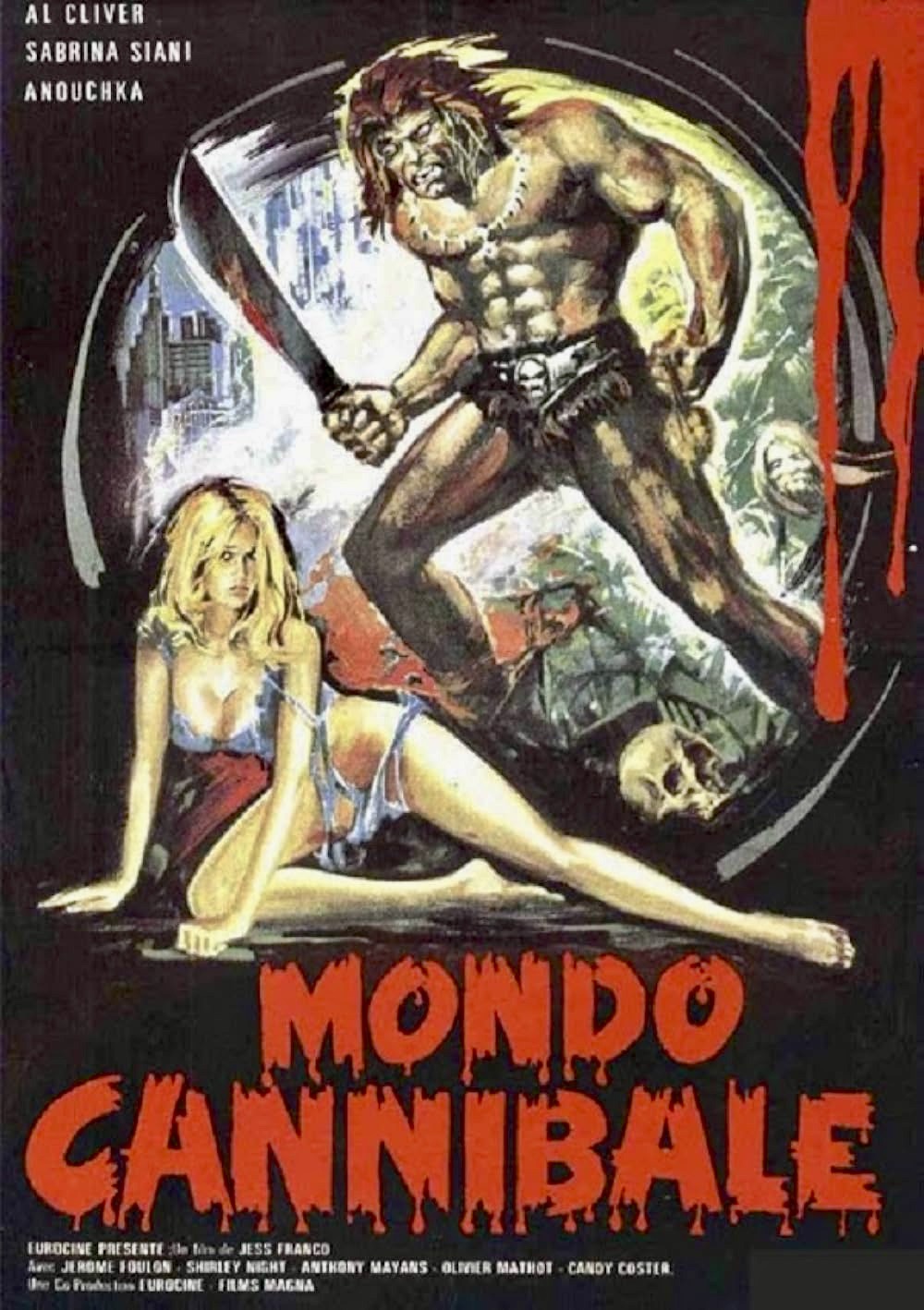
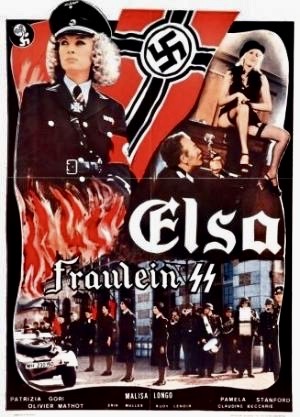
Eurocine releases were not known for their originality and Lesoeur may have been motivated to launch several subgenres for the company based on past successes by other directors. For example, Italian director Umberto Lenzi’s The Man from Deep River aka Sacrifice! (1972) and Ruggero Deodato’s Cannibal Holocaust (1980) might have inspired Lesoeur to cash in on the grisly jungle adventure/cannibal craze with White Cannibal Queen (1980). Lee Frost’s sleazy melodrama Love Camp 7 (1969) could have been responsible for Eurocine’s numerous exploitation films about Nazi experiments and prison camps like Hitler’s Last Train (1977), Elsa Fraulein SS aka Captive Women 4 (1977) and Commando Mengele aka Angel of Death (1985).
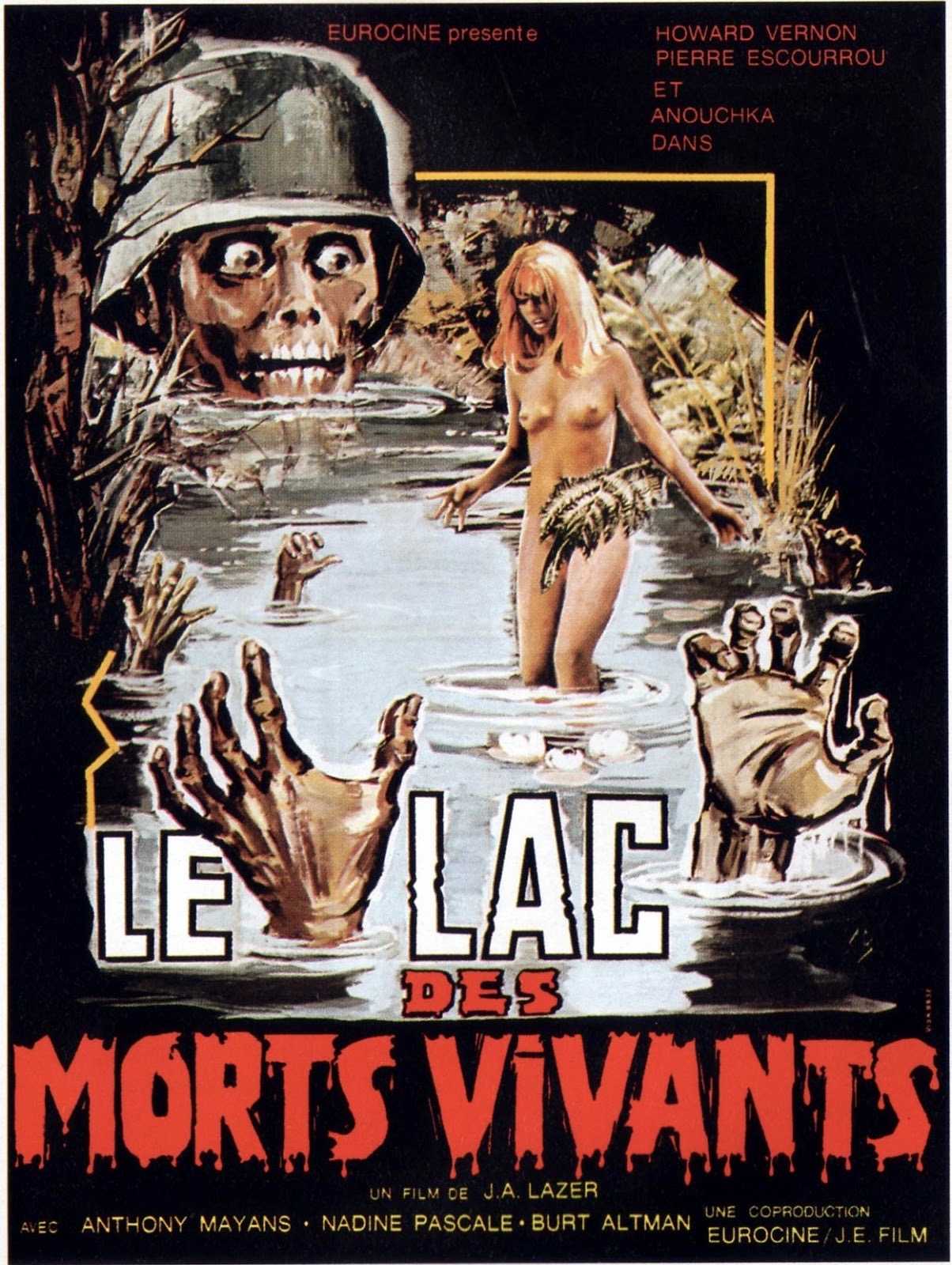
Speaking of Nazis, one of Eurocine’s most popular titles was Zombie Lake (1982), which seems like a rip-off of Shock Waves (1977), an atmospheric, better-than-average horror flick directed by Ken Wiederhorn. In that film, mad scientist John Carradine resurrected the bodies of dead German soldiers to create a super race that can live underwater and are seemingly indestructible. Zombie Lake, directed by Jean Rollin under the alias J.A. Lazer, features a similar plot where Nazi zombies emerge from a lake to terrorize a French village. It was so successful it spawned a sequel, Oasis of the Zombies (1982), directed by Jess Franco, but even die-hard horror fans have a hard time defending these no-budgets wonders. Yet, these two films hold enormous appeal for a fanbase that loves inept filmmaking of the lowest order – bad acting, nonsensical plot twists, terrible makeup and gore effects and glaring continuity errors. For some, Zombie Lake and Oasis of the Zombies are as deliriously entertaining as Ed Wood Jr.’s Plan 9 from Outer Space (1957) and Bride of the Monster (1955).
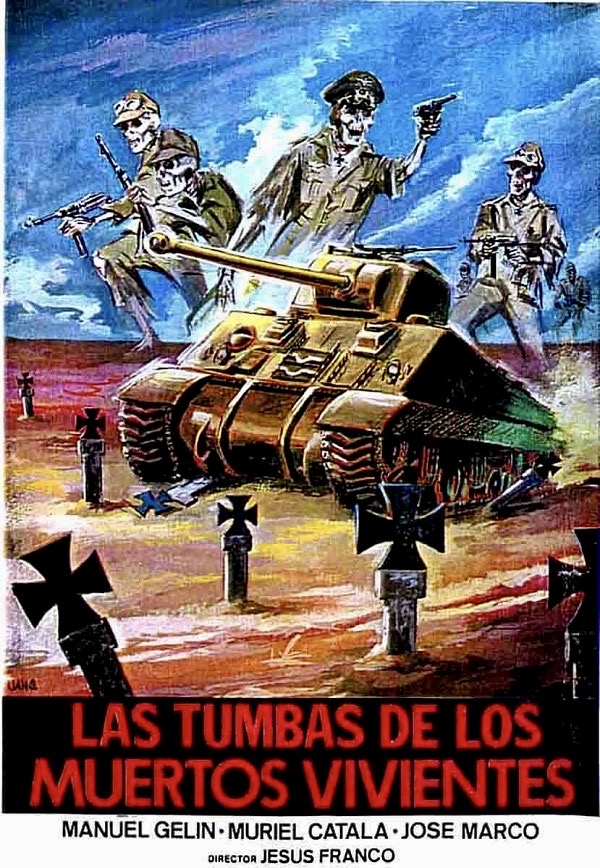
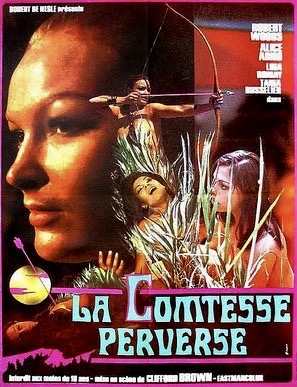
It is true that much of Eurocine’s output was mindless softcore fare or outright garbage but one man’s trash is another man’s treasure and the popularity of VHS in the 70s and 80s helped Lesoeur carve out a profitable niche market (His son Daniel came on board in the early seventies as a producer to help oversee films like The French Sex Murders [1972] and A Virgin Among the Living Dead [1973]). Still, there are a few Eurocine titles that have become cult classics and stand up to repeat viewings like the aforementioned The Awful Dr. Orlof, The Sadistic Baron Von Klaus (1962), the noir revenge thriller La Muerte Silba un Blues aka Death Whistles the Blues (1962), the sexually obsessive Eugenie de Sade (1973) with Soledad Miranda in her final film role (she died in a car crash at age 27) and La Comtesse Noire aka Female Vampire (1983).
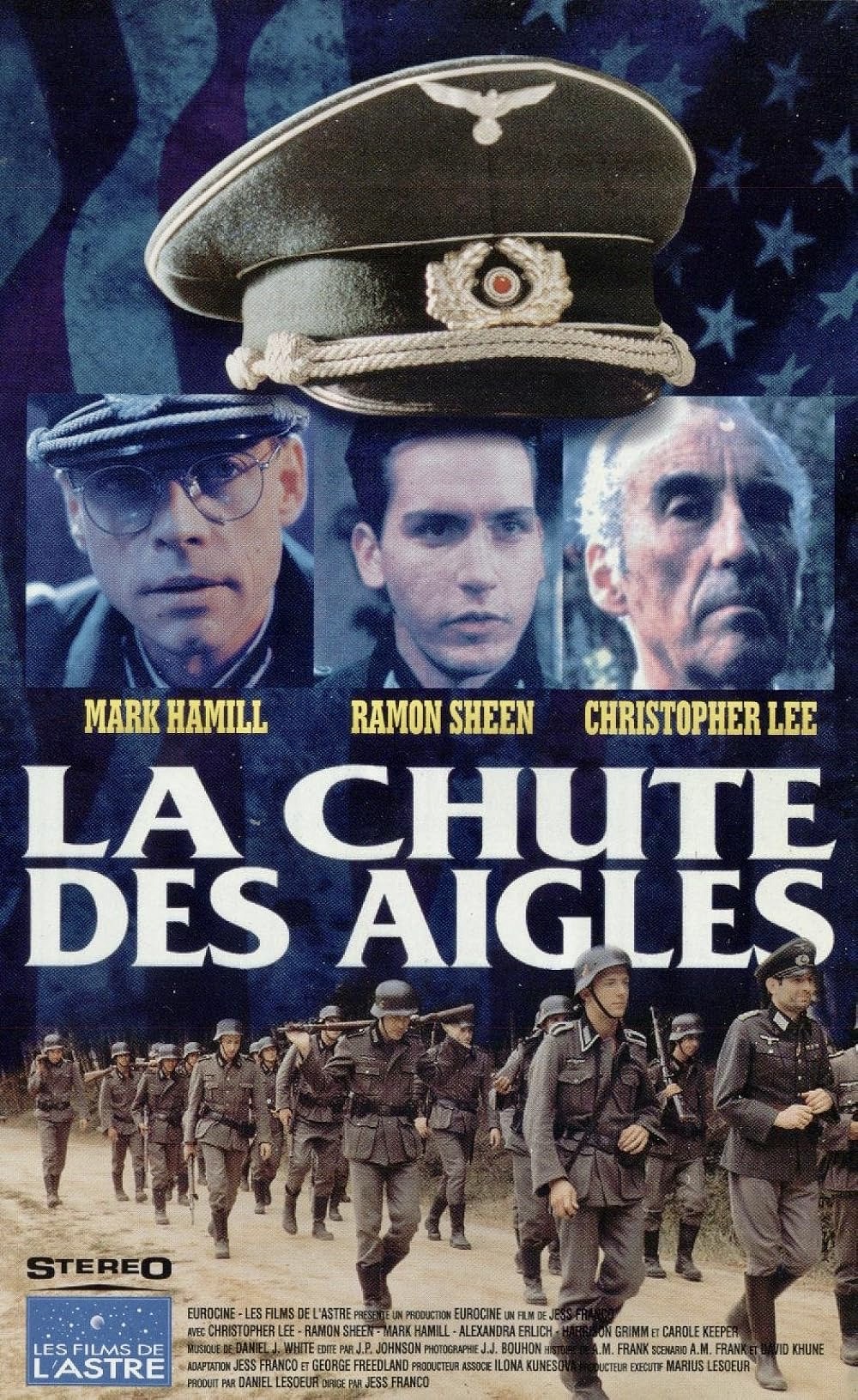
La Chute des Aigles aka Night of the Eagles (1989) starring Christopher Lee and Mark Hamill in a Nazi war drama was the last official release of Eurocine but the company continues to enjoy healthy residuals from the constant re-release of their films on DVD, Blu-ray and streaming platforms like Amazon Prime.
Overall, Eurocine 33 Champs-Elysees is a fun 67-minute ride which is supplemented by plenty of movie clips and interviews with former Eurocine directors and actors, providing fascinating accounts of their experiences there. The documentary could easily have been expanded into a mini-series with an entire segment devoted to director Jess Franco’s work alone. But it’s better to leave the viewer wanting more instead of overindulging them.
Eurocine 33 Champs-Elysees is not currently available on any format in the U.S. but you might be able to purchase a (PAL format) DVD copy from online sellers in France if you own an all-region DVD player. This is the sort of film that a Blu-ray distributor like Vinegar Syndrome or Severin Films should consider picking up for a domestic stateside release.
Other links of interest:
https://www.etrangefestival.com/2023/en/program/une-soiree-avec-christophe-bier
 Cinema Sojourns