
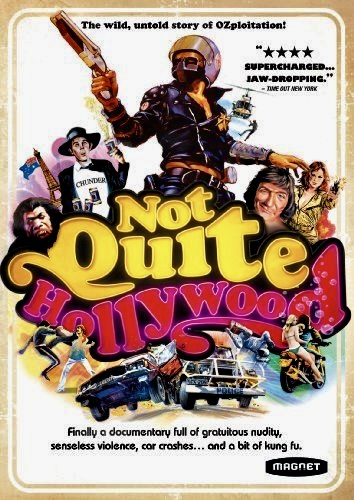
Many countries are well known for their film industry but Australia was not one of them until the early 1970s due to the efforts of prime ministers John Gorton (1968-1972) and Gough Whitlam (1972-1975) who instituted various forms of government support for filmmaking and the arts. Thanks to their encouragement, a number of talented directors emerged from Australia and went on to enjoy international careers with such diverse work as Picnic at Hanging Rock (Dir: Peter Weir, 1975), The Chant of Jimmie Blacksmith (Dir: Fred Schepisi, 1976), My Brilliant Career (Dir: Gillian Armstrong 1979) and Breaker Morant (Bruce Beresford, 1980). This creative movement, known as the Australian New Wave, was often focused on the country’s past and often resulted in critically acclaimed art house fare but not really box office hits in its own country. What is interesting is that the seventies also saw the rise of many Aussie filmmakers who specialized in genre fare and it was their work that generated large revenue streams at home and around the world, especially in the U.S.
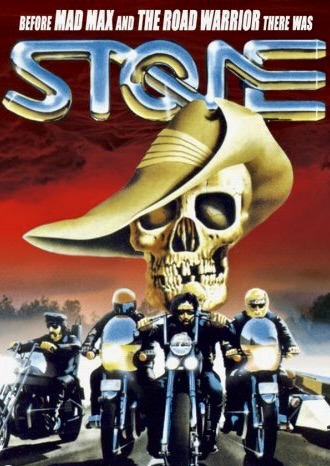
The most successful of these commercial films tended to be sex comedies, horror/fantasy or action/adventure thrillers and were much more representative of contemporary Australian culture than award-winning historical chronicles like Philip Noyes’s Newsfront (1978). It was also the over-the-top quality and extreme nature of these B-movies that earned the moniker of Ozploitation and resulted in such classic cult hits as Time Burstall’s Alvin Purple (1973), Sandy Harbutt’s Stone (1974), Richard Franklin’s Patrick (1978), and George Miller’s Mad Max (1979). If you want a crash course in this raucous period in the Aussie film industry which lasted until the late 1980s, Not Quite Hollywood: The Wild, Untold Story of Ozploitation, written and directed by Mark Hartley, is just the ticket to whet your appetite.
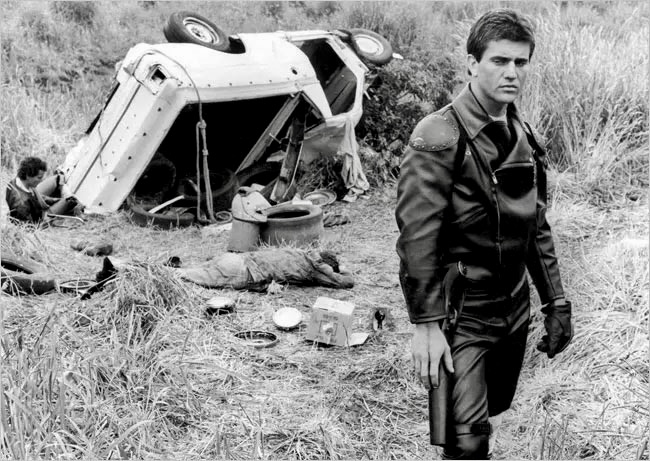
First of all, you should be aware that Hartley’s documentary with its adrenalin-fueled pacing, whiplash editing and rock ‘n’ roll score plays like a greatest hits reel of the most outrageous and extreme highlights from the films depicted. It’s almost too much of a good thing and you might be exhausted by the end.
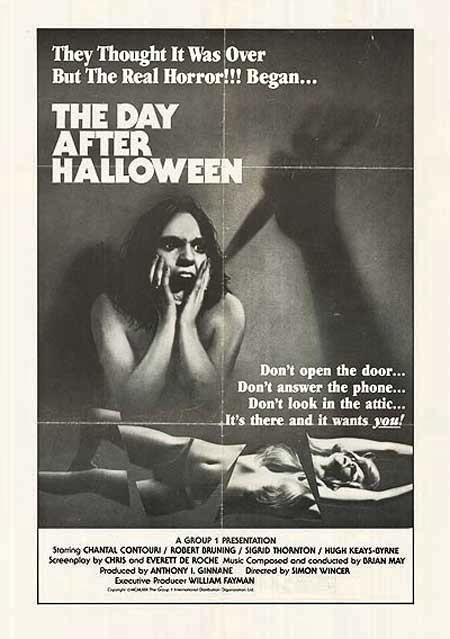
In addition, most of the movies reflect the macho interests and attitudes of the male dominated film industry and its target audience so expect to see a lot of female nudity, some of it featuring high profile actresses you don’t usually associate with softcore exploitation films like two-time Oscar nominated actress Jackie Weaver in Stork (1971), Wendy Hughes in High Rolling in a Hot Corvette (1977), and The Man from Snowy River’s Sigrid Thornton in The Day After Halloween aka Snapshot (1979). The fixation on large breasts might make you think Russ Meyer directed this under an alias but there is also a surprising amount of male frontal nudity too.
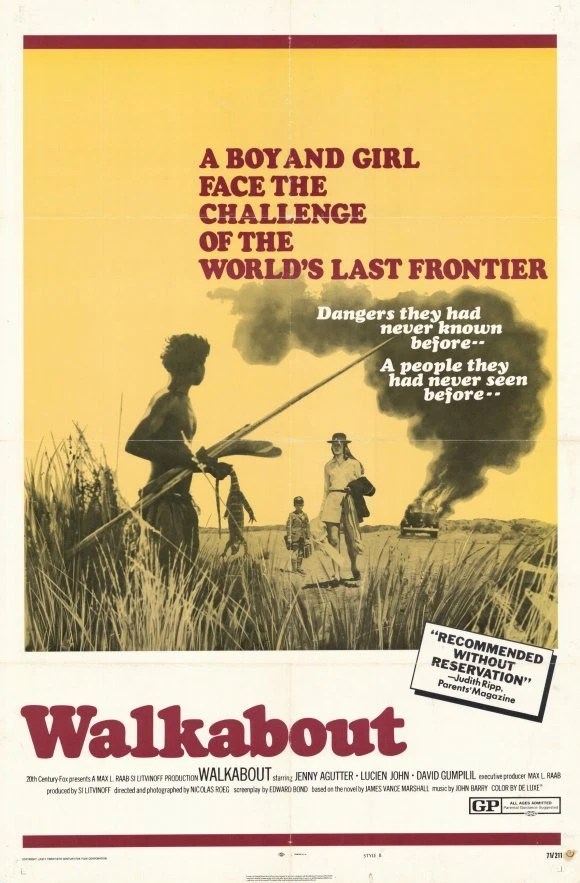
Ironically, the first two films made in Australia in the early seventies to receive international attention were not actually part of the Australian New Wave or the local film industry and were made by non-natives. Walkabout (1971), from London born filmmaker Nicholas Roeg, was a survival tale about a sister (Jenny Agutter) and brother (Luc Roeg) from the city who were stranded in the Outback until an Aboriginal boy (David Gulpilil) came to their aid. Wake in Fright aka Outback (1971), directed by Canadian filmmaker Ted Kotcheff, depicted the horrific misadventures of a schoolteacher (Gary Bond) on holiday in the New South Wales wilderness. Both films played the art house circuit but Wake in Fright also crossed over into Ozploitation territory due to its intense scenes of violence including a nighttime hunt for kangaroos and a male rape. In fact, some of the most harrowing scenes from Kotcheff’s film get showcased in Hartley’s documentary.
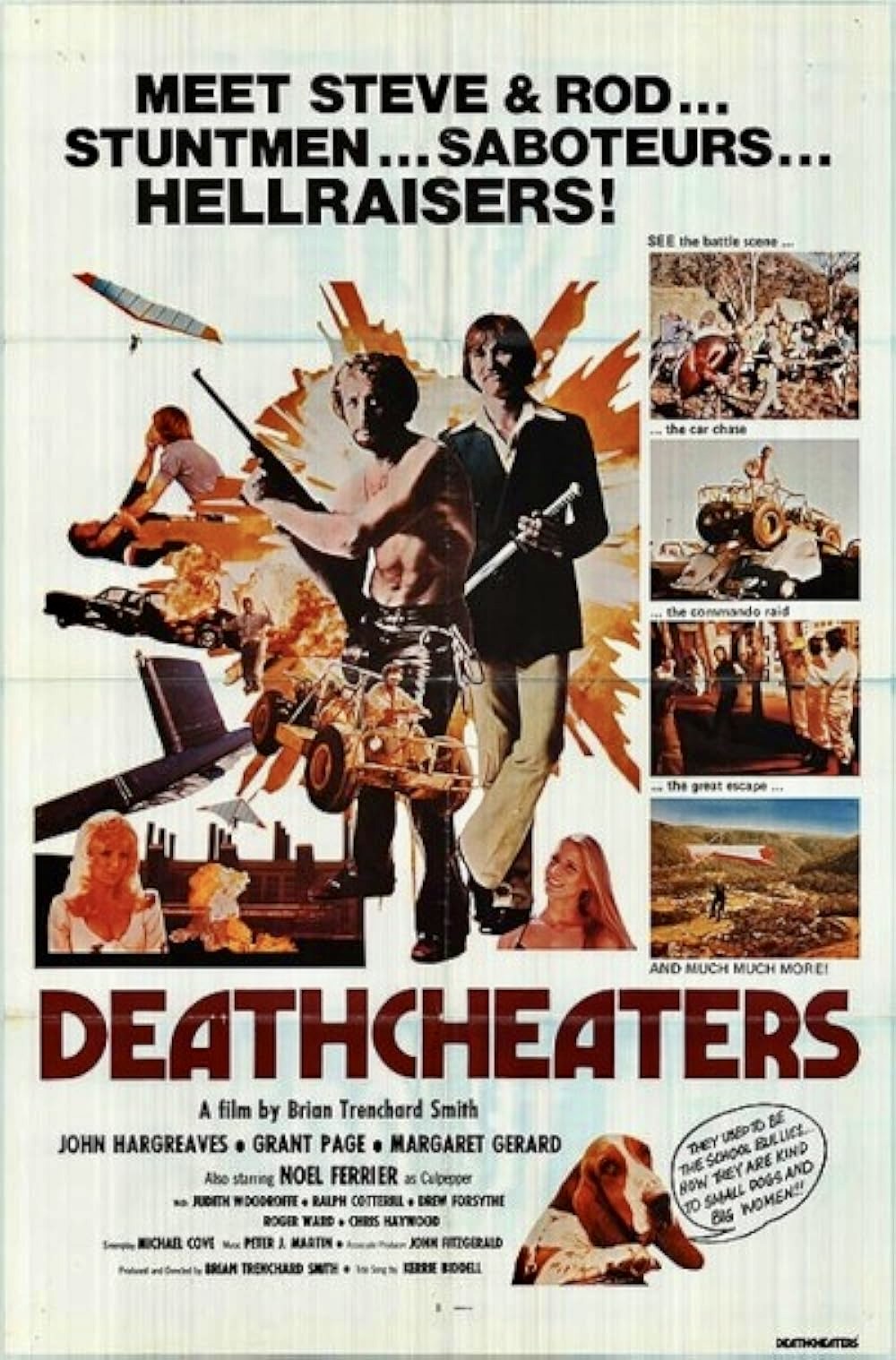
Not Quite Hollywood is presented in three chapters with the first focused mainly on raunchy sex comedies while the middle section is devoted to horror/sci-fi thrillers and the final third celebrates violent action and dangerous stunts, especially involving cars. Like America, Australia is a car culture mecca and some of the stuntmen performing high speed chase scenes look just as reckless and death-defying as the nihilistic characters they play in Max Max, Deathcheaters (1976) and other films.
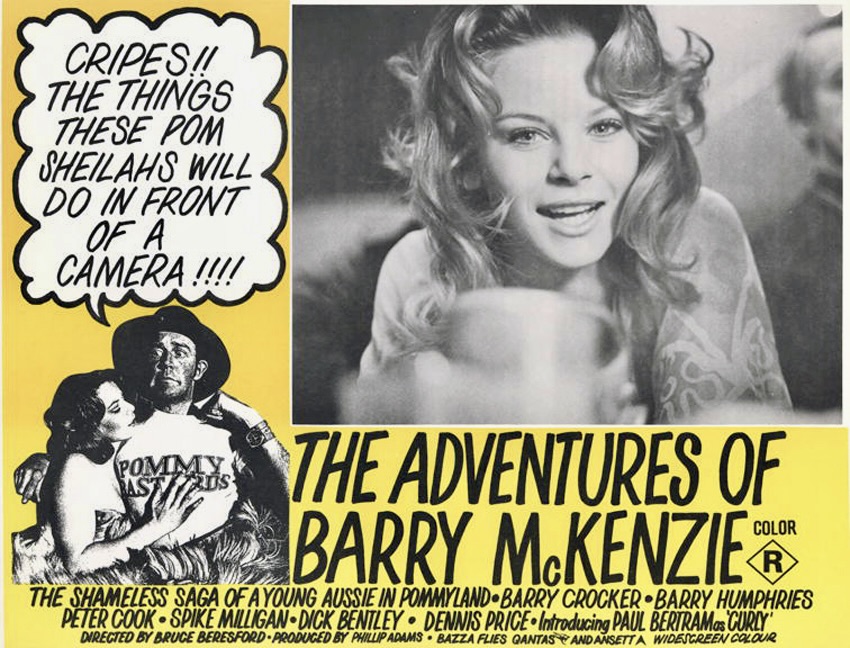
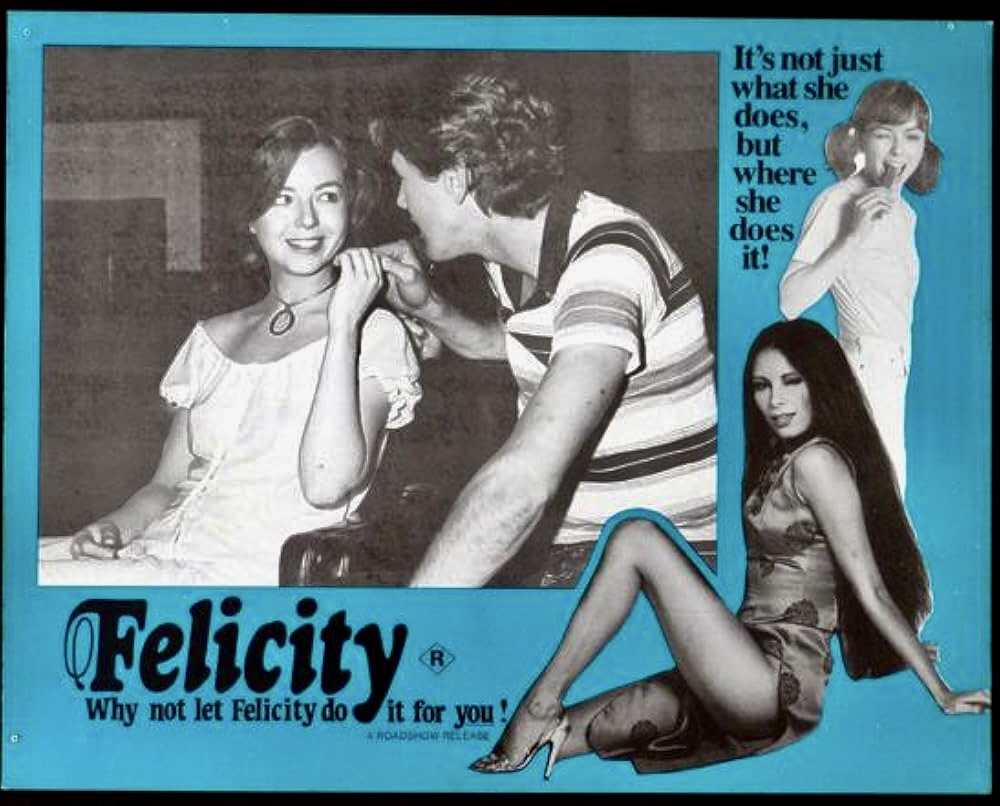
Among the most popular sexploitation comedy hits was The Adventures of Barry McKenzie (1972) starring Barry Crocker as a sexually frustrated doofus who has zero social skills around women but always ends up in risqué situations. An exercise in bad taste with plenty of dog poop jokes and scenes of vomiting, it was a huge hit in Australia and the UK and inspired more of the same like Fantasm (1976), an episodic look at the sex lives of women as viewed by a psychiatrist (porn star John C. Holmes aka Johnny Wadd appears in one sequence) and John D. Lamond’s Felicity (1978), a rip-off of Emmanuelle featuring a teenage heroine (Glory Annen).
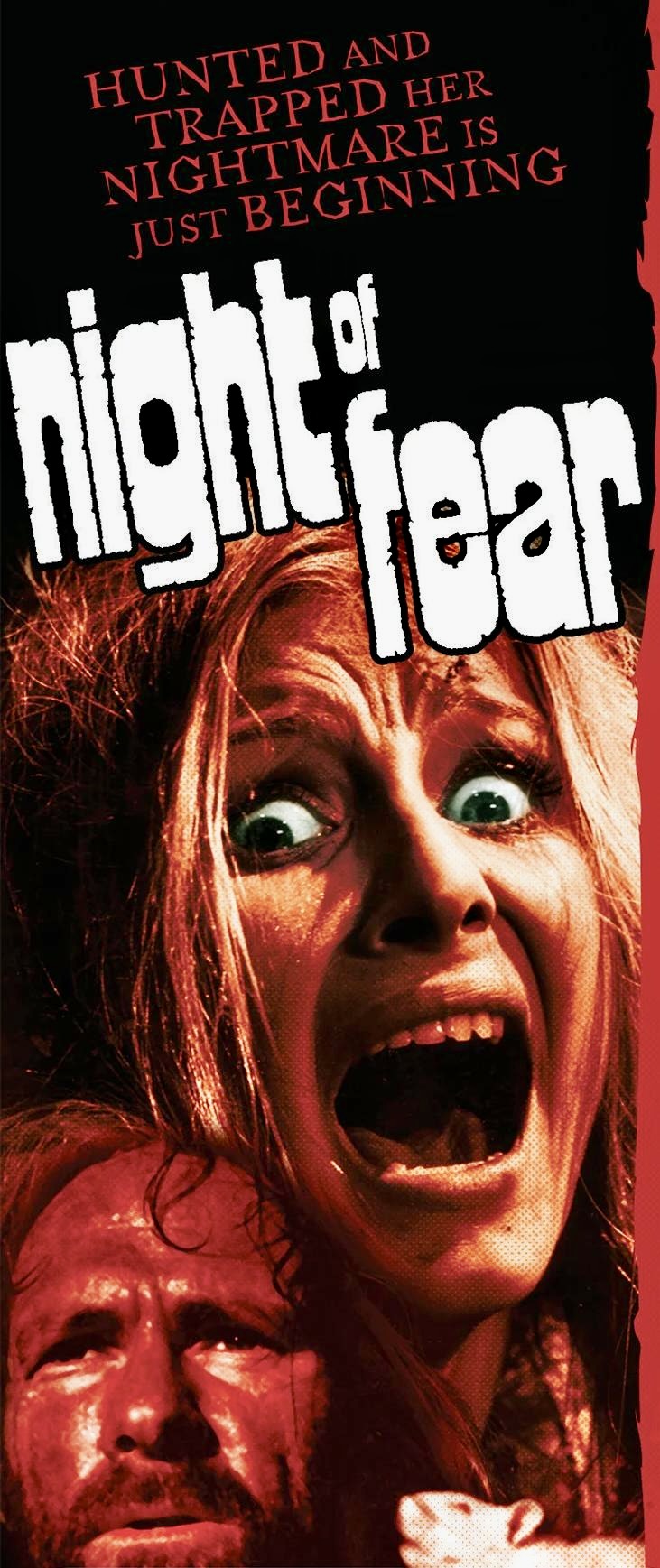
It was the horror and sci-fi themed Ozploitation films, however, that attracted cult fan bases in the U.S. through the drive-in circuit and grindhouse playdates. Some of the more extreme examples include Terry Bourke’s 54-minute chiller Night of Fear (1973), in which a stranded woman is terrorized by a demented hermit and lots of rats, and Lady Stay Dead (1981), a sordid slasher flick. Two of the best entries were directed by Richard Franklin and include Patrick (1978), the story of a comatose telekinetic killer, and Road Games (1981) with truck driver Stacy Keach and hitchhiker Jamie Lee Curtis trying to solve the identity of a serial killer. Franklin was dubbed the “Australian Hitchcock” by some critics and the director later enjoyed a career in the U.S. helming popular entertainments like Psycho II (1983) and the espionage thriller Clock & Dagger (1984).
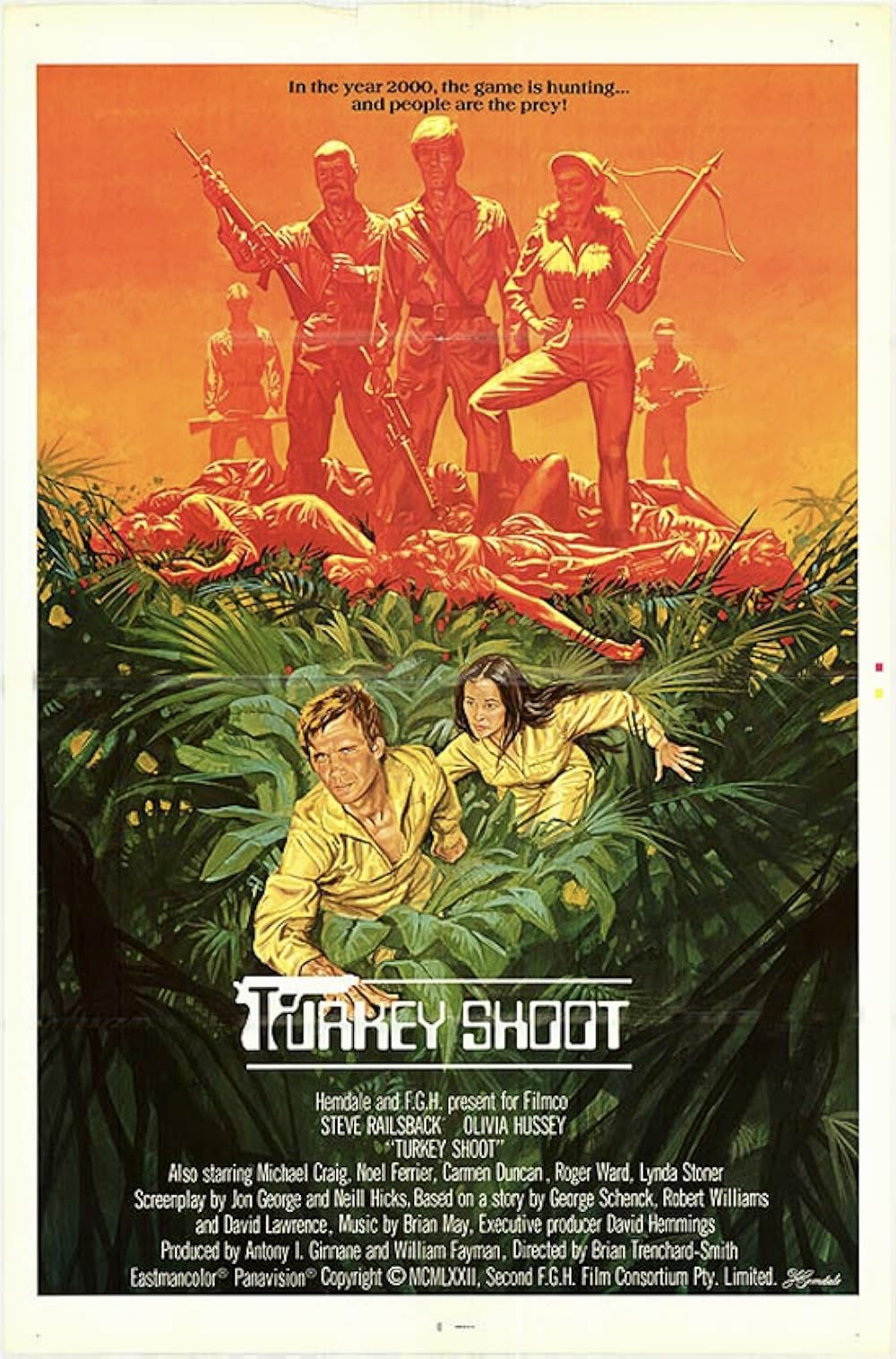
Some of the movies sampled in Not Quite Hollywood boggle the mind with their WTF premise, cheesy special effects or unwieldy mash-up of genre elements such as Philippe Mora’s Howling III (1987), which bears no relation to Joe Dante’s werewolf tale The Howling (1981) and seems undecided as to whether it’s a comedy or a just a gonzo horror fantasy. Even more notorious is Turkey Shoot aka Escape 2000 (1982), a super-gory variation on The Most Dangerous Game with plenty of body mutilations, machetes embedded in skulls and other disgusting special effects under the direction of Brian Trenchard-Smith.
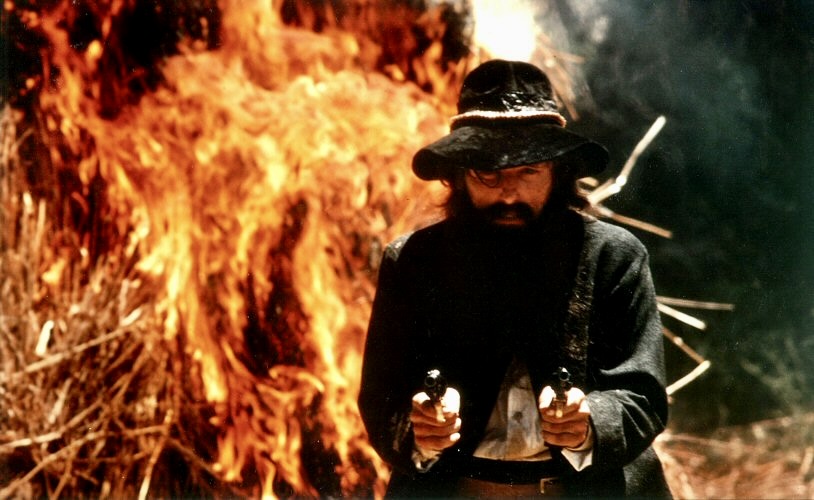
Adding a great deal of amusement and context for what we are seeing is a plethora of interview clips and sound bites from the actors, directors and producers of the featured films along with negative comments from critics and government officials. Quentin Tarantino is featured prominently as a talking head but we also get a sober Dennis Hopper commenting on scenes from the violent historical epic Mad Dog Morgan (1976), which he filmed in a state of complete intoxication/drug addiction…and there is plenty of behind the scenes footage to bear this out.
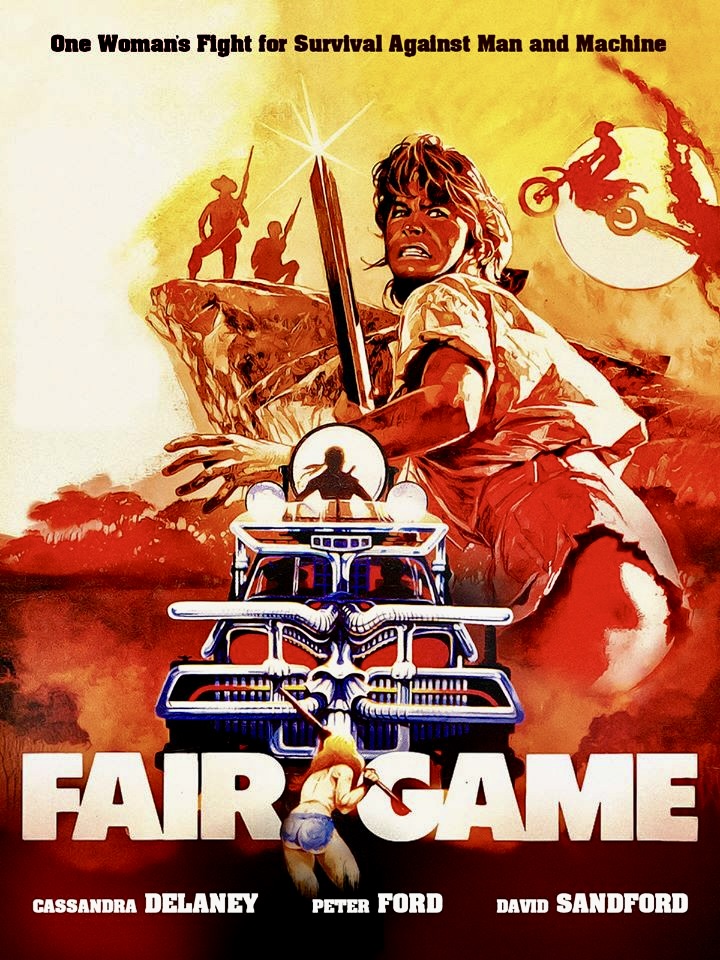
The final section of Not Quite Hollywood is probably the most visually thrilling with its compilation of “high octane disaster” films featuring amazing car chases and wrecks and spectacular stunt work as in the original Mad Max but also Treasure of the Yankee Zephyr (1981), directed by British actor David Hemmings, Midnite Spares (1983) and BMX Bandits (1983) starring Nicole Kidman in her first prominent role in a movie. Easily the most extreme of these movies is Fair Game (1986), in which a woman is terrorized by some redneck yahoos and ends up being stripped naked and mounted on the roof of their car like some hood ornament. Offensive? Yes, indeed….even if she gets her revenge in the end. But we’re talking about Ozploitation here and this is the epitome of it.
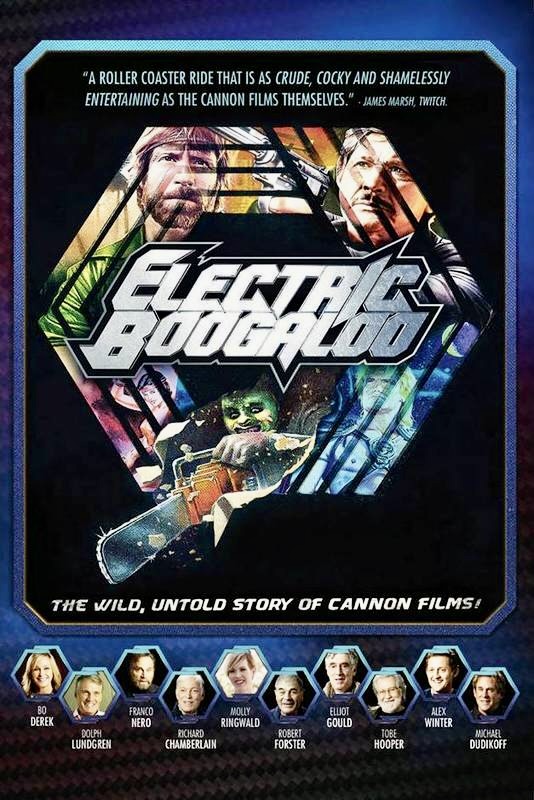
The Australian New Wave faded out by the late eighties as most of the major directors from the country were recruited by Hollywood and this was true of some of the Ozploitation directors as well such as Russell Mulcahy (Razorback, 1984), who went on to helm Highlander (1986), The Shadow (1994), Resident Evil: Extinction (2007) plus countless music videos. There was a brief attempt to revive the Ozploitation horror heyday by Greg McLean, who directed the highly successful torture porn thriller Wolf Creek (2005), its sequel Wolf Creek 2 (2013) and the giant crocodile flick Rogue (2007). He was joined by Jamie Banks who gave us the yuppies-in-peril adventure Storm Warning (2007) and the 2008 remake of the grim ecological horror flick The Long Weekend entitled Nature’s Grave. There was also Black Water (2007), another killer crocodile tale directed by David Nerlick and Andrew Traucki, but the days of the Ozploitation craze are clearly behind us and Not Quite Hollywood is a fast and furious account of that time. Director Hartley would go on to make a similar documentary in the same vein, Electric Boogaloo: The Wild, Untold Story of Cannon Films in 2014.
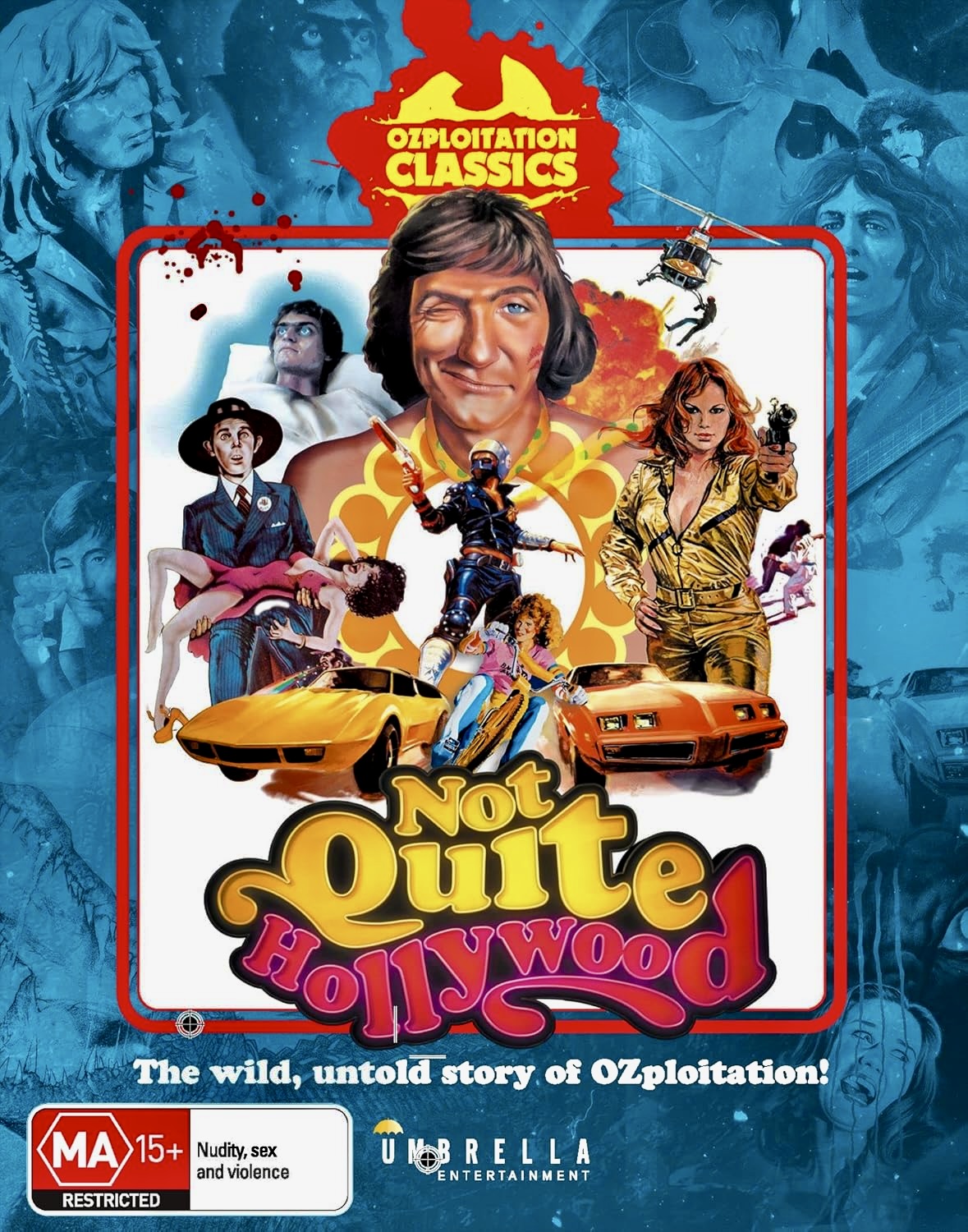
The theatrical release of Not Quite Hollywood in the U.S. led some DVD/Blu-ray distributors to restore and re-release some of Ozploitation’s greatest hits. And Umbrella Entertainment finally released Mark Hartley’s documentary on Blu-ray in the U.S. in May 2021. The disc is highly recommended for the massive amount of extra features including full length, uncut interviews with a lot of the talent featured plus behind the scenes “making of” featurettes and various audio commentaries.
Other links of interest:
https://www.filmink.com.au/mark-hartley-ozploitation-stone-and-not-quite-hollywood/
https://www.nfsa.gov.au/stories/articles/ozploitation-films-1970s-and-1980s
 Cinema Sojourns