
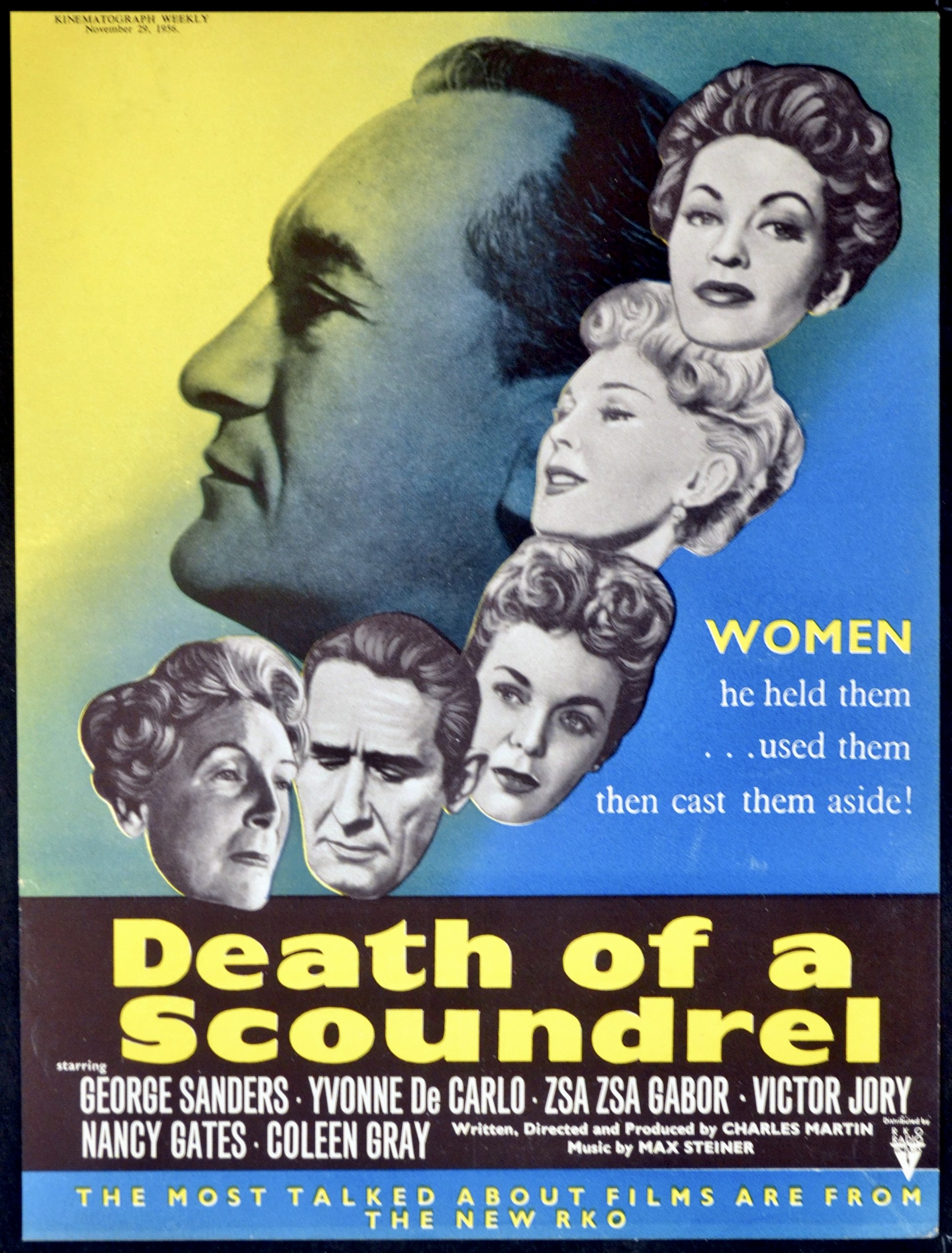
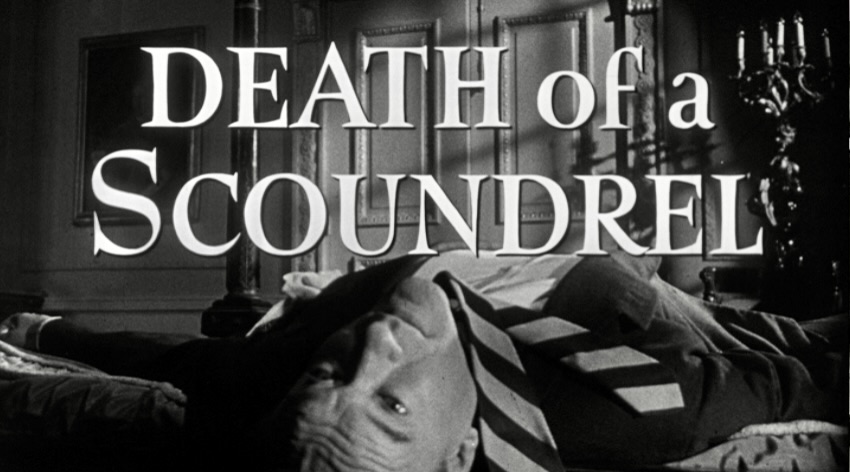
Imagine Citizen Kane (1941) on a miniscule budget with a much more ruthless and totally despicable protagonist and you have Death of a Scoundrel (1956), a contemporary take on The Rake’s Progress. Like the former film, it was shot on the RKO backlot and unfolds in a flashback structure, starting with Bridget Kelly (Yvonne De Carlo), personal assistant to self-made tycoon Clementi Sabourni (George Sanders), revealing to the police the circumstances that led to the millionaire’s murder. “He was the most hated man on earth,” she declares, “But he could have been one of the great men in history. He was a genius.”
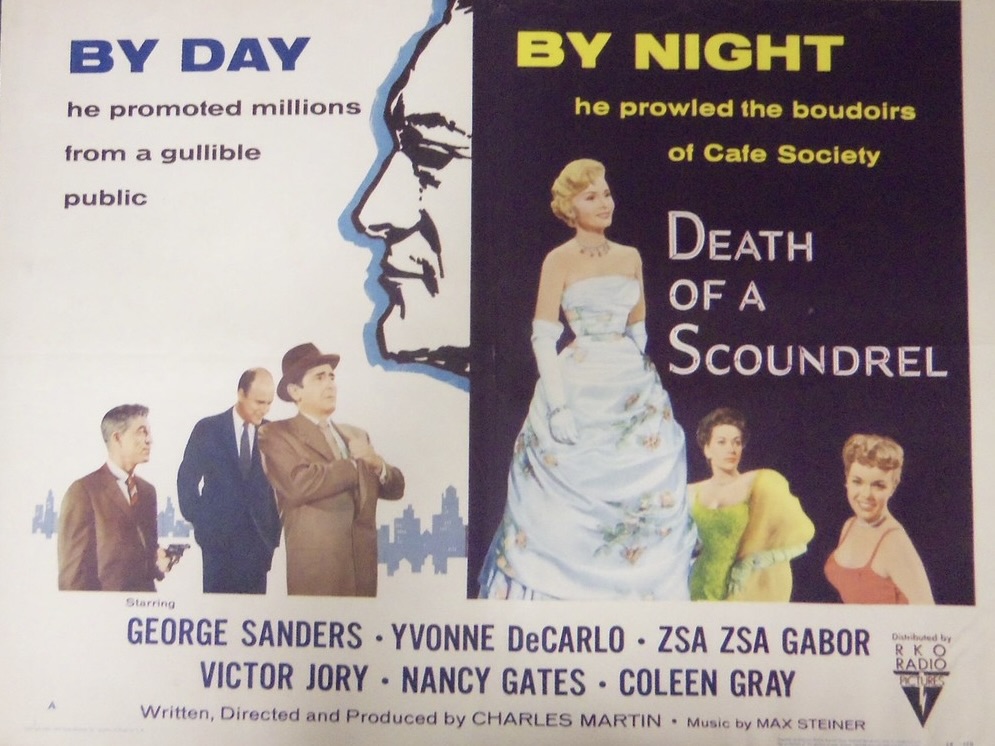
Yet, unlike Charles Foster Kane, who possessed the strengths and the vices of an all-powerful public figure, Sabourni is the epitome of the heartless bastard with few redeeming qualities. The psychological motivation for his despicable personality is established early in the film when Sabourni returns home from the war to discover that his brother has stolen his intended wife and squandered the family’s money. Seeking revenge, Sabourni informs the secret police of his brother’s true identity and whereabouts (he’s a wanted criminal), and, in exchange, is allowed to emigrate to America after serving a brief jail sentence himself. From there his rise to fame and fortune in New York City is swift, moving from the theft of an oil baron’s wallet to a multimillion dollar Wall Street business.
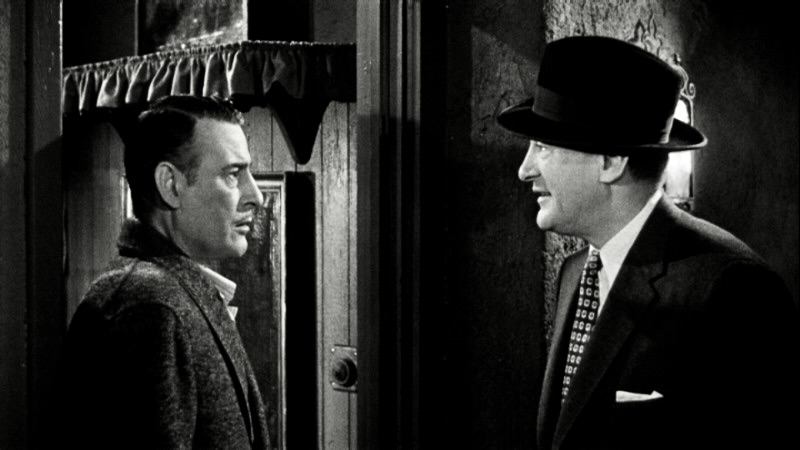
While Death of a Scoundrel is no masterpiece compared to Citizen Kane, it’s still enormously entertaining for a B movie that runs close to two hours. The narrative pace is pitched at a full gallop, with Sabourni’s driving ambition painted in broad strokes. The cast of characters who cross Sabourni’s path, and are subsequently used and abused, are colorful caricatures and the dialogue has the crude vitality of a pulp fiction novel. But the real enjoyment here comes from George Sanders’s energetic performance as the nefarious Sabourni.
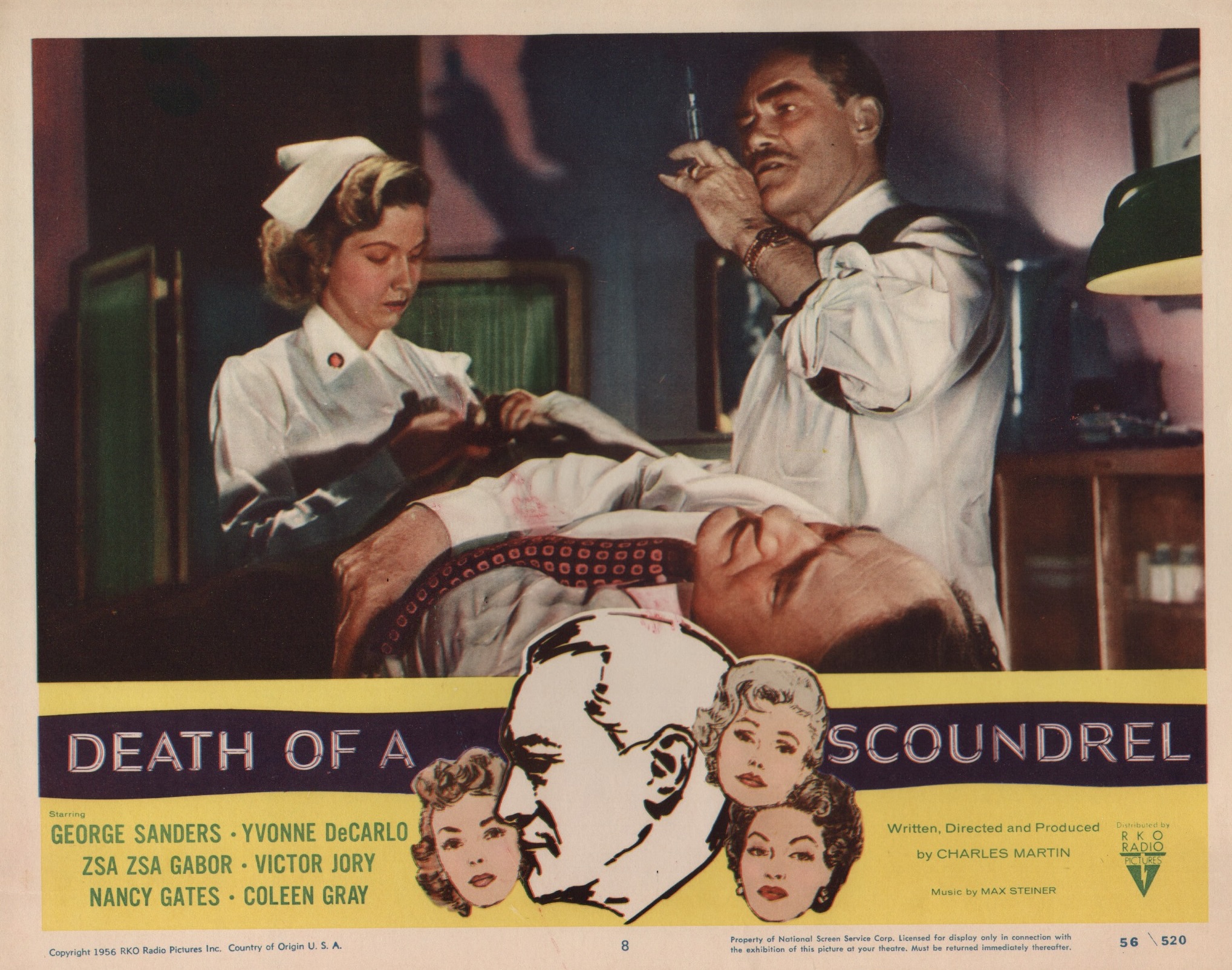
The actor often referred to Death of a Scoundrel as his favorite role and you can see why it appealed to him. In direct contrast to the worldly cynics he played in films like The Moon and Sixpence (1943) and All About Eve (1950), Sanders gets to display a vast range of emotions as Sabourni, going from stunned surprise to gleeful hatred to hand-wringing desperation. Don’t look for subtlety; this is scene-chewing at its most outrageous. Some admirers of Sanders’ work might even consider it his WORST performance but, in certain ways, it might be the role closest to the actor’s own personality. Ironically, director/producer/screenwriter Charles Martin originally wanted Rossano Brazzi for the title character with Robert Mitchum and Alec Guinness as possible contenders for the role.
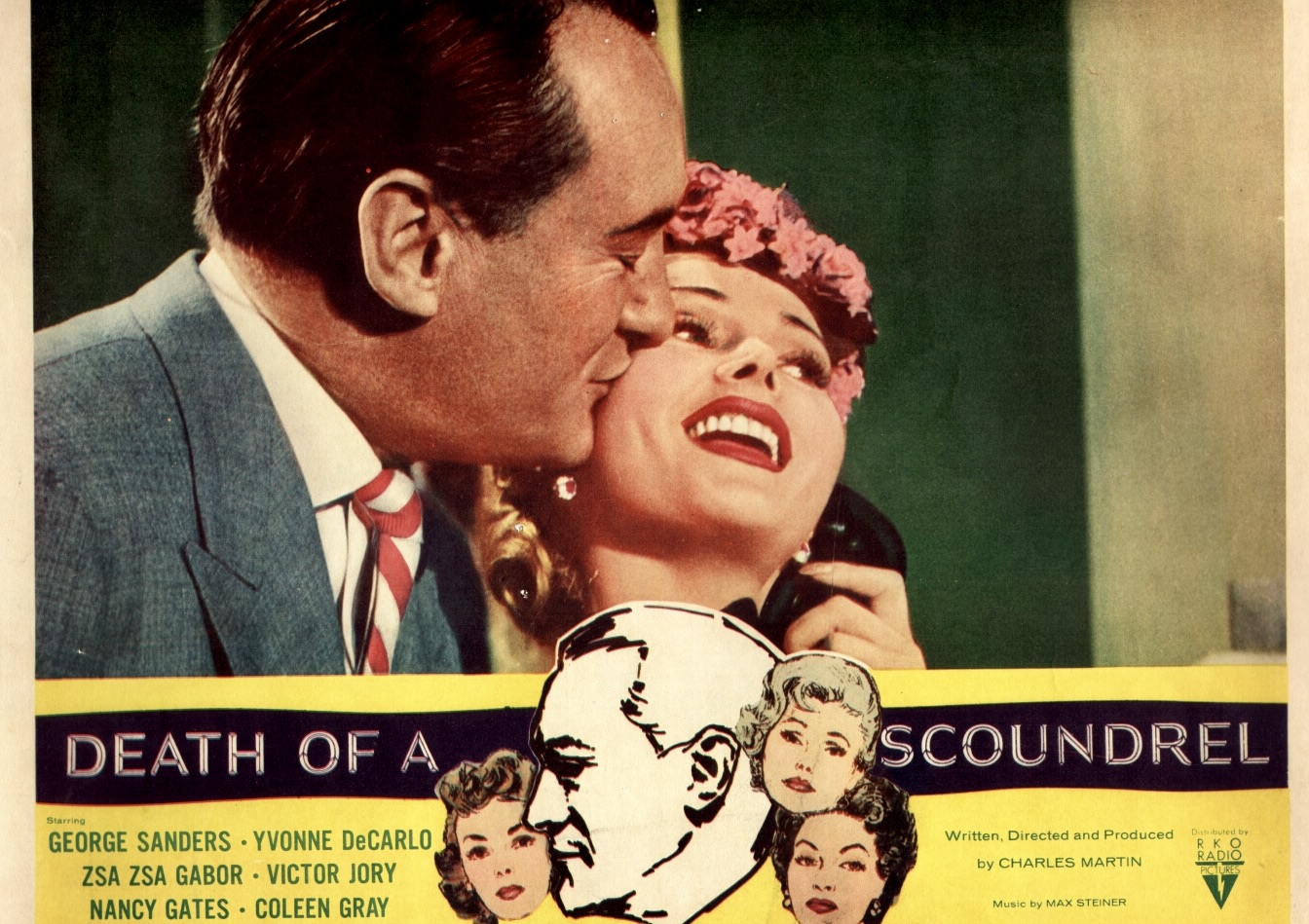
To those who knew him well, Sanders really was a misanthrope and an elitist who could be alternately charming and cruel. Even in his own autobiography, Memoirs of a Professional Cad, Sanders admitted as much, candidly airing his views on romance and other matters: “It is impossible to be in love with a woman without experiencing on occasions an irresistible desire to strangle her.” Indeed, there are lines in Death of a Scoundrel that could have been improvised by Sanders such as “Finance is the basis of most relationships, don’t you agree?” or “Isn’t that what love is – two people chained together?” In many ways, Sanders’ cynical attitude toward romance shares a philosophical link with the cinema of German director Rainer Werner Fassbinder where love is often viewed as a master-slave relationship between two individuals.
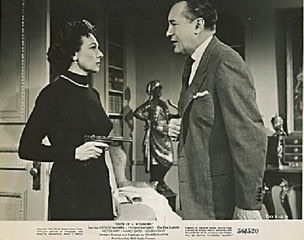
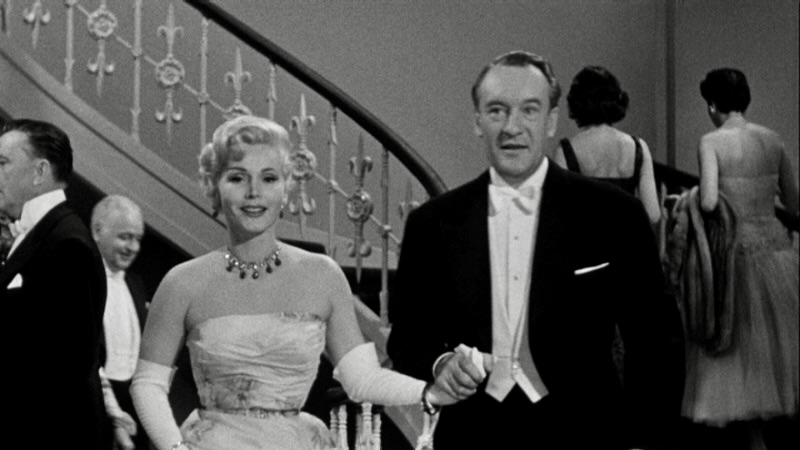
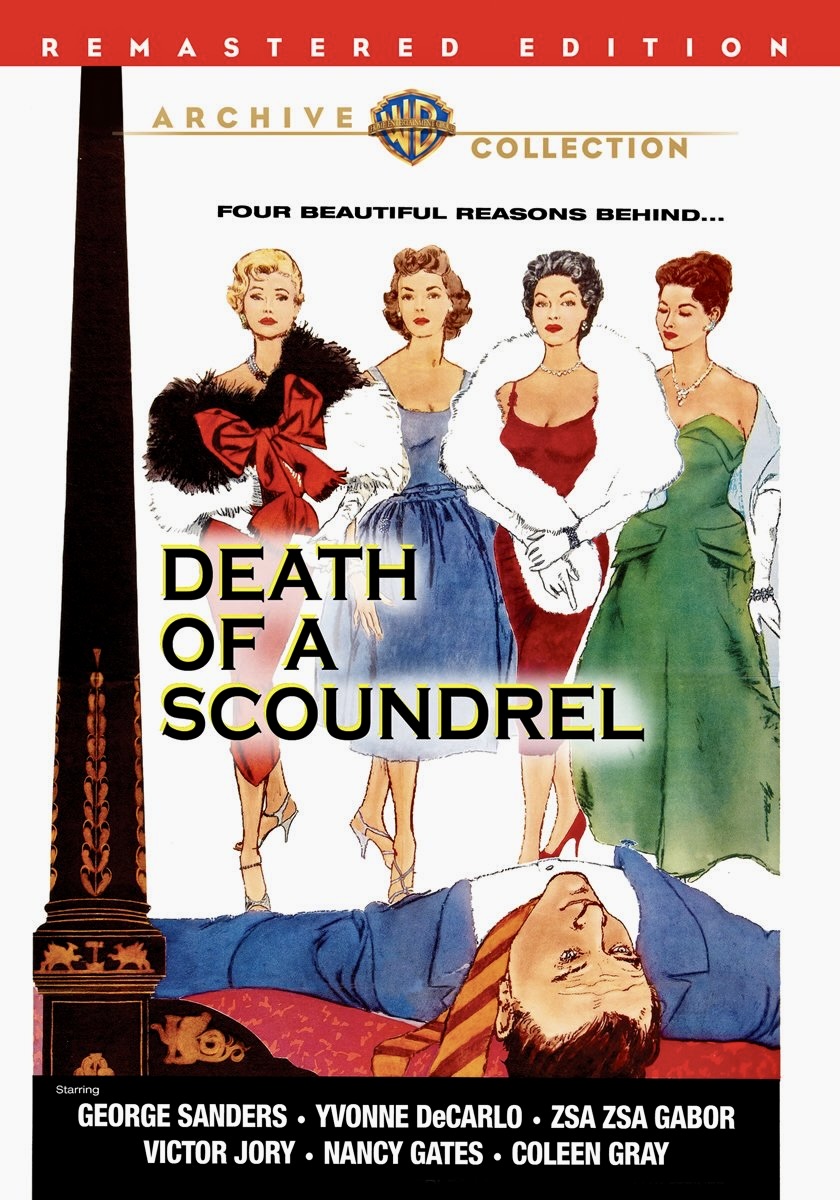
Death of a Scoundrel was something of a family affair for Sanders. Not only did it allow him to appear opposite his own brother, actor Tom Conway in the role of the betrayed sibling, but it also provided a juicy role for his ex-wife, Zsa Zsa Gabor, as a wealthy widow he exploits for personal gain.
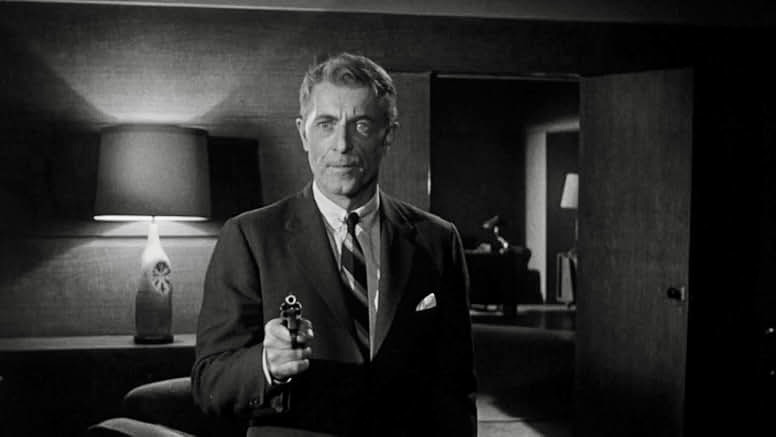
The other key supporting roles include Victor Jory as a victim of Sabourni’s schemes, Nancy Gates as a secretary turned aspiring actress, John Hoyt as an accomplice-in-crime, Coleen Gray as the unfaithful wife of a business tycoon, Celia Lovsky as Sabourni’s mother and Yvonne De Carlo as the cunning streetwalker who is used as a seductive decoy for potential business partners. In spite of its low budget, Death of a Scoundrel is a superior B-movie, sporting a lush music score by Max Steiner (Gone With the Wind, 1939) and cinematography by James Wong Howe (Hud, 1963).
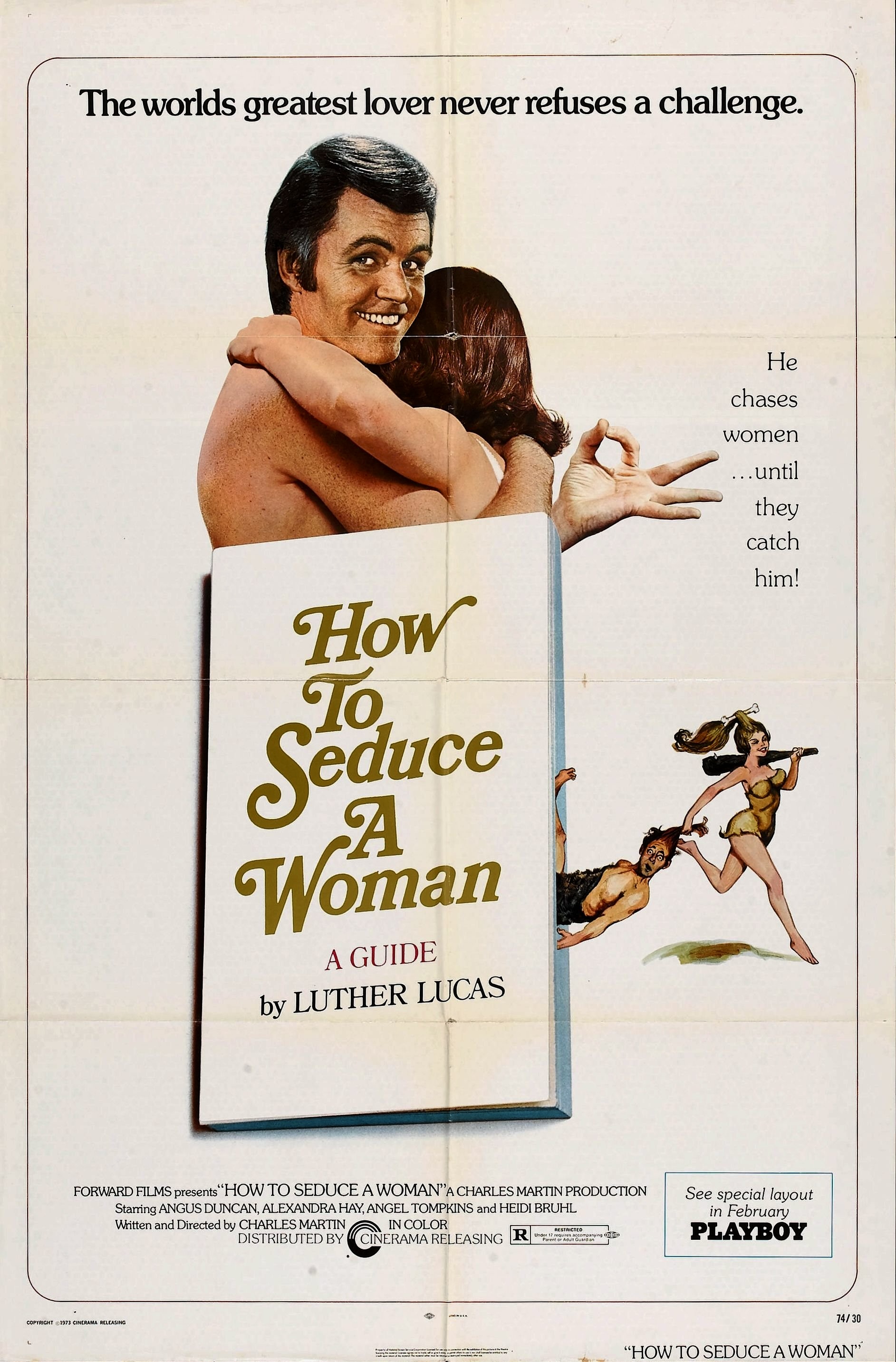
Charles Martin, the director of Death of a Scoundrel, is a mostly forgotten name from Hollywood’s past but he had some success as a screenwriter, working on romantic comedies and musicals such as No Leave, No Love (1946, co-written with Laszlo Kardos), My Dear Secretary (1948), and On an Island with You (1949), which was nominated for Best Written American Musical by the Writers Guild of America (he shared credit with Dorothy Kingsley, Hans Wilhelm and Dorothy Cooper). He only directed six films over his forty year career in Hollywood. Still, he was a rare example of an independent filmmaker working within the system and wrote, directed and produced his last three films including Death of a Scoundrel, If He Hollers, Let Him Go! (1968), an adaptation of a Chester Himes crime novel, and the seriously retrograde sex comedy How to Seduce a Woman (1974).
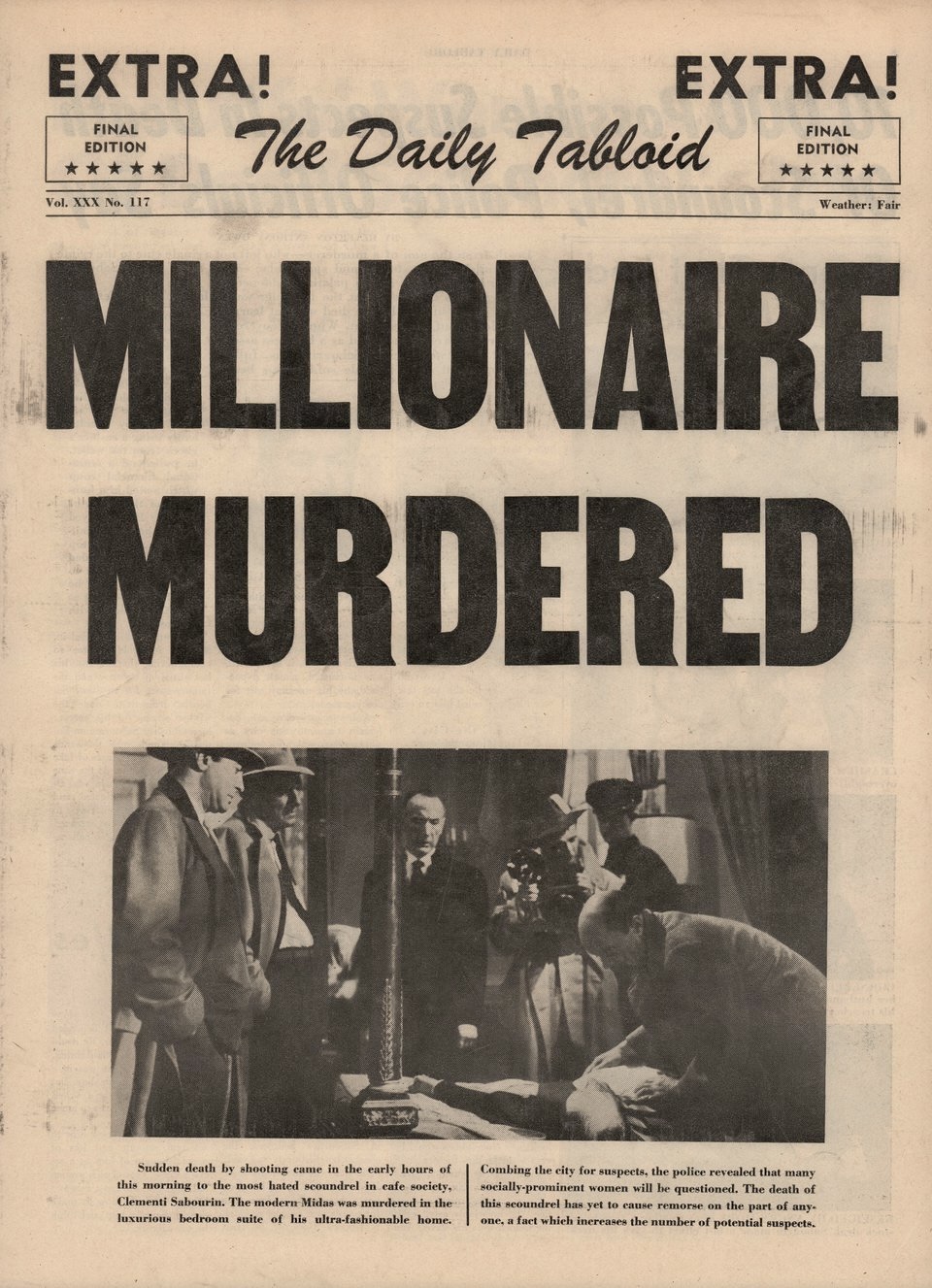
One interesting side note on Death of a Scoundrel: According to Charles A. Butler in Films in Review, “RKO’s legal department is reported to have instructed RKO’s promotional department not to cause the public to infer that the stinker in Death of a Scoundrel bears more than coincidental resemblance to Serge Rubinstein, the financial operator and draft-dodger who kept himself from being deported from this country, to which he came as a refugee, but could not keep himself from being murdered. Incidentally, his murderer has not been apprehended.”
Death of a Scoundrel was a movie that would air occasionally on TV over the years on channels like Turner Classic Movies but it remained elusive on DVD until November 2011 when it was finally released by The Warner Archive Collection as a no frills disc (no extras) and it is still your best option to see the movie.
*This is a revised and expanded version of an article that originally appeared on the Turner Classic Movies website.
Other links of interest:
https://content.time.com/time/subscriber/article/0,33009,823715,00.html
https://crimemagazine.com/murder-serge-rubinstein-1955
https://www.hollywoodsgoldenage.com/actors/george_sanders.html
https://www.tvinsider.com/people/george-sanders/#biography
 Cinema Sojourns