
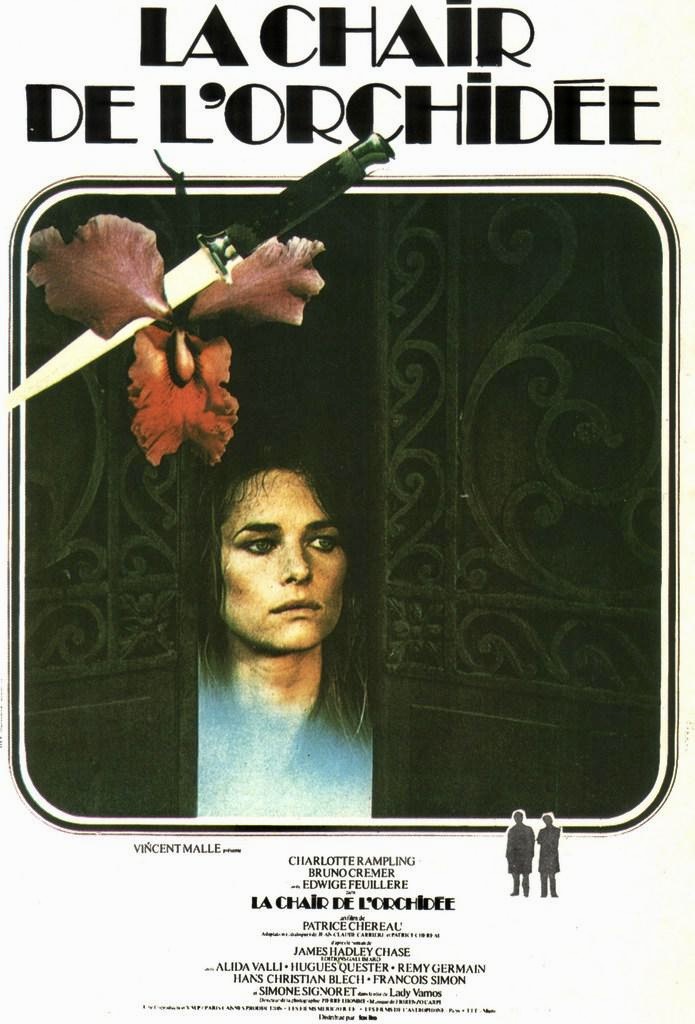
Charlotte Rampling has been an international star since the mid-1970s when she appeared in Zardoz (1974), The Night Porter (1974) and Farewell, My Lovely (1975), but during her early career, critics were more likely to comment on her beauty and sex appeal over her acting talent. It wasn’t until she began appearing in the films of Francois Ozon (Under the Sand [2000], Swimming Pool [2003]) and other independent, cutting-edge directors like Dominik Moll (Lemming, 2005) and Laurent Cantet (Heading South, 2005) that Rampling finally came into her own as a critically acclaimed actress and cult favorite. She has rarely steered clear of edgy material or doing nude scenes or choosing unconventional roles over more audience friendly fare and her movies from the late sixties through the mid-nineties reflect this. Some were pretentious misfires like The Ski Bum (1971) or eccentric one-offs (Yuppi du, 1975) or mainstream showcases for her talent such as Woody Allen’s Stardust Memories (1980) and Sidney Lumet’s The Verdict (1982). Yet, even her lesser known work from this period is often worth seeking out and La Chair de I’orchidee (English title, The Flesh of the Orchid, 1975), the debut film of French director Patrice Chereau, is certainly a wild card. A psychological thriller that seems to take place in an alternate universe where everyone is misanthropic, corrupt, greedy or violent, Chereau’s first film is based on a 1948 pulp fiction novel by James Hadley Chase.
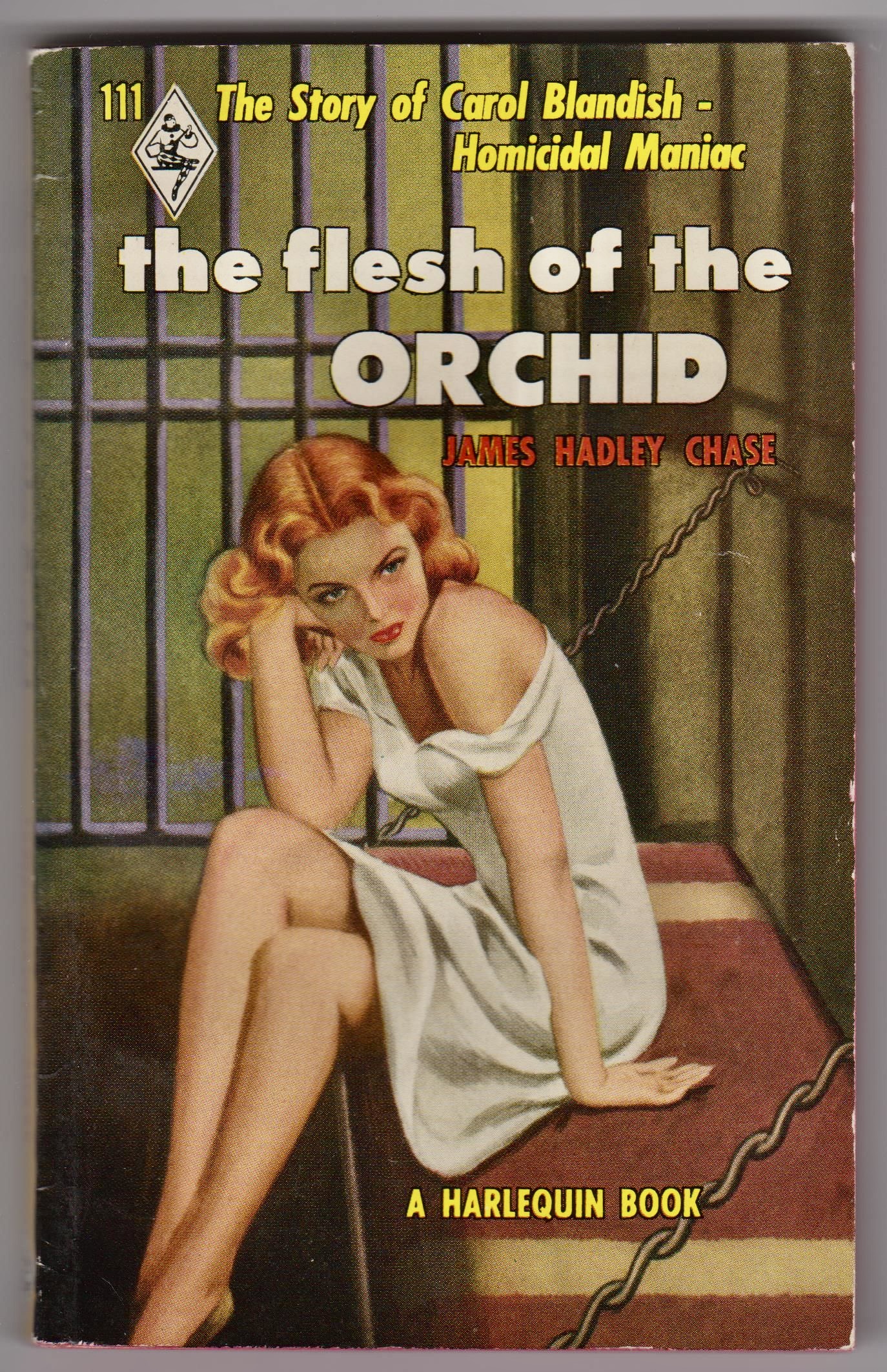
This was a belated sequel to Chase’s most popular and controversial 1939 novel No Roses for Miss Blandish but it wasn’t as popular or as well known as the latter. If anything, the plot of The Flesh of the Orchid is even more sordid, convoluted and disturbing than its predecessor and director Chereau and co-screenwriter Jean-Claude Carriere, one of Luis Bunuel’s favorite collaborators, transform the story into a demented fever dream that works as both a doom-laden chase thriller and pitch black comedy.
Fans of Chase’s original novel should be aware that Chereau and Carriere have exercised their creative freedom on the adaptation and made it their own nightmarish concoction. Not only have various characters and plot details been removed and replaced with new players and narrative twists but all of the character names have been changed for the film version. Still, the basic premise of a mentally disturbed heiress (played by Rampling) who has been imprisoned against her will and escapes is at the story’s core. Unfortunately, viewers with no knowledge of Chase’s original novel are left to fend for themselves in sorting out who is who and what is going on starting with the mysterious first scene of The Flesh of the Orchid so here is an attempt to shed some light on the complicated narrative trajectory.
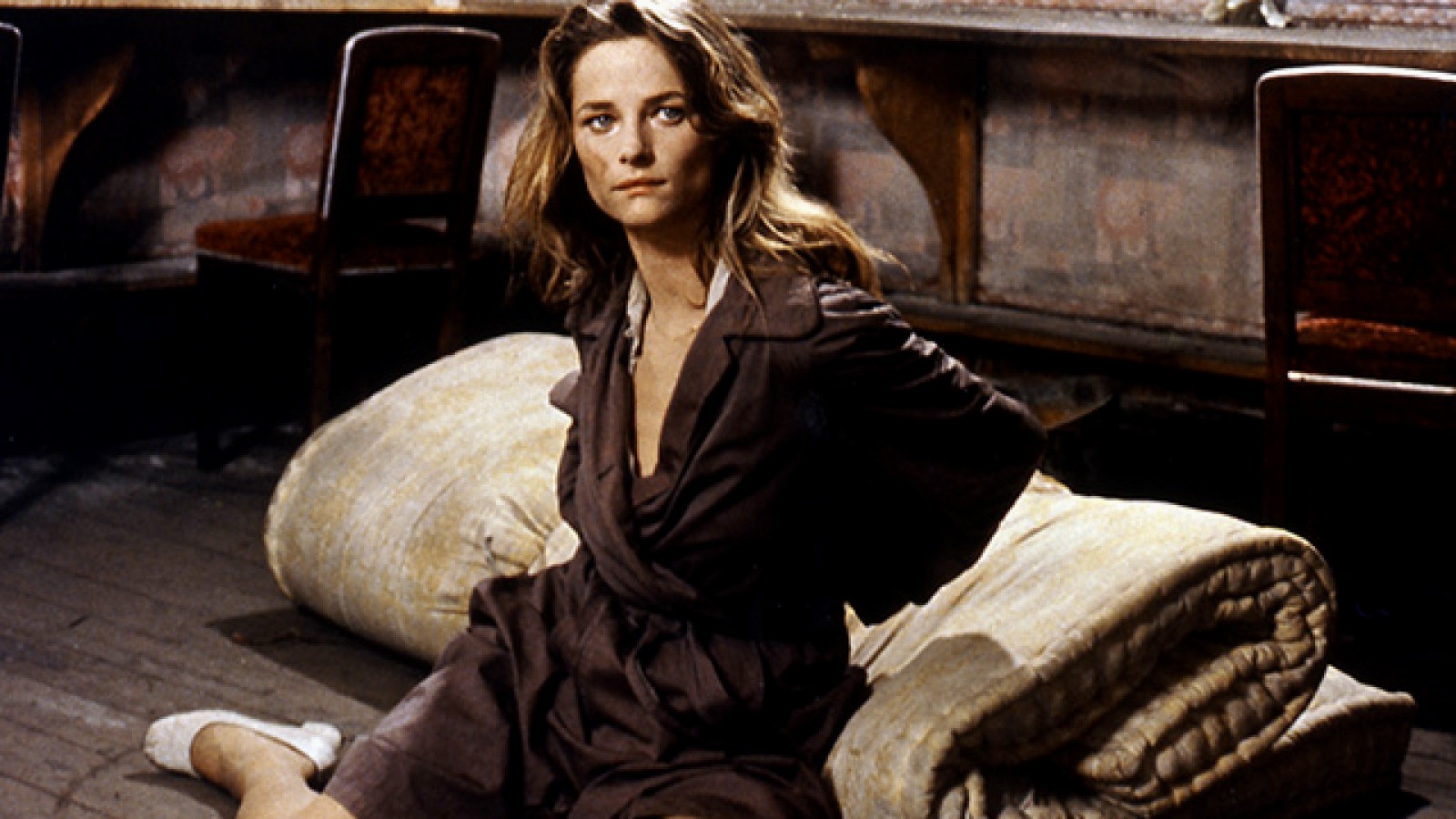
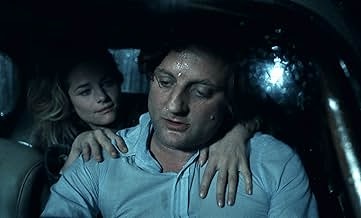
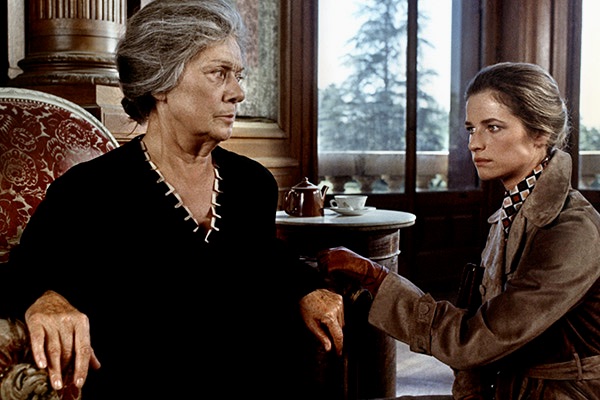
Claire Wagener (Rampling) is the illegitimate daughter of a heiress who was raped by a psychotic criminal/former circus employee. She has inherited her father’s schizophrenic nature but is also the sole beneficiary of her grandfather’s multimillion dollar estate. Unfortunately, she has been institutionalized most of her life by her evil aunt, Madame Bastier-Wagener (Edwige Feuillere), who has designs on the family fortune. Aided by an entourage of assistants, Madame has moved Claire to her family home where the woman is held captive and sexually abused by the caretaker. Claire manages to escape and hitches a ride with a truck driver but they are involved in a road accident and the driver is killed. Or did Claire murder him?
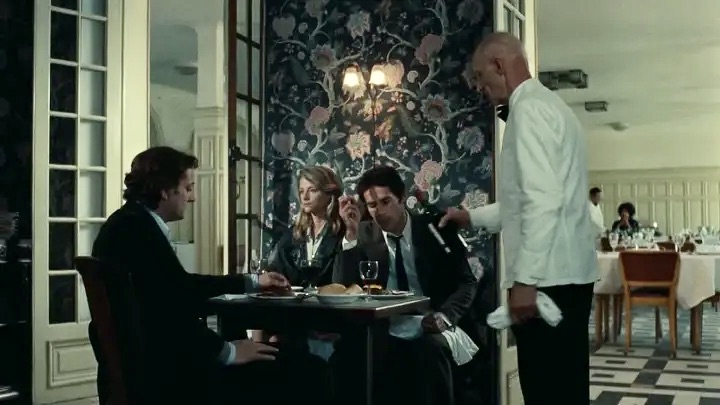
Louis Delage (Bruno Cremer), a professional criminal, and his companion Marcucci (Hughes Quester), who is on the run from two hit men, discover Claire hiding behind the wrecked truck and take her to a hotel. While Louis is trying to get a financial loan from an underworld connection, Marcucci tries to get amorous with Claire in an upstairs room and is blinded in both eyes by her. At the same time, the Berekian brothers, Gyula (Hans Christian Blech) and Josezef (Francois Simon), two circus knife-throwers turned assassins, arrive in search of Marcucci. They find him and finish him off with a knife in the chest but are spotted by Louis and decide to eliminate him as the sole witness.
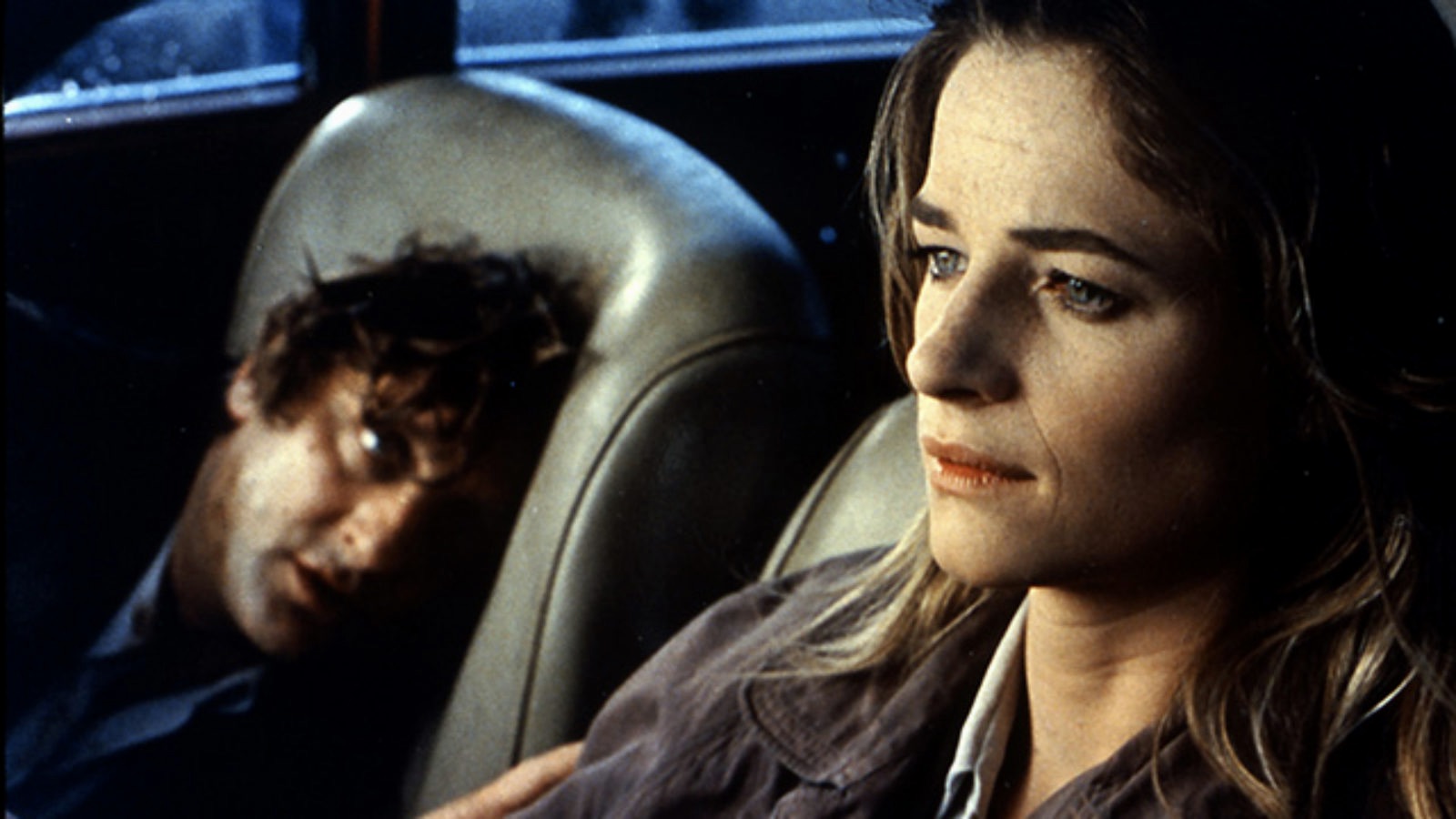
Although Louis is wounded with a knife in the back, he manages to escape the brothers in his car. Claire, hiding in the back seat, becomes Louis’s companion and protector during his recovery. But the couple must stay on the run to avoid being apprehended not only by the hit men but Madame and her entourage. Other characters they encounter during their desperate flight are a devious doctor and his money-grubbing wife and Lady Vamos (Simone Signoret), a former carnival performer who lives in an abandoned cinema. In facts, the dizzying cast of characters becomes hard to keep straight and, at one point, one of Madame’s minions asks in confusion, “May I know what is going on?” (Viewers may feel the same way). However, repeat viewings of the film are not only rewarding but help clarify some of the confusion.

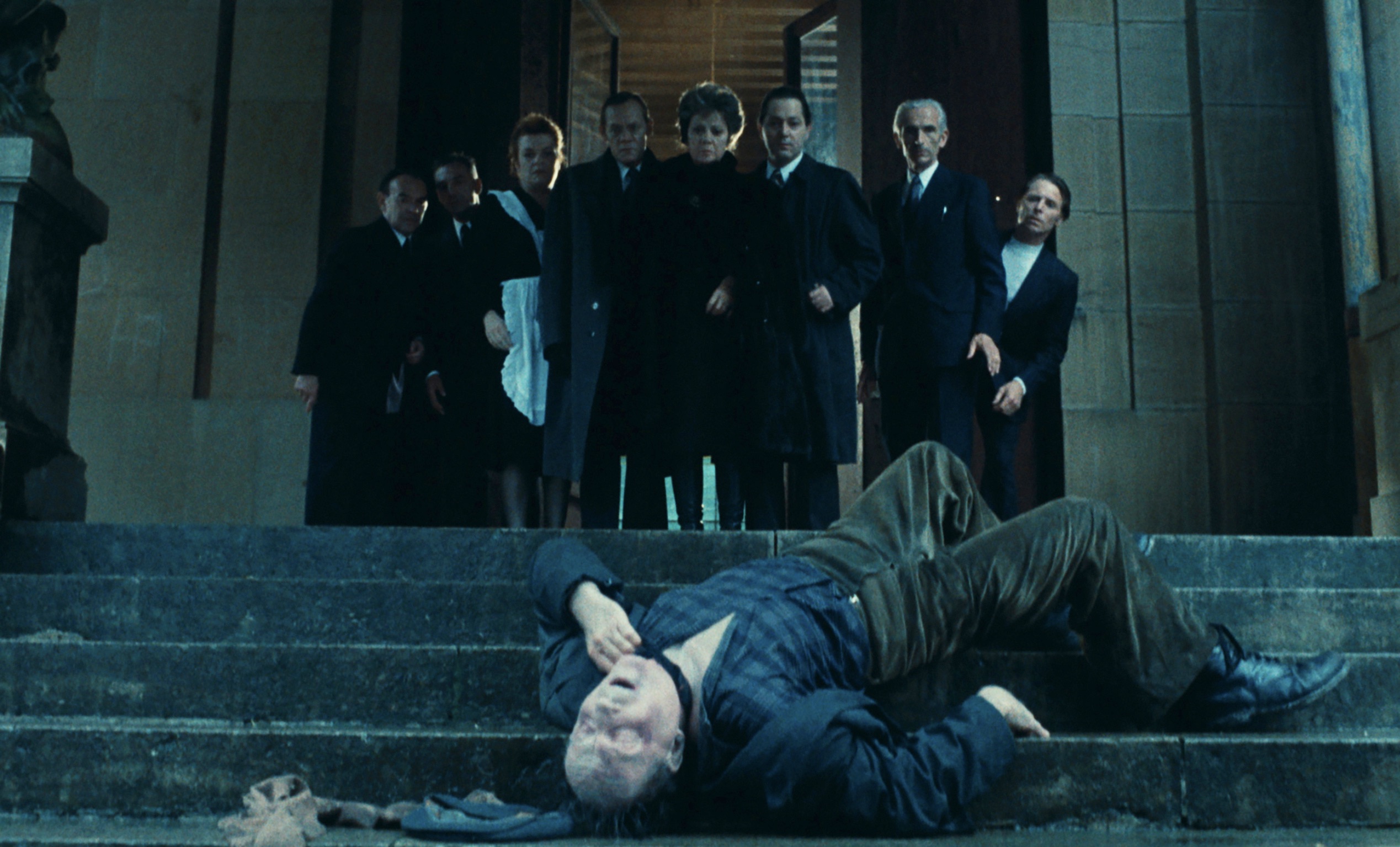
The climax of The Flesh of the Orchid takes place in a remote mansion in Zurich, Switzerland, where Louis and Claire have been imprisoned by Madame and her group. When the Berekian brothers arrive to murder Louis, they launch a nighttime assault on the mansion, cutting off the power and phone lines while picking off Madame’s gang, one by one. Claire survives the home invasion but is injured and taken to the hospital where Gyula stalks her for a final confrontation. Strangely enough, in the original novel Claire goes from being the hunted to the hunter but, in this film version, she remains a passive/aggressive enigma up until the surprising denouement.
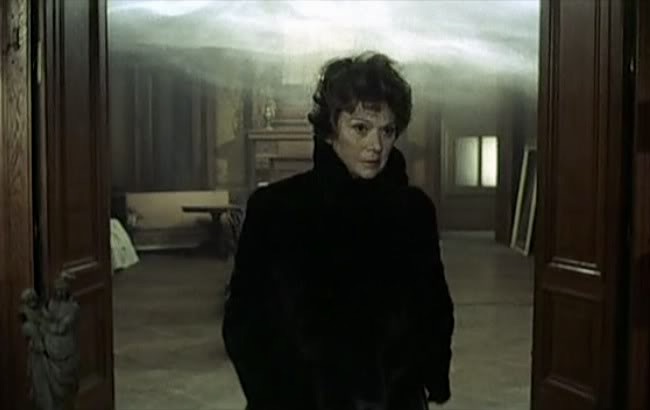
There are no heroes in The Flesh of the Orchid and even the so-called heroine of the piece is mentally unstable and has a nasty habit of stabbing people who threaten her in the eyes. Even Louis, who tries to help Claire escape, is a shady character with a dark past. Only Lady Vamos elicits some sympathy when she aids Claire in an escape attempt but even she is in league with the conniving Madame. The world according to James Hadley Chase (and Chereau and Carriere in their adaptation) is a dark and forbidding place and the ominous mood is enhanced by a visual palette that accents constant rain, fog, muddy landscapes and forlorn, oppressive locations (The cinematography is by Pierre Lhomme, the award-winning cameraman behind Camille Claudel [1988] and Cyrano de Bergerac [1990]). At the same time, the predatory nature of everyone is so pronounced that The Flesh of the Orchid could be seen as a macabre farce. The film is simply too stylized and over the top to be taken seriously but the unrelenting cruelty and depravity may be too much for some viewers.
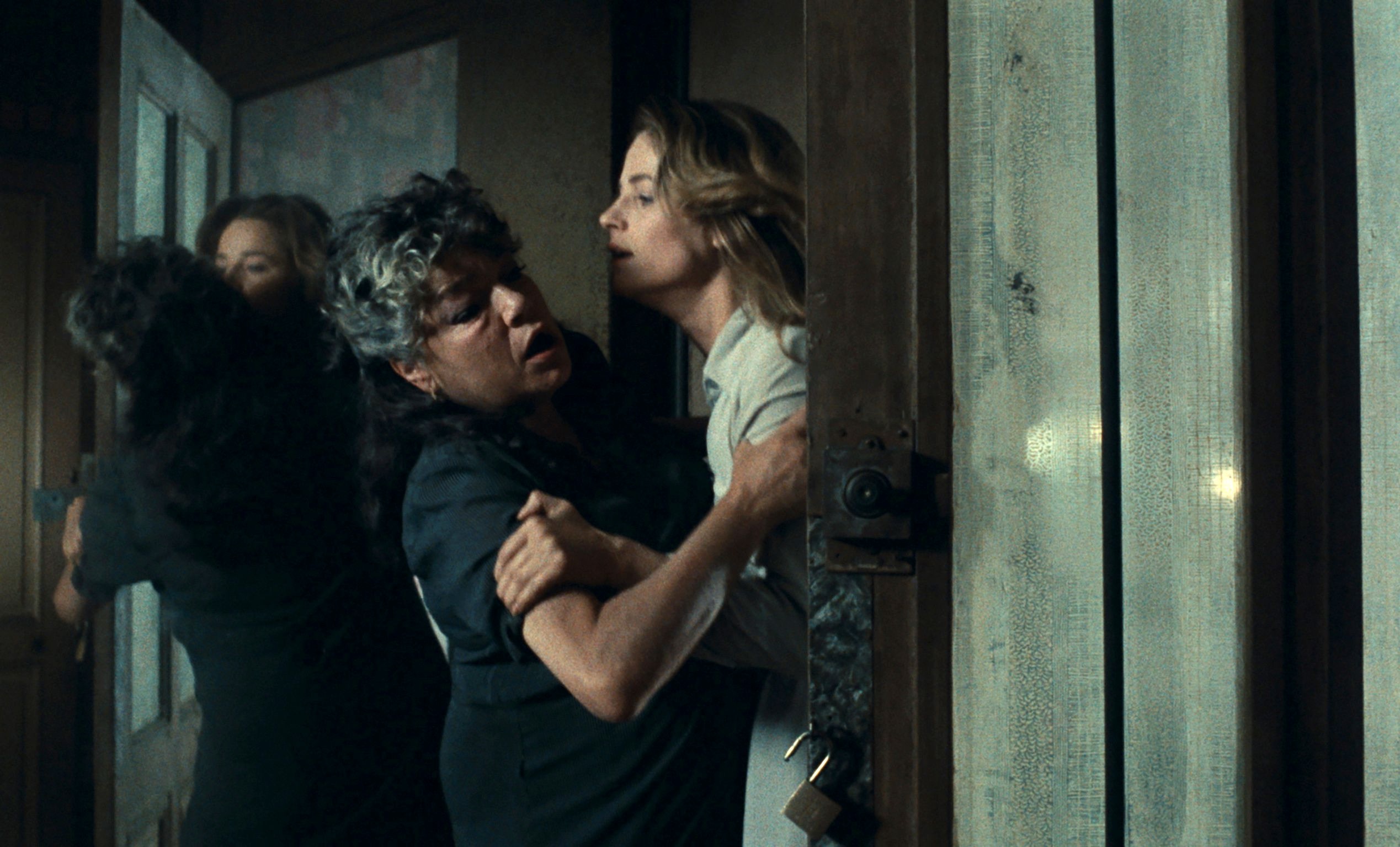
Still, The Flesh of the Orchid is well worth seeing for its superb ensemble cast and a host of eccentric performances. Charlotte Rampling is convincingly disturbed and unpredictable as the tormented Claire, who was schizophrenic in the novel. After spending most of her life being institutionalized and abused, she might really be insane. Her immediate acceptance of Louis as a savior is weird enough (she grabs and kisses his hands like a grateful puppy dog) but she also offers her nude body to him later in an almost taunting manner. One minute she can seem shell-shocked, the next a calculating woman in flight. Rampling had already appeared in Luchino Visconti’s The Damned (1969) and Liliana Cavani’s The Night Porter by this point so her subversive sexual presence as Claire is given free reign.
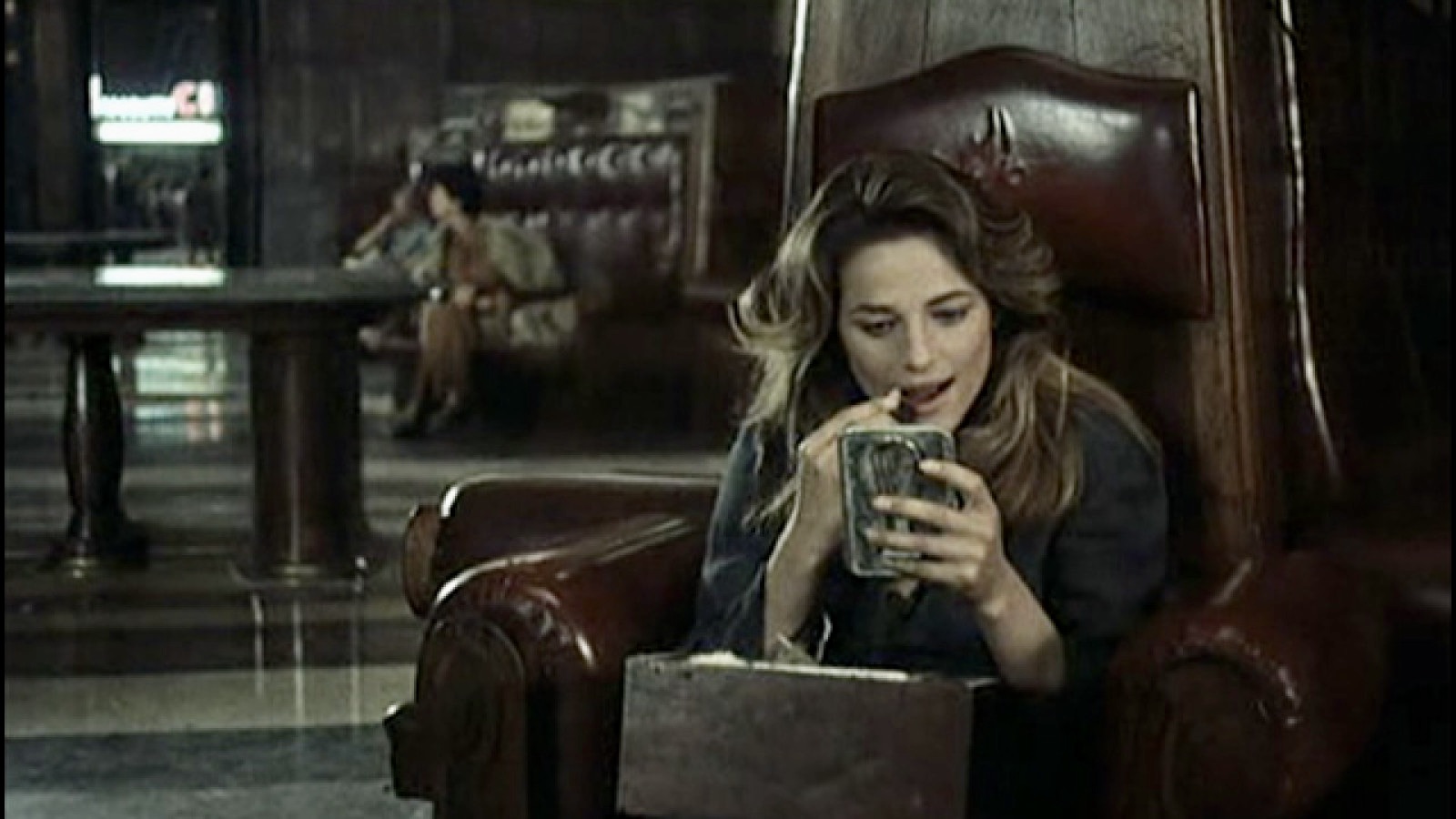
French actor Bruno Cremer, on the other hand, projects an almost zen-like calm and inner strength as the ill-fated Louis. An often overlooked actor, Cremer is probably most familiar to U.S. moviegoers for his role in William Friedkin’s Sorcerer (1977), the remake of Henri-Georges Clouzot’s 1953 The Wages of Fear, and he would later reteam with Rampling as her husband in the critically acclaimed drama Under the Sand.
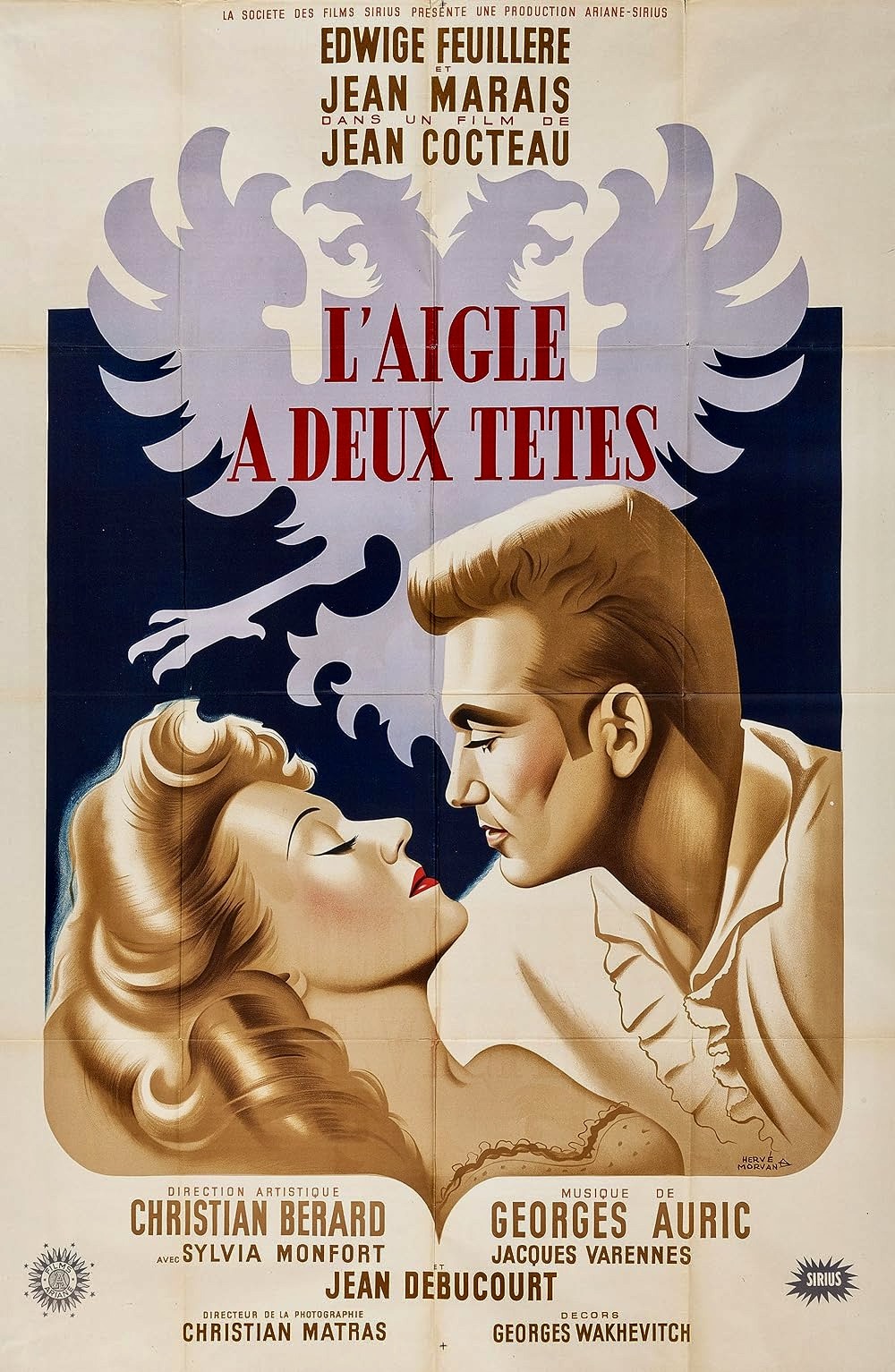
As the wicked aunt, Edwige Feuilliere projects a steely resolve and unflappable composure against all obstacles in her way but the role borders on caricature at times like a James Bond villainess. Still, it’s a juicy role and consistently engaging. Feuilliere was in her heyday in the 1940s when she appeared in such prestigious films as Max Ophuls’ From Mayerling to Sarajevo and Jean Cocteau’s The Eagles with Two Heads (1948) so this is a fitting homage to the grand dame of France’s golden age of cinema.
Other standouts in the cast include Hans Christian Blech and Francois Simon as the neurotic and sinister Berekian brothers; their mutual determination to catch and kill Louis is as relentless and unnerving as Arnold Schwarzenegger’s cyborg in The Terminator (1984). Blech is a familiar face from war epics like The Longest Day (1962) and Battle of the Bulge (1965) but also enjoyed a career resurgence during the New German Cinema movement with roles in Wim Wenders’ Wrong Move (1975) and Reinhard Hauff’s Knife in the Head (1978). And Swiss actor Francois Simon is best known for his work with directors Alain Tanner (La Salamander, 1971) and Claude Goretta (The Invitation, 1973).
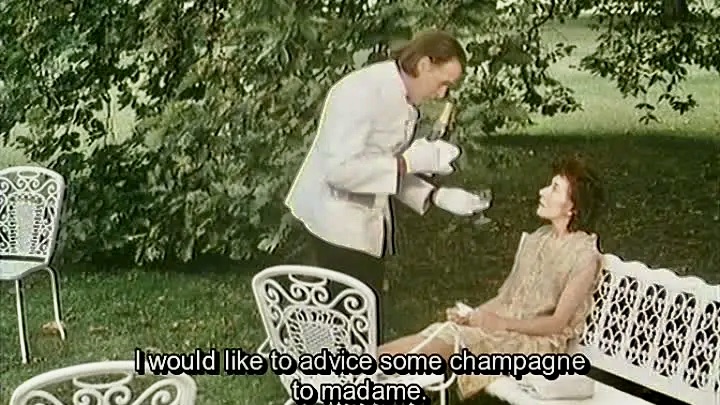
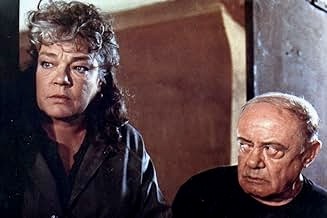
Alida Valli (The Third Man, 1949) also shows up in a brief cameo in The Flesh of the Orchid as a melancholy woman in a train station and Simone Signoret seems to be having fun in a colorful role as a once glamorous circus star now lost in memories of her past.
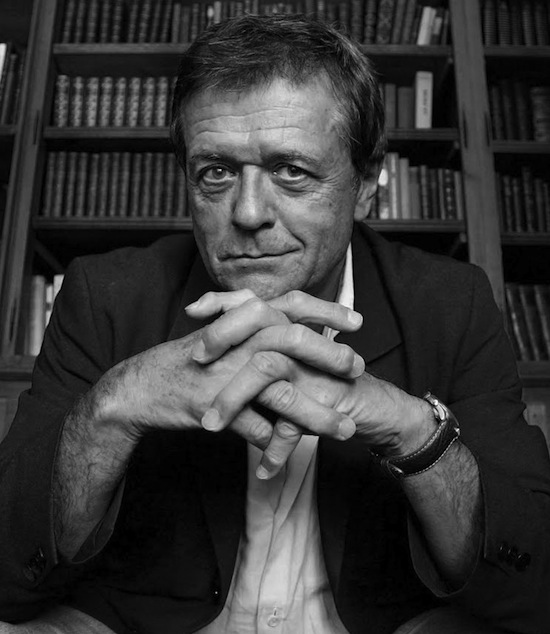
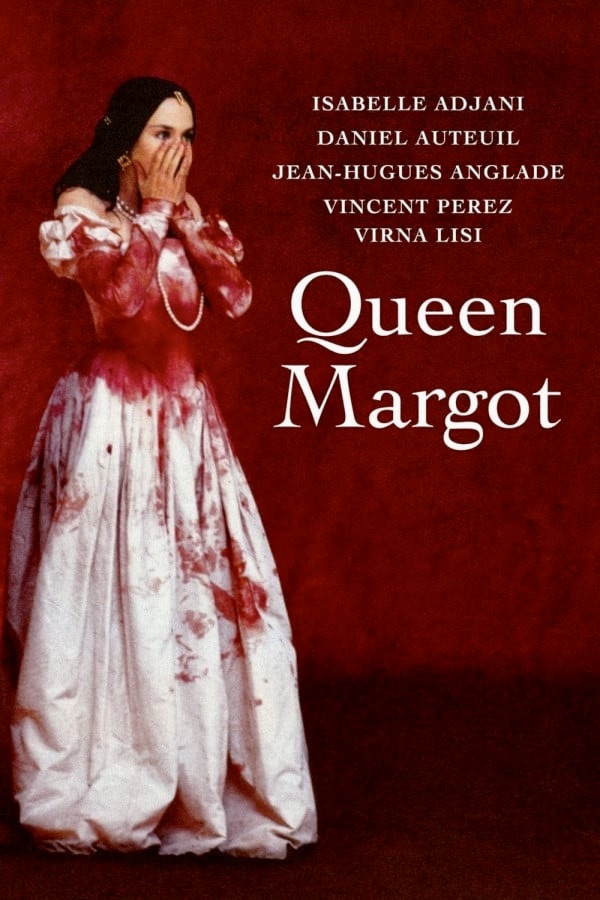
Last but not least, Patrice Chereau deserves credit for so effectively capturing James Hadley Chase’s grim world view that permeated all of his crime novels. It is a remarkably self-assured first feature and the French director would go on to become an internationally renowned filmmaker, scoring three Palme d’Or nominations from Cannes for his work and winning the Jury Prize for his 1994 costume epic Queen Margot. He died in October 2013 at age 68.
Although The Flesh of the Orchid had a limited release in the U.S. in 1975, it has been difficult to see since then. The film was mostly well received in France and its reputation has grown over the years. Film review James Travers of the website FrenchFilms.org wrote, “…it is not clear whether this is intended as a grim psychological drama, a fantasy thriller or a very black comedy – yet, in a way this melange of ill-defined genres contributes to the film’s appeal. It goes without saying that Charlotte Rampling is impeccable in the role of Claire, bringing the requisite sense of mystery and vulnerability to her character. Rampling is excellent in this kind of ambiguous part-sympathetic yet disturbing.”
The Flesh of the Orchid is not currently available on any format in the U.S. but if you own an all-region Blu-ray/DVD player you can probably find import copies of the film from online sellers in Europe which include English subtitles as an option. This would be an ideal acquisition for some enterprising U.S. distributor like Severin or Vinegar Syndrome as a possible future release
Other links of interest:
https://www.bfi.org.uk/sight-and-sound/news/patrice-chereau-1944-2013
http://www.filmscouts.com/scripts/interview.cfm?File=ceu-qui
https://elisa-rolle.livejournal.com/944039.html
 Cinema Sojourns