
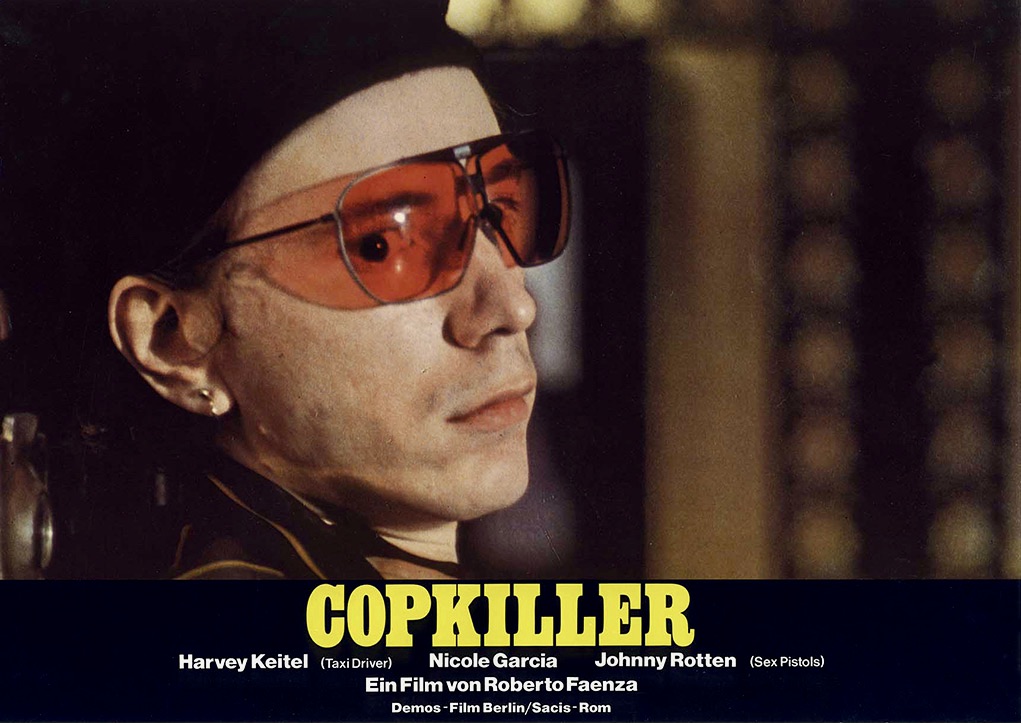
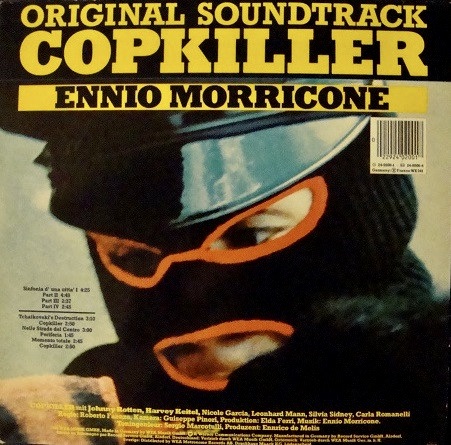
Some movies fall through the cracks and then are rediscovered years later by movie geeks who are amazed that such formerly “lost films” even exist. Such is the case with Corrupt (1983), which was also released in some markets as Copkiller and Order of Death, the title of the psychological thriller by novelist Hugh Fleetwood which was adapted for this film. An international production with Italian and French financing, the movie marked the dramatic film debut of John Lydon aka Johnny Rotten of The Sex Pistols fame (he had previously played a version of himself in Julien Temple’s The Great Rock ‘n’ Roll Swindle [1980], which was a semi-autobiographical/fantasy account of Malcolm McLaren and his promotion/management of The Sex Pistols). Corrupt also featured Harvey Keitel in the other major role and the music score was composed by Ennio Morricone. Due to poor distribution and marketing (those alternate titles didn’t help), the film quickly vanished from theaters but it holds up today as a fascinating precursor to Abel Ferrara’s Bad Lieutenant (1992) while channeling some of the yin-yang duality of Donald Cammel & Nicolas Roeg’s Performance (1976).
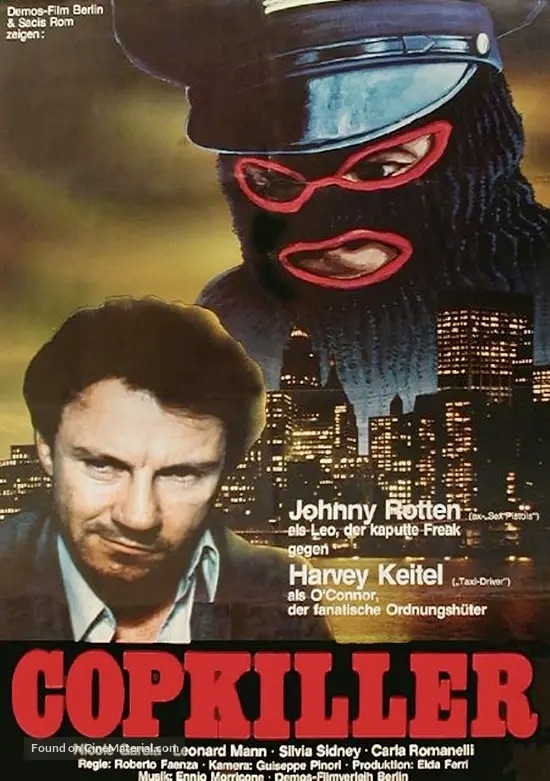
Originally filmed in 1981 but not released until 1983, Corrupt is set in the kind of grimy version of New York City glimpsed in Taxi Driver (1976). The film opens with an undercover detective patrolling a trash-strewn highway underpass. Suddenly a man in a ski mask and police uniform ambushes the detective, slashing his throat with a serrated knife. It turns out to be another unsolved case committed by a serial cop killer and lieutenant Fred O’Connor (Keitel) and his partner Bob (Leonard Mann) begin to wonder if they are targets as well. Both serve as undercover cops in the city’s narcotic division and all of the previous victims were from that unit.
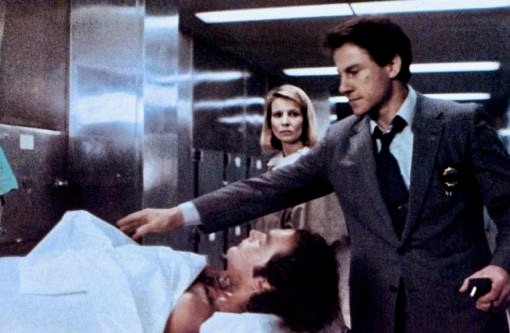
What Fred and Bob’s superiors and fellow cops don’t know is that this duo is crooked and taking bribes and dealing drugs on the side for considered sums of money. In fact, Fred and Bob own a fancy apartment on Central Park under the pseudonym of P. Stevens which they use as a secret hideaway/relaxation zone. The place is sparsely furnished but Fred enjoys unwinding there after a stressful day at work, smoking Cuban cigars, drinking Scotch and listening to a favorite song over and over again (the tune is “Tchaikovski’s Destruction,” Morricone’s rollicking, banjo-driven pop ditty based on a famous Tchaikovsky melody).
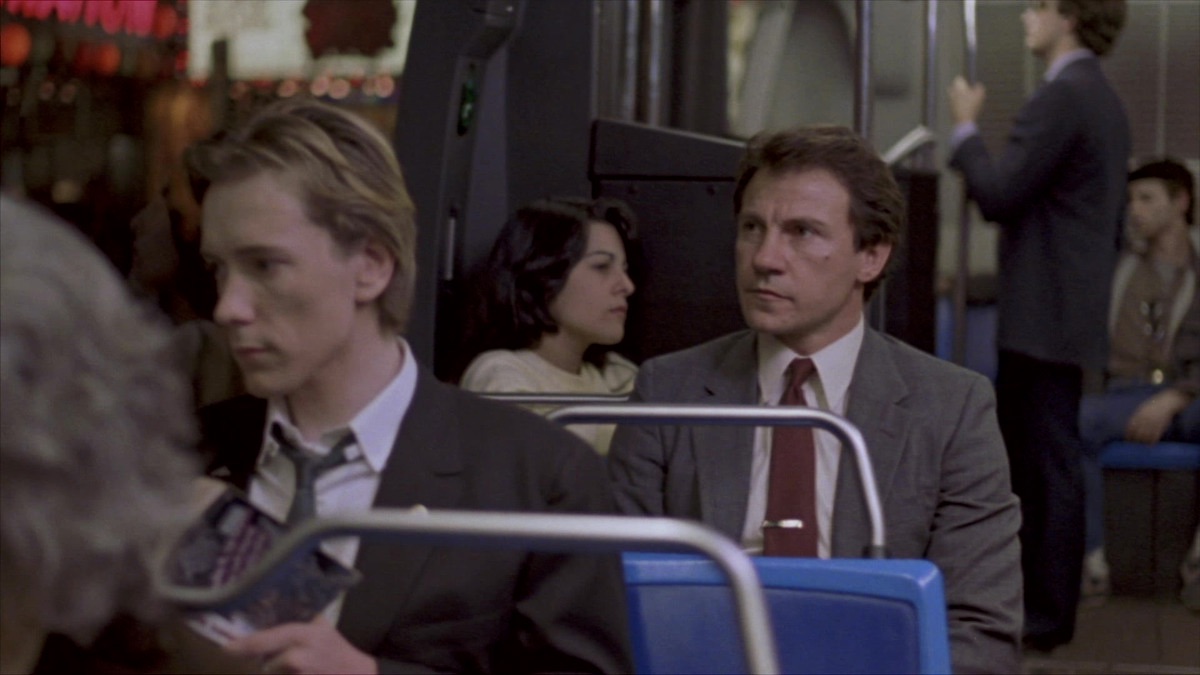
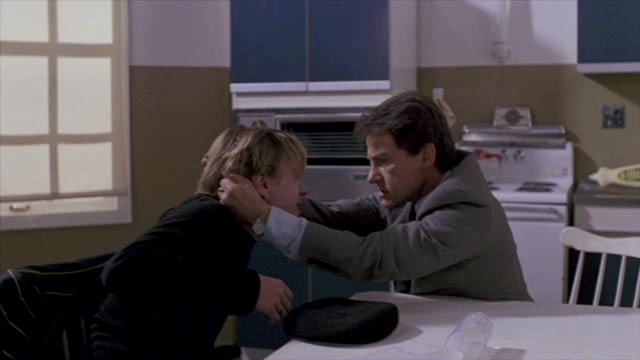
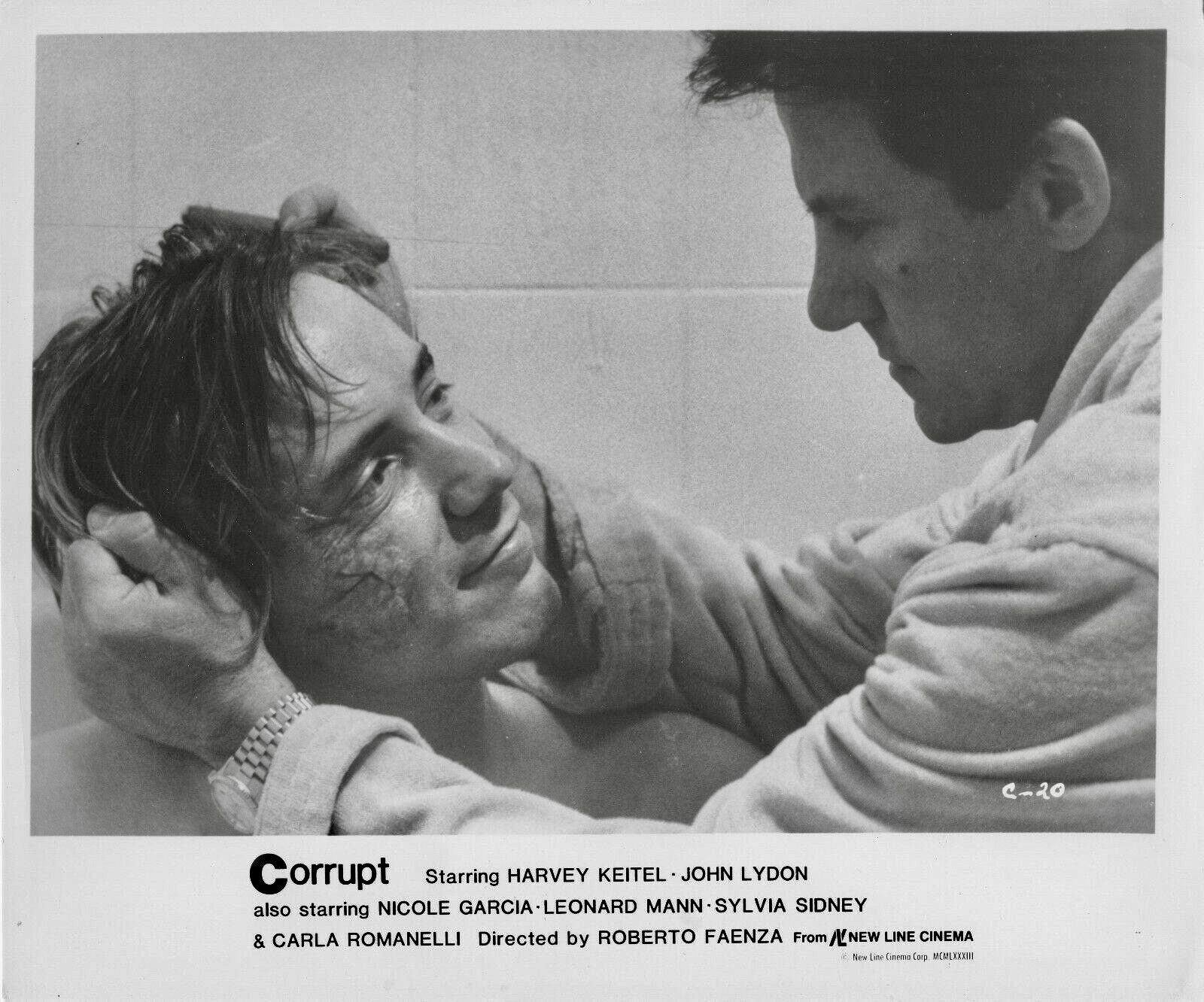
Tensions escalate between Fred and Bob when the latter wants to end the partnership and sell his half of the apartment. Bob also plans to buy a country home with his financee Lenore (Nicole Garcia), Fred’s former girlfriend. At the same time, a strange young man (John Lydon) has been stalking and following Fred around the city and the detective finally takes notice and becomes cautious. But his cover has been blown and the stranger, who calls himself Fred Mason, shows up at his apartment and reveals he is the cop killer. Fred overreacts and roughs up the suspect, looking him up in a room in the apartment while he tries to think of a solution.
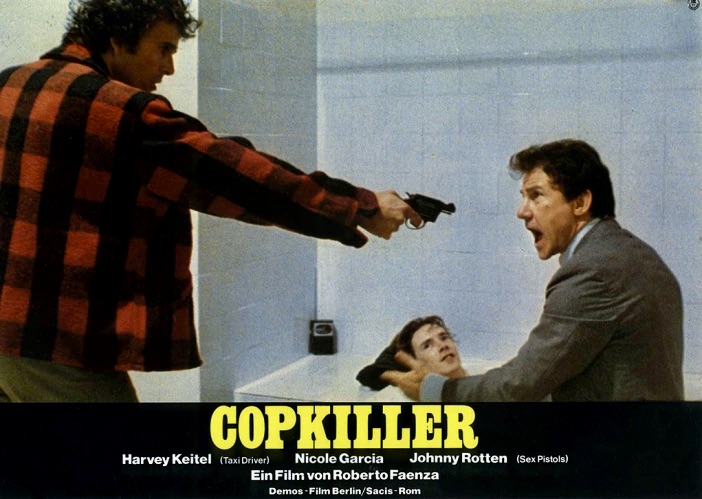
Adding another twist to the story is Fred’s realization that Mason is actually Leo Smith, the missing relative of the Hudson Valley heiress Margaret Smith (Sylvia Sidney) and that he has a history of confessing to cops for crimes he didn’t commit. Leo even says to Fred at their first meeting, “I’ve been following you for six months. The first time I saw you I knew I could confess to you.”
What Leo has in mind for Fred is not apparent at first but is slowly revealed over the course of the film as the two develop an odd symbiotic relationship. It starts as a cat and mouse game of wits between them but then the captive turns the tables on his captor, playing on his guilt and paranoia. As Fred’s sanity begins to crumble, fueled by alcohol, Leo encourages the detective’s worst instincts, which endanger Bob and Lenore.
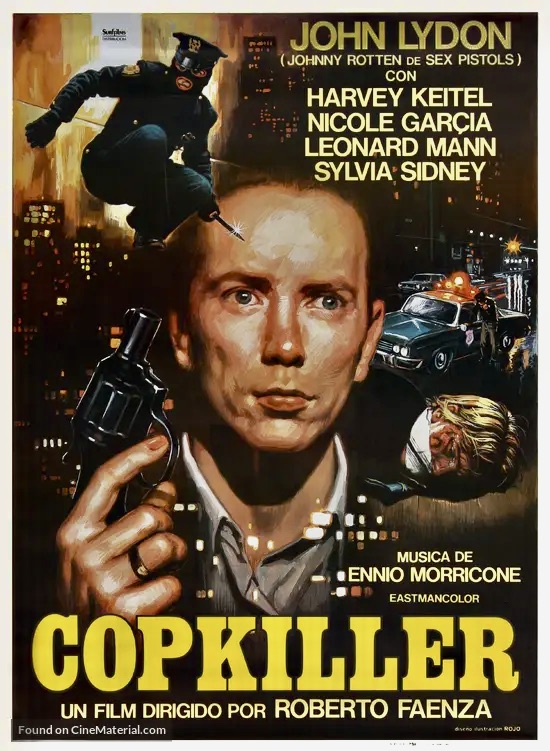
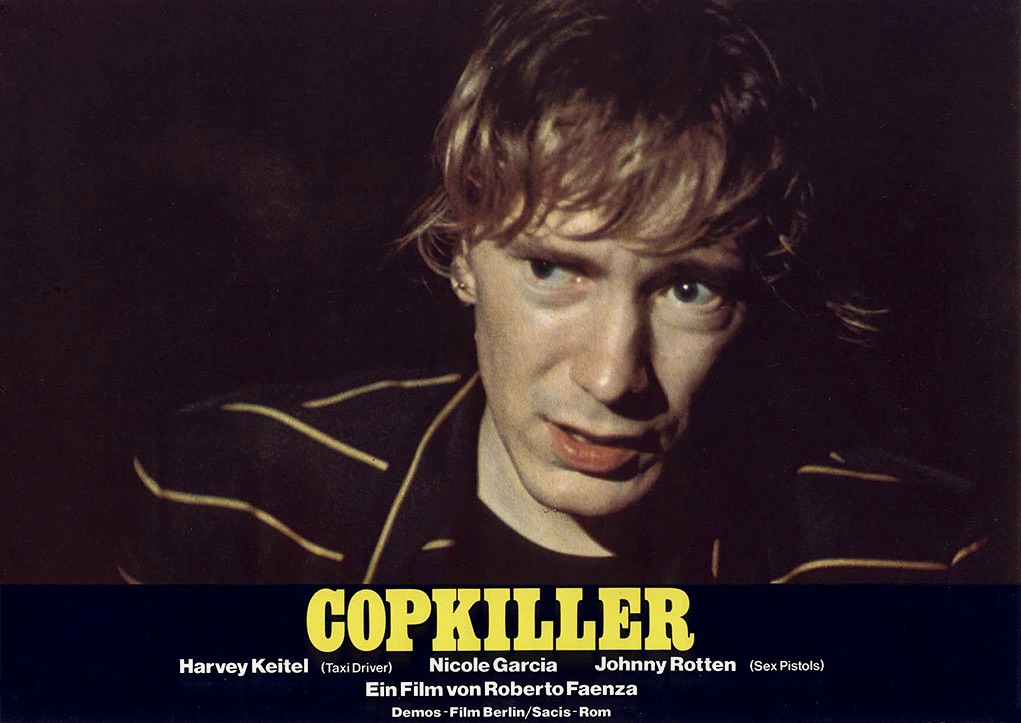
Initial reviews mostly criticized Corrupt for being a non-action crime drama which lacked suspense and that Lydon was miscast as the psychopathic Leo. One critic even wrote that Lydon “seems as threatening as a wet poodle.” But I have to wonder what expectations they had going into the movie. Did they expect a violent policier and were they already prepared to dismiss Lydon’s performance based on his noxious reputation as Johnny Rotten? If they had read Hugh Fleetwood’s original novel they would know this is not a typical cop thriller and that it is actually a tale of psychological warfare. And Lyon is incredibly creepy and unpredictable as Leo. When he’s on the screen, you can’t take your eyes off of him and Keitel is perfectly cast as his volatile and equally disturbed frenemy. Some critics took notice of Lydon’s auspicious debut such as Janet Maslin of The New York Times who wrote, “Mr. Lydon, who has just the right insinuating, runty quality for Leo, makes a strong impression, and in a better film would make an even stronger one.” If Corrupt had been successful, perhaps Lydon would have pursued other acting opportunities but we’ll never know.
Around the same time, Harvey Keitel had appeared in several offbeat and challenging films, most of which were championed by critics such as Blue Collar (1978), Fingers (1978), Death Watch (1980) and Bad Timing: A Sensual Obsession (1980) but the actor hadn’t had a bona-fide hit since Taxi Driver (1976) and Alice Doesn’t Live Here Anymore (1974). And the situation didn’t change with Corrupt. It was almost another decade before Keitel finally became a major star through several breakthrough roles such as Thelma and Louise (1991), Bugsy (1991 – his first and only Oscar nomination to date as Best Supporting Actor), Reservoir Dogs (1992), Bad Lieutenant (1992) and The Piano (1993).
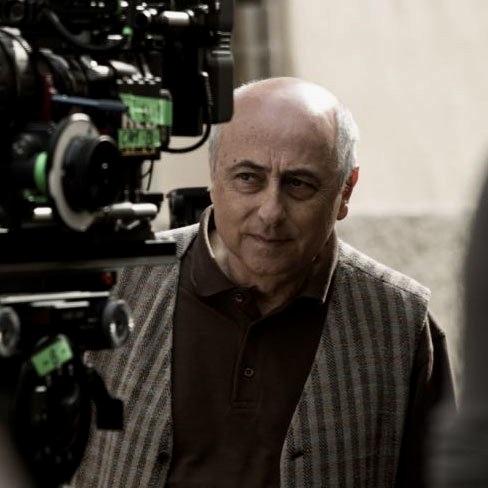
But back to the making of Corrupt – novelist Fleetwood actually worked on the screenplay with Italian director Roberto Faenza and Ennio De Concini (the co-writer of Il Grido [1957], Divorce Italian Style [1961] and other Italian art house faves). Faenza even involved the novelist in the casting process and Fleetwood favored Mark Rylance for the role of Leo (the actor had recently graduated from the Royal Academy of Dramatic Art). Faenza, however, decided that Lydon had greater marquee value than the unknown Rylance and the production commenced with the Sex Pistols frontman in New York City in 1981.
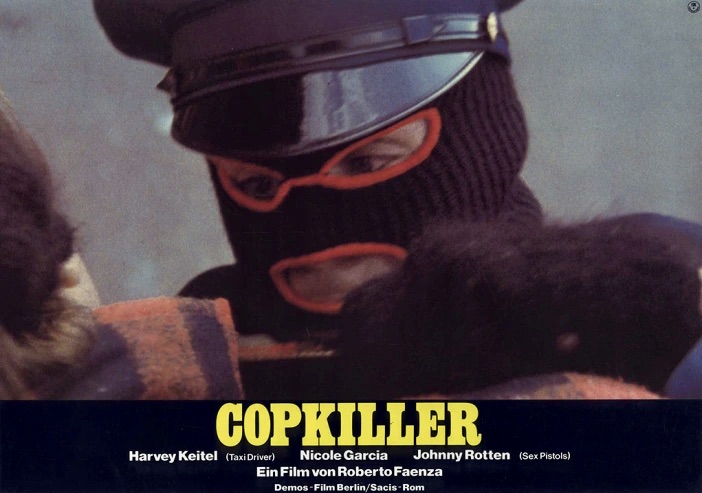
From all reports, the filming was mostly smooth sailing although Fleetwood said in an interview with Imran Khan of PopMatters that “John Lydon occasionally got a little impatient with Harvey’s Method intensity. They were shooting a scene where Fred (Keitel’s character) was supposed to be drunk. So Keitel wanted to be drunk. After the fifth or sixth take, he asked Faenza if there could be a pause as he didn’t feel drunk to the right degree. At which Lydon snapped, “Ever tried acting, ‘Arve?”
Lydon later said in an interview with Patrick Zerbib of Fodderstompf.com that he decided to do the film for fun but realized once he read the script that this was a serious commitment and not a lark. He was also aware that his reputation had prepared the filmmakers for the worse: “Yeah, they were convinced I would destroy the whole thing. But they had faith enough, they let me do it. The fact is, I was much more professional than all of them put together!…you know what Italians are like: f*cking chaos! They just loved arguing, and I kept saying: Work! Just work!”
Forty two years after its initial release, Corrupt remains a fascinating curiosity from the 1980s which captures the kind of sleazy ambiance and moral corruption that would resurface in a much more extreme fashion in Bad Lieutenant. Director Faenza is clearly more interested in examining the toxic dynamic between Fred and Leo than he is in unraveling the mystery of the cop killer. That frustrated some viewers but Corrupt is much more intriguing for what it omits and leaves unresolved, requiring the moviegoer to ponder the puzzle. Even when the identity of the cop killer is revealed at the end, it seems unlikely and more like a red herring.
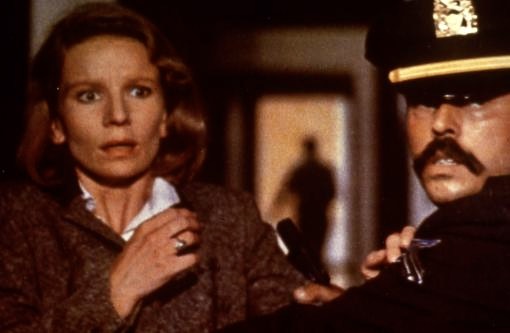
One of the most compelling enigmas in the film is the relationship of Fred and Bob. Were they already corrupt and crooked when they formed a partnership in the narcotics division or did the job turn them into opportunistic predators? What was their original intention with purchasing and sharing a secret apartment? And even Lenore, who knows them both intimately, suspects something unusual about their relationship. Yet, their backstory remains a mystery but so does Leo’s obsession with Fred. Part of it seems wrapped up in some sadomasochistic attraction while other aspects suggest a kind of role playing game of priest and confessor or condemned man and executioner. Corrupt plays on as a perplexing but engrossing mind game long after the film is over and that’s its own reward.
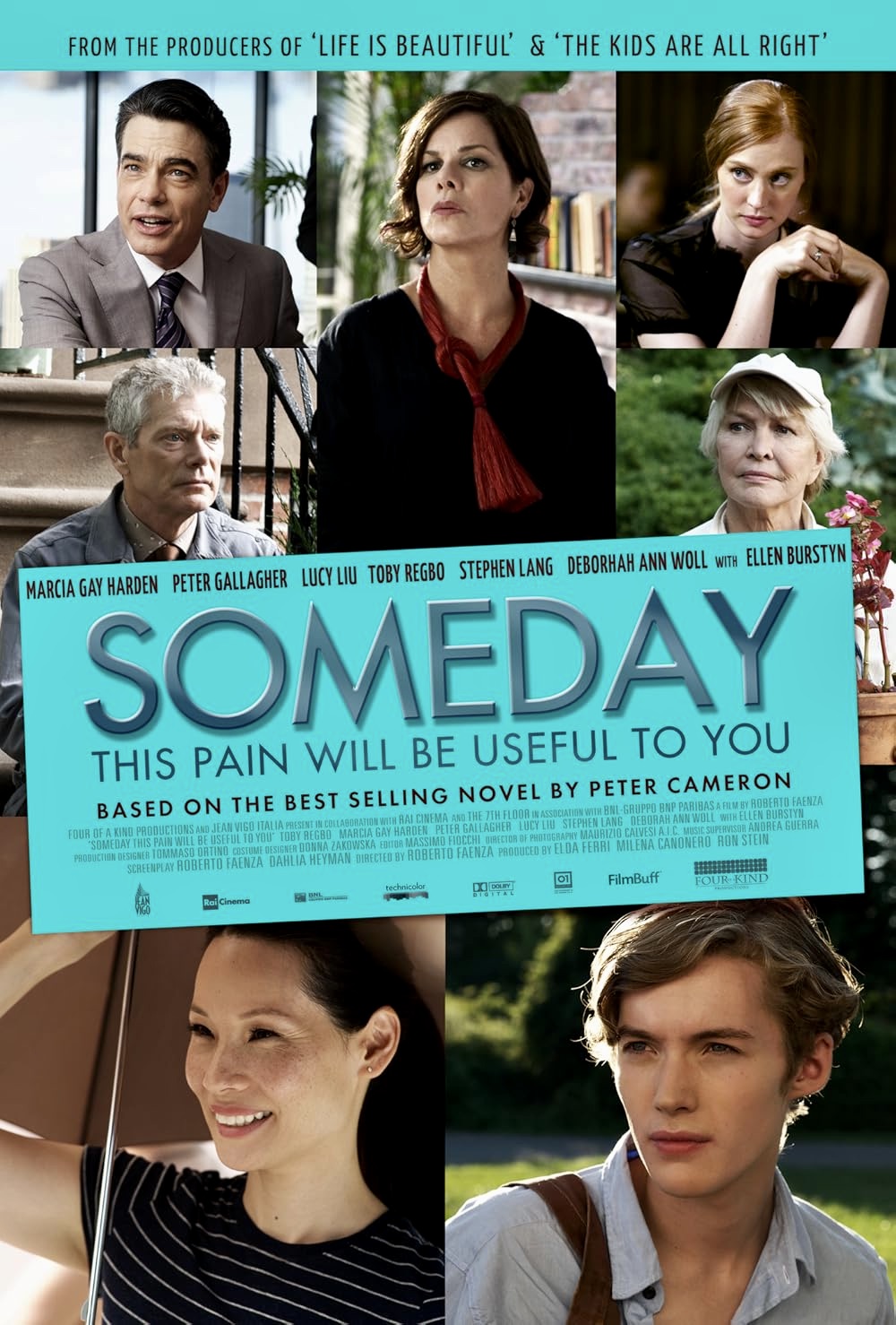
Director Roberto Faenza is still relatively unknown in the U.S. but enjoys a high profile career in Europe where his work is often celebrated at numerous film festivals such as I Giorni dell’abbandono (English title: The Days of Abandonment, 2005), which won the Golden Lion at the Venice Film Festival. Most of the director’s work is set in Italy and focuses on literary, social and political subject matter such as his 1968 film debut Escalation which was a satire about the ideological divide between a capitalist father (Gabriele Ferzetti) and his bohemian son (Lino Capolicchio). Faenza did return to New York City in 2011 to shoot a film adaptation of Peter Cameron’s young adult novel Someday This Pain Will Be Useful to You starring Toby Regbo, Marcia Gay Harden, Peter Gallagher, Lucy Liu, Aubrey Plaza and Ellen Burstyn but, like Corrupt, it was a box office bomb and dismissed by most critics.
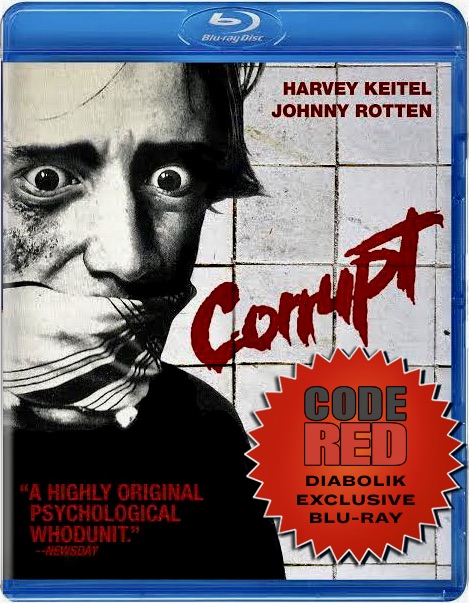
Corrupt, which was originally distributed by New Line Cinema, fell into public domain after that company’s rights expired and numerous poor quality bootleg copies of the film on VHS and DVD flooded the market. There are rumors that an Italian cut of the film ran 20 minutes longer than the U.S. release (which might explain some of the underdeveloped subplots such as Lenore’s character) but I’ve seen no evidence of that anywhere. In 2017, Code Red released the film on Blu-ray in the U.S. and it is probably the best way to see this long overlooked cult item. It includes a supplemental featurette of actor Leonard Mann discussing his Euro-centric career and commenting on Corrupt (he felt that director Faenza’s approach was too cerebral but he enjoyed hanging out with John Lydon off the set).
Additional trivia: The music score for Corrupt was initially going to be composed by Lydon and two bandmates from his post-punk group Public Image Ltd (PiL), Keith Levene and Martin Atkins. For some reason, work on the soundtrack was eventually abandoned with the musicians opting to work on a new studio album instead. While it is fun to imagine that unrealized music score. it has to be said that Ennio Morricone’s music for the movie is a highly original and unique contribution.
Other links of interest:
https://www.popmatters.com/order-death-roberto-faenza-1983
https://www.fodderstompf.com/ARCHIVES/INTERVIEWS/JL_face83.html
https://faroutmagazine.co.uk/john-lydon-alongside-harvey-keitel-copkiller/
https://www.popmatters.com/hugh-fleetwood-author-artist-interview
https://cineuropa.org/en/interview/18358/
 Cinema Sojourns