

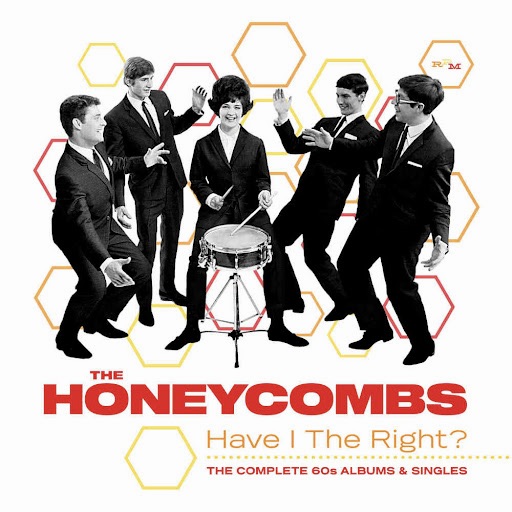
Most record collectors and music lovers of the baby boom generation fondly remember some of the top forty hits created by such innovative producers like Phil Spector, Bob Crewe and Eddie Kramer during the 1960s. Another major talent also emerged in England during this time period who took a unique, hands-on approach to producing records – Joe Meek. With an arsenal of sound effects and recording devices he kept secret from everyone, Meek had a meteoric rise and fall between 1961 through 1967 but is still famous today for “Telstar,” performed by The Tornadoes. It was a monster hit in the U.K. and became the number one single in the U.S. on Billboard’s top 40 chart during the week of December 22, 1962. As a producer, Meek was not a one-hit wonder and had other best-selling singles such as “Johnny Remember Me,” a ghost ballad performed by actor turned pop star John Leyton, and “Have I the Right?” by the Honeycombs. Unfortunately, personal problems, poor financial management and competition with major labels contributed to his downfall (he committed suicide in February 1967). But a fascinating window into his life and career was produced for the Arena documentary series for the BBC in 1991 entitled The Very Strange Story of the Legendary Joe Meek.
Compared to other documentary portraits of music industry icons, this documentary, directed by Alan Lewens, is a relatively no-frills, low budget affair with the usual talking head interviews, newspaper headline clippings and archival footage and photographs. What makes it essential viewing for pop culture aficionados and audiophiles, however, are the interviewees on display, all of whom knew Joe Meek quite well and most of whom are now deceased. Lewens also manages to introduce and tease the eccentric producer’s life story with oddball anecdotes and weird tidbits within a tight, sixty-minute framework.
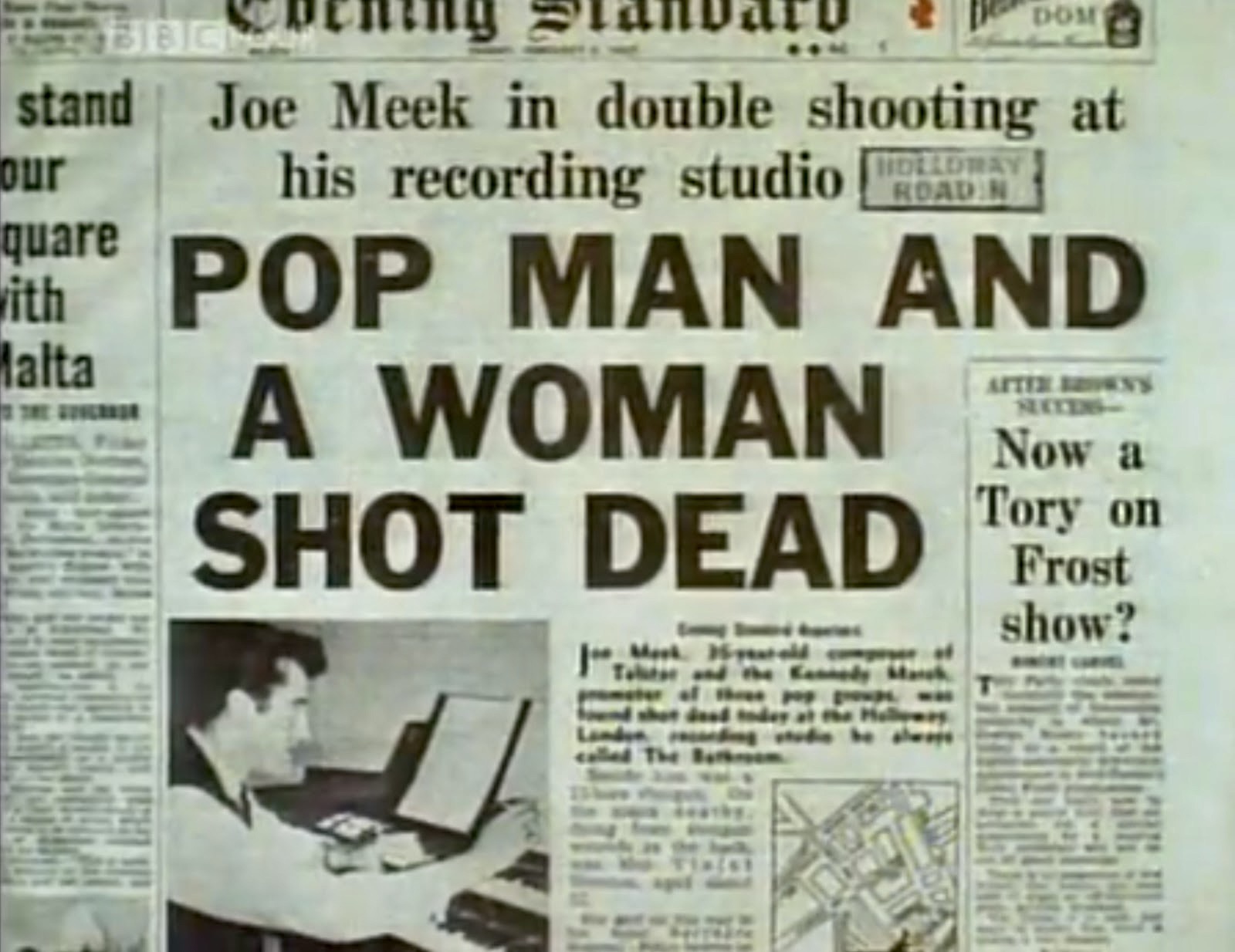
The Very Strange Story of the Legendary Joe Meek opens with a tabloid news story on the producer’s bizarre suicide after shooting and killing his landlady over his overdue rent payment. It works backward from there tracing his childhood on the family farm in the small rural town of Newent, England and his early interests in theater and music. He became obsessed with the phonograph at age 5 and, by the time he was a young adult, he excelled at radio and record player repair. It wasn’t until he moved to London in 1953 that Meek finally began to focus on becoming a sound engineer in a recording studio.
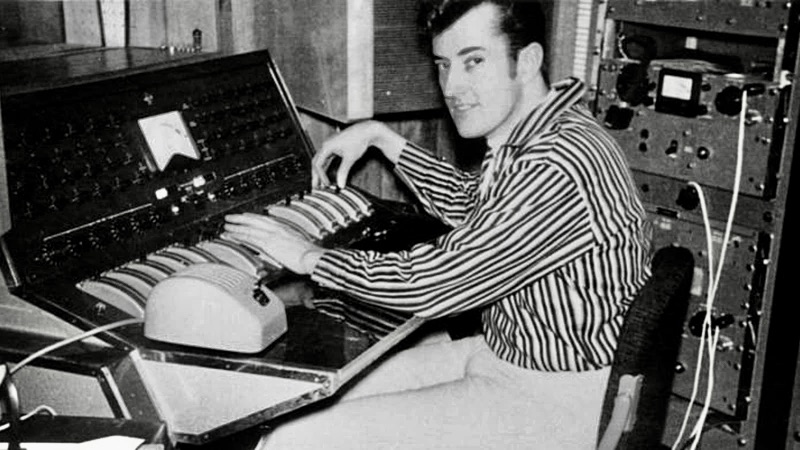
Meek takes almost immediate offense to the hierarchy of the British music and recording industry with their no tolerance approach to experimentation or deviation from old school methods. That frustration led him to reject the establishment and break out on his own as an independent record producer, setting up shop above a store that sold home goods. The second floor became his residence and he turned the third floor apartment into his recording studio.
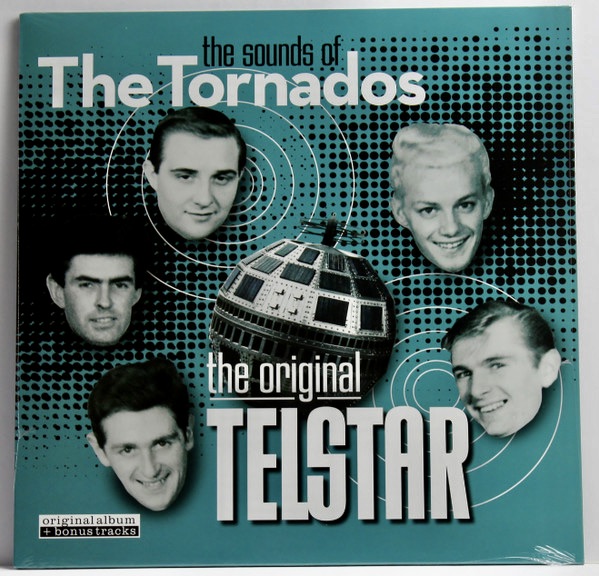
One of the most intriguing aspects of Lewen’s documentary delves into Meek’s mania for his “magic box” of recording effects, such as using the sound of loose gravel being shaken or deliberate distortion of specific instruments like the piano or stomping out a beat on the bathtub with his foot as a substitute for a brass drum. Part of the eerie sonic ambiance of his hit “Telstar” was achieved by the recording of a toilet being flushed run backwards and supplemented by electronic vocal sounds.
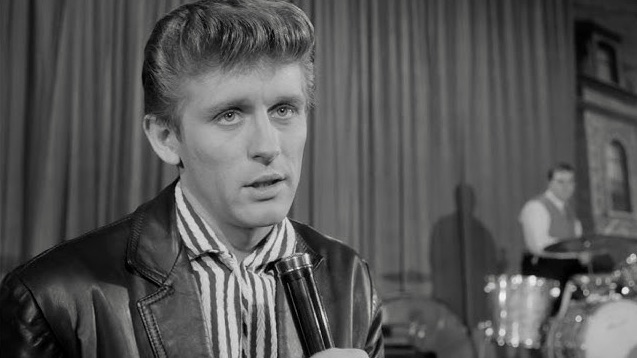
John Leyton, who had a surprise hit with “Johnny Remember Me,” recalls the unusual orchestration and multi-layed chorus stylings of that pop hit. In an amusing aside, he mentions that he went on a singing tour with several pop acts, one of whom was an up and coming band called The Rolling Stones (unknown at the time). At the start of the tour, he was the headliner but mid-way through he was eclipsed by their wildly successful stage act and realized his days as a pop star were over. Leyton would return to acting and appeared in such films as The Great Escape (1963), Von Ryan’s Express (1965) and Krakatoa, East of Java (1968).
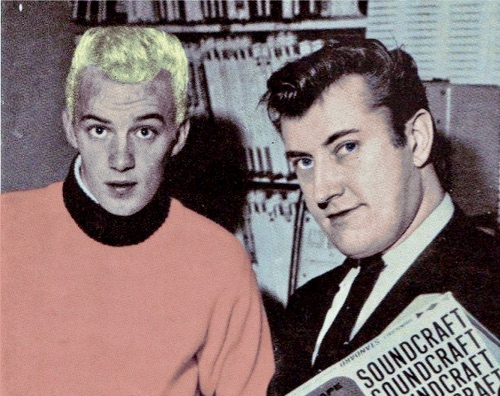
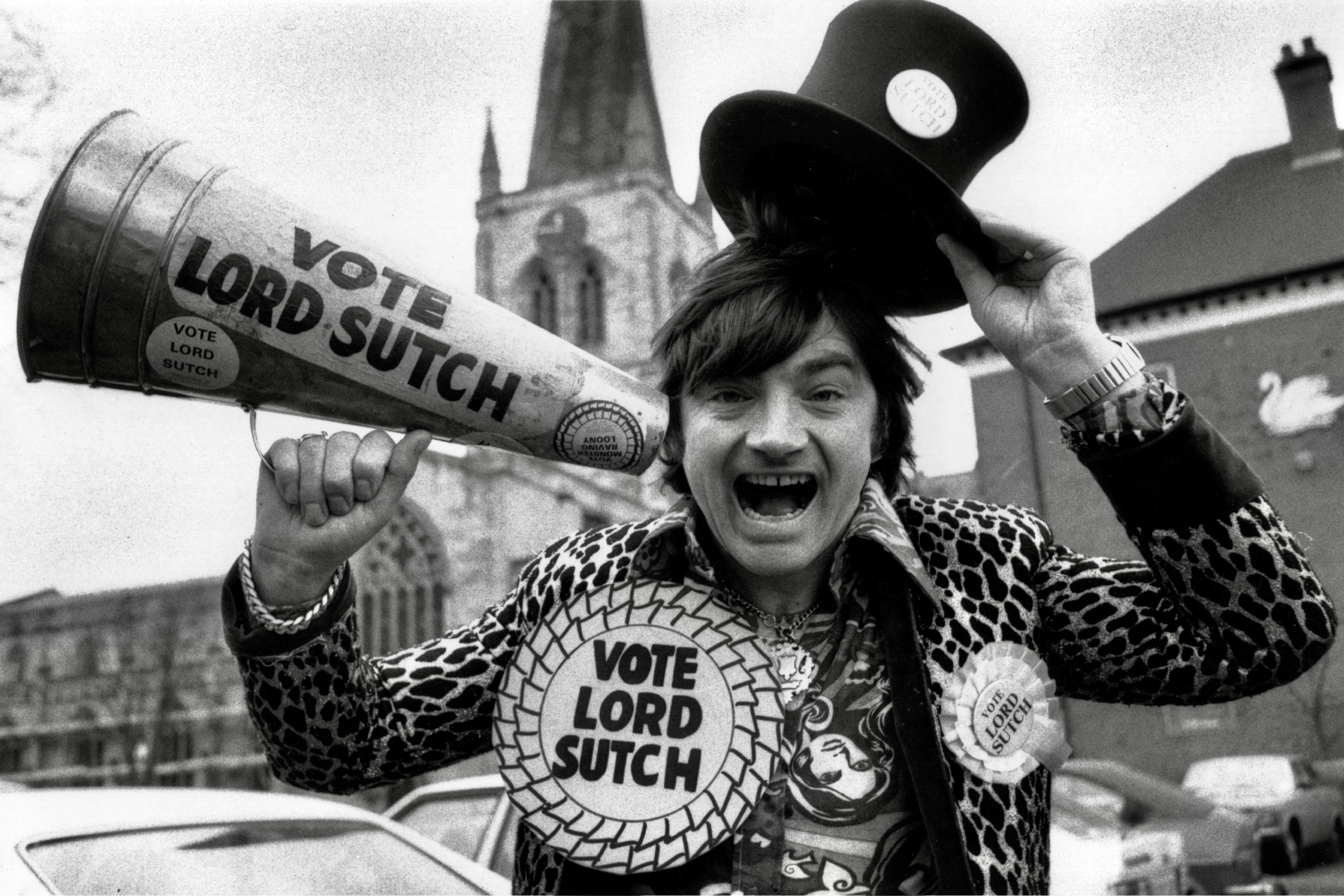
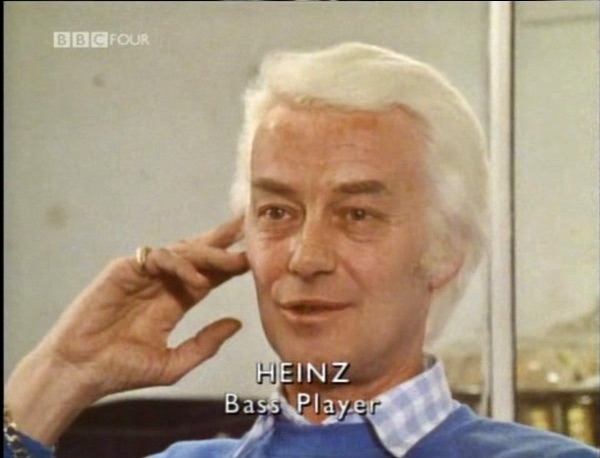
Among the more memorable talking heads in The Very Strange Story… are Eric and Arthur Meek, the younger and older brothers of Joe, who make a weird duo indeed as they recount their brother’s volatile mood changes and loner personality; U.K. music icon Lonnie Donegan, record producer Mickie Most (who said rival record producers considered Meek “a prankster’), music composer Geoff Goddard, B-movie actor Jess Conrad (Konga, Cool It Carol!), Screaming Lord Sutch, a rock ‘n’ roll wild man whose act was inspired by Screaming Jay Hawkins, and Heinz Burt, the former bass player for The Tornados who was groomed as a blonde pop singer by Meek under the moniker of Heinz. (Sadly, Lord Sutch was found hanged at his home in 1999 (aged 58) and Heinz would die a year later at age 57 from a stroke).
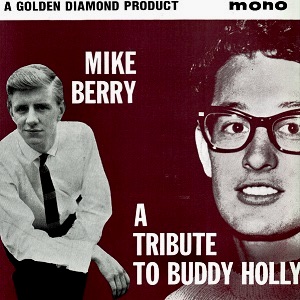
Goddard mentions Meek’s keen interest in the occult and his worship of Buddy Holly. The two subjects merged when Meek revealed to the songwriter that Holly began visiting him after his death with advice and encouragement for his career. It resulted in a semi-hit for Meek composed by Goddard entitled “Tribute to Buddy Holly,” performed by Mike Berry & the Outlaws. Another aspect of Meek’s interest in the supernatural emerges toward the end of the documentary as we hear a late night graveyard recording of Meek talking to a cat and the animal’s guttural responses. Strange stuff.
Meek’s career took a turn for the worst after he was arrested for “importuning” (the act of soliciting a minor for sex) in 1963 which was reported in the local newspapers. Most of the musicians who worked with Meek knew he was gay and he certainly had ulterior motives in grooming some of them for success like Heinz and Ricky Wayne (of Ricky Wayne & The Glee-Rakkers), a West Indian body builder/nightclub singer but these were usually unrequited affairs. But his prior arrest and the pressures of the music business made Meek increasingly paranoid (he believed his recording studio was bugged by rivals).
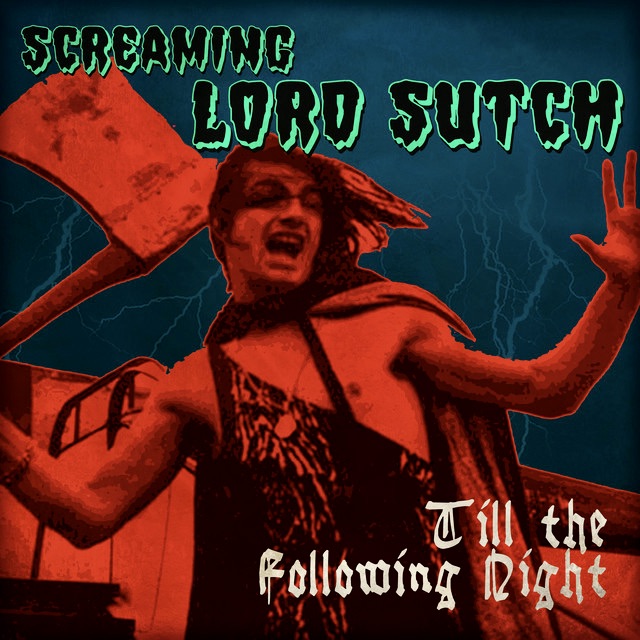
Due to music rights issues and the condensed running time of The Very Strange Story of the Legendary Joe Meek, the documentary isn’t able to go into the many groups and songs Meek produced during his most creative period. You can sample some of them on the CD compilation “It’s Hard to Believe It: The Amazing World of Joe Meek” which features delightful oddities like “I Take It That We’re Through” by The Riot Squad, “Lost Planet” by The Thunderbolts, “Night of the Vampire” by The Moontrekkers, “’Til the Following Night” by Screaming Lord Sutch & The Savages and “Valley of the Saroos” by The Blue Men.
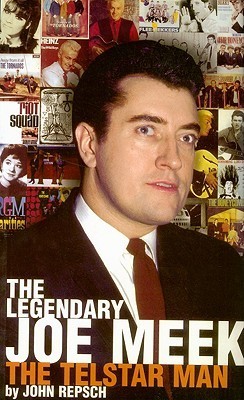
Joe Meek’s life and career has certainly been the subject of other works such as John Repsch’s exhaustively researched biography, The Legendary Joe Meek (Repsch wrote the screenplay for Lewen’s documentary), the BBC radio drama Lonely Joe (1994), Nick Moran’s hectic and unfocused biopic Telstar: The Joe Meek Story (2008), and Howard S. Berger and Susan Stahman’s 2013 documentary A Life in the Death of Joe Meek. All of them are worth exploring for Meek completists but The Very Strange Story of the Legendary Joe Meek is still the best place to start for novices. It not only has audio and film recordings of Meek but you can see him in action in his cramped third floor apartment producing a record. The documentary also serves as a revealing look at just how straightlaced and uptight the British music industry was until Meek came along as the first truly independent producer.

You can stream The Very Strange Story of the Legendary Joe Meek on Youtube and Cave of Forgotten Films (which has a much better quality print).
Other links of interest:
https://www.bbc.co.uk/gloucestershire/content/articles/2007/01/05/joe_meek_feature.shtml
https://faroutmagazine.co.uk/joe-meek-life-music-pioneer-murder/
https://joemeek.fortunecity.ws/bio/early.htm
 Cinema Sojourns