
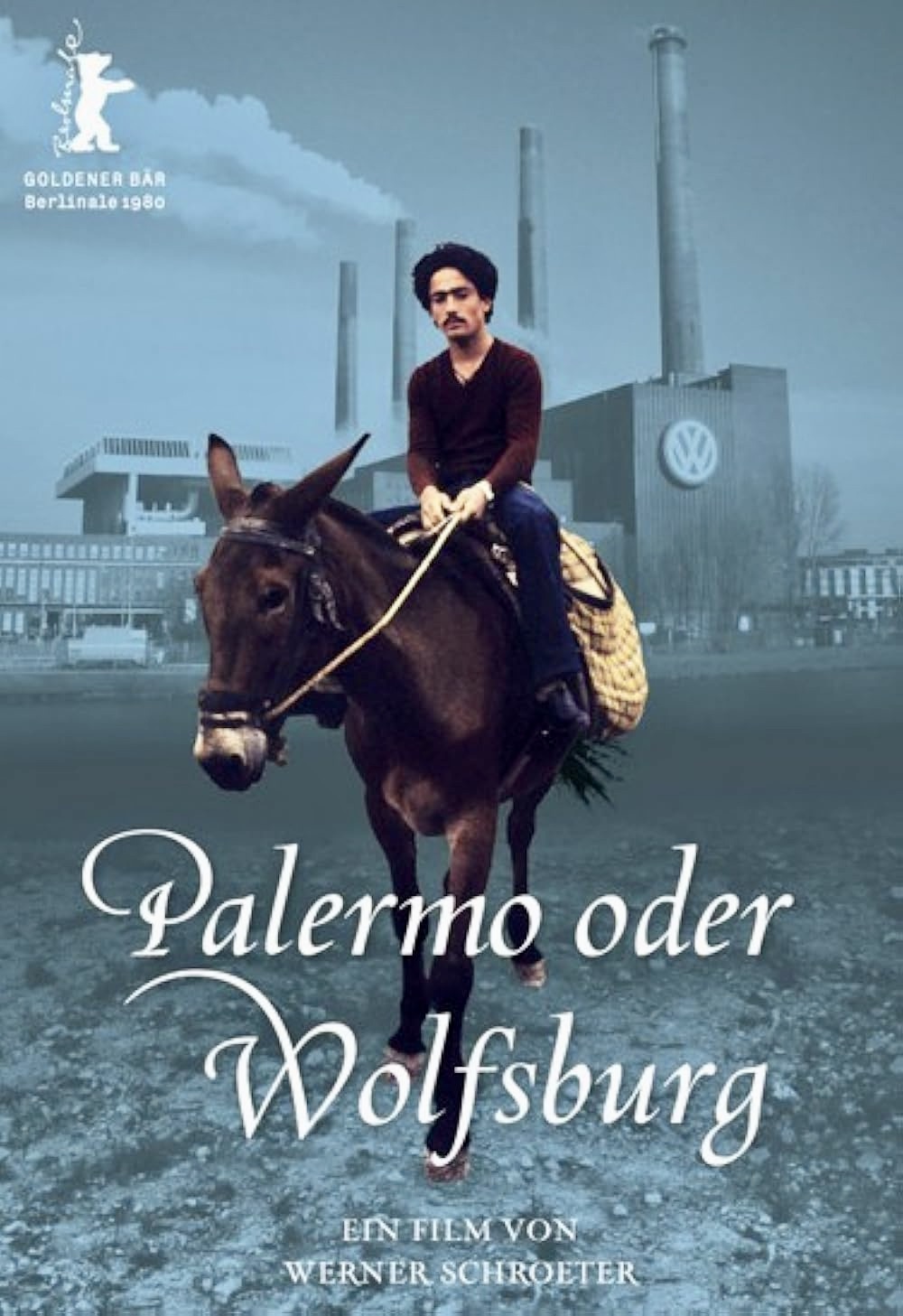
In recent years the immigrant problem in Germany has become more severe than previous times with Ukraine refugees joining the constant stream of immigrants from Turkey, Romania and other countries. This mirrors another migration that occurred in the seventies in Germany but that one helped fuel the country’s economy because the work force was supplemented by much needed laborers coming from Greece, Italy and other European locales. Palermo oder Wolfsburg aka Palermo or Wolfsburg (1980), directed by Werner Schroeder, is set during this latter period and tracks one man’s journey from Sicily to Germany where he hopes to find work to help support his impoverished family back home. Schroeder’s film not only shows the difficulties of outsiders trying to adapt to German life but also suggests that there is an incompatibility factor between Germany and other European cultures that can never be overcome. And this particular immigration tale unfolds like an epic tragedy.
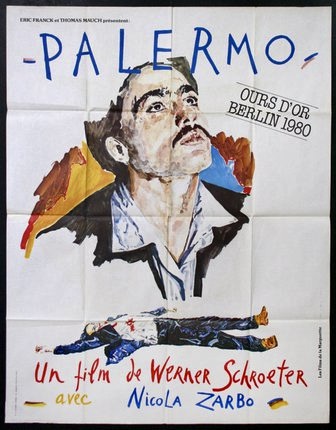
Structured like a three-act play, Palermo or Wolfsburg feels like a TV mini-series at times with its almost three-hour running time. What makes it unique is Schroeder’s approach to its three-part narrative which changes in tone and mood as the plot thickens. The first part seems inspired by Italian neorealism films of the late forties/early fifties; the middle section unfolds like a cross between a social critique and a melodrama in the style of Schroeder’s peer R.W. Fassbinder (Ali: Fear Eats the Soul, 1974); the final episode veers wildly from farce to fantasy to theater of the absurd and the entire movie is propelled by an eclectic soundtrack that blends opera, folk songs and pop music in a way that calls attention to the film’s unusual mix of naturalism and theatricality.
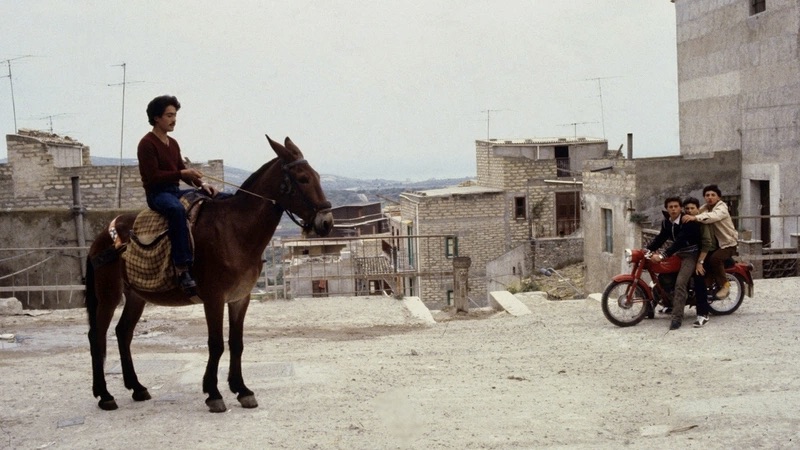
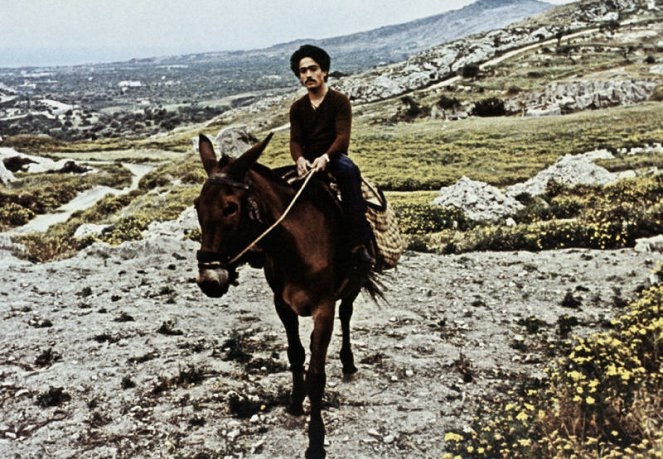
Palermo or Wolfsburg also features an intriguing blend of non-professional actors in most of the major roles with some familiar German thespians in supporting roles such as Otto Sander, Harry Baer and Isolde Barth. Nicola Zarbo, in his only film role to date, stars as Nicola, a Sicilian bricklayer who spends the first third of the film saying goodbye to friends and family as he prepares to make the long trek from his village to Germany via train where he hopes to find work. Why did he choose Wolfsburg? He has a distant relative there but Nicola is ill prepared for his trip. He doesn’t speak any languages except Sicilian, he has no real job skills beyond being a common laborer and no savings to fall back on if his plan doesn’t work. As played by Zarbo, Nicola is trusting, kind hearted and religious but hopelessly naïve and inexperienced in the ways of the world (the village priest evens warns him to beware of “bad company, especially women”).
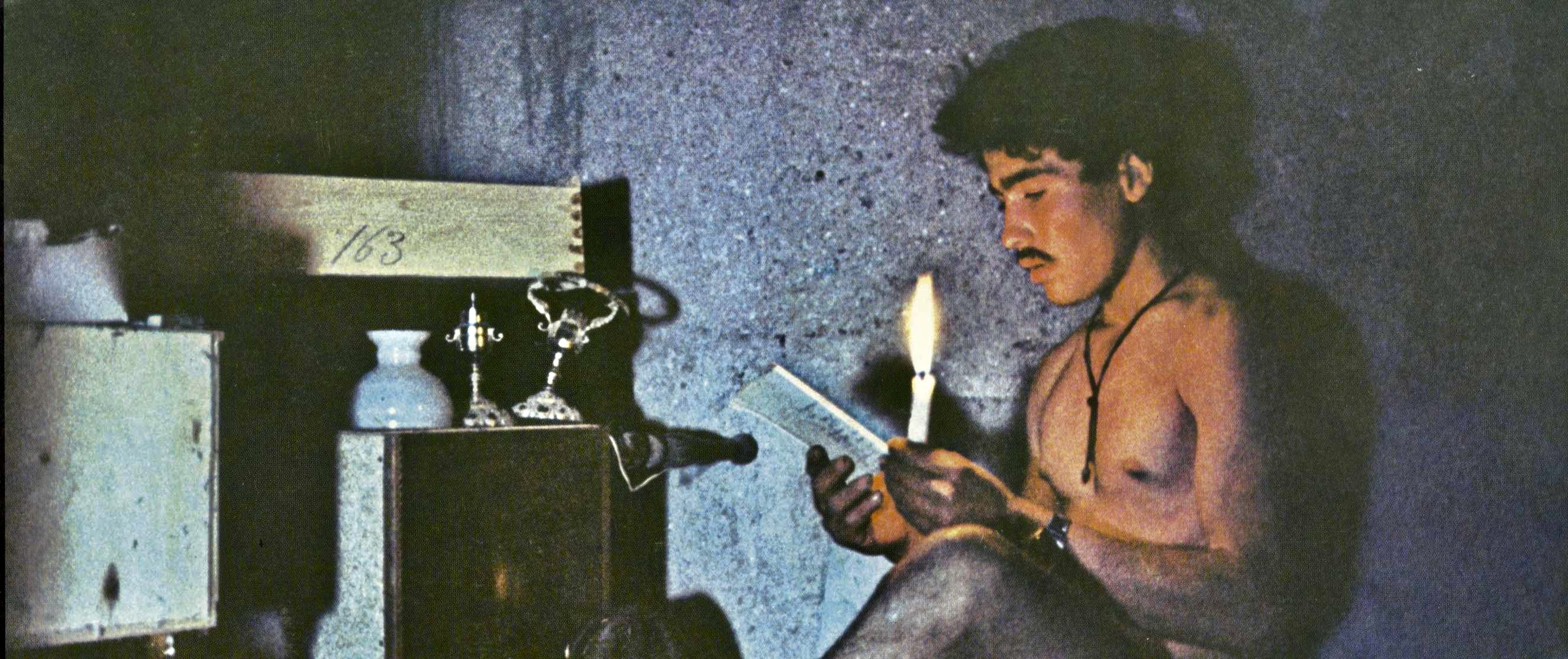
Even before Nicola leaves town, he witnesses a fellow Sicilian in a pool hall/tavern ranting about the exodus to Germany. “When we reach a certain age,” he shouts, “we are attracted to Germany as if it were a mother to us…as if life were better there! But that’s rubbish! That’s just an illusion. We don’t realize that they exploit us in Germany. We’re the slaves of Capitalism there!” The speech turns out to be prescient but Nicola doesn’t heed the man’s warning and is soon traveling to Germany with other hopeful immigrants on the train.
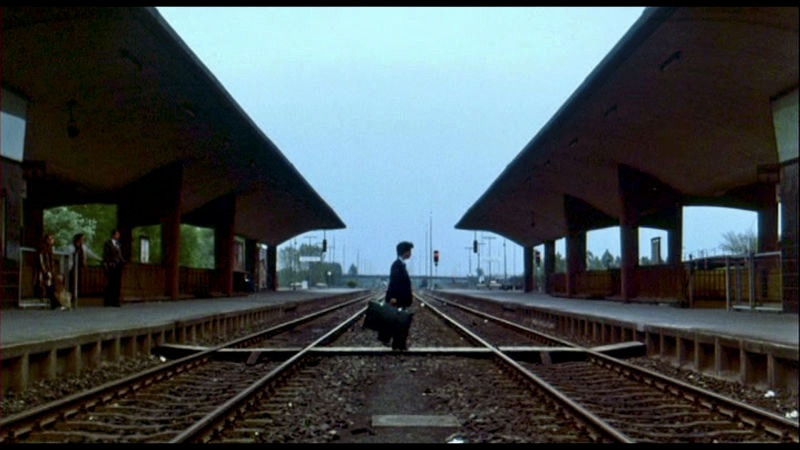
The middle section of Palermo or Wolfsburg illustrates the culture shock Nicola experiences when he arrives in Wolfsburg. He is at first harassed and then helped by some street wise teenagers who turn out to be Italian immigrants like himself. They eventually invite him to bunk with them in their cramped one room apartment after his relative turns out to be completely unhelpful. Nicola eventually gets a job doing grunt work at the local Volkswagen factory and befriends Giovanna (Ida Di Benedetto), a fellow Italian woman who runs a bar.
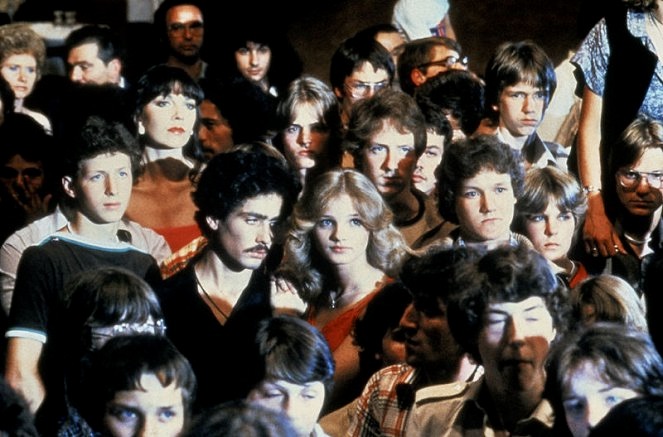
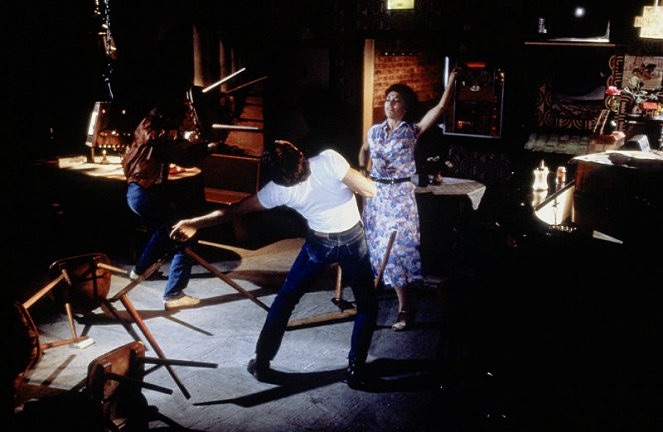
His luck seems to be changing for the better when he meets Brigitte (Brigitte Tilg in her only film), a young blonde teenager who works at a garage, and their flirtation turns to romance, even if they can’t understand each other. Unfortunately, Brigitte is only using Nicola and is more interested in hanging out with the local bad boys. When she cruelly breaks up with Nicola at a street fair, it sets off a chain of tragic events.
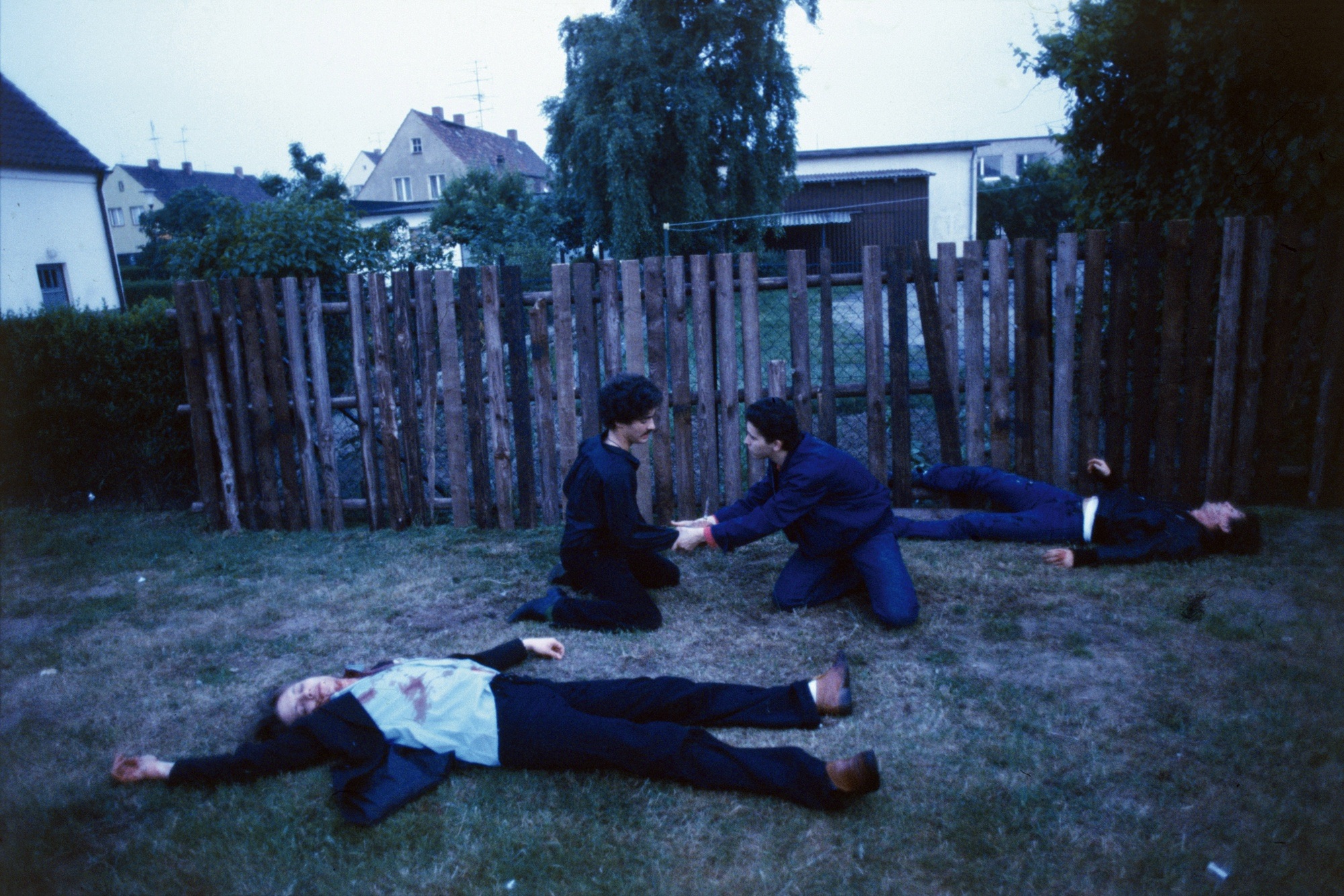
The final section of Palermo or Wolfsburg takes place in a courtroom where Nicola is on trial for the murder of Brigitte’s two street punk friends, an act that was partly provoked by the two victims’ drunken aggressiveness and partly by Nicola’s wounded male pride. By this point, Nicola appears to be resigned to his fate and remains mute for most of the court proceedings while the German judge and prosecutors display a condescending attitude toward the accused (and immigrants in general). But any sense of realism quickly fades away as Schroeder begins to parody the proceedings showing one prosecutor asleep with her head on the counter while the chief justice reads the daily newspaper out of boredom.
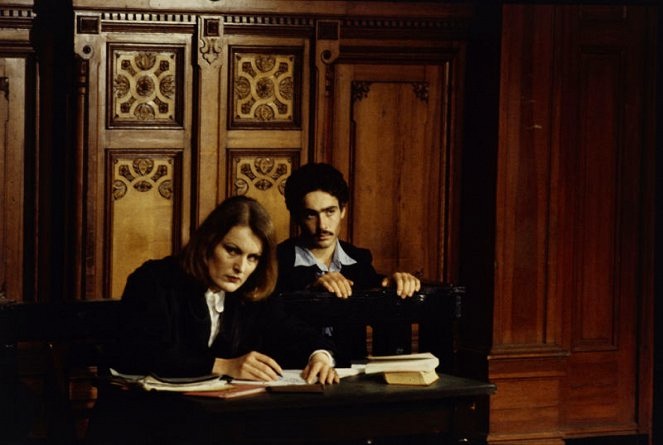
Things become more delirious and dream-like as Nicola’s female lawyer Rechtsanwaltin (Magdalena Montezuma) curls up amorously on the judge’s lap while the defendant goes into a religious trance staring upwards toward heaven. We no longer know whether the hallucinatory scenes we are witnessing is from Nicola’s confused mental state or from the director manipulating our point of view. In the end it all adds up to the same thing – the mistreatment of immigrants is universal and Nicola ends up as a sacrificial lamb. Schroeder’s interrupting the narrative at certain points to show a stage play about the life of Jesus further supports the director’s depiction of Nicola as some kind of martyr or holy fool.
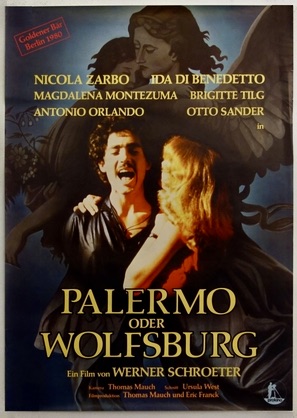
Originally pared down from an eight-hour cut to its current run time of 173 minutes, Palermo or Wolfsburg is a slow but fascinating character study with an unconventional story arc that transitions from documentary realism to road movie to operatic tragedy. The contrast between the sunny, rural landscapes of the Sicilian countryside with the cold, antiseptic look of an industrial Germany city results in a cultural disconnect where communication between strangers has become impossible. And the movie’s open ending which concludes with a shot of the sky outside a courtroom window leaves the viewer to ponder the fate of Nicola and millions of others just like him.
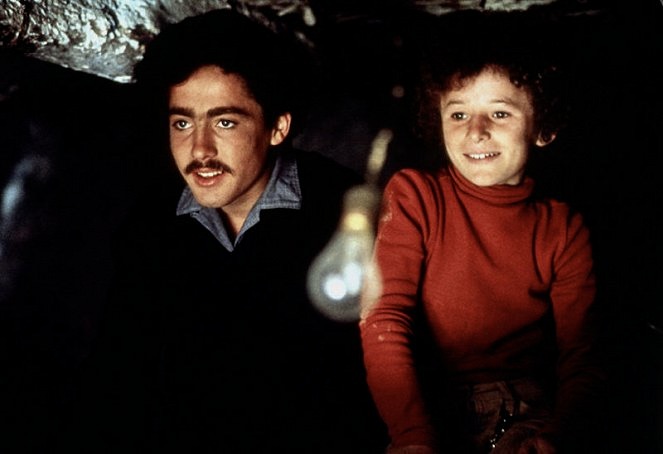
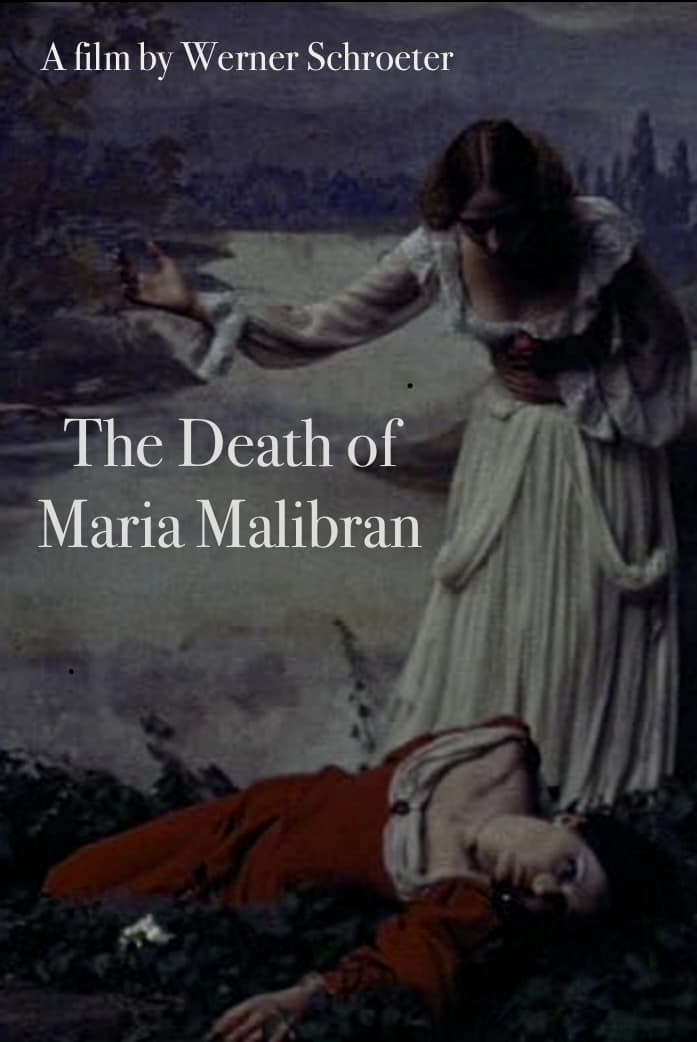
Palermo or Wolfsburg had a successful run on the film festival circuit where it won the Golden Berlin Bear award at the Berlin International Film Festival (it was a tie with Richard Pearce’s Heartland [1979]) but film reviews were mixed. The film was certainly a departure from the type of cinema that established Schroeder’s aesthetic interests and obsessions – movies which were experimental in nature and often allegories or fables utilizing cabaret, modern dance, opera, theatrical productions and melodrama with a heavy dose of kitsch. Palermo or Wolfsburg is almost conventional with its chronological narrative compared with Schroeder’s earlier, more avant-garde work like The Death of Maria Malibran (1972), Willow Springs (1973) and Goldflocken (1976), all three starring Schoeder’s go to actress Magdalena Montezuma, who resembles some iconic diva or glamorous vamp from cinema’s past like Theda Barr or Pola Negri.
The director’s interest in a more realistic dramatic narrative filmed in real locations (and not in an artificial, studio bound setting) became apparent in his previous feature, The Kingdom of Naples (1978), which focused on two brothers coping with poverty in post-war Italy. Palermo or Wolfsburg is a continuation of Schroeder’s interest in southern Italy and demonstrates how politics and class differences impact immigrants coming to Germany. Nicola’s tale is probably representative of thousands of migrant workers like himself who are ill-equipped to adjust to or understand a culture so unlike their own but what is the solution? Schroeder may not provide an answer to the problem or even attempt to dramatize Nicola’s plight on an emotional level but his observational approach with some unexpected stylistic flourishes (especially in the last half of the movie) gives you plenty to think about and make Palermo or Wolfsburg an accessible entry point for viewers who have never seen a Schroeder film but are curious enough to make the effort.
Palermo or Wolfsburg was released on DVD by Filmgalerie 451 in April 2009 and included an interview with Werner Schroeter in German (no English subtitles) and two trailers for other Schroeter films. You might be able to still purchase a copy from online sellers but this film definitely deserves a complete restoration and a Blu-ray upgrade as one of Schroeder’s key works.
Other links of interest:
https://www.filmcomment.com/article/divine-rapture-the-films-of-werner-schroeter/
https://harvardfilmarchive.org/programs/the-passions-of-werner-schroeter
https://www.slantmagazine.com/film/werner-schroeter-palermo-oder-wolfsburg/
 Cinema Sojourns