
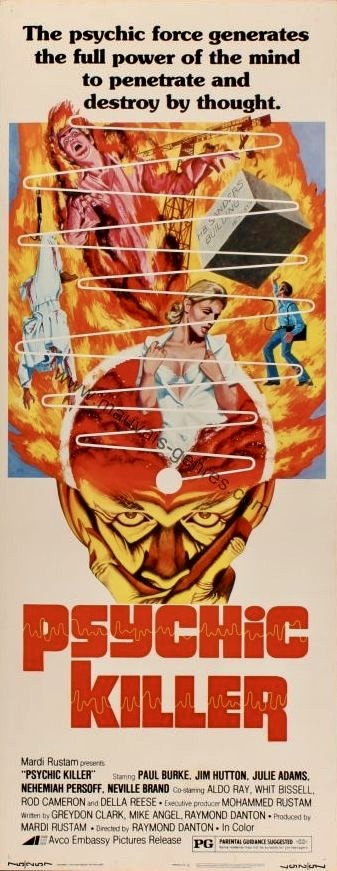
You may have heard of the term Kirlian. It is usually associated with photography and refers to a process where an image is created by applying a high-frequency electric field to a living object. The result captures a pattern of luminescence which is recorded on photographic film and represents a life force or energy field surrounding the living object. The concept has never been embraced by the scientific community but became popular in parapsychology and paranormal research in the mid-fifties. It even inspired a low-budget indie art house mystery called The Kirlian Witness (1978), directed by Jonathan Sarno, about a murder that is solved by a houseplant that witnessed the crime. Yet, even before this obscure, rarely seen feature, the concept of Kirlian energy provided an explanation for the behavior of the insane protagonist of Psychic Killer (1975 aka The Kirlian Force aka The Kirlian Effect), a trashy but consistently entertaining horror thriller featuring a cast of familiar Hollywood character actors and Jim Hutton as the unlikely title character in his final theatrical feature. If you’re looking for an offbeat, non-traditional horror movie for your Halloween viewing, this is a good choice.
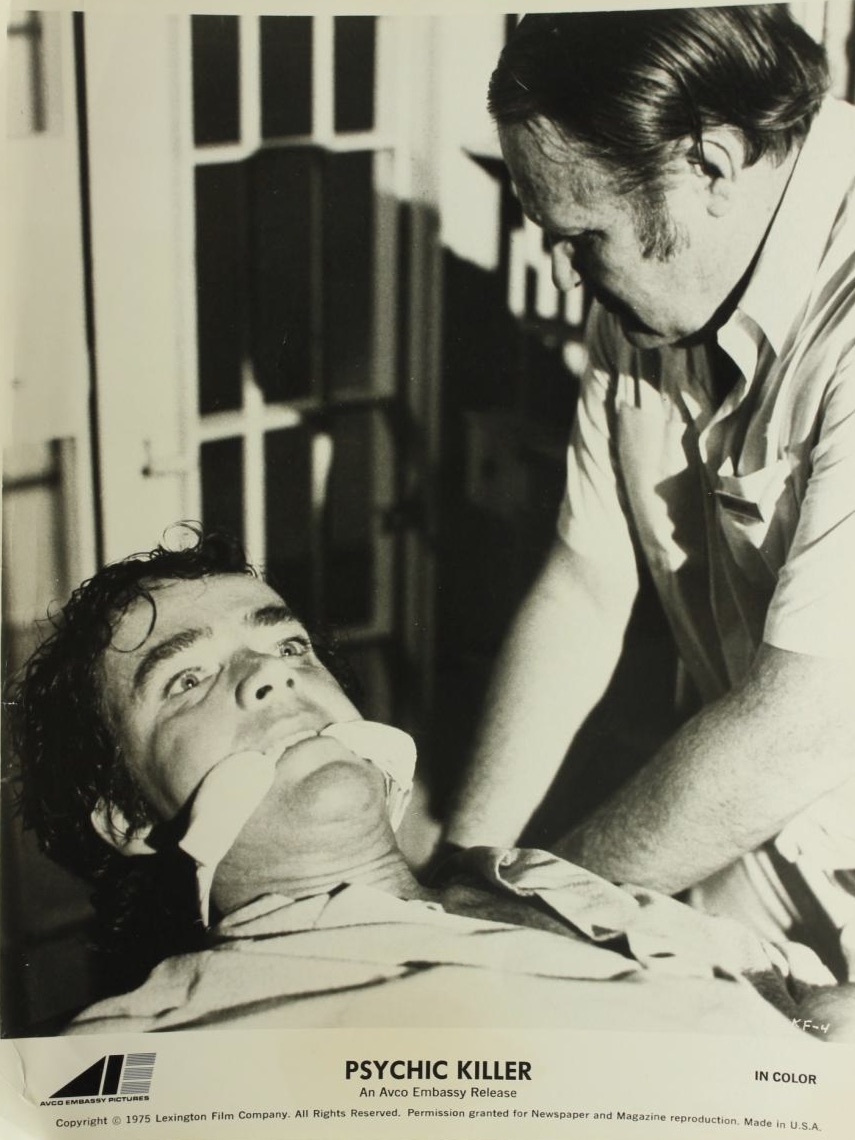
Hutton stars as Arnold Masters, a psychiatric patient in the mental ward at a state prison. He went mad after the death of his mother and was accused of murdering his mother’s doctor for refusing to approve a life-saving operation (because she couldn’t afford it). Despite his schizophrenic behavior, Masters turns out to be innocent of the crime and is released after the true culprit confesses and is jailed. His false incarceration and his mother’s death, however, spur him on to seek revenge. He finds the perfect means to an end, thanks to Emilio (Stack Pierce), a former prisoner who passes on his knowledge of Kirlian energy to Arnold via a mysterious antique box after he jumps to his death (a weird twist that is explained in the film).
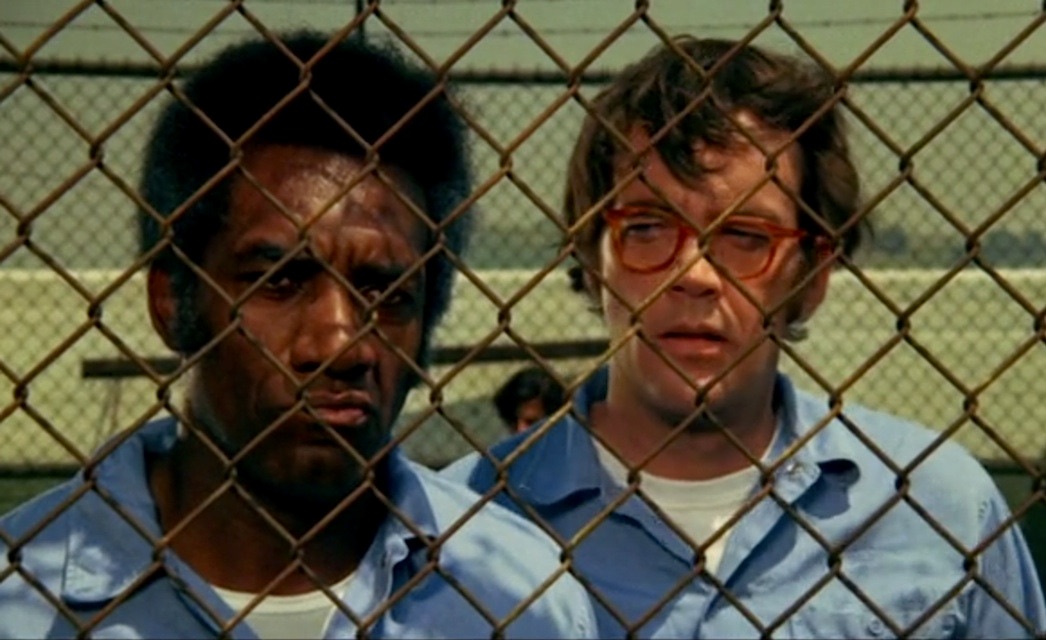
Masters quickly learns that he can harness the energy field around his body to slip into a comatose state and create out-of-body mayhem and murder in the name of vengeance. Psychic Killer doesn’t really delve into any details or logical explanations for the film’s connection between Kirlian energy and astral projection. After all, this is low-budget genre fare aimed at drive-in and grindhouse crowds but it delivers plenty of cheap thrills, sexual titillation and sleazy characters who deserve their dire fates (The Kirlian reference is merely an unconvincing MacGuffin to explain the craziness that erupts).
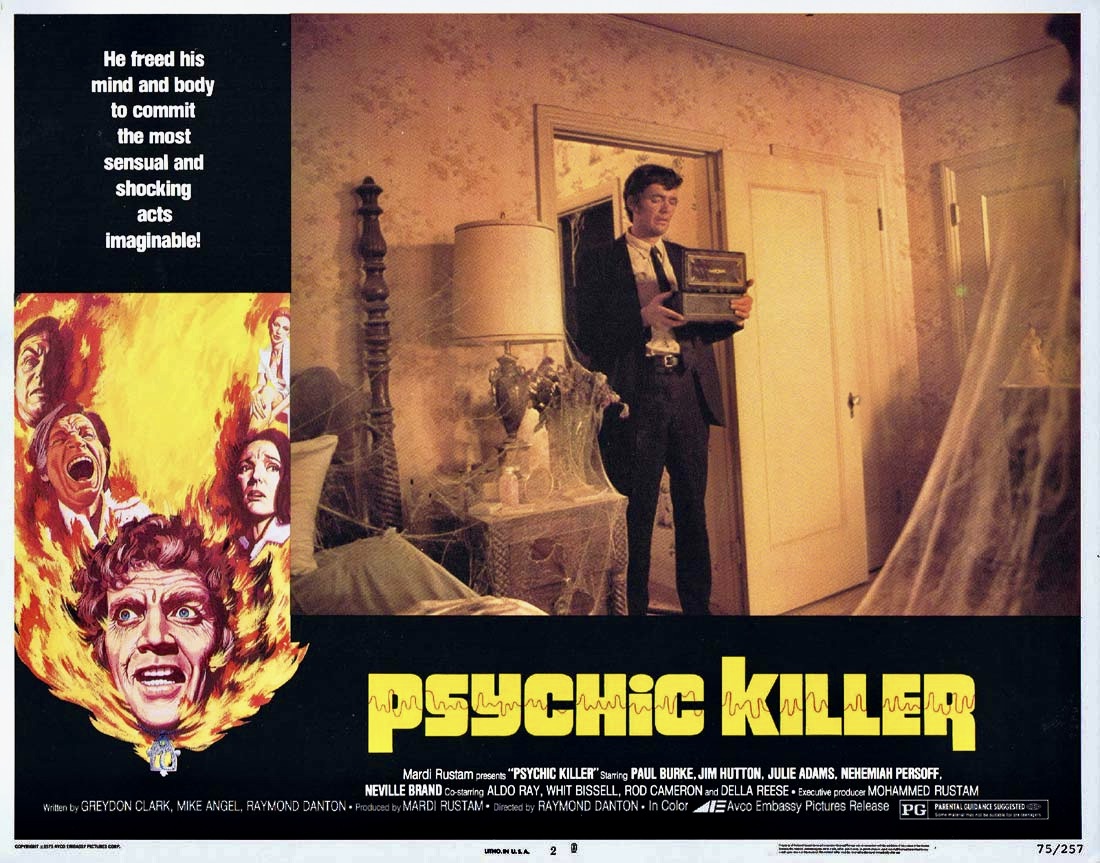
Jim Hutton, who only fifteen years earlier had been typecast as the lovable all-American, boy-next-door in romantic comedies like Where the Boys Are (1960) and The Honeymoon Machine (1961), is surprisingly creepy and effective as the demented protagonist. When we first see him, he is in full freak-out mode in a psychiatric ward, screaming “I want my mother.” He calms down considerably for the remainder of the movie with his manic behavior giving way to a disconcerting façade of calmness. It’s a shame Hutton didn’t try his hand at playing other screen heavies or alternatives to his clean-cut image because he is genuinely sinister here. The only other performance that comes close to this is his irritable, dismissive husband in the 1973 TV movie Don’t Be Afraid of the Dark, where he treats his wife (Kim Darby) like a child because she fears their house harbors malignant beings. Well, of course it does!
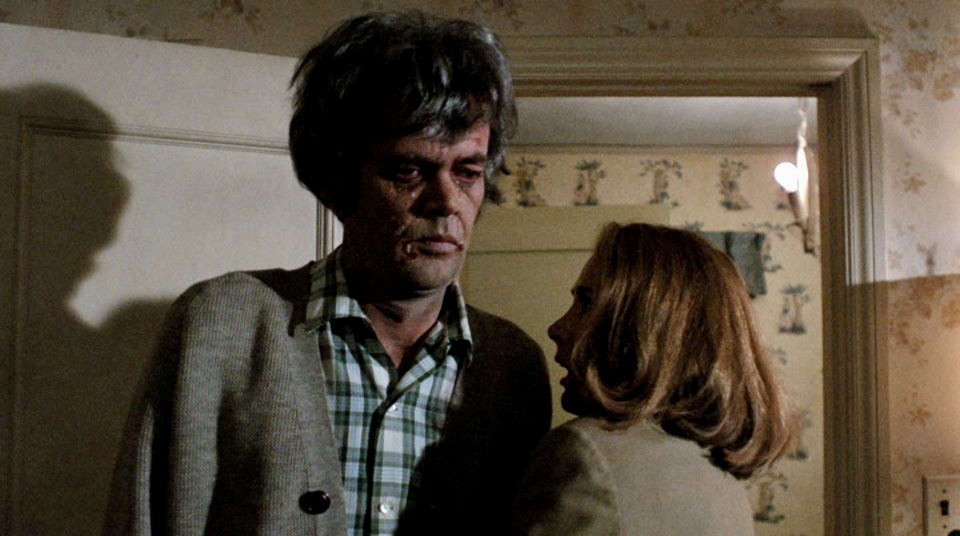
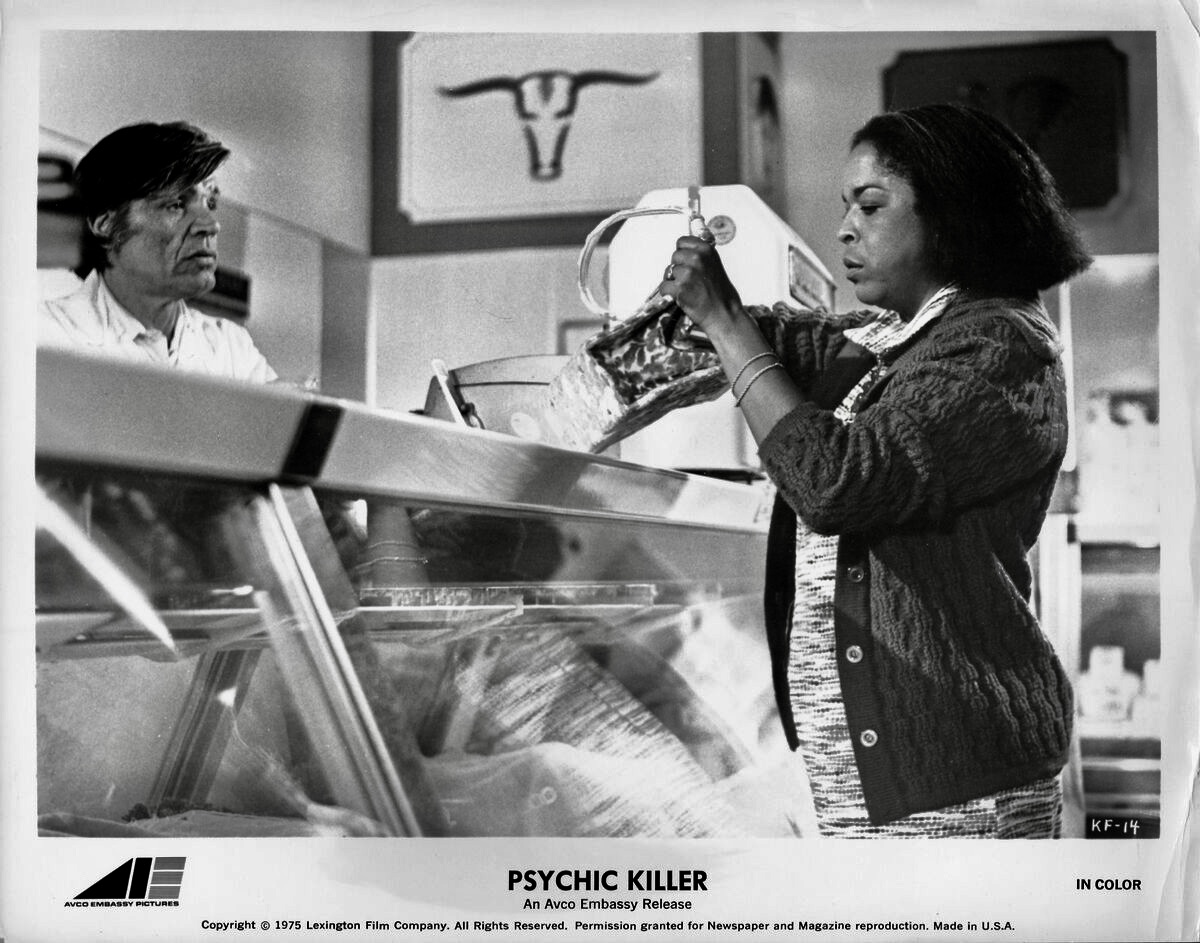
The rest of the cast of Psychic Killer is composed of veteran character actors and B-movie stars who are barely developed as characters but make the most of their limited screen time like Whit Bissell (I Was a Teenage Frankenstein) as Masters’ ill-fated psychiatrist, Aldo Ray (Don’t Go Near the Park) as a blustery detective with a short fuse, Nehemiah Persoff (The People Next Door) as a doctor with theories about Kirlian energy, Neville Brand (The Mad Bomber) as an obnoxious butcher (his in-store confrontation with guest star Della Reese as a hostile customer is supremely nutty), and Paul Burke (Daddy’s Gone A-Hunting) as the investigating policeman and Julie Adams (The Creature from the Black Lagoon) as Masters’ prison psychologist provide the brief and unnecessary love interest.
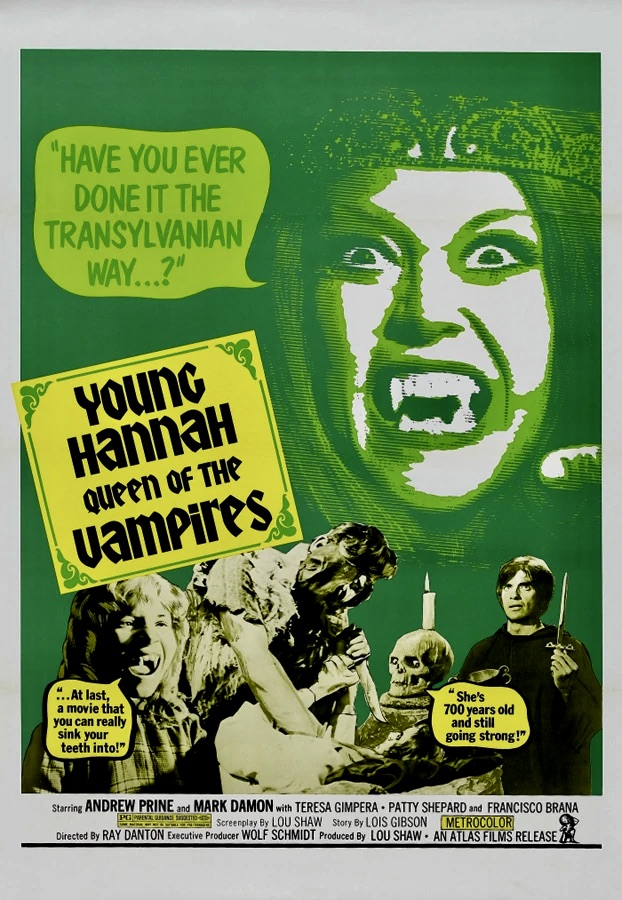
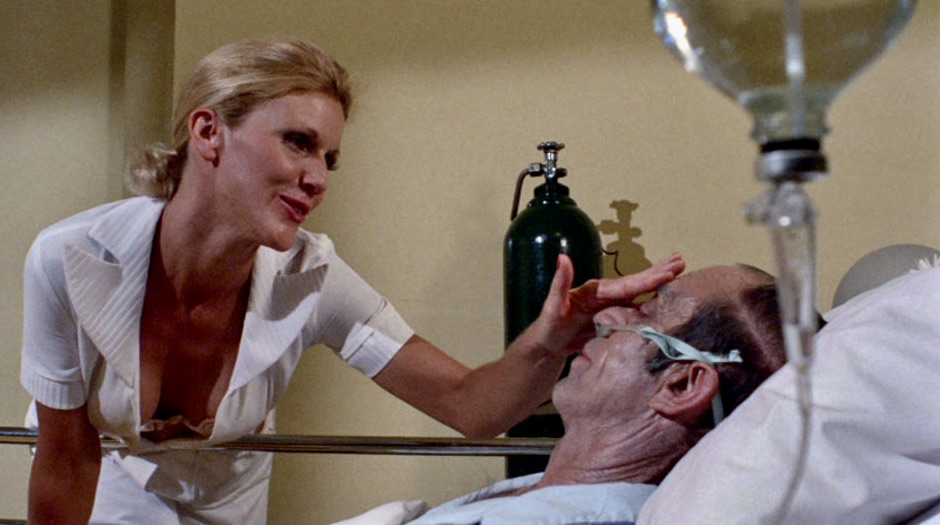
Psychic Killer was the third and final theatrical feature for actor turned director Ray Danton. His two previous efforts were also in the horror genre – Deathmaster (1972) and Crypt of the Living Dead aka Young Hannah, Queen of the Vampires (1973) – but were mostly ignored by movie reviewers and audiences. Psychic Killer is an improvement over both because it has some hilariously bad performances, especially Mary Wilcox (Beast of the Yellow Night) as a narcissistic sexpot of a nurse and a macabre sense of humor, most evident in Masters’ murders via astral projection.
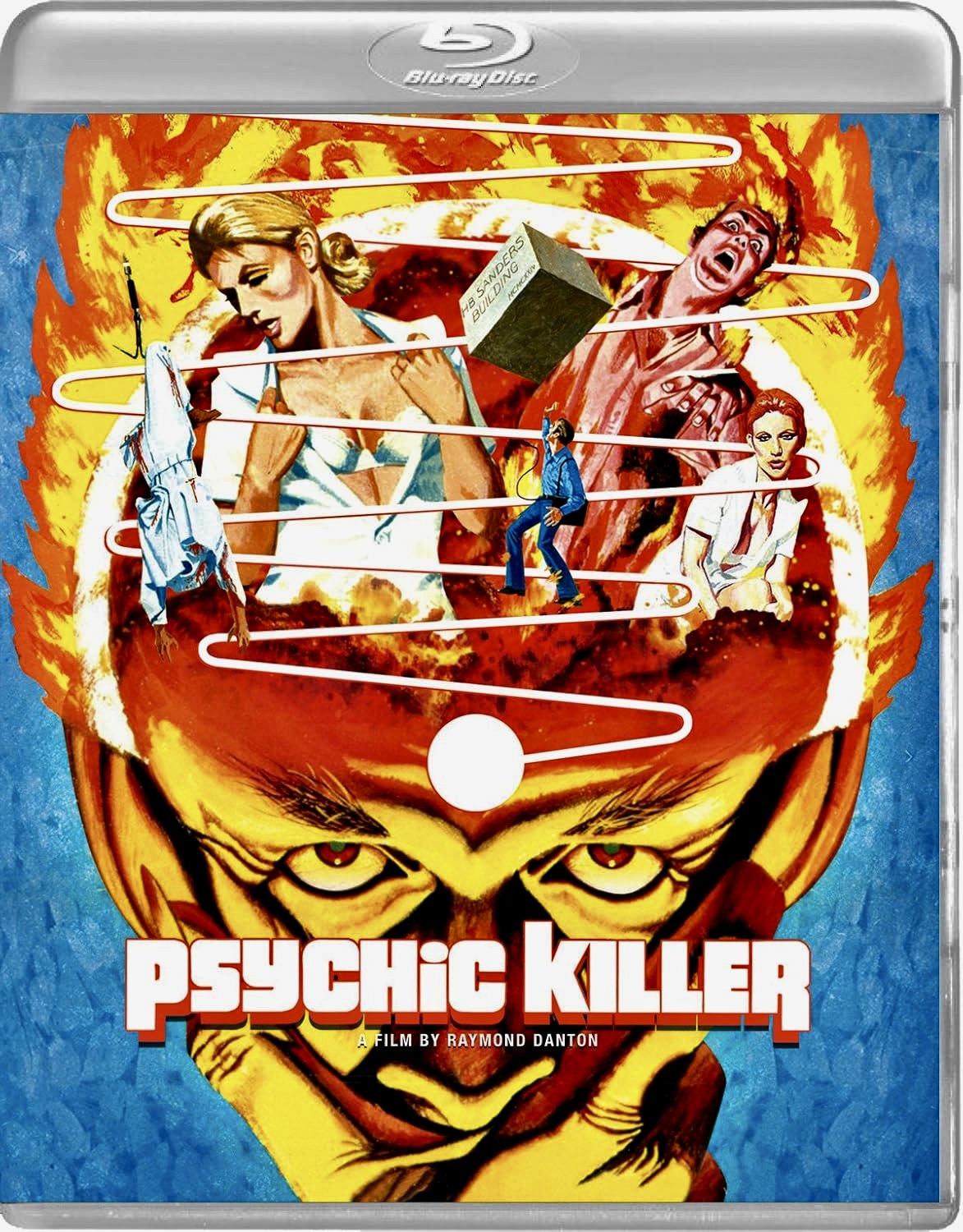
The scene in which Masters’ sleazebag lawyer, Harvey Sanders (Joseph Della Sorte, overacting outrageously), is crushed to death by a huge block of concrete at a construction site is clearly played for laughs. But the scene where Neville Brand’s butcher falls victim to the tools of his trade (meat grinder, tenderizer press, etc.) is no less ridiculous in its fake gore and shock cuts.
Danton deserves credits for keeping the entire enterprise from going completely off the rails and moving the predictable plot along at a fast clip with a murder every ten minutes or so to keep the audience on their toes (the running time is just under 90 minutes). His directorial efforts were mostly ignored during his lifetime but now look like nostalgic relics of the 1970s.
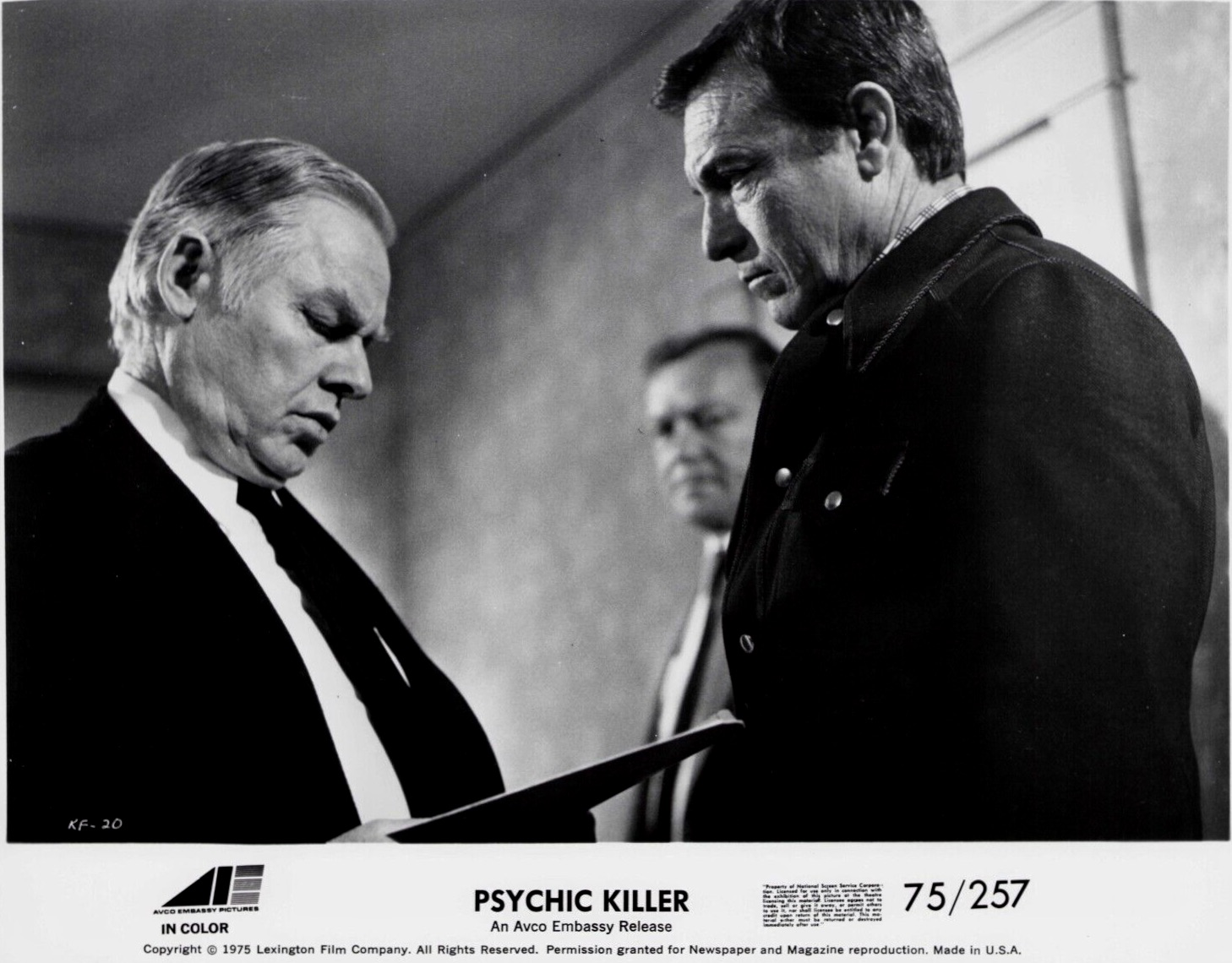
Psychic Killer definitely has cult film potential and deserves to be better know. This negative review from The New York Times actually seems like a recommendation to genre fans today: “It takes a decent level of concentration to achieve that rare and profitable product, the movie that is so thoroughly and triumphantly awful that wave after wave of college students will return to sit through midnight showings in a rising haze of disconnection and other fumes.”
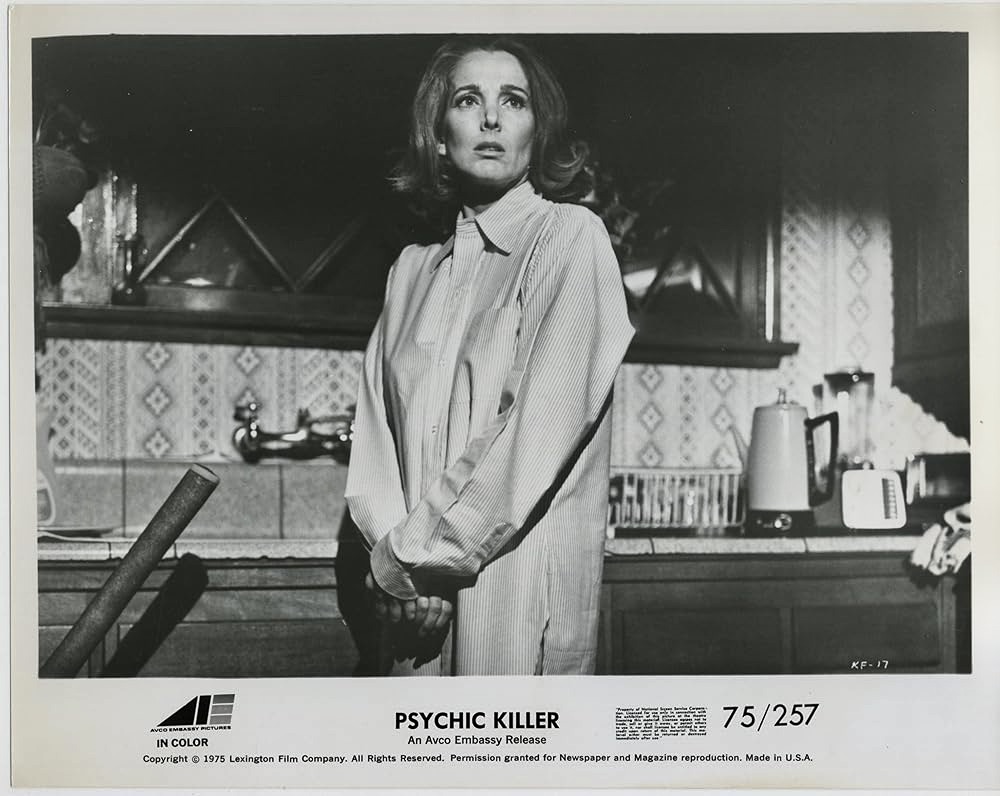
Much more knowing in their assessment is this review excerpt from TimeOut Magazine: “A good, cheap, diverting horror exploiter with a reasonably developed sense of its own ridiculousness (a couple of funny, bloody murders), and a cast of old hands (Adams, Ray, Brand) who know a hilt when they see one, and boy, do they play up to it. Ray Danton used to act in films just like this, and if not inspired, his handling of the grotesque is both sure-footed and fun.”
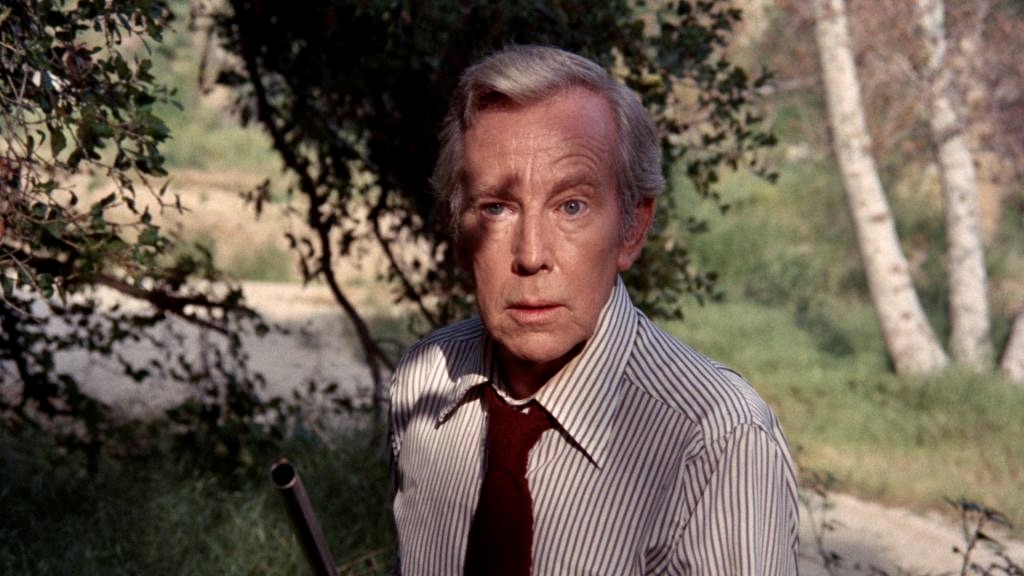
Some additional trivia:
Actress Julia Adams was married to director Danton at the time this film was made.
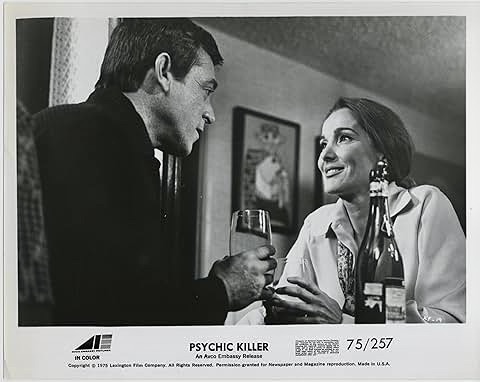
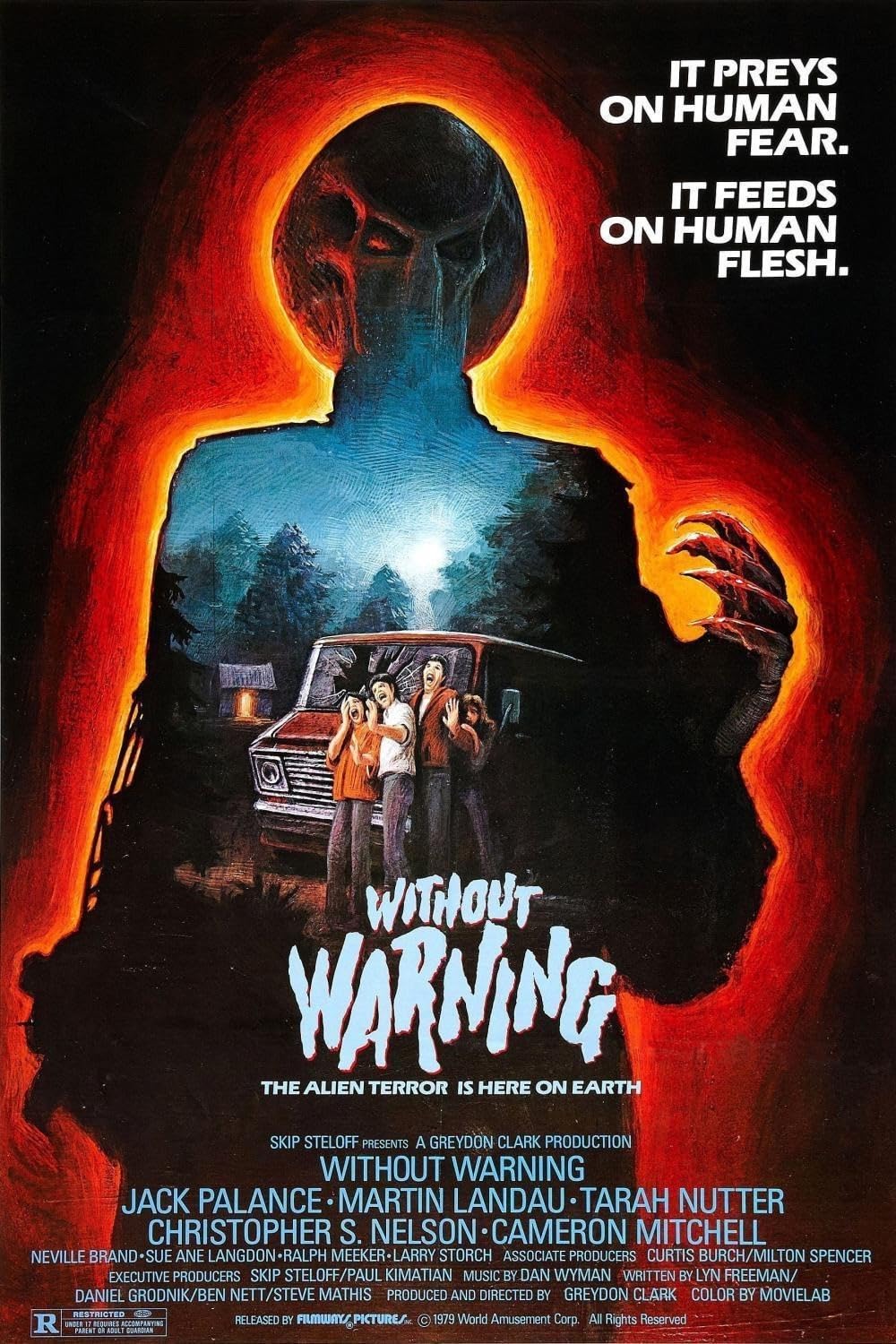
Greydon Clark, who co-wrote the screenplay for Psychic Killer with Danton and Mikel Angel, also works as an actor and director. He helmed some infamous exploitation films like Black Shampoo (1976), Satan’s Cheerleaders (1977) and Angels’ Brigade (1979) but occasionally turns out a surprise sleeper like the alien invader sci-fi thriller Without Warning (1980).
Mohammed Rustam, the executive producer of Psychic Killer, is better known as the money man behind Al Adamson’s so-bad-its-good horror pastiche Dracula vs. Frankenstein (1971) and Tobe Hooper’s Eaten Alive (1976) starring Neville Brand.

Psychic Killer was initially released on DVD by Dark Sky Films in 1999 but a better option is the Blu-ray/DVD combo set from Vinegar Syndrome in May 2016, which features a new 2k scan from the 35mm negative, a featurette on the film with comments by Julie Adams and her two sons by the director, Mitchell and Steve Danton and various other extras.
Other links of interest:
https://www.tvinsider.com/people/ray-danton/
http://greydonclark.com/details/21/psychic-killer
 Cinema Sojourns