
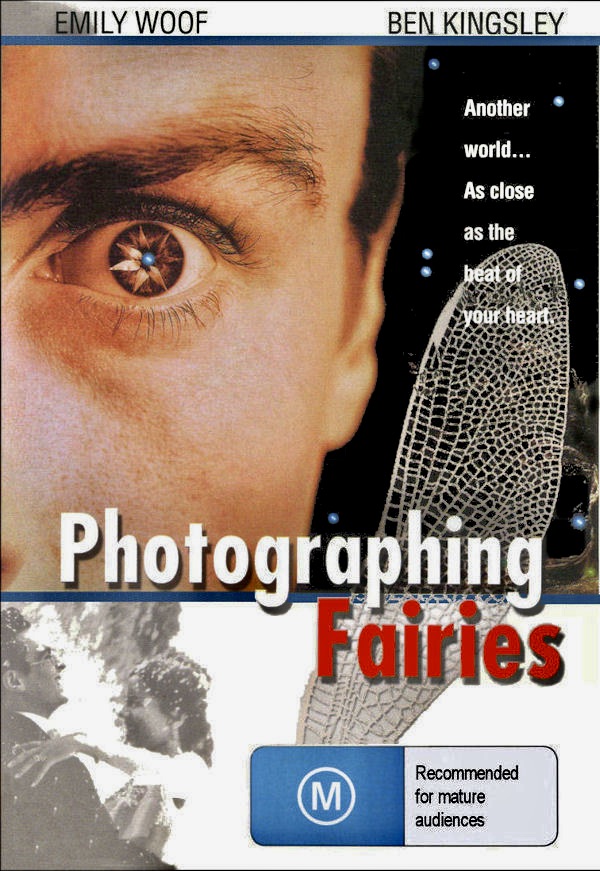
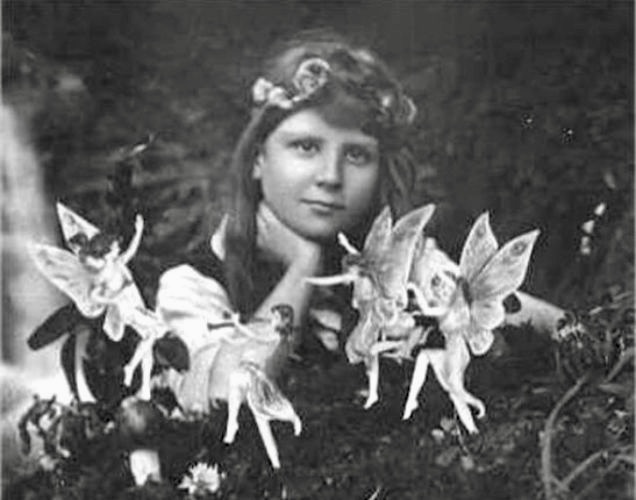
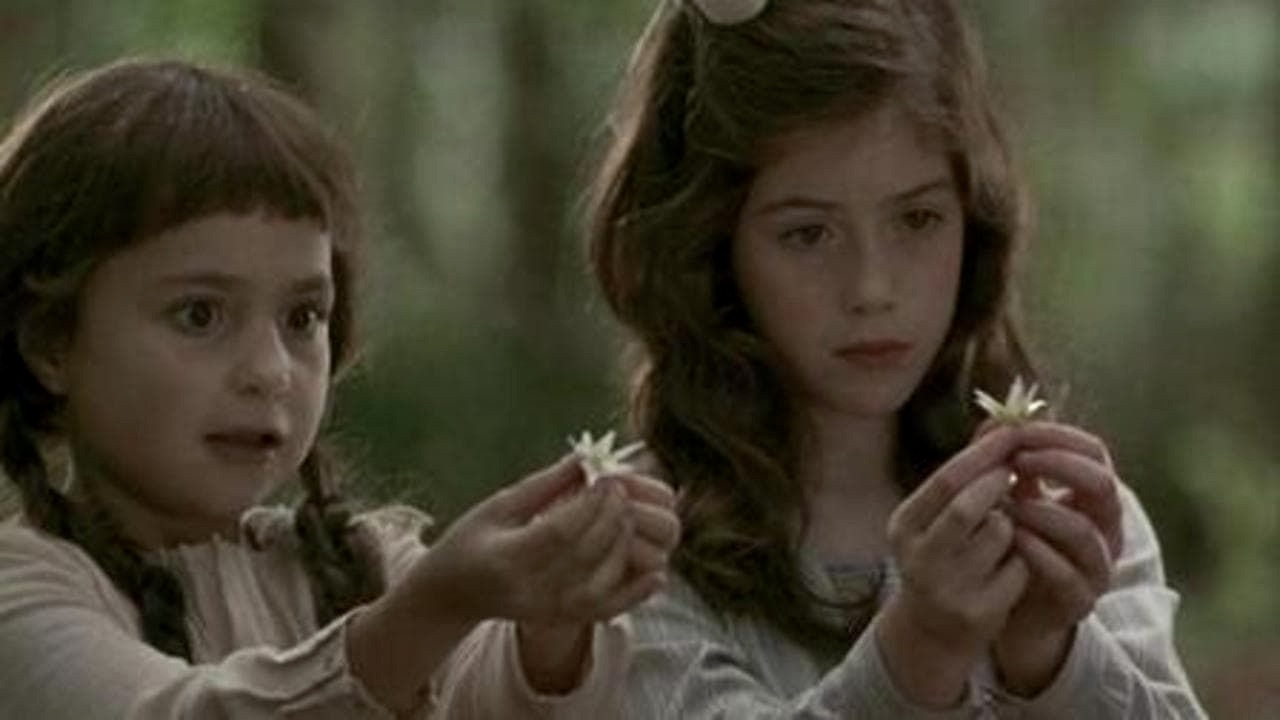
In 1917 sixteen year old Elsie Wright and her nine year old relative Frances Griffith were playing in the Wright family garden in Cottingley, England. Elsie borrowed her father’s camera to take some photos of Frances playing and a few months later she borrowed the camera again with both girls snapping photos. When the photos were developed, both girls but mainly Frances, were seen cavorting with what looked like fairies. Elsie’s father thought the photographs were faked but Elsie’s mother believed they revealed actual sprites and the photos were revealed to the public in 1919, creating an international sensation. The incident attracted the attention and support of the Theosophical Society in Bradford, England and prominent people like author Sir Arthur Conan Doyle, who was involved in the spiritualist movement, found the evidence convincing. The photographs were also denounced by non-believers like Harry Houdini, who famously campaigned against fraudulent psychics and mediums. For years, the Cottingley fairies remained a source of mystery and fascination and, in 1997, strangely enough, two different movies on the subject were produced and released in the U.K., FairyTale: A True Story and Photographing Fairies.
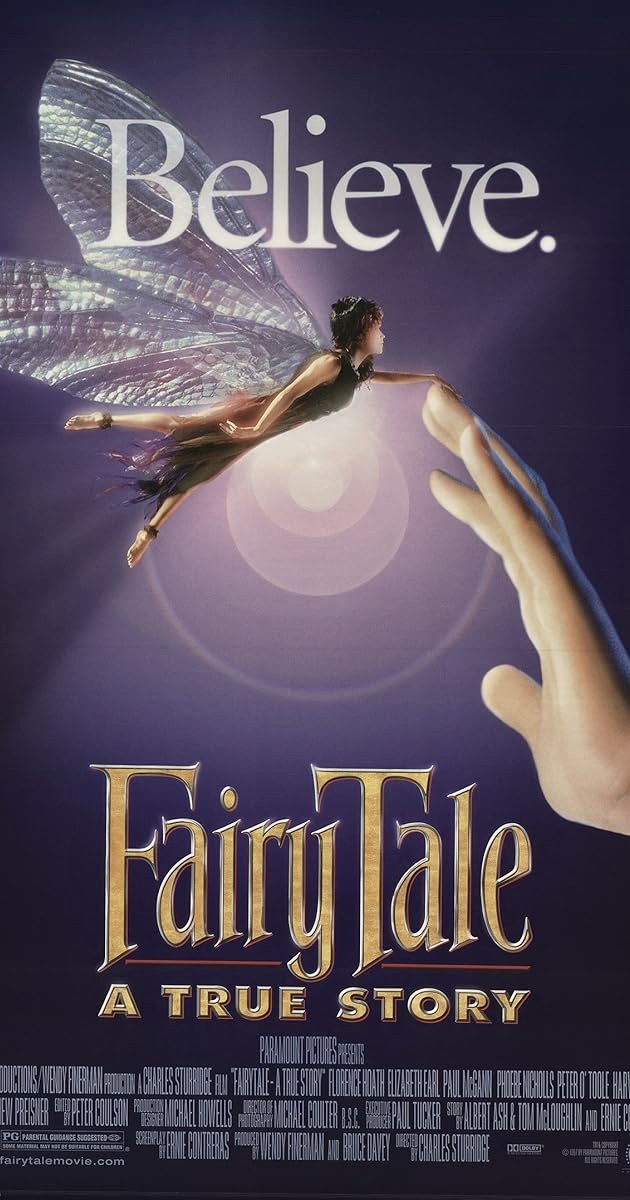
The former, directed by Charles Sturridge (A Handful of Dust, Where Angels Fear to Tread), was based on an original story by Albert Ash, Tom McLoughlin and Ernie Contreras, with Contreras penning the screenplay. Designed as a family friendly entertainment, the film focused mainly on the two girls, Francis and Elsie, and had an impressive cast including Peter O’Toole, Phoebe Nicholls, Harvey Keitel, Paul McGann, Bill Nighy, and Peter Mullan. Photographing Fairies, on the other hand, was the feature film debut of Nick Willing and was based on a popular mystery novel by Steve Szilagyi which was inspired by the Cottingley photographs.
Neither film was a box office triumph and both movies received mixed notices from film reviewers although Photographing Fairies received slightly more favorable attention due to the fact that Willing avoided a Walt Disney-like approach to the material unlike FairyTale: A True Story. By concentrating on the fictitious protagonist Charles Castle (Toby Stephens), a WWI veteran and photographer, instead of the two girls who saw the fairies, the film was clearly aimed at adult audiences with its emphasis on death, mourning and the growing spiritualist movement which gave hope to those who lost loved ones during that difficult time. As a result, it is the more intriguing of the two movies with its ongoing conflict between the believers and non-believers.
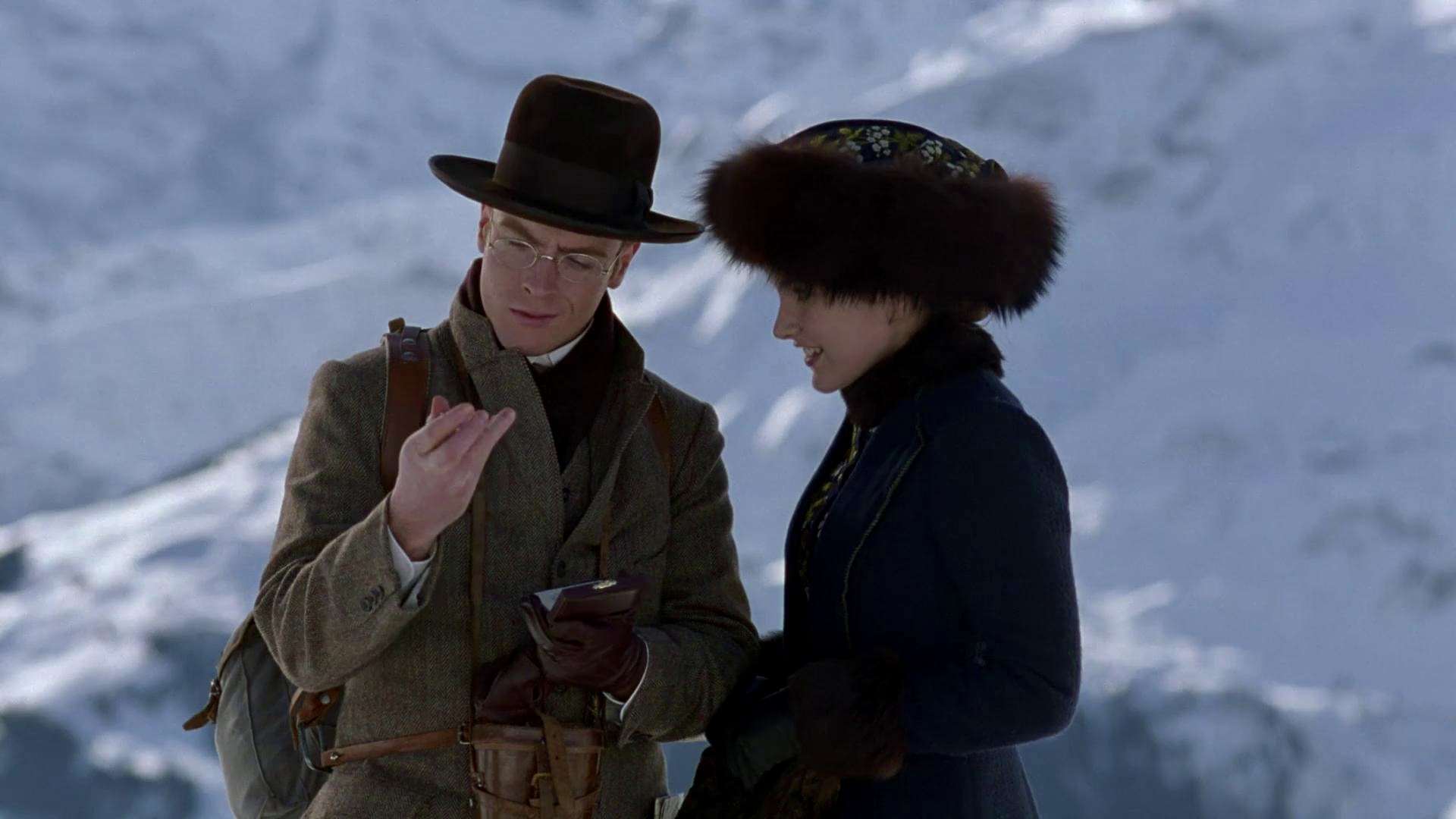
The movie opens in 1912 as Charles and his new bride Anne-Marie (Rachel Shelley) are enjoying their honeymoon in the Swiss Alps. They get caught in a sudden blizzard and Anne-Marie falls into a gaping fissure in the ice and Charles is unable to save her. After the tragedy, he volunteers as an army photographer on the front lines of WW1, seemingly oblivious and unconcerned about the explosions around him as he photographs corpses. Does he have a death wish? He miraculously survives with no injuries and sets up a photography business after the war with his army pal Roy (Philip Davis).
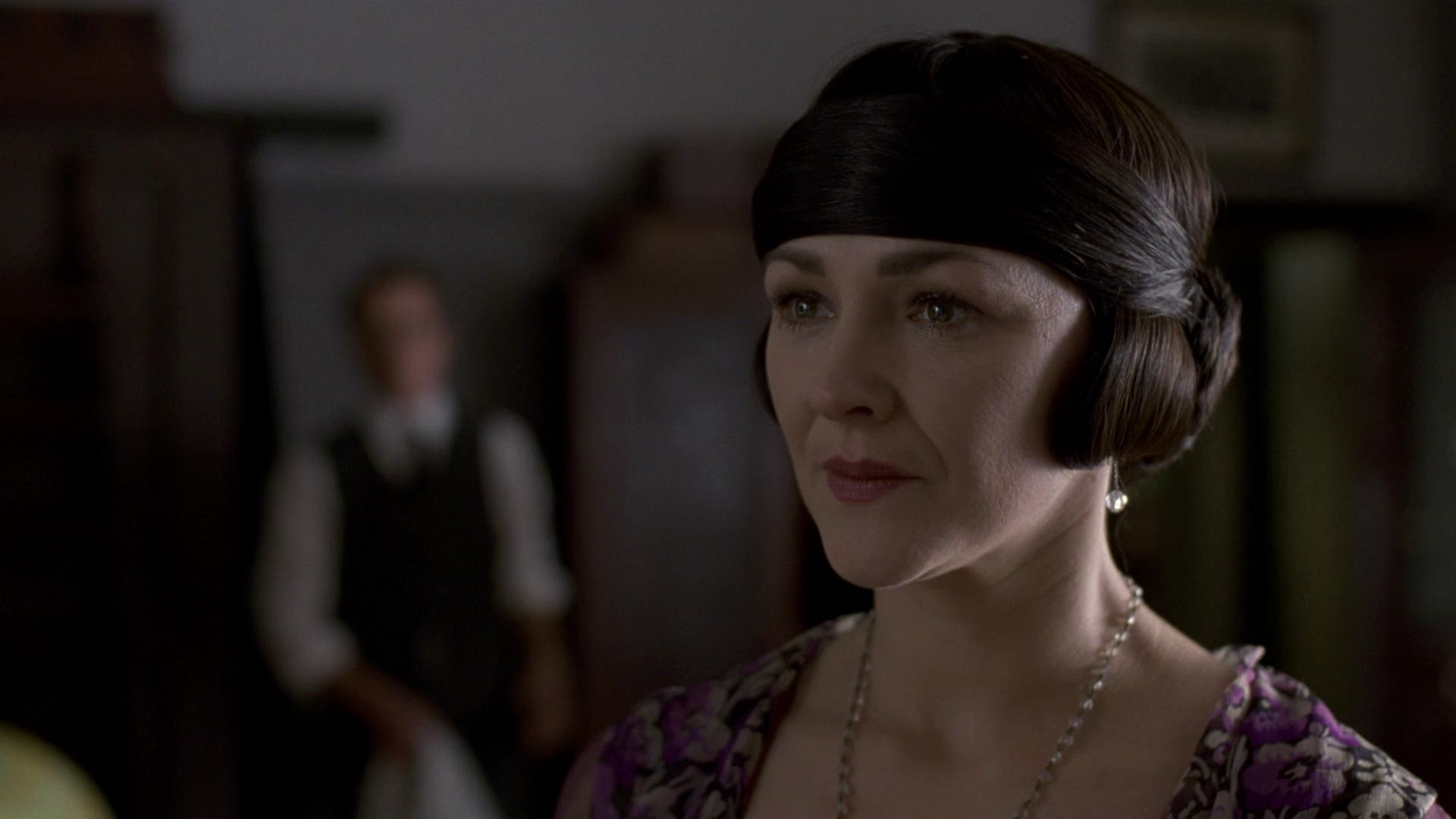
When he attends a public exhibition of a spiritualist group projecting photos of two sisters Ana (Miriam Grant) and Clara (Hannah Bould), who are seen interacting with fairies, he steps forward and states that the entire presentation is a fake. He is later approached by Beatrice Templeton (Frances Barber), the mother of the two girls, and invited to study the photos in detail. Intent on deciphering the mystery, Charles journeys to the village where the Templeton family lives and sets up a photographic studio in the local inn with his partner Roy. From this point on, Charles transforms from being a debunker of spiritualists to an obsessive investigator of the paranormal. He not only becomes convinced the fairies in the photos are real but that he might be able to communicate with them. If such a thing is possible, could he also connect with his departed wife? Roy thinks he has gone mad and Linda (Emily Woof), the nanny of the two girls, is also skeptical about Charles’s experiments.
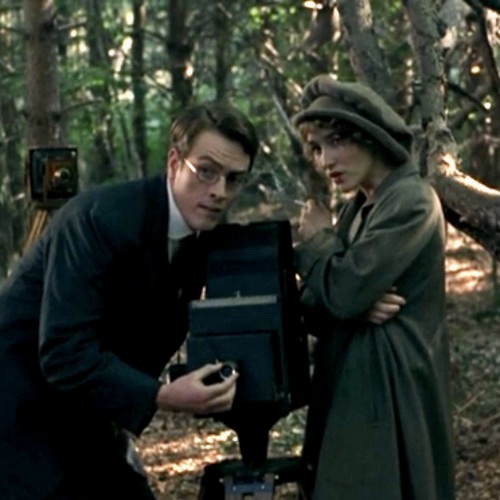
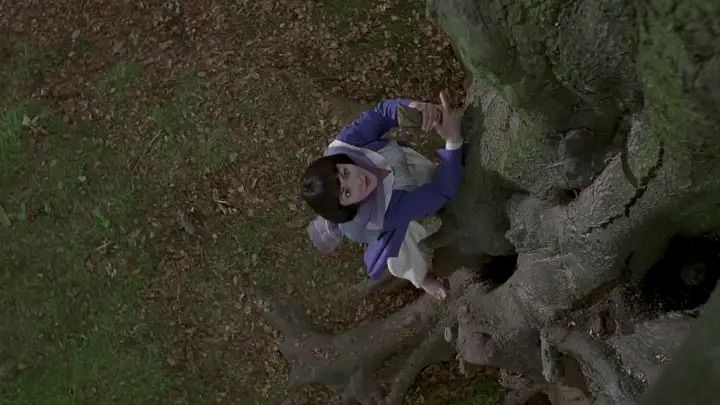
Charles’s gradual conversion into a believer is the central focus of Photographing Fairies and it provides the movie with several dramatic highlights starting with his discovery that the photos are not faked (In later years, Elsie Wright confessed that the photos were indeed fake although Frances Griffith maintained that one of them was not). By creating blow-ups of specific details in the photos, not unlike David Hemming’s obsessive photographer in Blow-Up (1966), Charles sees the reflection of a fairy in a close-up of Clara’s eye. The girl’s mother even admits to witnessing the fairies at the tree and she later dies climbing the tree in an effort to communicate with them.
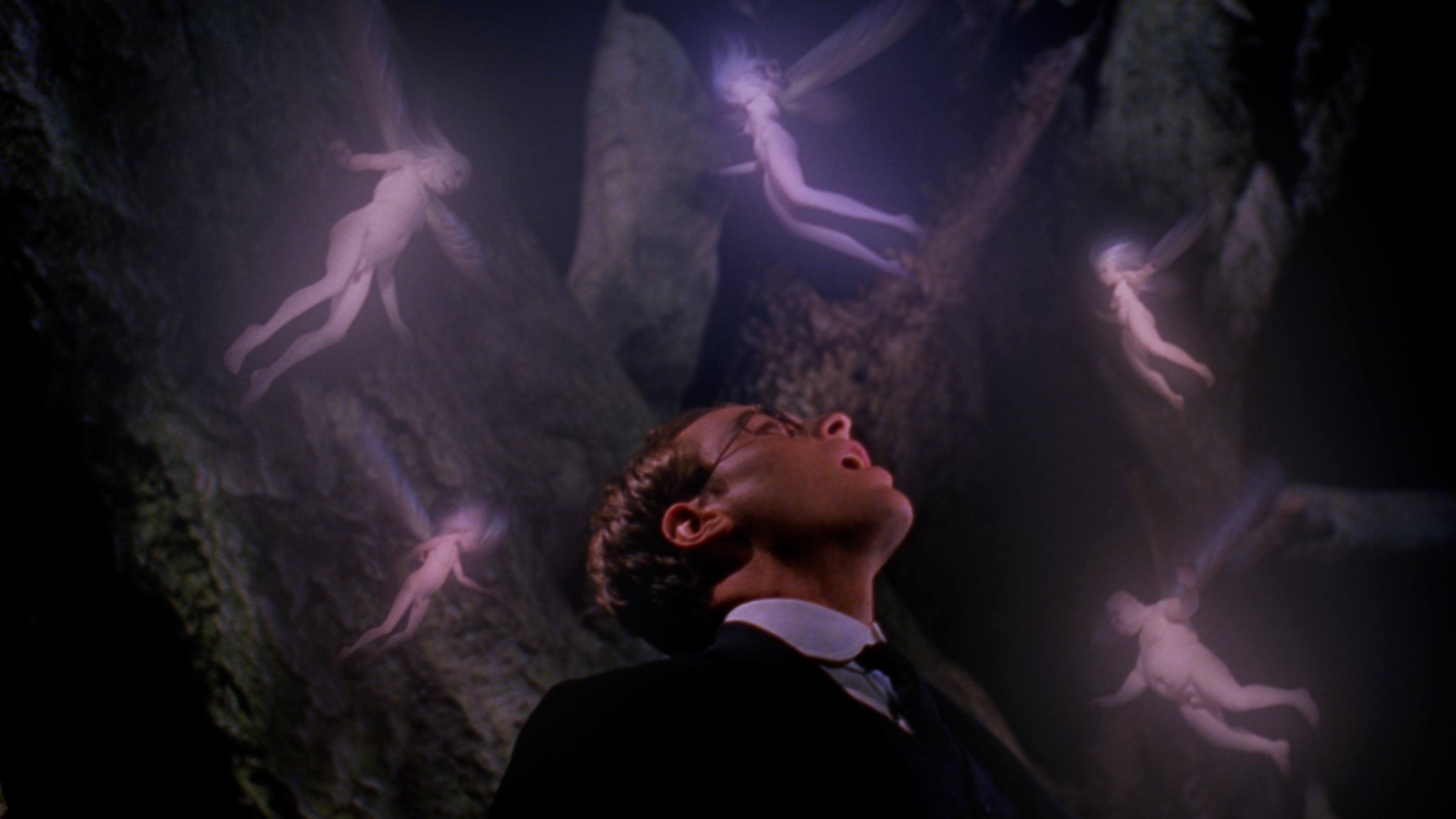
It isn’t until Charles eats some tiny white flowers growing on the tree (just as the two girls had done) that he goes into a hallucinatory state similar to ingesting magic mushrooms and see the fairies for himself. And unlike the fantastic spirits seen in FairyTale: A True Story, the sprites in Willing’s film are somewhat creepy, emerging out of Charles’s mouth in one scene and aggressively penetrating his body in another. The fairies are also mostly female and nude (making this inappropriate for children) with the exception of one rather obese, bald-headed male fairy displaying his male genitalia.
Charles’s fanatic search for the truth ends in tragedy with him being taken to court on a murder charge and being sentenced to death. Of course, he is a fictitious character so this didn’t happen in real life but Photographing Fairies is fascinating because it uses the famous Cottingley fairies incident to explore the real reasons people seek to contact loved ones in the afterlife through mediums and paranormal activities. It also raises questions that are never answered but are left to the viewer to decide such as Charles’s flower-induced visions – is he convinced he really sees the fairies or does the drug-like effect help him connect with an alternate reality?
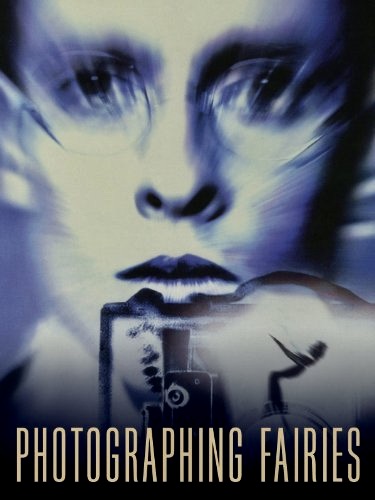
Unfortunately, Willing’s film doesn’t build to an effective emotional payoff at the end because the performance of Toby Stephens (the son of actress Maggie Smith and Robert Stephens) is too driven and self-absorbed to elicit much sympathy for Charles. Ben Kingsley is also disappointingly one dimensional in his role as Reverend Templeton, the girl’s father. His character arc goes from being a respected member of the community to that of a grieving husband who falsely suspects Charles of making romantic overtures to his late wife. He also considers Charles a dangerous influence on his daughters and takes drastic action against him in a melodramatic freakout in which the tree is chopped down and Charles’s camera destroyed.
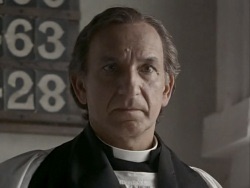
On the positive side, Phil Davis as Charles’s loyal friend and assistant Roy and Emily Woof as the wise, down to earth Linda create believable characters that generate empathy, compassion and rational behavior in contrast to Stephens’ and Kingsley’s more contrived depictions.
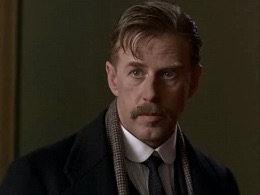
Davis is a true chameleon of an actor and is often overlooked for his versatility in a range of different roles, everything from the unambitious hippie of Mike Leigh’s High Hopes (1988) to his raging punk thug in Alan Clarke’s The Firm (1989) to British TV series like Whitechapel (2009-2013). Woof is equally gifted as a character actress and makes the most of an undeveloped romantic subplot in Photographing Fairies which depicts her growing infatuation with Charles.
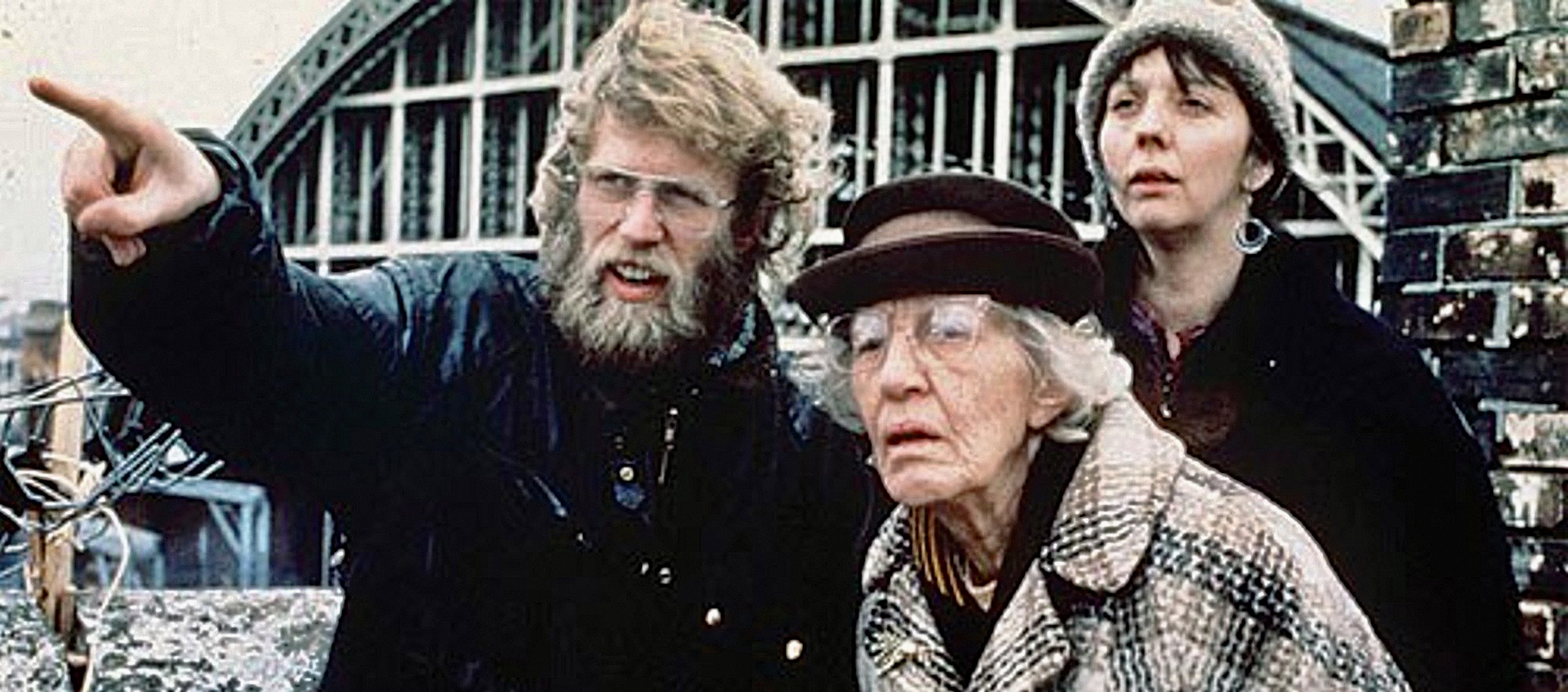
Hannah Bould and Miriam Grant as the two sisters are also effective as rather spooky kids with a secret, not unlike Miles (Martin Stephens) and Flora (Pamela Franklin), the brother and sister in the gothic chiller The Innocents (1961).
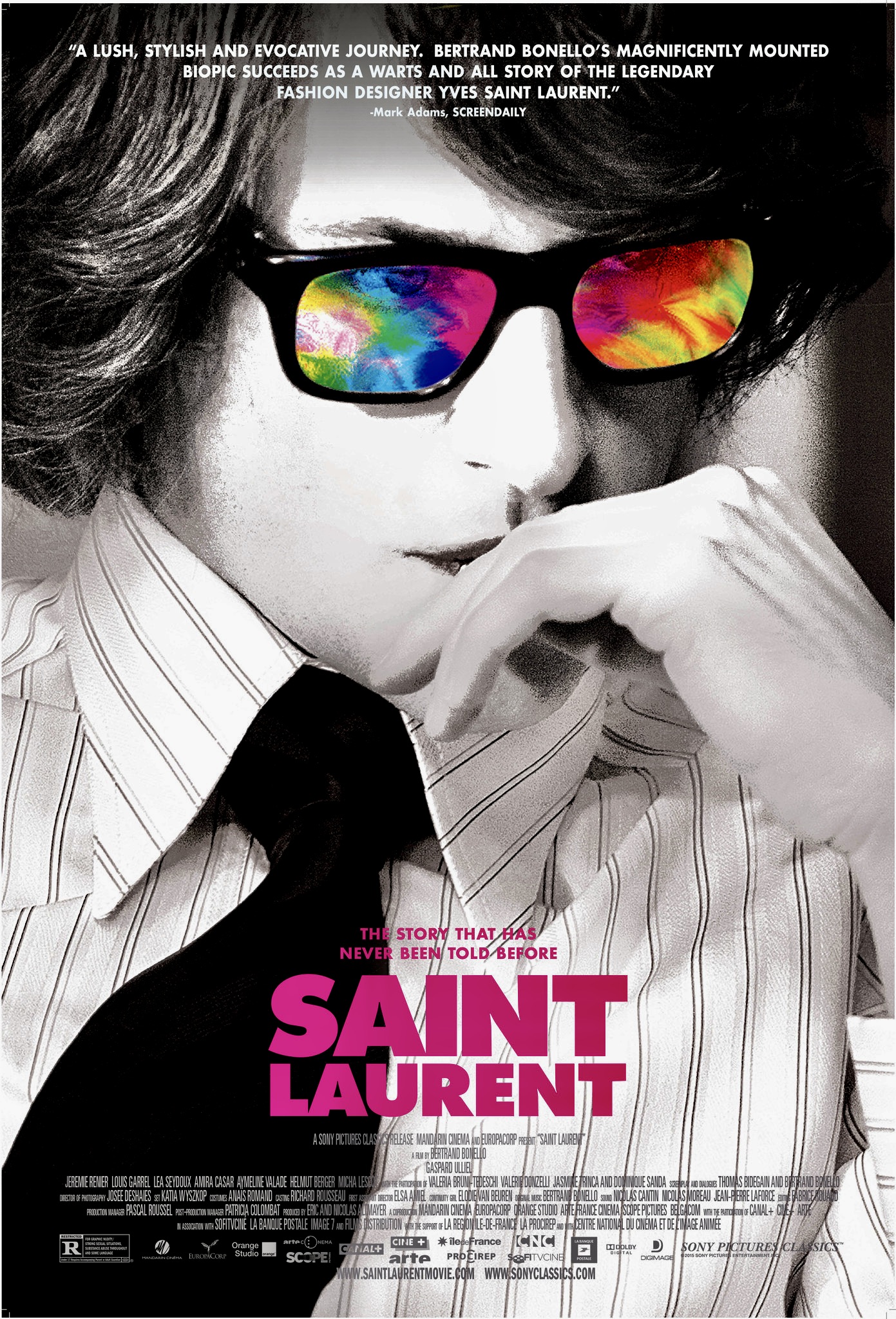
As stated earlier, it is most unusual to have two movies based on the same real life incident appear on movie screens the same year but it seems to happen more often than you’d expect. Some famous examples include 1954 when two movies about Attila the Hun were released – Sign of the Pagan starring Jack Palance and Attila with Anthony Quinn in the title role. Or the biopic Oscar Wilde with Robert Morley and The Trials of Oscar Wilde featuring Peter Finch, both released in 1960. Then there were two screen biographies of the platinum blonde actress Jean Harlow in 1965, with Carroll Baker starring in the more famous one, Joseph E. Levine’s production of Harlow, and Carol Lynley starring in the lesser known Harlow from director Alex Segal. And don’t forget 2014, when two films about fashion designer Yves Saint Laurent appeared, Pierre Niney played him in director Jalil Lespert’s biopic and Gaspard Ulliel embodied the fashion legend in Bertrand Bonello’s eclectic portrait which covered Laurent’s life and career from 1967 to 1976.
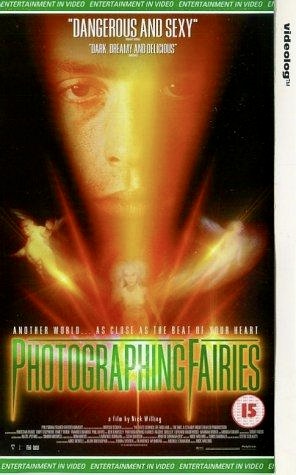
Photographing Fairies was initially released on VHS in the U.S. but a DVD or Blu-ray edition has yet to appear. If you own an all-region DVD player, you might be able to purchase an import DVD disc of it from online sellers in the UK or you could try streaming it on various platforms.
Other links of interest:
https://www.bbc.com/news/articles/cevwqk7g2gvo
https://nickwilling.tv/Photographing-Fairies
https://www.bbc.co.uk/films/2005/08/09/toby_stephens_the_rising_interview.shtml
 Cinema Sojourns