
*This article originally appeared on Movie Morlocks, Turner Classic Movies’s official blog in September 2007 (The blog was discontinued years ago and is no longer available available)
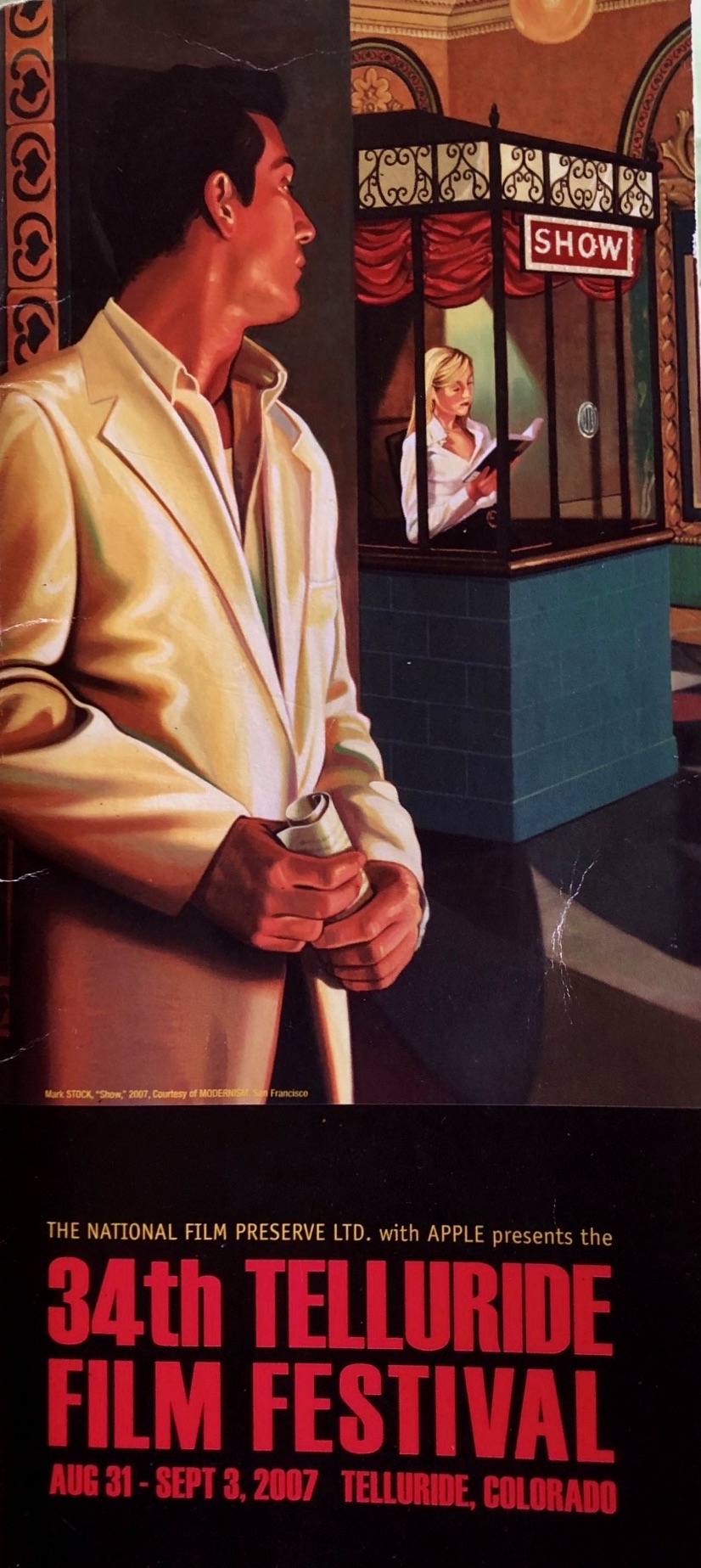
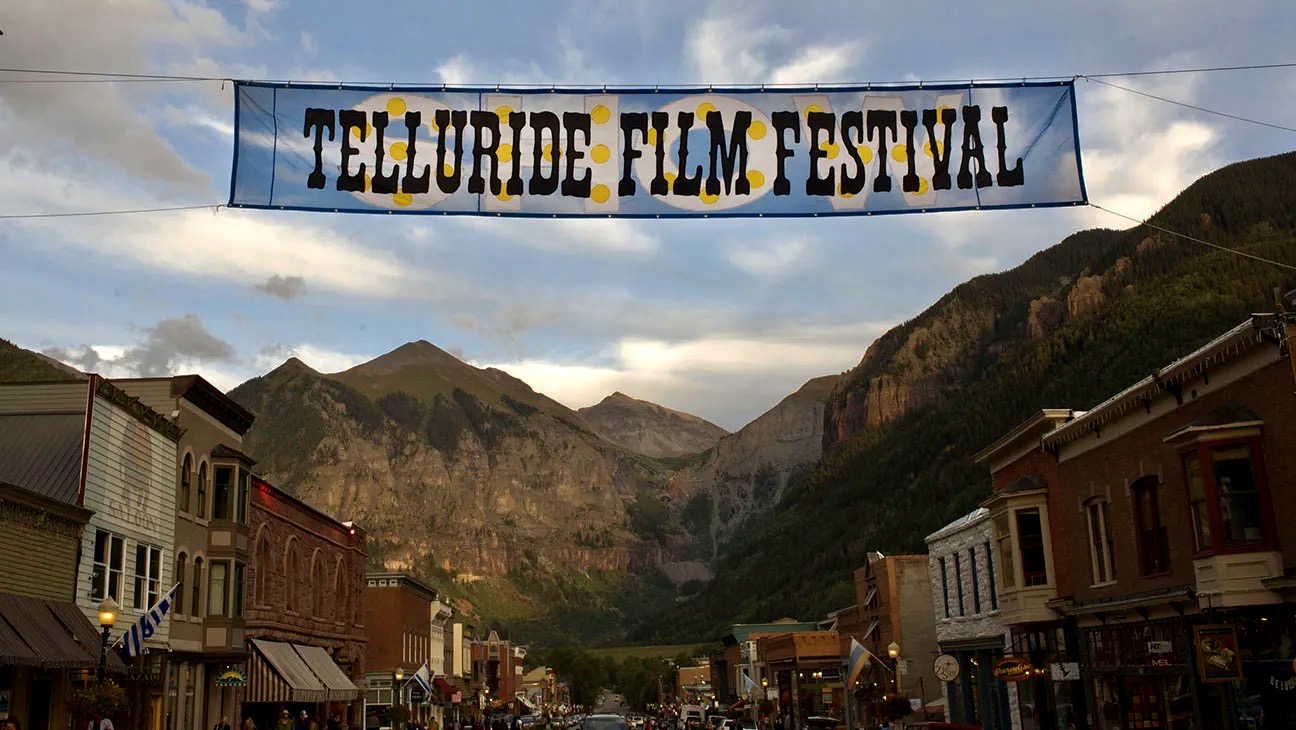
The show banners have come down and the patrons have scattered in all directions but many thoughts and impressions linger from this year’s festival. As always, Telluride was the first to host U.S. premieres of several films which are being showcased in the Toronto Film Festival, which began Sept. 6th and runs through September 15th. Among them were the 2007 Cannes festival favorites, Secret Sunshine (South Korea), 4 Months, 3 Weeks and 2 Days (Romania), plus Jar City (Iceland), Persepolis (France), Juno (U.S.), Brick Lane (UK), Blind Mountain (China), The Band’s Visit (Israel), and several others.
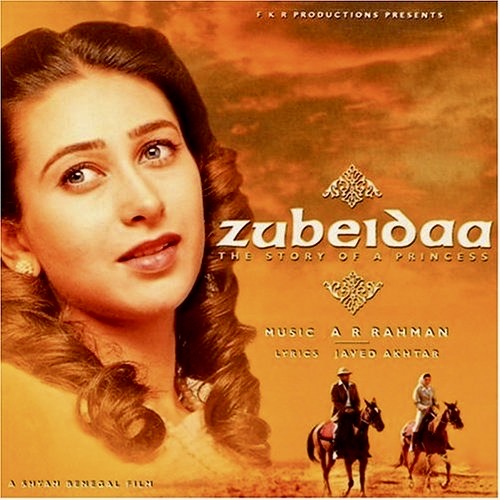
Presented as part of a tribute to director Shyam Benegal, who is often considered the most important Indian filmmaker after Satyajit Ray, Zubeidaa (2001) is an epic melodrama with irresistible songs by A. R. Rahman. It is not your ordinary Bollywood musical and is much richer in character development and cultural detail. The story of a film journalist trying to unravel the details of his mother’s turbulent life and her tragic early demise is told in flashbacks a la Citizen Kane with various characters revealing their own memories of the Muslim movie star who became the second wife of a Hindu prince. The intense colors, dazzling art direction and passionate performances bear favorable comparisons with such florid Douglas Sirk soap operas as Written on the Wind and Magnificent Obsession. Karisma Kapoor in the title role goes against the grain of the typical Bollywood heroine as she rebels against her assigned role in Indian society and becomes increasingly fatalistic not unlike Jeanne Moreau’s Catherine in Francois Truffaut’s Jules and Jim.

Spider, a nine-minute short directed by Nash Edgerton (brother of actor Joel Edgerton), is a nifty little black comedy shocker that starts in a deceptively mundane manner as a quarreling couple stop for gas during a road trip. What happens next involves a peace offering of flowers, candy and a rubber spider which triggers a series of unexpected incidents that had the audience gasping in unison at the final grotesque shot which I won’t reveal here.
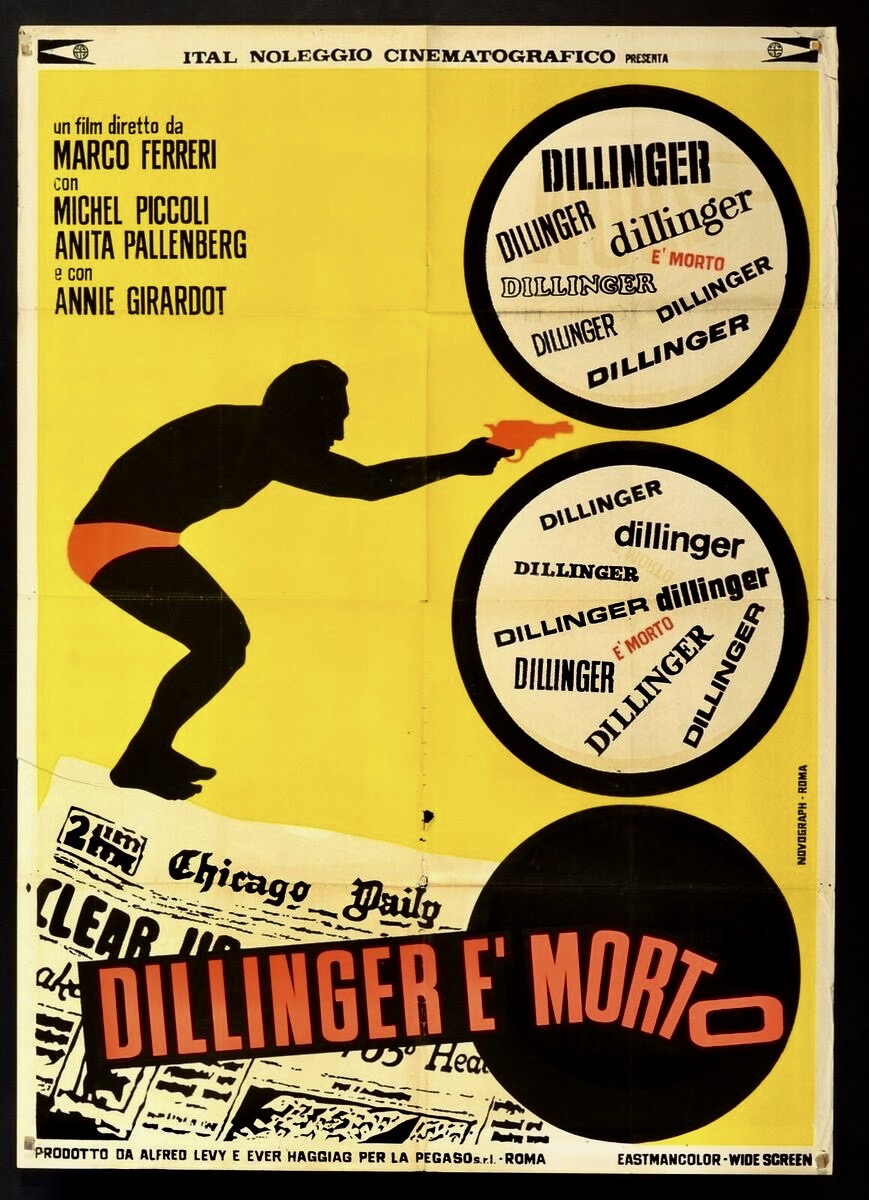
Praised by such avant-garde experimenters as Jean-Luc Godard, Dillinger is Dead (1968) is a bizarre and fascinating portrait of an industrial designer going quietly mad. It is generally considered Italian director Marco Ferreri’s masterpiece and features one of Michel Piccoli’s greatest performances, most of it rendered in pantomime and gestures with minimal dialogue. The majority of the film takes place within the confines of Piccoli’s home – a pop-art showcase – as he putters around, preparing dinner, attending to his lethargic wife (Anita Pallenberg of Performance and Barbarella), spying on his sexy maid (Annie Girardot), watching home movies, and toying with a gun he found in the cupboard.
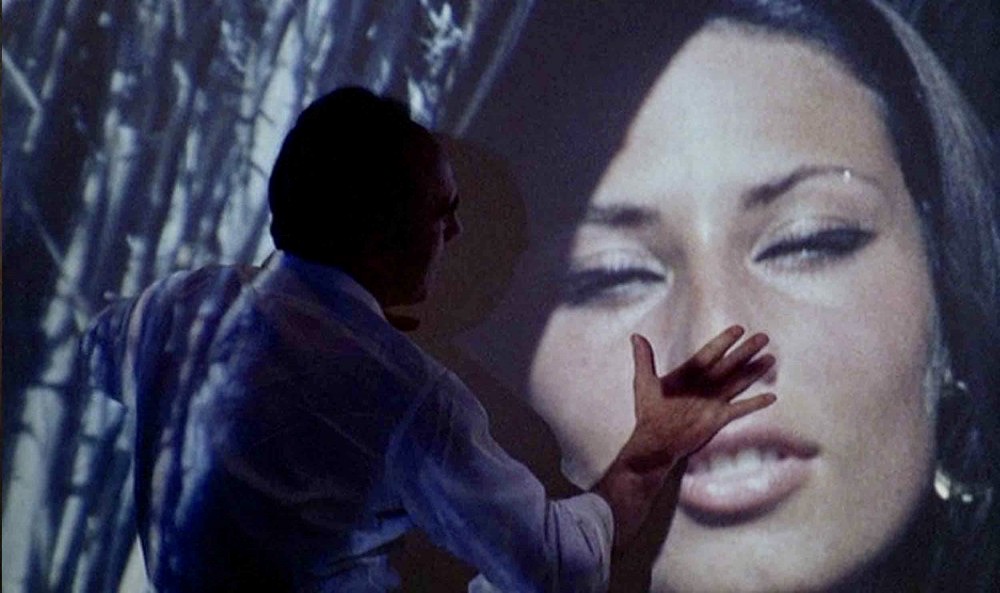
There is no conventional storyline but Piccoli’s character generates an undeniable tension as his self-absorbed activities begin to take on a sinister air. The film displays a sensuous surface, full of seductive colors and unusual objects. And the playful soundtrack by composer Teo Usuelli (sorry folks, it’s out of print) incorporates Italian lounge music and second rate American pop music to comment on the oppressing mediocrity that drives Piccoli to his final act.

A truly astonishing stop-motion wonder (17 minutes) from Canadian filmmakers Chris Lavis and Maciek Szczerbowski, Madame Tutli-Putli combines human and puppet performances with handmade sets created from recycled trash and atmospheric lighting effects. The sound design was created by David Bryant, the founding member of Godspeed You! Black Emperor, and Jean-Frederic Messier of Theatre Momentum.
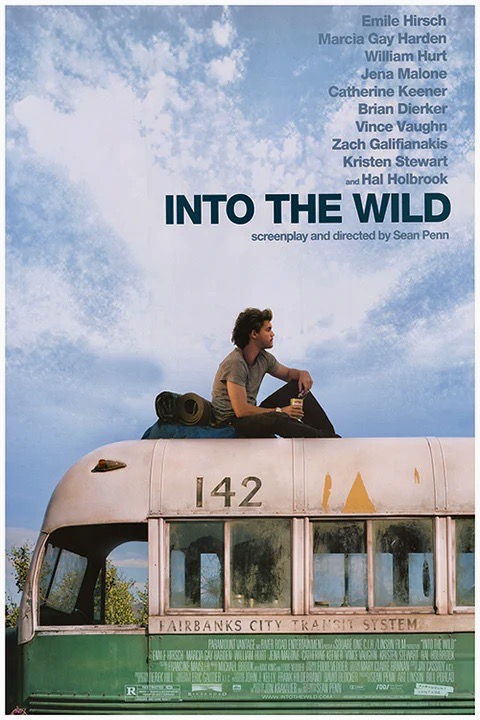
Sean Penn’s adaptation of Jon Krakauer’s fascinating nonfiction bestseller was probably the biggest surprise in terms of my expectations. I am not a huge fan of Penn’s previous directorial efforts – The Indian Runner (1991), The Crossing Guard (1995), The Pledge (2001) – though I do admire the fact that he refuses to pander to commercial considerations in his relentlessly downbeat dramas. Despite his interest in delving deeply into character and exploring human behavior, however, Penn’s films have always struck me as arty downers and morose “Actors Studio” exercises that are more rewarding for the actors than the audience. Not so with his new film, Into the Wild.
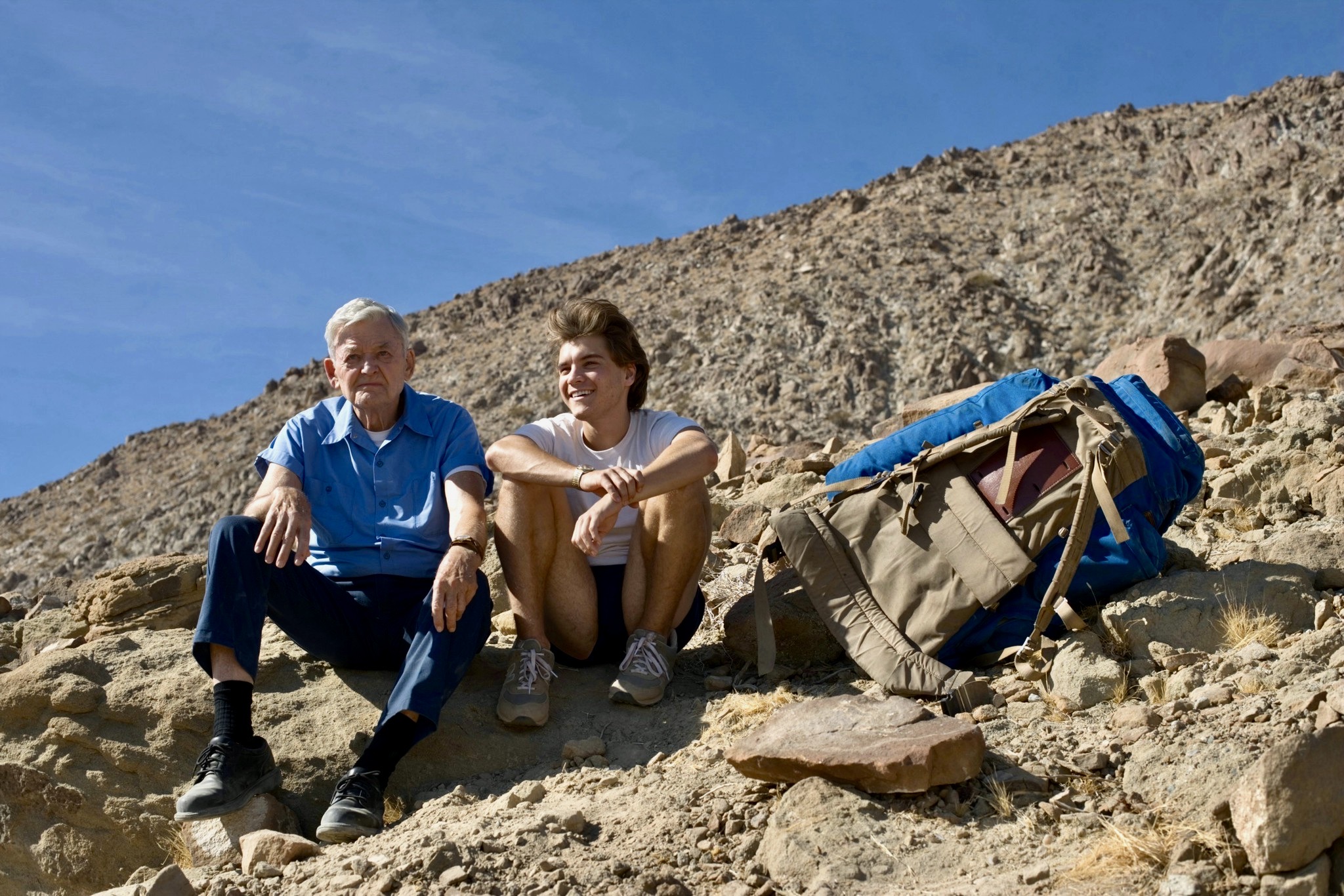
Penn has finally found the ideal protagonist in Chris McCandless, a stubbornly determined idealist who renounces materialism, cuts himself off from his family and begins a cross-country journey that ends tragically in the Alaskan wilderness. The film is a road movie in the best sense of the term, taking the audience on a voyage of discovery that is brimming with human pain but also exhilaration, joy and spirituality. Emile Hirsch is remarkable as the ill-fated McCandless but the characters he meets along the way – wonderful cameos by Vince Vaughn, Catherine Keener, Hal Holbrook and others – are no less memorable.
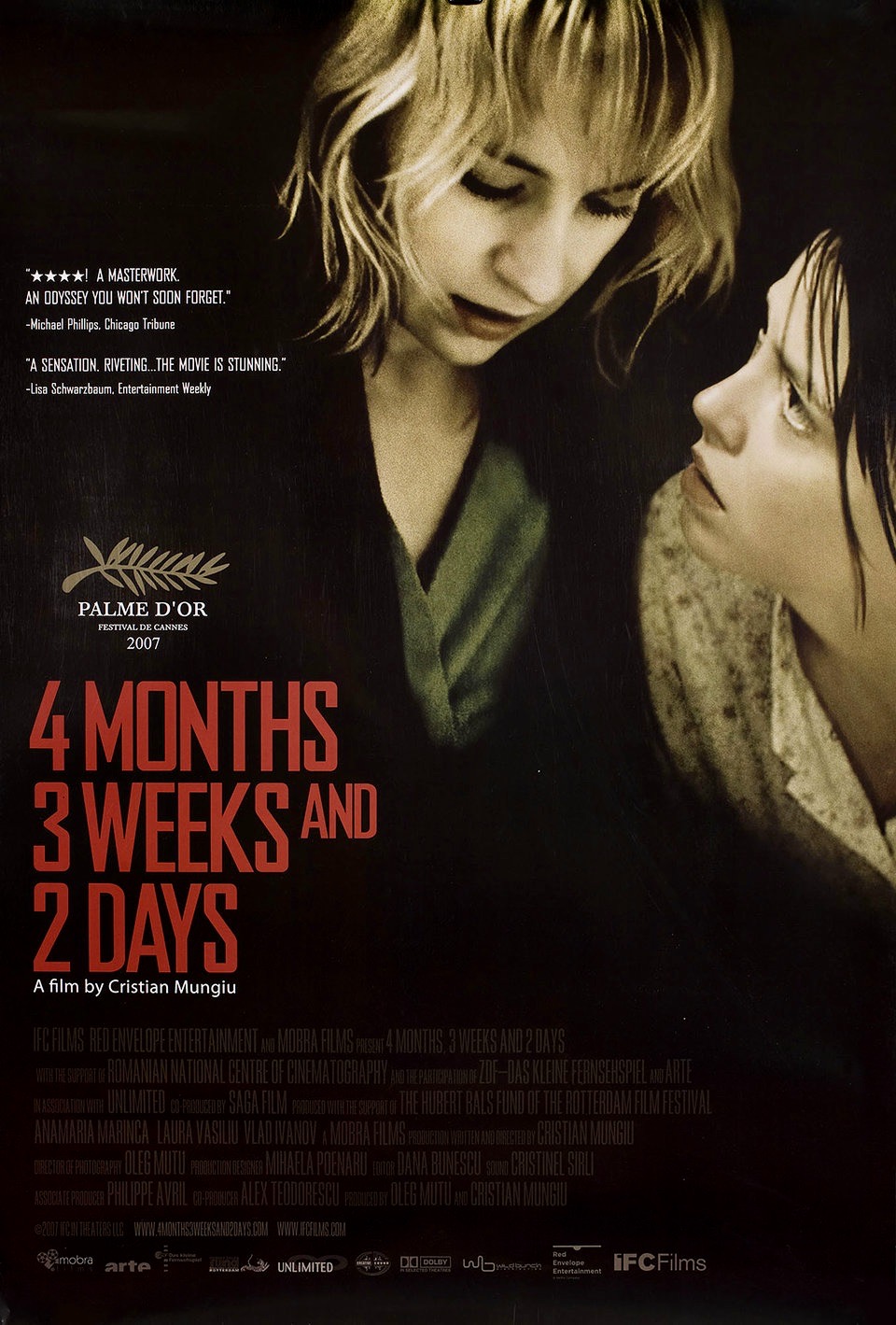
Winner of the Palm d’Or at this year’s Cannes film festival, 4 Months, 3 Weeks and 2 Days, directed by Cristian Mungiu, is one of several he plans to make in a series called “Tales from the Golden Age.” According to Variety reviewer Jay Weissburg, “Mungiu’s goal is to visualize the overwhelming weight of the soul-destroying compromises of life during the Ceausescu years through clear-eyed, deeply humane stories.” 4 Months is indeed a heart-wrenching drama but it also works on the level of an unnerving suspense thriller.
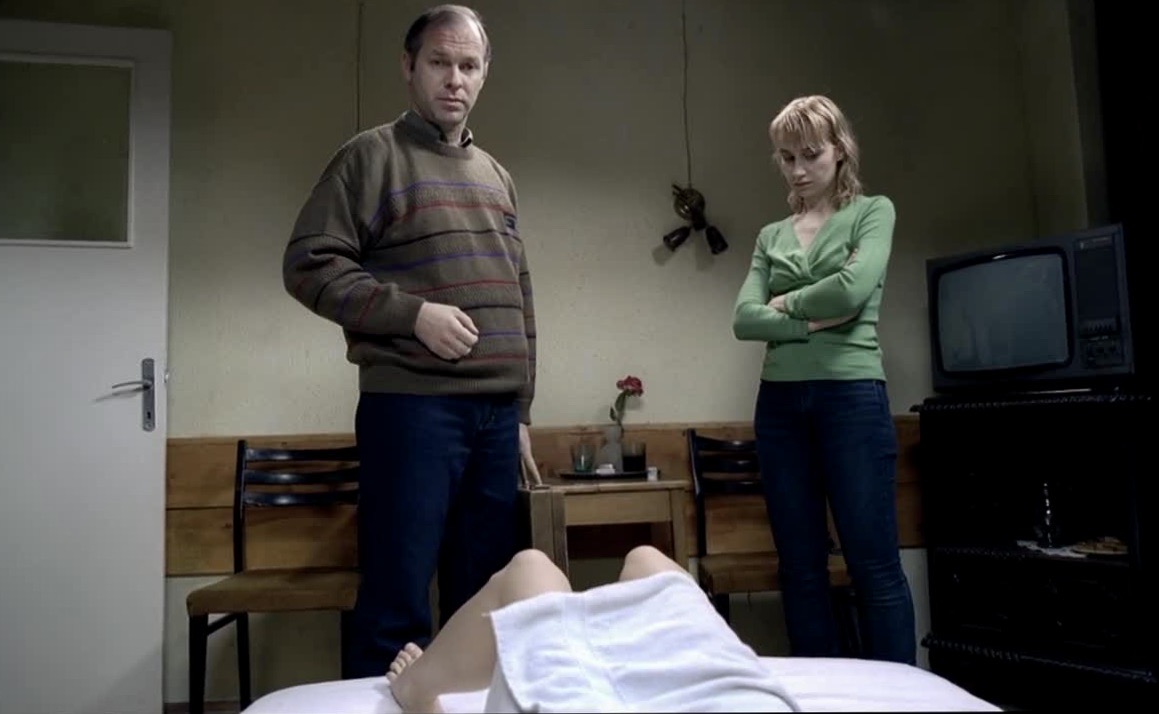
The narrative follows Otilia (Anamaria Marinca), a student, as she helps her pregnant roommate Gabita (Laura Vasiliu) through the process of a dangerous and illegal abortion. Reminiscent of Krzysztof Kieslowski’s Dekalog in its focus on morality and human behavior, 4 Months also has a similar visual style and setting that moves from dreary, cramped rooms in housing projects to wintry streets for secret meetings with black market dealers. The film was one of many that involved an unwanted pregnancy – the unofficial theme of this year’s Telluride festival – but it was the most sober and thought-provoking of the lot; the others included the archival screening of Paul Fejos’ Marie, a Hungarian Legend (1932), Teuvo Tulio’s The Way You Wanted Me (1944), and Jason Reitman’s Juno (2007)
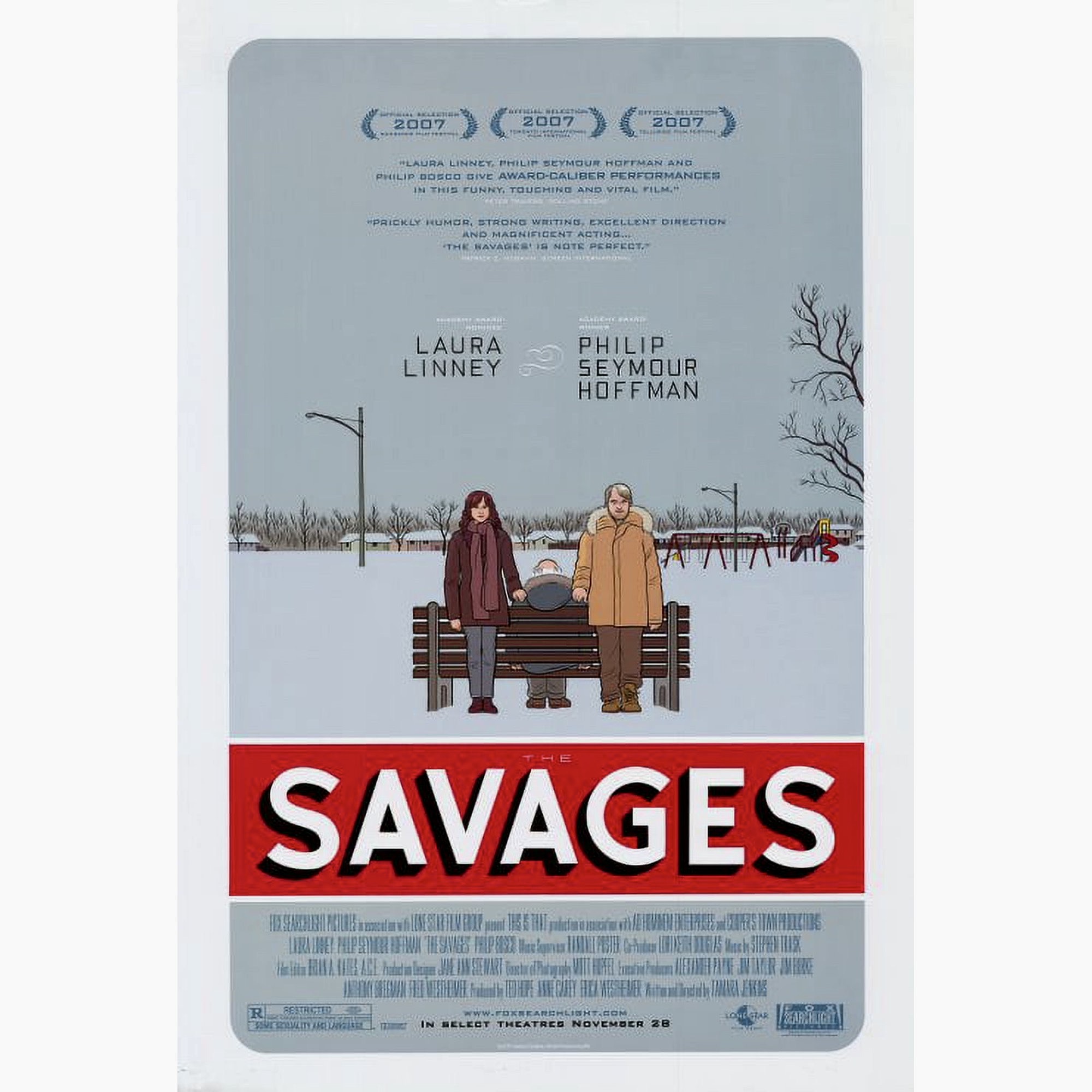
Trailers for The Savages, directed by Tamara Jenkins, are already popping up in theatres everywhere and creating the general impression that this is a comedy. However, this tale of two siblings – Laura Linney and Philip Seymour Hoffman – trying to put their estranged father in a nursing home is no laughing matter despite Jenkins’ attempts to inject humor into a depressing situation with little chance for a “happy ending.” The subject of grown children faced with ailing, elderly parents and what to do with them is a great subject for contemporary cinema but The Savages fails to find the right balance between pathos and black comedy. It starts off on the wrong foot with a satirical opening sequence and some broad comedic caricatures before settling into a more intimate character study with moments of genuine pain and self-awareness. Like Jenkins’ see-saw narrative, the performances are also uneven (with the exception of Hoffman and Gbenga Akinnagbe as a sympathetic nursing home staffer) but the movie is worth seeing for its offbeat approach to a situation with no easy solution and one that faces everyone with aging parents.
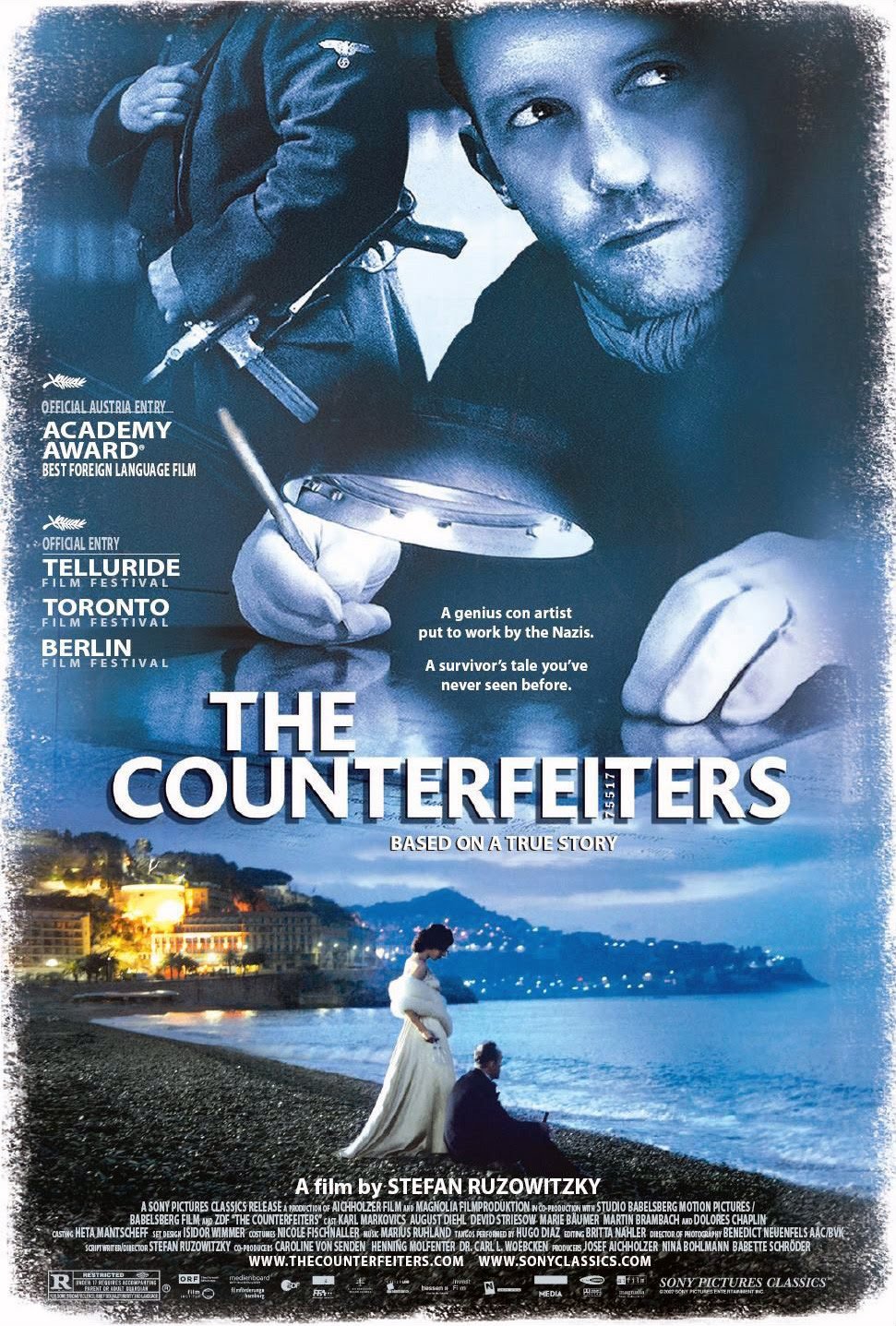
There isn’t enough space to go into detail on several other films that played Telluride but some of the audience favorites included Julien Schnabel’s The Diving Bell and the Butterfly, based on the memoir of Elle France editor Jean-Dominique Bauby, who was left paralyzed from a stroke except for his left eye, which he learned to use for communication through blinking; The Counterfeiters by Austrian writer-director Stefan Ruzowitzky, and Chris & Don: A Love Story, a candid documentary portrait of author Christopher Isherwood and his longtime companion, artist Don Bachardy.

Despite some initial fears that the Telluride Film Festival would be reshaped into something unfamiliar to past festival-goers due to a changing of the guard this year – Gary Meyer and Tom Luddy replaced Bill and Stella Pence as the Festival directors – the event seems as innovative, varied and as well organized as it has always been. In fact, there are more films than usual thanks to a new venue called The Backlot. It’s a 63-seat theatre located inside the Telluride library and is devoted entirely to screening new documentaries. Another plus for film lovers who can’t afford the regular festival or Acme pass is that there are more free screenings than ever before as well as bargain passes (the Late Show pass) and individual tickets sold when available.
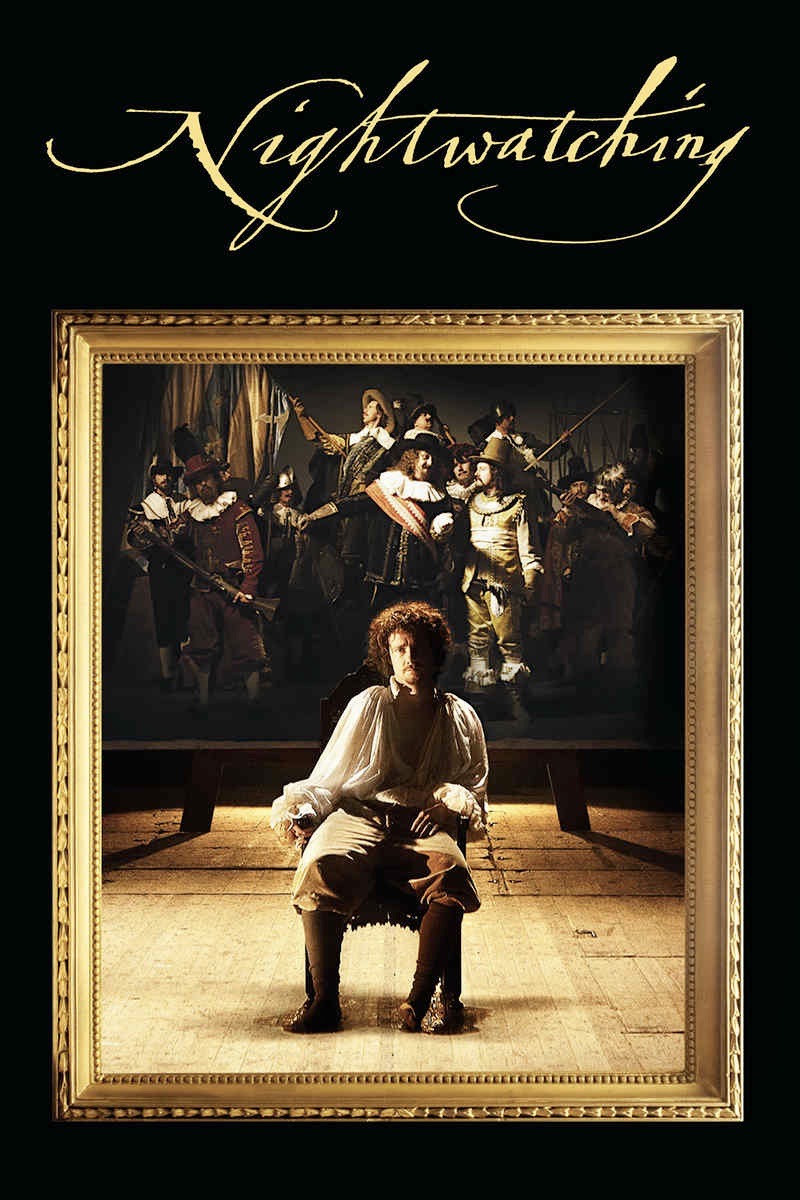
Unlike past Telluride festivals there was less secrecy about some of the festival titles scheduled this year – usually attendees don’t know the lineup until opening day. But there are still plenty of TBA slots to be announced over the next few days and some unexpected surprises could pop up such as Peter Greenaway’s new feature about the painter Rembrant, Nightwatching, or maybe David Cronenberg’s latest, Eastern Promises.
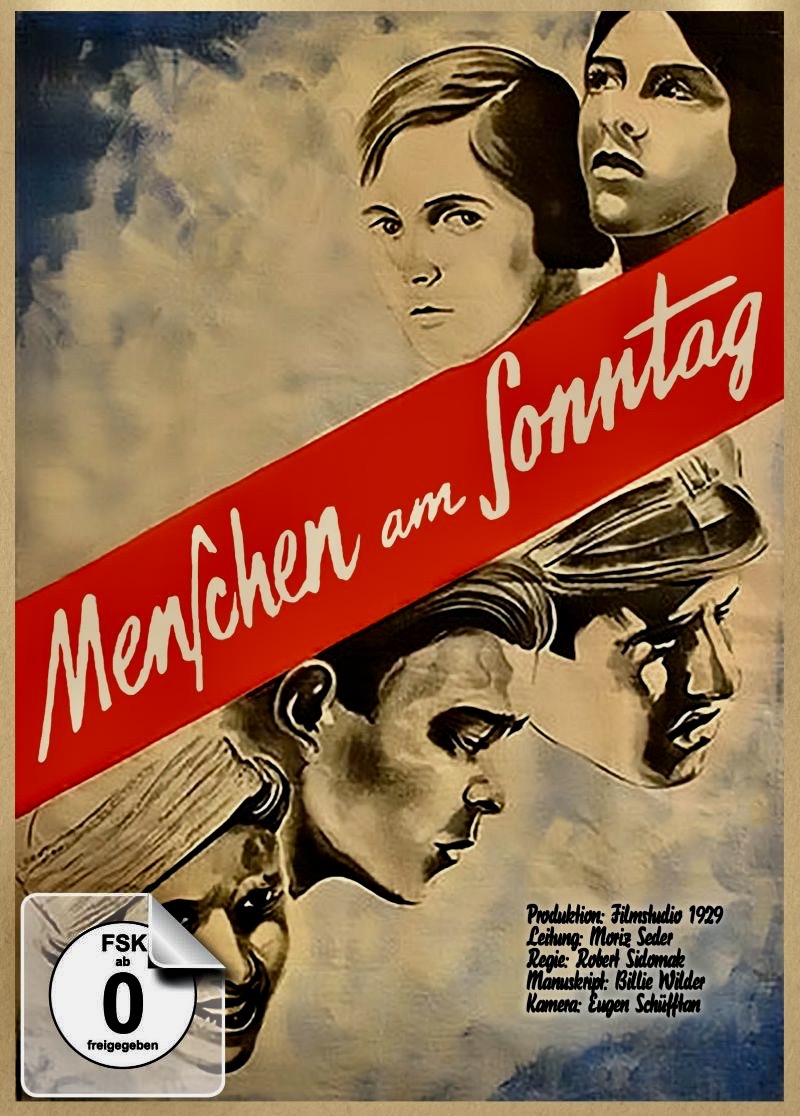
For me, the 2007 schedule is one of the best in recent memory because of the abundance of revivals and rare archival treasures. Most of these such as People on Sunday (1929, a collaboration between Edgar G. Ulmer, Robert Siodmak, Fred Zinnemann, Billy Wilder, cinematographer Eugene Schufftan & Kurt Siodmak) are rare one-time showings with no future DVD or theatrical release plans in the works (The film was released on Blu-ray/DVD in 2011 by The Criterion Collection). In the case of People on Sunday, it is a recently restored print from the Netherlands Film Museum and will be presented with a live music score by the Mont Alto Orchestra.
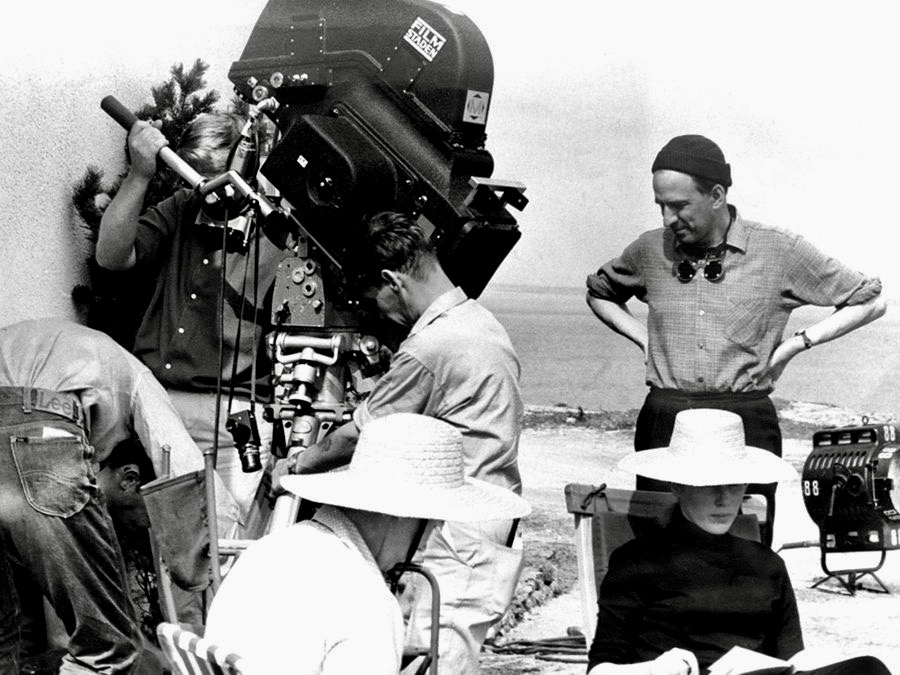
My first film of the festival was Bergman Island: Ingmar Bergman on Faro Island, at the Backlot. This 2004 documentary was originally made for Swedish television and is probably the most informal and relaxed portrait of the director ever presented. Although the film is primarily focused on Bergman’s relationship to Faro Island which became a favorite film location for him (starting with Through a Glass Darkly and later his final home), it also works as a touching career overview of the elderly artist as he candidly answers questions about his greatest fears, relationships (5 marriages and his many children plus well known affairs with actresses Bibi Andersson, Liv Ullman and others), creative turning points (Smiles of a Summer Night) and even misinterpretations of his work that he generated and encouraged such as the belief that Cries and Whispers was based on four aspects of his mother’s personality.
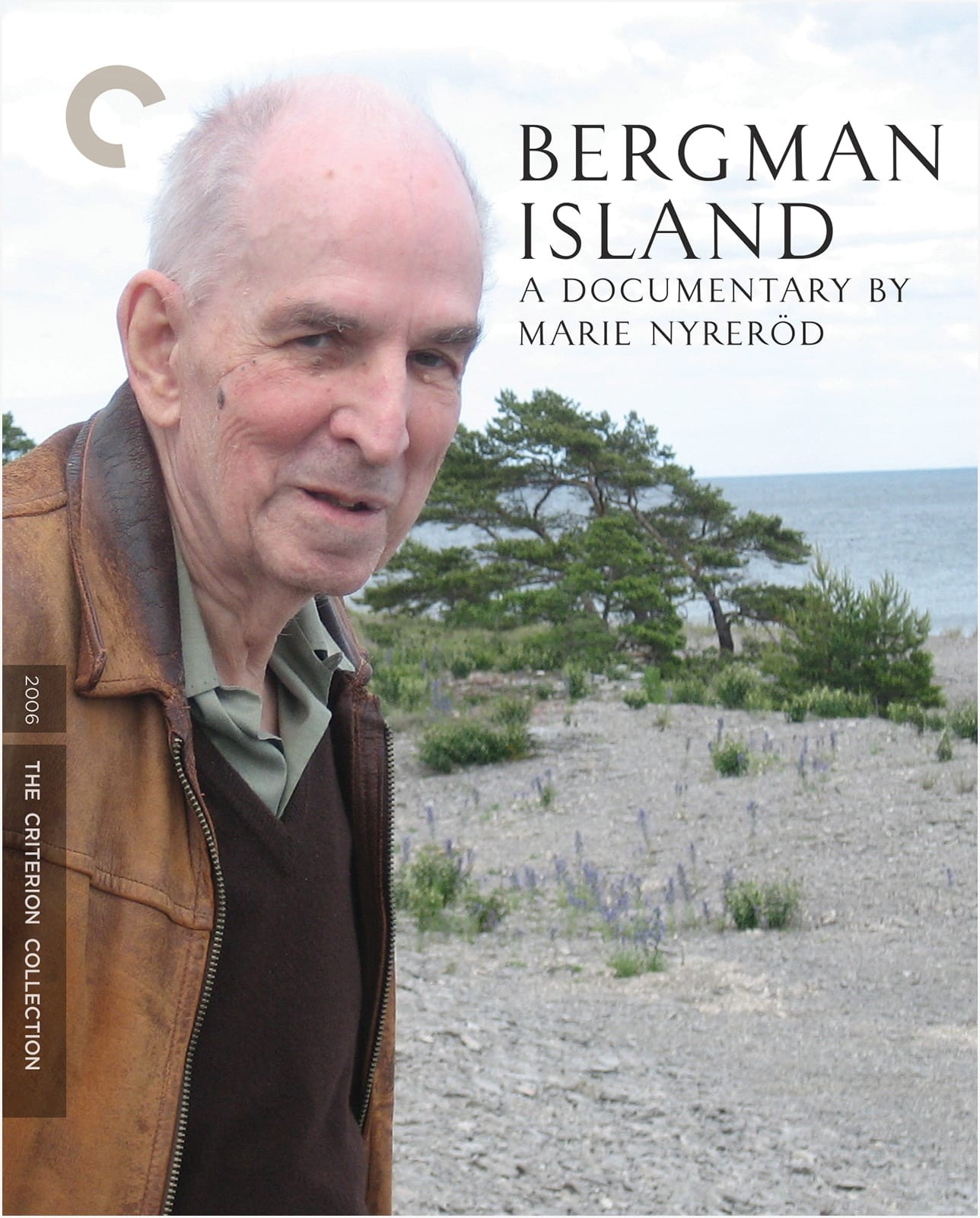
One of the film’s greatest revelations is the fact that Bergman was a 16mm home movie enthusiast and rare material from his amateur films are sprinkled throughout Bergman Island– footage of Bergman and crew members surveying a coastal location for The Seventh Seal, Bibi Andersson flirting with Victor Sjostrom between filming on Wild Strawberries, Bergman and cinematographer Sven Nykvist on the set of Persona. Naturally, there are also clips from selected Bergman films as well as his own anecdotes about his family, youth and other influences on his development as a filmmaker and theatre director. I couldn’t think of a better movie to launch Telluride’s 34th festival since it is also a tribute to the late director whose work inspired people like James Card, Bill & Stella Pence and Tom Luddy to create a film festival that honors such visionaries and their work, a true validation of cinema as an art form.
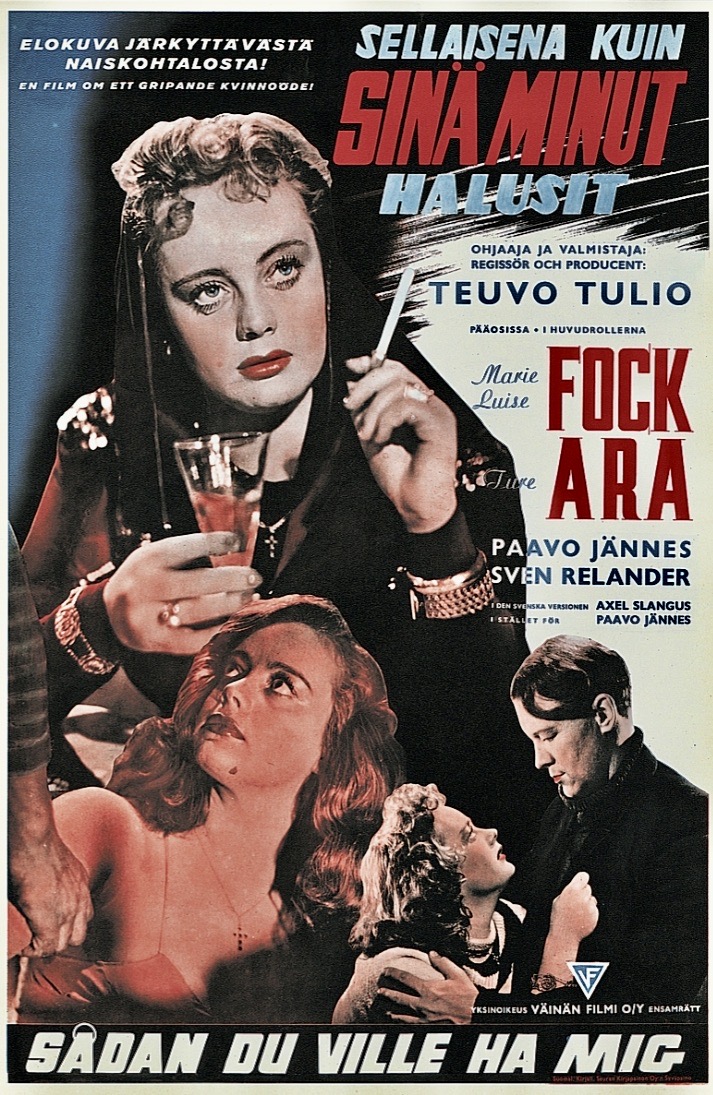
Edith Kramer, the former curator of the Berkeley Pacific Film Archive, is this year’s guest director and her first presentation was The Way You Wanted Me (Sellaisena Kuin sina Minut Halusit), a 1944 film from Finland by Teuvo Tulio. His work is practically unknown in the U.S. but is slowly gaining a reputation in Europe where his popular melodramas of the 40s and 50s are finally being discovered and shown at festival retrospectives. Aki and Mika Kaurismaki, whose films are probably among the few Finnish features familiar to U.S. audiences, are huge fans of Tulio’s films and you can see his influence on Aki Kaurismaki’s The Match Factory Girl (1990) in particular.
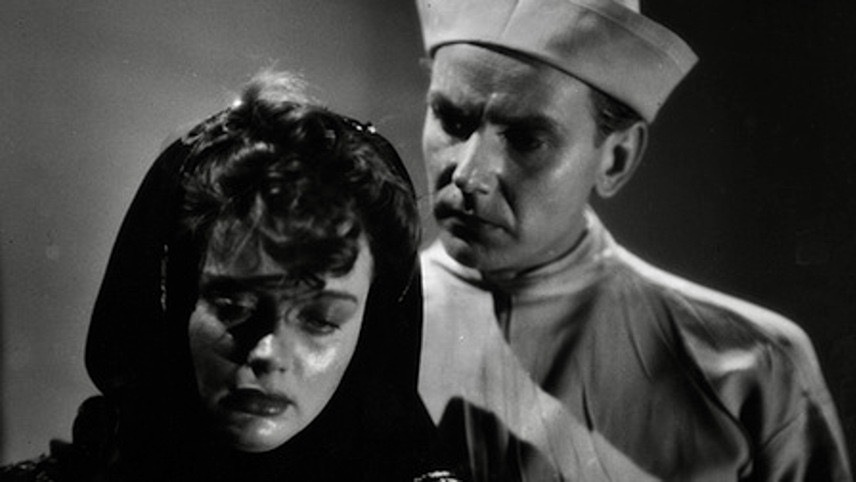
Filmed immediately after World War II, The Way You Wanted Me reflects the bleak emotional mood of the country through its heroine Maija (Marie-Louise Fock) who begins the film as an innocent country girl and is then slowly destroyed by the corrupting influences of the city, a popular theme in Tulio’s work. Despite the extreme melodramatic flow of the narrative which depicts Maija’s degradation in relentless detail, Tulio’s approach is deliberately deadpan on an emotional level – the drama exists in the powerful imagery, each frame as vivid and expressive as a graphic novel panel. Another filmmaker who comes to mind as you watch Tulio’s strikingly black and white compositions and operatic silent film-like theatrics is Guy Maddin.
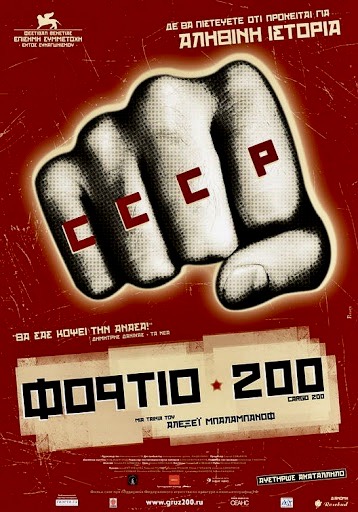
You can always count on at least one or two films to arouse some controversy each year at the Telluride festival. In the past titles such as Catharine Breillat’s A ma soeur!(aka The Fat Girl), Gasper Noe’s Irreversible and Hany Abu-Assad’s Paradise Now drastically divided attendees over their merits or lack of them. This year I nominate Aleksei Balabanov’s Cargo 200 as the festival’s most compelling “feel bad” movie.
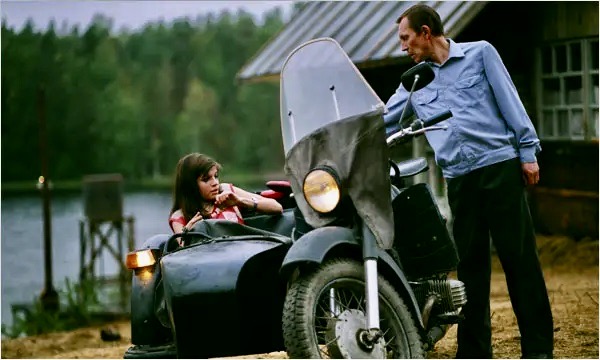
Set in 1984 in Russia, the film is allegedly based on a true story but the events that transpire are too grotesque to be believed. But there is something incredibly familiar about the storyline and if you’re a former English lit major you’ll recognize William Faulkner’s Sanctuary transposed to a setting in rural Russia at a time when that nation was coming apart at the seams. The Temple Drake character becomes the virginal daughter (Agniya Kuznetsova) of a Communist party boss with a paratrooper boyfriend off fighting in Afghanistan, the Gowan Stevens character is depicted as an alcohol-swilling disco party boy (Leonid Bichevin) and the impotent sadist Popeye is now a psychotic ex-cop named Captain Zhurov (Aleksey Poluyan), who uses a vodka bottle, not a corncob, to express himself sexually in one of the film’s many disturbing scenes.
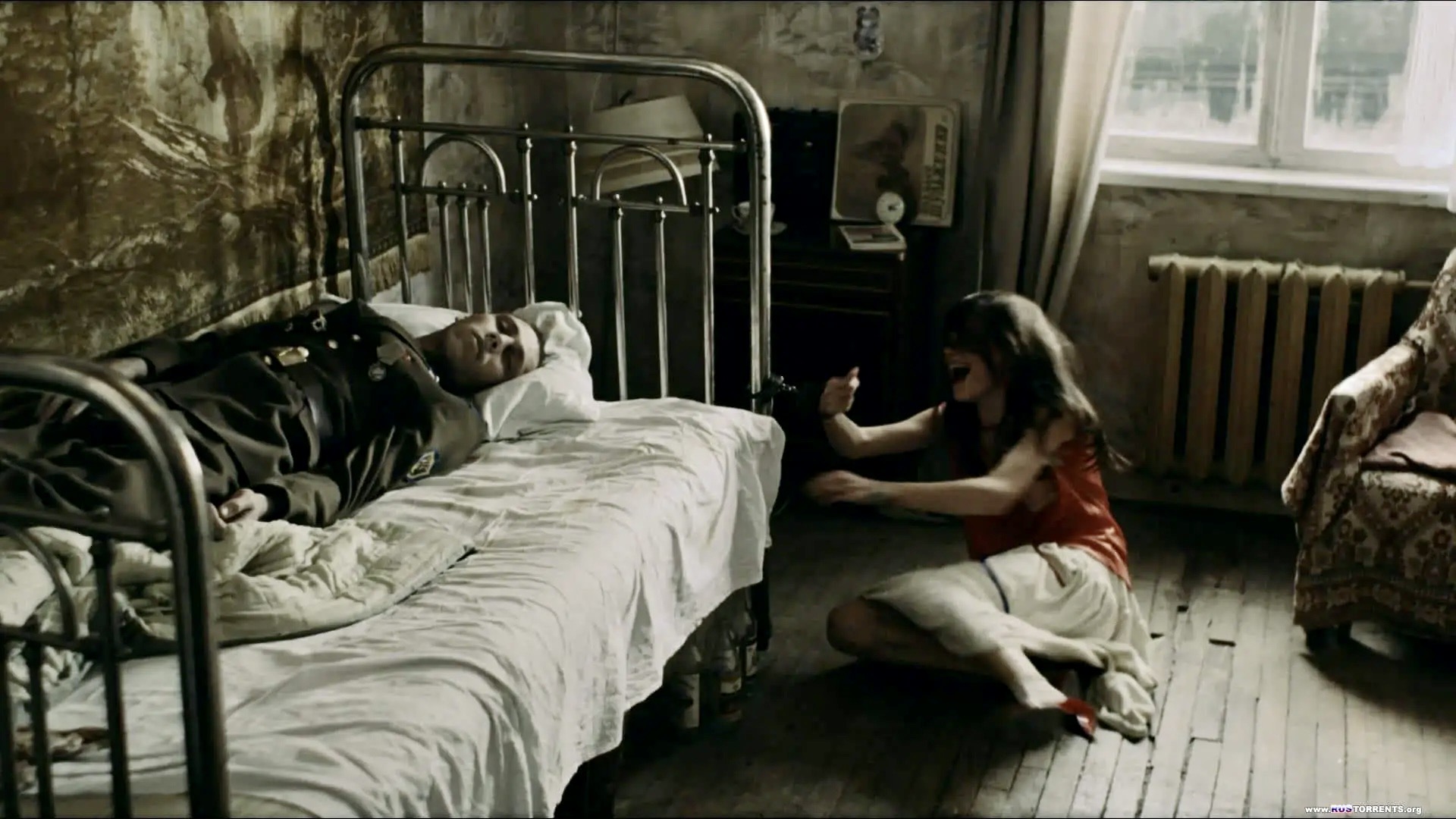
Like Faulkner’s original story, Angelika (the Temple Drake stand-in) is stranded at a moonshiner’s house in the sticks and becomes the helpless captive of the deranged Zhurov. As a portrait of the collapse of Russia in both moral, political and philosophical terms, it’s often quite effective with scenes that show characters living in squalor or moving through industrial, polluted landscapes. But the treatment of the kidnapped Angelika is so horrific and cruel – even if she is supposed to serve as a metaphor for a debased Russia – that many people will have trouble adapting to or accepting Balabanov’s uncompromising film.
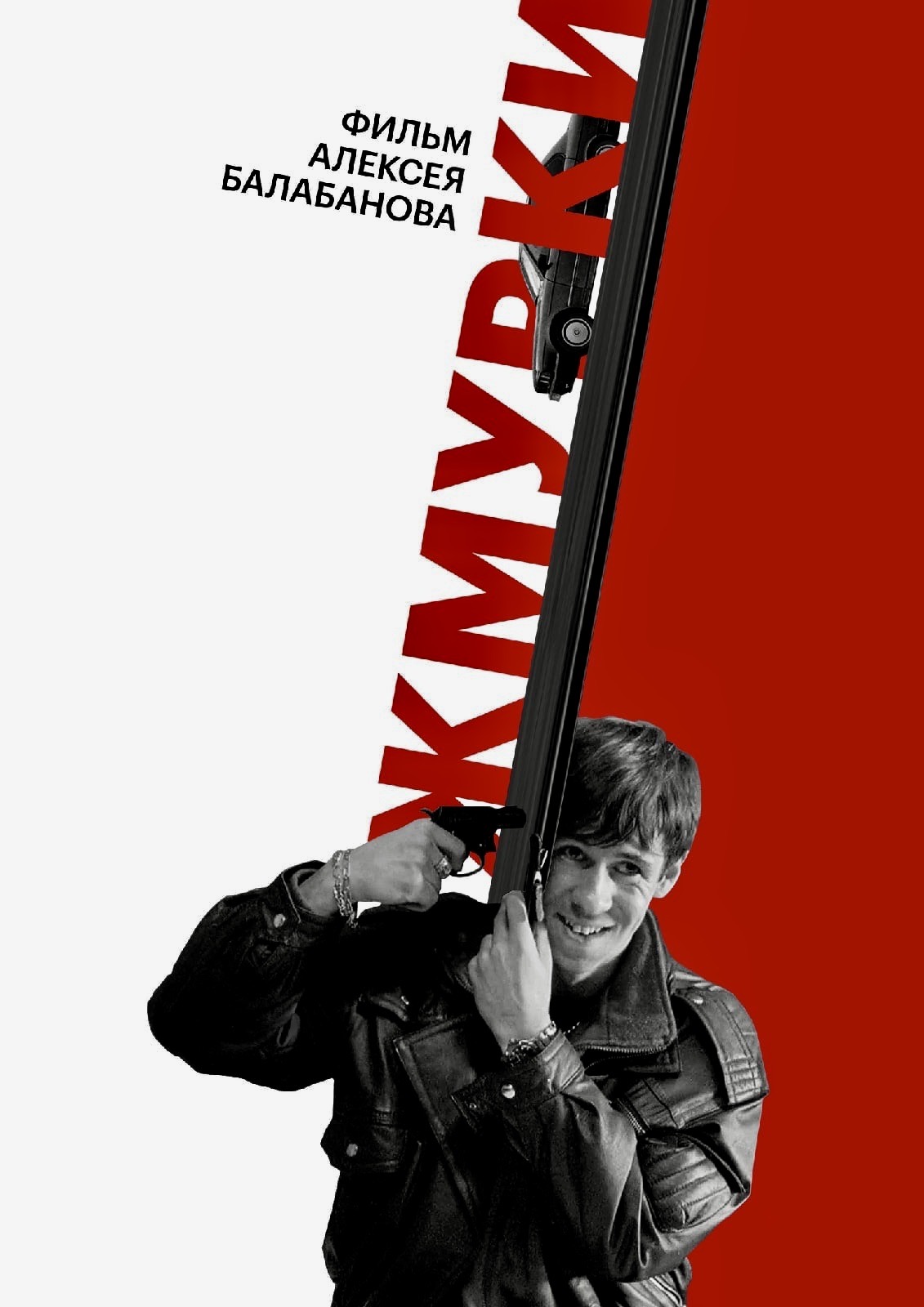
In Russia the film has been attacked and vilified for obvious reasons by critics and filmgoers alike. Even as a mean-spirited black comedy it is hard to justify some of the film’s excesses but it stays with you whether you want it to or not. Balabanov is a director to watch and his previous features such as Brother (aka Brat) – a critically acclaimed 1997 revenge drama about a Russian youth turning the tables on some gangsters in Petersburg – gives one hope for a new wave of promising Russian filmmakers.
Other links of interest:
https://www.telluridefilmfestival.org/
 Cinema Sojourns