

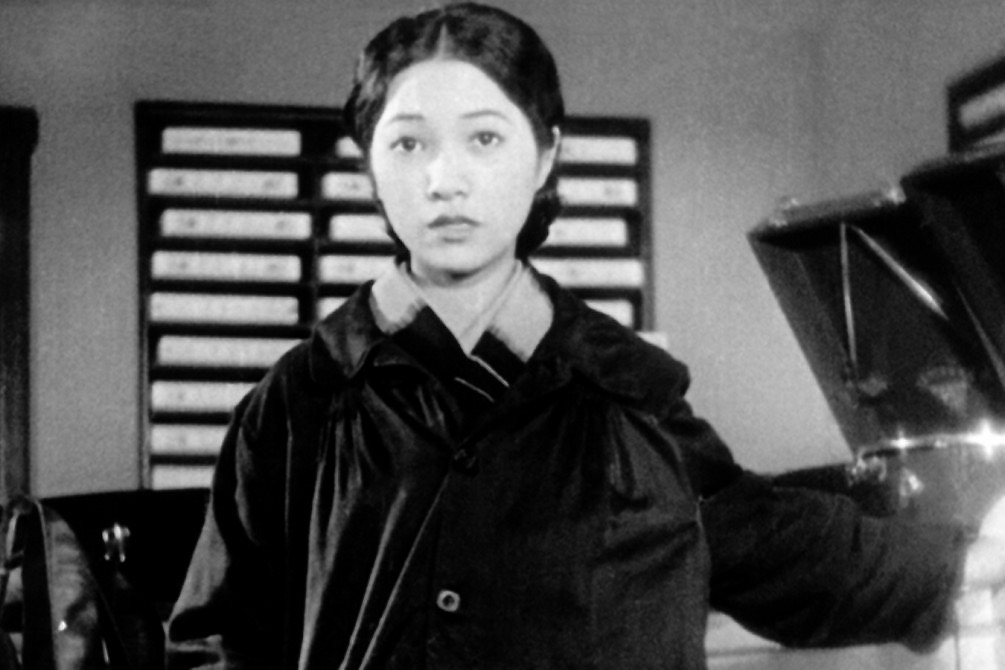
Tokiko works as a typist in a business office where Okazki, the owner’s son, is the office manager. He is smitten with his employee and often flirts with her behind closed doors in his private office. Tokiko manages to keep him at bay even though he showers her with gifts and offers her an engagement ring. What Okazki doesn’t know is that Tokiko leads a completely different life after work when she sheds her office worker identity and transforms into a chic underworld player with a gangster boyfriend, Joji. Tokiko not only supports Joji with her day job but also serves as his partner in crime in various money-making schemes. From this brief description you probably wouldn’t suspect that the Japanese crime drama, Hijosen no Onna (English title: Dragnet Girl, 1933), was directed by the celebrated Yasujiro Ozu, but it is an early and surprising entry in his filmography before he became famous for his portraits of Japanese family life in such post-WW2 movies as Late Spring (1949), Early Summer (1951) and his 1953 masterpiece, Tokyo Story.
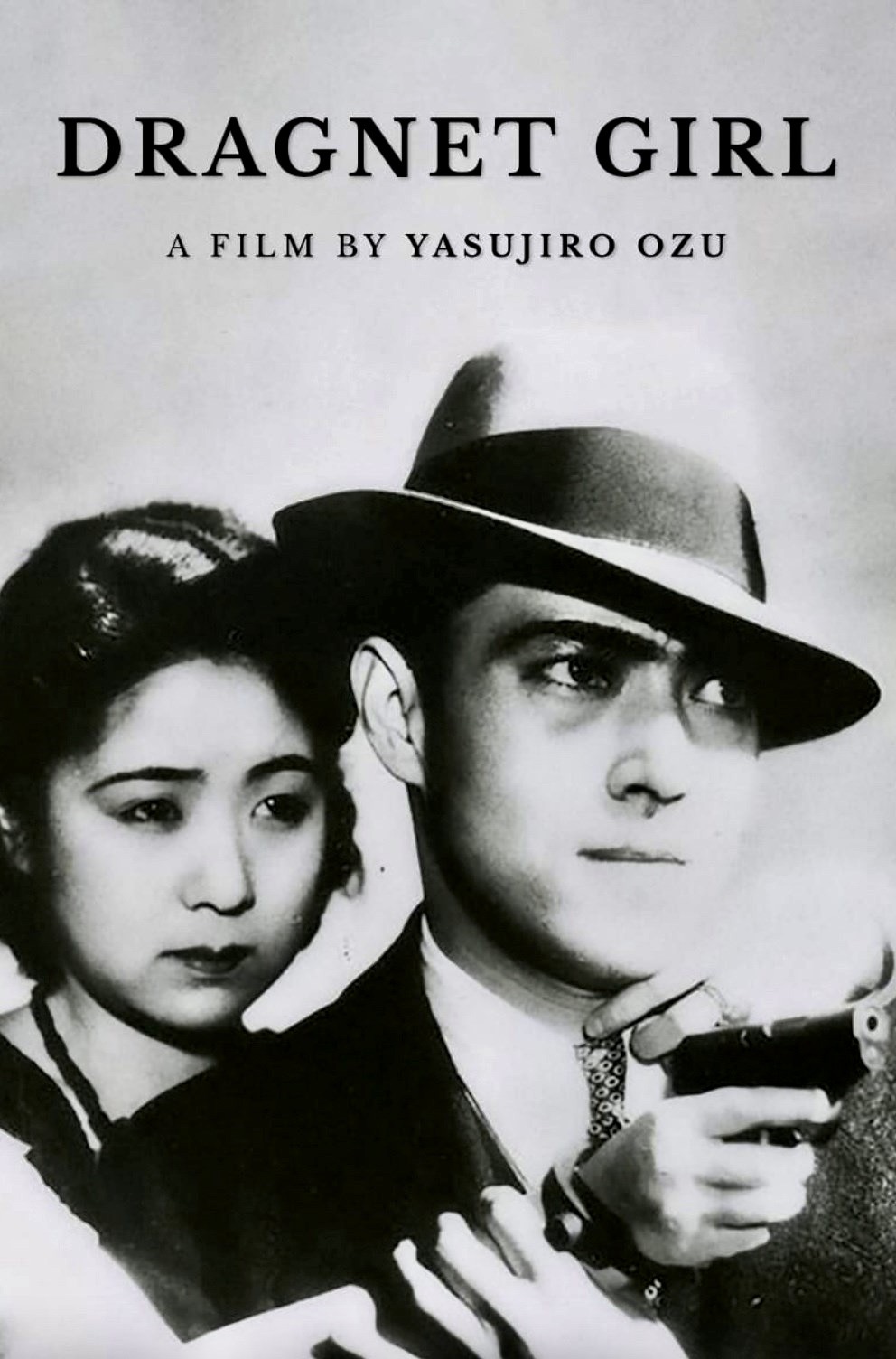
As a director at Japan’s Shochiku Studio, the young Ozu was assigned a number of low-budget genre films during his tenure there and these included everything from romantic dramas to comedies and crime thrillers. On the surface, Dragnet Girl is not unlike one of the many gangster B-movies churned out by Warner Brothers in the thirties with a tough guy hero (often played by James Cagney). What distinguishes it from its formulaic plot is the visual flair Ozu brings to it along with strong performances from its charismatic lead characters.
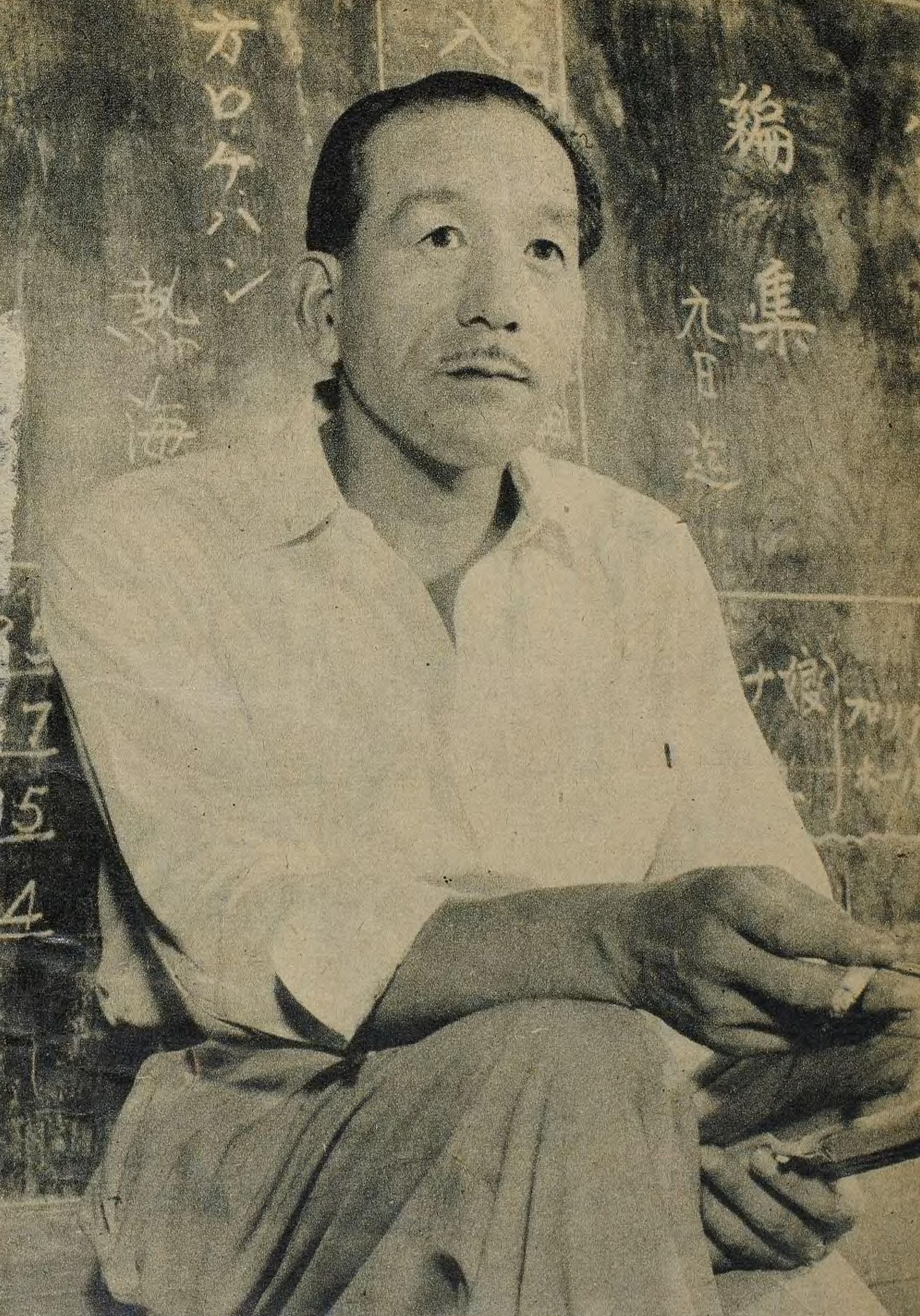
Even though talking pictures were first seen in Japan in 1931 – Heinosuke Gosho’s The Neighbour’s Wife and Mine is considered the first Japanese sound feature – Ozu preferred to continue working in silent cinema until 1936 when he directed The Only Son, his first talkie. And Dragnet Girl is one of Ozu’s most accomplished early movies with a fast-paced storyline and a fresh, modernist take on a working girl who leads a chameleon-like existence as an office worker and a gangster moll.
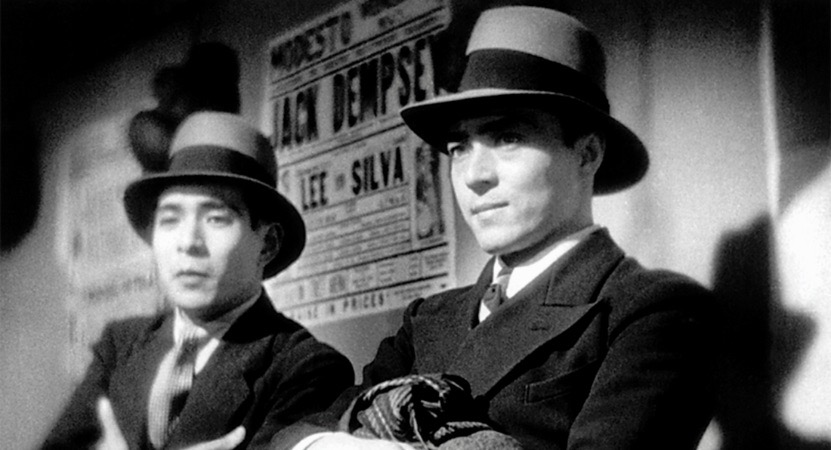
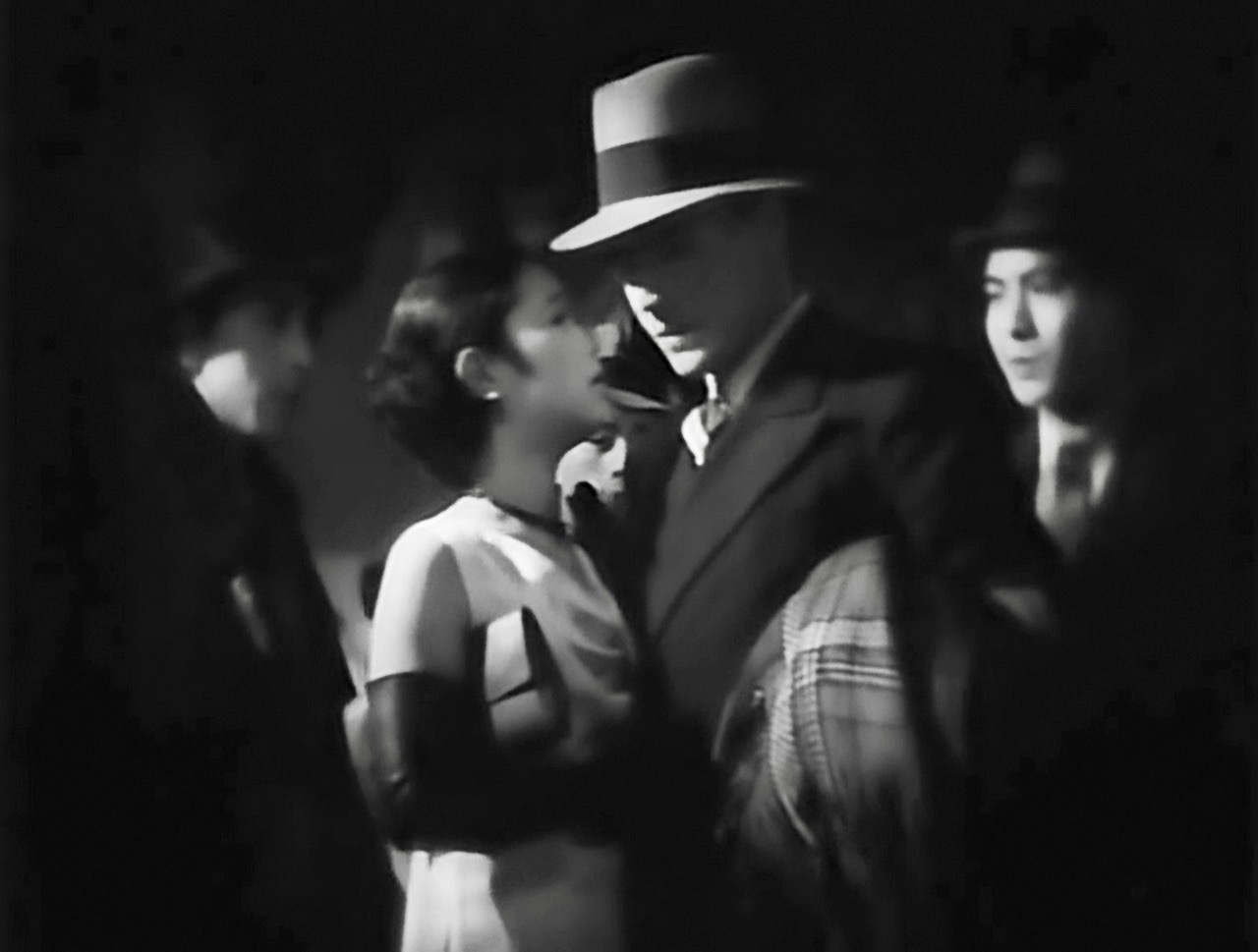
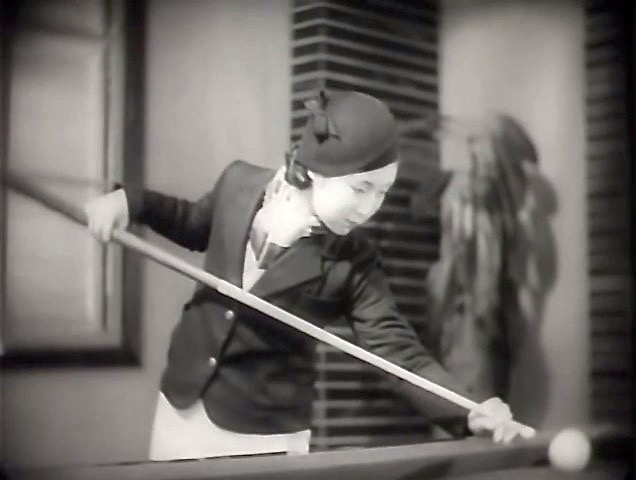
Kinuyo Tanaka, who had previously starred in numerous Ozu films such as Where Now Are the Dreams of Youth? (1932) and Woman of Tokyo (1933), is riveting as Tokiko and a perfect match for Joji Oka, who plays her brooding yakuza lover and former boxer. Together they make a glamorous pair in a nighttime world of jazz clubs, smoky pool rooms and bars. It is only when Hiroshi (Koji Mitsui), an up-and-coming young boxer, enters the picture that complications arise affecting the future of the crime boss and his mistress.
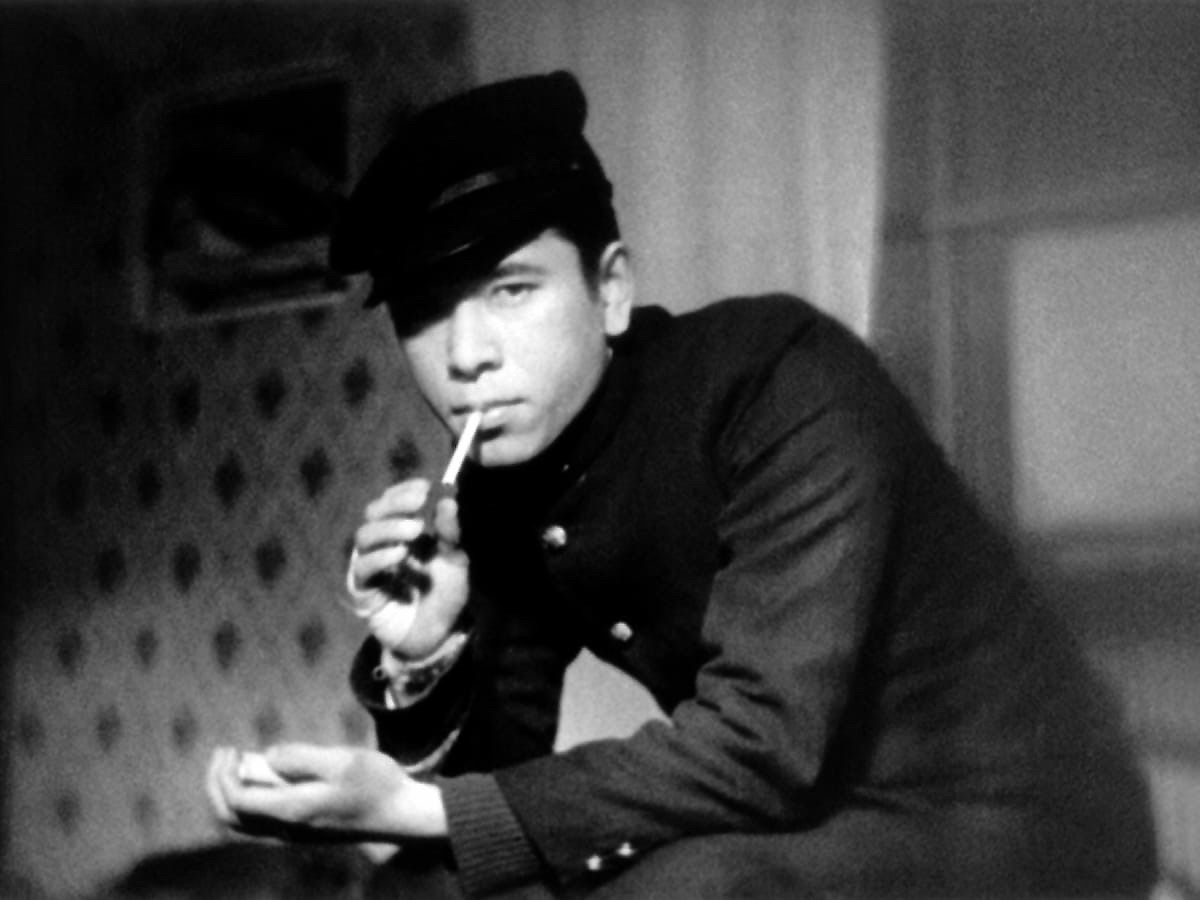
No, it isn’t the old cliché of Tokiko falling for the young boxer. Instead, it is Joji whose attention begins to wander when he meets Misako (Yumeko Aizome), the older sister of Hiroshi who works as a record store clerk. She tries to dissuade her brother from idolizing Joji and, when that fails, she goes directly to the gang leader to plead her case.
Joji is charmed and intrigued by Misako and agrees to discourage Hiroshi from a life of crime but Tokiko sees this new development as a threat to her life with Joji and begins plotting against Misako. The friction between the two women culminates in a remarkable confrontation in which Tokiko pulls a gun on Misako and threatens to shoot her. When Misako holds her ground, expecting the worst, Tokiko is so impressed, she puts the pistol away and gives the surprised girl a kiss. From this point on, Tokiko begins questioning her future as a gangster moll and even entertains the fantasy of marrying Joji and settling down to a quiet life of domestic bliss (she even starts knitting!). Joji doesn’t share the same daydream and Dragnet Girl almost ends in a bleak film noir fadeout before veering off into a more realistic resolution for the lawless couple.
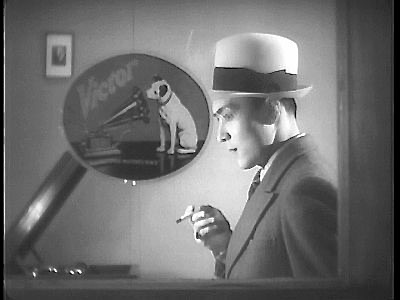
A great deal of Dragnet Girl’s appeal comes from Ozu’s visual design and the fluid black and white cinematography of Hideo Shigehara. Some of the director’s famous stylistic devices are already in evidence here such as his penchant for static, still life portraits of Japanese culture – an employee’s coat rack at Tokiko’s office, a record store where Nipper, the famous RCA Victor icon, is on prominent display, the discarded contents of a suitcase on an apartment floor or a handknitted sock hanging on a telephone wire (a symbol of Tokiko’s budding domesticity).
Ozu’s well-known love of American movies and pop culture is also in evidence throughout Dragnet Girl as represented by English language advertisements for an upcoming Jack Dempsey fight, a poster for King Vidor’s The Champ with Wallace Beery, a sign for a pool hall’s house rules written in English and the type of criminal behavior and dress first glimpsed in Josef von Sternberg and Arthur Rosson’s Underworld (1927), which was said to have been an influence on Ozu.
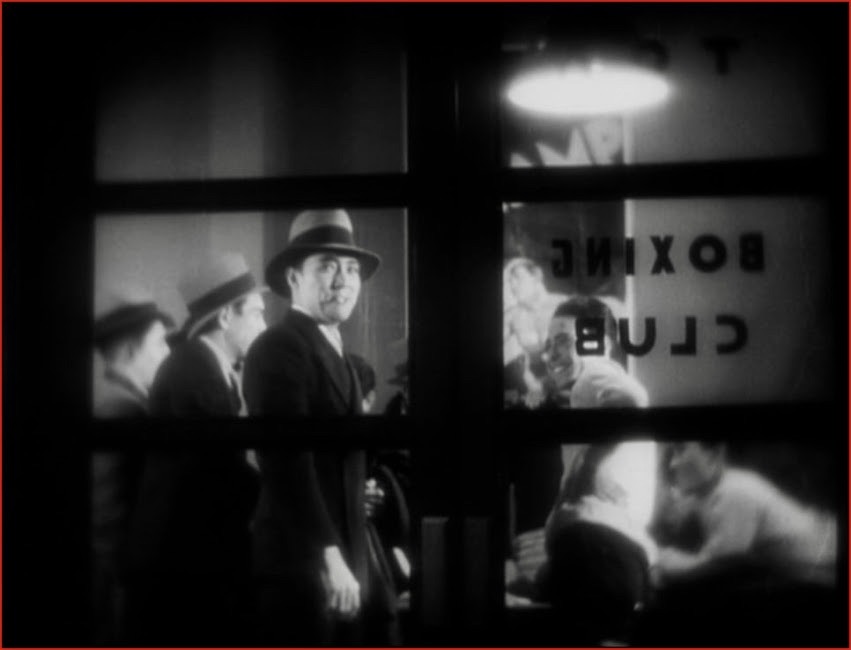
Just as impressive is Ozu’s handling of action sequences such as a violent brawl between Hiroshi and an irate customer at a pool table or the final manhunt sequence where Koji and Tokiko try to flee the cops in pursuit. Still, one of the most memorable sequences is due to the way Ozu avoids showing the violence and leaves it to the imagination of the viewer. When three criminal rivals of Koji show up at his club, he invites them to a backroom and they take off their jackets in preparation for a fight. Ozu then cuts to other patrons in the club reacting to sounds of a brawl and the house band starts playing a song at top volume to drown out the sounds of fighting. We never see the battle, only Koji emerging alone and victorious from the back room.
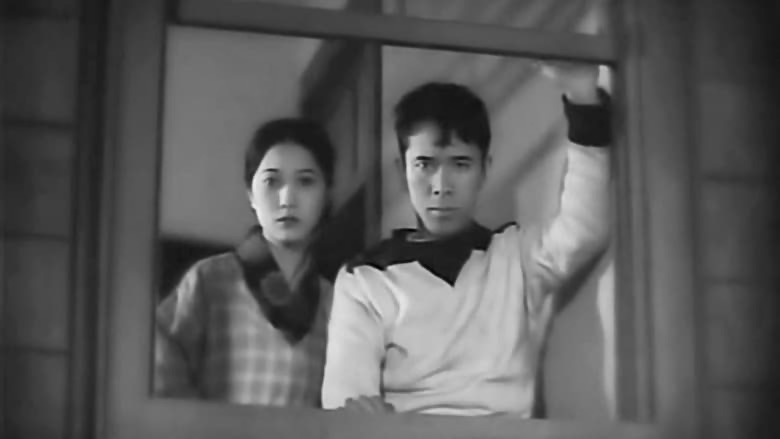
Dragnet Girl was the last of the crime dramas made for Shochiku – the other two were That Night’s Wife (1930) and Walk Cheerfully (1930) – and it was popular with Japanese audiences and critics when it first appeared. After that, it fell into obscurity until recent years when it has been restored and showcased in Ozu retrospectives.
In a revival of Dragnet Girl at the San Francisco Silent Film Festival in 2014, film noir expert/author Eddie Muller wrote, “The material may feel familiar, but Ozu handles it in his unique fashion. Considering that long, static takes later became his trademark, it’s a kick to witness the delight he takes in moving the camera. It studiously swirls around inanimate objects, floats surreptitiously down hallways, prowls like a cat after striding feet, gazes at a street streaking past in the reflection of a speeding roadster’s headlamp. Ozu’s devotion to cinematic possibility is palpable, at times even delirious—and to contemporary eyes, remarkably progressive.”
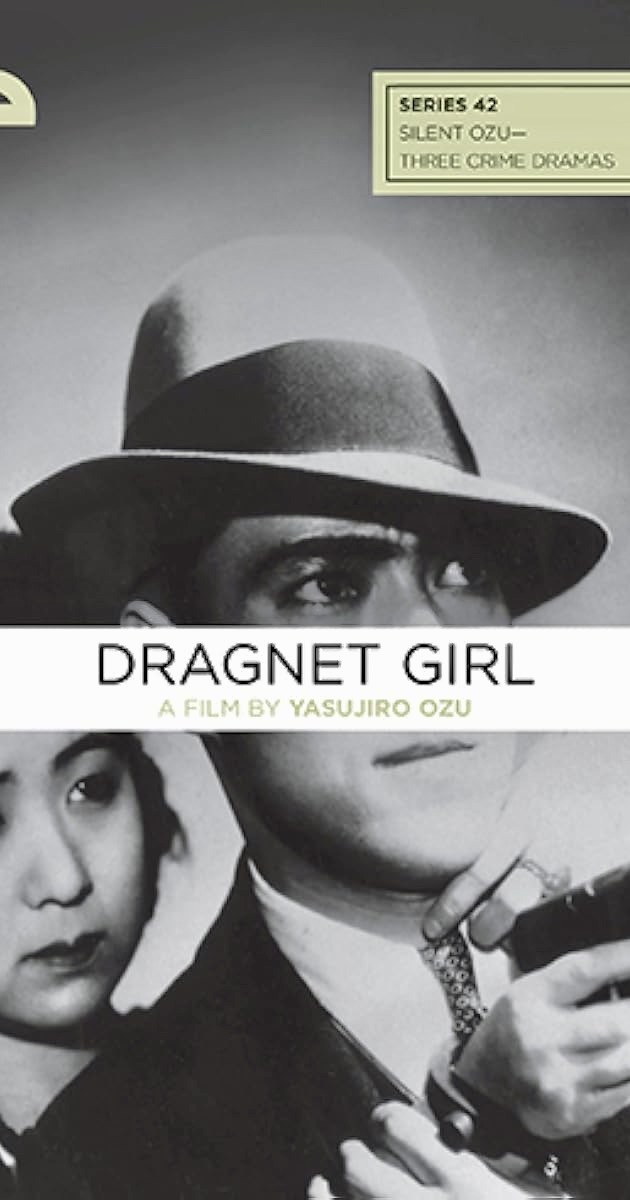
In 2015, The Criterion Collection, as part of its Eclipse series, released Silent Ozu – Three Crime Dramas as a DVD box set that includes Dragnet Girl, Walk Cheerfully and That Night’s Wife. That is still your best option for seeing this early Ozu work. You might also still be able to stream Dragnet Girl on such platforms as Roku, Max or The Criterion Channel.
Other links of interest:
https://thecinematheque.ca/series/tanaka-kinuyo-director
 Cinema Sojourns
BFI just put this out on Blu Ray in the UK, part of a set with Record of a Tenement Gentleman & A Hen in the Wind, I think they have it streaming also. (I read the review in Sight & Sound right before Feedly recommended this blog – synchronicity!)
Great news. I haven’t seen either of those two Ozu films.