
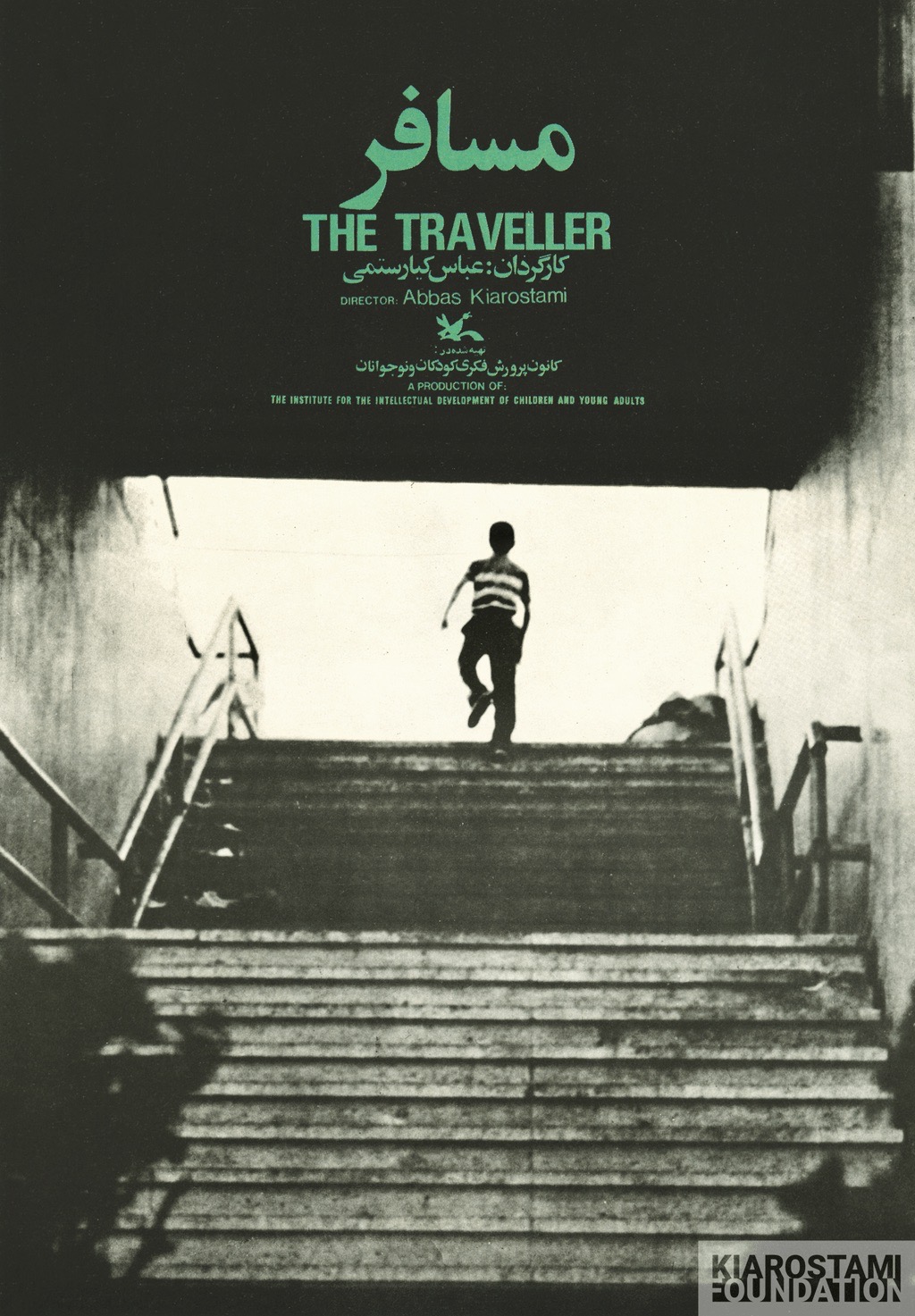
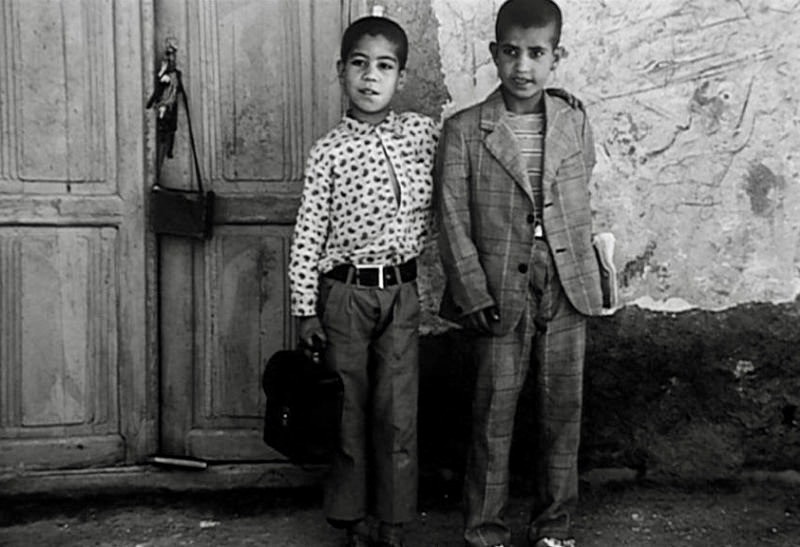
Qassam is a ten-year old living in the Iranian town of Malayer who is obsessed with soccer. When he isn’t skipping classes at school to play the game in back alleys, he is stealing money from his mother’s secret hiding place to buy soccer magazines. Considering the limited career choices available to Qassam after he finishes school, it is no wonder why soccer serves as the boy’s escape from reality. And his obsession becomes all-consuming when he learns that his favorite soccer team is coming to Tehran (which is approximately 385 miles away). He begins scheming of ways to raise the money required for the bus and game tickets. This is the basic premise of Abbas Kiarostami’s Mossafer (English title: The Traveler, 1974), which is both a parable about wanting something too much as well as an unsentimental portrait of an alienated and problematic kid in the tradition of Francois Truffaut’s The 400 Blows (1959).
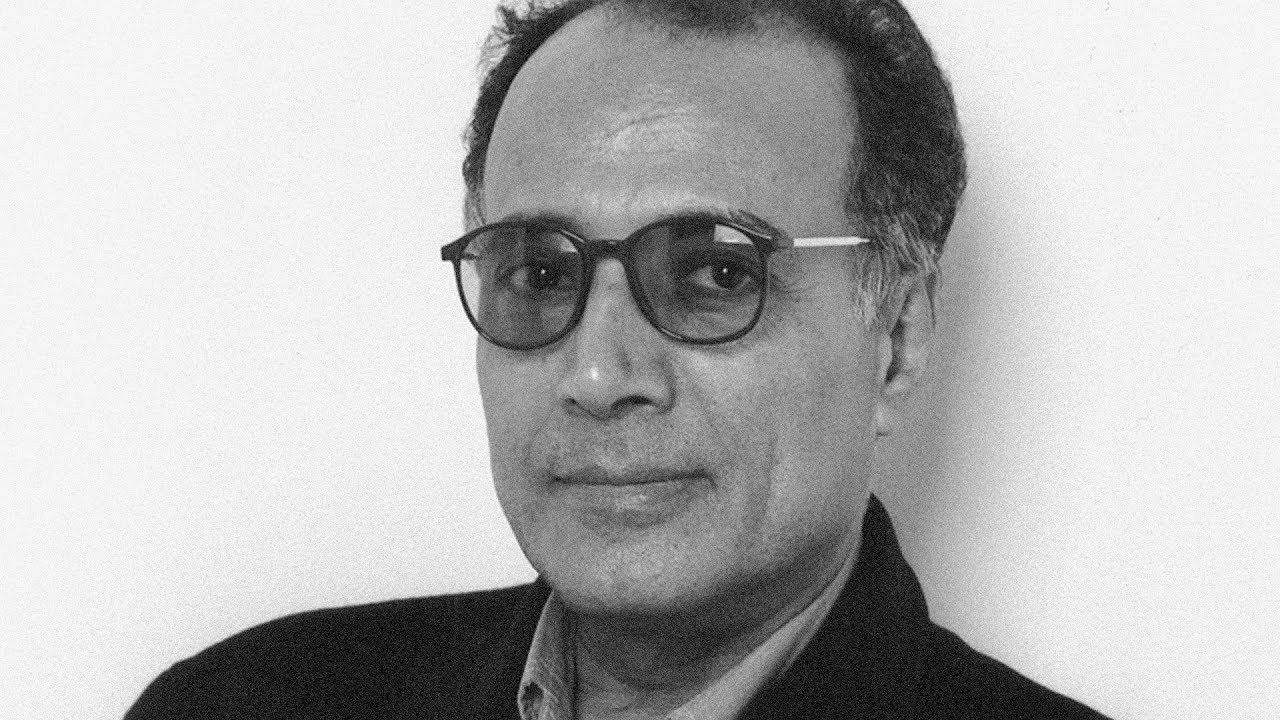
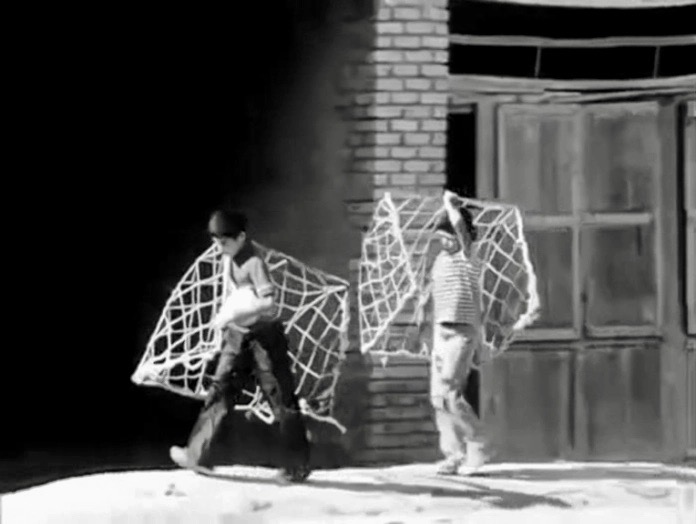
Kiarostami had previously made two shorts, The Bread and Alley (1970) and Recess (1972), and one 53-minute feature, The Experience (1973), but the director considers The Traveler his official directorial debut. Like his previous work, children are the main focus and the film was made for Kanoon (The Centre for the Intellectual Development of Children and Young Adults). Yet, The Traveler does not look or feel like an educational after-school special. Instead, it bares similarities to the Italian Neorealism movies of the forties like Vittorio De Sica’s Shoeshine (1946) which also utilized non-professional actors, real locations and black and white cinematography which had an almost documentary-like realism.
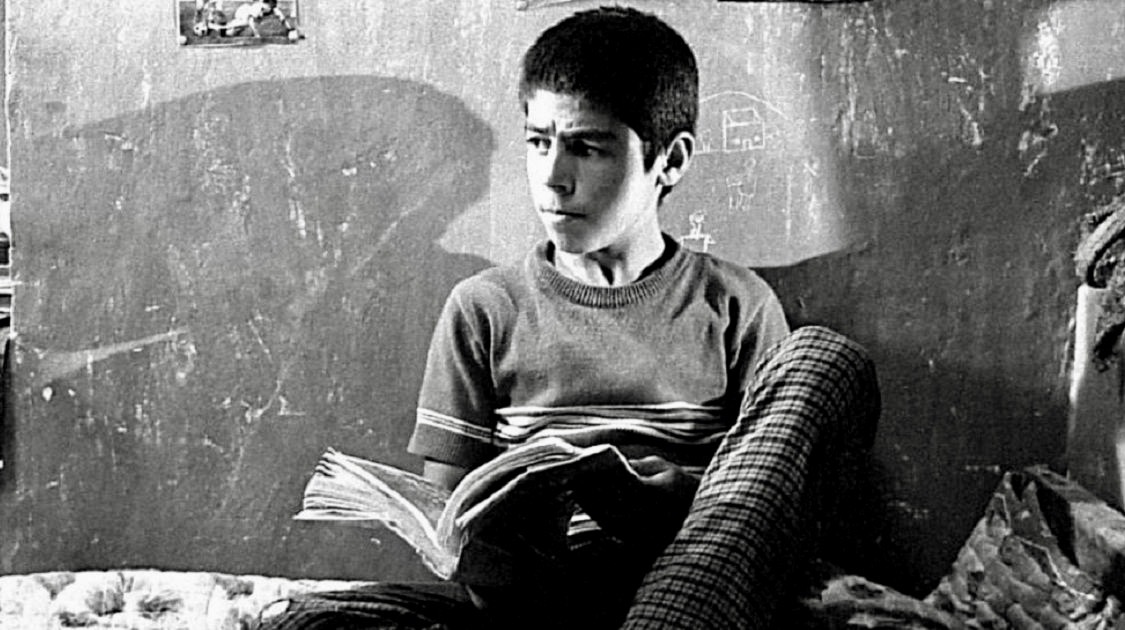
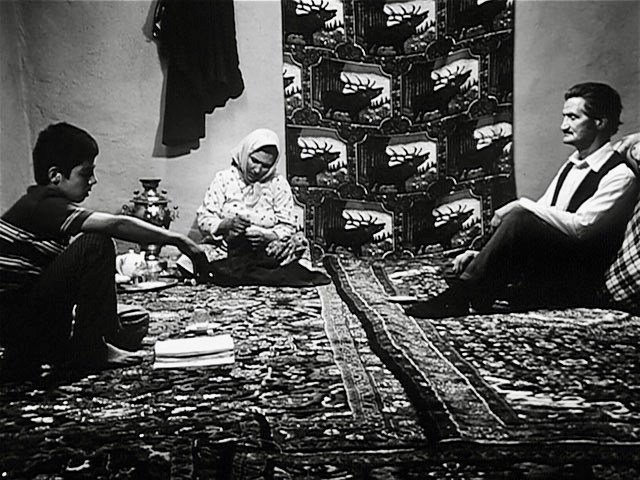
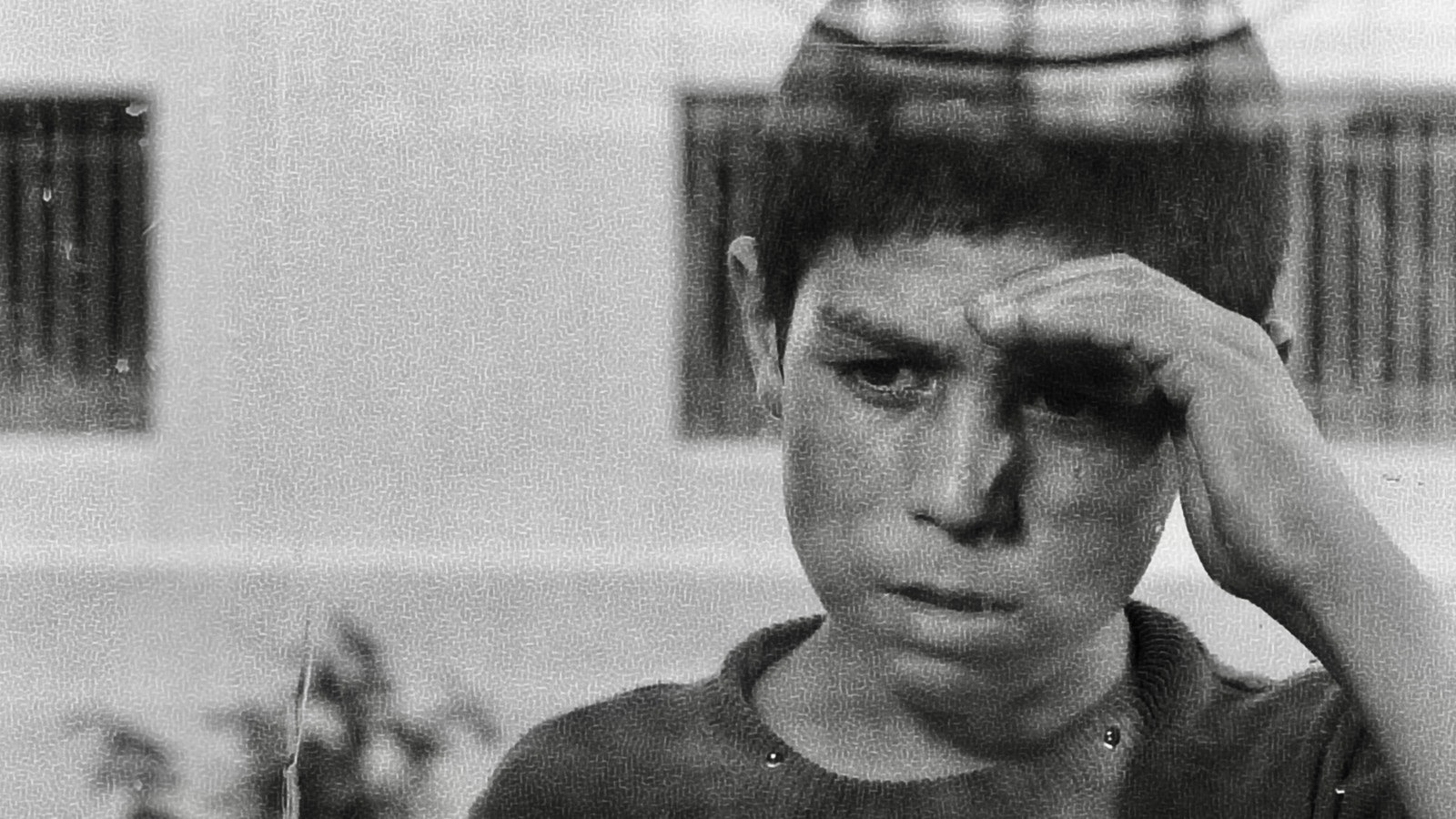
Qassam, the focus of the movie, is also not some adorable rascal but a troubled, headstrong kid who seems well on his way to becoming a juvenile delinquent. He is a habitual liar, often cuts classes and avoids homework, refuses to mind his parents and takes advantage of his loyal friend Akbar. Even when he is confronted with his lies and beaten with a cane by a teacher, Qassam becomes more insistent on his innocence instead of confessing the truth. One instructor even tells his mother he is a “monster” and he is certainly not an audience-friendly child protagonist but you have to admire his tenacity and resourcefulness in going after what he wants.
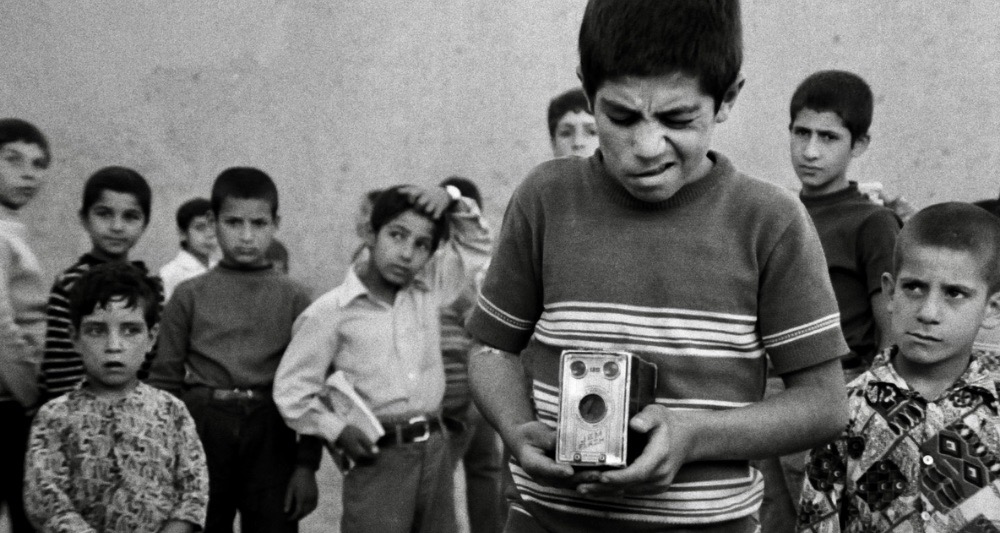
In one of the most memorable and cinematic passages in The Traveler, Qassam tries to sell a camera that belongs to Akbar’s uncle. When he can’t unload it on a street merchant for the price he wants, he gets a brainstorm and approaches his schoolmates with an attractive pitch. For a few coins, he will take their photo and have it ready for them the following day. What his peers don’t know is that the camera is broken and has no film inside anyway. Nevertheless, Qassam moves about the schoolyard like a professional photographer, ordering the children to pose in various positions or to try different facial expressions. Kiarostami and his cinematographer Firooz Malekzadeh stage the entire sequence as an intimate survey of children’s faces, some of whom already look older than their years as if anticipating their future as adults.
Qassam’s camera scam puts money in his pocket but he also raises the additional money needed for his trip by selling his neighborhood team’s soccer equipment without their knowledge or permission. Qassam seems to harbor no guilt about any of his street-smart hustles but later in the movie we see his sense of guilt emerge in a nightmare where he is chased by the kids he “photographed” and then beaten in public for his crimes. All of this begs the question – how did Qassam become such a misguided and rebellious kid? An unhappy home life with judgmental parents certainly doesn’t help but feeling like an outsider in his own community is another factor. Plus, his obsession with soccer is just another unusual trait that separates him from his peers and family.
Some film critics have theorized that Qassam’s restlessness and frustrations are reflections of what the Iranian people were feeling in 1974. The Shah of Iran’s plans for westernizing the country had resulted in a fragmented national identity and revolution was in the air (The Shah would flee the country in January 1979 and be replaced by Khomeini). Once Qassam arrives in Tehran, we get a fascinating glimpse of life in that city before it reverted to an Islamic state. In fact, the boy’s adventures in Tehran are not just eye-opening to the viewer but also to Qassam himself.
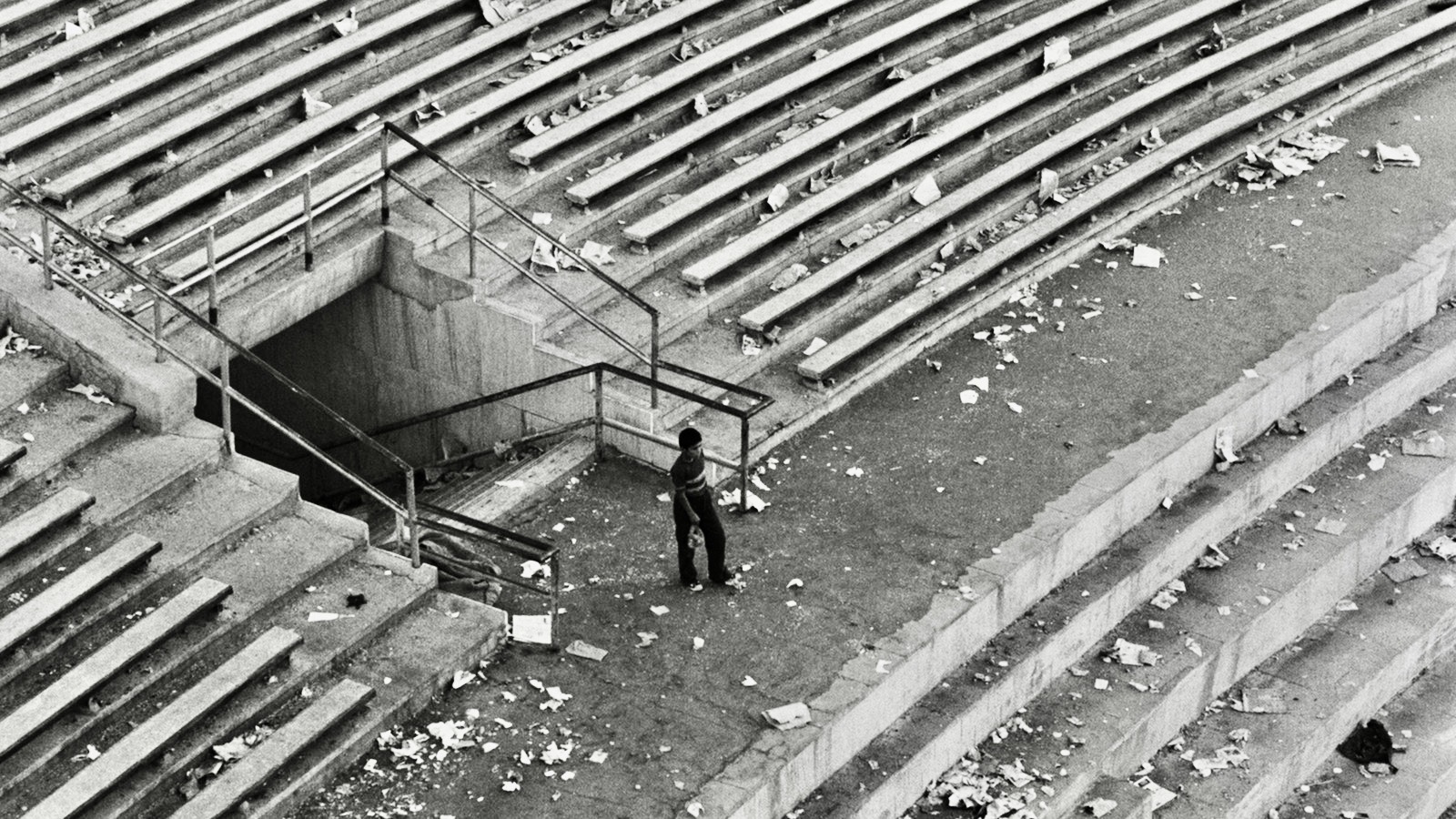
Part of the suspense generated in The Traveler’s second half is from watching Qassam negotiate and navigate setbacks to his plans such as being shut out of the soccer ticket sales and having to spend more money than expected for a ticket scalper (how will he get back home?). Through sheer determination and persistence, Qassam finally acquires a seat in the stadium hours before game time but his impatience for waiting brings The Traveler to a tragicomic ending. Regardless of the boy’s final fate, he seems perfectly capable of adjusting to a new life in a new place. There is certainly nothing for him to go back to in Malayer.
Kiarostami would go on to make other feature films focusing on child protagonists such as First Graders (1984), The Key (1987), Where is the Friend’s House? (1987), and Homework (1985) plus he co-wrote the screenplay for The White Balloon (1995), Jafar Panahi’s award-winning movie about a little girl and her quest to buy a goldfish.
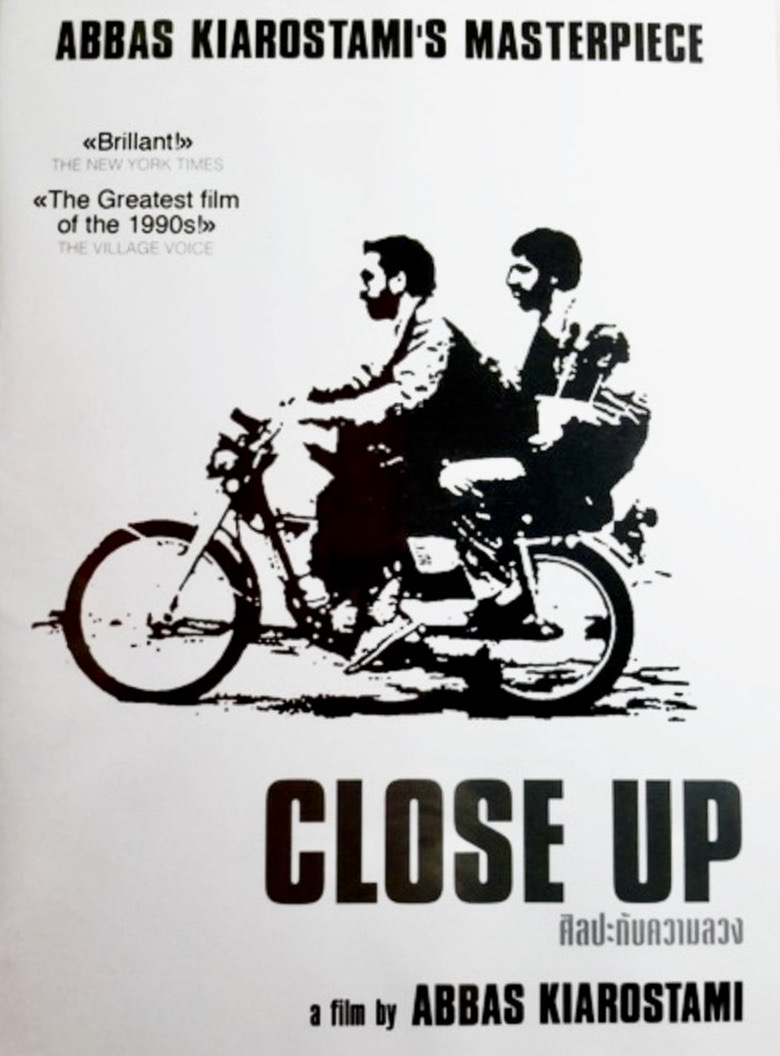
Later work beginning with Kiarostami’s autobiographical Close-Up (1990) would concentrate more on adult concerns such as identity theft, marital and family relationships, death, suicide and Iranian culture. The director died in July 2016 and his final film, 24 Frames (2017), which was released posthumously, consisted of 24 four and a half minute vignettes inspired by paintings or photographs.

During his lifetime Kiarostami’s movies were mostly shown at art house venues in the U.S. and deemed too non-commercial for general audiences but The Traveler is an easily accessible slice-of-life drama. Besides being one of his least known features, it is also proof positive that this was a filmmaker with a bright future ahead of him. It is also an impressive showcase for Hassan Darabi in the role of Qassam. The non-professional actor would never make another feature but his natural, unaffected portrayal of a scrappy problem child is just as iconic as other great child performances from Martin Stephens in The Innocents (1961) to Quvenzhane Wallis in Beasts of the Southern Wild (2012).
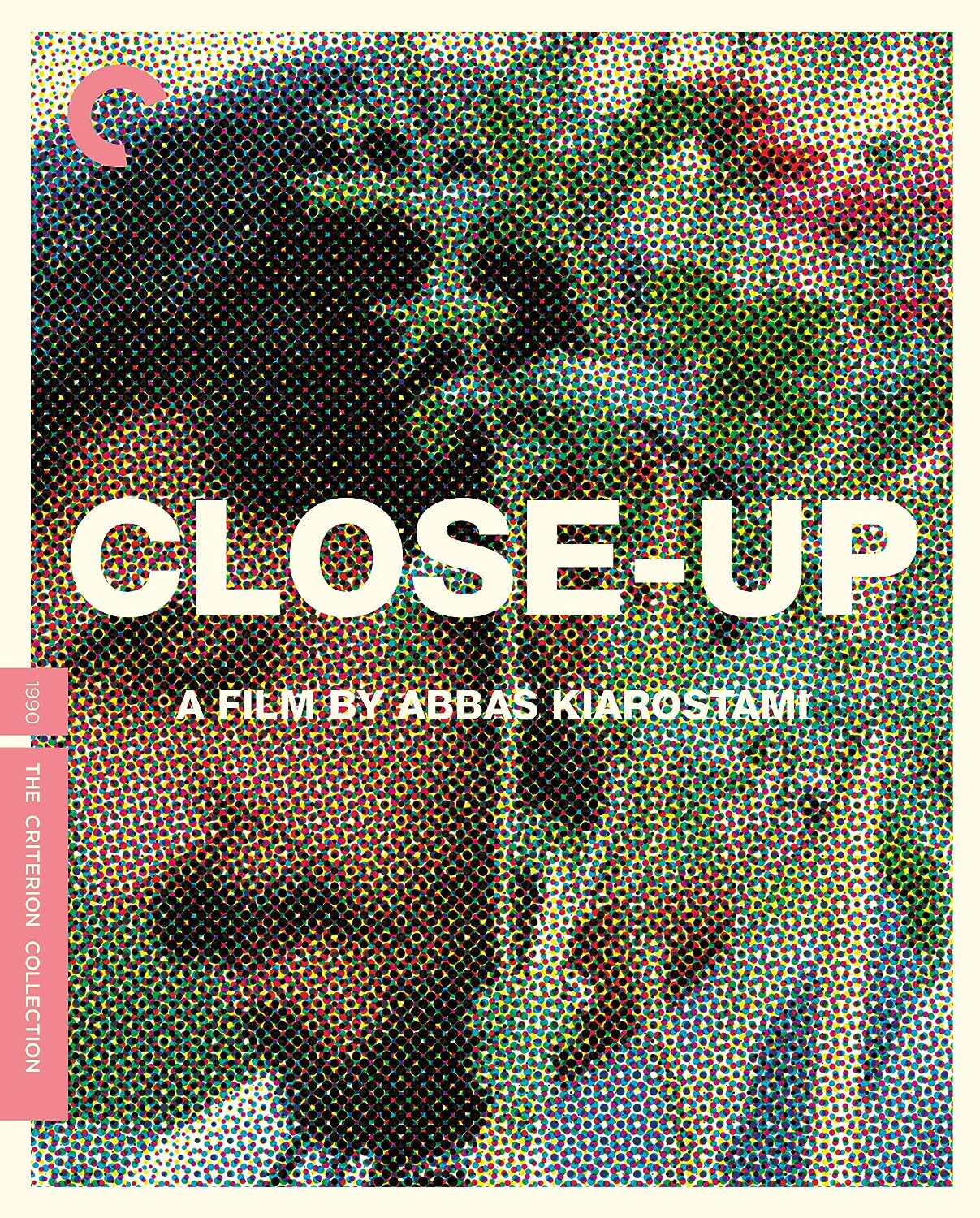
The Traveler was initially released on DVD by The Criterion Collection in 1990 as an extra feature on the same disc as Kiarostami’s Close-up. In June 2010, Criterion released the same package as a Blu-ray/DVD combo.
Other links of interest:
https://offscreen.com/view/an-interview-with-abbas-kiarostami-and-aydin-aghdashloo
Great Films About Childhood (from an Adult’s Perspective)
 Cinema Sojourns