
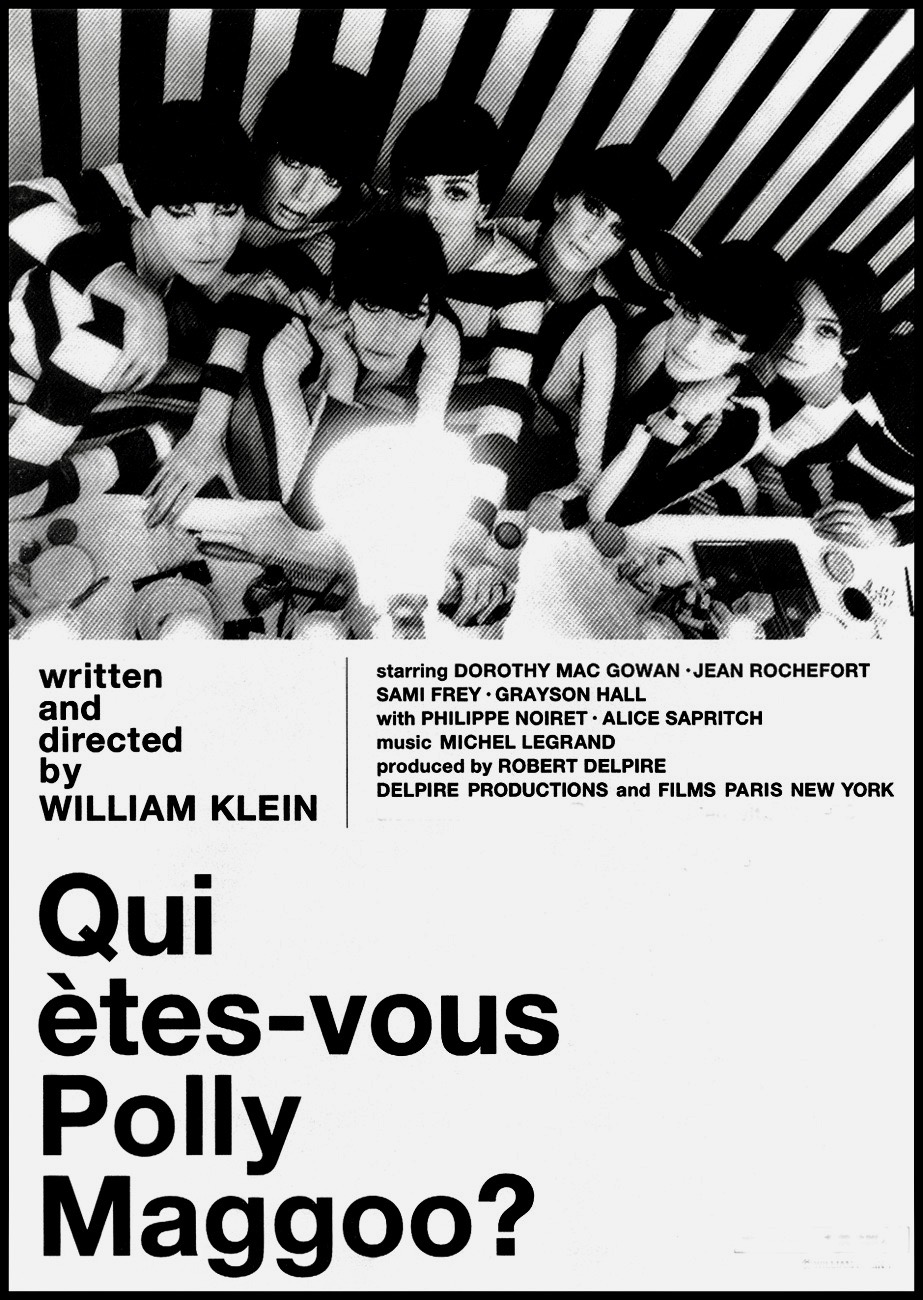
The fashion industry has always been fair game as a target for satirists but the majority of movies about the fashion world have mostly been glamorizations of it (Funny Face, The Devil Wore Prada) or serious validations of the business like the 1995 documentary Unzipped featuring designer Isaac Mizrahi or The September Issue (2007), which focuses on Anna Wintour, editor-in-chief of Vogue. It is much harder to come up with memorable satires on the subject although the supremely silly Zoolander (2001) is fun and Robert Altman’s Ready to Wear aka Pret-a-Porter (1994) is an amusing minor trifle. One of the few exceptions is Qui Etes-Vous, Polly Maggoo? (English title: Who Are You, Polly Maggoo?, 1966), the feature film debut of renowned photographer William Klein, which brilliantly skewers the profession while dazzling you with its visual inventiveness and giddy high spirits.
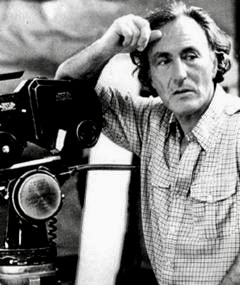
The film is not only a stunning pop culture time capsule of the Paris fashion world in 1966 but also a witty, multi-faceted send up by an artist who had first-hand experience of the fashion world. Klein, a New Yorker, had originally moved to Paris after WW2 to become a painter and drifted into experimental photography. His work was discovered in 1954 by Alexander Liberman, the art editor from Vogue, and Klein became a fashion photographer for the magazine until 1965, when he left, stating he had become bored with the assignments and was finally ready to take “real pictures, eliminating taboos and cliches.”
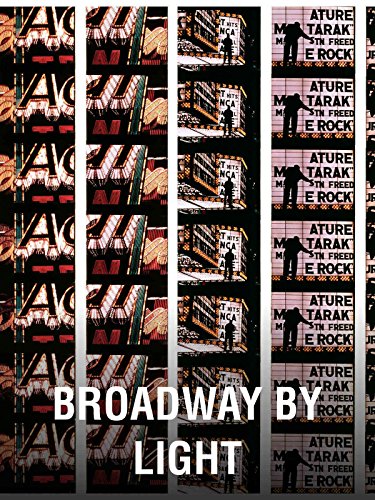
Klein had already dabbled in filmmaking by this point, having directed a few French television episodes and two short films, Broadway by Light (1958) and Cassius le Grand (1964), a portrait of boxer Muhammad Ali. Who Are You, Polly Maggoo? marked the beginning of his immersion into feature film and documentary productions, which would last until 2010 and run parallel with his work in still photography.
Who Are You, Polly Maggoo? is made even more fascinating by the fact that it contains many autobiographical connections to Klein’s life in Paris plus it is sprinkled with fleeting cameos by real life celebrities like photographer Richard Avedon, iconic actress Delphine Seyrig as a journalist, model turned actress Joanna Shimkus (the wife of Sidney Poitier), illustrator/painter/writer Roland Topor and film producer Anatole Dauman (Paris, Texas, Wings of Desire) as a middle-aged boy scout.
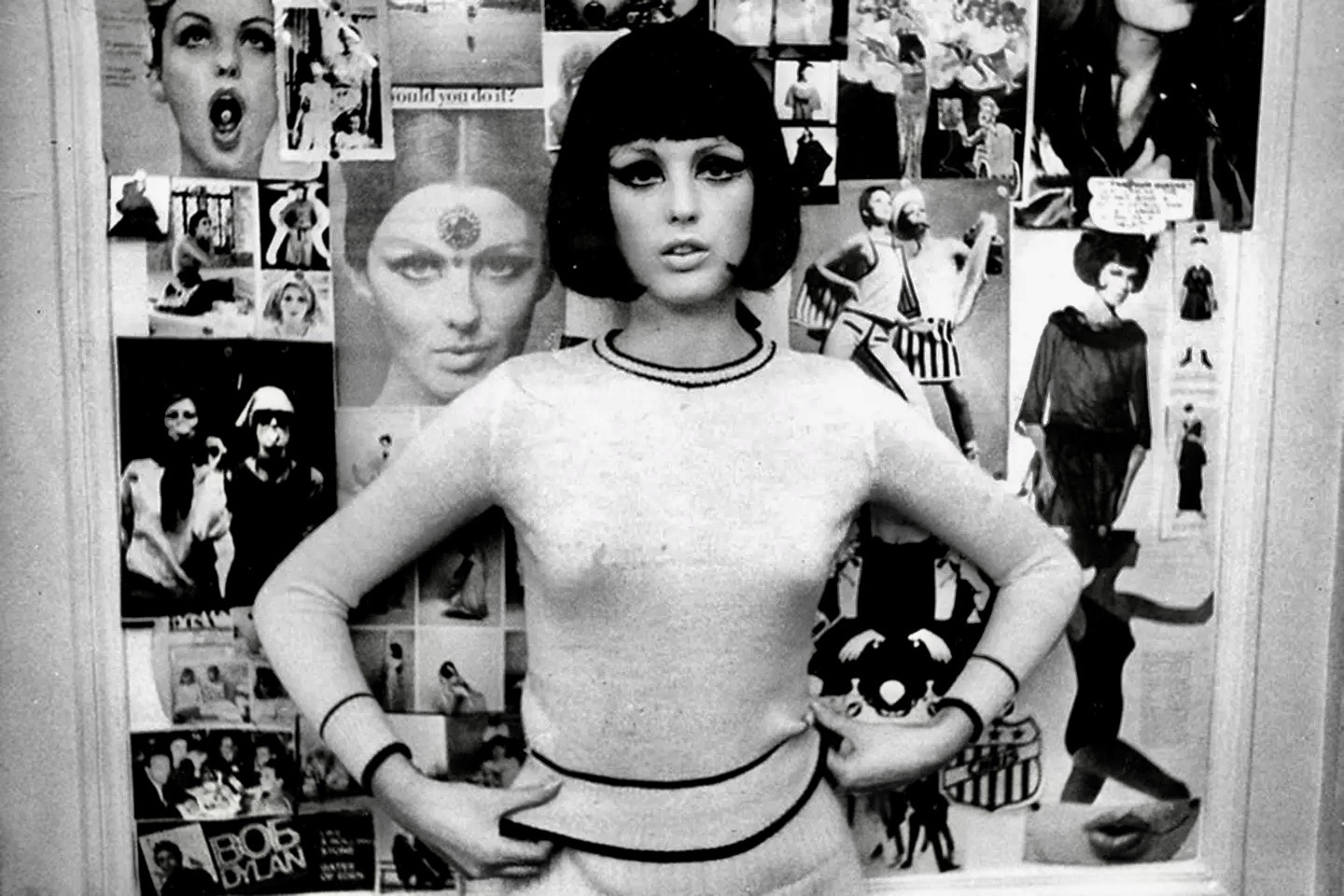
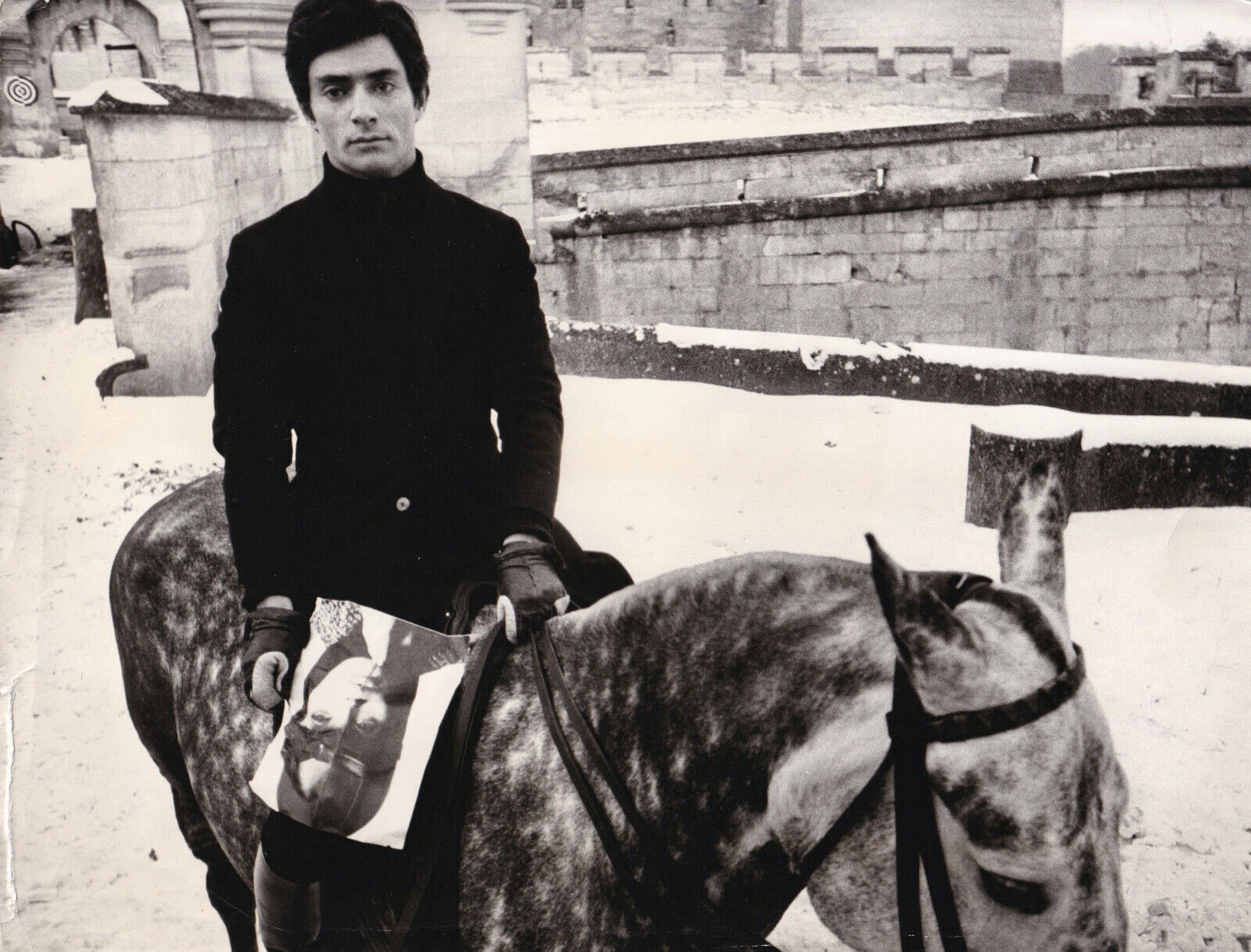
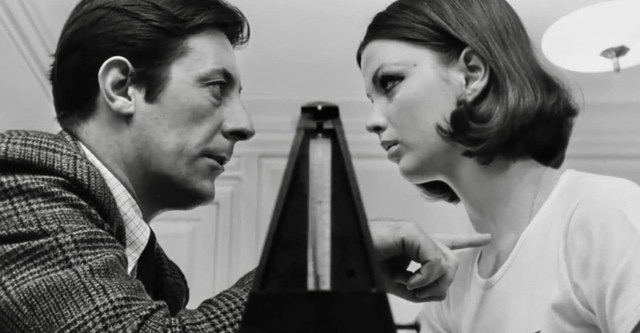
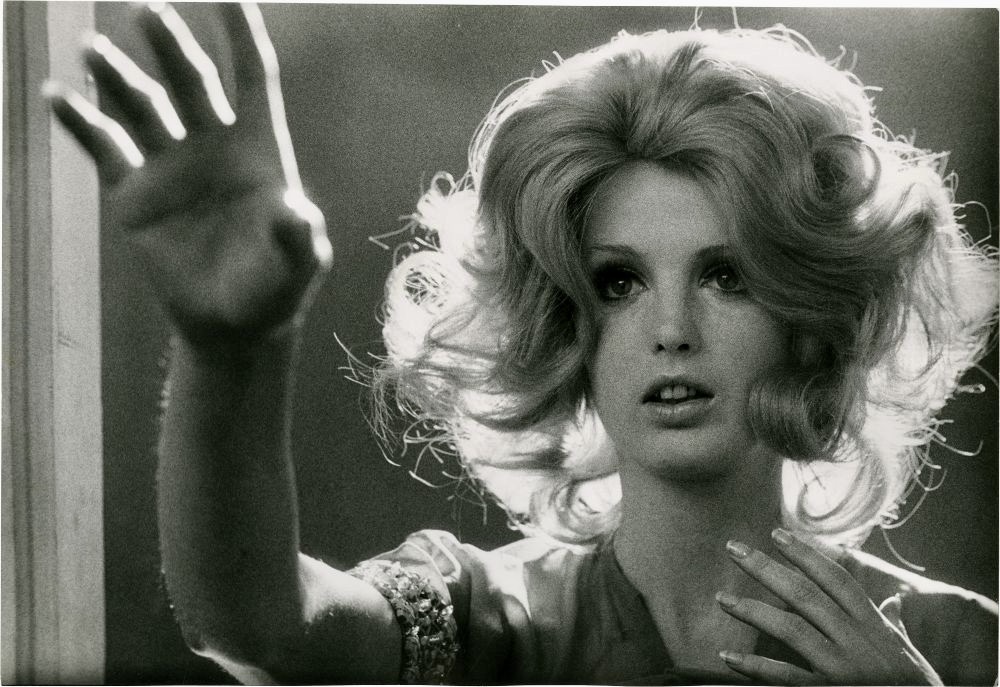
The film follows the day to day adventures of American model Polly Maggoo (Dorothy McGowan), who has become a sensation in Paris and is the subject of a documentary profile on the French TV series, Who Are You? Gregoire Pecque (Jean Rochefort), the director of the episode, is determined to reveal the person behind the façade, stating “What’s behind the mask? Nothing or just another mask and another?” During the making of the special, Gregoire becomes infatuated with Polly but he is not the only one. Prince Igor (Sami Frey), from some unspecified middle Eastern country, is also besotted with Polly’s beauty (his bedroom is surrounded by photos of her) and he eventually comes to Paris in hopes of meeting and marrying her.
Klein’s freewheeling, anything goes satire saves some of its most caustic humor for the media and how they manufacture personalities for a gullible public and, while the barbs might seem overly familiar more than 50 years later, the narrative has a droll, tongue-in-cheek quality that is perfectly served by the breathless pacing, hyper-exaggerated costumes (by Janine Klein, wife of the director), bizarre hairstyles and art direction (by Bernard Evein) and the sumptuous looking black and white cinematography by Jean and Robert Boffety.
True, a few of the jokes only work on the level of broad caricature and there are two minor characters (personal assistants to the Prince) who are sent to find Polly and come across like bumbling morons from a slapstick comedy from another era. For the most part, however, Who Are You, Polly Maggoo? is endlessly inventive and eye-pleasing.
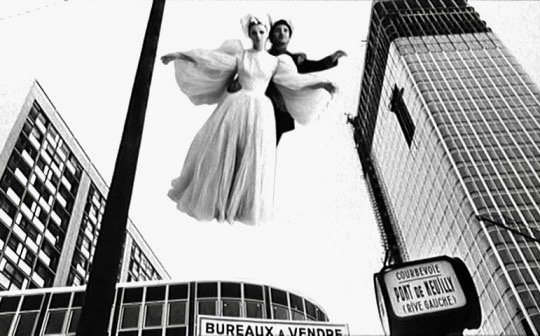
A romantic fantasy sequence in which cut-outs of the Prince and Polly fly over Paris as a montage of famous locations is seen in the background reminds me of some of the later animation work seen in the Monty Python comedies. The closing graphics to the movie with a theme song composed by Michel Legrand is also memorable and there are several spellbinding visual sequences throughout like one in which the camera moves down a row of models doing their make-up while dressed in black and white striped outfits that blend in with the black and white striped walls of the dressing room.
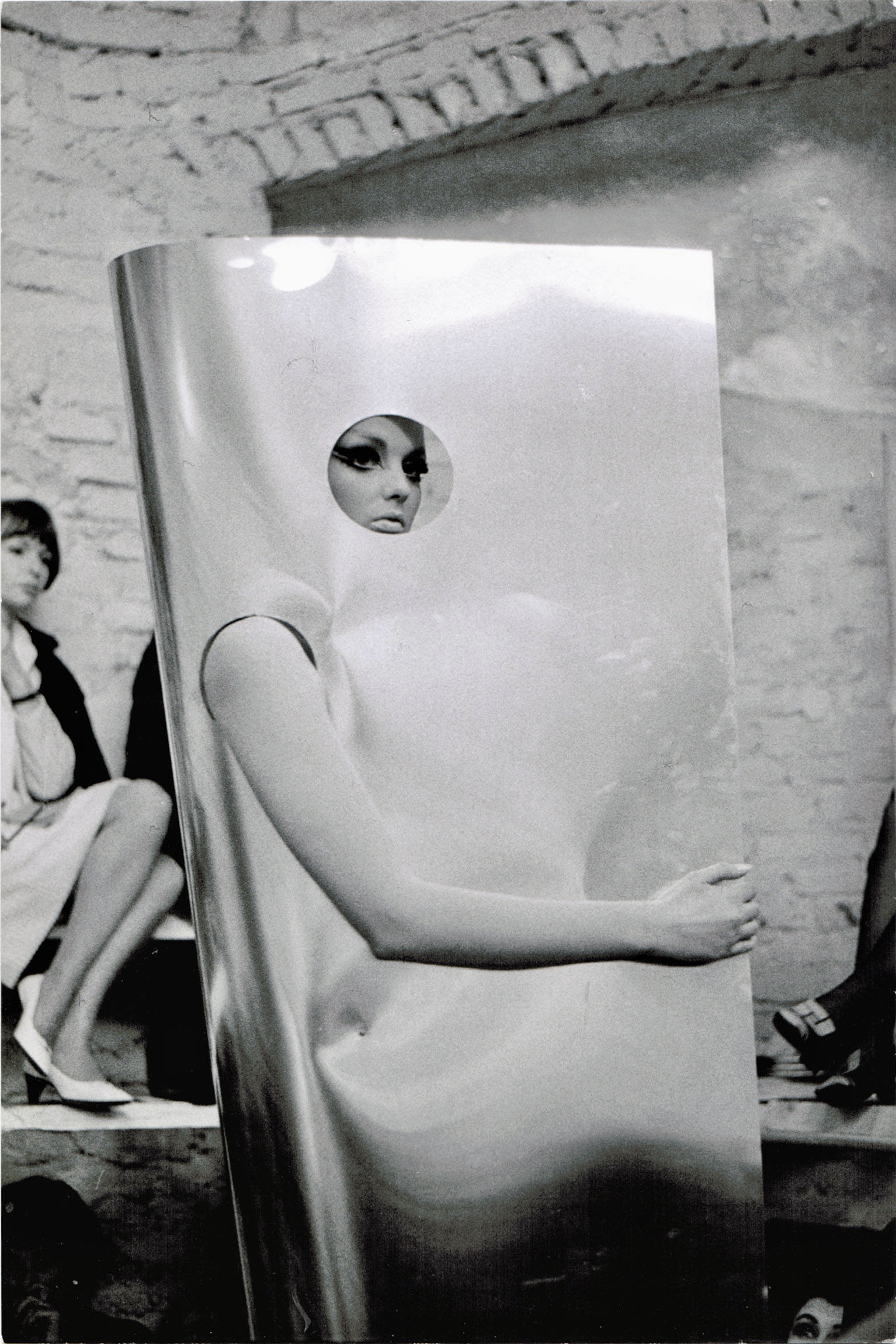
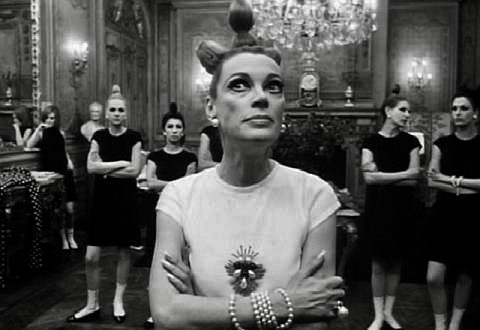
Klein also has fun satirizing other aspects of current pop culture such as man-in-the-street TV interviews with ordinary Parisians, a family dinner at Gregoire’s home where topics like American culture are ridiculed, and the depiction of Miss Maxwell (Grayson Hall), a famous fashion editor who is modeled on Vogue’s editor-in-chief at the time, Diana Vreeland. In fact, Who Are You, Polly Maggoo? opens with an extraordinary fashion show visited by Miss Maxwell and her snobby entourage as they view models wearing metal sculptures as decorative accessories. The fashion show takes place inside the Villa Andre Bloc, a historic 1983 house-studio residence which was considered a prime example of the modernist movement in architecture and the setting and the exhibition looks like a vision of some futuristic society.
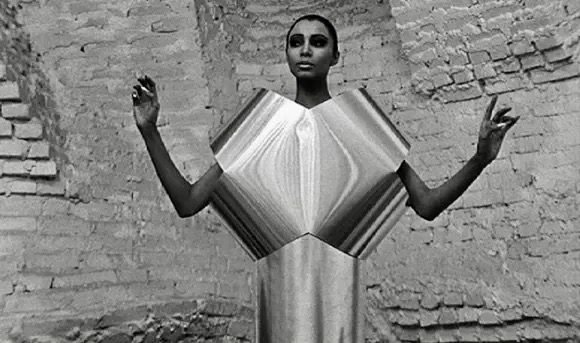
One of the models actually cuts her arm on the jagged armor-like dress she is wearing but that’s a small price to pay for displaying the work of a genius. Miss Maxwell is suitably impressed, proclaiming this about the designer, “He has reimagined women!” Polly, of course, is one of the models at the show and her backstory turns out to be almost autobiographical. Dorothy McGowan was a real-life model who grew up in a working class family from Brooklyn and was discovered by a talent agent while attending a Beatles’ concert. She quickly became one of the top models in the industry, appearing on the covers of Vogue, Glamour, Harper’s Bazaar and other publications while working with such famous photographers as Irving Penn, Francesco Scavullo, Richard Avedon and others.
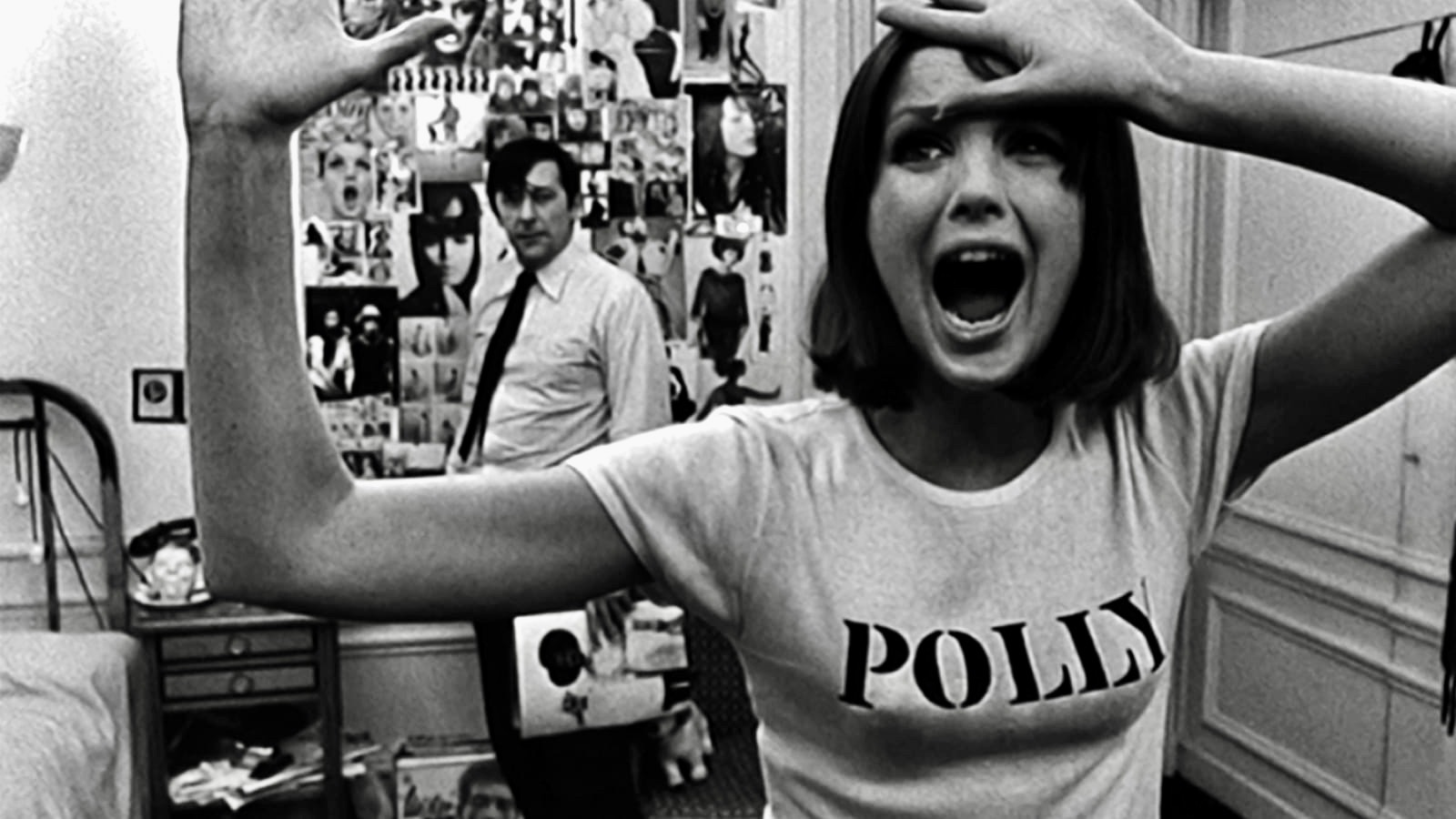
McGowan became Klein’s favorite model during his time at Vogue and he wrote the screenplay of Polly Maggoo with her in mind for the lead. He stated in an interview with The Guardian, that she “was a tough little Irish girl from Brooklyn. Learned French and then learned her lines. She was like Alice in Wonderland in Paris, they loved her, but she wanted Hollywood.” Although McGowan gives a charming, animated performance as Polly in the movie, she did not pursue acting full-time. Instead she married a photographer, became a housewife and left the world of high fashion modeling behind. She died in January 2022 at age 82.
Who Are You, Polly Maggoo? marked the end of Klein’s relationship with Vogue. He later commented to Sophie Berrebi of Live Journal that “I wasn’t fired over the film; that would have been too obvious even though I sent up the editor-in-chief, Diana Vreeland, whom everybody revered at the time as The grande dame of fashion. I was fired because I was working on the film Far From Vietnam, condemning the American intervention.”
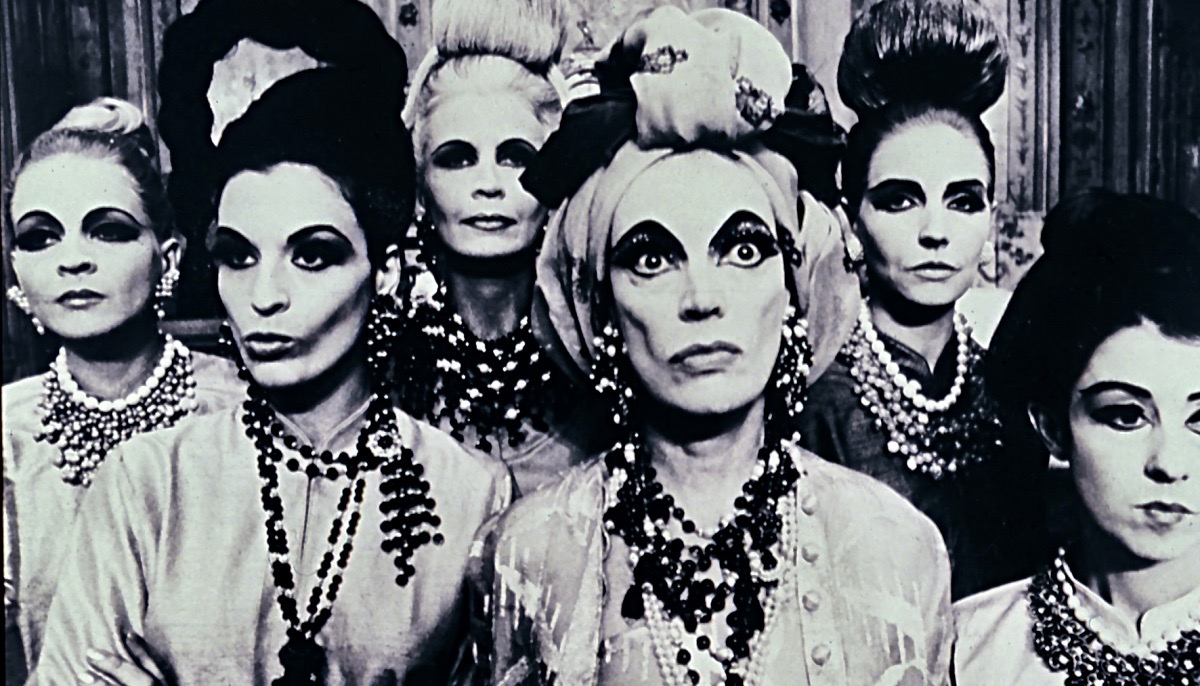
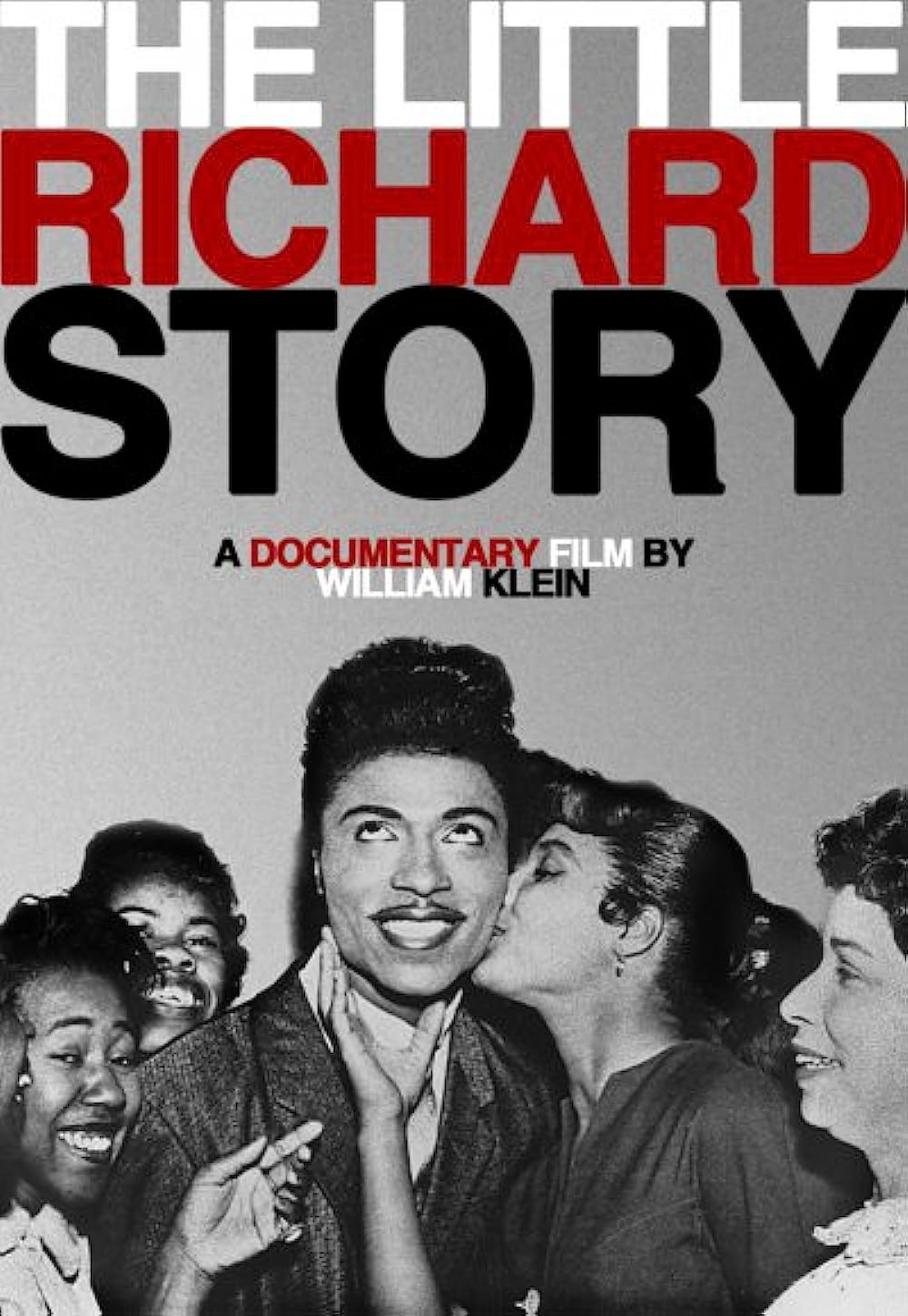
Far from Vietnam (1967) was a radical documentary compilation of editorial sketches from the likes of Jean-Luc Godard, Alain Resnais, Chris Marker, Joris Ivens and Claude Lelouch along with Klein. The latter was inspired to continue in the documentary format for several other candid portraits of counterculture heroes from that era such as Muhammad Ali (Float Like a Butterfly, Sting Like a Bee aka Muhammad Ali, the Greatest, 1969), Eldridge Cleaver, Black Panther (1970) and The Little Richard Story (1980), in which Klein’s main subject bailed during the making of the documentary so Klein ended up interviewing former associates and hairdressers who had worked with the musician plus record collectors, Macon, Georgia residents and Little Richard impersonators to complete his homage to the legend.
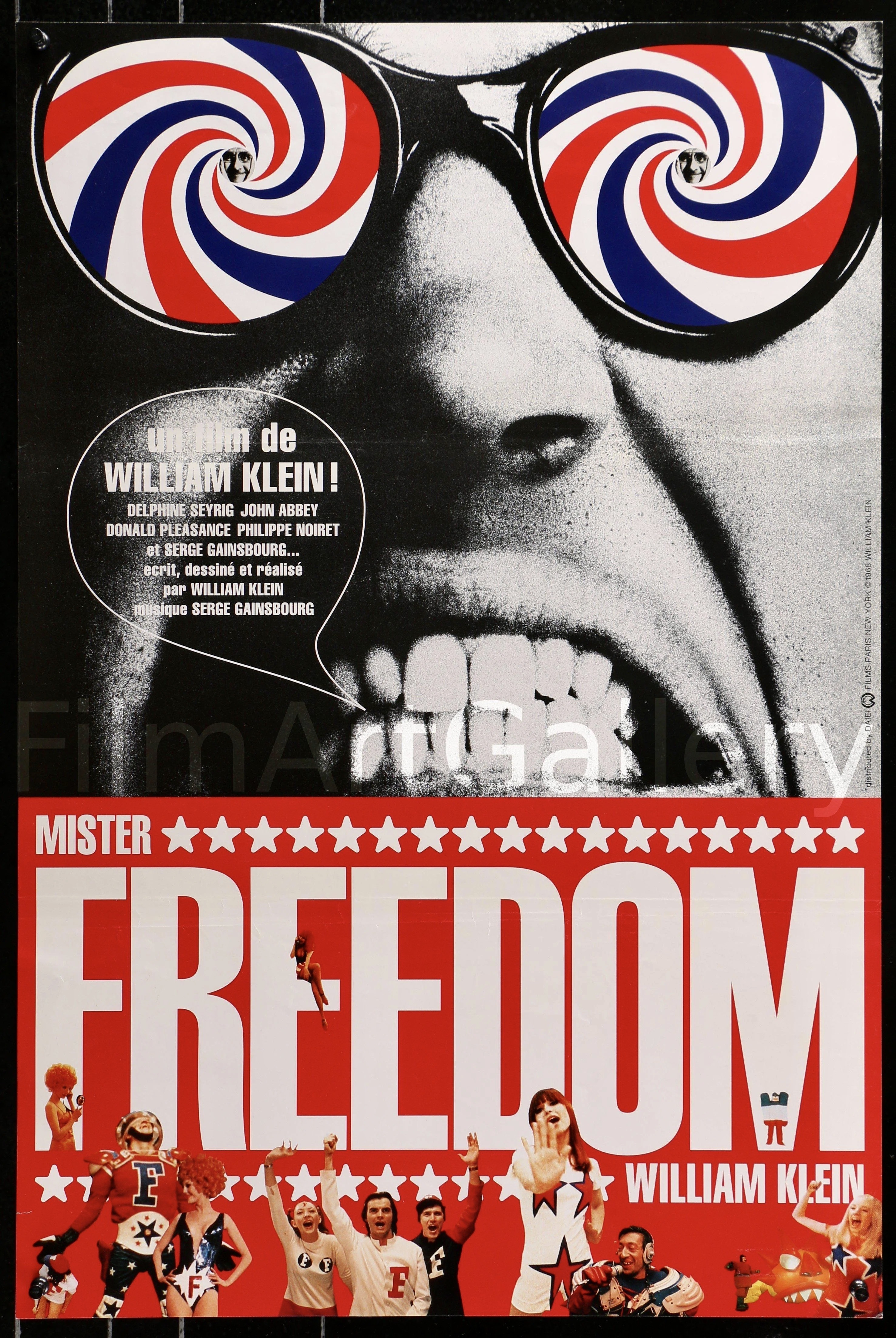
In addition to Who Are You, Polly Maggoo?, Klein made two other feature films which continued his political and social interests in a cinematic form combining fantasy and satire. Mister Freedom (1968), in which an all-American superhero turns out to be a dangerous, self-deluded patriot, is a gleeful attack on American foreign policy and some critics consider it Klein’s best film. Le Couple Temoin (English title: The Model Couple, 1977) is a subversive futuristic comedy about two white, middle class French citizens who become the subject of a government experiment: every moment of their daily lives is broadcast on television for all to see without any interruptions for privacy or self-censorship.
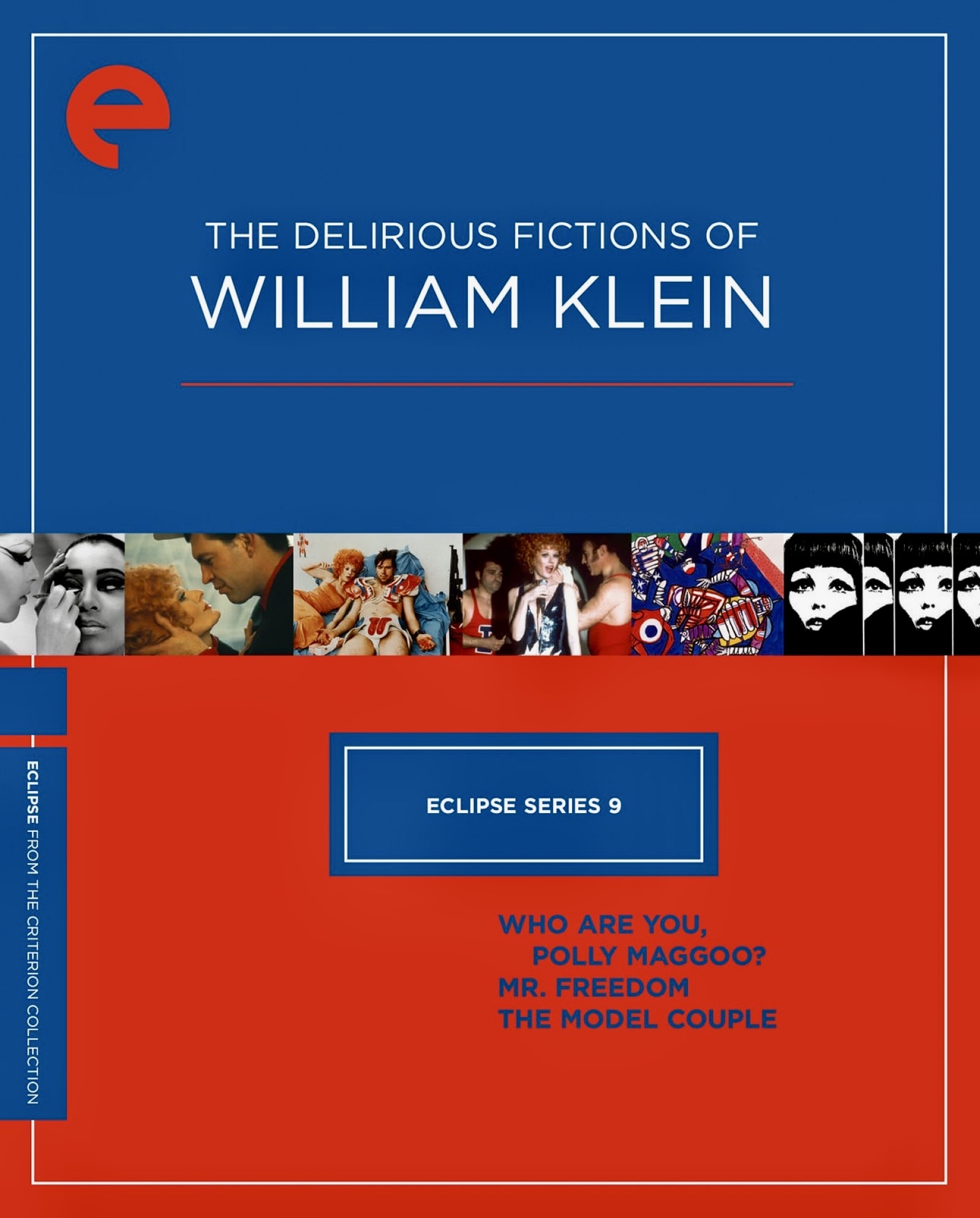
Unfortunately, it was difficult to see most of Klein’s films in the U.S. for years. Who Are You, Polly Maggoo? never found a U.S. distributor to carry it and The Model Couple didn’t receive its U.S. premiere until 1990. At least, Mister Freedom had a brief run in New York in 1970 but vanished after that. It wasn’t until May 2008 that movie lovers could finally sample all three of the above titles in the DVD collection, Eclipse Series 9: The Delirious Fictions of William Klein (released by The Criterion Collection). It is now out of print so we can only hope that Criterion will restore and re-release the set on Blu-ray in the future.
Other links of interest:
https://ana-lee.livejournal.com/49712.html
https://www.theguardian.com/artanddesign/2012/apr/28/william-klein-interview-sony-photography
https://www.cnn.com/style/article/william-klein-fashion-photographer-death-tan/index.html
https://www.vintag.es/2018/06/dorothea-mcgowan-in-the-1960s.html

