
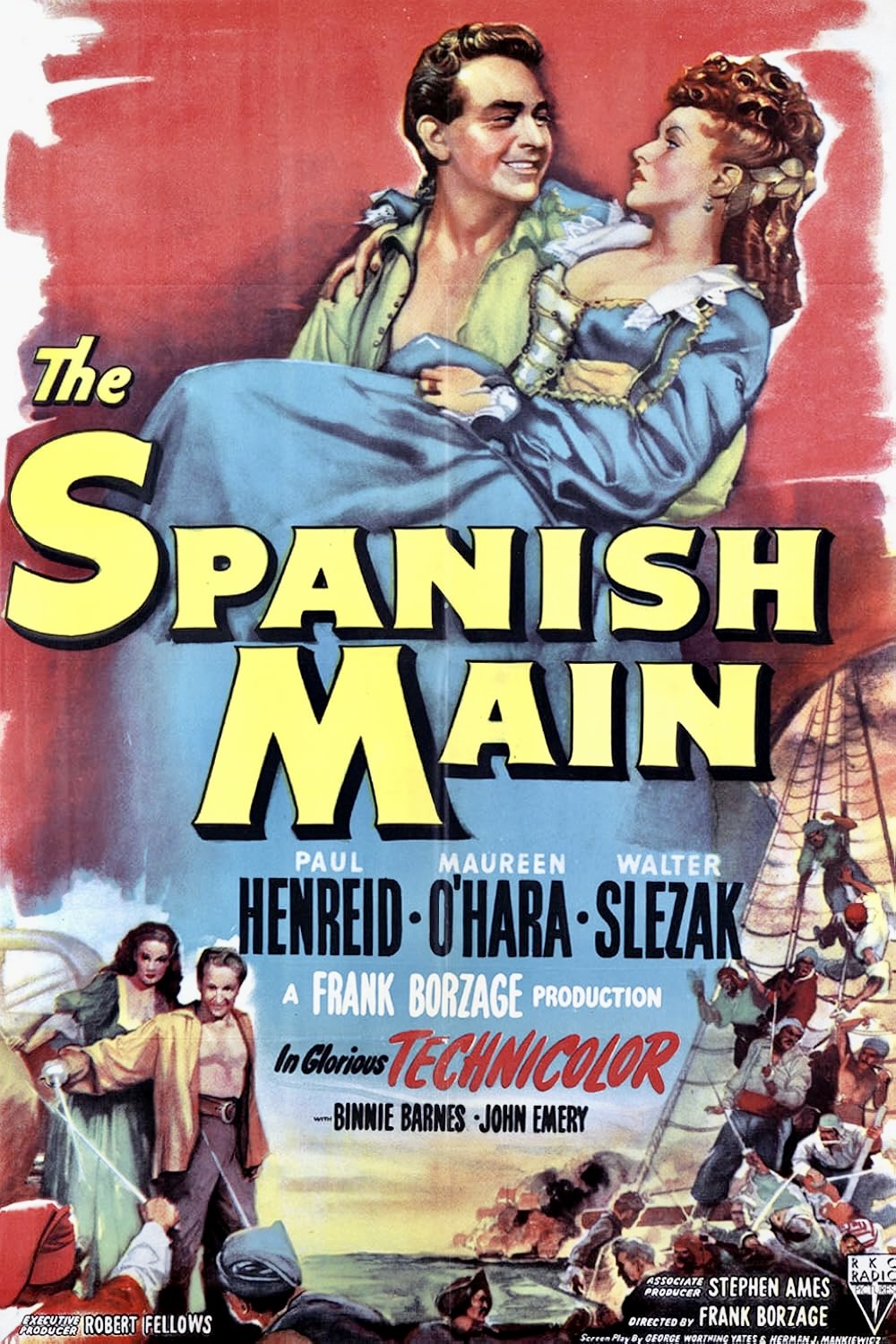
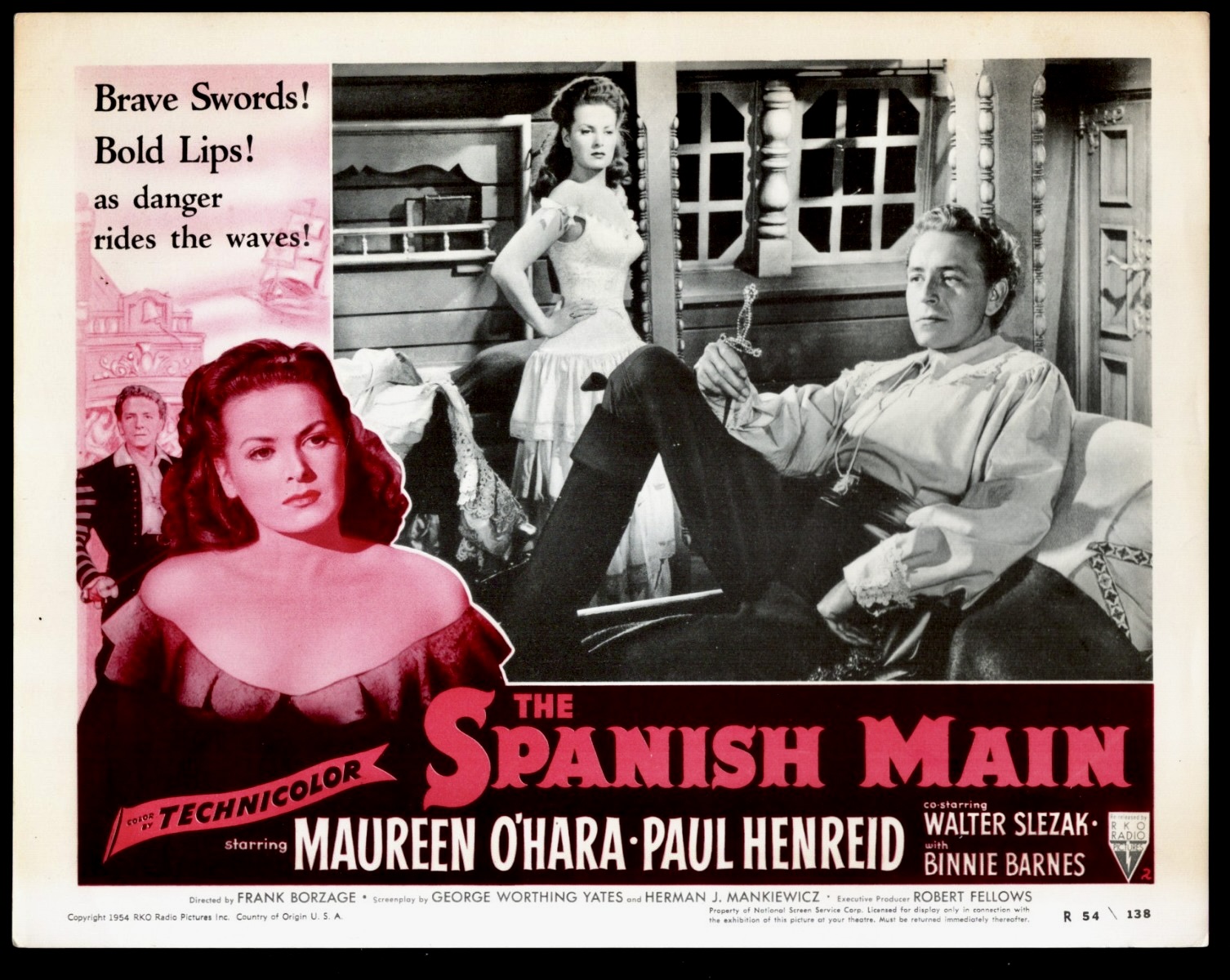
In the pantheon of great Hollywood directors from the 1930s, Frank Borzage and his films are often overshadowed by the work of such peers as Frank Capra, George Cukor and Ernst Lubitsch. Yet many film historians and scholars consider his work the equal of these better-known directors with such exemplary examples as 7th Heaven (1927) and Bad Girl (1931) – both of which won Borzage the Oscar for Best Director – plus Man’s Castle (1933), History is Made at Night (1937), Three Comrades (1938) and The Mortal Storm (1940). Often referred to as “The Great Romanticist,” whose most famous films usually focused on the redemptive power of love, Borzage began to fall out of favor in his later career when his films were seen as old-fashioned and anachronistic. But he was still capable of turning out a late period masterpiece such as the poetic film noir Moonrise (1948) as well as handle a big budget studio entertainment like The Spanish Main (1945). The latter pirate tale may seem atypical for a Borzage film but don’t forget he also dabbled in other unlikely genres such as war dramas (Flight Command, 1940) and musicals (Seven Sweethearts, 1942). It was also a rousing costume adventure which compared favorably to the swashbucklers of Errol Flynn such as Captain Blood (1935) and The Sea Hawk (1940), with the added attraction of being filmed in glorious Technicolor by George Barnes.
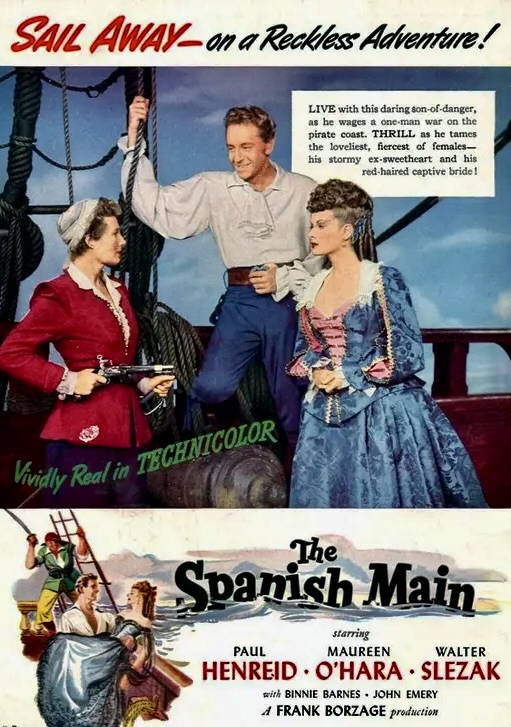
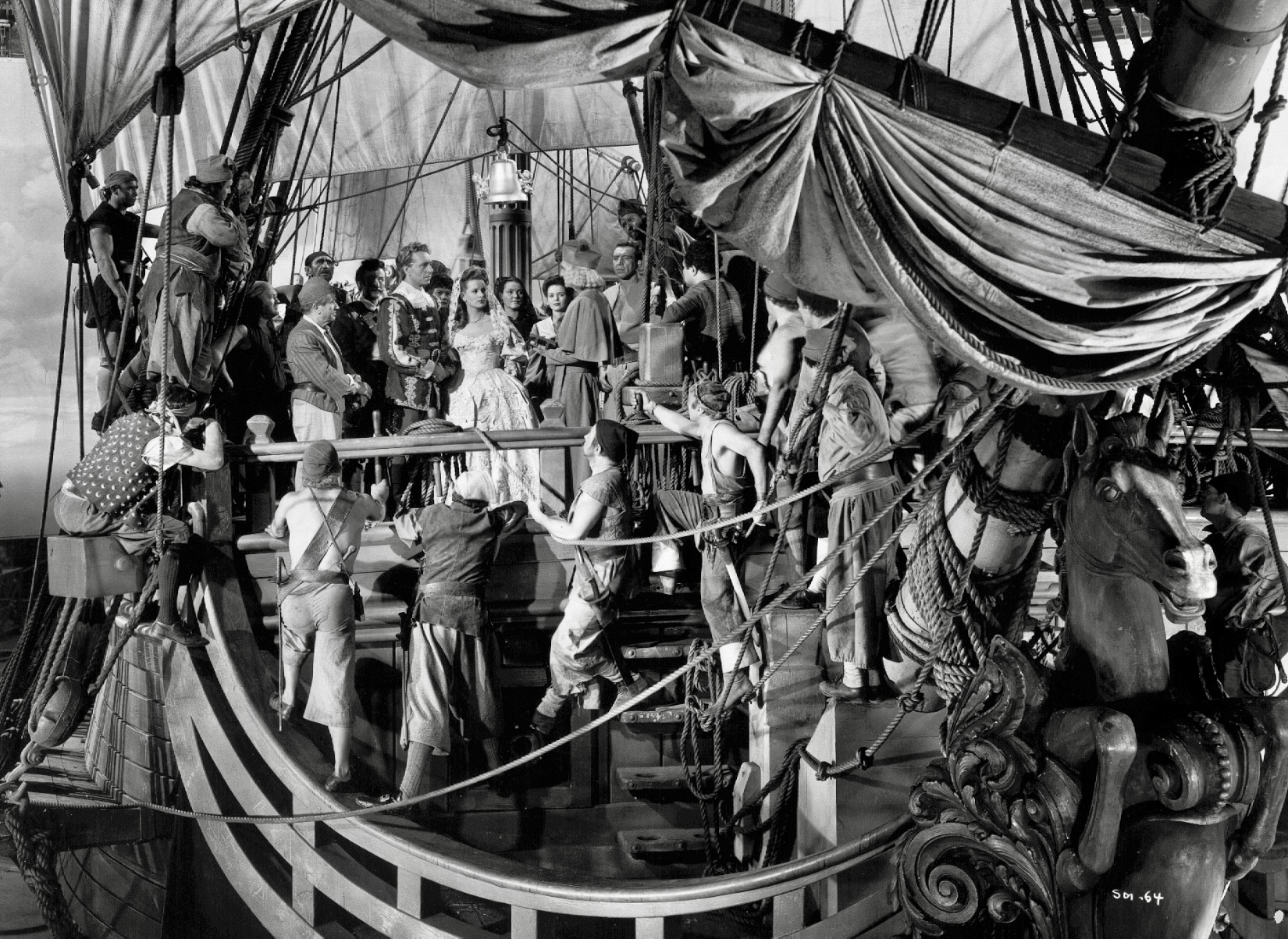
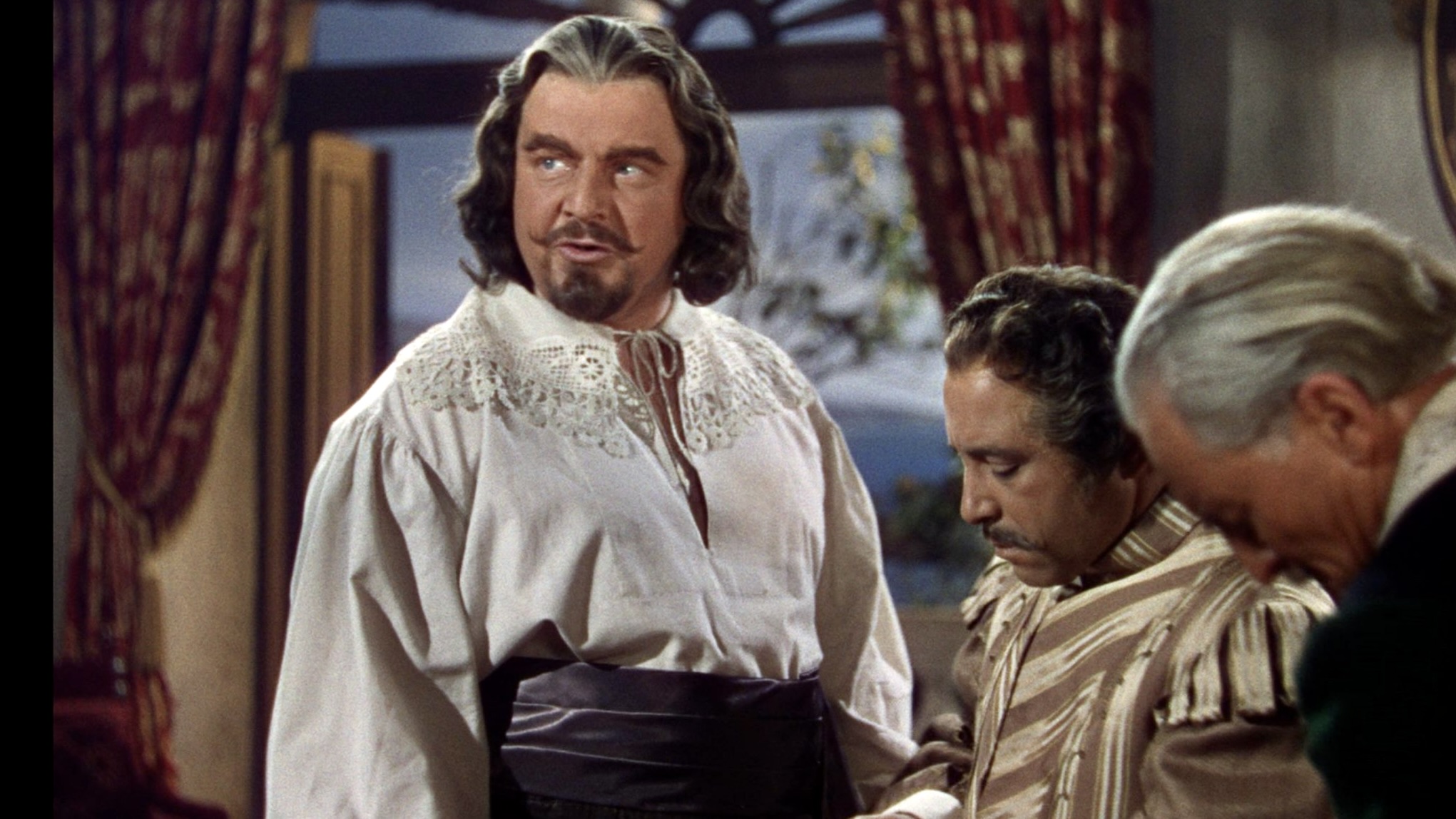
SYNOPSIS: Laurent Van Horn (Paul Henreid), captain of a Dutch ship, is forced to dock at a Spanish port to make repairs to his vessel but is imprisoned by Don Alvarado (Walter Slezak), the Spanish governor, and sentenced to hang for trespassing. While awaiting execution, Laurent meets other unfairly incarcerated prisoners and together they stage a jail breakout, escaping to safety. Five years later, Laurent has become “The Barracuda,” an infamous pirate who plunders Spanish ships. When he learns that Francesca (Maureen O’Hara), Don Alvarado’s bride-to-be, is arriving by boat from Mexico to be married, he sets a trap, abducting her and setting in motion his revenge for the governor’s past mistreatment of him.
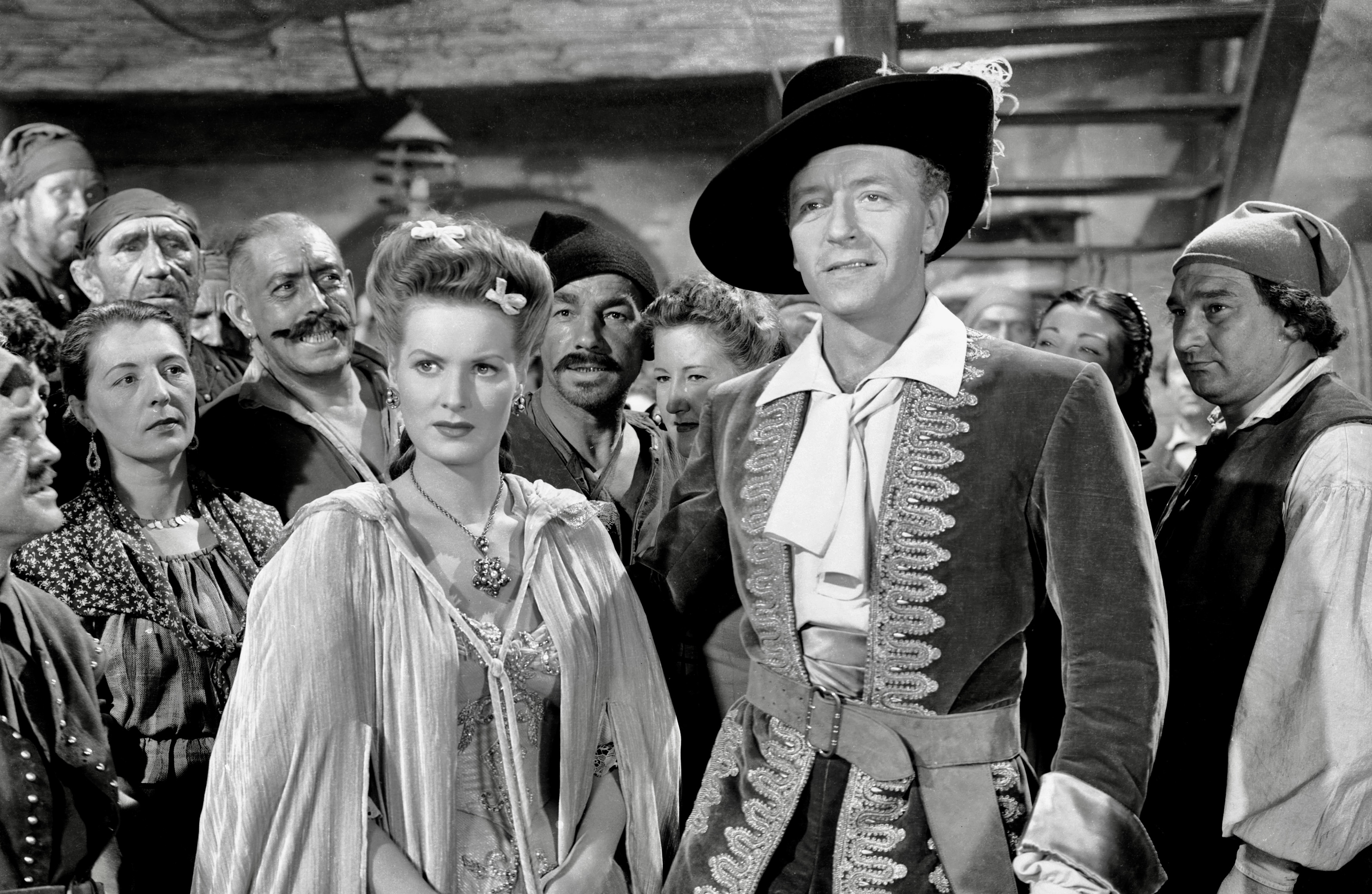
RKO’s swashbuckling Technicolor hit The Spanish Main (1945) has plenty of action, lavish sets, and a juicy, change-of-pace role for Paul Henreid, who usually played the debonair womanizer in films at Warner Brothers. According to his book Ladies Man, Henreid was personally responsible for that change of pace. He came up with the story line in an attempt to change his image. “The search for challenging movies that would change my image as an actor finally made me decide to write out a quick treatment of an idea that had been simmering in my mind for a long time. I was getting tired of being cast as the suave ladies’ man…so I started to think in terms of something that would be more fun, a swashbuckling part in a pirate film.”
While Henreid had a lot of faith in his swashbuckling idea, the bosses at Warner Brothers didn’t share his enthusiasm. In fact, Henreid says in Ladies Man that Jack Warner’s response to his idea was: “Look, when I want a lover, I’ll take you. When I want a pirate, I’ll get Errol Flynn!” So Henreid left Warner Brothers to pitch his idea to RKO, who immediately loved it and quickly assigned a writer for the first draft. But Henreid hated the first treatment so much that he threatened to leave the studio if they didn’t have the script re-written to follow his initial outline. The studio trashed the script and re-assigned the project to their top screenwriter Herman Mankiewicz, who was convinced to take on the project over an undisclosed amount of scotch.
According to Richard Merryman’s biography Mank, “Sometimes Herman was hired simply as an experienced presence to reassure an insecure producer. When RKO him on its costume spectacular Spanish Main…there was already a complete script written by a young man named [George Worthing] Yates and accepted by the studio. The producer was a Wall Street broker with no previous movie knowledge but important holdings in Technicolor. Herman called him “the camel driver.” Every morning Yates delivered his repolished pages, and Herman read them along with his morning mail. Sometimes, before passing them on, Herman folded in some adjectives. “Give them guff,” he told Yates. “You write too bonily. The camel driver likes guff.”
Henreid was delighted with the result, stating in his biography, “The script Herman did, his first adventure story, was perfect, an exciting, thrilling story with everything I wanted in it. His final scene was the slave revolt and the burning of Tortuga.” Unfortunately the studio couldn’t afford the elaborate finale but told Henreid, who felt so strongly about the ending, that if he put up the two hundred thousand dollars necessary to film it, they would approve it. Henreid was actually tempted to do it and approached his agent Lew Wasserman with the idea who told him flatly, “You’re an actor, Paul. You’re involved in the creative end of films. You shouldn’t be concerned with money problems.”
Henreid realized Wasserman was right and relented. “So we decided to rewrite the ending,” he noted in his autobiography, “and it broke my heart to leave the fire out. Herman was furious. “I gave you a terrific script, and you told me you had the power to do it, and now you want me to butcher the ending. I won’t do it!”
“Someone else rewrote it,” Henreid added, “and the film turned out to be a colossal success. Dore Schary, who became head of production at RKO in 1945, shortly after The Spanish Main was shot, told me that the film had grossed $14 million, and, for the time being, kept RKO alive.” Critics weren’t as pleased as the general public, however, and typical of their response was this posting by Bosley Crowther of The New York Times: “Paul Henreid is “dashing” as the pirate, Maureen O’Hara is “spirited” as the girl and Walter Slezak is “heinous” as the governor. They turn it on like water out of a tap. Possibly grade-school children will find it all very much to their taste.”
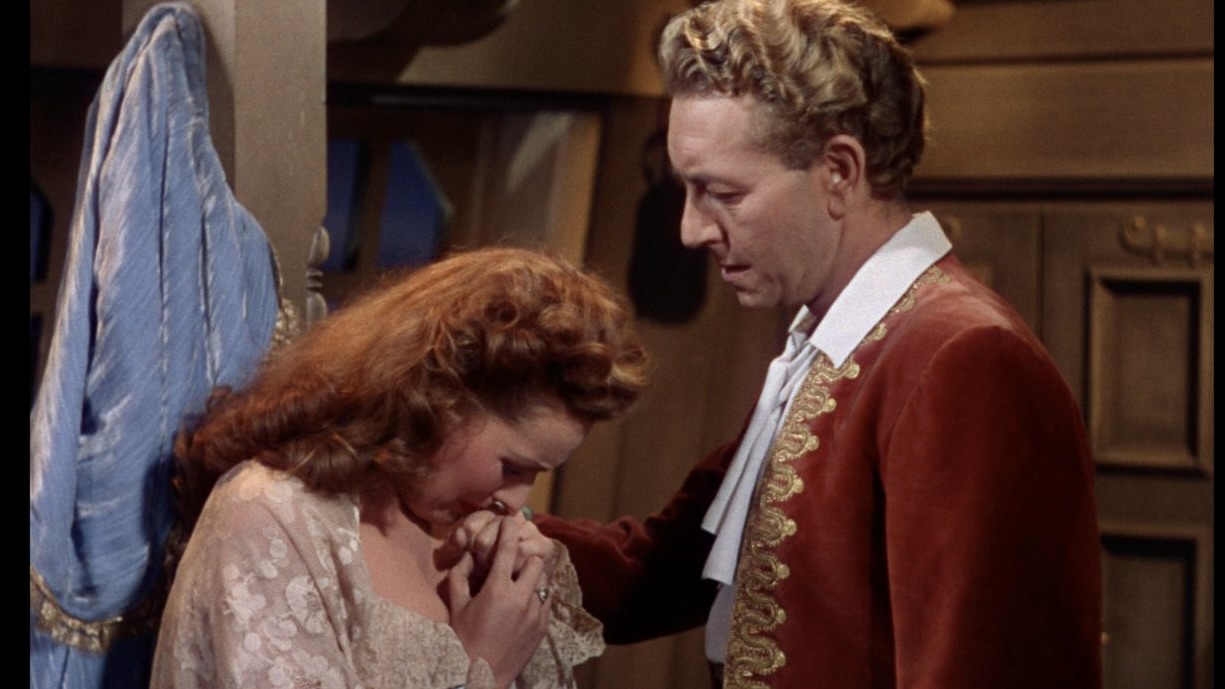
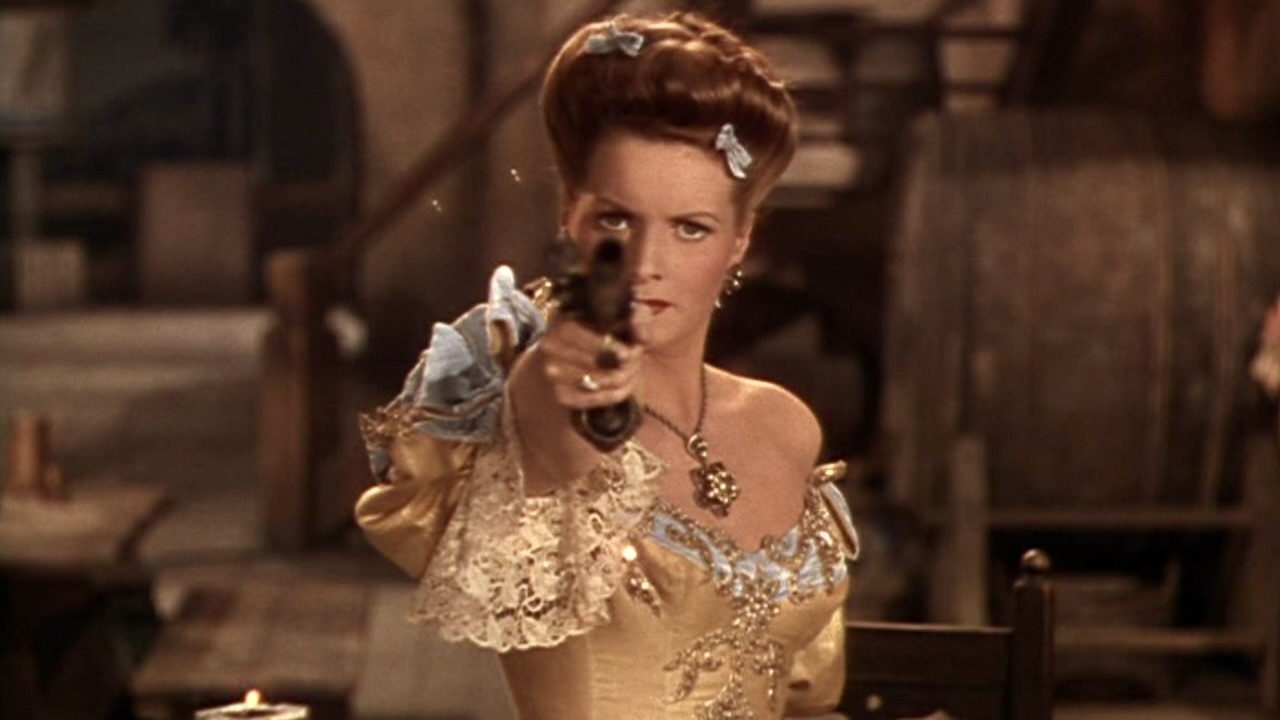
For Maureen O’Hara, The Spanish Main was, according to her autobiography, “good swashbuckler fare, pairing me with Paul Henreid, the Austrian actor best known for his role as Victor Laszlo in Casablanca [1942]. Some in Hollywood called him “Crackerbutt Hemorrhoid” because he had no behind at all. Truthfully, he was too charming and not tough enough for the role in our film. Frank Borzage directed the picture and it was shot in Technicolor by cinematographer George Barnes. With a camera, George could make you look like milk and honey, sugar and cream.”
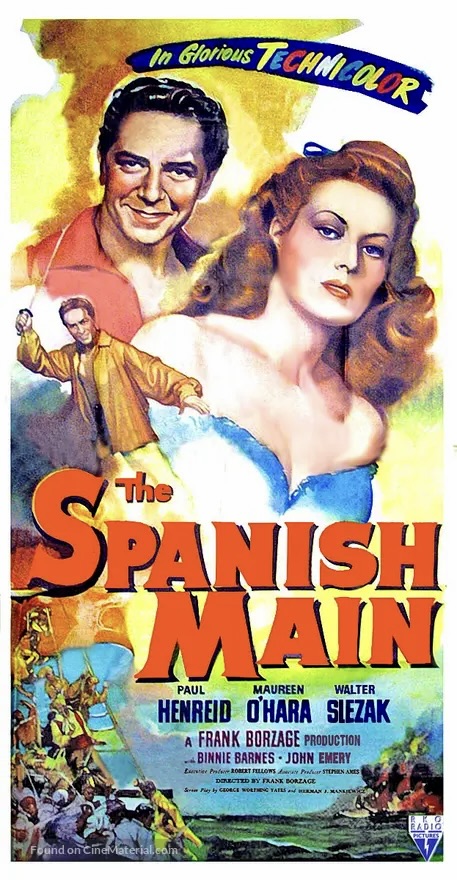
The most significant aspect of making The Spanish Main for O’Hara, however, wasn’t the film itself but a reunion with director John Ford who visited the set one day. In the presence of Frank Borzage, he offered her the lead in his next movie, The Quiet Man (1952), which O’Hara was thrilled to accept and which became one of her signature and best loved roles.
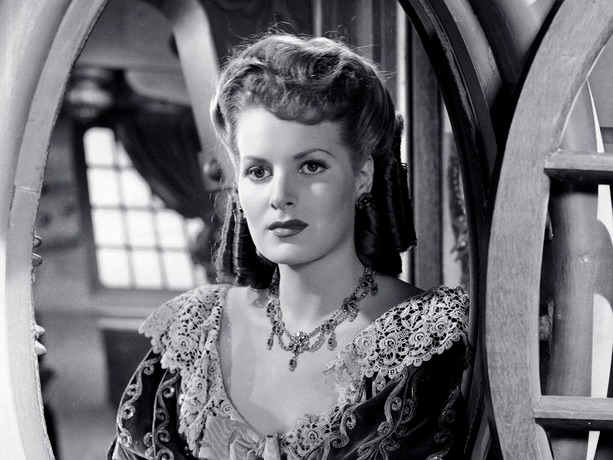
The Spanish Main did garner one Oscar nomination for Best Cinematography (it lost to Leave Her to Heaven) and its success was responsible for launching a series of Technicolor features at RKO including Sinbad the Sailor (1947), Tycoon (1947) and She Wore a Yellow Ribbon (1949).
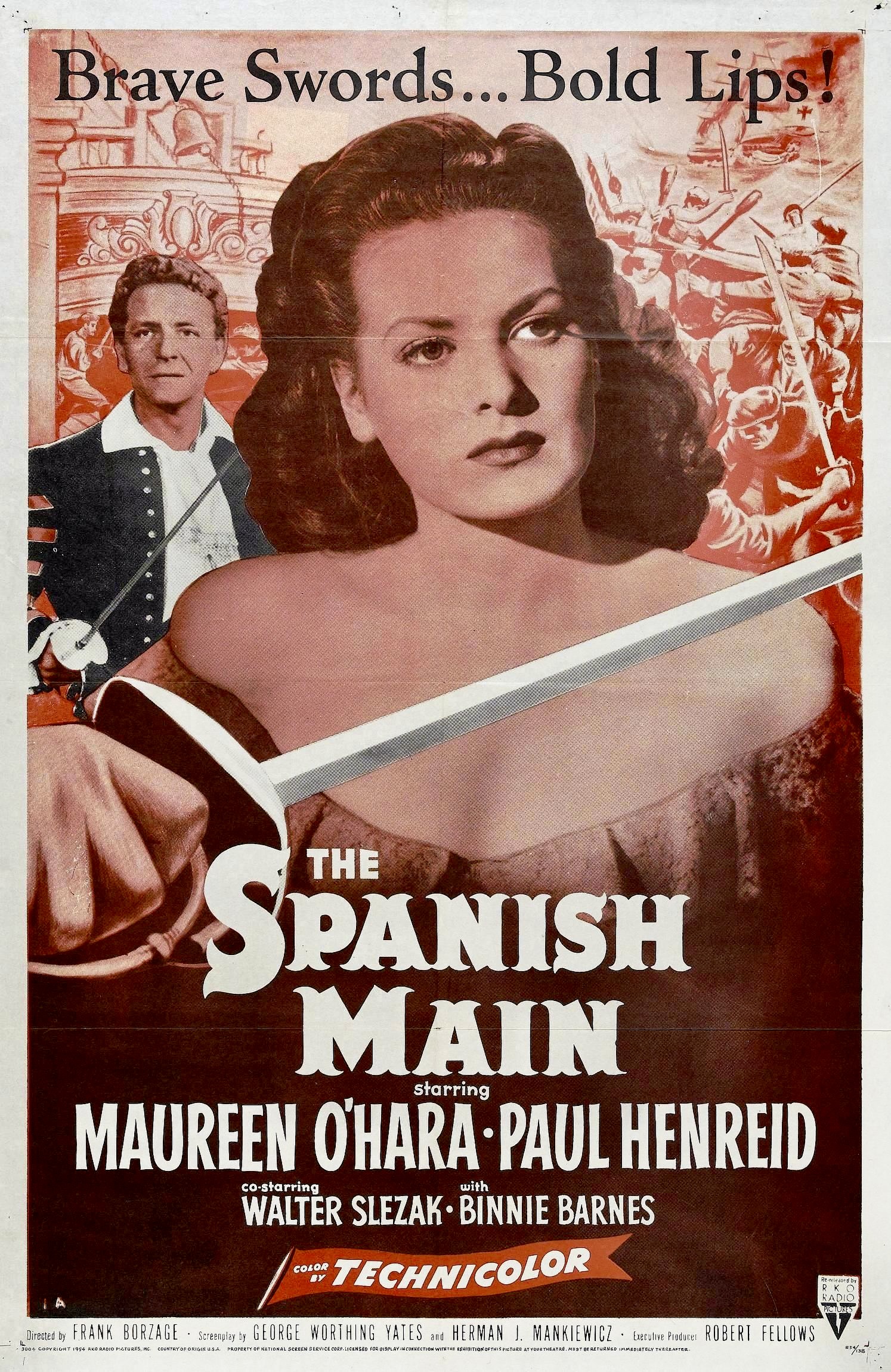
One participant in The Spanish Main‘s production that should have been recognized at the Academy Awards was composer Hanns Eisler whose music score for the film is one of its highlights. Paul Henreid in Ladies Man wrote that Eisler “fled to the United States in 1933 to escape Hitler, was a great friend of Brecht, and we met him and came to know him at Brecht’s cafe-house. Eisler, an immensely talented man, was the musical assistant to Charlie Chaplin, and later, tragically, was forced to leave the United States during the days of the McCarthy witch-hunt. At my request he wrote a splendid score for my film The Spanish Main.”
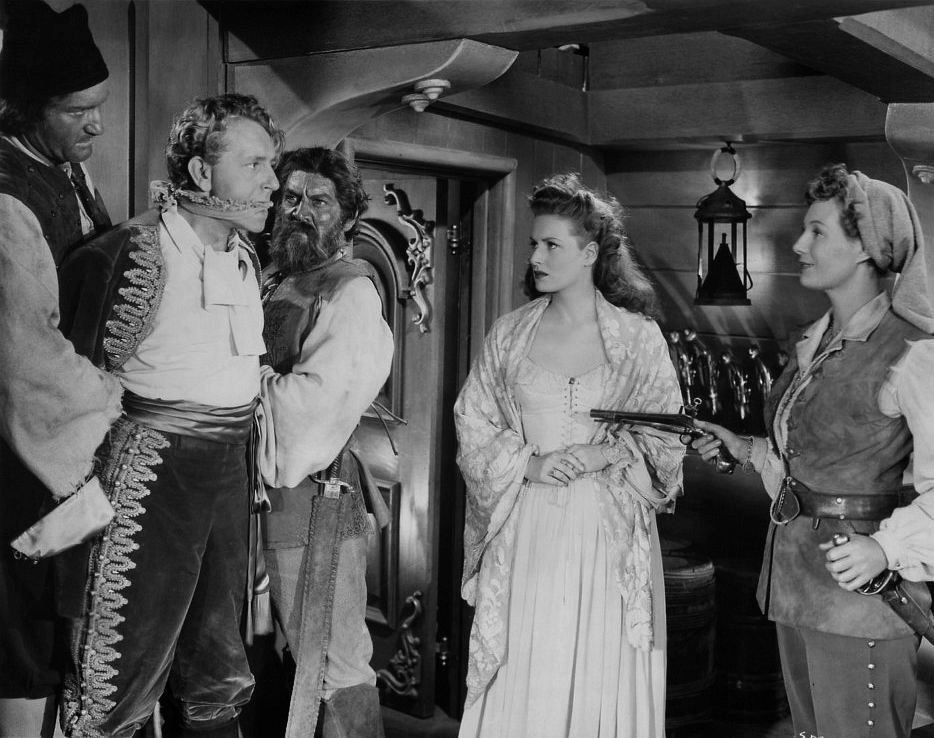
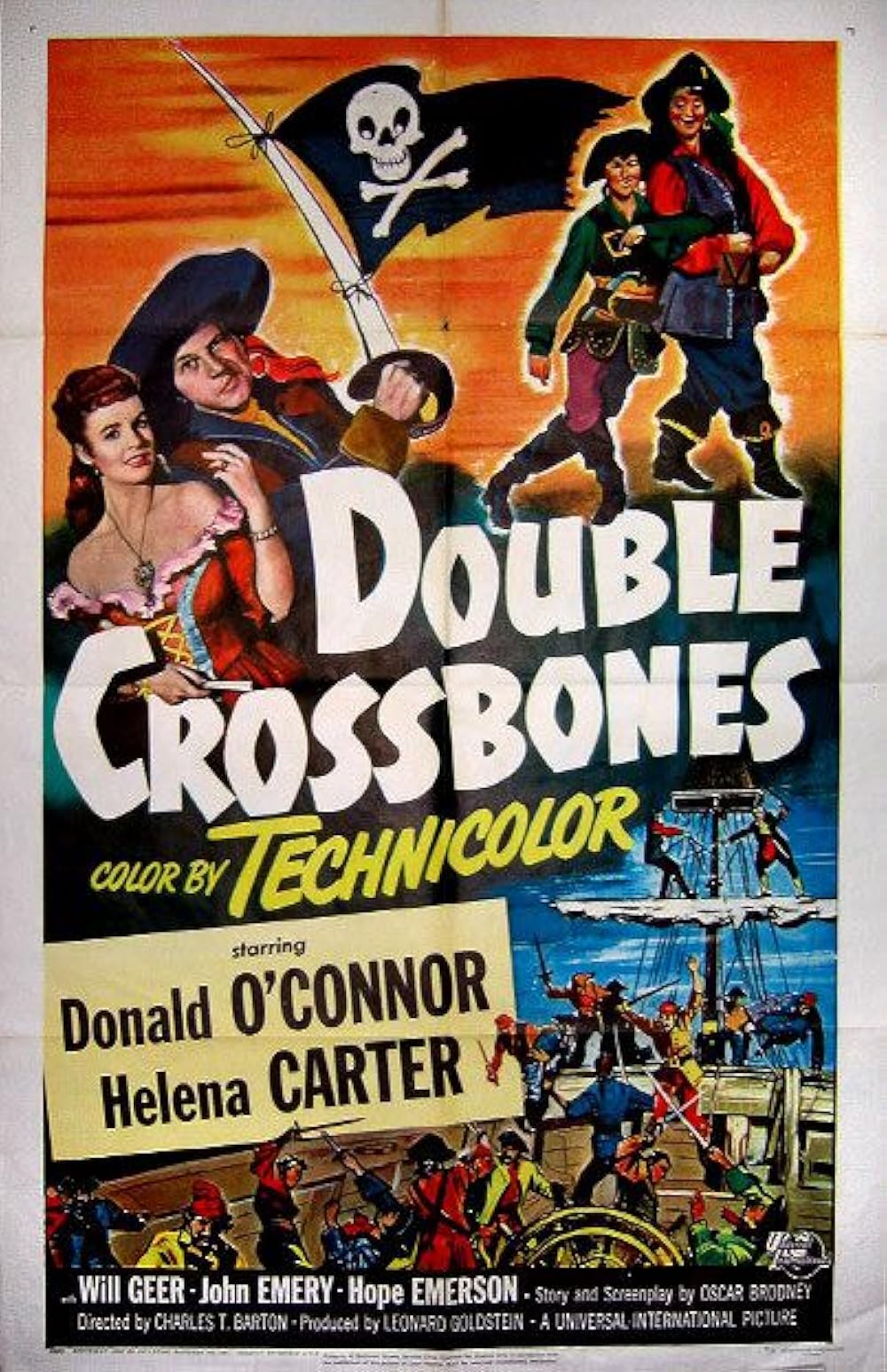
Part of the fun of watching The Spanish Main includes spotting familiar characters in the supporting roles such as Nancy Gates as Lupita, Jack La Rue as Lt. Escobar, Mike Mazurki as Swaine plus Barton Maclane and John Emery as villainous buccaneers. Also of interest is the fact that the movie features the famous female pirate Anne Bonny (played by Binnie Barnes) in a subplot. This colorful character deserved a film of her own and Hollywood obliged in 1951 when Jean Peters played Bonny in Anne of the Indies. That same year Hope Emerson also portrayed the female buccaneer as a minor character in the comedy-adventure Double Crossbones starring Donald O’Connor.
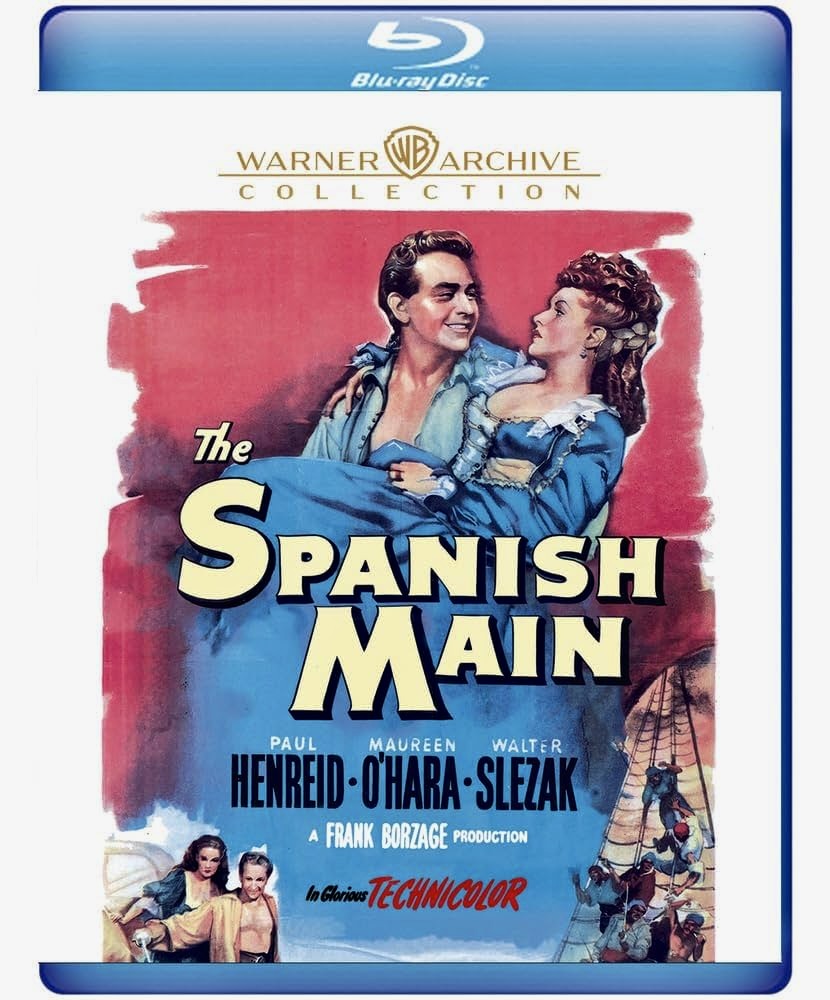
Some many years The Spanish Main was difficult to see in an acceptable print but the Warner Archive came to the rescue in December 2024 with a terrific Blu-ray restoration of the film.
Other links of interest:
https://www.cinema.ucla.edu/collections/frank-borzage
https://www.dga.org/craft/dgaq/issues/0901-spring-2009/books-frank-borzage
https://www.tcm.com/articles/021903/directed-by-frank-borzage
 Cinema Sojourns