
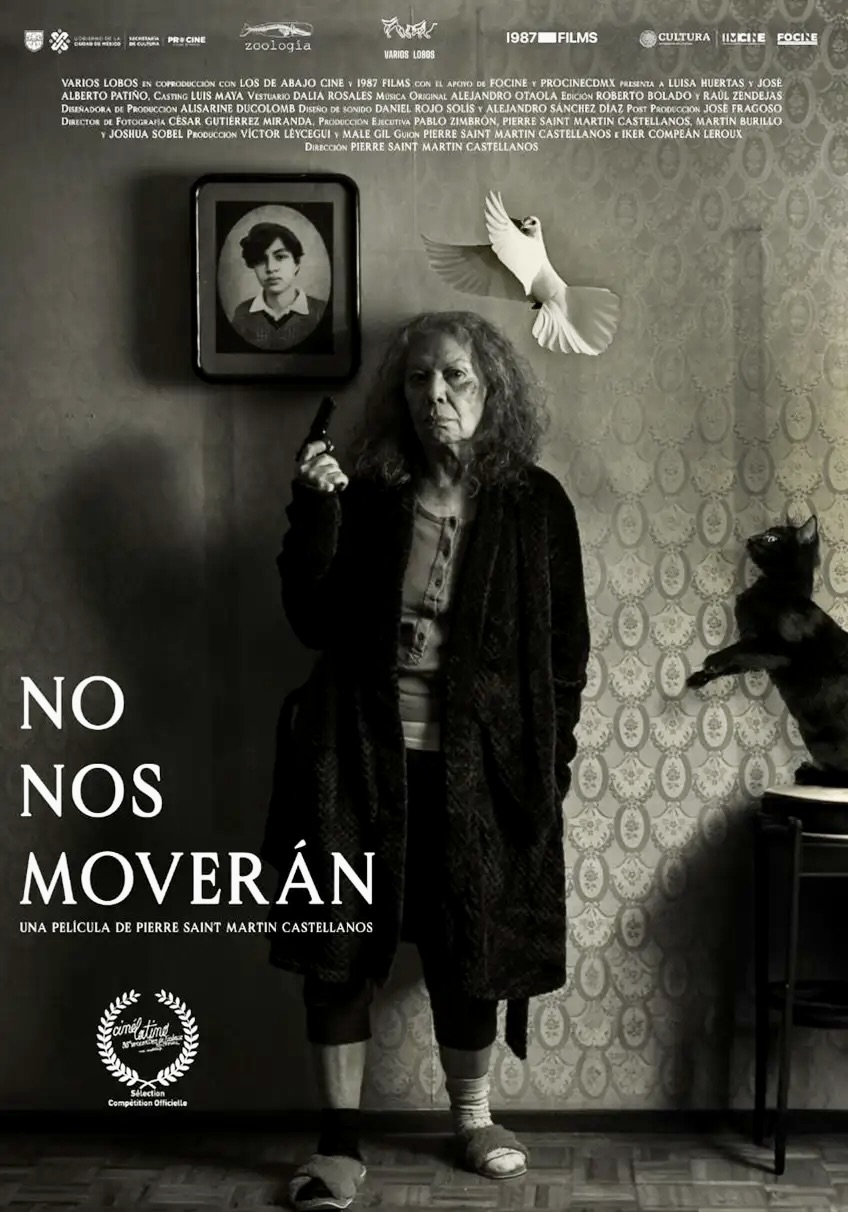
On October 2, 1968, one of the most shameful and tragic events in 20th century Mexico occurred in the public square of Tlatelolco, a new housing development in Mexico City. The Mexican army opened fire on a large group of protestors and unarmed civilians who were protesting the upcoming Summer Olympics in the city in response to the government’s politically repressive regime. Sources vary over how many people died in the violent confrontation but estimates range from 300 to 400 people or more. No one was ever prosecuted for the massacre which was carried out by the U.S. backed PRI (Institutional Revolutionary Party) regime but in 2018, on the 50th anniversary of the event, the Mexican government finally admitted it was a state crime. But that’s not the same thing as justice for the victims and the infamous massacre has been the subject of several dramatizations and documentaries over the years. One of the most powerful of them is the Mexican drama No Nos Moveran (US title: We Shall Not Be Moved, 2024), the directorial debut of Pierre Saint-Martin. Part of its effectiveness is due to its intimate approach which is not a historic recreation of the event but the story of how one woman’s life was forever altered by the tragedy.
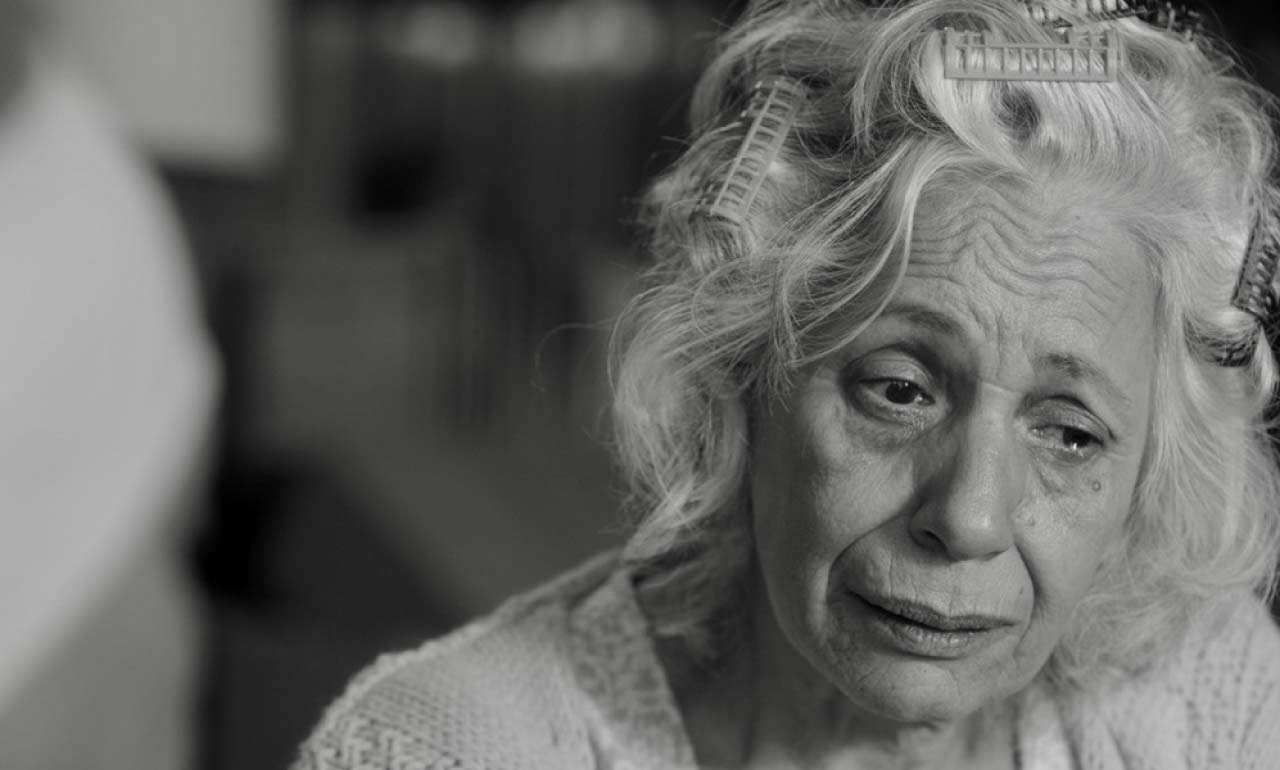
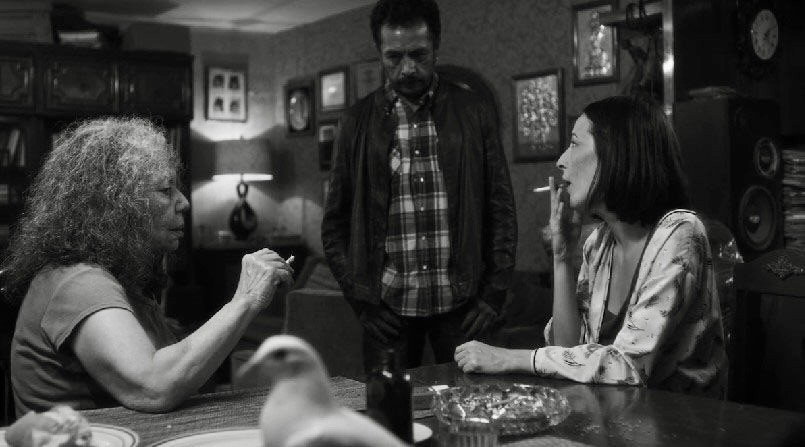
Her name is Socorro (Luisa Huertas) and her 17 year old brother Coque was killed in the Tlatelolco massacre but six decades later she is still unable to forgive and forget the crime. A retired lawyer in her sixties, Socorro is now in poor health, which isn’t helped by her constant cigarette smoking or refusal to take her meds on a regular basis. Still, her inability to let go of the past plus a desire for revenge keeps her going but makes life difficult for those around her. That includes her elderly sister Esperanza (Rebeca Manriquez), whom she hasn’t spoken to in years, and her unemployed son Jorge (Pedro Hernandez) and his Argentinian wife Lucia (Agustina Quinci). They all live together in a cramped and cluttered apartment that is on the verge of becoming a hoarder’s nest.

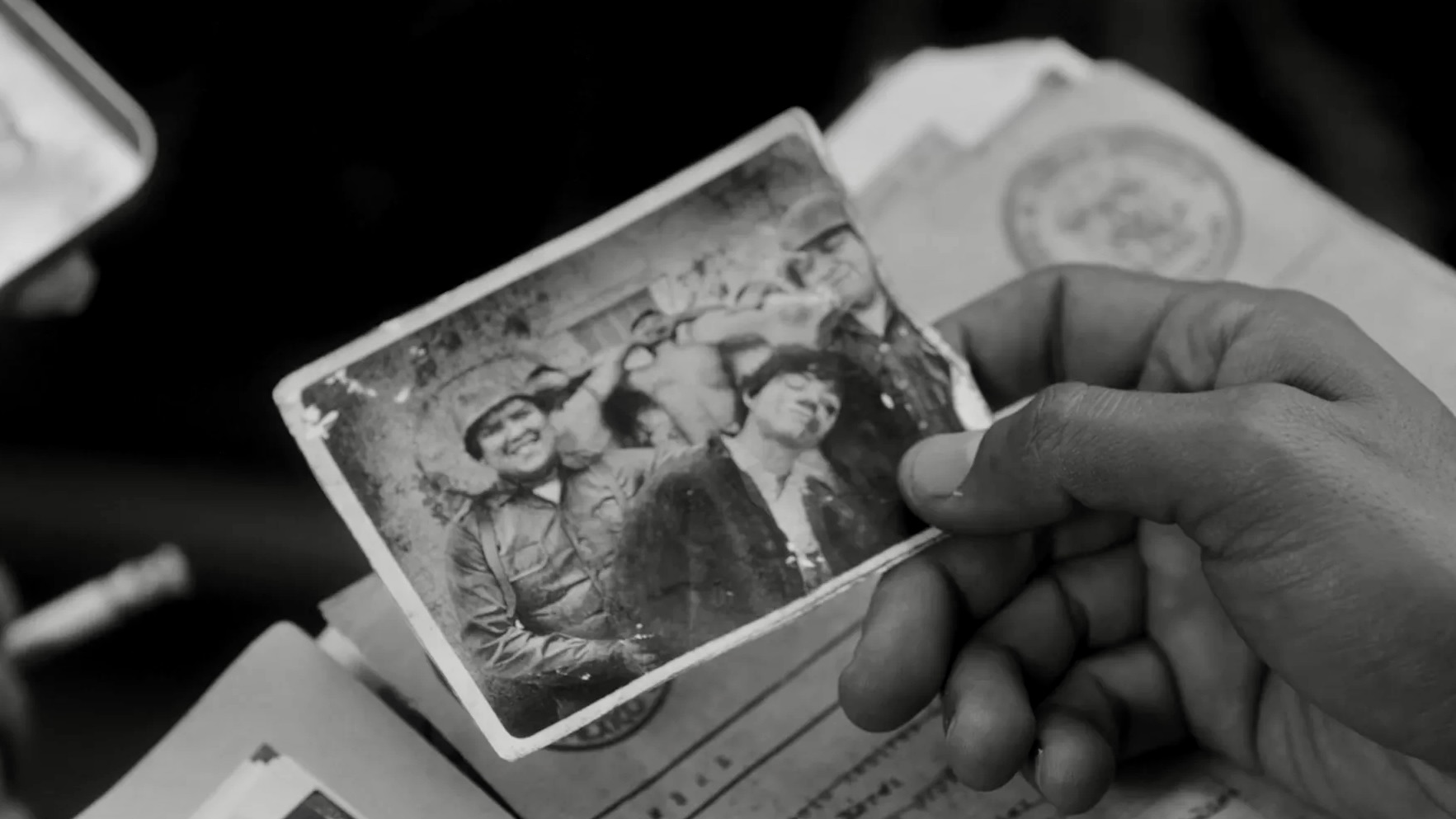
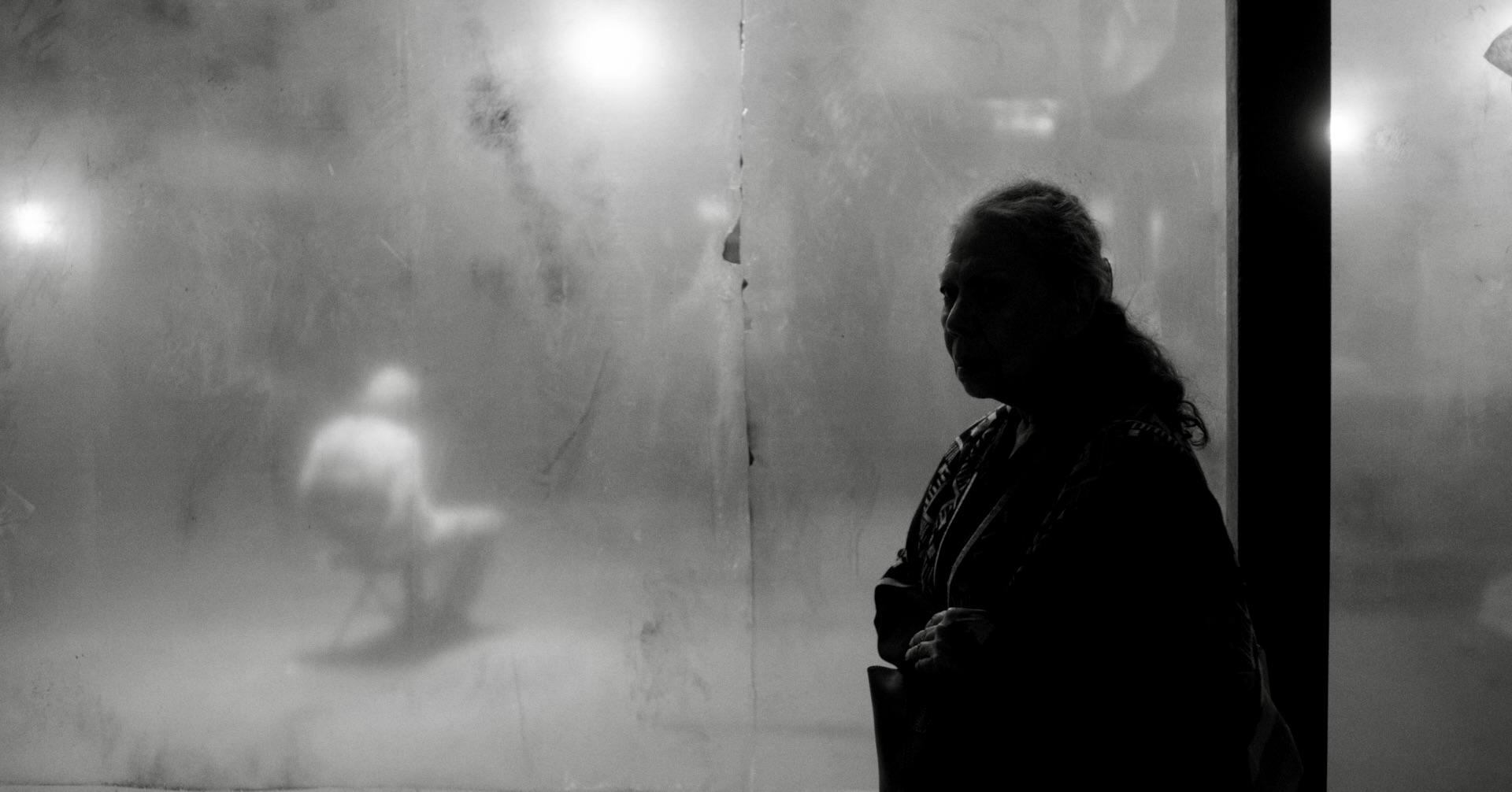
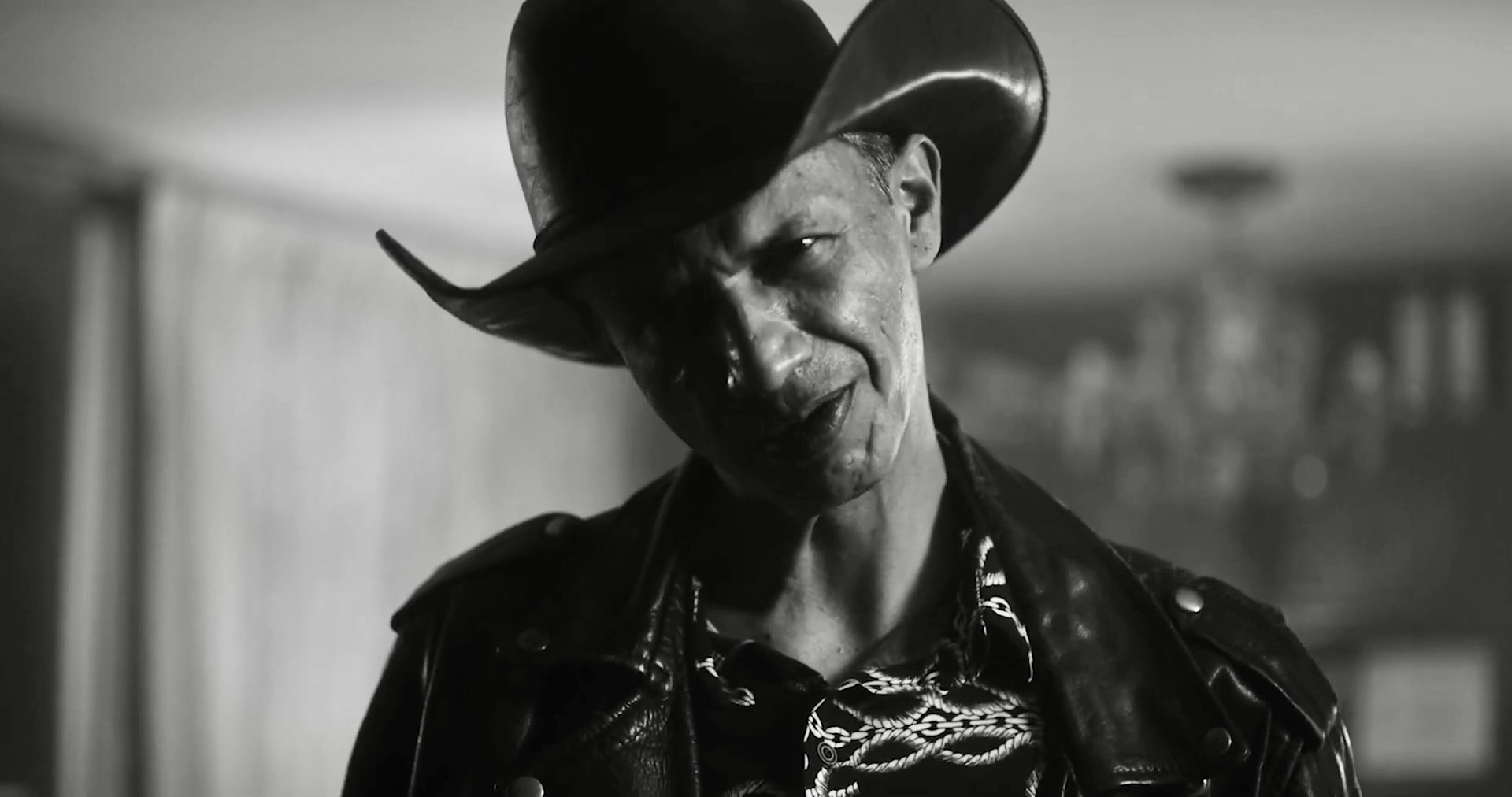
Then one day Socorro’s life changes dramatically with the arrival of a mysterious package from an old friend. Inside is a photo of Coque in the custody of a grinning police officer, who is identified by name – Juan Agundez – and is allegedly the one who murdered her son. Almost immediately, Socorro goes into action having fantasized about this day for years. She recruits Sidartha (Jose Alberto Patino), the apartment handyman, to help her avenge Coque’s death. Sidartha, a former ex-con, has reservations about his involvement, especially when Socorro retrieves her father’s pistol from storage and demands that he get her more bullets. She also persuades him to track down Agundez’s whereabouts and hires a shadowy figure from her past – a hitman known as The Cowboy – to kidnap Coque’s killer and murder him.

At this point, We Shall Not Be Moved seems poised to become a violent revenge thriller but director Saint-Martin and his co-writer Iker Compean Leroux, twist the narrative in unexpected ways to turn Socorro’s story into something much more moving and revelatory. There is also some ambiguity surrounding the main suspect Agundez, which has parallels to the 2025 Iranian drama, It Was Just an Accident, and there are moments of ironic humor. For one thing, Socorro’s plot is kept secret from her family, who begin to suspect that she is having a romantic fling with Sidartha. Why else would he be dropping in on Socorro all the time?
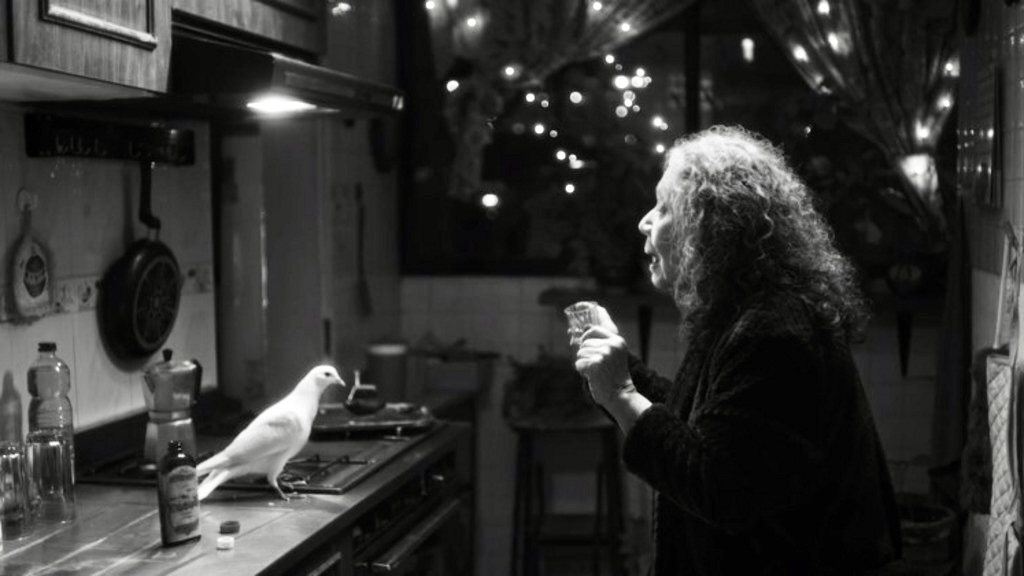
Socorro also displays another side to her usually gruff, abrasive personality when she adopts a white pigeon that flies into her apartment and decides to stay. She sees it as a sign from Coque and nurtures it like a child. Socorro also bonds with Lucia one night when her daughter-in-law reveals that her grandparents went missing during the National Reorganization Process in Argentina (1976 – 1983), a tragedy that mirrors Coque’s disappearance.
We Shall Not Be Moved, which takes its title from a protest song during the Civil Rights Movement, is a remarkably self- assured production from a first time director. Although made on a low budget with much of the movie unfolding in Socorro’s apartment, the film is consistently engrossing and cinematic (the black and white cinematography by Cesar Gutierrez Miranda is luminous and occasionally hallucinatory in depicting Socorro’s fragile physical state). Yet it is Luisa Huertas’s commanding performance as the complicated but driven Socorro that carries the film. Her haggard appearance and world weary demeanor recalls Fernanda Montenegro’s Oscar nominated performance in Walter Salles’s Brazilian drama Central Station (1998).
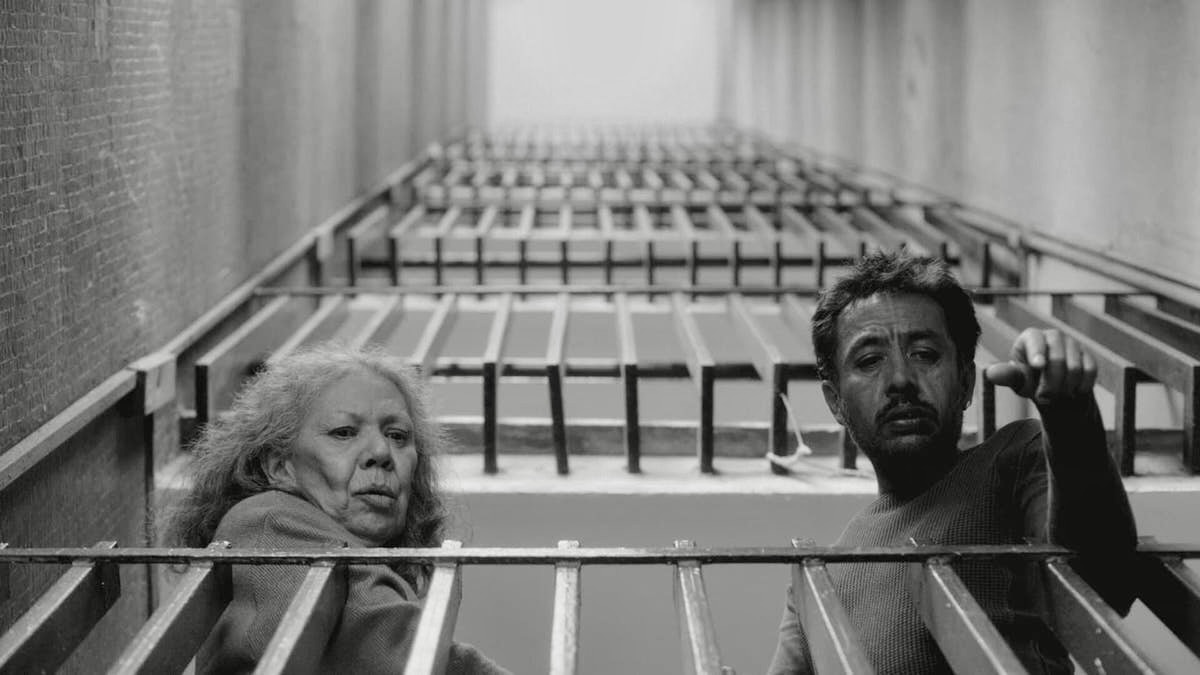
Unfortunately, We Shall Not Be Moved didn’t garner any Academy Award nominations even though it was Mexico’s official entry for Best International Film. It didn’t even end up among the final five contestants for that year which included I’m Still Here (the winner) from Brazil, The Girl with the Needle from Denmark, Emilia Perez from France, The Seed of the Sacred Fig from Germany and Flow from Latvia (which won the Oscar for Best Animated Feature).
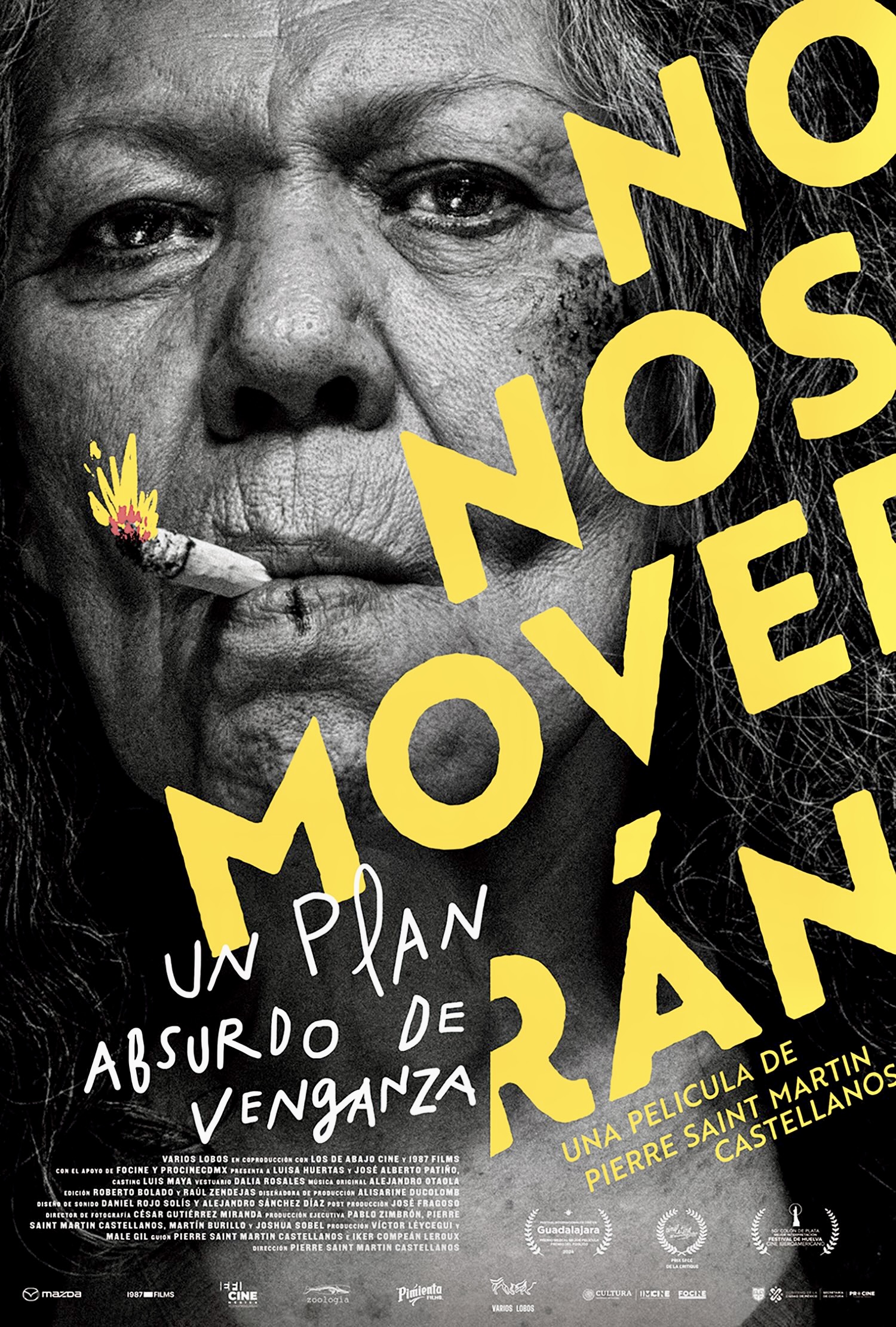
On the other hand, We Shall Not Be Moved ended up garnering 15 Ariel Award nominations (Mexico’s equivalent of the Oscars) and won three prizes including Best Actress, Best Screenplay and Best First Work (from Saint-Martin). Although the film had a very limited release in the U.S., the handful of reviewers who saw it praised the work. Carlos Aguilar of Variety commented on the film’s approach to the infamous Tlatelolco massacre, stating “Saint-Martin rejects facile forgiveness, the kind that urges people to turn the other cheek and remain static in the face of transgressions. The path forward, he suggests, is not to absolve the perpetrators or deny the bleakness one has endured, but to keep memory unmovable with all its shades, including those etched in light. Enduring resistance can also look like surviving without succumbing to despair. “
The director admitted that it took him six years to bring the story to the screen. “I saw a photograph where two soldiers are smiling at the camera while they are holding a student down. That photograph disturbed me deeply. I thought, this could be someone’s brother. Someone’s son. It could be the last photograph their family ever sees,” Saint Martin stated, regarding his inspiration for the film. He also said Socorro was modeled on his own mother, who lost her brother to violence when he was only 17 years old. Saint-Martin added that the character of Jorge was based on himself. “My mother was worried about me. About my future. And she had reasons to do so. I was drifting,” he said in an interview.

In an interview with Andrea Perez for Hola!, Saint-Martin addressed the use of white pigeons in the film: “In my vision, it connects directly to 1968. The white pigeons released during the Olympics occurred shortly after the massacre and are also a symbol of peace. That contradiction fascinated me. Violence and “peace” exist in the same historical moment. And I also liked the idea that Socorro has a relationship with something ethereal rather than human. The feathers represent a break. A rupture between one moment and another. Between the past and the present.”
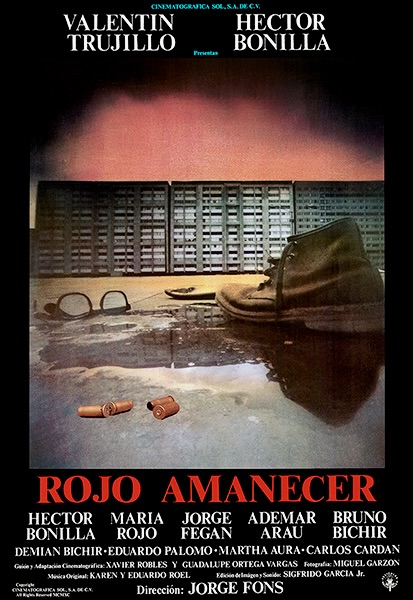
Other movies that have focused on the 1968 Tlatelolco massacre or referenced it as a plot point include Tlatelolca, Summer of 68 (2013), in which a romance between two students unfolds against the backdrop of Mexico’s political turmoil, Borrar de la Memoria (2010) starring Alan Alarcon as a journalist investigating the unsolved murder of a woman in 1968-era Mexico, Rojo Amanecer (1989), the story of a family who are trapped in their apartment during the Tlatelolco attack, Alejandro Jodorowsky’s surreal epic The Holy Mountain (1973), which references the massacre in some scenes early in the film, and the documentary El Grito (1968) which was compiled from footage shot by students during the protests leading up to October 2, 1968.
We Shall Not Be Moved is not currently available on any analog format in the U.S. but you can stream it on Kanopy, Hulu and other digital platforms.
Other links of interest:
 Cinema Sojourns