
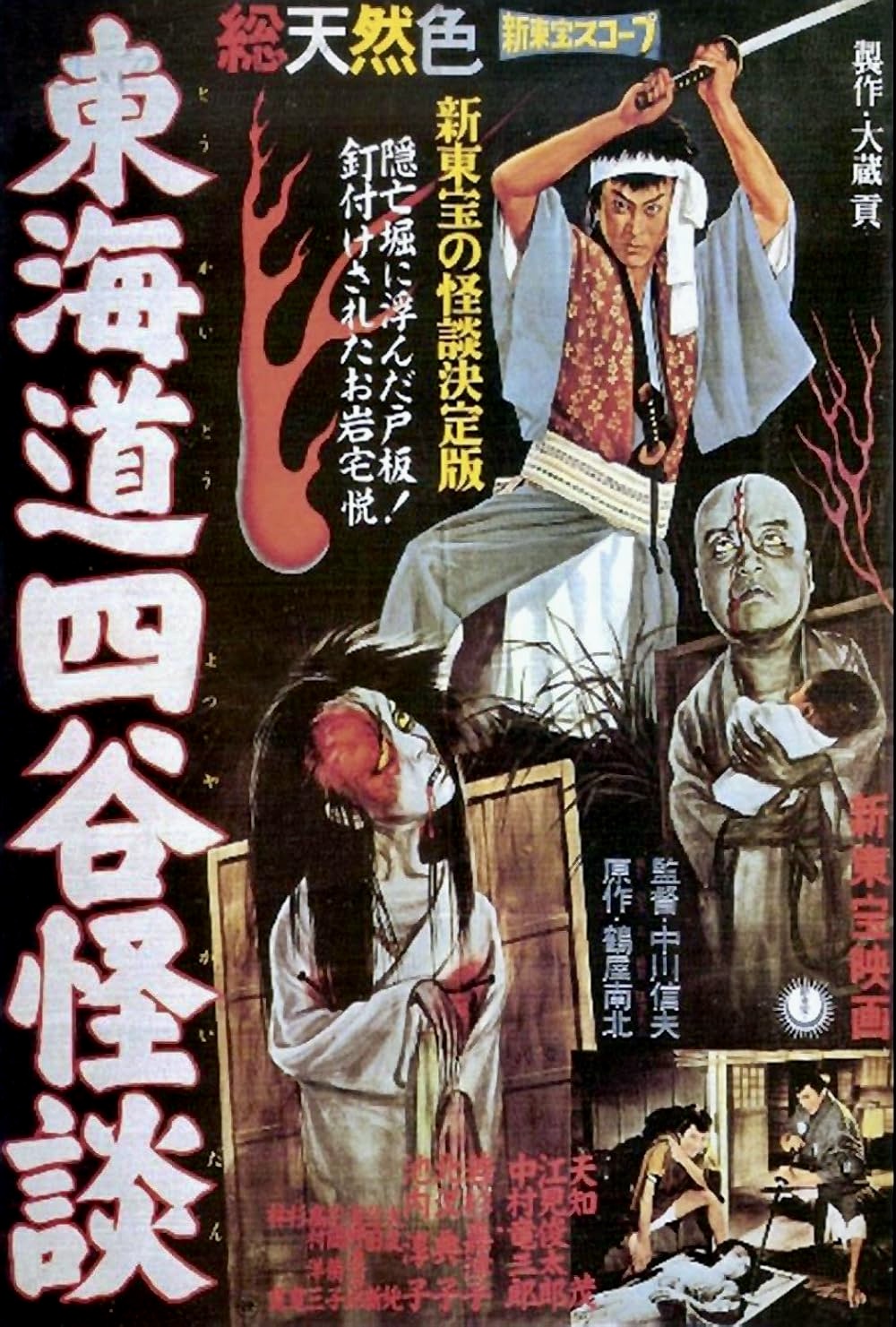
Based on a kabuki play written in 1825 by Nanboku Tsuruya, The Ghost of Yotsuya (Japanese Title: Tokaido Yotsuya Kaidan) is one of the most popular and famous of all Japanese ghost stories. It has been filmed countless times over the years but Nobuo Nakagawa’s 1959 version of The Ghost of Yotsuya might be the definitive version. The story is one of fate, passion, betrayal and revenge – all classic themes of kabuki theatre and Greek tragedy.
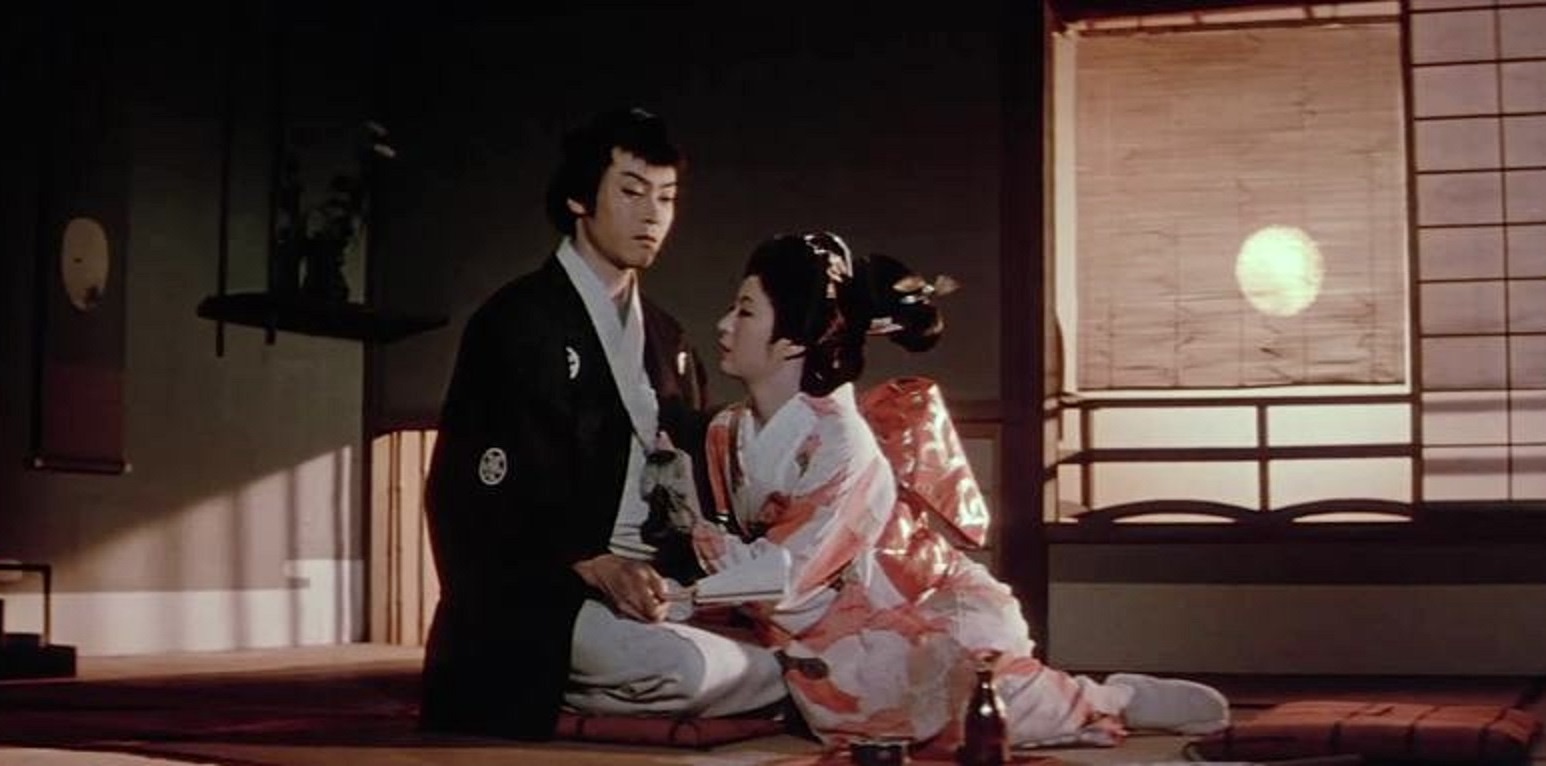
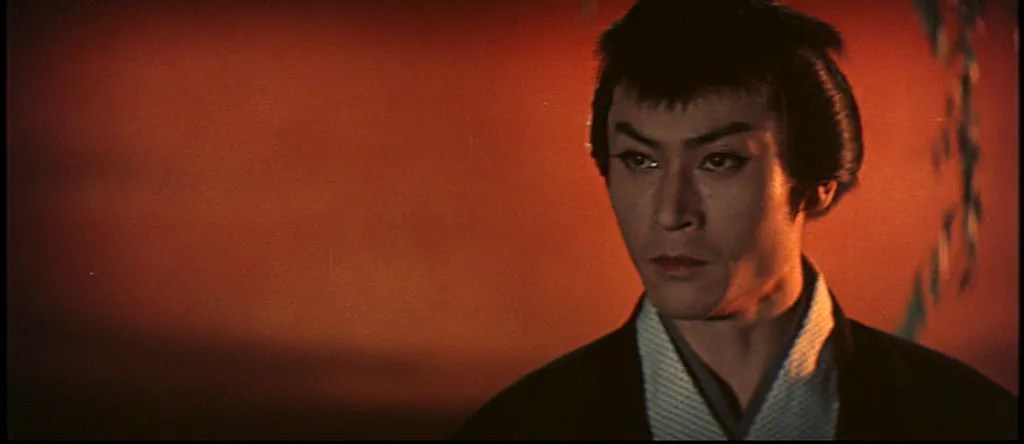
The film follows the devious machinations of Iemon (Shigeru Amachi), a ruthless itinerant samurai with designs on Oiwa (Katsuko Wakasugi), who comes from a respectable family. When Oiwa’s father refuses to grant permission for Iemon to marry his daughter, he is slain, along with his retainer, by Iemon. The entire incident is witnessed by Naosuke (Shuntaro Emi), a lamp carrier, who helps Iemon dispose of the bodies in exchange for a partnership that will benefit them both.
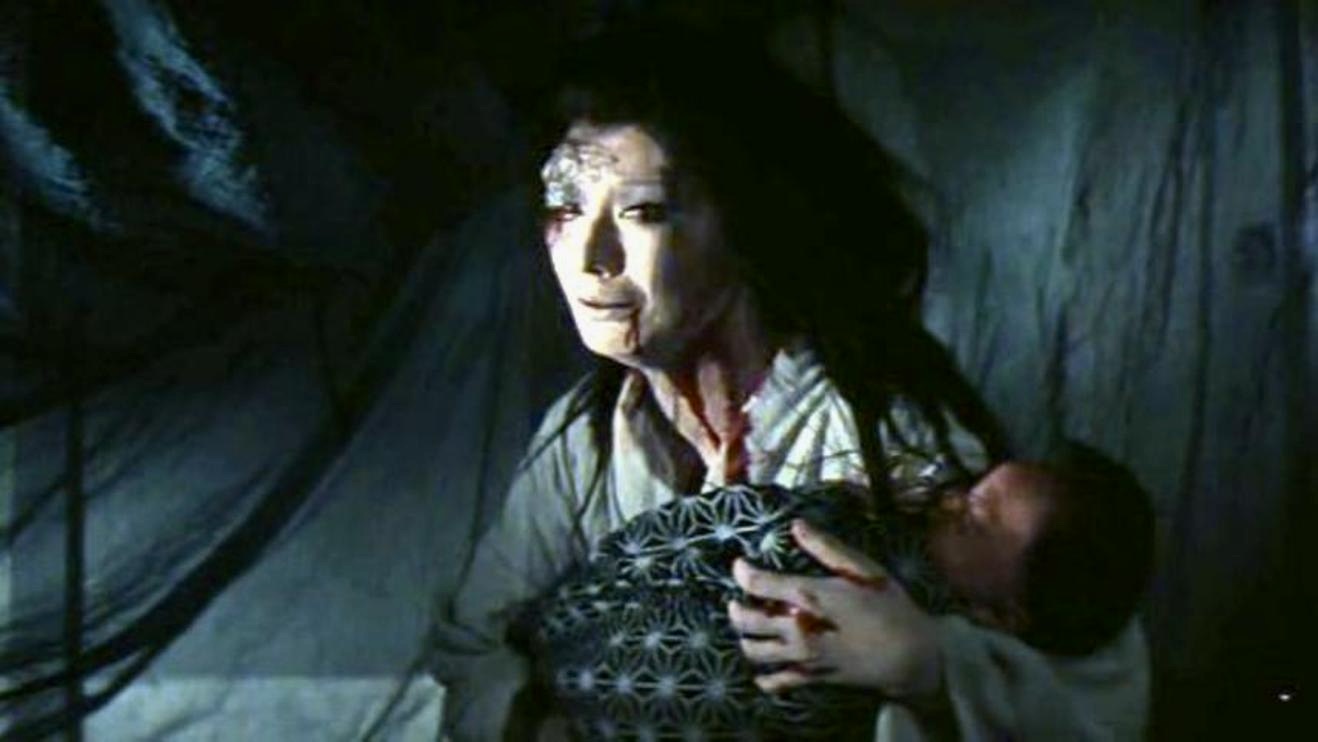
In time Iemon grows bored with his wife and turns his attention toward Oume (Junko Ikeuchi), a wealthy heiress. He soon plots the death of his wife, first arranging an adulterous tryst for her with Takuetsu (Jun Otomo), an admirer, and then poisoning her and slaying her suitor. All goes well until Iemon’s wedding night when the vengeful ghosts of Oiwa and Takuetsu appear and trick the samurai into murdering his new wife and her parents. But the spirits’ revenge doesn’t end there.
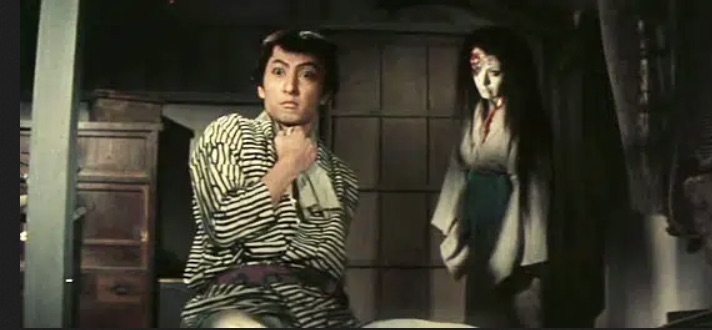
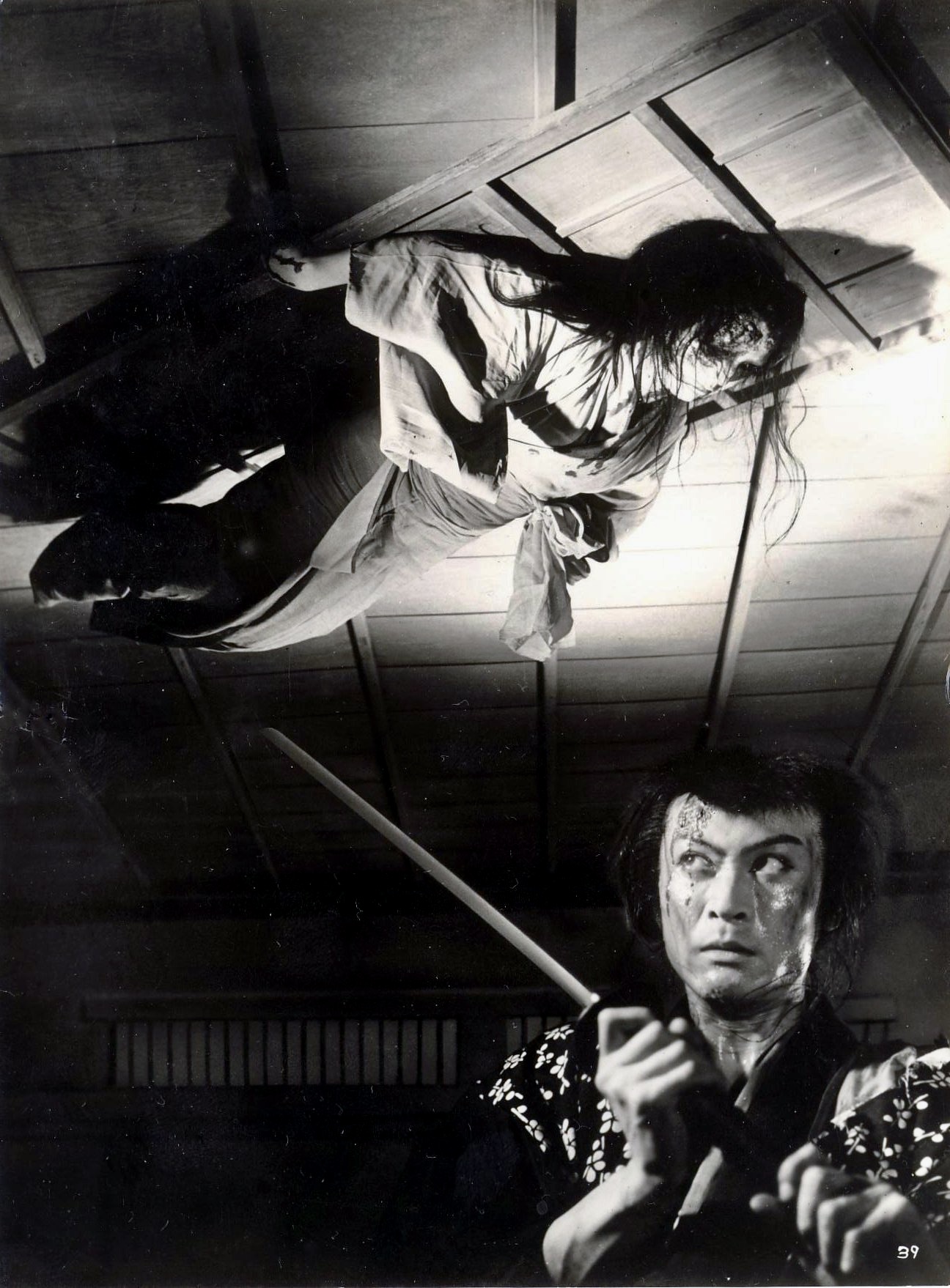
Highly theatrical in its presentation, The Ghost of Yotsuya transitions from its opening stage set to a stylized mixture of natural locations and outré art direction. The film’s striking use of color cinematography was clearly influenced by the international success of Hammer Studios’ The Curse of Frankenstein (1957) and Horror of Dracula (1958) and so was the level of violence depicted with grisly close-ups of slashed bodies and amputated limbs.
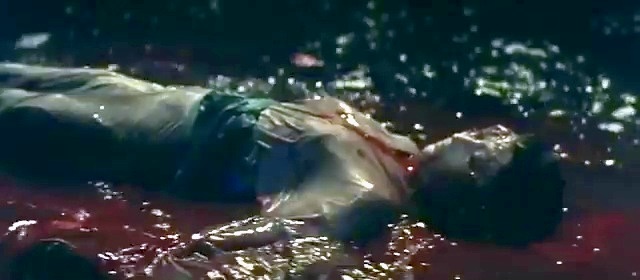
The special effects and makeup, in particular, are still potent with such haunting images as Oiwa observing the horrible disfigurement of her face from poison or the sight of the spirits rising from the depths of a blood red swamp, their bodies nailed to wooden boards.
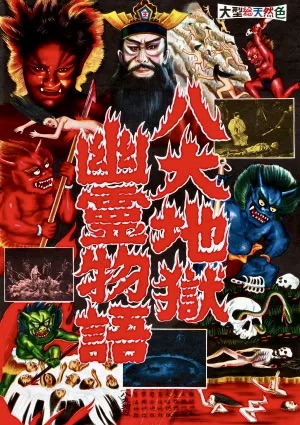
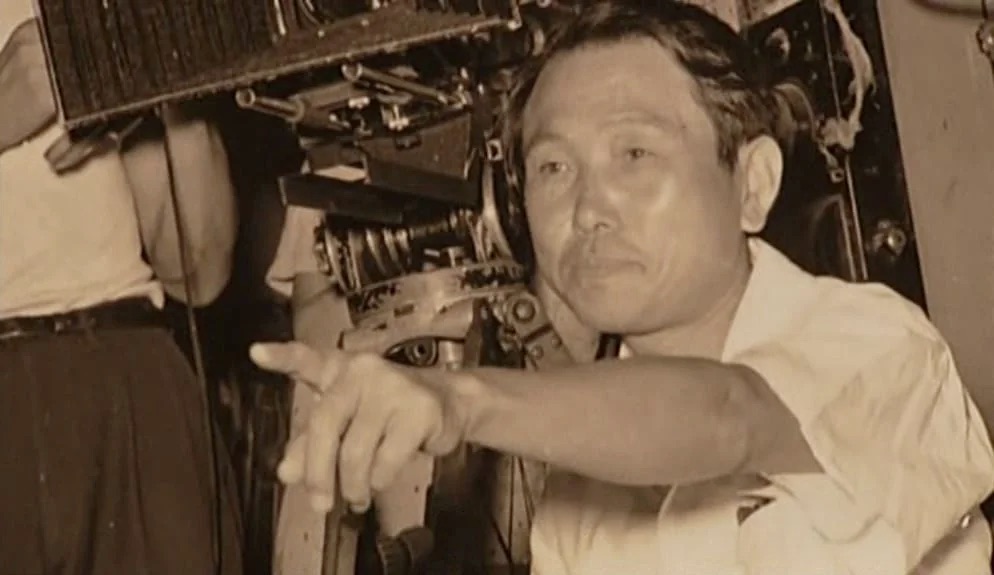
By the time Nobuo Nakagawa directed The Ghost of Yotsuya, he had already established himself as a supreme stylist of supernatural tales, evidenced by the popularity of such genre fare as The Vampire Moth (1956), The Ceiling at Utsunomiya (1956), The Depths (1957), Black Cat Mansion (1958) and The Woman Vampire (1959). While The Ghost of Yotsuya is celebrated as a masterful visual interpretation of this traditional kabuki ghost tale, the film’s often startling bursts of surrealism and shock effects look forward to Nakagawa’s much more experimental and disturbing Jigoku (1960, aka The Sinners of Hell), a film that is considered by many Japanese film scholars to be the director’s masterpiece.
Tony Rayns, film reviewer and Japanese cinema expert, wrote this assessment of The Ghost of Yotsuya for TimeOut: “Now considered a classic, Nakagawa’s adaptation of Nanboku Tsuruya’s kabuki play went unhailed by critics at the time but was popular enough to prompt at least three remakes in short order (by Tai Kato in 1961, Shiro Toyoda in 1965 and Issei Mori in 1969)….Concisely plotted and fast-paced, the film somehow reconciles classical elegance with Nakagawa’s patented shock effects. Both the remarkable use of sound and the colour expressionism influenced other directors. Nakagawa’s finest hour.”
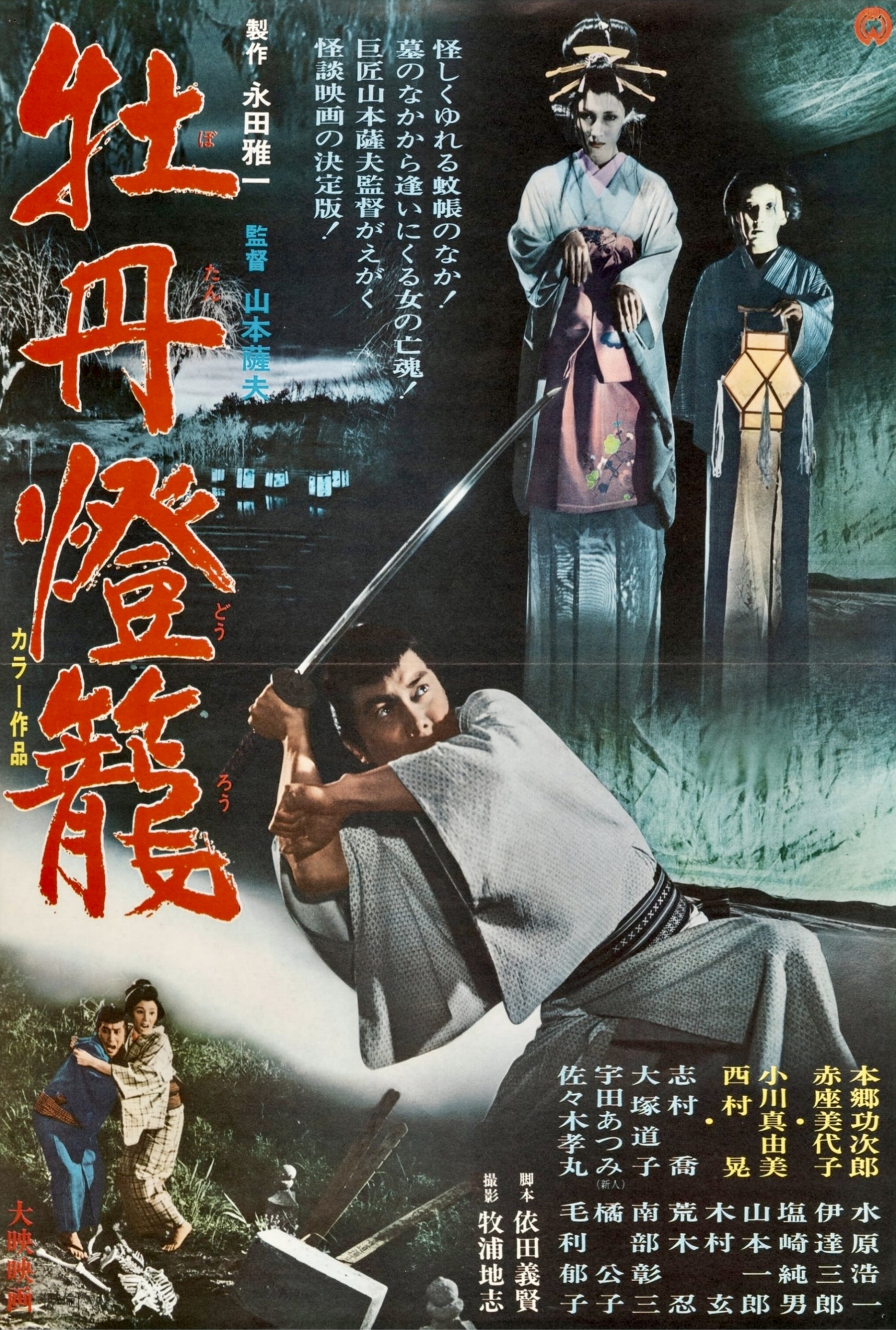
Strangely enough, Nakagawa’s version of The Ghost of Yotsuya is not currently available on any format in the U.S. unless you own an all-region Blu-ray/DVD player and can find an overpriced import release from online sellers. Radiance Films recently released the Blu-ray boxed set Daiei Gothic – Japanese Ghost Stories which includes Kenji Misumi’s 1959 remake of The Ghost of Yotsuya. Although it is also highly recommended for fans of Japanese ghost stories, it isn’t as definitive or as famous as Nakagawa’s take but maybe The Criterion Collection or some other boutique cinema outfit will consider releasing Nakagawa’s version in the future.
*This is a revised and expanded version of an article that originally appeared on the Turner Classic Movies website.
Other links of interest:
https://jfdb.jp/en/person/29199
http://www.brns.com/japan/pages1/japan100.html
https://www.bfi.org.uk/lists/10-great-japanese-ghost-stories
 Cinema Sojourns