
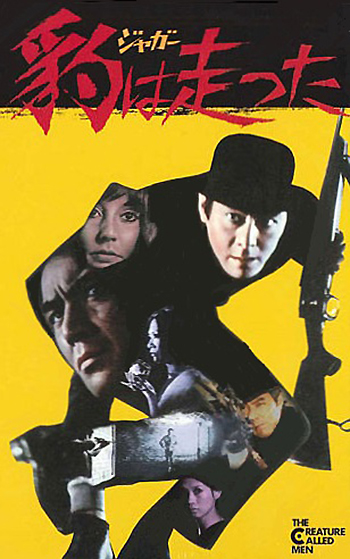
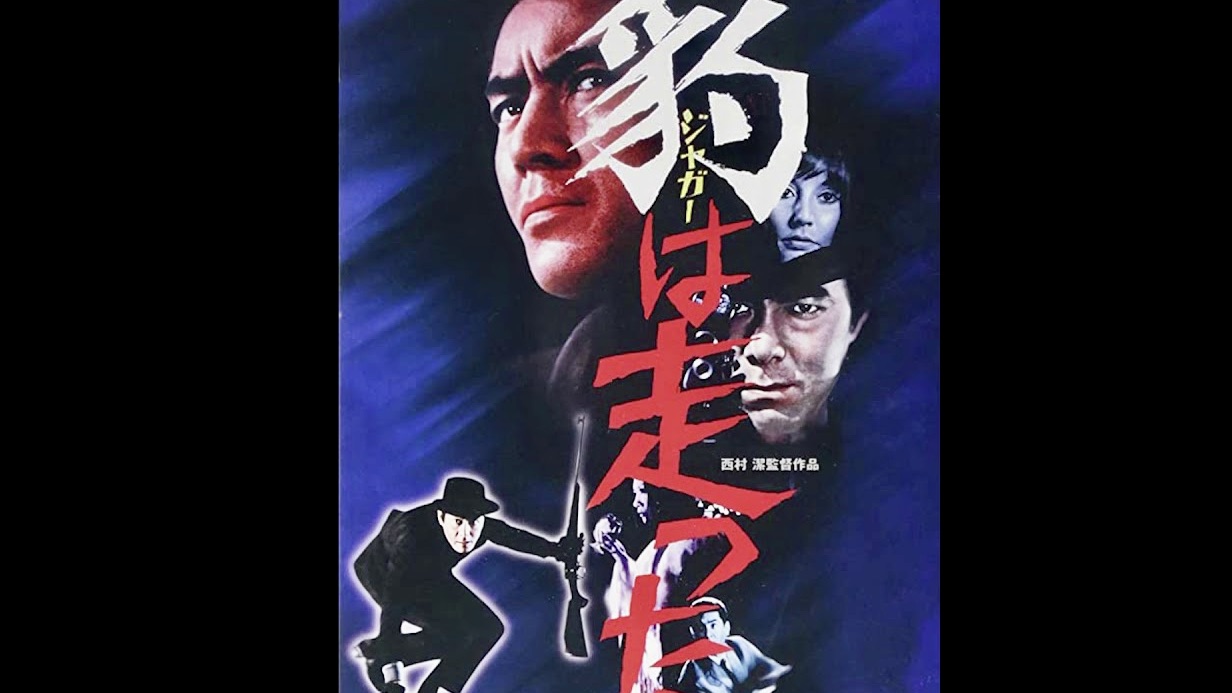
In the late 1960s and early 1970s Toho Studios began toying with some of its genre offerings by slipping some social or political references into the narratives while adding additional cinematic influences. A prime example of this is the 1970 Japanese film Jaga Wa Hashitta (English title: The Creature Called Man), an offbeat actioner about rival hit men with obvious references to the James Bond spy series as well as American crime thrillers.

Directed by Kiyoshi Nishimura, the film opens with a montage of black and white stills with color highlights depicting political unrest, warfare and the bodies of victims while the sound of explosions and agitated voices fill the soundtrack. Against this turbulent backdrop, Toda (Yuzo Kayama), a former Olympic sharpshooter turned cop, is called into the Tokyo office by his superiors and informed that he is being relieved of his duties. It turns out not to be a disciplinary action but an unofficial promotion of sorts; he will now serve as a secret bodyguard to Jakar, the disposed leader of Southnesia (a fictional reference to possibly Indonesia), and use his gun skills to kill anyone who attempts to assassinate the exiled leader. Assisting him in his undercover role is Hiramatsu (Choei Takahashi), a car specialist, and a female agent (Mariko Kaga), who is turned on by her dangerous work.
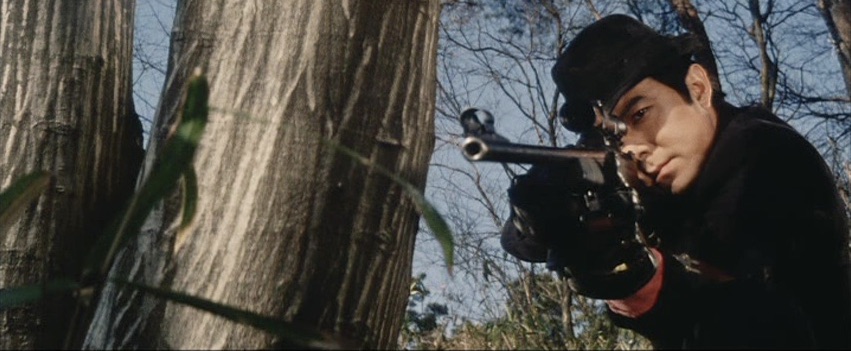
What Toda doesn’t realize at first is that Kujo (Jiro Tamiya), a rival hit man, is stalking Jakar with the intent to kill and anyone who gets in his way is also disposable. The Tokyo police department has their own reasons for protecting Jakar while he waits in a heavily guarded hotel for official clearance to emigrate to the United States. But Dainihonboeki, an incognito Japanese corporation, wants to have Jakar assassinated so they can profit monetarily from selling weaponry to the new regime that takes control of Southnesia.
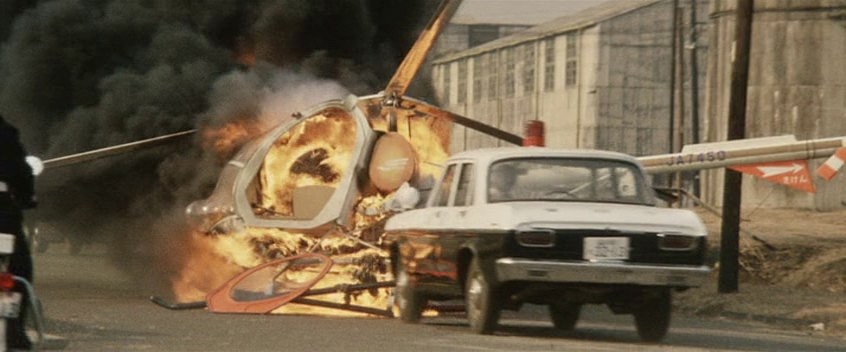
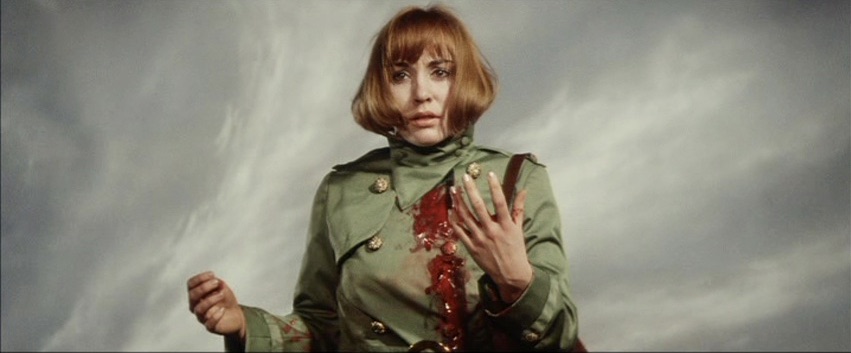
As numerous attempts are made on Jakar’s life from suicidal bombers and hired gunmen, Toda proves to be a formidable protector but his self confidence is shaken when he accidentally kills an American woman (Nancy Sommers) he mistook for an armed assailant. Meanwhile, Kujo is starting to have second thoughts about his role as a killing machine for clients with a secret agenda.
The Creature Called Man ends with a deadly showdown between Toda and Kujo in a deserted airplane hanger but the closing scene demonstrates that both hit men are merely pawns in an elaborate scheme involving opposing governments and financial interests. The United States, in particular, seems to be a covert player in all of the intrigue and may explain why several scenes feature the Japanese actors speaking English.

Nishimura’s film is certainly stylish and fast paced though the convoluted plot can often be confusing. Jakar remains an enigma throughout the film (Is he an ally of Japan or the U.S.? And was he a ruthless dictator in his former country?) Also, all of the characters depicted in The Creature Called Man operate in some gray zone where morality and ethics play no part. In some ways, the movie looks forward to the paranoid conspiracy thrillers of the mid-1970s such as The Parallax View (1974) and Three Days of the Condor (1975) while also intimating that the U.S. presence in Japan is a detrimental factor.

Direct references to the James Bond spy craze are also unmistakable in the early portion of The Creature Called Man as Toda meets with a weapons expert and a car specialist in preparation for his assassin work. You can also see the influence of Sam Peckinpah’s The Wild Bunch in several shoot out sequences which play out in bloody, slow motion carnage (the scene where Nancy is gunned down is a particular stand out). Best of all is the evocative jazz score by Mitsuhiko Saito, which goes from moody compositions to wild, frenzied improvisation.

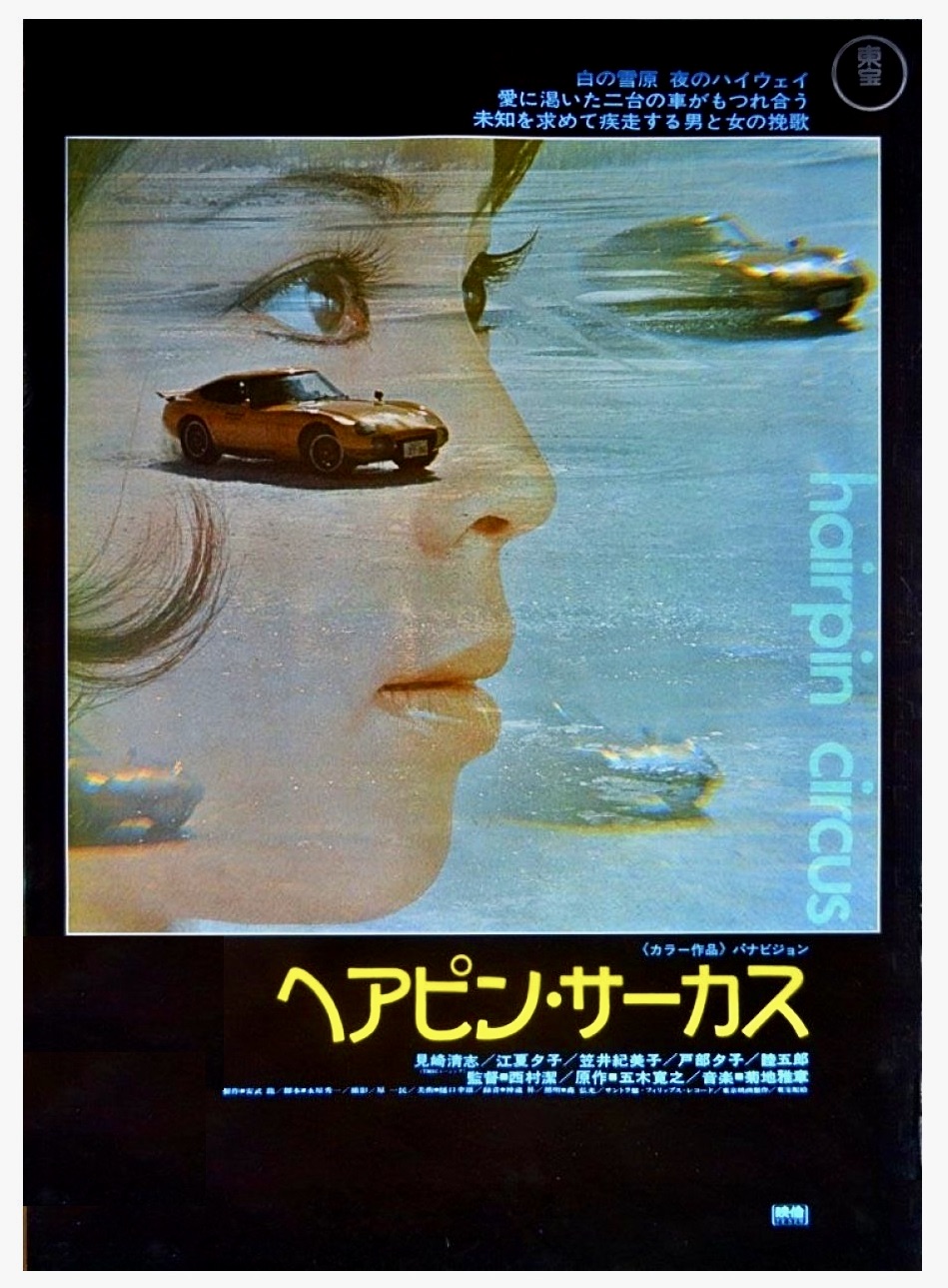
The Creature Called Man remains a somewhat obscure genre film from Toho and Kiyoshi Nishimura is not a director familiar to most fans of Japanese cinema. He made his debut with the 1969 crime thriller Too Young to Die but is probably best known for Hairpin Circus (1972), which is often referred to as Japan’s first drag race thriller and a precursor to the popular U.S. franchise The Fast and the Furious. Nishimura would eventually abandon feature filmmaking to concentrate on television series such as The Detective Story (1979) and Tokumei Keiji the Cop (1985).
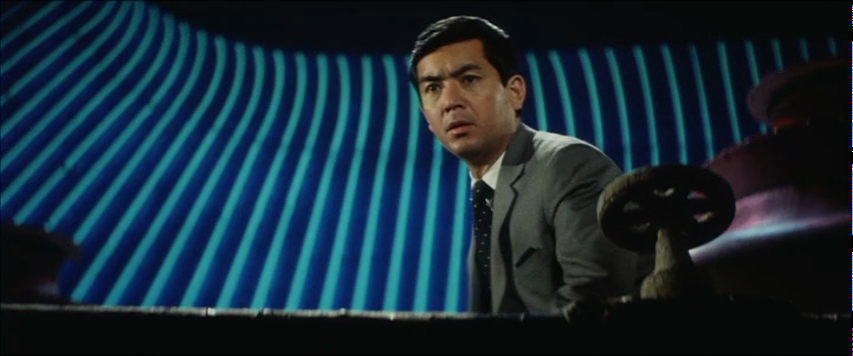
The leading players of The Creature Called Man, however, should be familiar to Japanese cinephiles. In the role of Toda, Kuzo Kayama has appeared in numerous films by Akira Kurosawa (Sanjuro, Red Beard, Sanshiro Sugata) and samurai classics like Kihachi Okamoto’s The Sword of Doom (1966). As Kayama’s deadly rival Kujo, Jiro Tamiya is the more colorful and compelling character in Nishimura’s film and was a memorable presence in such Yasuzo Masumura films as Black Test Car (1962), A Woman’s Life (1962) and Main Line to Terror (1975) before dying at the young age of 43 (some reports indicate it was a suicide).

Unfortunately, the exquisite Mariko Kaga is wasted in a poorly developed role as Toda’s sidekick and makes you long for her iconic presence in such cult favorites as Masahiro Shinoda’s Pale Flower (1964), Kazuo Kuroki’s Silence Has No Wings (1966) and Muddy River (1981), an Oscar nominee for Best Foreign Film. Also in the supporting cast of The Creature Called Man is veteran character actor Nobuo Nakamura who appeared in numerous films by Yasujiro Ozu and Akira Kurosawa as well as such sci-fi flicks as The War of the Gargantuas (1966) and Submersion of Japan (1973).
The Creature Called Man is not currently available on any format in the U.S. although you might be able to find gray market or bootleg DVD-R copies from various online sellers. It might not be a classic of its kind but it is definitely worth a look for fans of Toho genre films. Maybe Radiance Films or some other Blu-ray outfit will consider picking it up as an acquisition.
Other links of interest:
https://adblankestijn.blogspot.com/2012/06/japanese-masters-kayama-yuzo-actor.html
 Cinema Sojourns
Hi,
This list reminded me of the weird and beautiful “Branded to Kill” directed by Seijun Suzuki’s.
Cheers!