
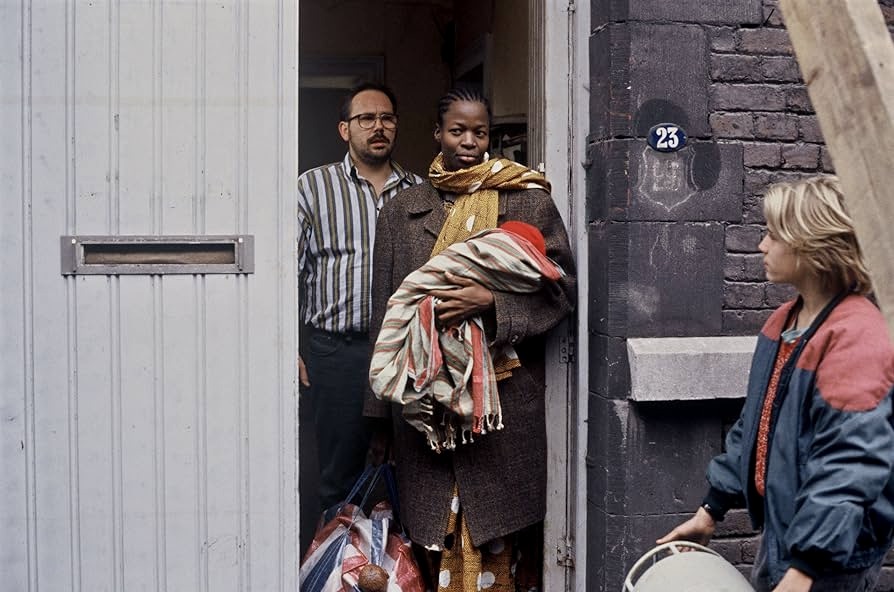
Igor is a fifteen-year old kid who, in some ways, is like most teenagers his age. He likes to have fun hanging out with friends, ride his moped around and work on customizing his go-kart in his spare time. The problem is he doesn’t have much spare time. He works as a mechanic’s apprentice at a gas station but even those hours are cut short by his demanding father Roger, who needs him constantly for jobs involving building renovations, money collection and other activities related to Roger’s exploitation of illegal immigrants. Because of this, Igor has had to grow up fast with his multiple adult responsibilities but he likes the money he makes and the trust his father has placed in him. All of this is about to change when he becomes friendly with Assita, who has arrived with her newborn baby to join her husband, a West African man who does work for Roger. This is the basic set-up for Jean-Pierre and Luc Dardenne’s La Promesse (The Promise), a groundbreaking 1996 film for the brother filmmaking team about the brutal trafficking and mistreatment of undocumented immigrants in Belgium. It also serves as a stark but moving coming-of-age film.
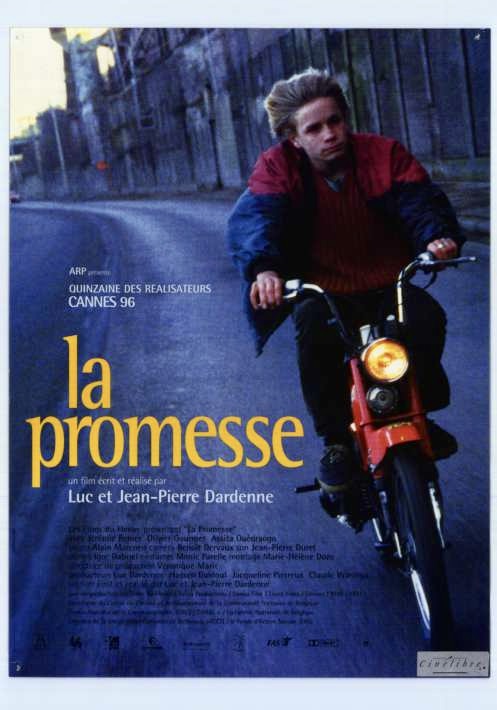
The Dardenne brothers had been making films since 1978 but most of their early work was in the documentary field. They decided to try their luck with feature films beginning with their 1987 debut Falsch, a drama about the last survivor of a Jewish family which was poorly received by critics. However, it was their second feature, Je Pense a Vous (aka I’m Thinking of You, 1993), that almost made them decide to give up filmmaking. They didn’t have creative control over the project and the changes the producers made to the film resulted in another critical and commercial failure. The brothers decided to take one more shot at making a feature film but on their own terms with a low budget and some specific aesthetics choices of their own such as using real locations and mostly non-professional actors.
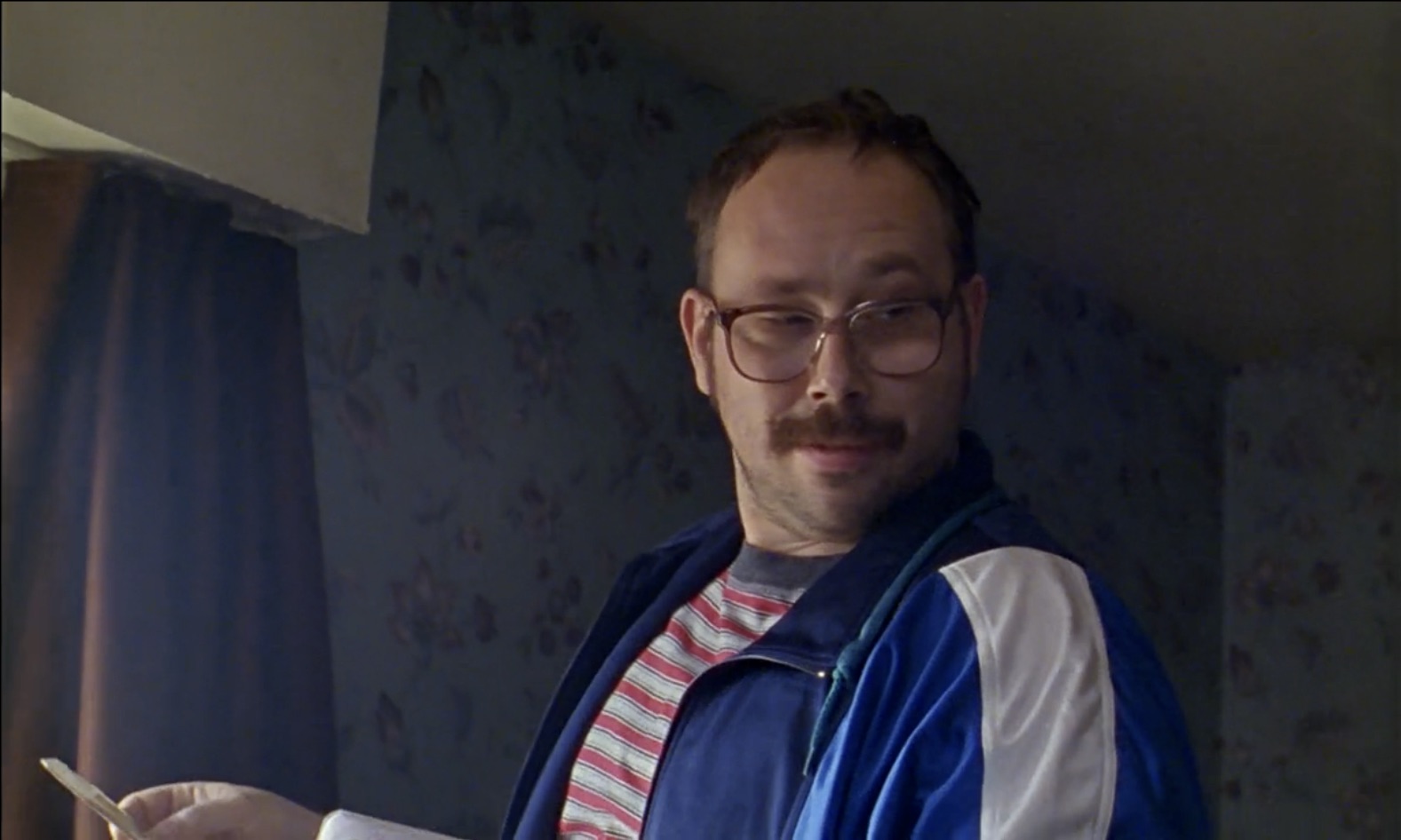
The result was La Promesse, a film that utilized their documentary experience to help ground their story in a real urban setting that was populated by people at the bottom rung of society. In this case, it was Seraing, Belgium, a working class hub of iron, steel and machine-building industries (many of the Dardenne Brothers’ movies have been filmed there). The film is also significant for the inspired casting choices of Jeremie Reiner as Igor and Olivier Gourmet as Roger, both of whom were relative newcomers to film acting. Reiner had only appeared previously in a tiny role in a segment of the French comedy Les Sept Peches Capitaux (1992) but Gourmet had actually trained to be an actor at the Conservatoire de Liege. Still, he had only acted in a few bit parts before accepting a lead role in La Promesse and he had to re-learn acting based on the Dardenne Brothers’ approach to filmmaking.
According to an interview with Joan and Dennis West for Cineaste Magazine, Luc Dardenne said, “On the set we do not speak to the actor about why his or her character does this or that. No psychological explanations on why a character acts a certain way. Certainly actors have their own opinions; they make their own films in their heads. On the occasions when an actor tries to speak to us about such opinions, we always try to contradict him in order to keep him slightly off-balance. What we do with the actors is also very physical. The day filming begins we do not feel obliged to do things exactly the way they were rehearsed; we pretend that we are starting over from zero so that we can rediscover things that we did before. The instructions we give the actors are above all physical. We start working without the cameraman – just the actors and my brother and me. We walk them through the blocking, first one then the other, trying several different versions. They say but do not act their lines. We do not tell them what the tone of their lines should be; we just say that we will see once the camera is rolling….We ask for less, less, less, more neutral, more blank. We try to comment in a way that is negative and physical so that the actors themselves can bring something to the process.”
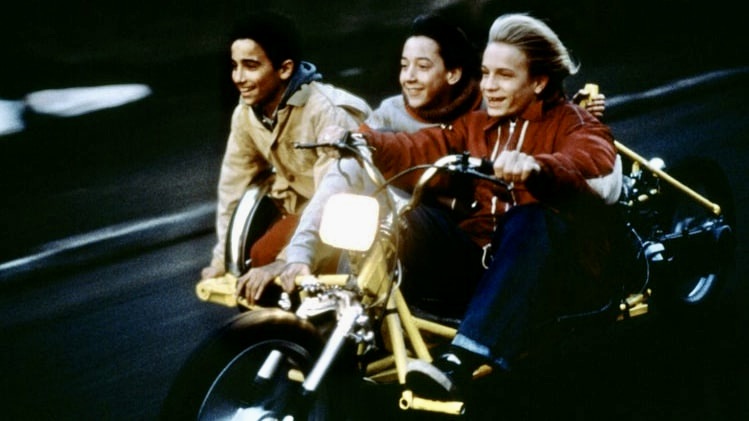
The process obviously works wonders for the Dardenne Brothers because La Promesse and many of their subsequent films are distinguished by their hard truths and unflinching realism, all of guided by their actors’ physical immediacy with the camera. Hand held camerawork by Alain Marcoen, who first began working with the Dardennes on their 1987 documentary short Il Court, Il Court, le Monde (1987), stays close on Igor throughout his hectic daily life, capturing the changes in his facial expressions in close-ups but also revealing even more about his emotional state through body language and his movements during stressful situations. What begins as an almost documentary-like depiction of how Roger uses and abuses undocumented immigrant workers in his illegal business affairs soon shifts the focus to how his true nature is slowly revealed to Igor. In the end, La Promesse becomes the moral awakening of a fifteen-year-old boy who finally sees the suffering Roger is profiting from and takes action.
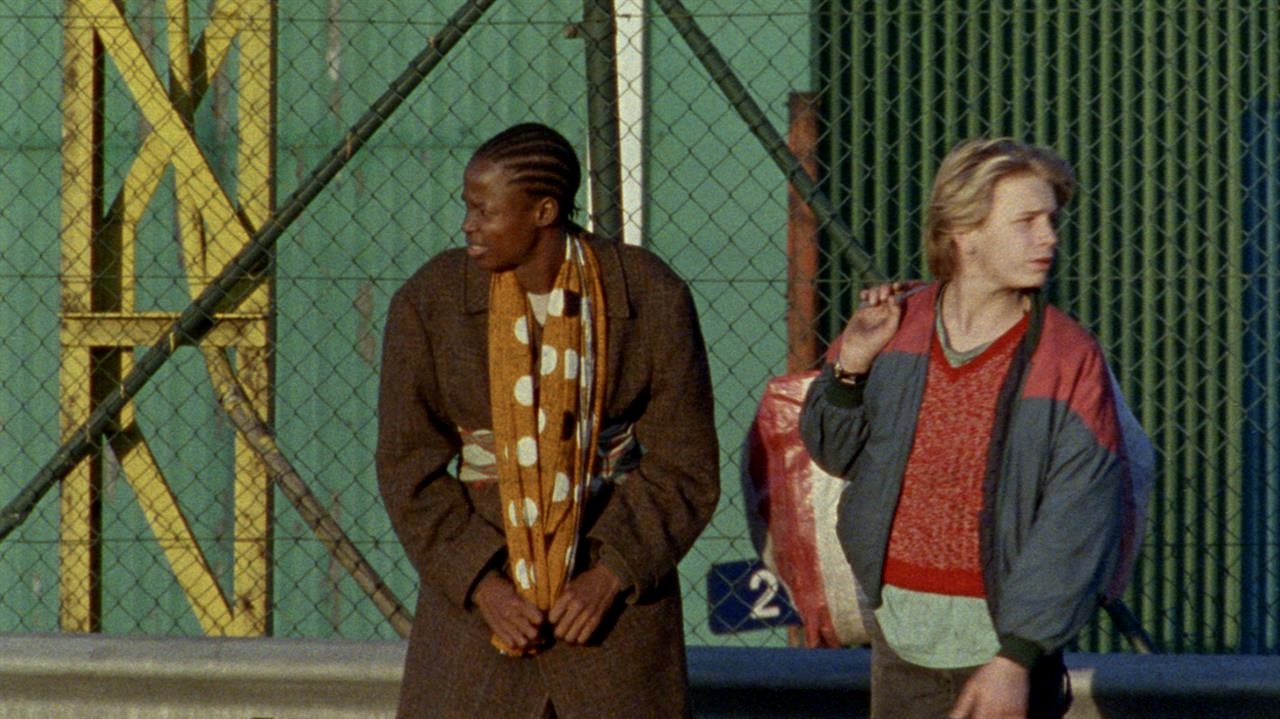
La Promesse becomes much more emotionally complex and harrowing once Amidou (Rasmane Ouedraogo), the husband of Assita (Assita Ouedraogo), is mortally wounded after falling off a building scafford in his panic to evade immigration authorities. Igor tries to stop the bleeding from a gushing leg wound with a tourniquet but Roger tears it off and warns him that taking Amidou to the hospital would only alert the police to his operation. Then Amidou died and Roger drops the body into a grave behind the tenement they are renovating, covers it with dirt and then seals it up with concrete. This only creates worse problems for Roger and Igor, with Assita asking them constantly about her husband’s mysterious disappearance.
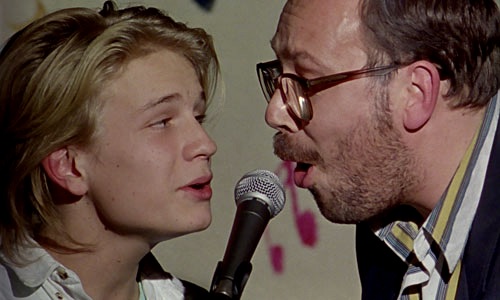
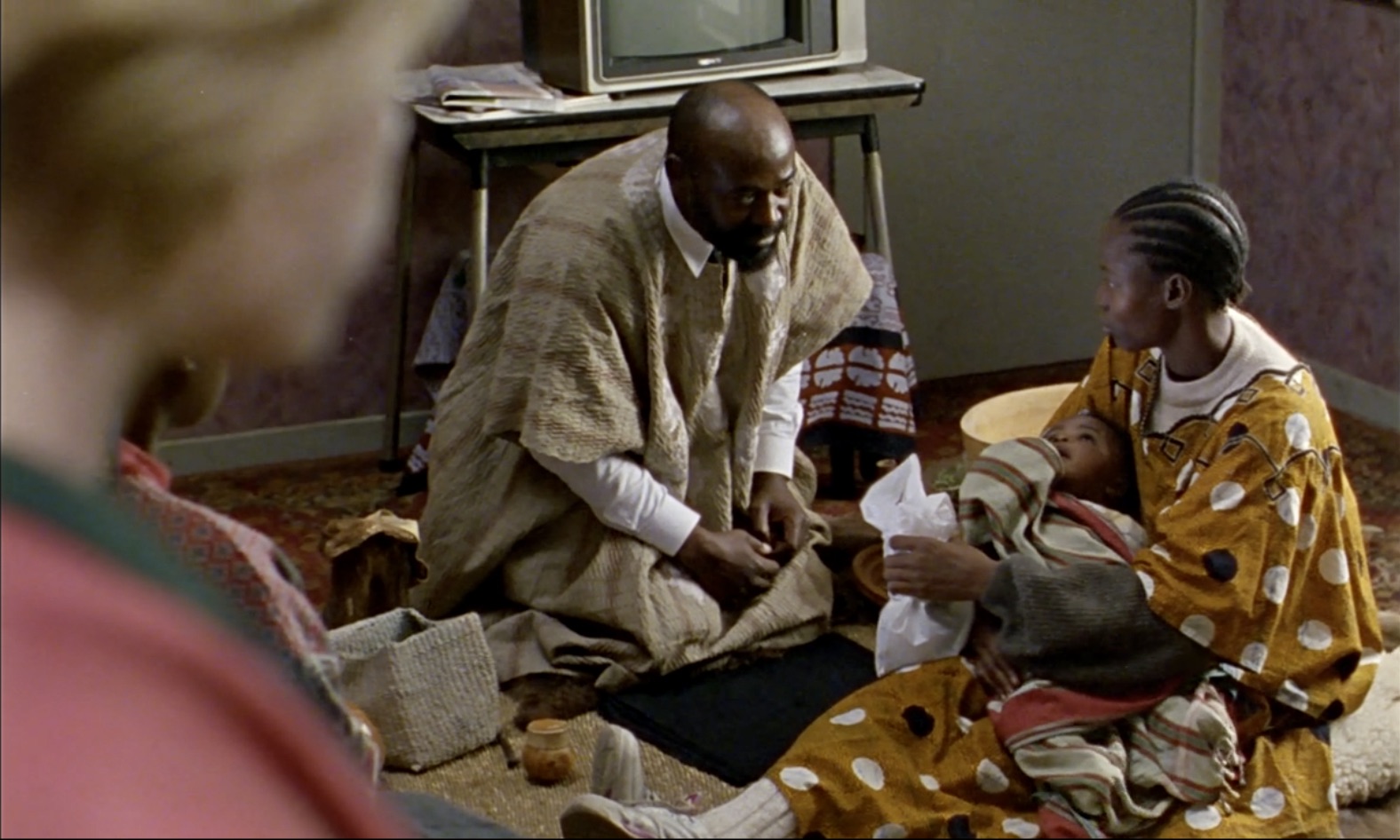
First Roger tells her Amidou went into hiding after incurring gambling debts with some lowlifes but Assita remains suspicious. Roger then sends her a fake telegram from Amidou saying he fled to Cologne and will meet her there. It turns out to be an insidious plan for Roger to drive Assita and her baby to Cologne where he will sell her to a brothel. Igor knows this and after feeding her lie after lie as ordered by his father, his guilt and empathy for Assita dictates a plan of action that is a betrayal of his father’s trust but also his instinctual decision to do the right thing.
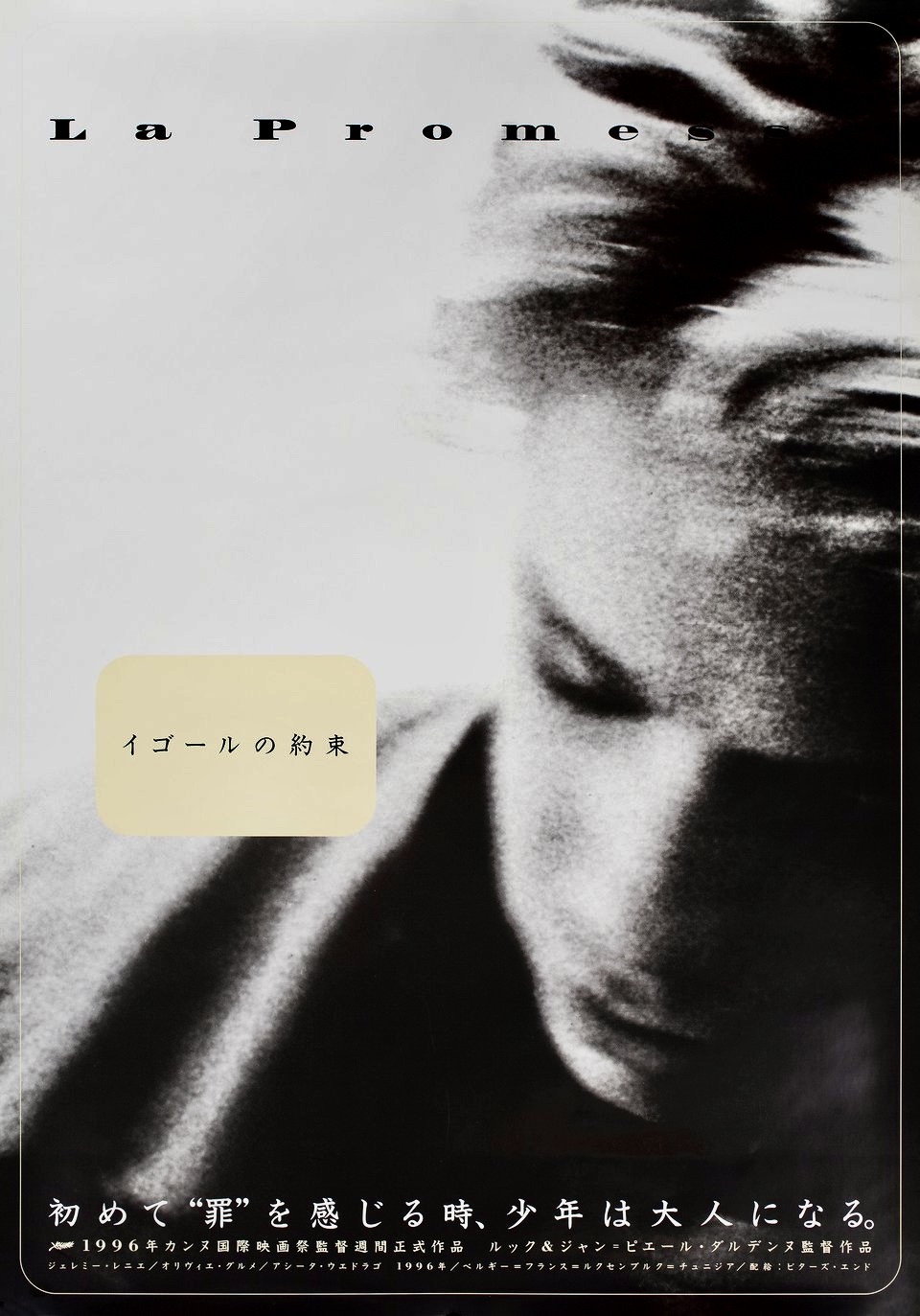
The Dardenne brothers revived their filmmaking career with La Promesse and became internationally renowned upon the film’s release. It won the SACD prize at Cannes and garnered numerous awards and accolades from other film festivals and critical entities like the National Board of Review and the National Society of Film Critics, who awarded it the Best Foreign Language Film of the year. Jonathan Rosenbaum of The Chicago Reader wrote, “This is a beautifully realized, richly detailed story, full of humor as well as pathos, and part of the Dardennes’ strength in telling it is their openness to experience and the world around them without being hampered by didacticism.”
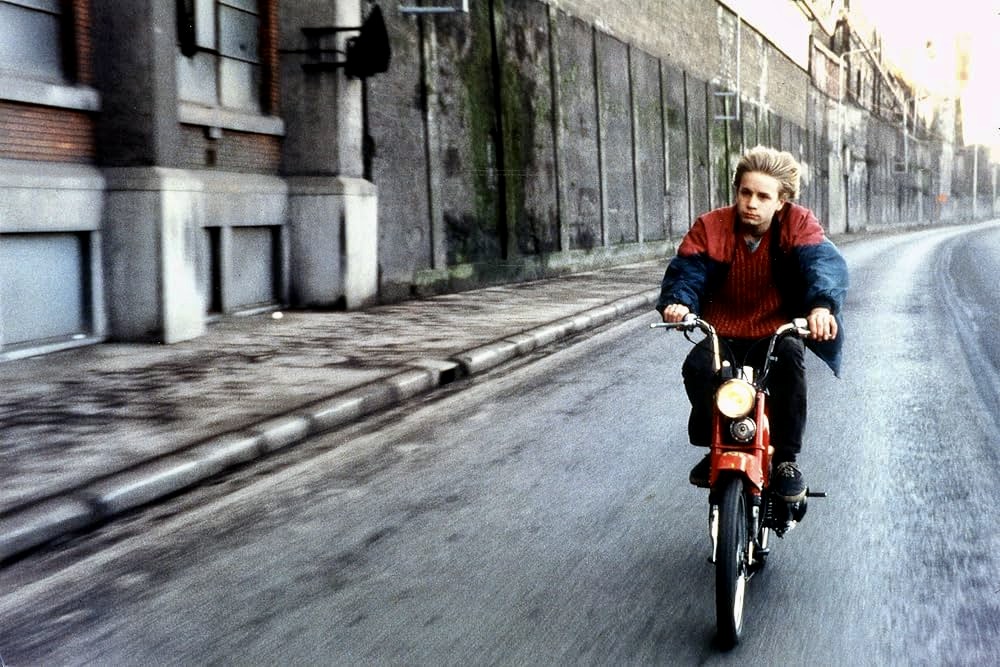
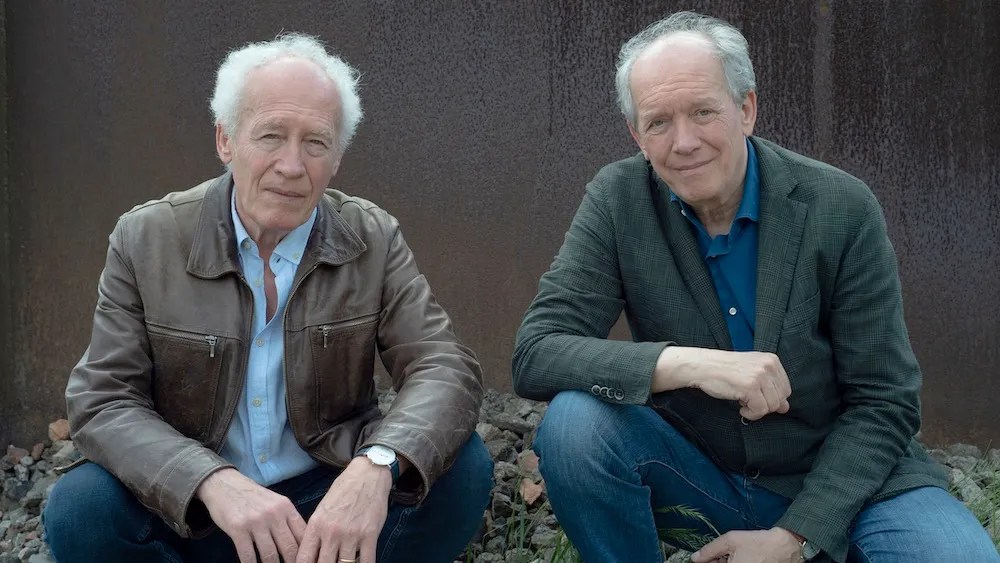
Thanks to the critical and financial success of La Promesse, Jean-Pierre and Luc Dardenne have gone on to become, along with Chantal Akerman (Jeanne Dielman, 23, quai du Commerce, 1080 Bruxelles, 1975), the most important Belgium filmmakers of their generation. Subsequent critical successes have included Rosetta (1999), Two Days, One Night (2014) and Tori and Lokita (2022) – to name just a few – and all of them continue the Dardenne brothers’ interest in people on the fringes of society whose voices are rarely heard.
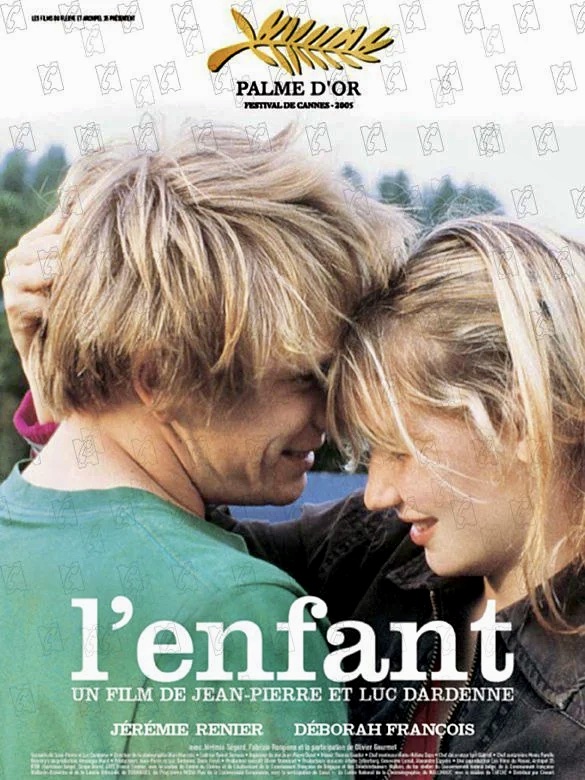
Both Jeremie Reiner and Olivier Gourmet would continue to work with the Dardenne Brothers frequently. Reiner has made five movies with them so far including his starring role in The Child (2005) but he also had a remarkable career on the screen in films by other acclaimed directors like Bertrand Bonello (The Pornographer, 2001), Joachim Lafosse (Nue Propriete, 2006), Martin McDonagh (In Bruges, 2008), Olivier Assayas (Summer Hours, 2008) and Francois Ozon (Potiche, 2010).
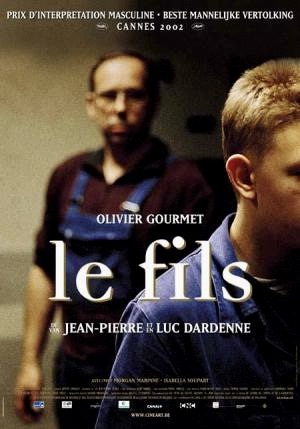
Olivier Gourmet probably wins the award for having made the most films – eight so far – with the Dardenne Brothers including his lead role in The Son (2002). He won the Best Actor award at Cannes for that but has also given award-winning performances in films by other directors such as Philippe Falardeau (Congorama, 2006), Frederic Dumont (Angel at Sea, 2009) and Pierre Schoeller (The Minister, 2011).
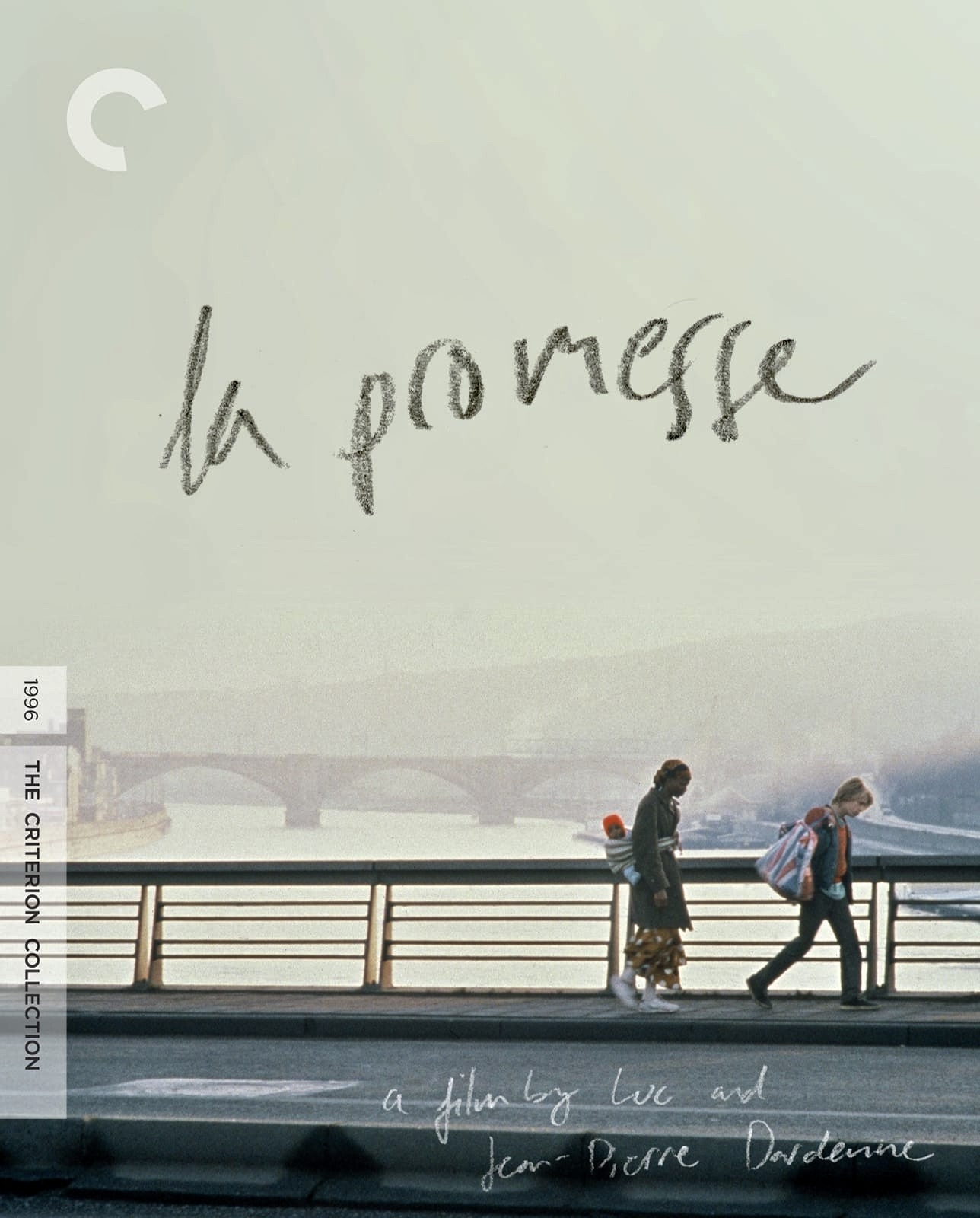
La Promesse was released on Blu-ray and DVD by The Criterion Collection in August 2012 and the extra features include interviews with Reiner and Gourmet on working with the directors and a conversation with the Dardenne Brothers and film critic Scott Foundas.
Other links of interest:
https://diaryofascreenwriter.blogspot.com/reflecting-realism-interview-with
 Cinema Sojourns