
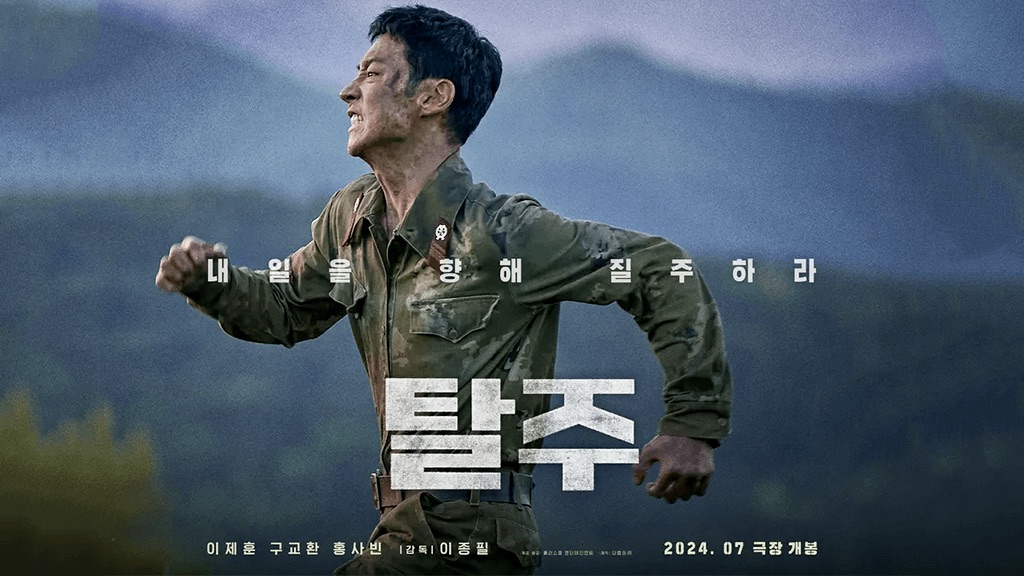
Films from South Korea were not something you would expect to see at the local cineplex in the U.S. until around 2006 when Park Chan-wook’s kaiju horror fantasy The Host became a surprise crossover hit, appealing to fans of Godzilla and other giant rampaging monster flicks. Prior to that, a few South Korean movies such as Kim Ki-duk’s Spring, Summer, Fall, Winter…and Spring (2003), Bong Joon Ho’s Memories of Murder (2003) and Chan-wook’s Oldboy (2003) had attracted critical acclaim and popularity on the art house circuit. But it was The Host that really opened the floodgates for South Korean cinema in the U.S., reaching a peak in 2019 with Joon Ho’s Gisaengchung (English title: Parasite). It won four Oscars including Best International Feature Film and, more importantly, Best Picture, the first foreign language movie to ever snag that award. Currently you can find numerous South Korean films and TV series like Squid Game available on Netflix and other streaming platforms and most of them are not art house darlings but easily accessible genre movies that U.S. audiences can enjoy. Talju (English title: Escape, 2024), a slickly produced, fast paced chase thriller is a perfect example of this, which interestingly enough, is set entirely in North Korea, a country which does not distribute movies in America due to their restrictive media policies.
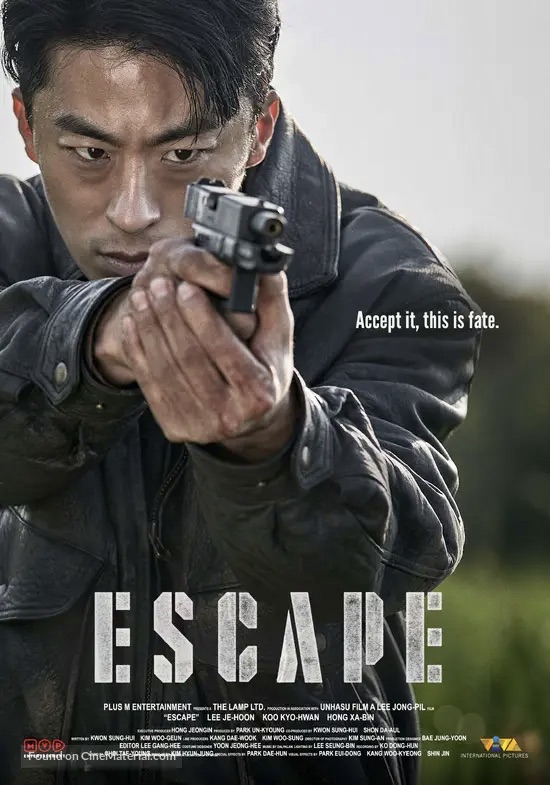
Director Lee Jong-pil pulls the viewer immediately into the action in a tense prologue that sets up the frenetic narrative to come. Lim Kyu-nam (Lee Je-hoon), a sergeant in the North Korean army, is waiting to be discharged after serving 10 years in the military but his future is bleak in terms of job offerings. Because of his working class background, the only jobs available to him involve intensive physical labor like farming or working in a coal mine and the government will choose that profession for him. Any citizen of North Korea has no choice in the matter.

Lim has been anticipating his army discharge and using his final days at the barracks to plot his elaborate escape from North Korea, doing trial runs secretly at night in order to foolproof his getaway. This includes digging hidden tunnels under barbed wire fences and keeping a detailed map of booby-trapped meadows and forests indicating the location of buried land mines. Unfortunately, Kim Dong-hyuk (Hong Xa-bin), a fellow soldier, has been spying on Lim’s progress because he also intends to escape North Korea. When Kim impulsively steals Lim’s map and tries to escape on his own, Lim catches him at a border fence. Before they can return to the barracks, however, the duo is apprehended by the military and denounced as deserters.

Lim argues that he captured Kim and was bringing him back to the barracks but no one believes him until the sinister Field Marshall Li Hyun-sang (Koo Kyo-hwan) takes an interest in the case and praises Lim for his efforts. But instead of being discharged from the army after his long service, Lim finds himself reassigned to a new military post as an aide to an often drunk division commander. Kim uses his new position, which comes with more privileges than his previous rank, to craft an even better escape plan, which includes rescuing Kim from prison where he awaits execution. Although he accomplishes the first phrase of this plot successfully, he and Kim are soon being tracked by the vengeful Li, who proves to be relentless in his pursuit.

Clocking in at a tightly edited 94 minutes, Escape is an entertaining thrill ride for the most part with Kim using his quick intelligence and physical prowess to avoid numerous traps and tricks orchestrated by Li. The deadly competition between Kim and Li becomes the central focus of the movie and Koo Kyo-hwan portrays Li as a fascinating and complex villain. Although he comes from a privileged background as a classically trained pianist, he also appears to be leading a double life as a married man who may have had a male lover in his past (the scene where Li locks eyes with Seon Woo-min (played by K-pop star Song Kang) at a military celebration suggests something stronger than friendship). Li also has a sadistic sense of humor and a growing obsession with Lim over his desire for freedom. At times his villainy goes over the top with lip smacking, cartoon-like wickedness but he is never dull and consistently entertaining as Kim’s nemesis. In contrast, Lee Je-hoon makes an attractive and charismatic action hero who is physically challenged every step of the way, whether it is dodging bullets, crawling on his belly in mine fields or wading through swamps.

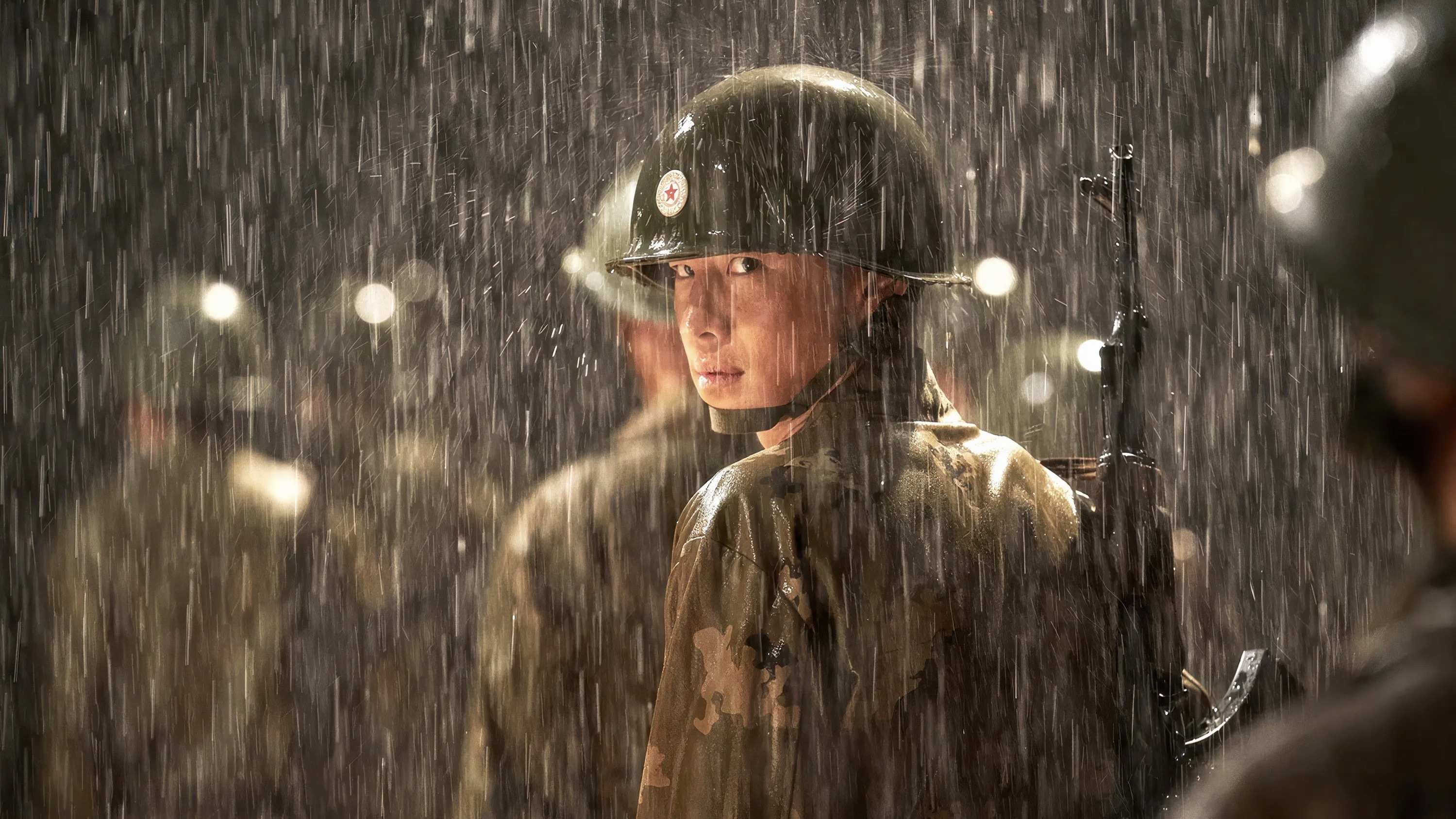
Escape does have some narrative problems. The subplot involving Kim and Lim’s attempt to help him escape his fate isn’t particularly interesting and feels contrived. It also slows down the pace of the movie momentarily and becomes more of a distraction than an asset to the escalating tension. Jong-pil’s thriller also requires a major suspension of disbelief at various times in the movie when Kim is spared from certain death by luck, coincidence or some last minute contrivance manufactured by the screenwriters (Kwon Sung-hui and Kim Woo-geun). For example, an encounter with a group of gun-toting female guerrillas known as the Nomads seems to come out of nowhere and ends as abruptly as it began.
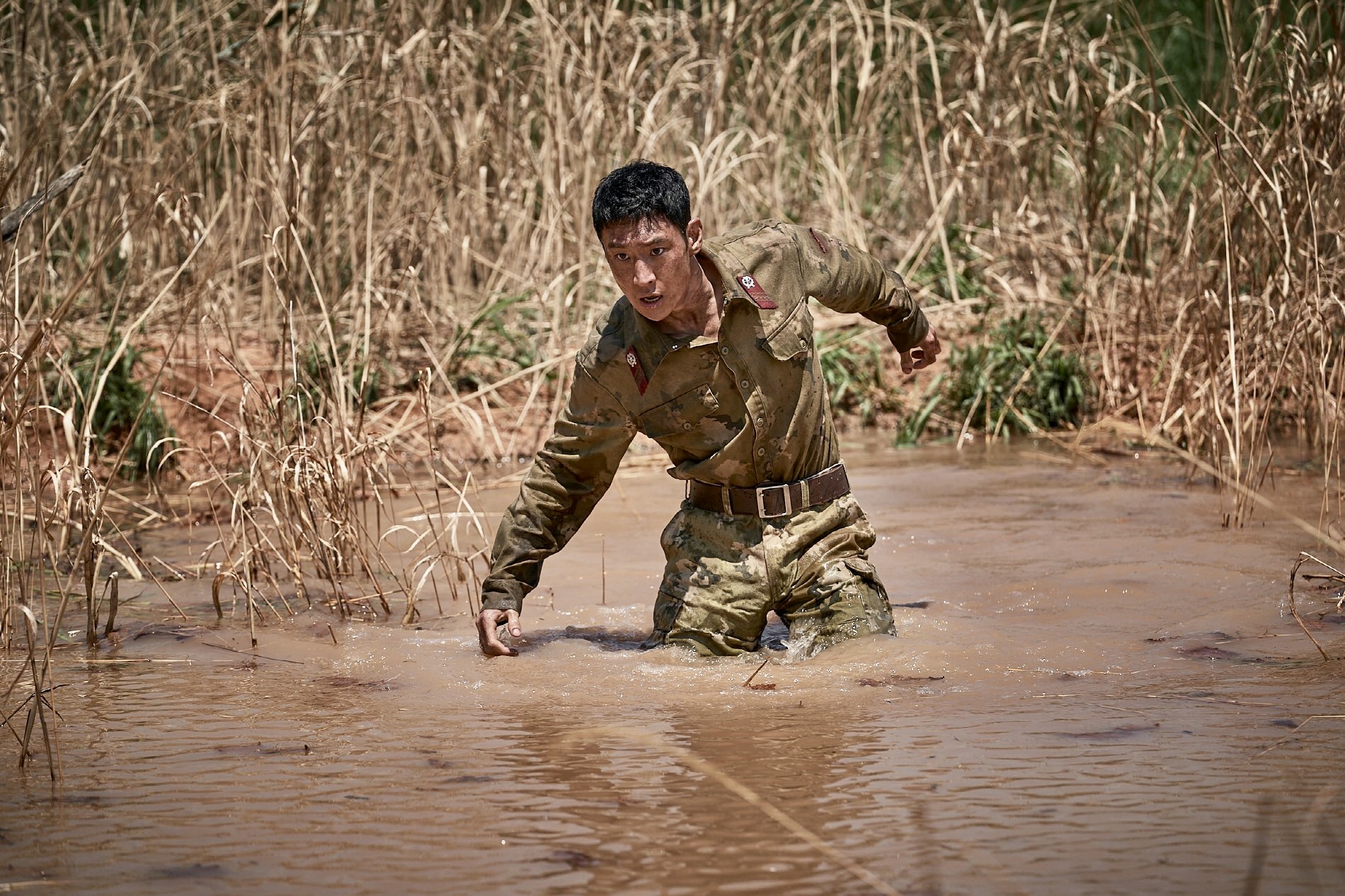
What is intriguing about Escape besides the Kim-Li face-off is its depiction of life under military rule in North Korea. If people think the U.S. is headed toward a dictatorship, they need to take a look at just how repressive and totalitarian a government can be outside our borders. The system Kim is trying to escape in North Korea represents the worst kind of repression, which goes beyond no freedom of speech to encouraging no freedom of thought. Everyone is expected to think in lockstep, extoling the virtues of their great leader and doing whatever they are told to do without questioning it. Defiance means imprisonment or death. I suppose you could accuse Escape of being anti-North Korea propaganda but would you believe a movie that depicts Kim Jong Un’s government as a place of harmony and optimism with respect for human rights?
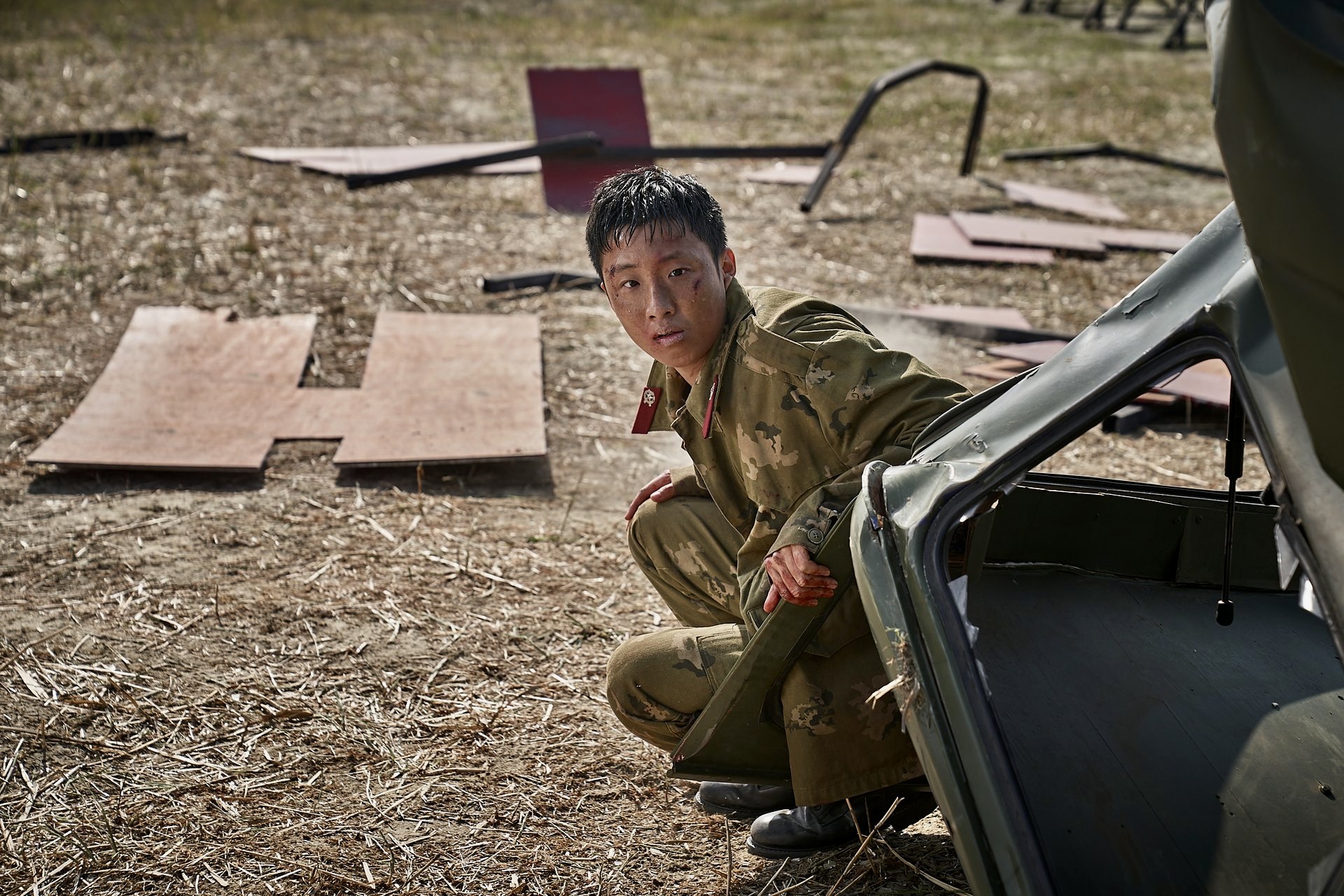
Echoing this same sentiment is a review by Daniel Eagen for Screen Anarchy who states, “Escape doesn’t pretend to be balanced. Its North Korea is a hellhole of repression, starvation, and corruption. Officers swill liquor and stuff themselves at buffet tables; members of the infantry are grunts with no future. The filmmakers still find ways to add nuance to the propaganda. Visually the film alternates between tight closeups in offices and cells with large-scale action sequences that unfold in fields and forests. If you can swallow the improbable twists, Escape is a taut ride.”
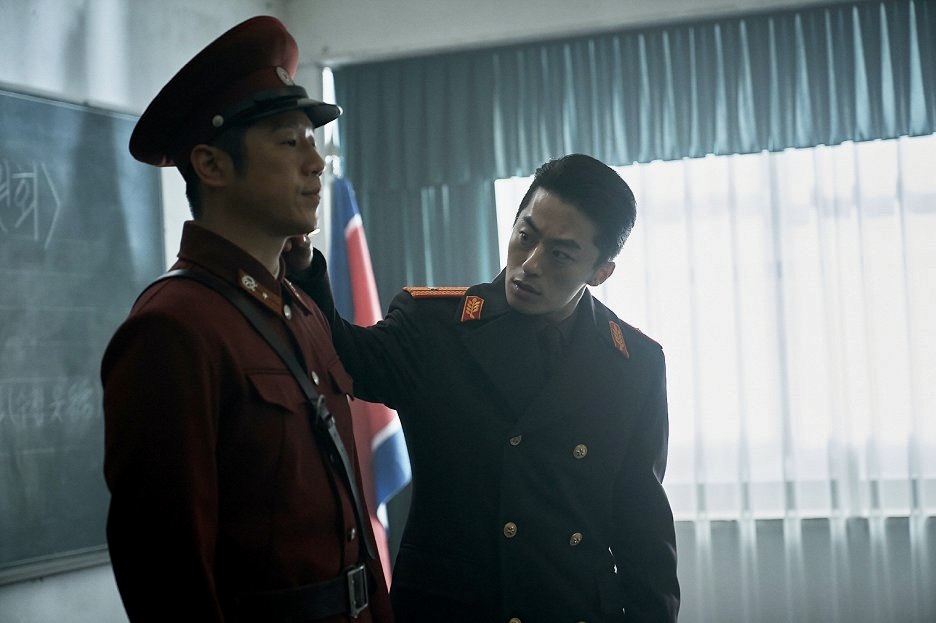
Fans of South Korean cinema probably don’t carry about the assessment by film critics but most reviews have stressed the main virtue of Escape such as Cary Darling of The Houston Chronicle who wrote “..Escape, much like our hero, doesn’t pause to catch its breath. Just when you think Lim will get a break, (director) Lee Jong-pil throws in another twist to crank up the tension until the last minute.”
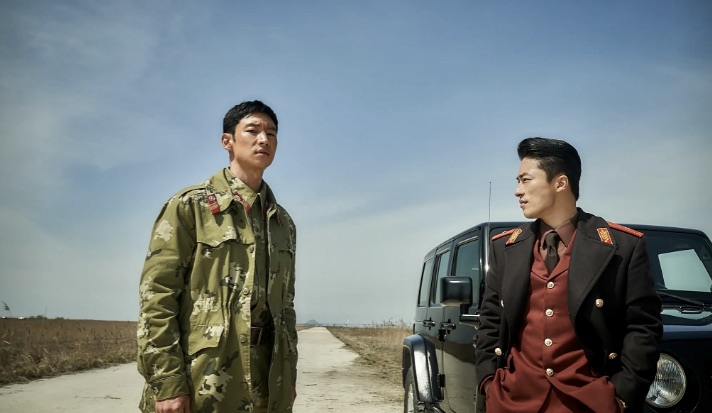
Currently there are no DVD or Blu-ray options for Escape but you can stream it with English subtitles on various platforms like Amazon Prime, Kanopy and others.
Other links of interest:
http://m.koreanfilm.or.kr/mobile4/jsp/People/PeopleView.jsp?peopleCd=10057407
https://soasspirit.co.uk/lee-jong-pils-escape-no-end-to-capitalism/
 Cinema Sojourns