
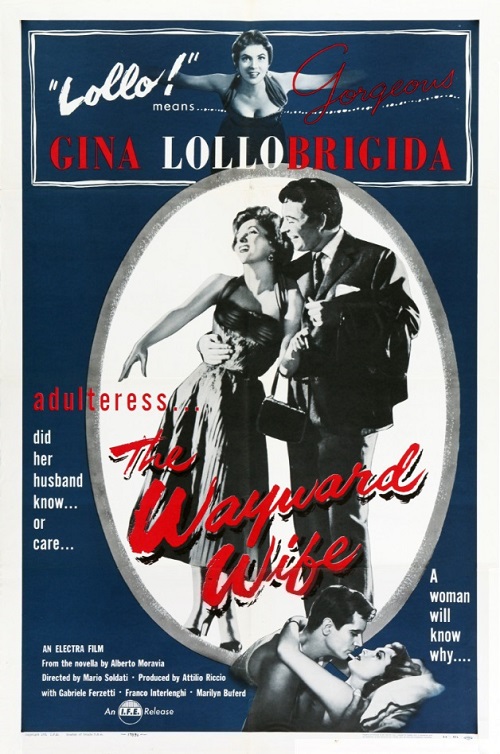
There is little doubt that Gina Lollobrigida’s rise to fame in the post-WW2 years was attributed to her beauty and sex appeal but there was another reason she achieved international recognition – she was a gifted actress who was magnetic and believable in any film genre. In fact, some of her best work is evident in a few key films of the early 1950s but is often overshadowed by the glossy Hollywood productions she made during her peak years such as Solomon and Sheba (1959), Never So Few (1959) and Come September (1961). Rene Clair’s romantic fantasy Beauties of the Night (1952) is generally credited as Lollobrigida’s breakthrough film and Luigi Comencini’s Bread, Love and Dreams (1953) brought her international acclaim as an actress (She was nominated for Best Foreign Actress by BAFTA and won Best Actress from the Italian National Syndicate of Film Journalists). But she had already proven herself as someone who could convincingly move from war drama (Achtung! Banditi!, 1951) to costume swashbuckler (Fanfare La Tulip, 1952) to sex farce (Wife for a Night, 1952) and La Provinciale (English title: The Wayward Wife, 1953), directed by Mario Soldati, is an impressive early dramatic showcase for Lollobrigida that is almost forgotten today.
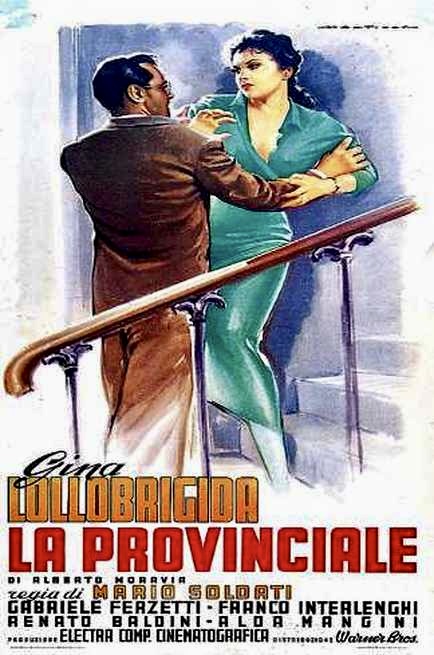
The film, which was nominated for the Grand Prize at the Cannes Festival, is an unusually frank and revealing portrait of an unhappy marriage that seems destined for a tragic ending. Based on a short story by Alberto Moravia, one of Italy’s most celebrated writers, The Wayward Wife is a decidedly unglamorized role for the actress, who was once dubbed “the most beautiful woman in the world,” but appears here as a naïve dreamer in her mid-twenties whose mother (Nanda Primavera) runs a boarding house in Lucca, Tuscany. Gemma (Lollobrigida) longs to marry a rich man from a prominent family and leave her provincial town for a more exciting social life in Rome. For a while it seems her romantic fantasy may come true but Paolo (Franco Interlenghi), a young doctor with a bright future, is too shy to reveal his true feelings for Gemma, and their affair ends abruptly over the revelation of a shocking family secret.
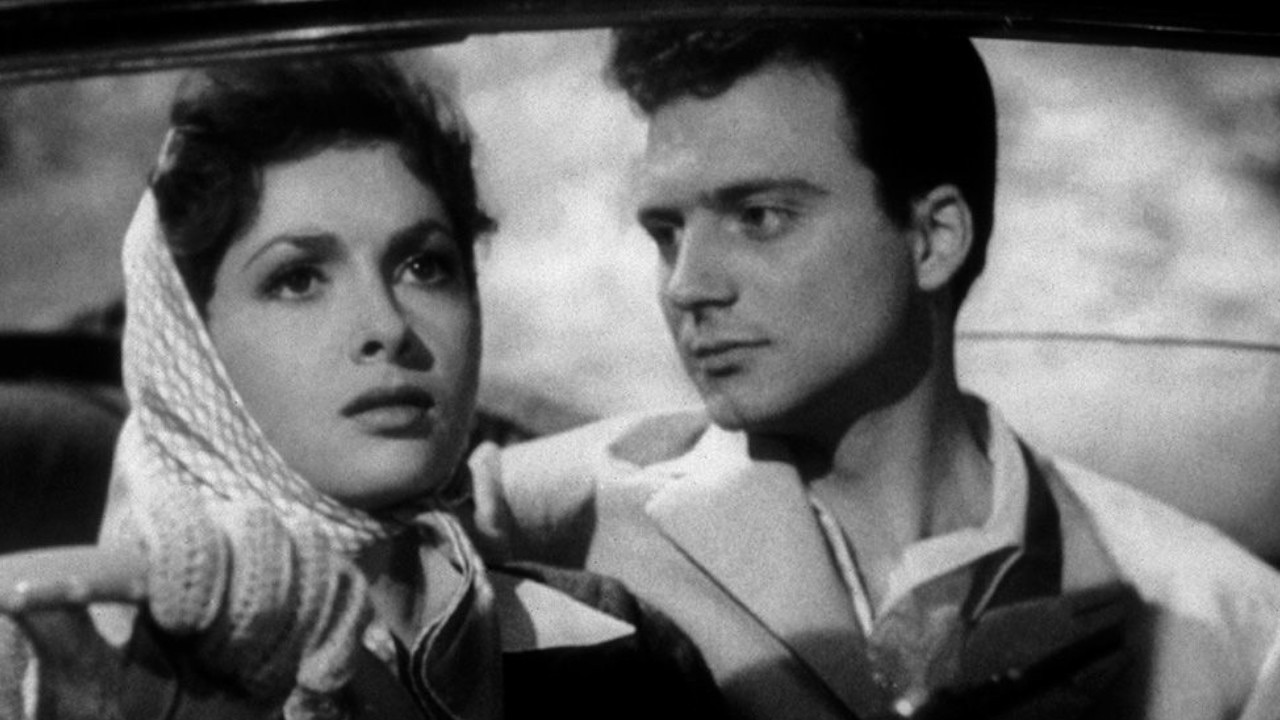
When we first meet Gemma, she is already married to Franco Vagnuzzi (Gabriele Ferzetti), a university professor she first met as a lodger at her mother’s boarding house. We follow her as she desperately tries to sell a gold bracelet to a pawnbroker; not because she needs the money but because it is evidence of her receiving gifts from secret suitors (the bracelet turns out to be worthless. It was only “gold plated copper.”) Later that evening, a visibly distraught Gemma has a complete mental breakdown at dinner, culminating in a physical attack on Elvira (Alda Mangini), an obnoxious acquaintance of the family. From this point on, The Wayward Wife offers multiple flashbacks through the eyes of Paolo, Franco and Gemma’s mother on how this young woman was misunderstood by everyone and driven to the brink of hysteria.
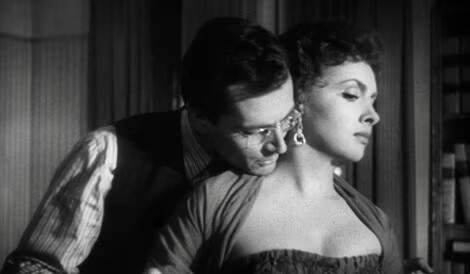
What makes The Wayward Wife a particularly compelling character study is its depiction of an unconventional Italian marriage for its era. Gemma and Franco do not have children (this is never discussed) but it is obvious that she married the professor to please her mother and to forget the crushing disappointment of her failed romance with Paolo. The couple couldn’t be further apart in their interests. He is most happy when he is pursuing his academic interests but she feels trapped, bored and restless. Neither seem capable of understanding each other even if Paolo seems to genuinely love his wife.
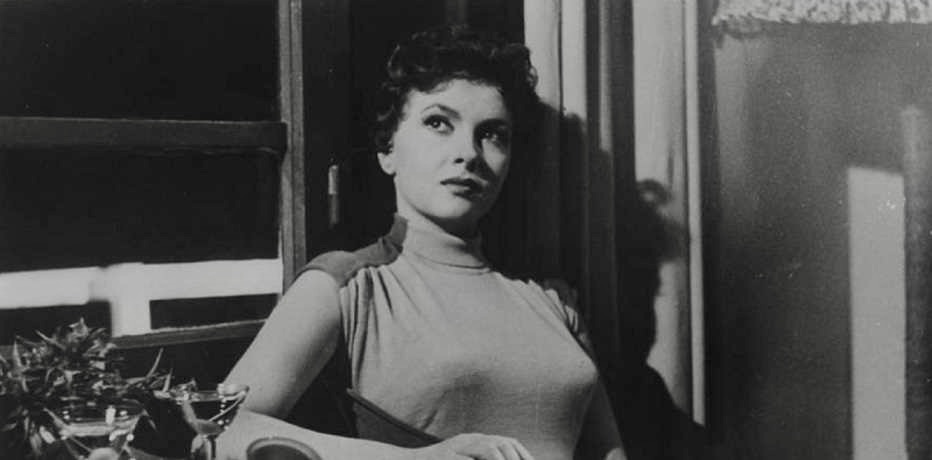
Gemma’s loneliness and hunger for romance and sex brings her to the attention of Elvira, a gregarious but scheming con-artist who pretends to be a countess from Romania. She sees Gemma as someone she can use in her relentless social climbing and, in time, Elvira steers Gemma into affairs with other men while profiting financially from such arrangements. When Gemma tries to end her relationship with Elvira, the woman threatens to tell Franco the truth about his wife. The blackmail works and Elvira soon bullies her way into the Vagnuzzi household but her presence creates a catalyst for change.
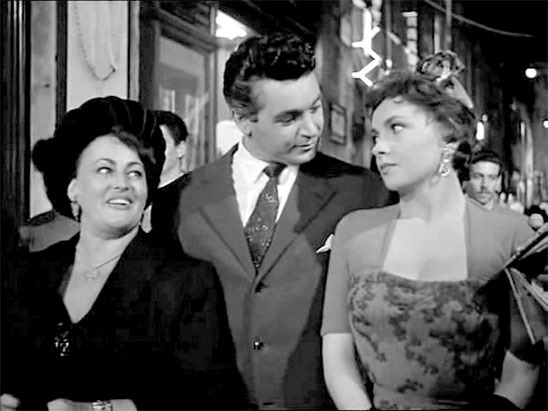
Still, The Wayward Wife is less about how Gemma ended up with a predatory friend like Elvira then it is about the inability of a married couple to see each other as they really are. After Gemma’s breakdown, Soldati’s film slowly pulls back from tragedy to become a more positive and realistic depiction of two adults finding the strength to overcome past mistakes and move on together with their lives. The Wayward Wife was a popular success in Italy and demonstrated Soldati’s flair for adapting novels and literary works to the screen, especially those written by Antonio Fogazzaro (Piccolo Mondo Antico [1941], Malombra [1942]) and Alberto Moravia (The Wayward Wife and The River Girl [1954], starring Sophia Loren in her first major breakout role). Soldati would later state that he deviated slightly from Moravia’s 1952 short story La Provinciale in its depictions of Gemma and Franco by making both characters closer to the same age and more sympathetic while still remaining faithful to Moravia’s thematic concerns of moral corruption, social alienation and sexual promiscuity without love.
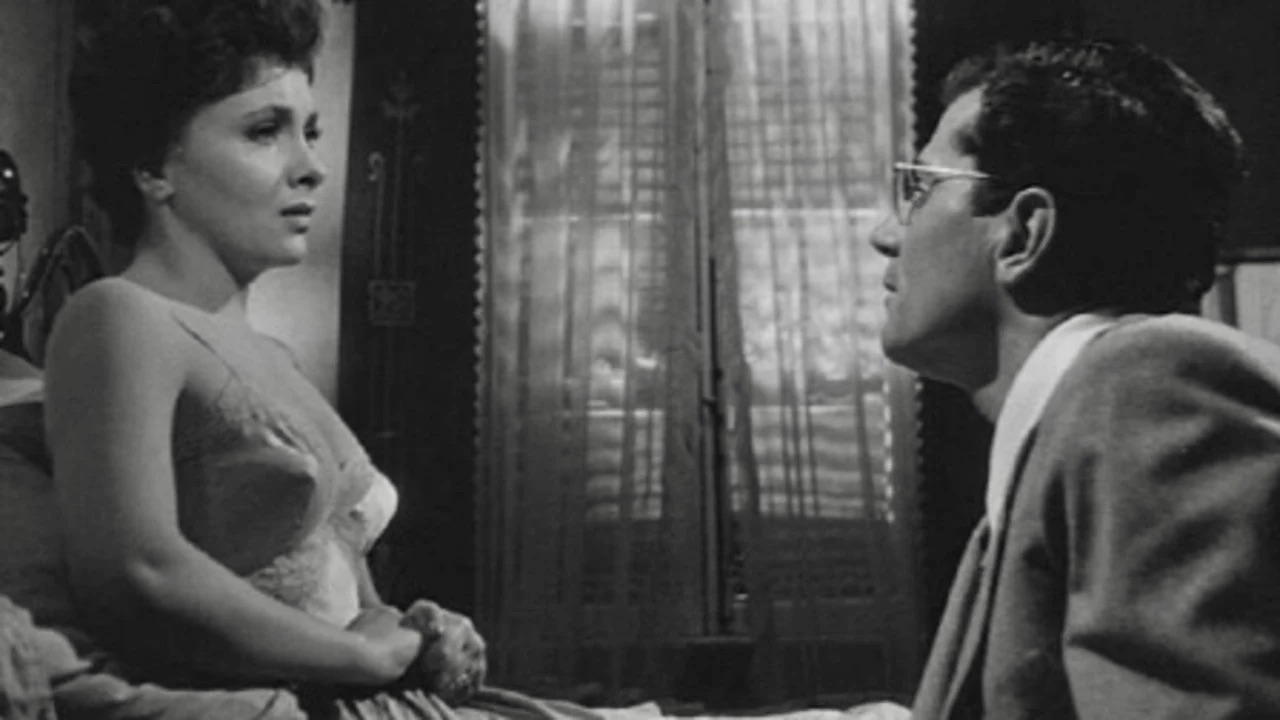
More importantly, The Wayward Wife was an important milestone in the careers of both Lollobrigida and Ferzetti. The film was further proof of Lollobrigida’s versatility as a dramatic actress but also established Ferzetti as an important leading man who would soon collaborate with Michelangelo Antonioni on Le Amiche (1955) and L’Avventura (1960). For his performance in The Wayward Wife, Ferzetti won the Silver Ribbon award from the Italian National Syndicate of Film Journalists.
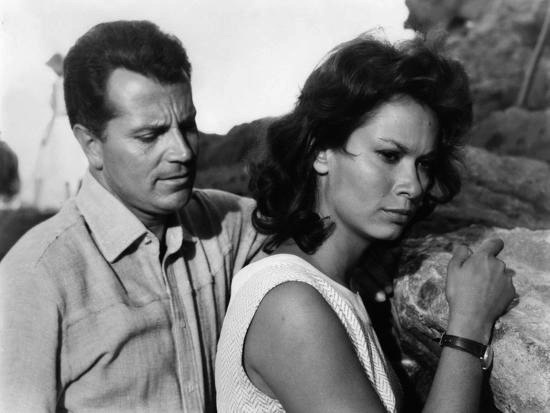
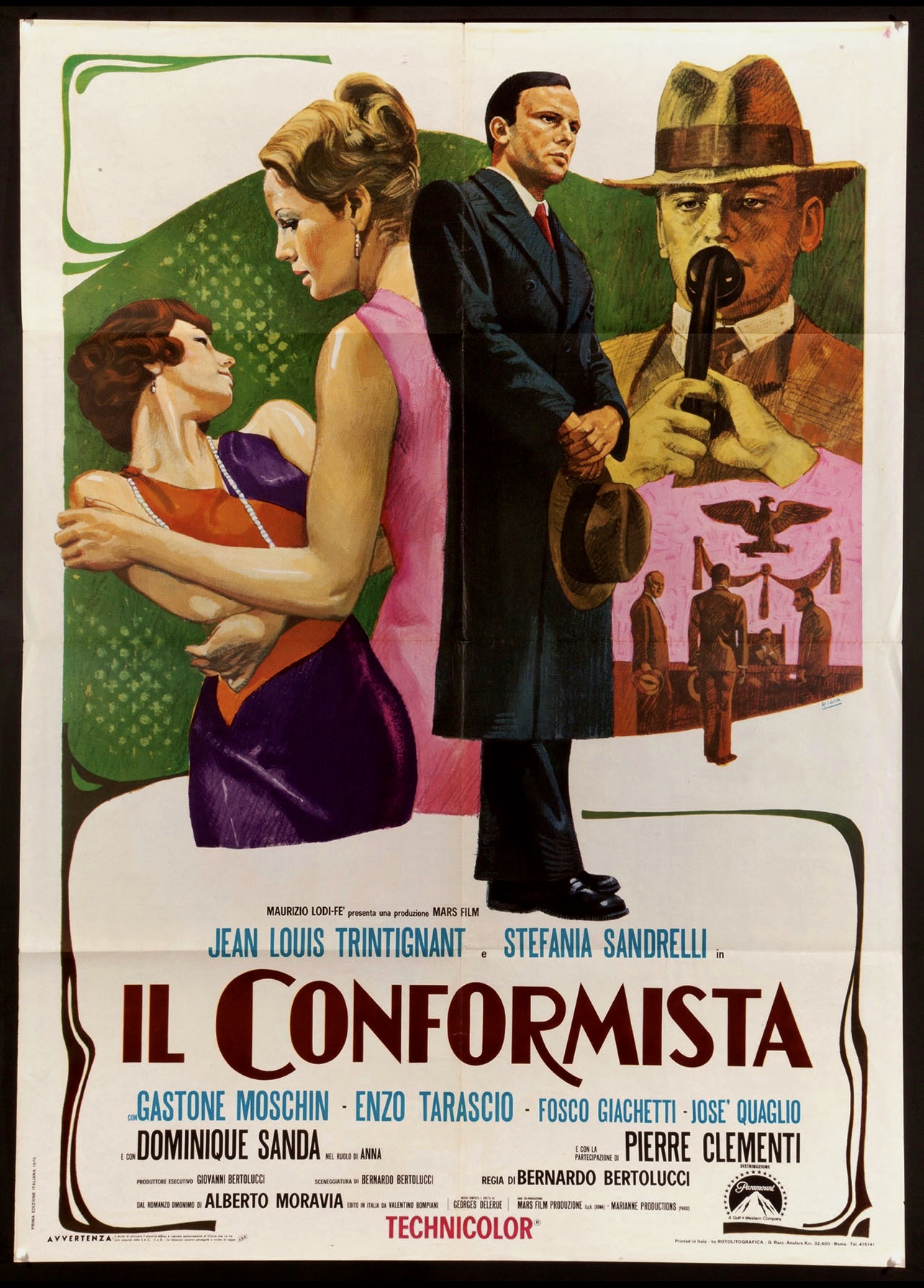
It is also interesting to note how many important films from the golden age of Italian cinema were based on stories and novels by Alberto Moravia – Woman of Rome (1954) starring Gina Lollobrigida, The Passionate Thief (1960) with Anna Magnani, From a Roman Balcony (1960), Two Women (1960), which won Sophia Loren an Oscar for Best Actress, Contempt (1963), directed by Jean-Luc Godard, The Empty Canvas (1963) featuring Bette Davis, Time of Indifference (1964) with an all-star cast of Rod Steiger, Paulette Goddard, Claudia Cardinale, Tomas Milian and Shelley Winters, and The Conformist (1970), which was awarded Best Director (Bernardo Bertolucci) and Best Cinematography (Vittorio Storaro) by the National Society of Film Critics.
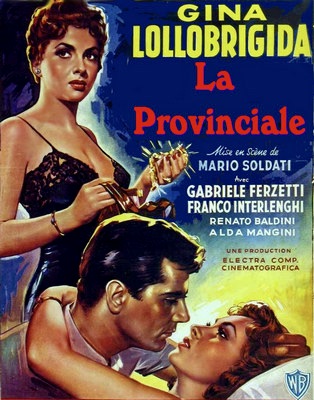
The Wayward Wife is not available on any format in the U.S. but you might be able to find import versions from online sellers if you own an all-region DVD player. There is also a decent copy of the film with English subtitles available for streaming on Youtube under the title La Provinciale.
Other links of interest:
https://variety.com/2023/film/global/venice-gina-lollobrigida-orson-welles-short-1235672873/
https://www.theguardian.com/film/2023/jan/16/gina-lollobrigida-obituary
https://www.encyclopedia.com/arts/encyclopedias-almanacs-transcripts-and-maps/soldati-mario-0
 Cinema Sojourns