
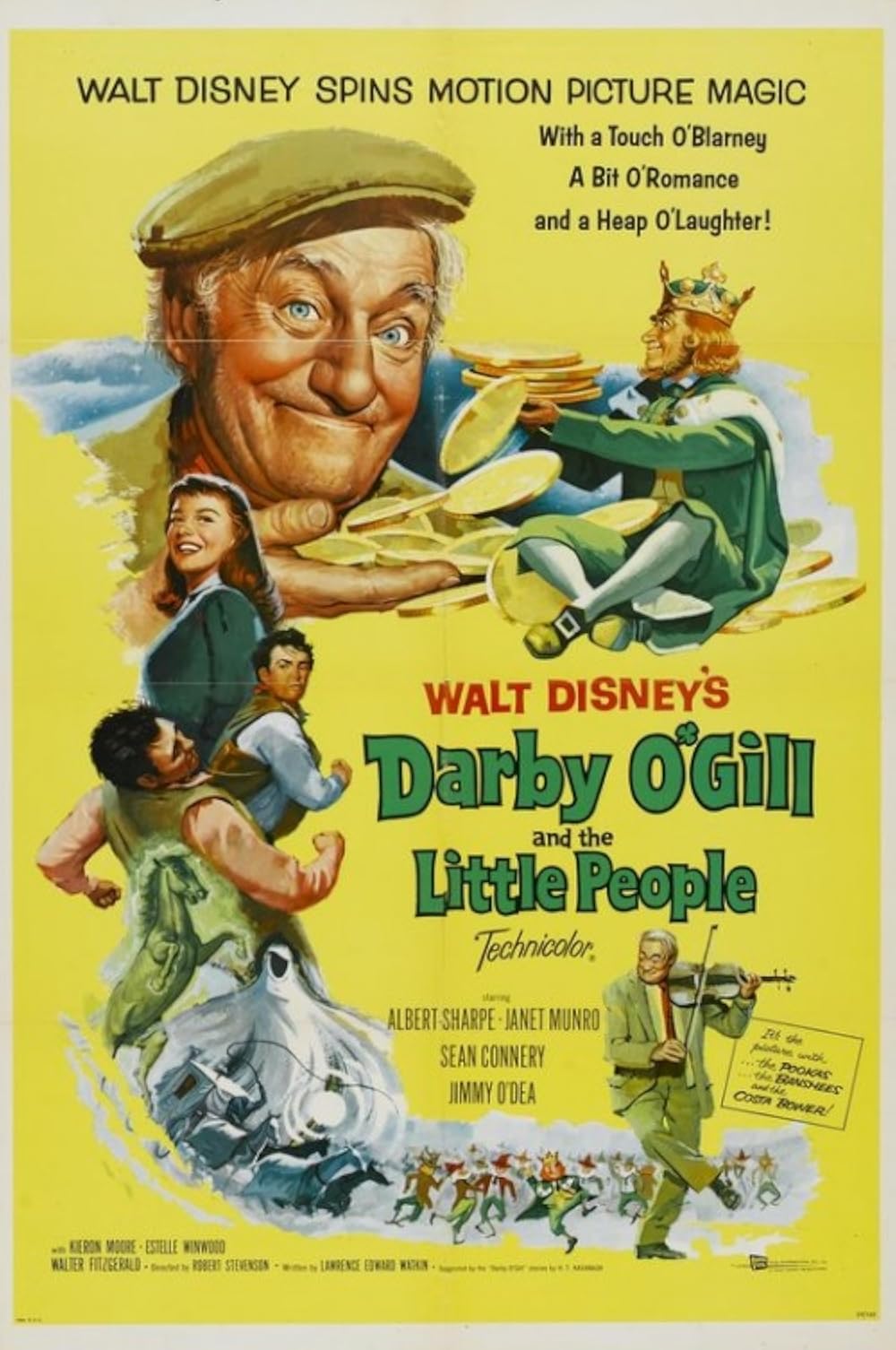
When you think of the many accomplishments of animation pioneer and studio mogul Walt Disney, producing horror films is not one of them. At the same time, several Walt Disney films have featured horrific moments that made strong impressions and scared children such as the boys-into-donkeys transformation scene in Pinocchio (1940) or the fire-breathing dragon at the climax of Sleeping Beauty (1959). A few Disney productions even flirted with the supernatural and creepy folk tales such as The Legend of Sleepy Hollow (1949) and Dr. Syn (1964) with its title character disguised as a demonic-looking scarecrow who haunts the marshes at night. Nothing, however, can top Darby O’Gill and the Little People (1959) when it comes to merging the ordinary with the fantastic. The film plunges the viewer into a fairytale Ireland where magical and terrifying things occur and some scenes could actually give the kiddies nightmares, making this my favorite Disney live-action film.
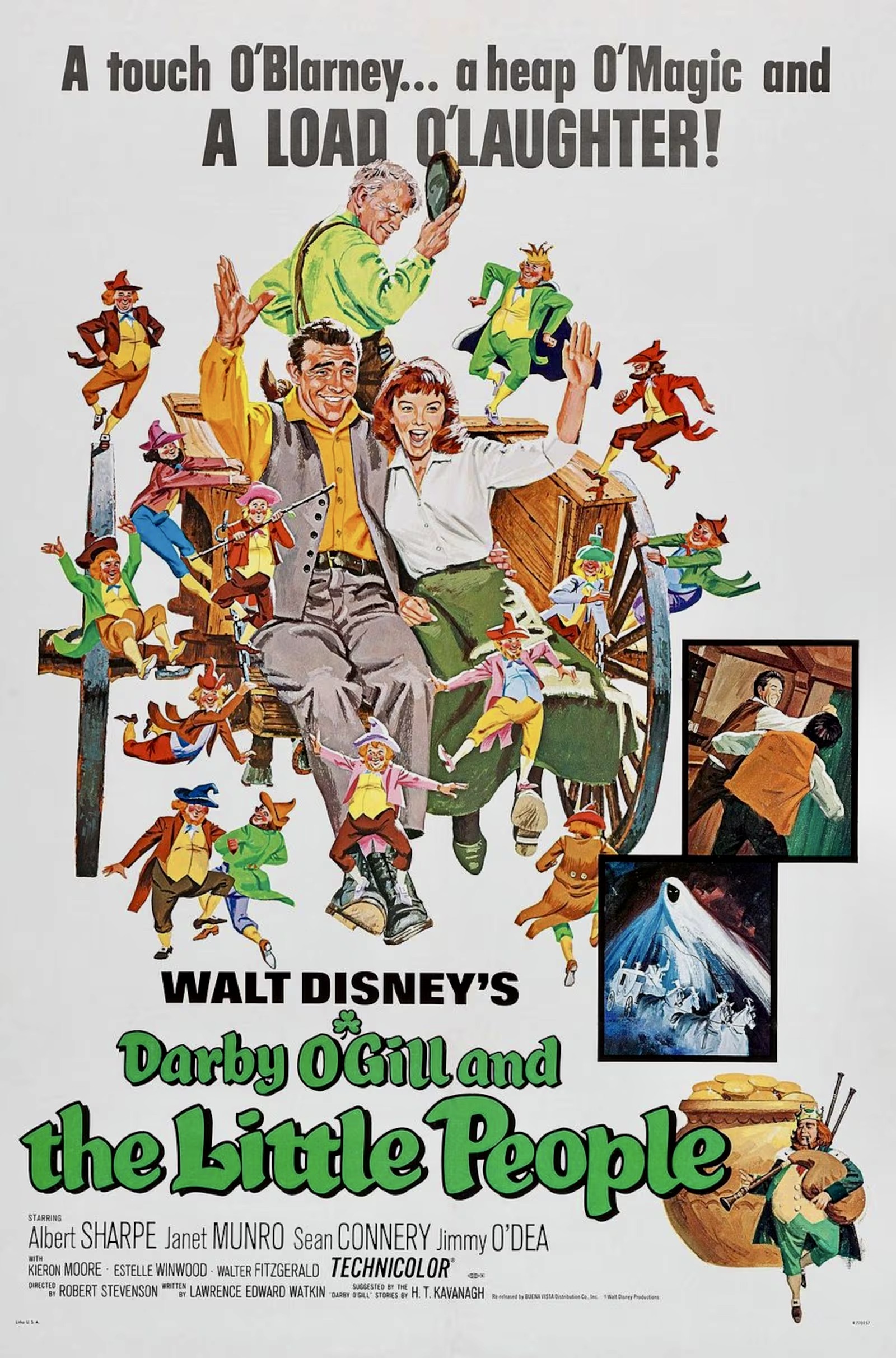
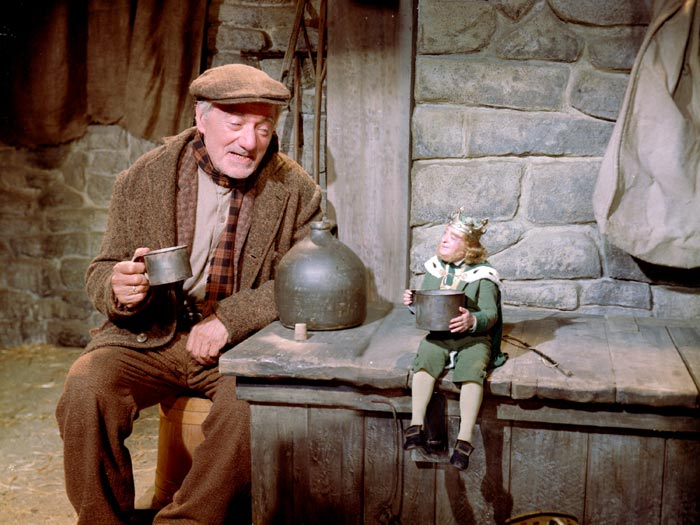
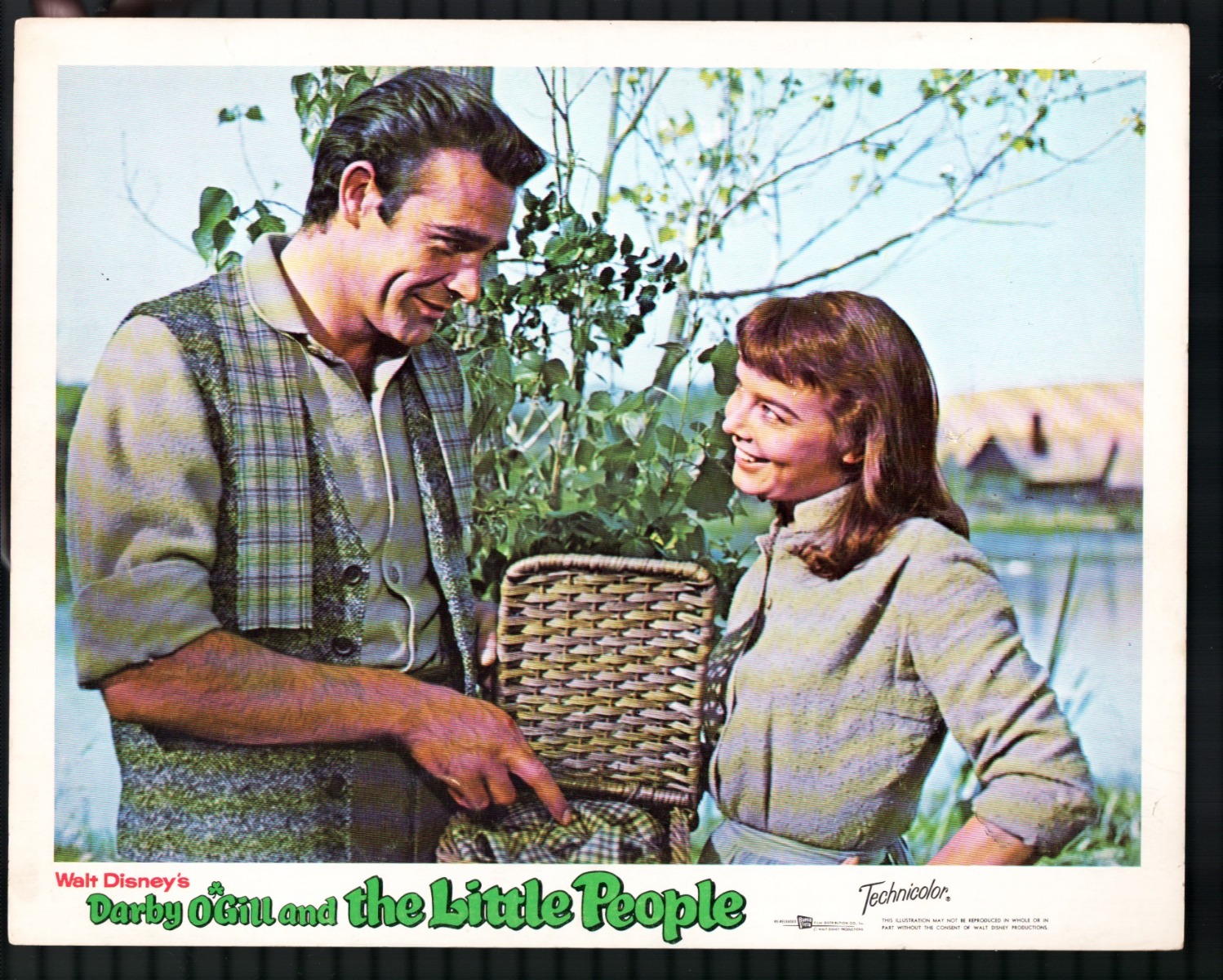
Set in the fictitious town of Rathcullen in turn-of-the-century Ireland, the story focuses on Darby O’Gill (Albert Sharpe), the inattentive caretaker of a wealthy landowner’s estate, who would rather entertain the patrons of the local pub with tall tales than do his job. When Michael McBride (Sean Connery), a Dublin lad, is brought in to supervise Darby, the older man is secretly humiliated by the decision but tells the locals that Michael works for him. Complicating matters is the growing attraction between Michael and Darby’s daughter Katie (Janet Munro). Events take a strange turn when Darby chases after his horse Cleopatra, who becomes possessed by a spirit and knocks Darby down a well. It turns out to be a secret entrance into the otherworldly domain of King Brian and his leprechaun followers. Darby is welcomed as a special guest and forges a friendly but unpredictable bond with King Brian that soon affects Darby’s life in unforeseen ways.
This Disney production really has everything you could possibly want in a movie. As one poster put it so succinctly: “It’s the picture with..the Pookas..the Banshees and the Costa Bower!” (If you have to ask what the heck these are, then you need to take a night course in Irish mythology). Plus, it’s got hordes of leapin’ leprechauns, treasure chests overflowing with gold and jewels, fistfights, competitive singing contests where the lyrics have to rhyme, cursing in Gallic, one cute rabbit, Sean Connery with a full head of hair and he SINGS. And there’s romance, tragedy, and lots of drinking and tall tale spinning.
Actually, it’s hard to believe Walt Disney ever made a film like Darby O’Gill since it promotes paganism, secret cults, hanging out in pubs and not going to work and in general makes ordinary reality seem so dreary that you really want to believe in pookas and banshees. The film probably won’t advance the cause of feminists either though King Brian’s private kingdom looks like the coolest men’s club ever – a non-stop party of whiskey drinking, pipe smoking, mad fiddle playing and dusk to dawn fox hunts…but no wee women. Zilch. That’s because there is no such thing as female leprechauns.
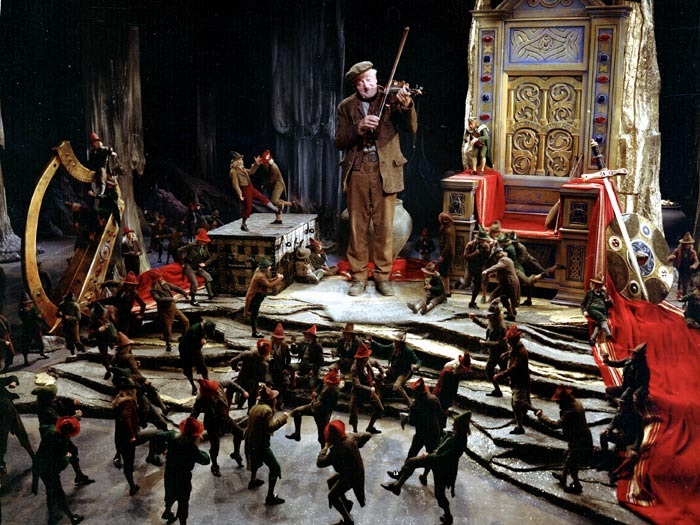
All of this was a source of fascination to me as a kid but the most memorable aspect of Darby O’Gill and the Little People was its occasional references to death and the unknown. There is a dark side to this movie that frequently erupts, reminding you that the world can be a fragile place – something the earlier Disney movies were not afraid to explore though it was usually in animated features such as Snow White and the Seven Dwarfs (1937) and Bambi (1942).
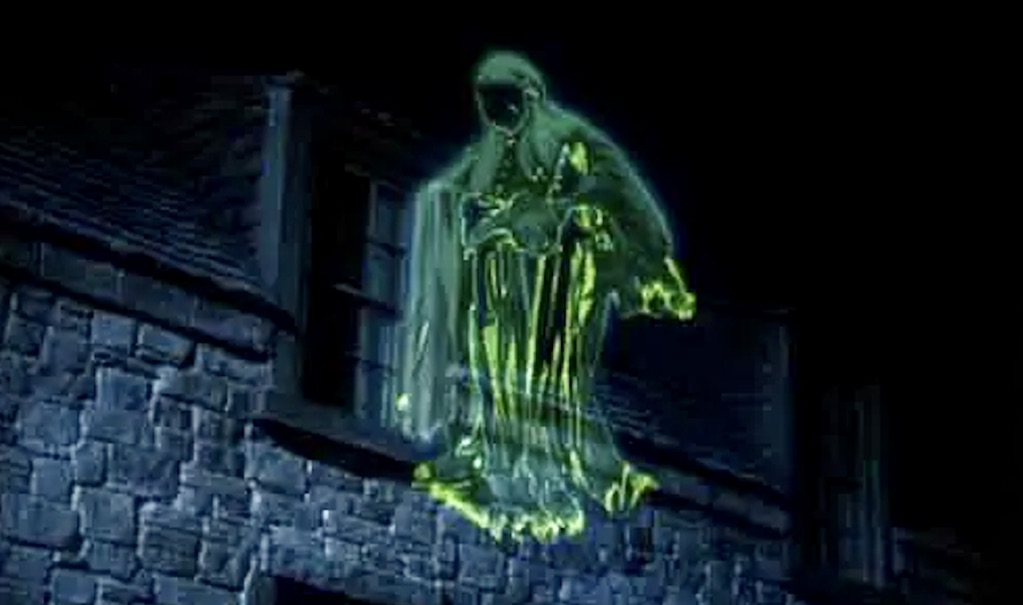
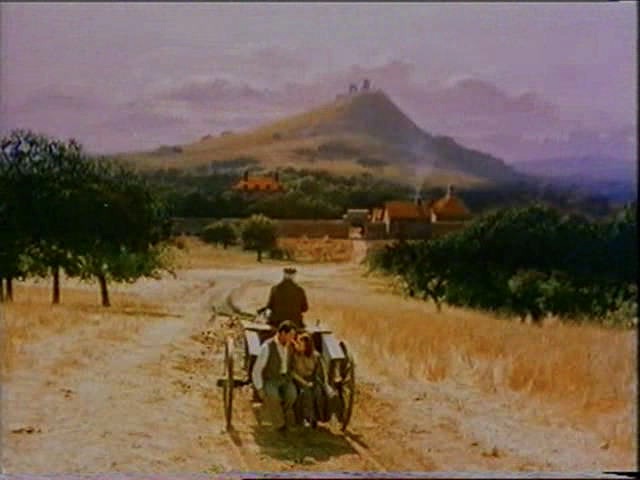
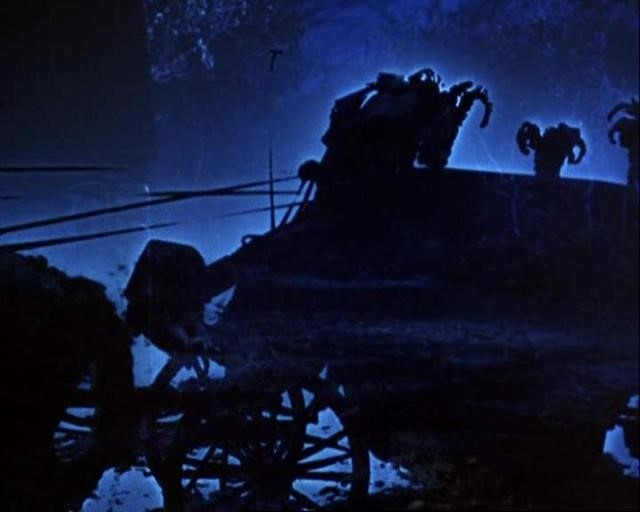
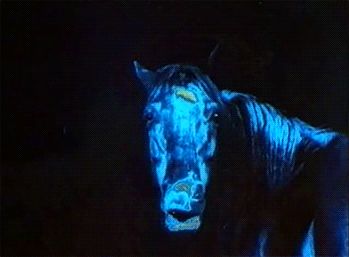
A screaming banshee descending from the sky to warn you of an impending death was bad enough but the sight and sound of the Costa Bower (aka Coiste Bodhar) with a headless horseman at the veins galloping in your direction is the stuff of nightmares. (A weird extra touch is having the headless horseman talk and, while we’re on the subject of suspending disbelief, Darby O’Gill was shot entirely in California; those lush Irish vistas and breathtaking backdrops are matte paintings).
All the supernatural creepiness, however, is offset by the constant verbal sparring and pranks Darby and King Brian engage in for sport and the pure fun of it. It’s an unusual friendship which is more like an endless game of one-upmanship. And neither character ever completely lets his guard down until the climatic scene in the death coach where Darby finally appears defeated. Just when you think the movie is going to collapse into sentimentality, it pulls the rug out from under you again with King Brian playing a final prank. And the message is clear. Death is inevitable for everyone but sometimes you can cheat it.
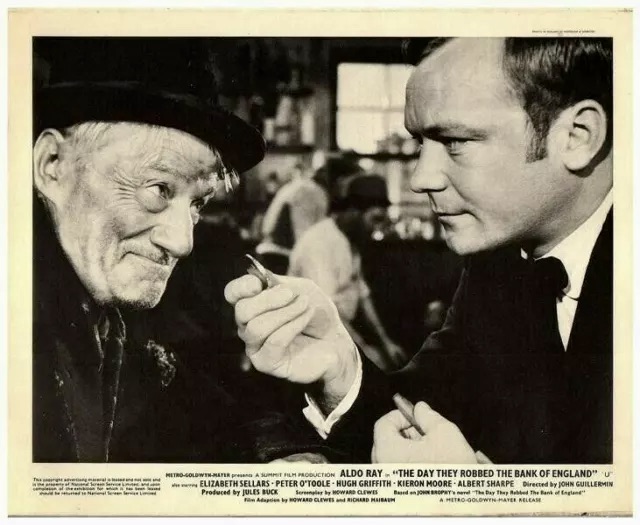
It’s unlikely that the Disney studios will ever remake this film and who could ever top the casting here? Albert Sharpe, a onetime magician’s assistant and a famous Irish stage actor, is perfect as Darby (Disney initially wanted Barry Fitzgerald for the role but the actor thought he was too old for the part). Sharpe had retired from his profession and was living in a working class neighborhood of Belfast when Walt Disney (who had seen him on Broadway in Finian’s Rainbow) persuaded him to star in the film. Matching him in scene-stealing is Jimmy O’Dea as King Brian; O’Dea was a popular Irish comedian from Dublin who often performed in Gaelic theater productions. Neither actor worked very often in films, preferring the stage, and after Darby O’Gill, they both only made one more film – Sharpe was in The Day They Robbed the Bank of England (1960) with Peter O’Toole, Elizabeth Sellars and Aldo Ray and O’Dea was in the murder mystery Johnny Nobody (1961), which also co-starred Aldo Ray.
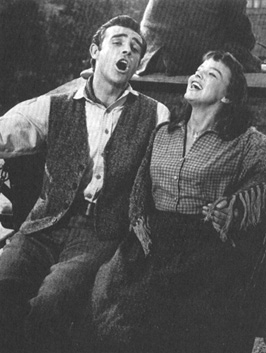
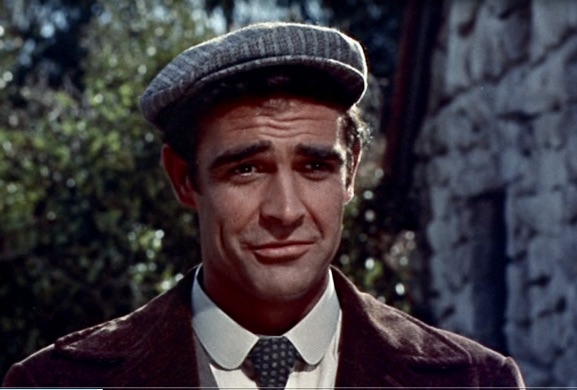
Connery, of course, would go on to become James Bond three years later in Dr. No (1962). In some of his earlier movies, Connery had played villains in Tarzan the Magnificent (1959) and Hell Drivers (1957) but he’s the handsome hero in Darby O’Gill and his singing voice isn’t bad either. In fact, it was more than adequate since Disney decided to release the little ditty he sings with Janet Munro in the film as a 45 single. It is called “Pretty Irish Girl” and while it didn’t exactly crack the top forty, it was certainly no embarrassment.
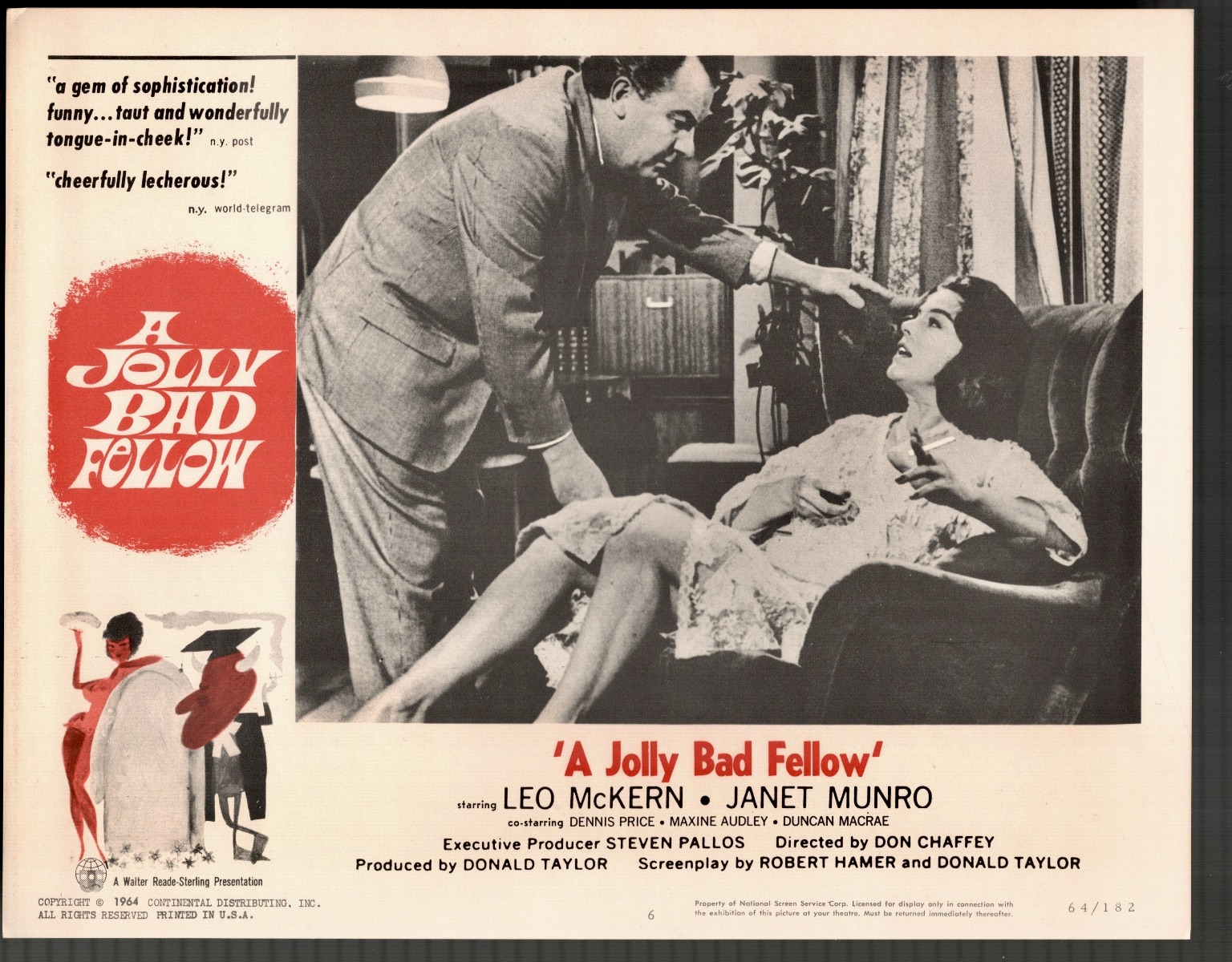
Janet Munro, in the role of Katie, is in her prime here (at age 25) and she would star in two more Disney productions – Third Man on the Mountain (1959) and Swiss Family Robinson (1960). Her performance in Darby O’Gill won her the Golden Globe award for Most Promising Female Newcomer. Unfortunately, her career would soon begin a downward slide. It’s hard to believe that this vivacious and appealing young actress would die at the age of 38 from chronic heart disease, which was aggravated by her alcoholism. But she left her mark on the cinema of the fantastic. In addition to Darby O’Gill, she is particularly memorable in The Crawling Eye (1958, aka The Trollenberg Terror) as a young woman with psychic powers. In the end-of-the-world sci-fi drama, The Day the Earth Caught Fire (1961), she plays a sexually liberated working girl, and the black comedy A Jolly Bad Fellow (1964) casts her as a seductress opposite scientist Leo McKern, who invents a gas to rid the world of “useless people.”
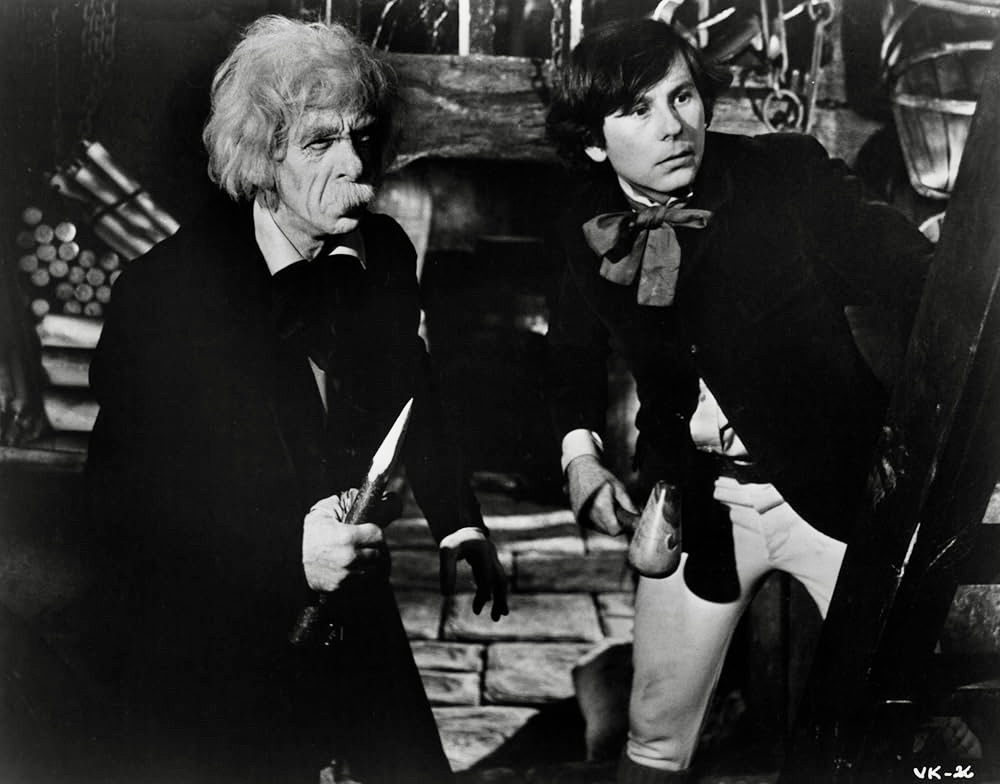
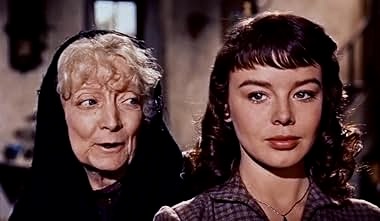
Other standouts in the cast of Darby O’Gill include Kieron Moore as Pony, the village bully and an aggressive pursuer of Katie, Estelle Winwood as Pony’s mother and the biggest gossip in the community, and Jack MacGowran as Phadrig, one of King Brian’s mischievous leprechauns. Both Moore and MacGowran also starred in their share of horror/sci-fi films: Moore played lead roles in Doctor Blood’s Coffin (1961), The Day of the Triffids (1963) and Crack in the World (1965), while MacGowran appeared in The Giant Behemoth (1959), The Brain (1962), Roman Polanski’s The Fearless Vampire Killers (1967) and The Exorcist (1973).
Darby O’Gill was an ambitious and expensive production for Walt Disney and was based on the popular Darby O’Gill stories by H.T. Kavanagh. Disney had been wanting to bring the Kavanagh stories to the screen for almost twenty years, first as a cartoon series and then as a live action feature entitled The Little People, but it didn’t pan out until 1958. At that time, Disney felt the public would be more receptive to a fantasy film inspired by Irish folklore. Part of this was due to a marketing report from the Disney publicity department that stated, “Darby O’Gill will have a ready-made market potential of 20 million Irish-Americans. Special attention will be paid to these people with shamrocks in their eyes. Their numbers alone could carry the picture to big box-office earnings.”
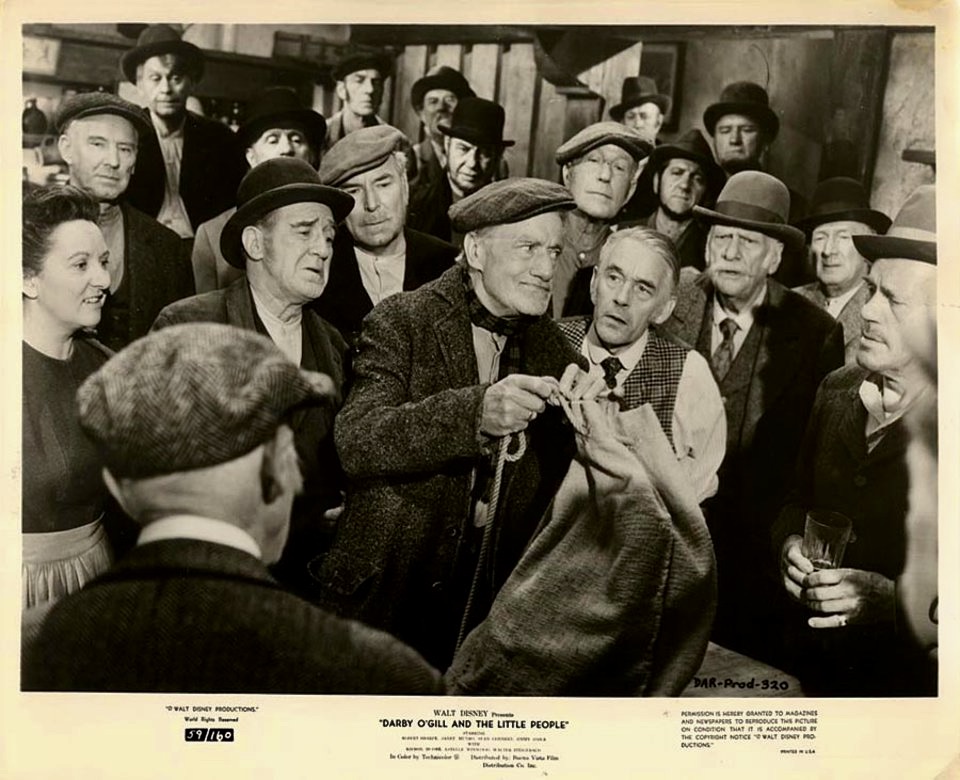
While most of the casting featured British, Irish and Scottish actors in the major roles, the movie was actually shot in Burbank on the Disney lot and two Southern California ranches over a fifteen week period (location footage of Ireland was shot by a second unit). The director, Robert Stevenson, had already helmed two Disney films – Johnny Tremain and Old Yeller (both 1957) and some episodes of Zorro (1958), the Disney series – and would soon become the go-to director for the studio’s most popular films including Son of Flubber (1962), Mary Poppins (1964), That Darn Cat! (1965) and The Love Bug (1968). The cast of Darby O’Gill, however, felt that Stevenson spent more time on monitoring the special effects than spending time with actors. When he was behind the camera, he favored numerous retakes of scenes, which was particularly hard on the actors in heavy makeup and costumes, subjected to hot studio lights and the California weather.
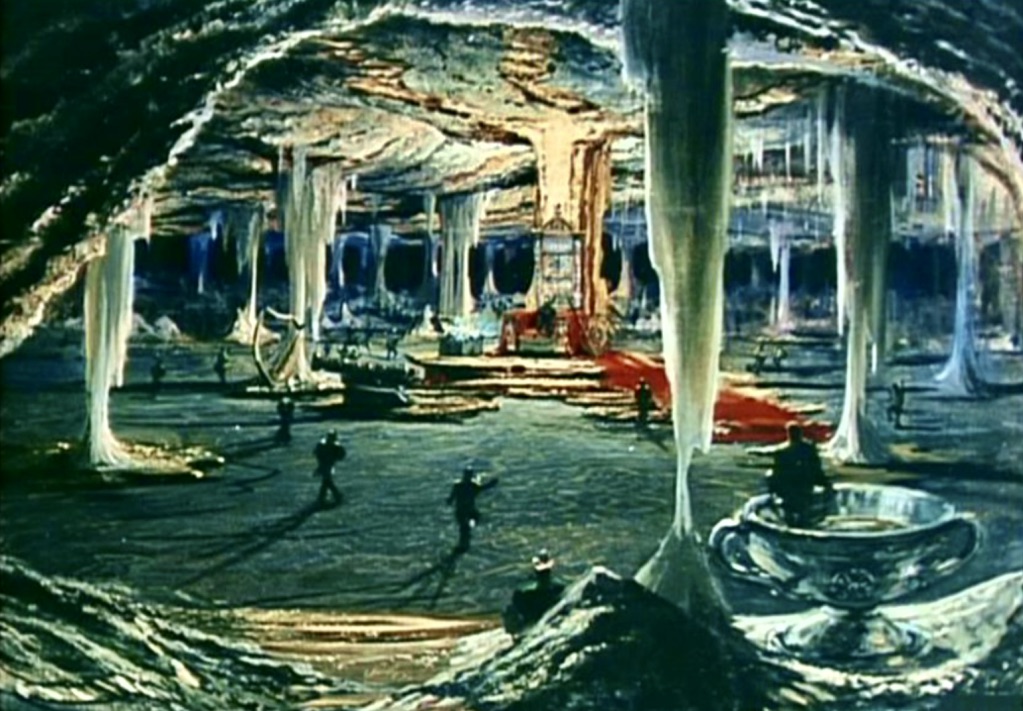
Of course, the special effects for Darby O’Gill and the Little People were remarkable for their time and most of them still hold up today. They were designed by Peter Ellenshaw, who had worked as a matte artist on Disney’s 20,000 Leagues Under the Sea (1954). Probably the biggest expense was the creation of King Brian’s throne room where specific scenes could be shot without any special process. It was also said that the enormous set required so much lighting that a power blackout occurred in Burbank at one point.
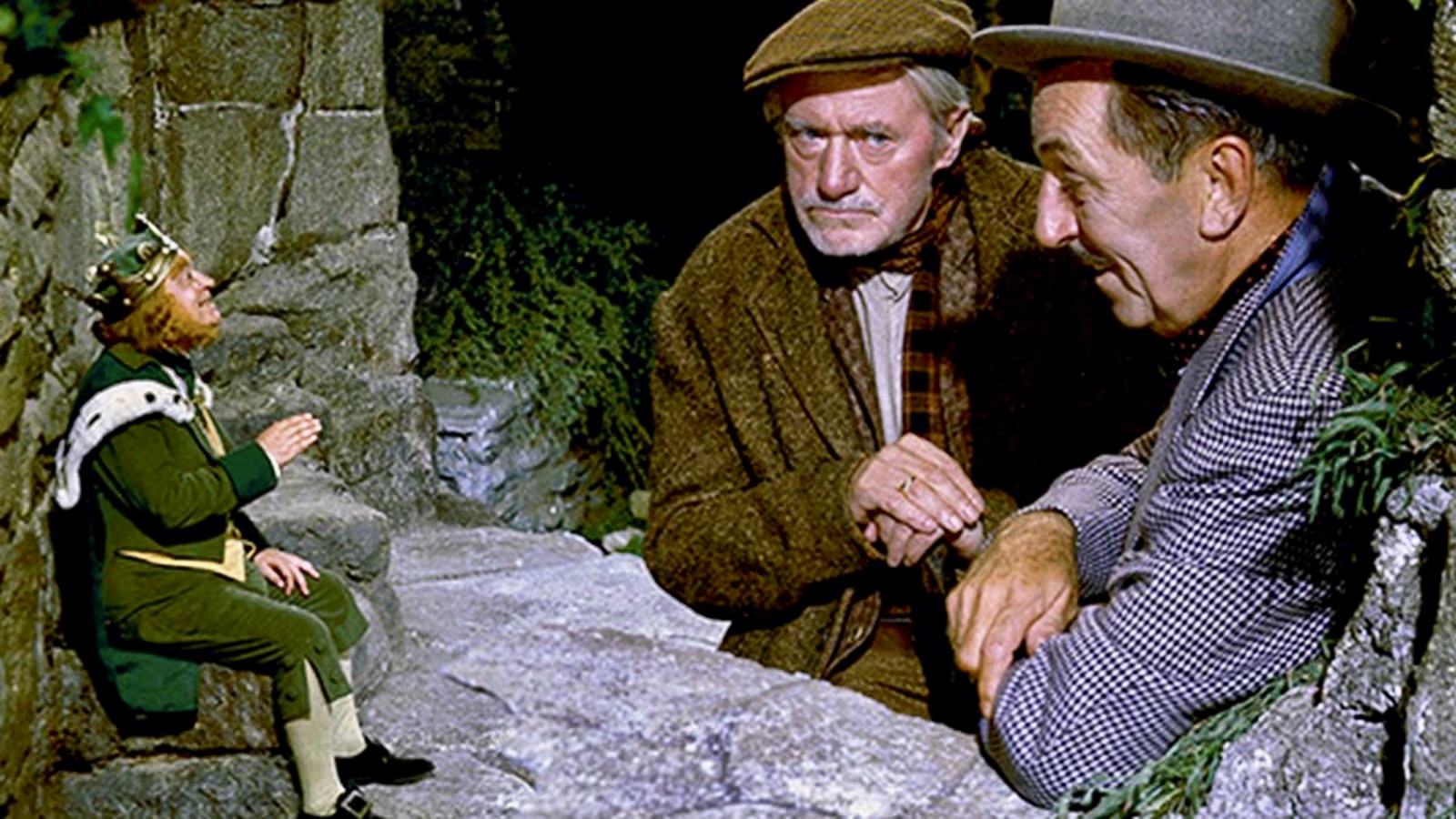
According to research conducted by the American Film Institute (AFI), “The mixture of regular-size actors with 21-inch-high live-action leprechauns within the same frame was achieved by blending two shots, one in which actors worked with huge props, according to mathematically determined perspective lines. The banshee and costa bower effects derived from shooting the original in black-and-white against a black background, then printing the negative, which was enlarged and kept out of focus.”
Disney even created a TV special for Walt Disney’s Wonderful World of Color to promote the feature film. It was called I Captured the King of the Leprechauns and it spotlighted Albert Sharpe and Jimmy O’Dea as their characters from the movie. Disney wanted to create the illusion that leprechauns were real and that he had actually captured King Brian, who convinced his fellow leprechauns to appear in the TV special.
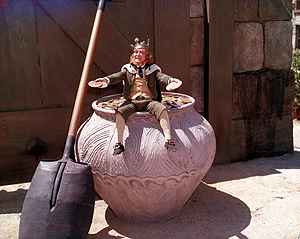
When Darby O’Gill and the Little People went into release, it was successful but not the big box office hit the studio expected. Ben-Hur was the blockbuster money-maker of 1959 followed by Disney’s Sleeping Beauty. Still, Darby O’Gill ranked number five in the top grossing movies that year and most of the reviews were glowing. A.H. Weiler of The New York Times called it an “overpoweringly charming concoction of standard Gaelic tall stories, fantasy and romance” while Variety deemed it a “rollicking Gaelic fantasy.” And The Los Angeles Times wrote “Being a Disney product, it is as technically perfect a job as can be had; the Technicolor, the camera work, the special effects, the Irish music, and all are a rich feast for anyone’s eye and ear.”
I think the best assessment of the film is by film critic/historian Leonard Maltin, who wrote in his book The Disney Films, “Darby O’Gill and the Little People is not only one of Disney’s best films, but is certainly one of the best fantasies ever put on film. The key to its success is its convincingness; Disney knew this, and decided to carry over the theme of credibility to the last degree. Publicity stills of the producer “conferring” with King Brian of the Leprechauns were issued, stories of lengthy negotiations before permission was secured from the Little People were planted. And, as a finishing touch, a title on the film itself reads, “My thanks to King Brian of Knocknasheega and his leprechauns whose gracious cooperation made this picture possible – Walt Disney.”
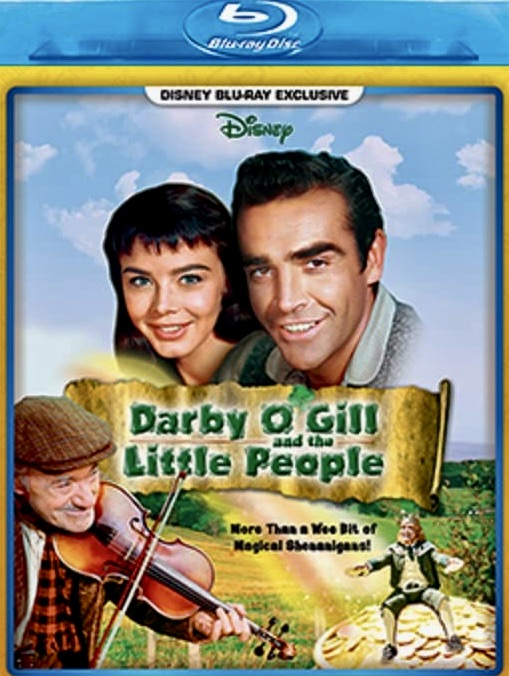
Darby O’Gill and the Little People is available on DVD and Blu-ray from various online sellers and includes some extra features such as the featurette I Captured the King of the Leprechauns.
Other links of interest:
https://www.irishtimes.com/culture/film/the-making-of-darby-o-gill-and-the-little-people-1.3928432
https://darbyogill-casestudy.blogspot.com/2010/09/special-effects-of-darby-ogill.html
http://www.monkeyspit.net/sites/connery/
 Cinema Sojourns