
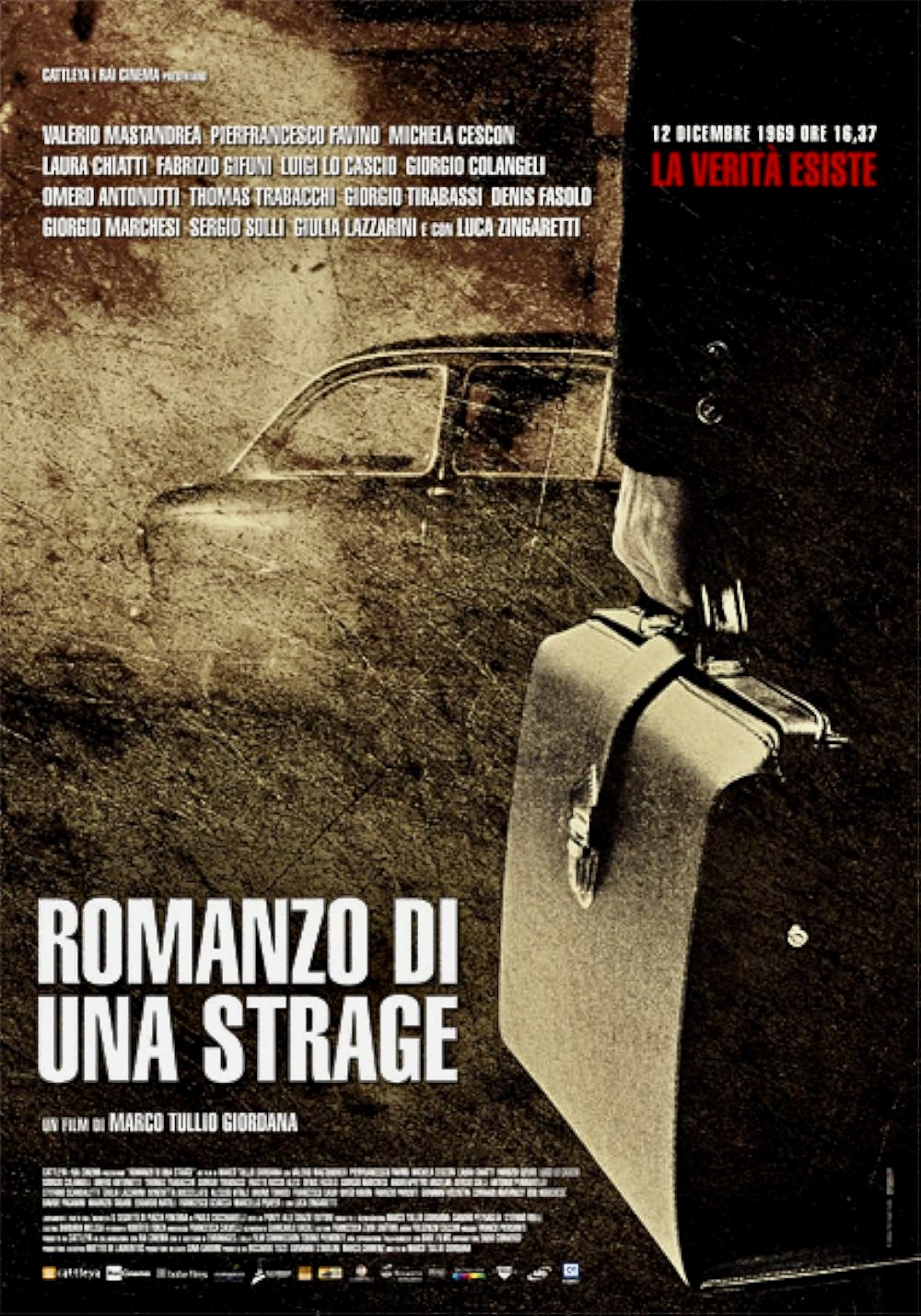
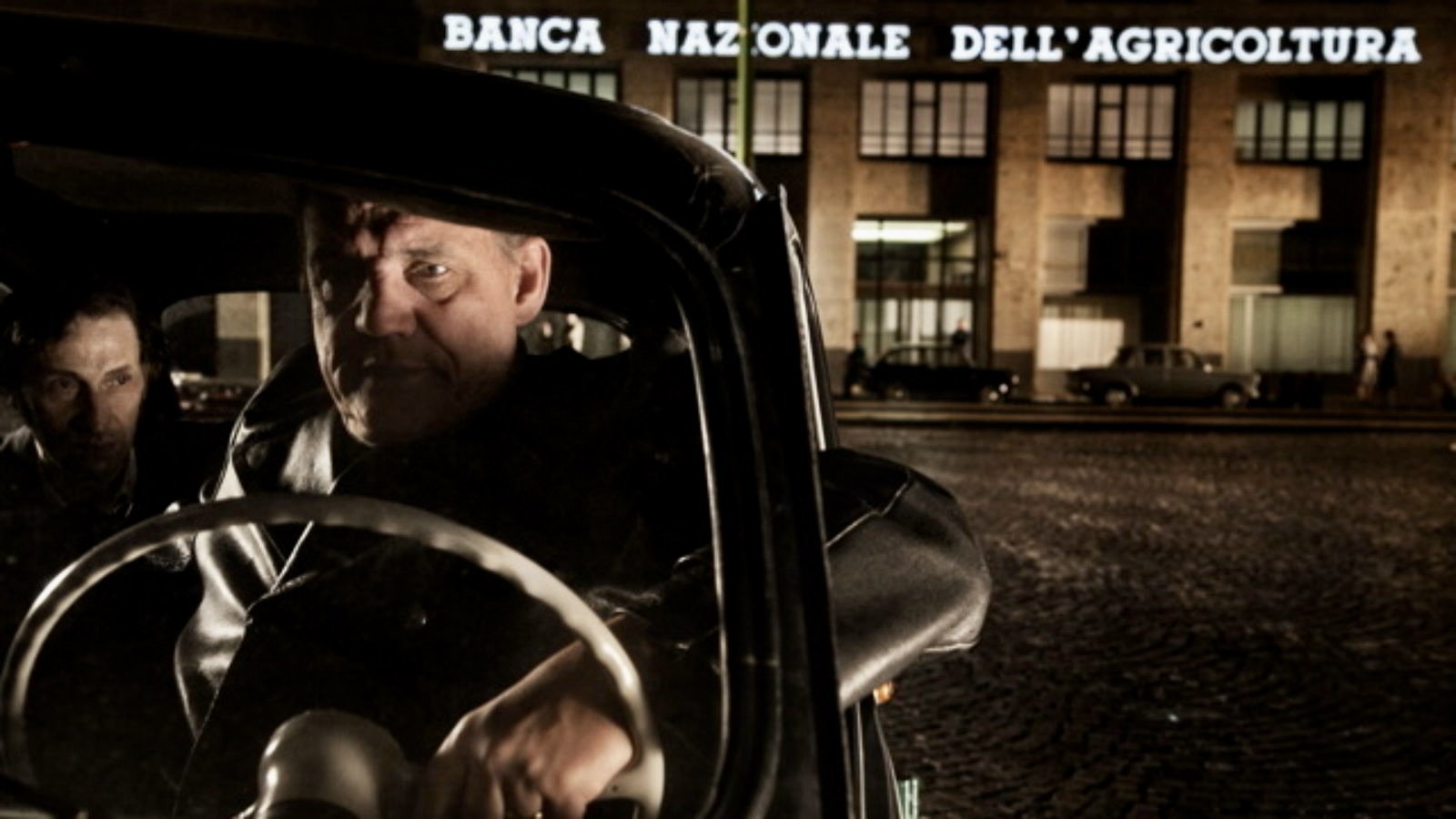
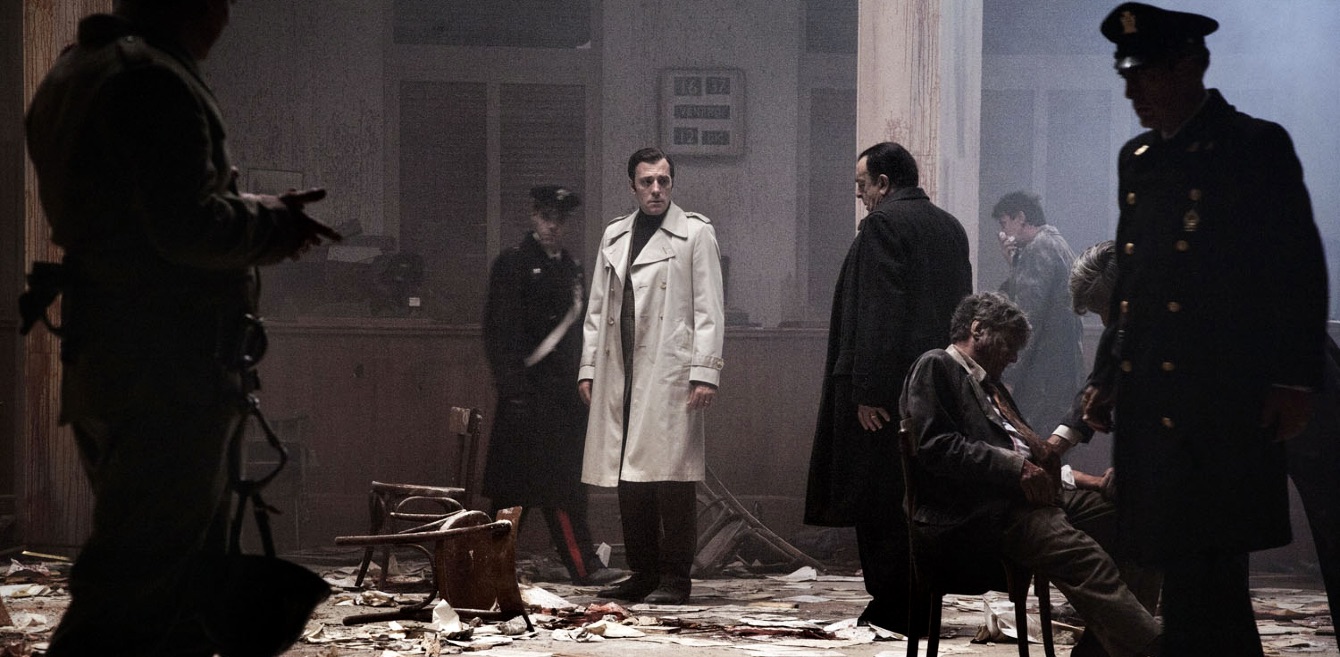
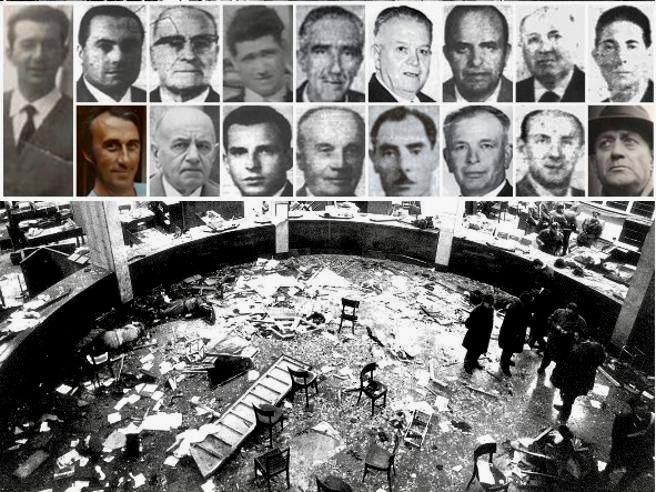
On December 12, 1969, a bomb exploded in the Banca Nazionale dell’Agricoltura (National Agricultural Bank) in Piazza Fontana, near the Duomo in Milan, Italy. 17 people died from the explosion and more than 84 were injured. Other unexploded bombs were discovered at several places in the city the same day and the attack was obviously the coordinated effort of a terrorist group. More than 80 arrests were made and, at first, the police suspected members of the Anarchists Club. One of them – Giuseppe ‘Pino’ Pinelli – was held for questioning at police headquarters for more than 72 hours. During a break in his interrogation on the fourth floor, he allegedly went to the window for air and fell to his death below. Luigi Calabresi, the police commissioner, had left the room briefly to retrieve a telegram when this occurred, but was told varying accounts of what happened when he returned – most of which stated that Pinelli had committed suicide by leaping to this death. The press and the public were immediately suspicious of this and the investigation became more complicated with other terrorist groups being implicated, most notably the neo-fascist group Ordine Nuovo. The Piazza Fontana bombing resulted in three different trials – one in 1972, one in 1987 and one in 2000 – but no one was ever officially changed and convicted for the crime. The investigations launched countless conspiracy theories and remain a controversial subject even today but it was more than forty years later that a filmmaker would dramatize the events in a movie. That would be celebrated Italian director Marco Tullio Giordana, who released Romanzo di una Strage (English title: Piazza Fontana: The Italian Conspiracy) in 2012.
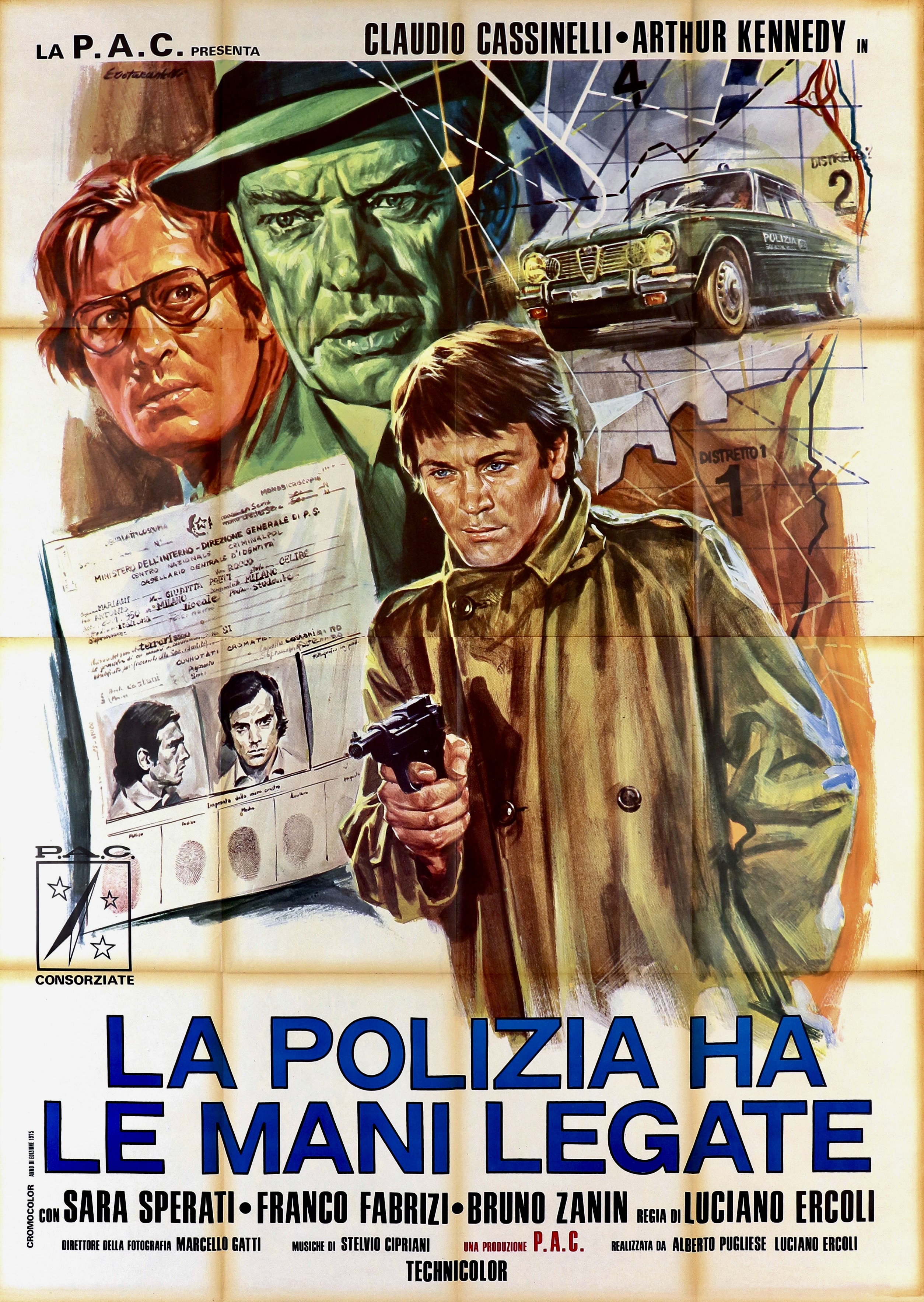
Prior to this, the Piazza Fontana tragedy had inspired other works including the independent 1970 documentary 12 Dicembre by Giovanni Bonfanti (and an uncredited Pier Paolo Pasolini) and Dario Fo’s critically acclaimed 1970 play Accidental Death of an Anarchist. In 1975 Luciano Ercoli directed La Polizia ha le Mani Legate (English title: Cop Killer), a poliziottesco-crime drama in which a cop (Claudio Cassinelli) investigates domestic terrorism in Milan. In a key scene, it depicts a deadly bombing in a hotel lobby that is a blatant reference to the Piazza Fontana incident. But it was journalist Paolo Cucchiarelli’s 2012 non-fiction account Il Segreto di Piazza Fontana that served as the inspiration for Giordana’s movie. Loosely adapted by screenwriters Giordana, Sandro Petraglia and Stefano Rulli, Piazza Fontana: The Italian Conspiracy mostly sticks to the well-known facts in the case but only concentrates on events that occurred between 1969 and the first trial in 1972.
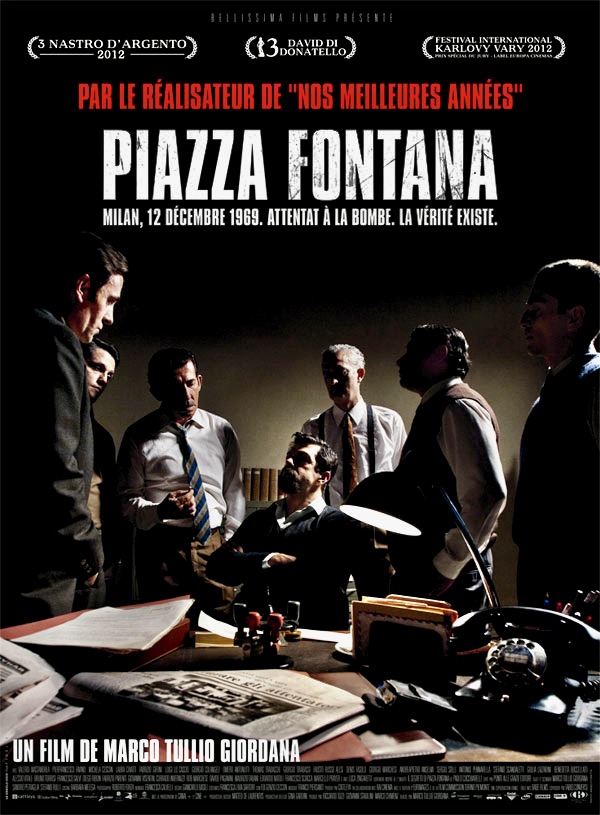
The result is an engrossing, methodically paced political thriller, which resembles a police procedural drama except the convoluted conspiracy aspects of it make it more similar to David Fincher’s dense and disturbing Zodiac (2007) than a traditional investigation such as a TV episode of CSI: Crime Scene Investigation. The dark, atmospheric cinematography by Roberto Forza also mirror’s Gordon Willis’s muted color/noir-like lighting on such 70s paranoia classics as Klute (1971), The Godfather II (1974) and All the President’s Men (1976).
From the opening scene, Giordana’s film captures the chaotic political situation that existed in Italy in 1969. The dissatisfaction and fragmentation of the citizens over the country’s future is represented by the many different factions that had emerged – the communist party, the neo-fascists, the Christian Democrats (who opposed the communists and the neo-fascists), the anarchists, the liberal youth movement, and others. There was a general fear that right wing agitators might try to frame the communist party (who were gaining popularity) with lies and violent acts and end up steering the popular vote toward a military dictatorship.
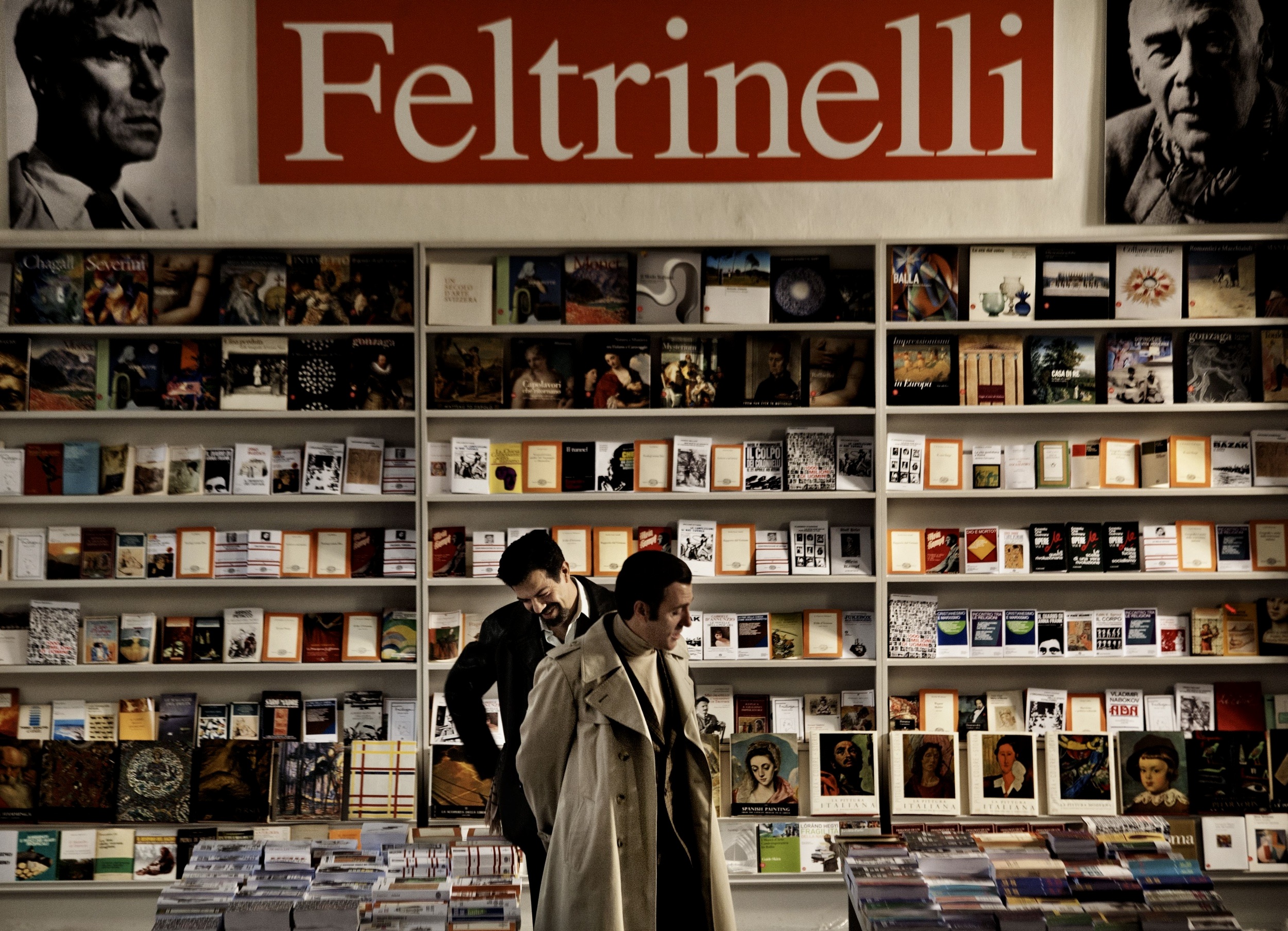
In a fiery speech to college students at a university, left wing book publisher Giangiacomo Feltrinelli (Fabrizio Parenti) is shown advocating armed resistance to authority to his audience: “I have no doubt the coup d’etat in the making is being modeled on the Greek one of two years ago – the takeover of strategic centers, control of the factories and means of communication, curfews, suspension of constitutional guarantees, arrest and deportation of political opposition…Greece wouldn’t have met that end if the left had organized instead of trusting the King and the relics of democracy.”
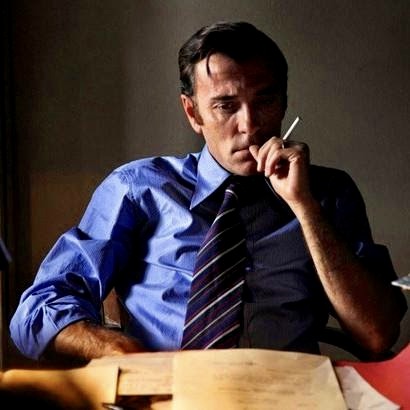
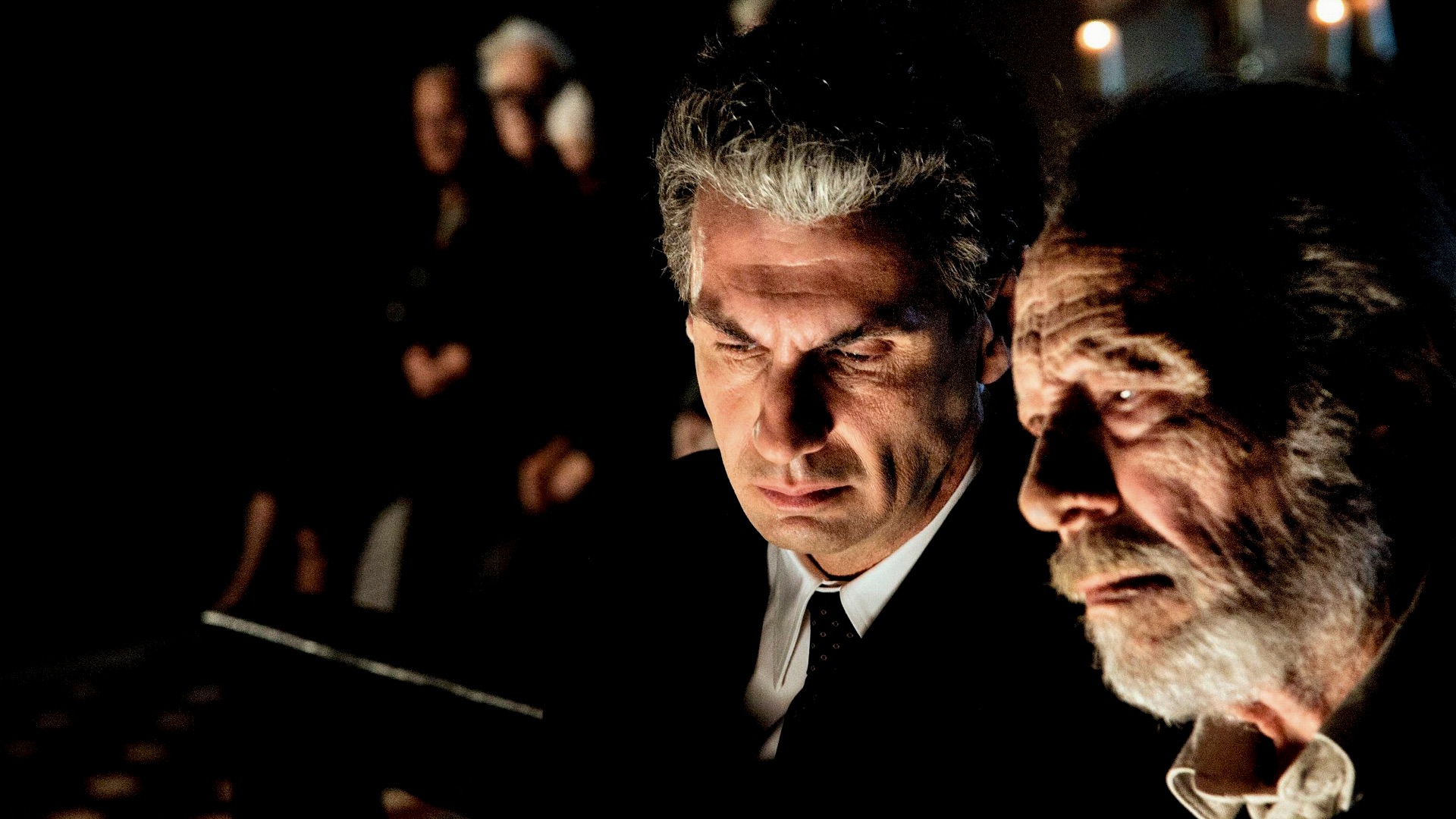
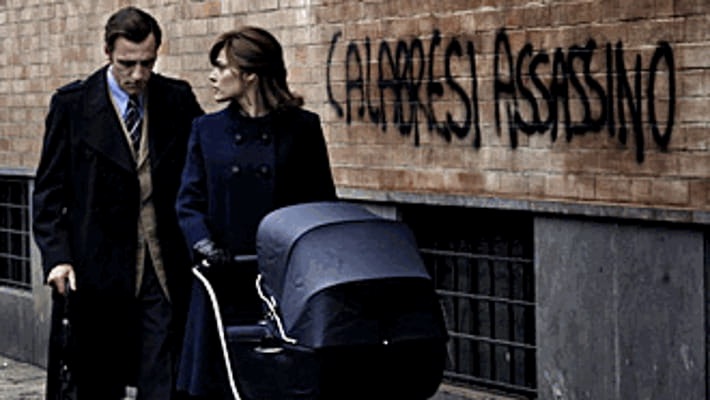
It is within this tense and hostile climate that police commissioner Luigi Calabresi (Valerio Mastandrea) emerges as the main protagonist of the film as he pursues leads in several recent acts of violence that have plagued Milan. Evidence from inside sources seems to indicate that the Anarchists Club may be plotting a terrorist act and he questions his main source within that group – Giuseppe Pinelli (Pierfrancesco Favino), a railroad worker – about such a possibility. Pinelli is honest with Calabresi about what he knows but does admit that there are some hot-headed individuals among the anarchists including Pietro Valpreda (Stefano Scandaletti), who was recently kicked out of the group.
Undercover cop Salvatore Ippolito (Davide Paganini) has infiltrated Valpreda’s inner circle and reports to his supervisor that the anarchist is headed toward Milan carrying a mysterious black bag. Not long afterwards an explosion occurs in the main lobby at the National Agricultural Bank in Milan, creating death and destruction. The city of Milan and the police department immediately launch an investigation, sweeping up possible suspects from the anarchist party for questioning, including Pinelli.
From this point on, Piazza Fontana morphs into a multi-layered conspiracy thriller in the manner of The Parallax View (1974) and other cinematic tales of paranoia with Calabresi becoming increasingly distrustful of his fellow officers and government officials. The more he digs into the case, the more he becomes convinced that the anarchists were framed and that the real culprits may be right wing extremists.
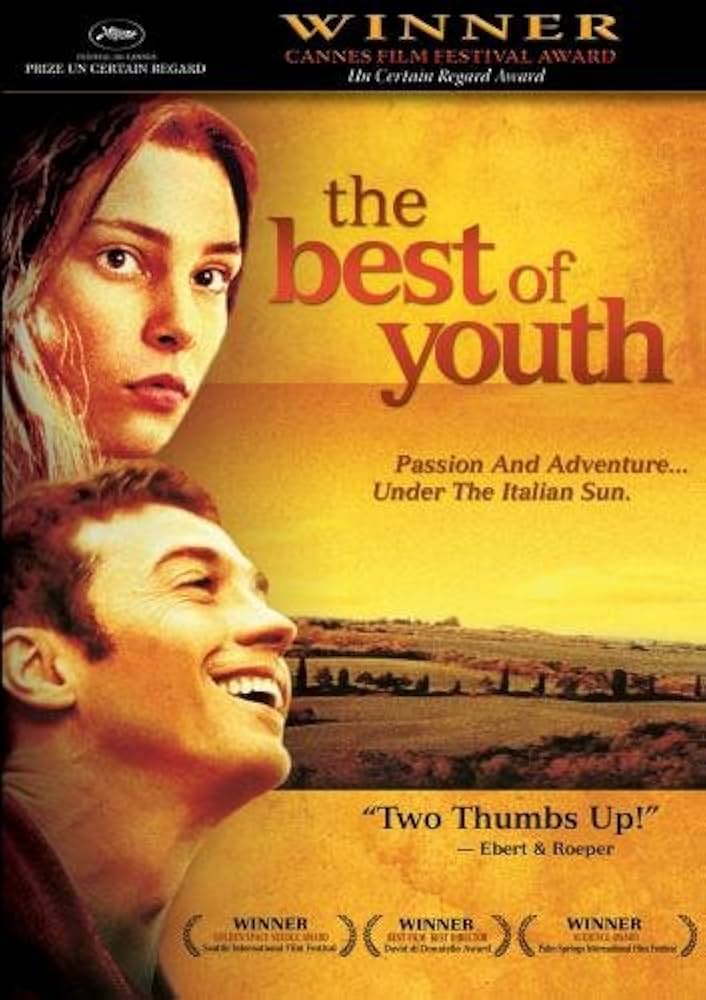
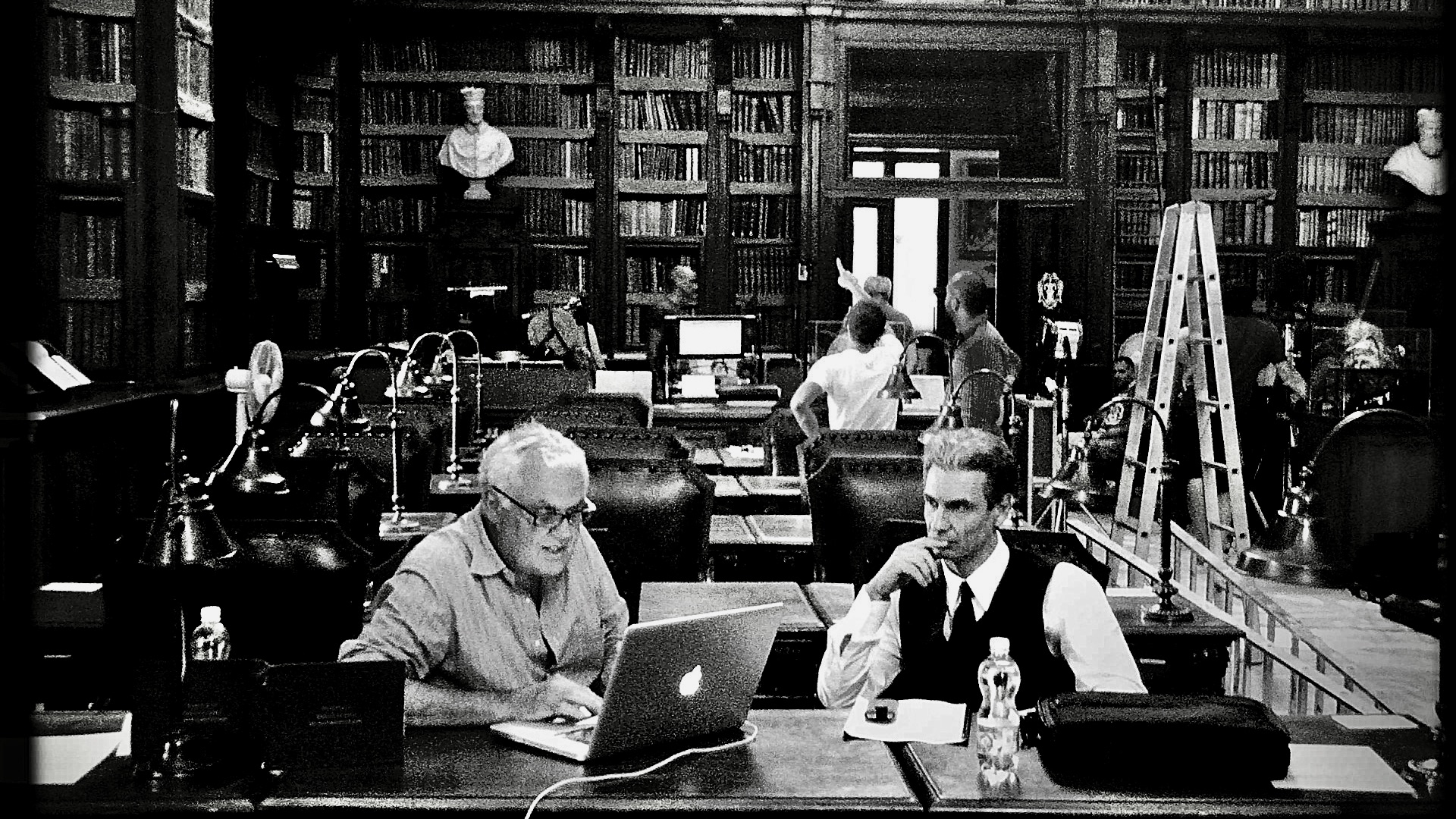
For Giodana, Piazza Fontana was a passion project. He was around 19 at the time the bombing occurred in Milan and was actually a witness to it. He was on a train that was passing by the bank when the explosion occurred and was later even interviewed by Calabresi about what he saw. You may be familiar with the director from his epic TV drama La Meglio Gioventu (English title: The Best of Youth, 2003), which was edited down to a six hour, fourteen minute version that was distributed theatrically in the U.S. and won the Un Certain Regard Award at Cannes. Giordana has gone on to make other award winning films such as One Hundred Steps (2000) about anti-mafia activist Peppino Impastato and Wild Blood (2005), a biography of Italian film stars Osvaldo Valenti and Luisa Ferida from the Fascist era. However, Piazza Fontana: The Italian Conspiracy is probably his most controversial film since the people behind the bombing were never identified, caught and convicted. For Italian baby boomers, the notorious incident has no true closure which is not unlike our own unresolved investigation of JFK’s assassination in Dallas, Texas.
Although Giordana does not provide any new evidence in Piazza Fontana, he does give us Calabresi’s opinion of what really happened. The police commissioner was convinced that two bombs were exploded at the bank, one was a non-lethal device left by Valpreda (who was arrested and spent three years in prison waiting for a trial before being released), the other one caused major destruction and killed 17 people. It was allegedly left by Antonio Sottosanti, a neo-fascist associated with Ordine Nuovo, who looked similar to Valpreda and knew his plan in advance. He took a taxi to the bank with a similar suitcase containing the real bomb but the taxi driver later mistakenly identified him as Valpreda. Of course, that is one theory that has never been proven. But Giordana also suggests that key members of the Italian government, NATO and American interests like the CIA were involved.
The Piazza Fontana bombing ushered in what many Italians call Anni di Piombo (the years of lead), a period in which political terrorism swept the country from the late 1960s to the early 1980s. Giordana’s film ends with Luigi Calabresi’s assassination (it was later credited to the Lotta Continua, a far-left militant cell who were avenging Pinelli’s death in police custody). We later learn in the movie’s epilogue that book publisher/political activist Giangiacomo Feltrinelli accidentally blew himself up with a bomb near a power line grid near Segrate, Italy (many suspected he was actually murdered). Also, former Prime Minister of Italy, Aldo Moro (portrayed in the film by Fabrizio Gifuni), was kidnapped in March 1978 by the Red Brigades, a left-wing terrorist group, and killed after 55 days in captivity. It was truly a terrible period in Italy’s history but Piazza Fontana: The Italian Conspiracy is a fascinating time capsule that shows us the frightening turbulence of those early years.
The film was a commercial success in Italy and earned numerous awards in its own country, receiving 16 David di Donatello awards (similar to the Oscars in the U.S.) and won three (for best supporting actor (Pierfrancesco Favino as Pinelli), best supporting actress (Michela Cescon as Pinelli’s wife, Licia) and best visual effects (Paola Trisoglio & Stefano Marinoni). Yet, outside Italy, the film had limited success despite mostly positive reviews.

The Variety reviewer pinpointed the problem in a review that stated, “The result is a studio re-creation, incorporating scenes of real power, yet the multitude of characters and cloak-and-dagger machinations are bound to confuse offshore auds.” The Hollywood Reporter voiced a similar opinion but it did add, “A great deal of the film’s eerie fascination can be credited to Giordana’s regular cinematographer Roberto Forza, who creates a stunning period look through his use of half-light and long shadows. Black-and-white archive footage is masterfully intercut in the moving funeral commemoration of the massacre outside the Milan Duomo, which involved an immense crowd.”
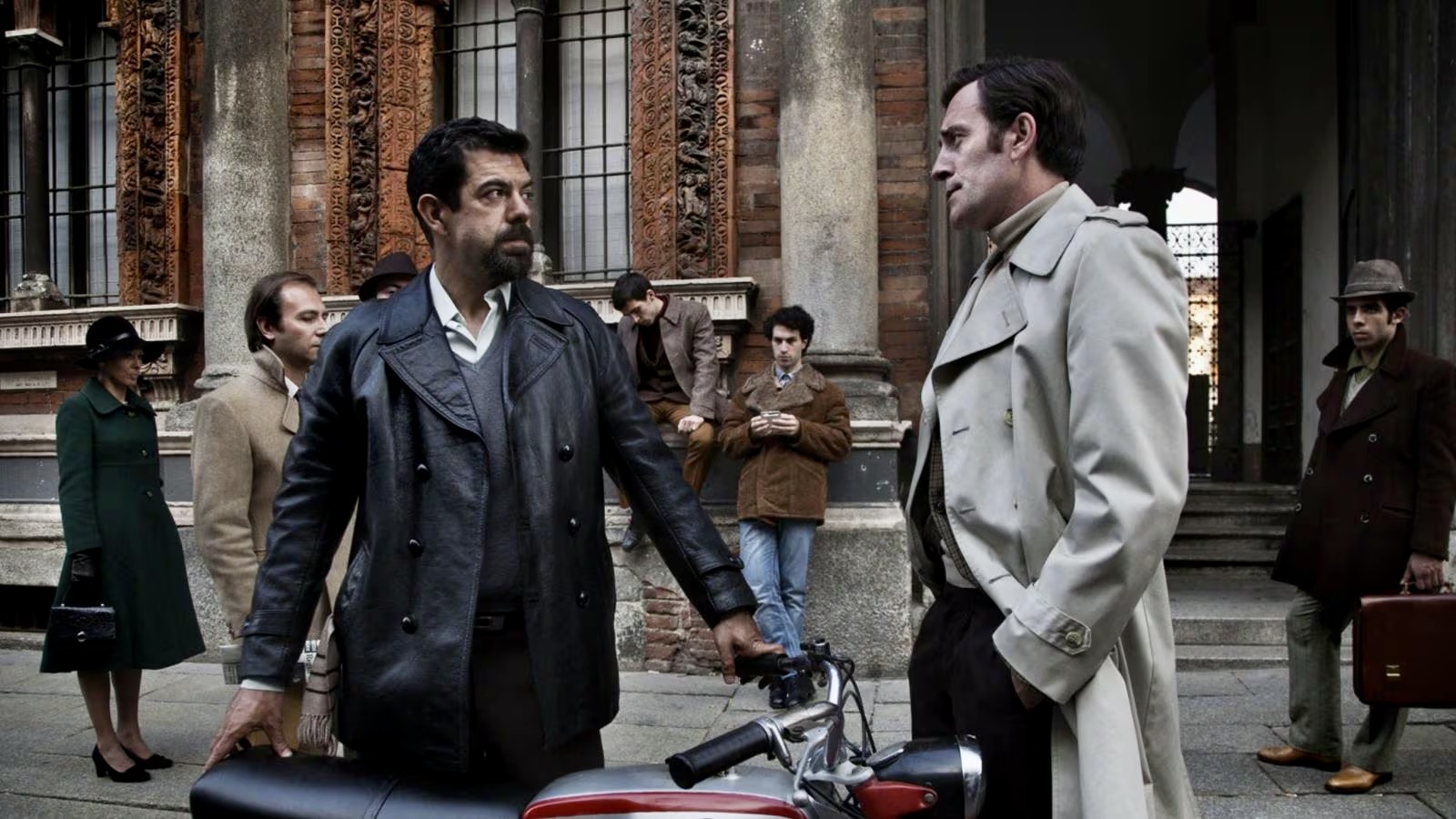
Giordana’s film was originally scheduled to premiere at the 2012 Telluride Film Festival but the film never arrived and it didn’t end up making its U.S. debut until the Palm Springs International Film Festival in January 2013. Unfortunately, Piazza Fontana: The Italian Conspiracy was never picked up for theatrical distribution by an American distributor. It has also never been released on Blu-ray or DVD in the U.S. but, if you own an all-region Blu-ray player, you can still purchase import copies of the film from online sellers (in the original Italian language with English subtitles).
Other links of interest:
https://italiancinemaarttoday.blogspot.com/2018/07/if-youre-real-aficionado-of.html
https://collettivochiaroscuro.com/una-vita-accanto-a-marco-tullio-giordana/?lang=en
https://www.theguardian.com/world/1999/aug/25/philipwillan
https://tribunemag.co.uk/2019/12/italys-accidental-deaths
 Cinema Sojourns