
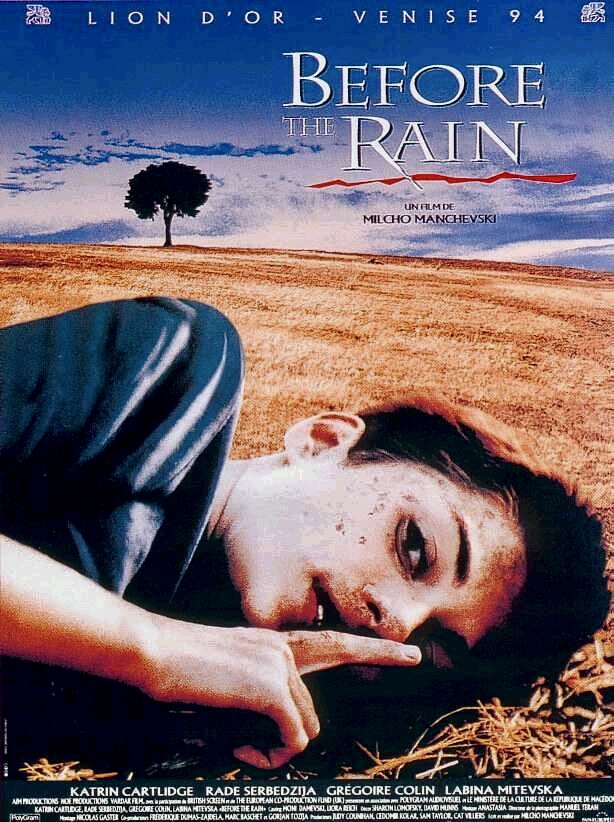
When Yugoslavia ceased to exist as a country in 1991, the six republics within that nation – Croatia, Montenegro, Serbia, Bosnia & Herzegovina, Slovenia and Macedonia – split up into individual countries but several of them experienced ethnic conflicts and internal strife that erupted into war. Some of the worse infighting and loss of human life took place in the Bosnia, Serbia and Croatia regions between 1991 and 1995 but chaotic conditions continued to affect the six republics up to 2001. Macedonia was spared from most of the war but people in that country lived under the constant threat of impending chaos and some individual feuds could easily have led to a full blown revolution such as the situation depicted in Milcho Manchevski’s Pred Dozhdot (English title: Before the Rain, 1994). The first Macedonian film to receive international recognition and acclaim, Manchevski’s feature debut, however, is not an attempt to delve into the social and political issues that resulted in the Yugoslav Wars or a docu-drama that puts the ethnic conflicts into a contextual frame. Instead, he takes a poetic but accessible approach that creates empathy for the victims and their families in a way that makes it just as timely and relevant today as it was in 1994.
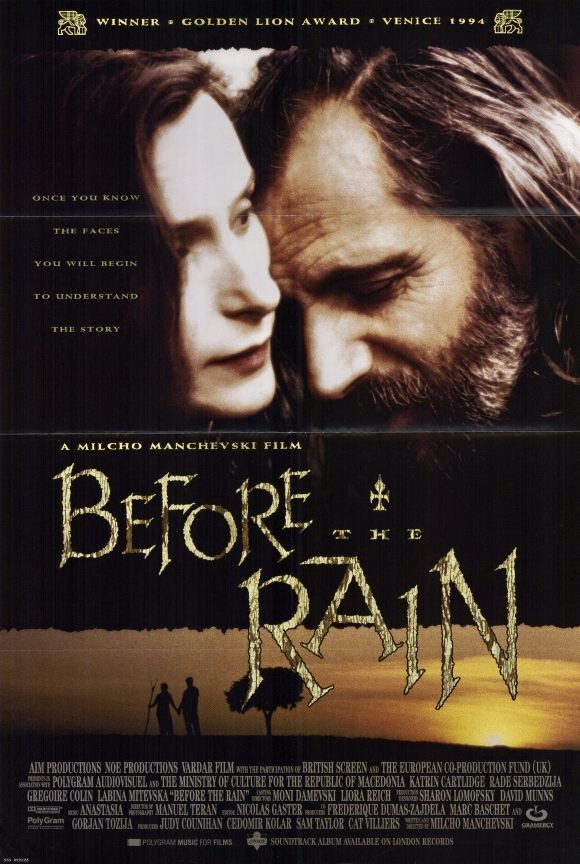
The film was nominated for an Oscar for Best Foreign Language Film of 1994 and deserved to win but lost to Nikita Mikhalkov’s Burnt by the Sun, a handsome but predictable period drama set in the USSR in 1936 that was part family saga, part lyrical romance. The other nominees that year were Ang Lee’s charming Eat Drink Man Woman, Tomas Gutierraz Alea & Juan Carlos Tabio’s Cuban character study, Strawberry and Chocolate, and Gerald Corbiau’s biopic Farinelli. All of them are well worth seeing but Before the Rain has the kind of resonance that stays with you for years. No wonder the film has become part of the curriculum at various universities and colleges that study the meaning of nationalism, ethnic cleansing and other similar topics.
When film critic Roger Ebert wrote about the 1995 Academy Award ceremony, he stated, “When Nikita Mikhalkov walked off the stage at the Oscars bearing his young daughter Nadia on his shoulders [she has a featured role in the film], the moment was so obviously satisfying that it was tempting to confuse his happiness with the Academy’s wisdom. Yet “Burnt by the Sun” was not the best of the nominated foreign films (“Before the Rain” deserved to win), and is not even very original. It won, dare I say, because it benefitted from the Academy’s flawed rules. As the only one of the nominees not in theatrical release, it was seen only by those who came to its Academy preview screenings. They, by definition, then became the only voters who had seen all five films and were eligible to vote. This strategy – of keeping a nominee out of theaters in hopes that its private screening audiences will sway the outcome – has worked before, and it worked again this time.”
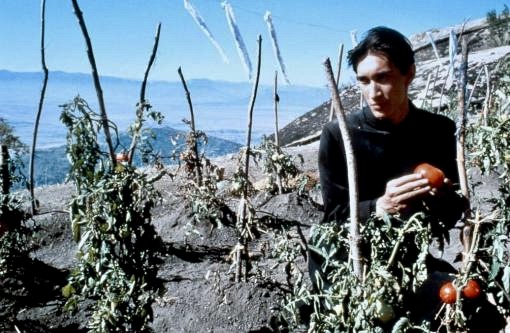
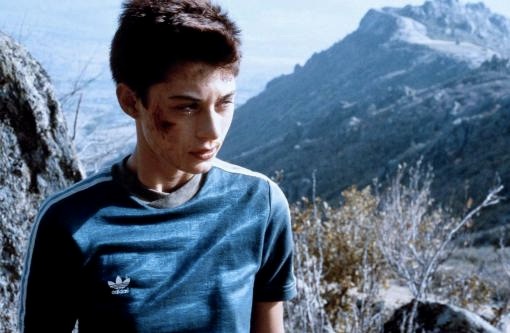
Compared to the other nominees in the foreign film category that year, Before the Rain has an unconventional structure that breaks the narrative into three chapters but characters and situations from each episode link back to each other in a circular fashion. In the first chapter, “Words,” Kiril (Gregoire Colin, the mistreated army recruit in Claire Denis’s Beau Travail) is a young monk who has taken a vow of silence for two years. When we first see him, he is tending to his tomato garden and at harmony with his environment. This changes when he returns to his spartan cell one night and finds Zamira (Labina Mitevska), a young Albanian girl, hiding in his bed. She is fleeing a group of villagers who believe she killed a family member with a pitchfork and they want revenge. Kiril decides to protect her and doesn’t tell his fellow monks but the head priest soon learns the truth. In the end, the monks pretend ignorance of Zamira’s presence when confronted with her searchers (who go away empty-handed) but Kiril is dismissed from the order afterwards for his involvement in the matter. He then decides to help Zamira flee to London where he has a relative who can offer them refuge.
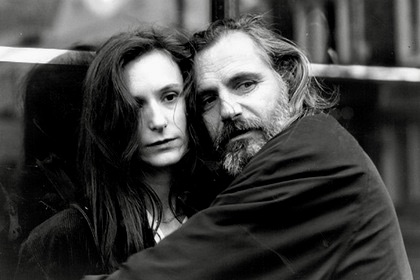
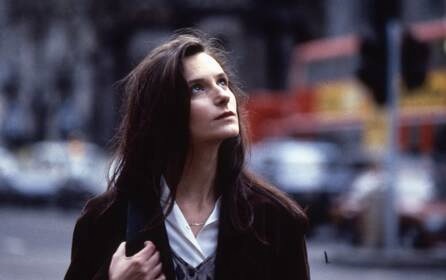
“Faces,” chapter two, introduces us to Anne (Katrin Cartlidge), a journalist who has recently returned from a war zone where she had a passionate affair with award-winning photographer Aleksander (Rade Serbedzija). He follows her back to London and tries to convince her to run away with him to Amsterdam. Instead, she decides to stay and tell her estranged husband Nick (Jay Villiers) she is pregnant and wants a divorce. She breaks the news to Nick at a posh restaurant but in the midst of their discussion an angry stranger bursts into the place with a gun, killing several patrons and staff members. The scene reminds us that the violence reported by the media in far off places like the Balkans can come home to roost in our back yard.
For the final chapter, “Pictures,” the film follows Aleksander back to his Macedonian village where he hasn’t been for sixteen years. He finds it a changed place with a palpable tension between the Christian and Muslim communities. When he decides to visit Hana (Silvija Stojanovska), a former girlfriend who is now a widow with children, he is rebuffed by her neighbors until Hana’s father recognizes him and invites him inside. Aleksander soon learns that Hana’s daughter Zamira is accused of murdering a local man and her life is in danger. He decides to protect her from his vengeful relatives even though he has spent most of his life avoiding taking sides in any conflict.
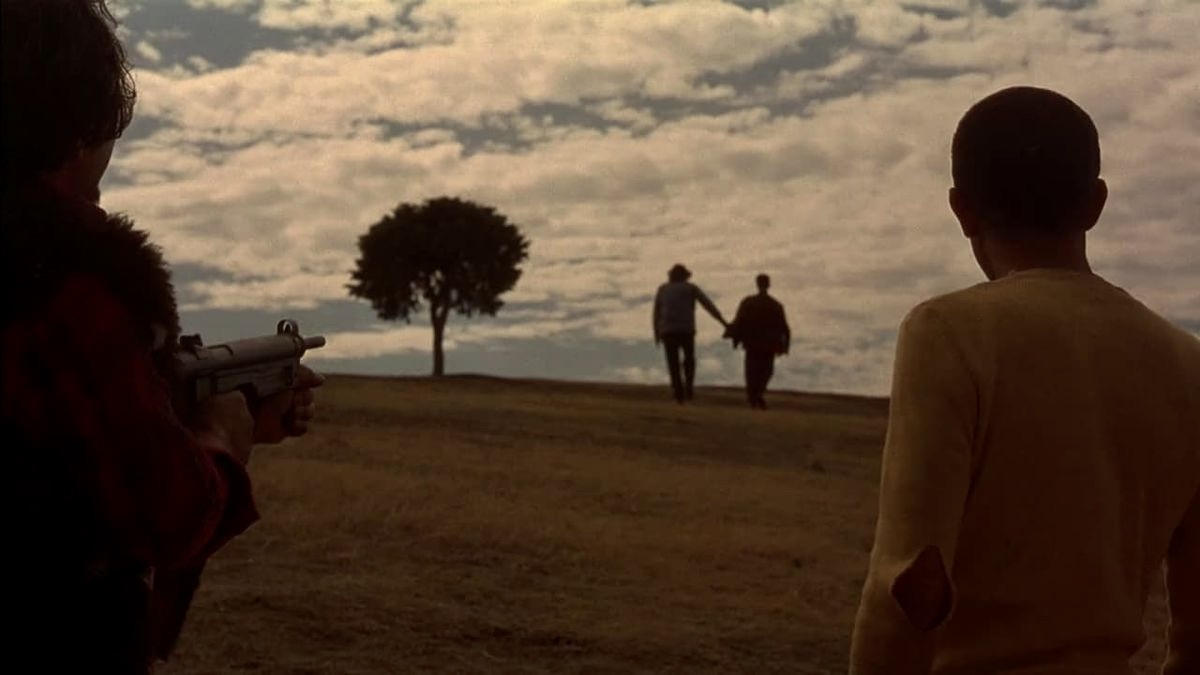
None of the three episodes end well but Manchevski’s direction is so fleet footed, visually subtle and, at times lyrical, that the narrative never becomes heavy handed or pretentious in its exposition. Yes, there are scenes of shocking brutality and cruelty (a lame cat on a tile roof is machine-gunned by a mentally disabled villager is one example) but the emphasis is on the protagonist of each chapter and how they react to the violence and upheaval around them.
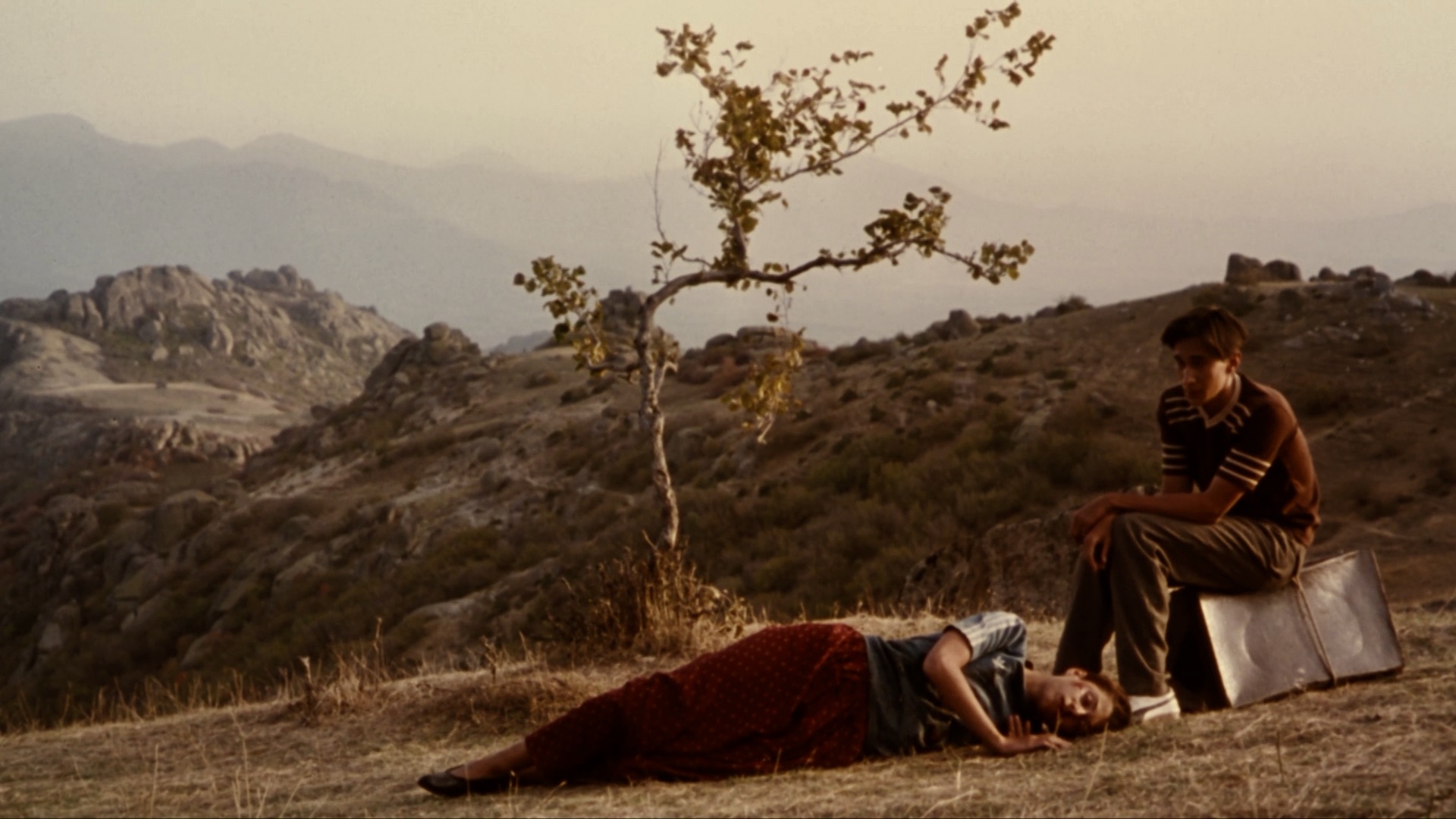
The fragmented sense of time in Before the Rain might seem confusing at first but it is all a part of Manchevski’s intricate mosaic which rejects documentary-like realism in favor of a more dreamlike quality. At times it even projects a sense of prophecy. In the second chapter, Anne is sorting through photographs for her media story and she sees Kiril hovering near Zamira’s body. But in the final chapter, Zamira is alive and we realize the action is taking place before Zamira fled to the monastery.
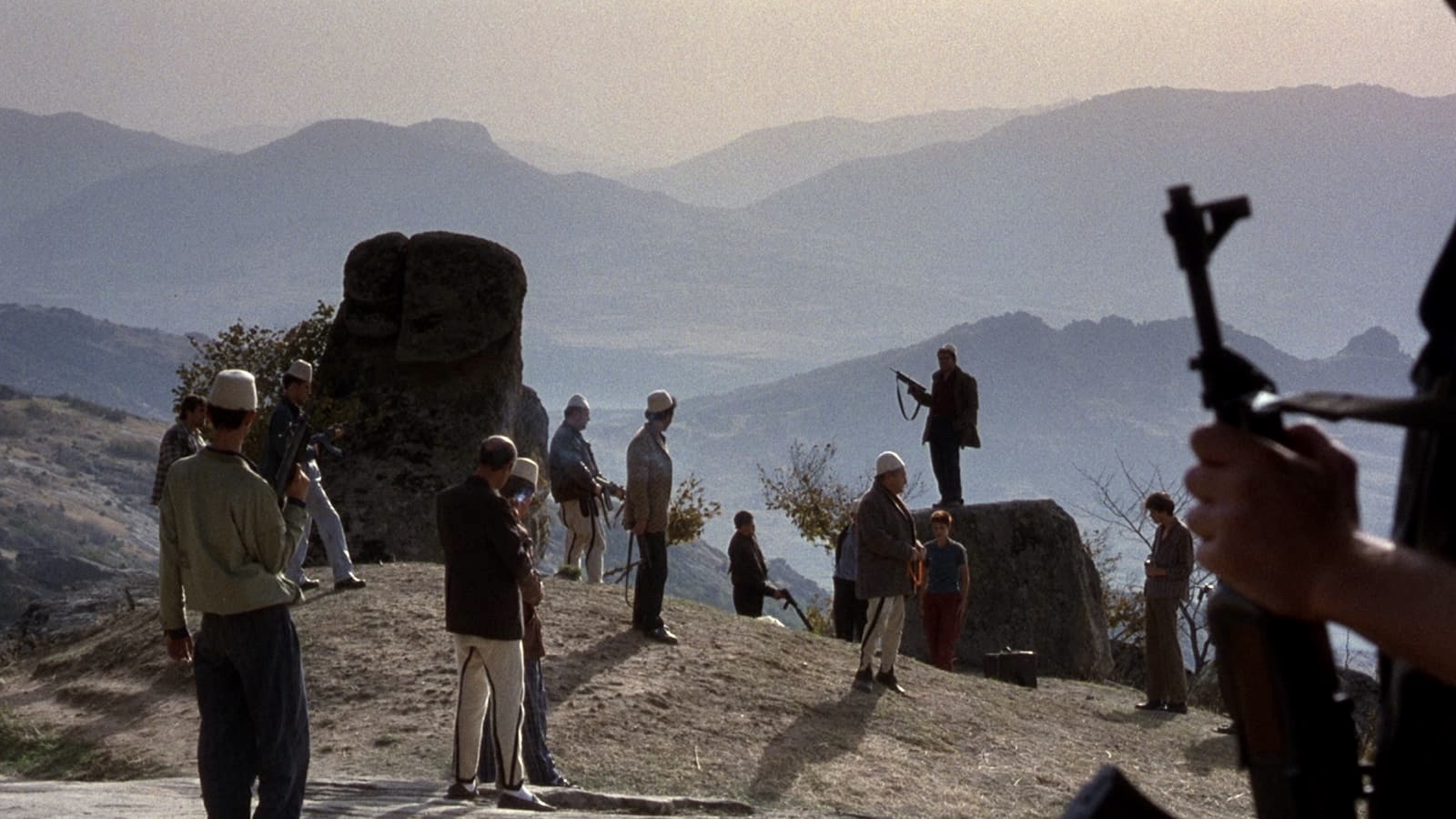
There is also a pattern of visual repetition that drives home the hallucinatory quality such as both Kiril and Aleksander having dreams where a loved one appears before them only for them to wake up and experience that same thing in real time. Even dialogue or key recitations resurface at other points in the narrative like an early scene where a priest says “Time never dies, The circle is not round.” We later see that comment in the form of spray painted graffiti on a wall in London.
At times Before the Rain even feels like an American western transplanted to Macedonia in the way it depicts the vengeful Christians of Aleksander’s village as if they were a posse of vigilantes. The often stunning landscapes of rural Macedonia could easily be a western location with their rocky, mountainous terrain and dusty trails. And, in one scene, Aleksander even appears on a bicycle whistling “Raindrops Keep Falling on My Head” from George Roy Hill’s Butch Cassidy and the Sundance Kid(1969). There is even a homage to director Sam Peckinpah in an early scene where we see malicious children torture a turtle in a circle of fire, similar to the opening credits of The Wild Bunch (1969) where gleeful kids decimate scorpions in a fiery circle.
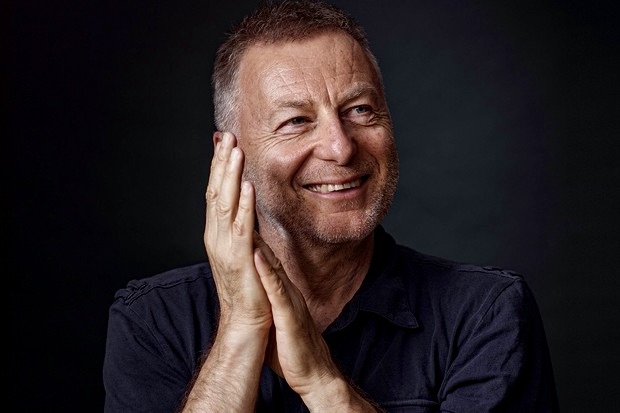
Before the Rain is a remarkably self-assured feature debut for someone who had previously only directed music videos (One of Manchevski’s more famous productions is his direction of Arrested Development’s “Tennessee” which was awarded Best Music Video by Billboard Magazine in 1992). What’s interesting is that the director, who was born in Skopje, Macedonia (where some of Before the Rain was filmed), has spent much of his career working in the U.S. He has gone on to direct several other award-winning features such as Willow (2019) and Kaymak (2022) but Before the Rain is still reaching new audiences more than 30 years later.
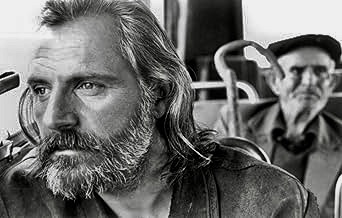
A large part of the film’s success is due to the impeccable cast with Rade Serbedzija a particular standout as Aleksander. His charismatic presence radiates a quiet strength and innate goodness that brings Before the Rain to a powerful and poignant resolution in the final chapter. Like Manchevski, Serbedzija was born in the Balkans and was a major star in Yugoslavia before the country fell apart in the early nineties, working with celebrated directors like Zivojin Pavlovic on films such as 1992’s Deserter. After that, he left his troubled homeland and concentrated on work in the U.K. (Eyes Wide Shut, Snatch), the U.S. (Mission: Impossible II, Space Cowboys) and other locations like Canada (Fugitive Pieces). It is probably no coincidence that his self-exiled character in Before the Rain seems like a fictionalized version of the actor.
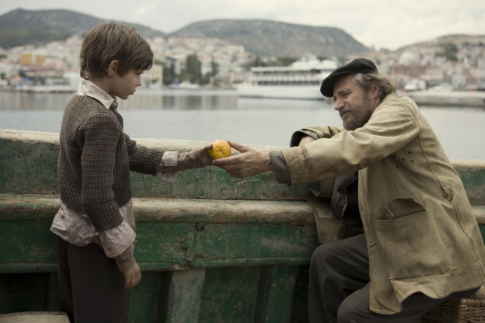
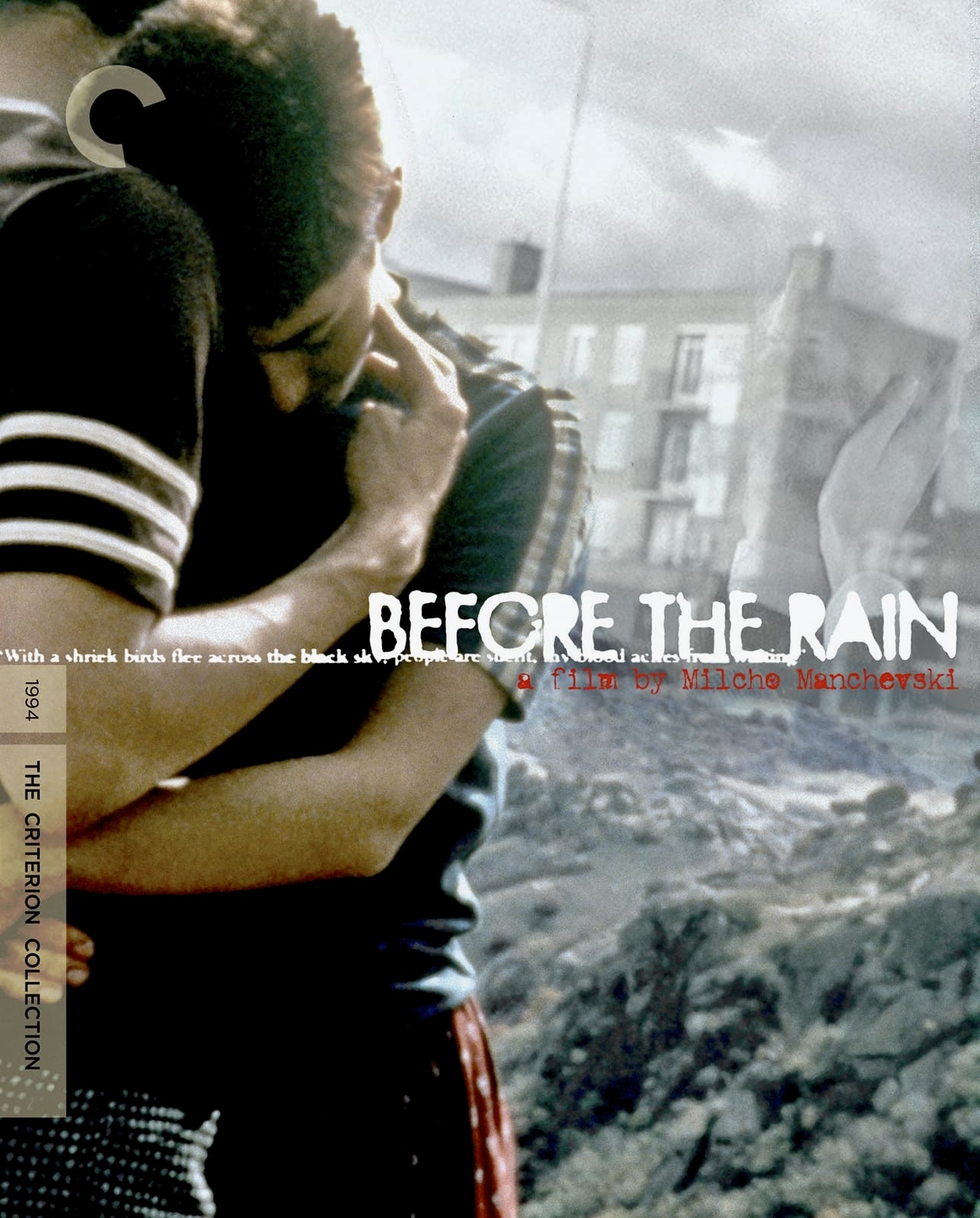
Before the Rain has been released in various editions over the years but the one to own is The Criterion Collection DVD, released in June 2008. The disc includes an audio commentary by Milcho Manchevski & film scholar Annette Insdorf, a documentary short on the making of the film, the director’s music video “Tennessee,” and other extras.
Other links of interest:
https://pov.imv.au.dk/Issue_16/section_1/artc9A.html
https://www.popmatters.com/katrin-cartlidge-the-working-actress-2496128702.html
https://kids.kiddle.co/Rade_%C5%A0erbed%C5%BEija
 Cinema Sojourns