
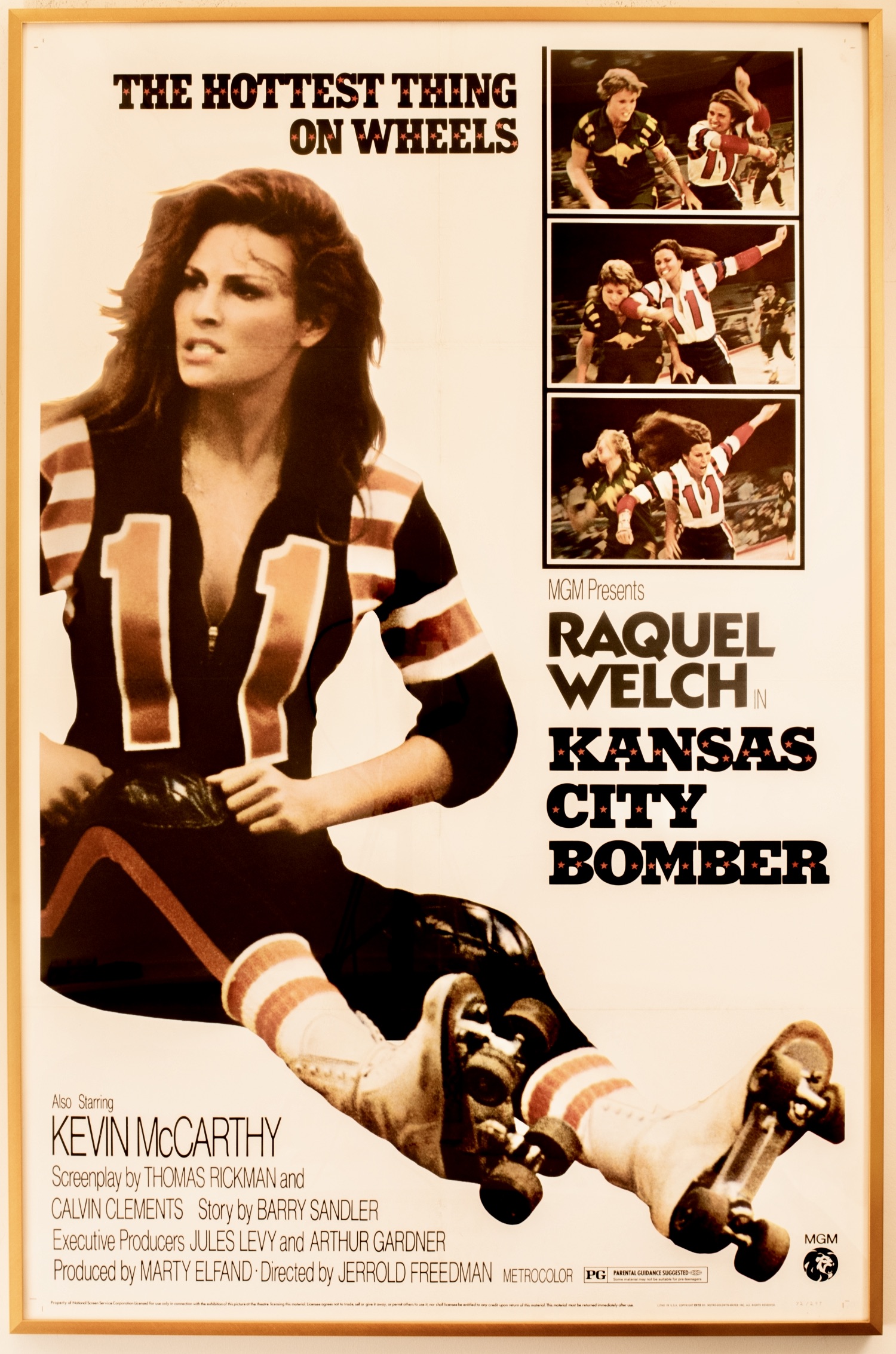
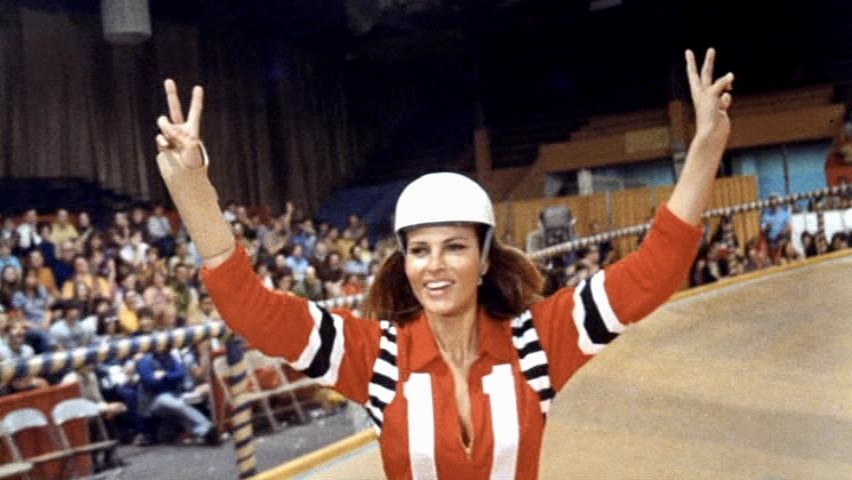
Raquel Welch. Not a name that conjures up Oscar-winning movies. Instead, a vision of a cavegirl in a bikini comes to mind. Or maybe a buff female fitness instructor with a video line for women with titles like Lose 10 Lbs. in 3 Weeks. Yet, there was a time when Raquel tried to break the Playboy playmate stereotype and prove herself as a dramatic actress. The year was 1972 and the film was Kansas City Bomber. An attempt to cash in on the then-popular roller derby craze, the film was also the actress’s first bona fide attempt to create a real flesh and blood character – a struggling, single mom of two trying to make ends meet by plying her skating talent in the sports arena.
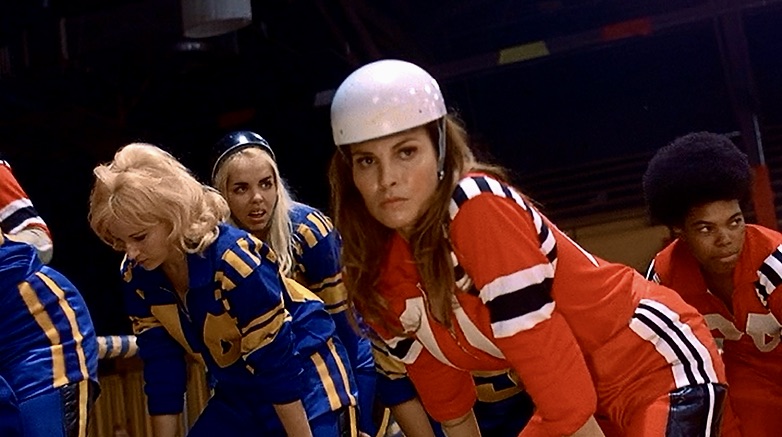
Prior to this, Welch was usually cast for her considerable physical attributes but rarely got a chance to test herself dramatically, even in genre films where she was the star such as the suspense thriller Flareup (1969), and Hannie Caulder (1971), a Western revenge drama. Kansas City Bomber was different; it was a personal project for the actress (she was one of the co-producers) and was made with the cooperation and assistance of the National Skating Derby.
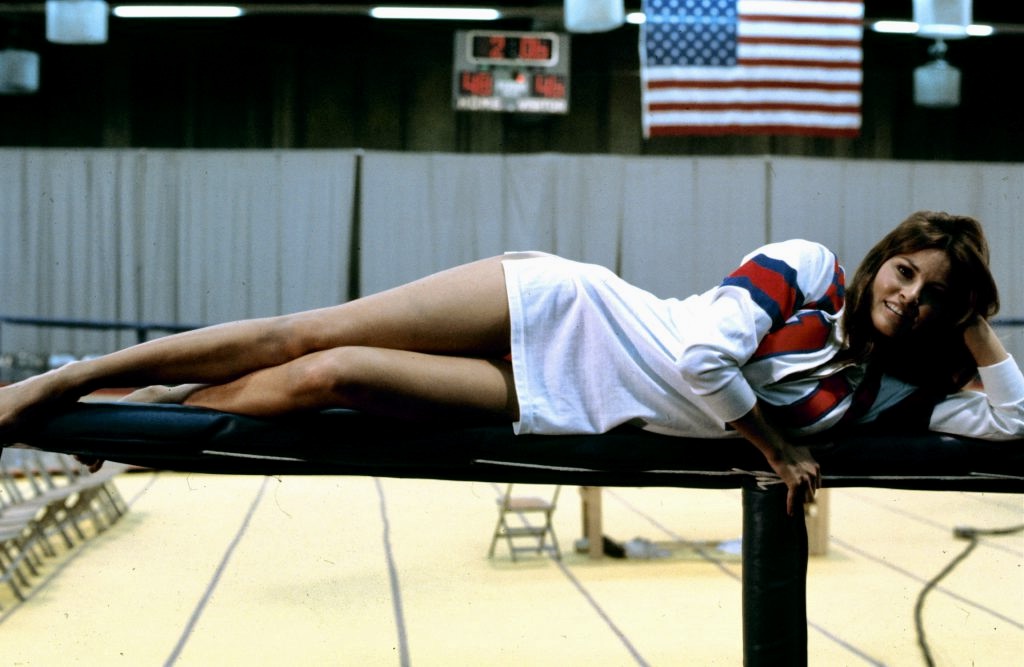
Welch even performed her own skating and selected stunts. Working with professional skater Paul Rupert, Raquel practiced five hours a day for three months, learning how to maneuver the banked oval tracks and how to take falls. Despite all of this, she broke her wrist in a fall during one scene, halting production for six weeks.
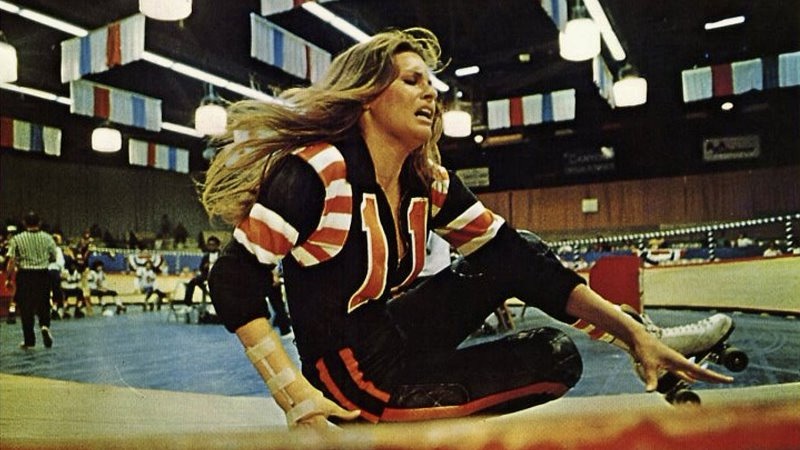
At the time Welch told the New York Times: “The film was fun. I like to be in physical pictures. And the Roller Games is a microcosm of this country, the kind of thing we create. The game is almost show business, it’s a carnival atmosphere, but I can understand its popularity. Most of the spectators are basic people and there’s something cathartic about watching people get dumped. The yelling creates a certain kind of intensity. The type of violence draws you in, makes you involved. The skaters are tough but I think all women are tough. The skaters aren’t any tougher than most of the women in the world, underneath. Skating is a bitchy, sweaty, funky life. I don’t want to do another film about it. I’ve done my number. But I enjoyed it.”
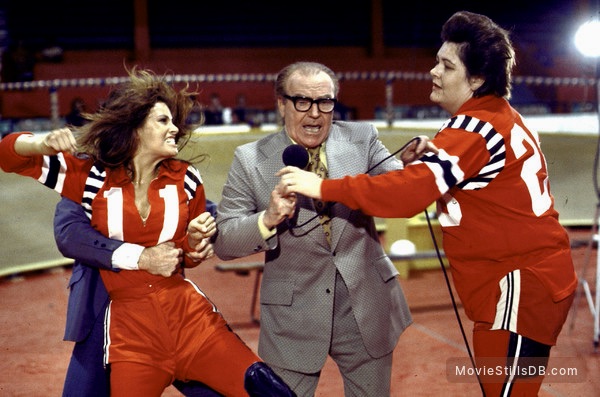
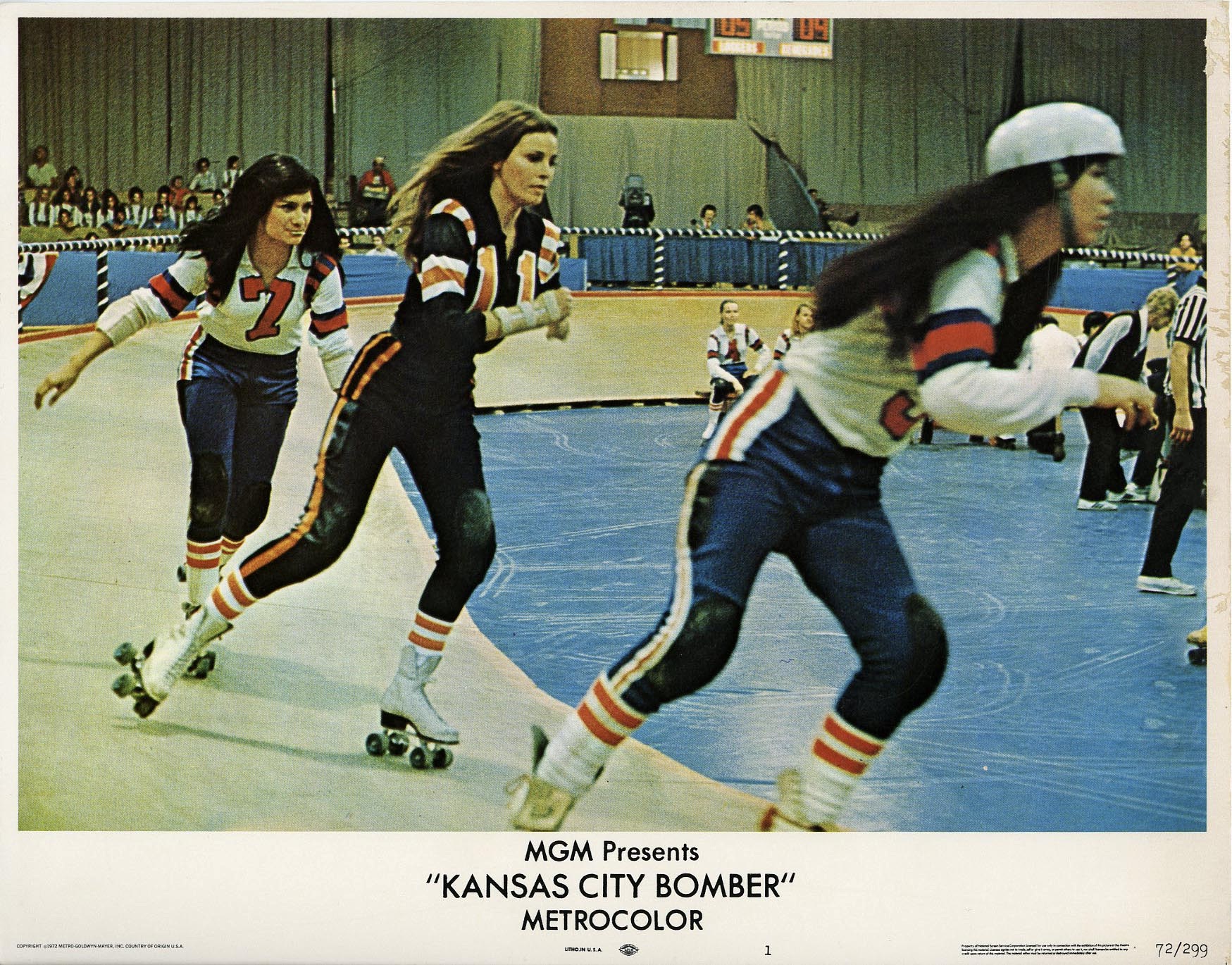
Adding authenticity to the production was the casting of real life roller derby stars (John Hall and Danny “Carrot Top” Reilly from the L. A. Thunderbirds) as extras and verbal references to other infamous players such as “Little” Richard Brown and Ronnie “Psycho” Rains. Real roller derby venues in Kansas City, Fresno, and Portland were also used for key scenes. In this regard, director Jerrold Freedman deserves kudos for his down and dirty approach which perfectly captures the economically depressed backwater towns, the cavernous, dimly lit sports arenas, and the rabid, blue collar fans who yell for blood on the sidelines.
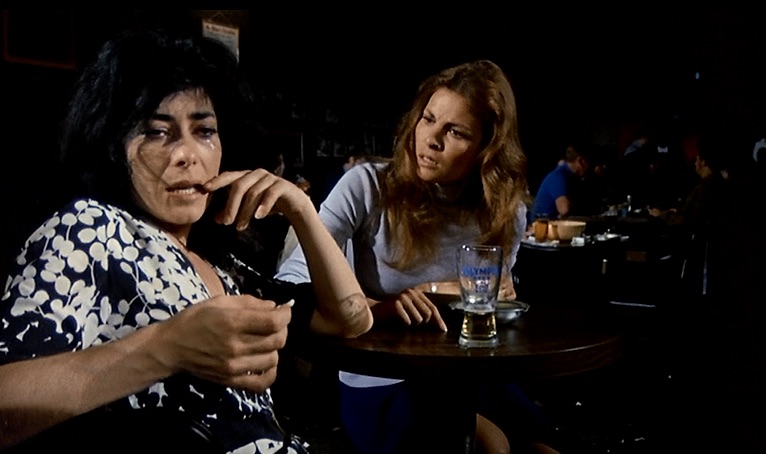
Equally effective is Helena Kallianiotes’s intense performance as a bitter alcoholic teammate and rival. She won a Golden Globe nomination for her work here and inspired critic Roger Greenspun (of The New York Times) to say she gave “the film’s one incredible performance…She goes to the dogs with an inappropriate passion rich enough to suggest an over-the-hill Sarah Bernhardt being traded to the minors by the Comedie Francaise.”
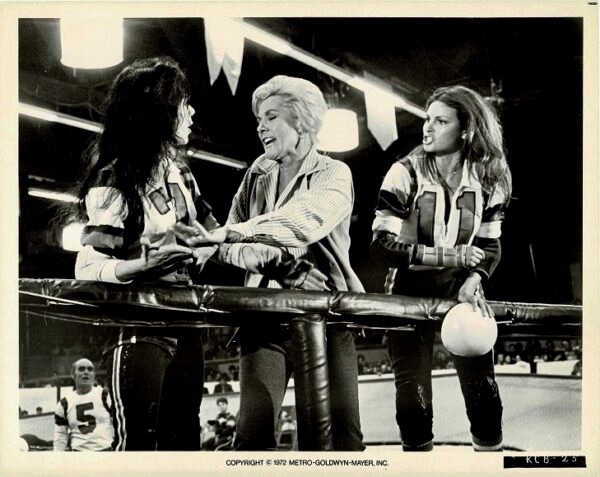
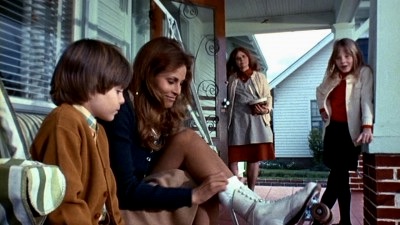
What’s most interesting about Kansas City Bomber, however, is its schizophrenic nature. It constantly veers back and forth between a warts-and-all documentary realism and a contrived Hollywood soap opera. Is it an exploitation picture or a serious drama? It tries to be both and the fault may lie in the screenplay (based on a master’s thesis by UCLA film student Barry Sandler). Scenes with K.C. (Welch) at home with her disapproving mother and two children (one of whom is played by a very young Jodie Foster) or being manipulated by the team manager (Kevin McCarthy) fail to reveal why this single mom is driven to succeed at roller derby. It’s never really resolved in the film but Welch’s sincere performance helps to suspend disbelief.
Most critics noted this too when Kansas City Bomber opened theatrically. Kevin Thomas of The San Francisco Chronicle wrote that “Kansas City Bomber, a well-observed slice of contemporary Americana, marks Raquel Welch’s coming of age as an actress and is a personal triumph for her after surviving more rotten movies than anyone would care to remember.” And The Village Voice deemed the film “worth seeing if only because its central character marks a return to the kind of independent, self-aware professional woman that has practically disappeared from contemporary movies.”
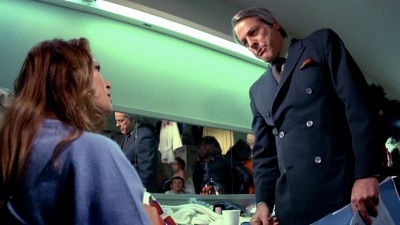
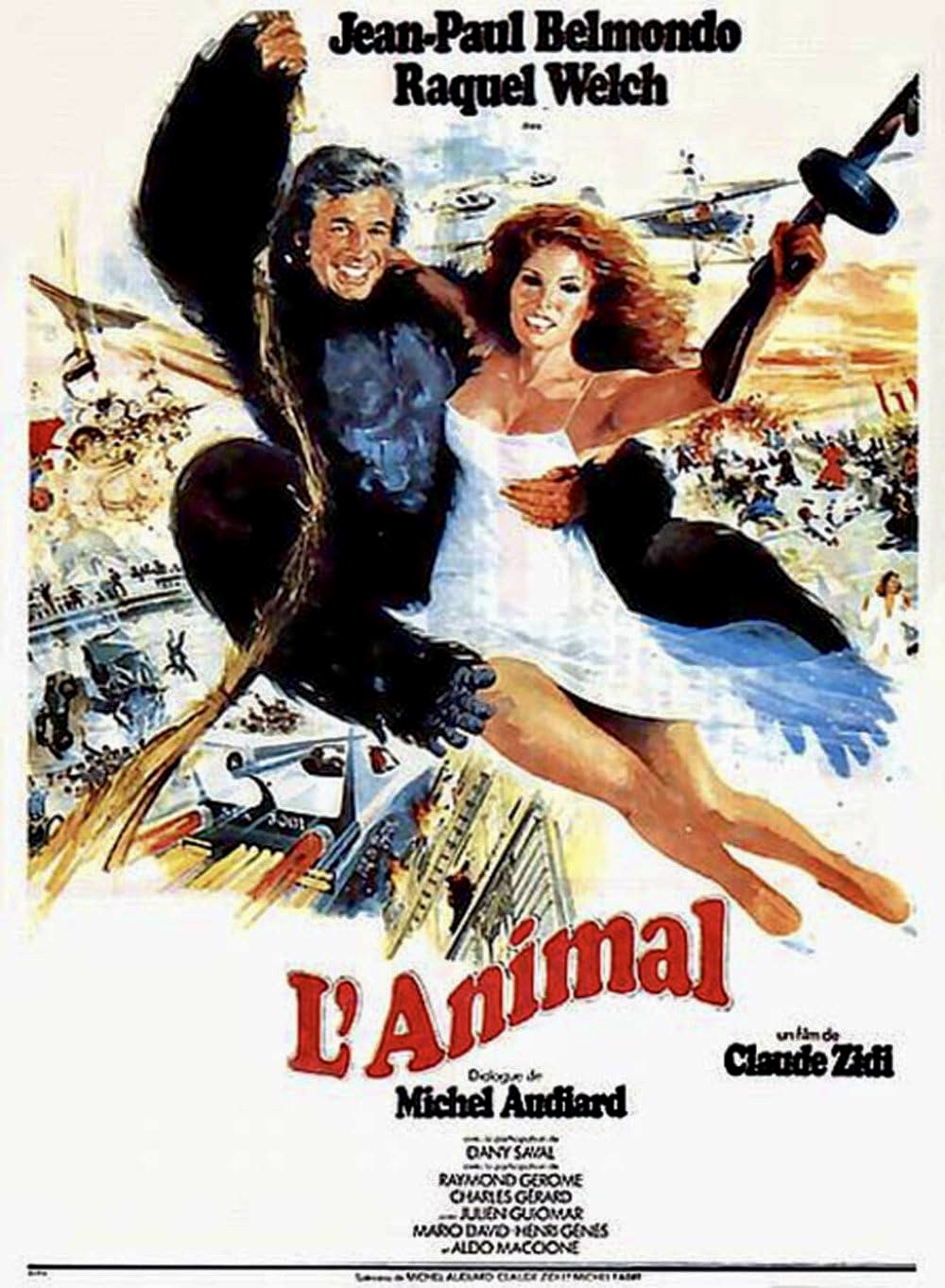
Most importantly, Welch herself felt that she gave a good performance in Kansas City Bomber (The Last of Sheila (1973) and Myra Breckinridge (1970), despite its terrible reputation, were also two films where Welch thought her work was solid, although she did add, “but being good in a bad film doesn’t do anything for your career.” Later, in a 1978 interview the actress revealed that Kansas City Bomber was one of the few in her career with which she was happy, the others being L’Animal aka Animal (1977) opposite Jean-Paul Belmondo and The Three Musketeers.
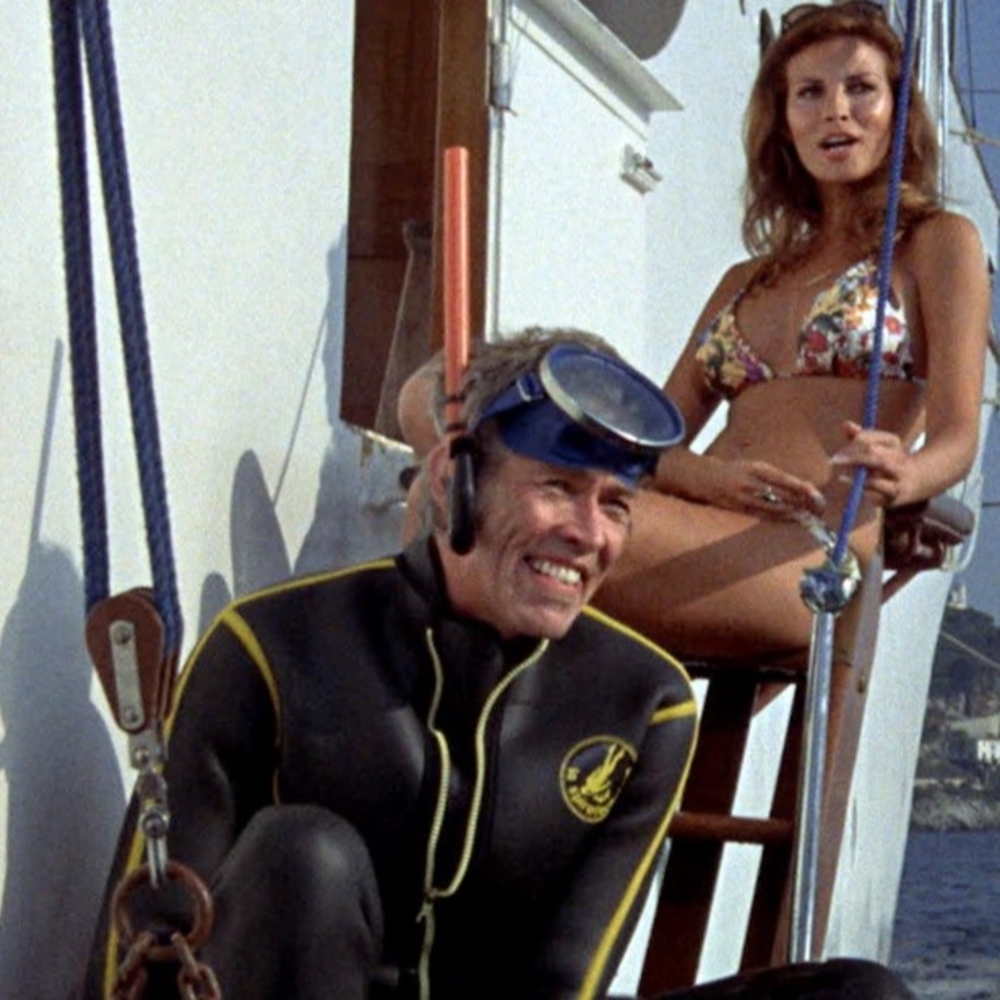
Unfortunately, Kansas City Bomber didn’t lead to better dramatic roles for Ms. Welch. Instead, she went in a different direction, displaying a rarely seen knack for self-satire (in 1973’s The Last of Sheila, playing a Hollywood sex symbol) and comedy (Richard Lester’s version of The Three Musketeers (1973) and its 1974 sequel).
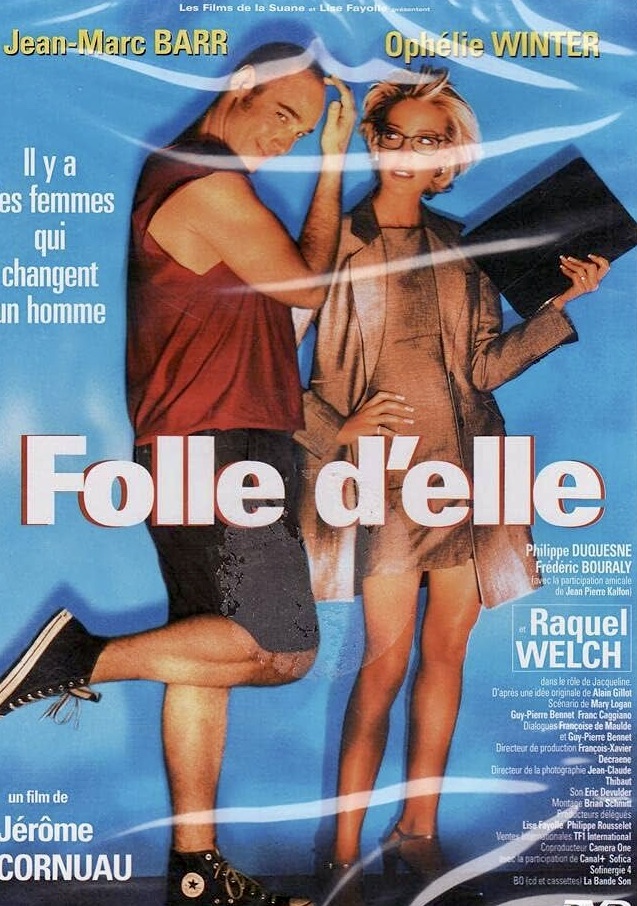
She temporarily abandoned her film career in 1982 after being replaced on the set of Cannery Row with Debra Winger. Since then, she has appeared occasionally in made-for-TV movies, and infomercials endorsing her own fitness products. In 1998, she resumed her movie career with the French film, Folle d’elle (What I Did for Love), and has since appeared in Tortilla Soup (2001) and Legally Blonde (2001) among others.
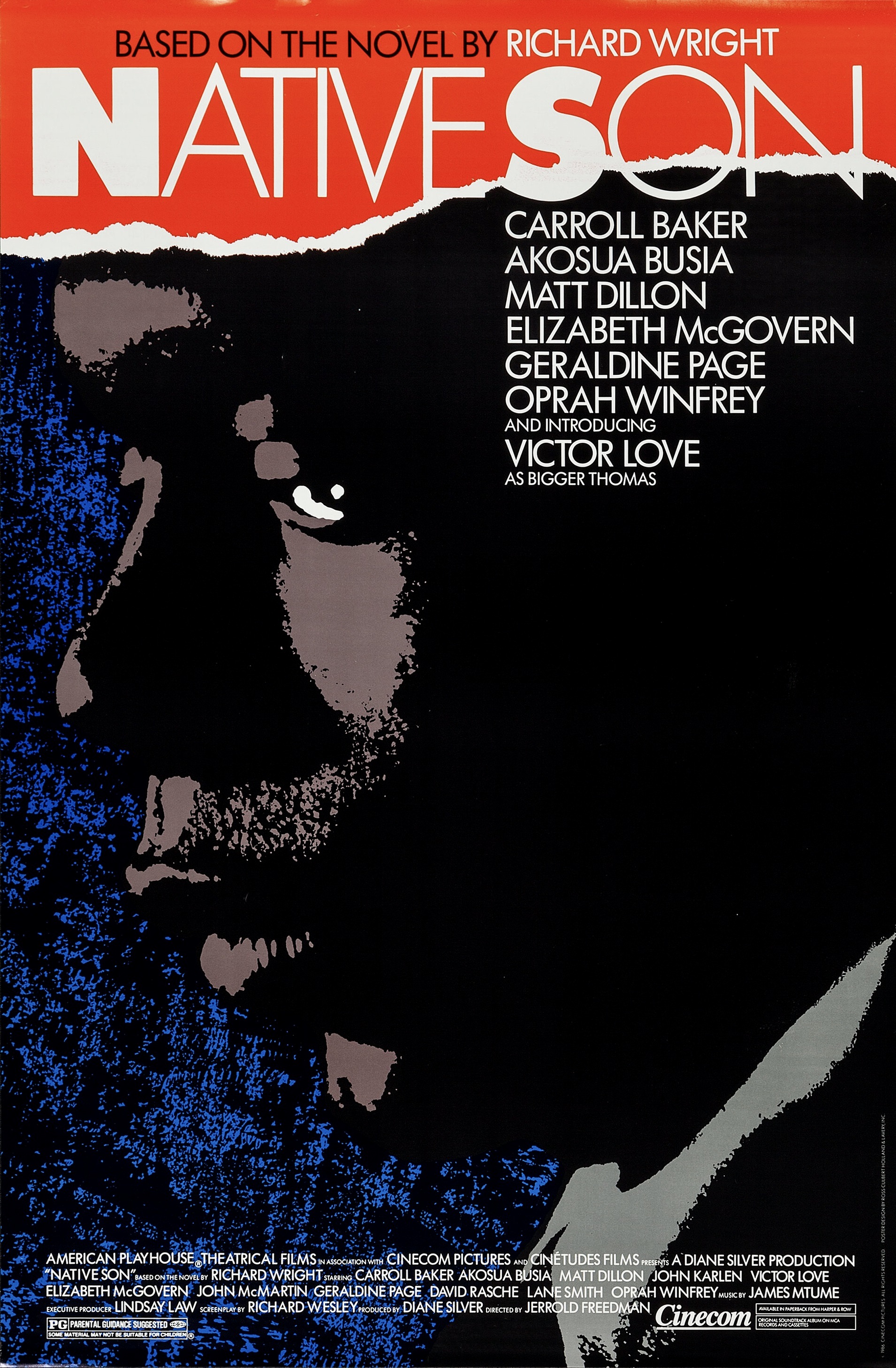
As for director Jerrold Freedman, he was better known as a television director and made only a handful of movies during his career including the 1986 film adaptation of Richard Wright’s Native Son. The Psychiatrist (1971) with Roy Thinnes, Night Gallery (1970-1971), and The X-Files (1993-1994) are among his more prominent TV credits.
Trivia on the film:
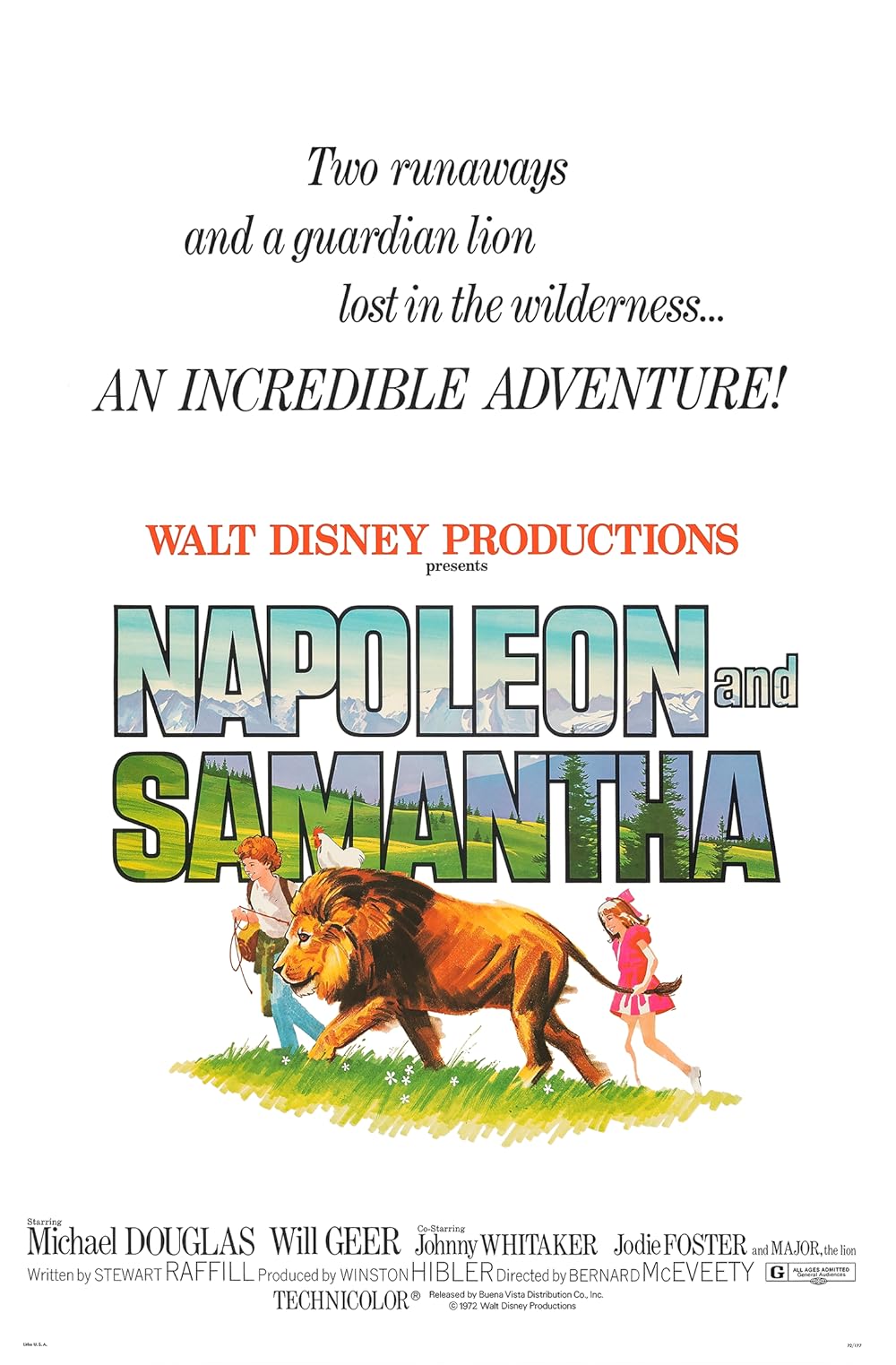
This was Jodie Foster’s first feature film but was released after the Walt Disney adventure film Napoleon and Samantha the same year.
MGM counted Kansas City Bomber as one of its most financially successful releases of 1972 along with Shaft and Skyjacked.
The city of Portland, Oregon would claim an important connection to the film. The World Famous Kenton Club, a dive bar with live music that opened in 1947 as a biker hangout, was located in the North Portland neighborhood of Kenton and was featured in Kansas City Bomber. The “world famous” part was added to their name after it was featured in the movie.
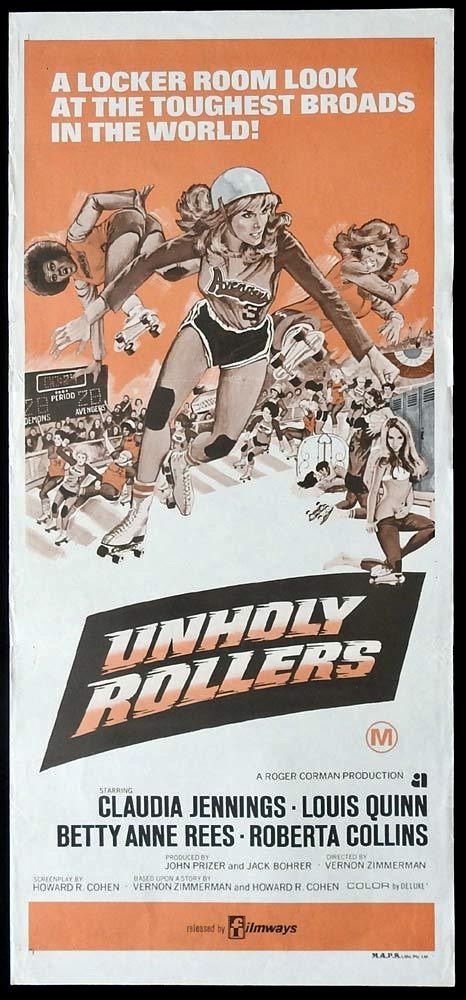
Director Roger Corman allegedly was inspired to make the 1972 American International exploitation drama Unholy Rollers starring Claudia Jennings after learning about Kansas City Bomber from its advance publicity.
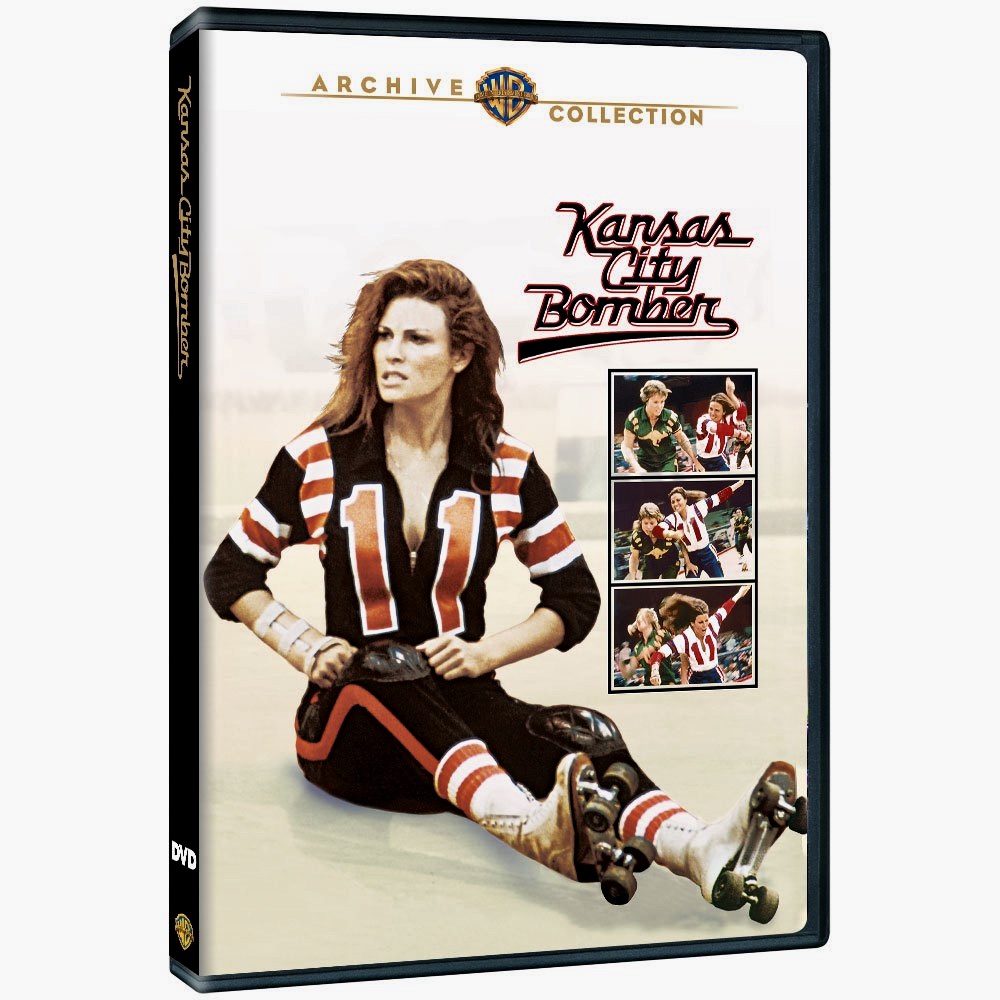
Kansas City Bomber was released on DVD by Warner Archive Collection in July 2013 as a no-frills disc and could certainly use a Blu-ray upgrade at this point.
*This is a revised and updated version of an article that originally appeared on the Turner Classic Movies website.
Other Links of interest:
https://apnews.com/article/raquel-welch-dies-obituary-3f6ba36da0bd11edb2973c219cee77e8
https://www.filmink.com.au/unsung-auteurs-jerrold-freedman/
https://classictvhistory.wordpress.com/tag/jerrold-freedman/
https://themacgyverproject.blogspot.com/2015/08/jerry-freedman-conversation.html
 Cinema Sojourns