
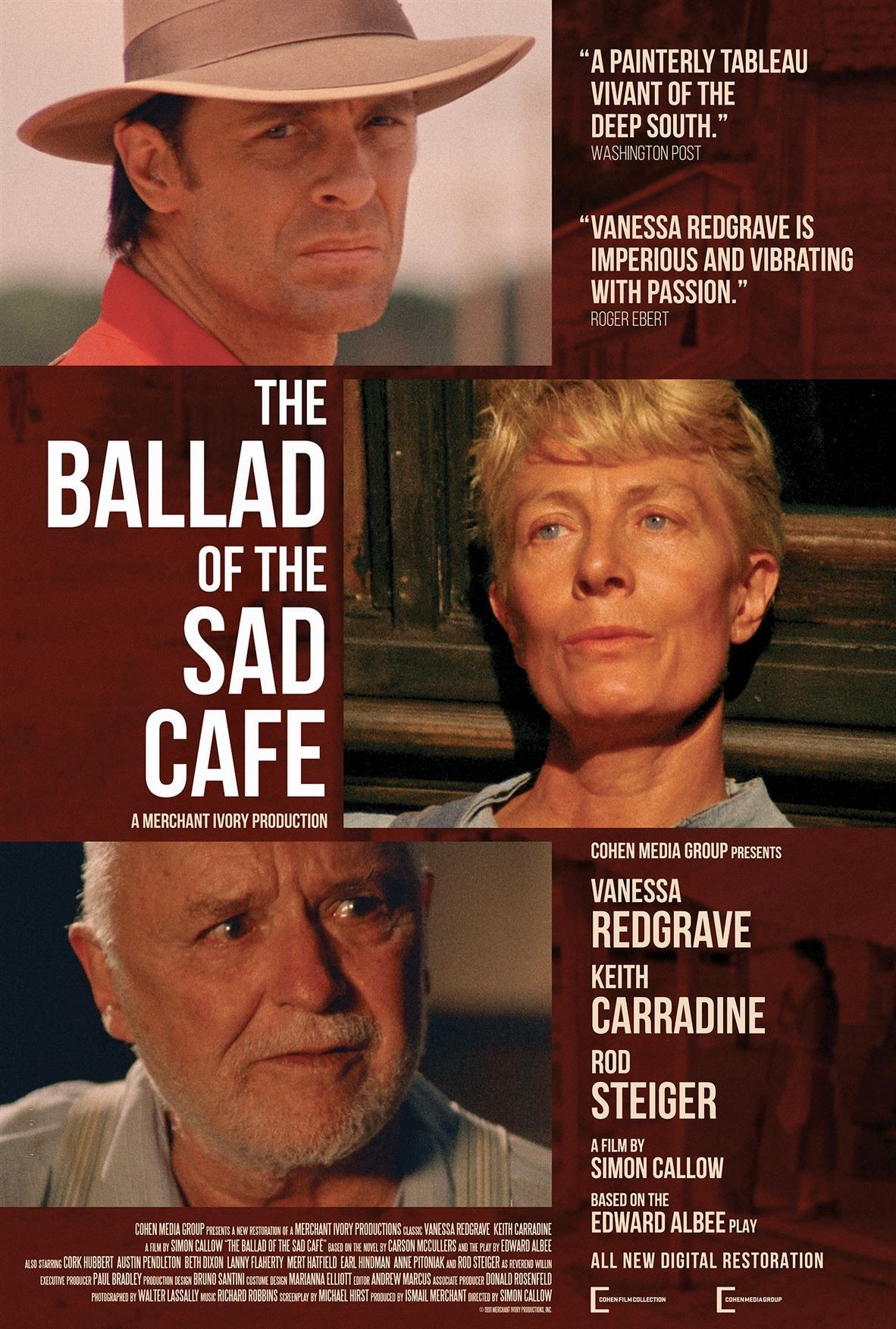
When people talk about Southern Gothic literature, they are usually referring to writers such as William Faulkner, Tennessee Williams, Flannery O’Connor, Erskine Caldwell and Carson McCullers and novels featuring marginalized characters suffering from loneliness, madness or despair in distinct Southern settings. A typical example would be McCullers’s second novel Reflections in a Golden Eye, published in 1941, which is set on a Southern army base in the 1930s and depicts various characters who identify with voyeurism, self-mutilation, repressed gay desire and murder. On the other hand, her 1951 novella The Ballad of the Sad Café has some Southern Gothic elements but is actually much closer to a bizarre folk tale handed down from some primeval culture with its grand passions and Greek tragedy stylings. It would seem the most unlikely candidate among her novels for a film adaptation and yet it was turned into a movie in 1991 by actor and celebrated author Simon Callow. Critics were divided over its success as cinema but for those willing to suspend their disbelief over the larger-than-life characters and storyline, The Ballad of the Sad Café is an admirable attempt to capture the heart and soul of McCullers’s original work. Callow finds a nice balance between theatricality and naturalism, the grotesque and the poignant, all supported in part by strong performances, especially Vanessa Redgrave in the central role.
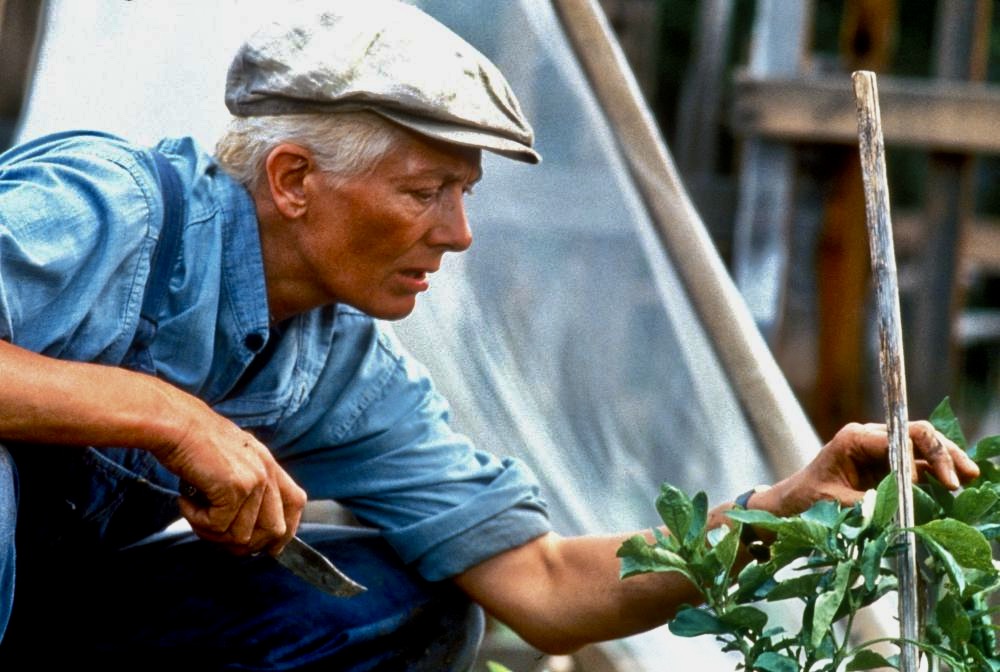
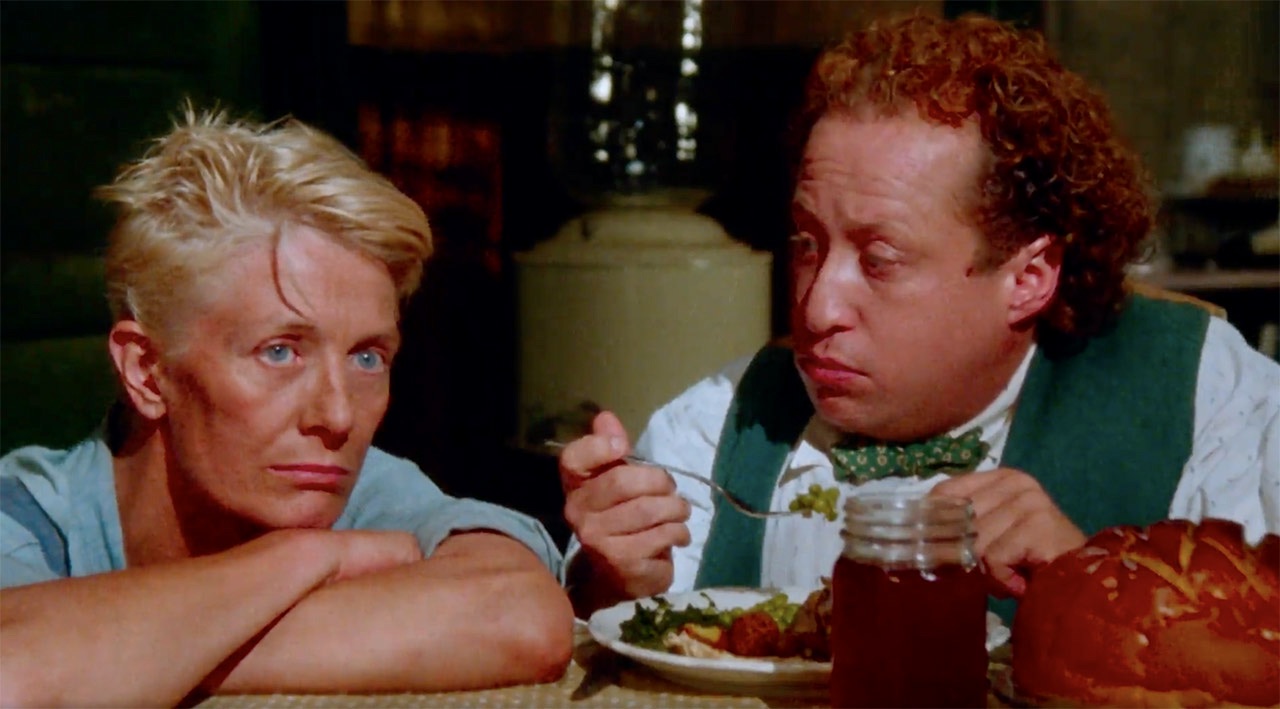
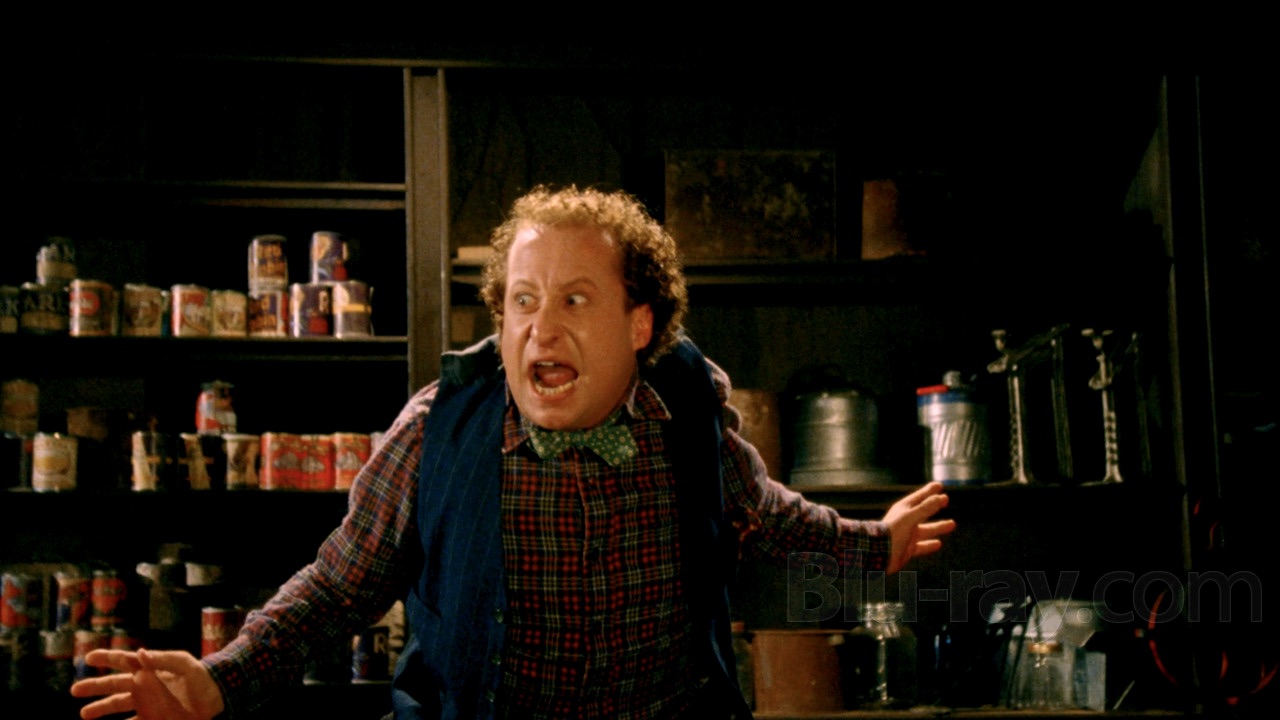
Set in a poor rural town in Georgia, the story revolves around Miss Amelia (Redgrave), the largest land owner in the area, who functions as the community’s sole entrepreneur. She provides herbal cures for the sick in lieu of a doctor but also sells moonshine from her private still and runs the general store. Physically imposing, socially awkward and masculine in appearance, she is the unofficial leader of her backward community. Nothing much ever happens or changes in Miss Amelia’s world until the arrival of a 4 foot 11 inch hunchback who claims to be a relative of Miss Amelia. Cousin Lymon (Cork Hubbert) might be a deceiver but Miss Amelia quickly becomes infatuated with this colorful figure who can perform magic tricks, spin tall tales, play the harmonica, and make his ears flap in an amusing way.
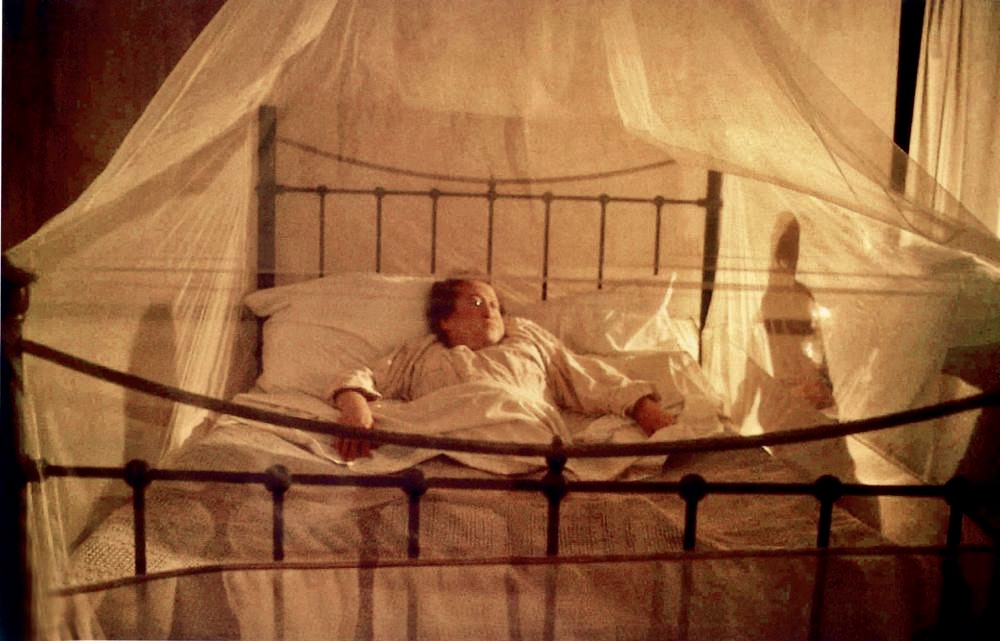
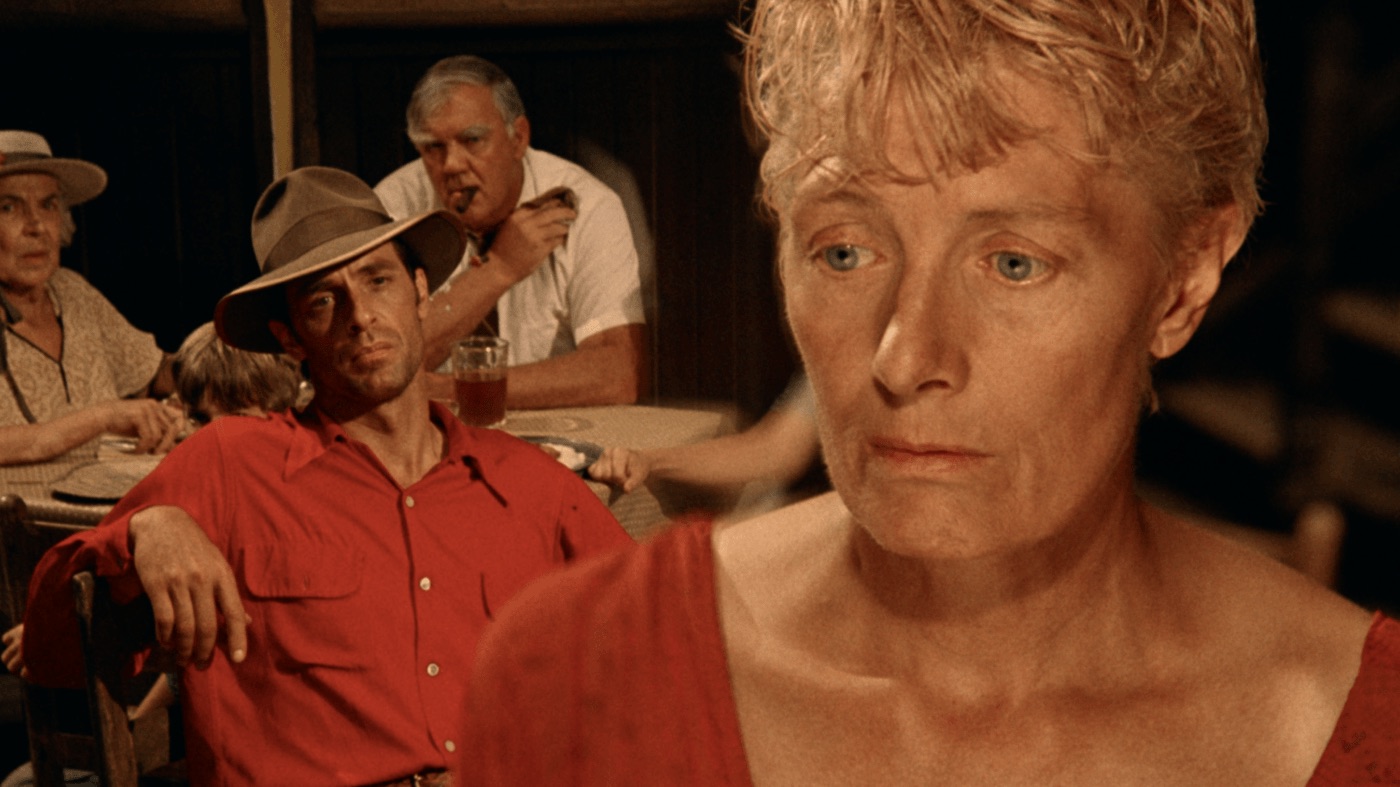
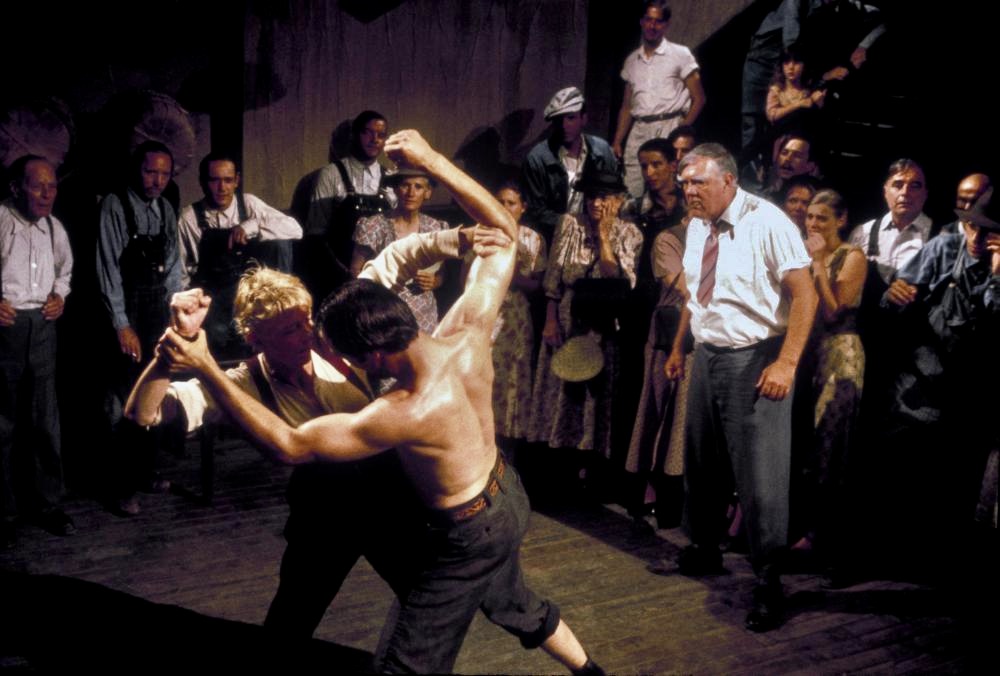
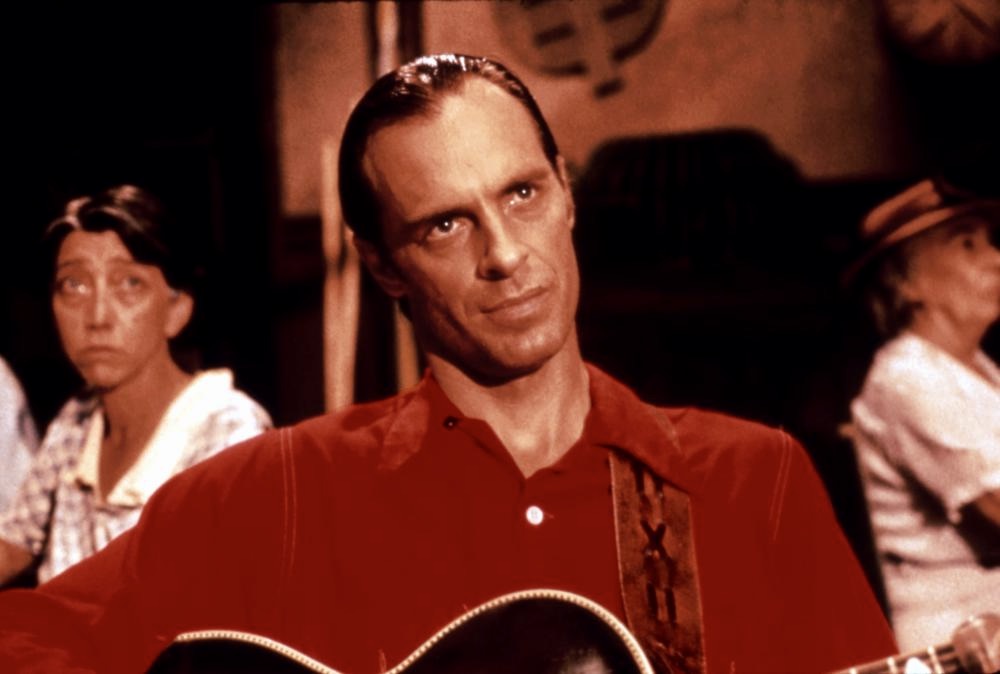
As Miss Amelia falls under Cousin Lymon’s spell, her stern, no-nonsense demeanor and rough facade begin to soften and she even starts wearing a dress. Her cousin also encourages her to transform the general store into a café that serves food and liquor and it quickly becomes a social hub for the town. While it is obvious that Miss Amelia is transformed by her all consuming love for Cousin Lymon, he seems indifferent to her adoration and takes full advantage of the situation, settling into a life of ease. It is only when an ex-convict named Marvin Macy (Keith Carradine) drifts into town with a distinct agenda that the dynamic between Miss Amelia and Cousin Lymon changes. Marvin turns out to be Miss Amelia’s former husband and was kicked out of her house on their wedding night and banished. Now he has returned to exact revenge and Cousin Lymon, who is held spellbound by his presence, becomes his willing accomplice. It all ends in a brutal, winner-take-all fistfight between Marvin and Miss Amelia as the townspeople watch with a kind of sick fascination.
This was Callow’s first and only attempt (so far) at directing a movie and it was instigated by producer Ismail Merchant, who had previously worked with Callow on A Room with a View (1985), Maurice (1987), and Mr. and Mrs. Bridge (1990). Merchant had purchased the rights to the McCullers’s novella from playwright Edward Albee, who had adapted and produced the stage version of The Ballad of the Sad Café on Broadway in 1963 with Colleen Dewhurst as Miss Amelia, Michael Dunn as Cousin Lymon, William Prince as Marvin and Roscoe Lee Browne as the narrator.
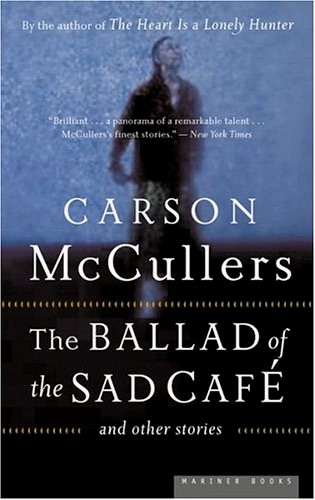
Callow collaborated with Michael Hirst on a new screenplay and decided to ditch the narrator from the story, opting instead for the symbolic framing device of a chain gang. They also pared down Albee’s original text because Callow felt it was too verbose and articulate for the characters unlike McCullers’s novel in which everyone was more monosyllabic in their speech patterns.
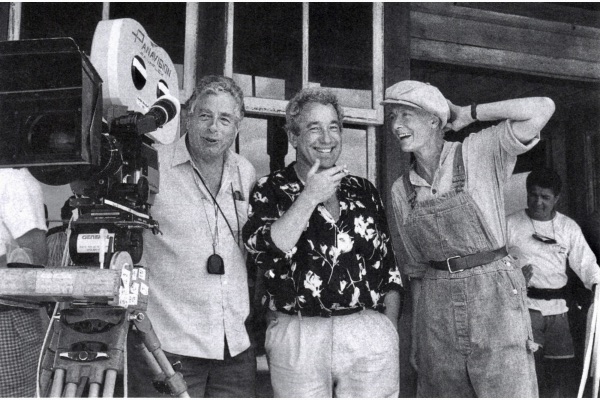
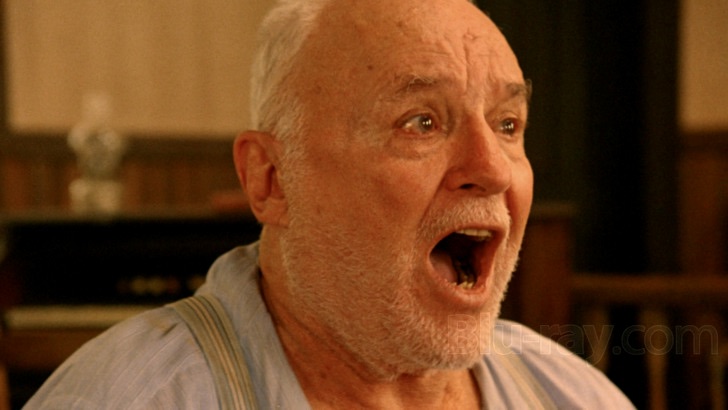
For the casting, Vanessa Redgrave was Callow’s first and only choice for Miss Amelia and she eagerly accepted the challenging role. Actor/playwright Sam Shepard was cast as Marvin but he dropped out shortly before production began and was replaced by Keith Carradine. As for role of Cousin Lymon, that went to Cork Hubbert, a famous stand-up comic from Portland, Oregon who later moved to L.A. and made his film debut in 1978 in the indie drama Property. He subsequently appeared in higher profile supporting roles – the stone age comedy Caveman (1981), Under the Rainbow (1981), a broad farce inspired by the making of The Wizard of Oz, and Ridley Scott’s fantasy adventure Legend (1985) – but this was a major career boost for the diminutive actor. Also, Reverend Willin, a minor character in the novel was expanded into a larger role for Rod Steiger, who delivers the key monologue which is McCullers’s summation of the story’s essence.
The Ballad of the Sad Café is a tale of one-way obsessions in which the lover is rejected by the object of their desire: Marvin is consumed with Miss Amelia, she is bewitched by Cousin Lymon and he is enthralled with Marvin. And none of them can have what they most desire. As McCullers writes in her novel, ““Love is a joint experience between two persons — but the fact that it is a joint experience does not mean that it is a similar experience to the two people involved. There are the lover and the beloved, but these two come from different countries…Almost everyone wants to be the lover. And the curt truth is that, in a deep secret way, the state of being beloved is intolerable to many….The lover craves any possible relation with the beloved, even if this experience can cause him only pain.”
In some ways, McCullers’s novel could have been inspired by her own life. The author had a tumultuous marriage with aspiring writer Reeves McCullers (they divorced and married twice), a union which was complicated by alcoholism, creative rivalry and their bisexuality. In the spring of 1941 McCullers and Reeves, both fell in love with the American composer David Diamond, and this complicated love triangle was reflected to some degree in The Ballad of the Sad Café.
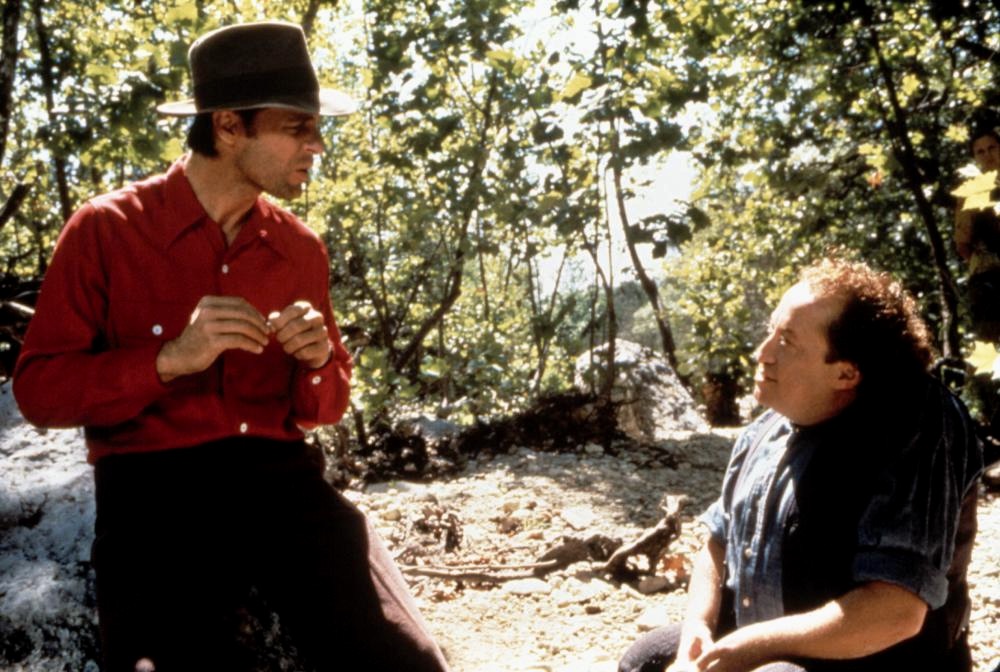
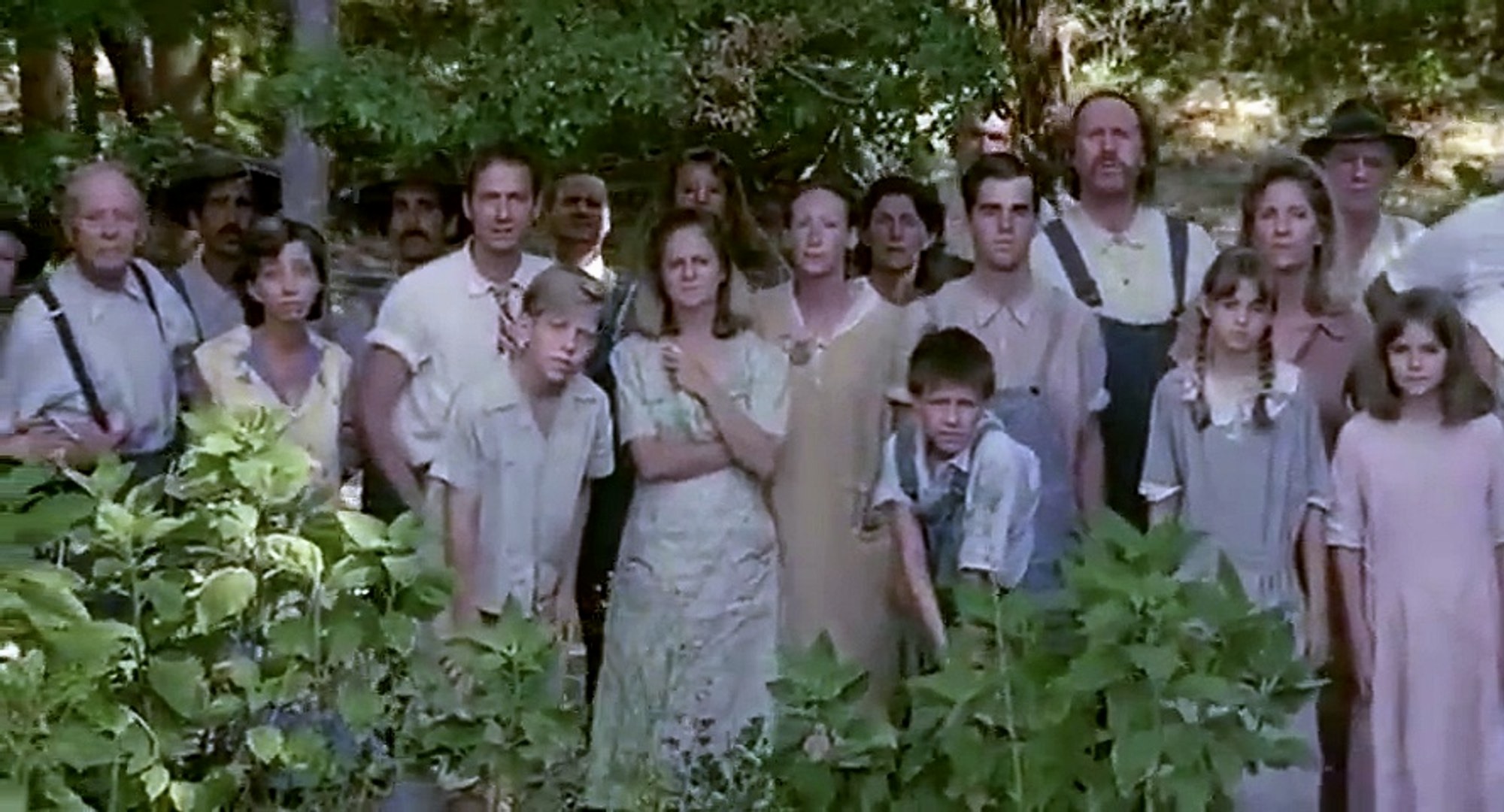
Callow decided to set the film in the Depression era, inspired by the Dust Bowl photographs of Walker Evans. Although the story takes place in rural Georgia, the director ended up building a small set to represent Miss Amelia’s community on an area of Willie Nelson’s ranch outside Austin, Texas. The production lasted approximately eight weeks and Callow had to content with some unexpected challenges along the way such as staging the climatic fistfight sequence and a scene featuring the Klu Klux Klan, which the local Texas crew members and actors were reluctant to do.
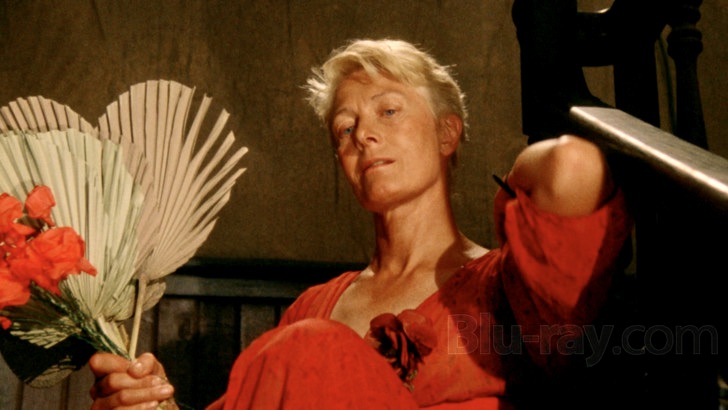
Redgrave was fascinated with her character and immersed herself in the role. In Vanessa: An Autobiography, the actress said, “I had to make a choice about her appearance, and I am still not sure I made the right one. Carson McCullers specifically writes that Miss Amelia has dark hair, but I thought I should have as little disguise as possible in the part. Given the fact that I am blonde and basically fair, with blue eyes, I decided to go for looking like a real straw-headed Southerner…I thought that Miss Amelia should be presented like a cartoon image, looking the same way until something very significant happens in the story. When it does, she changes out of her dungarees and wears a red dress to mark the fact that she has become a woman. I wanted her to appear to have remained rather like a twelve- or thirteen-year-old boy emotionally.”
Callow was delighted to be working with an artist of Redgrave’s caliber but she could also be a daunting prospect for any director. In the biography Vanessa: The Life of Vanessa Redgrave by Dan Callahan, Callow said, “I think what happens with Vanessa when she works on a part is that she is groping towards a kind of rationalization of the part, or a concept of the part, and she slowly begins to get it…She said to me one day while we were working that she had been re-reading the novel and suddenly it was staring her in the face that Miss Amelia must be Native American. And I said, ‘Why do you say that, Vanessa?’ and she said, ‘Because she has an herb garden, and she must be in touch with the spirits,’ and so on. And she said that obviously we were going to have to re-shoot everything we had done, because obviously she couldn’t be blond, she would have to die her hair black. And I said to her that we just couldn’t do that because we had no money at all for it.”
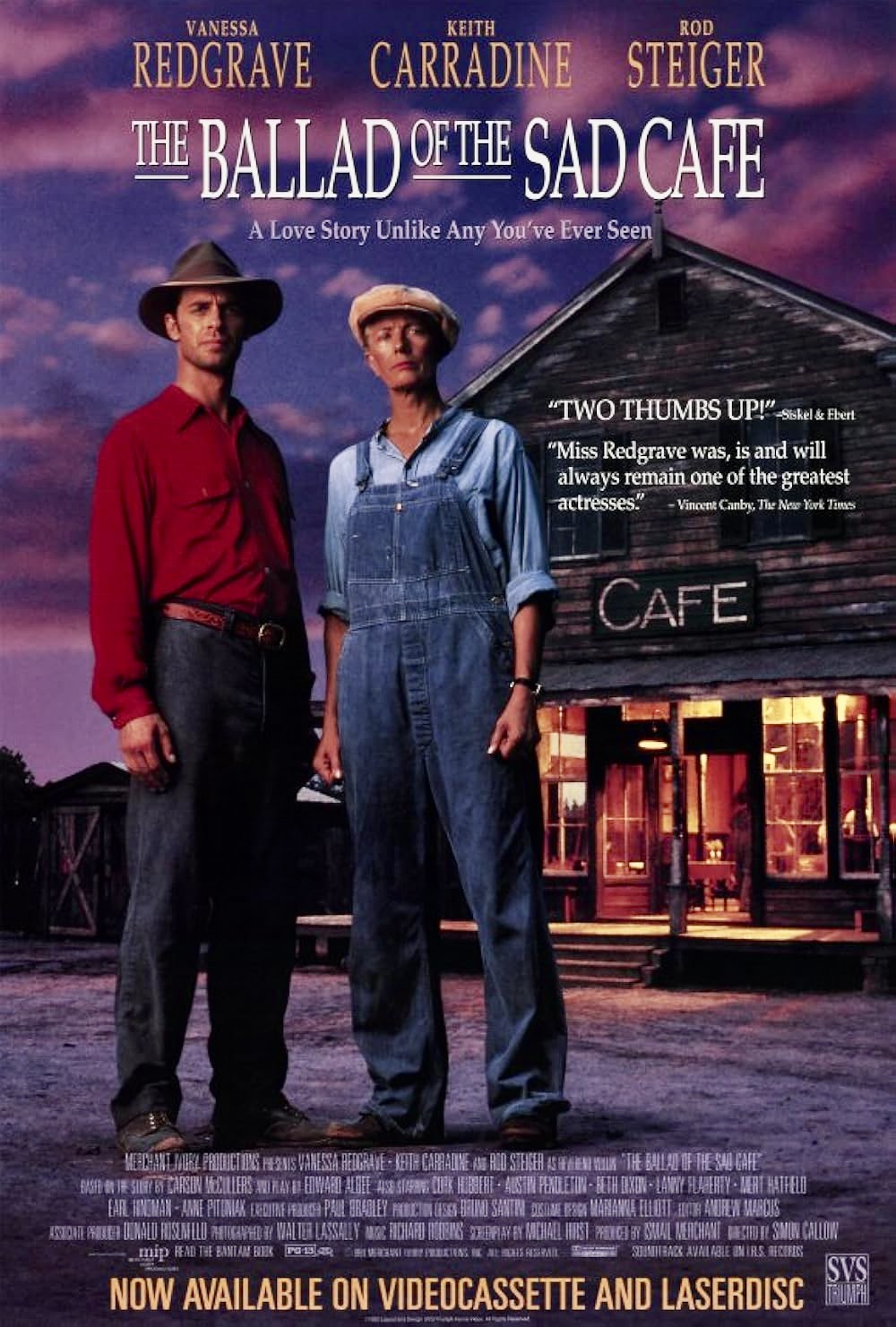
When the film was completed and went into release, Edward Albee voiced his unfavorable opinion of the adaptation. In the biography, Edward Albee: A Singular Journey: A Biography by Mel Gussow, he said, “For the film to succeed to McCullers’ intentions it must bring a mythic quality to the relationship. It is not the story of a shy, sexually repressed, mannish woman set on by a brutish punk. It is the story of two people who however unclearly to themselves they may comprehend it, are engaged in a bizarre ‘grand passion’ – the one real chance in their lives for something very special – the one opportunity for them both to fully realize themselves. It is this quality, this awareness which reaches toward the mythic, and makes what happens when Marvin Macy comes back so poignant, so inevitable, and the stuff of true tragedy. It is this which is missing from the screenplay. As it is now, a punk gets rejected and comes back and does his dirty work. That is not what McCullers intended, and is not what the screenplay should be offering us.”
Some of the critic reviews were negative as well with Peter Rainer of The Los Angeles Times, writing “”If Callow had approached the McCullers’ material with a visual lyricism to match the lyricism of her prose, he might have come up with a more energetic movie.” And Clifford Terry of The Chicago Tribune stated, “On the page, Ballad flows as leisurely as a Georgia stream in August, but onscreen the end effect is that of sheer somnolence.”
At the same time, there were several positive notices such as Variety which said, “Simon Callow makes an assured feature directing debut adapting Carson McCullers’ novella The Ballad of the Sad Cafe, a demanding, abstract fable. Redgrave’s body English, strange accent and physical outbursts are a triumph of pure acting. Carradine’s more natural approach helps bring pic closer to reality.” And Roger Ebert of the Chicago Sun Times, noted “…it plays well, if you can dismiss from your mind any remote expectation that the behavior in the film will mirror life as we know it. And Vanessa Redgrave, imperious and vibrating with passion, makes a proud, sad Miss Amelia.”
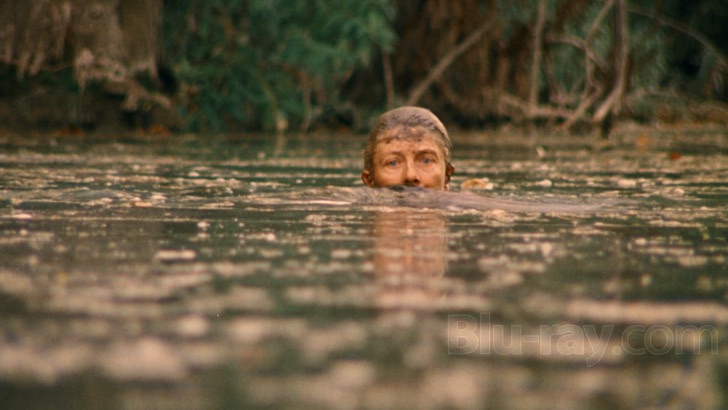
In the end, Callow delivers a version of McCullers’s novel that plays like a macabre fairy tale with moments of magic realism. There are some scenes that are static and seem stage bound and the recreated town of Miss Amelia looks like a set and is clearly not filmed in Georgia as represented by the local topography and vegetation of Central Texas. But there are plenty of purely evocative moments that capture the lyrical quality of McCullers’ writing such as the scene where Miss Amelie wades through swampy water up to her nose as she approaches her secret moonshine hideaway. And Redgrave’s performance is reason enough to see the film. You could also say The Ballad of the Sad Café is the most offbeat and atypical Merchant-Ivory production in their entire catalogue.
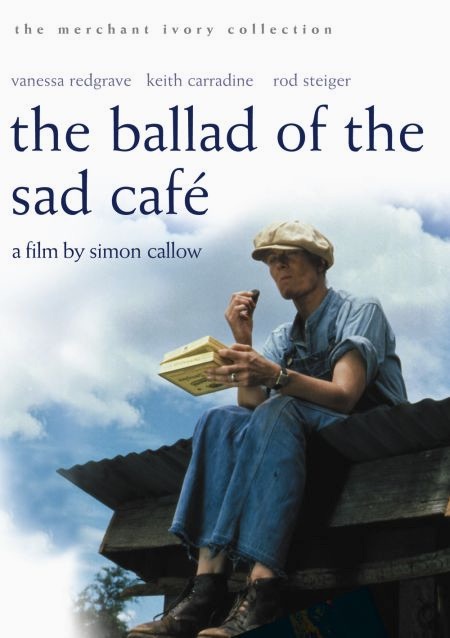
The Ballad of the Sad Café was released on DVD in 2005 by Home Vision Entertainment and includes an audio commentary by Simon Callow. It is long overdue for a Blu-ray upgrade which could happen in the near future since the movie is licensed to the Criterion Collection.
Other links of interest:
https://www.georgiaencyclopedia.org/articles/arts-culture/carson-mccullers-1917-1967/
https://simoncallow.com/index.php?rel=about
https://obits.oregonlive.com/us/obituaries/oregon/name/carl-hubbert-obituary?id=19708644
 Cinema Sojourns