
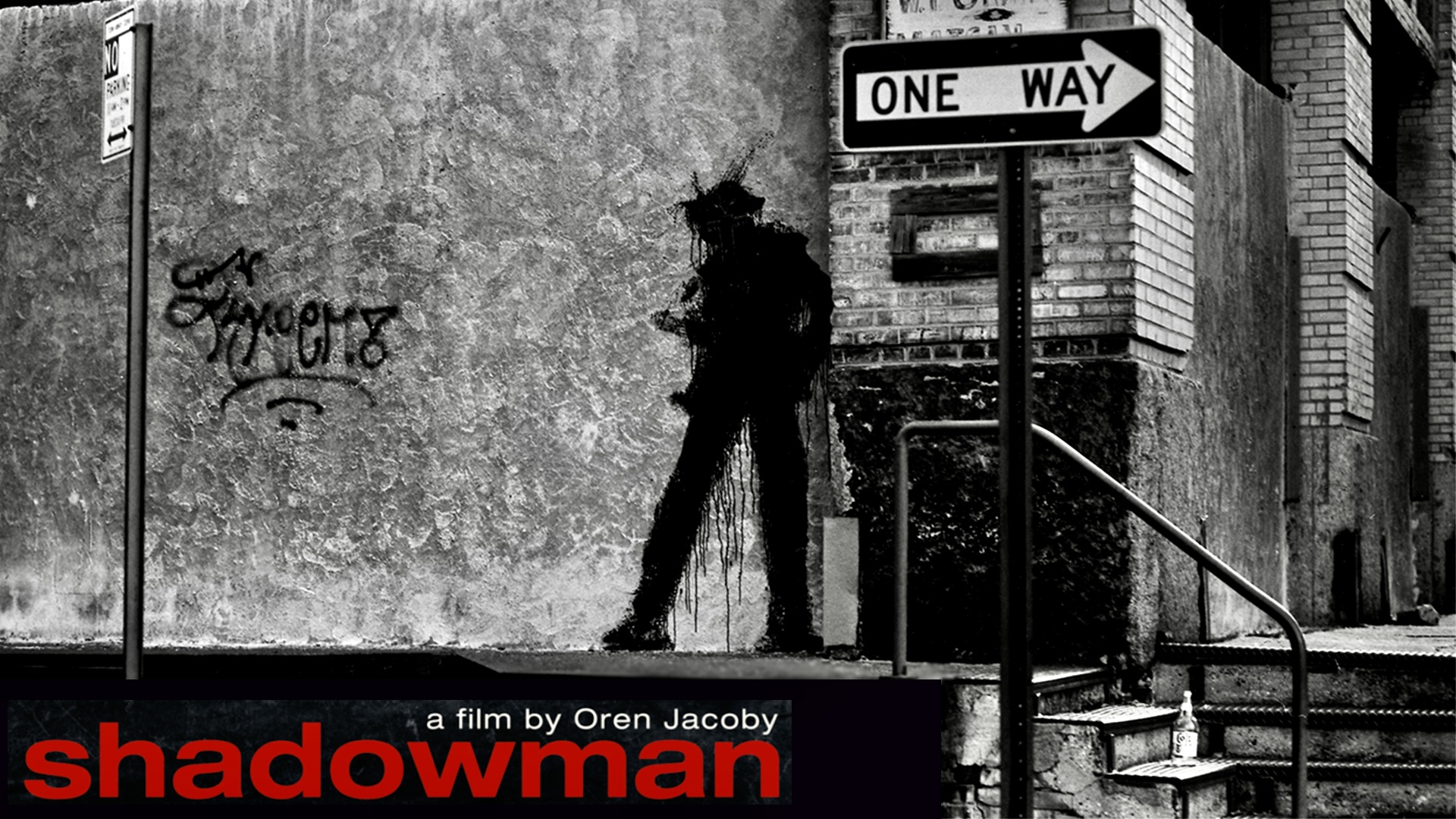
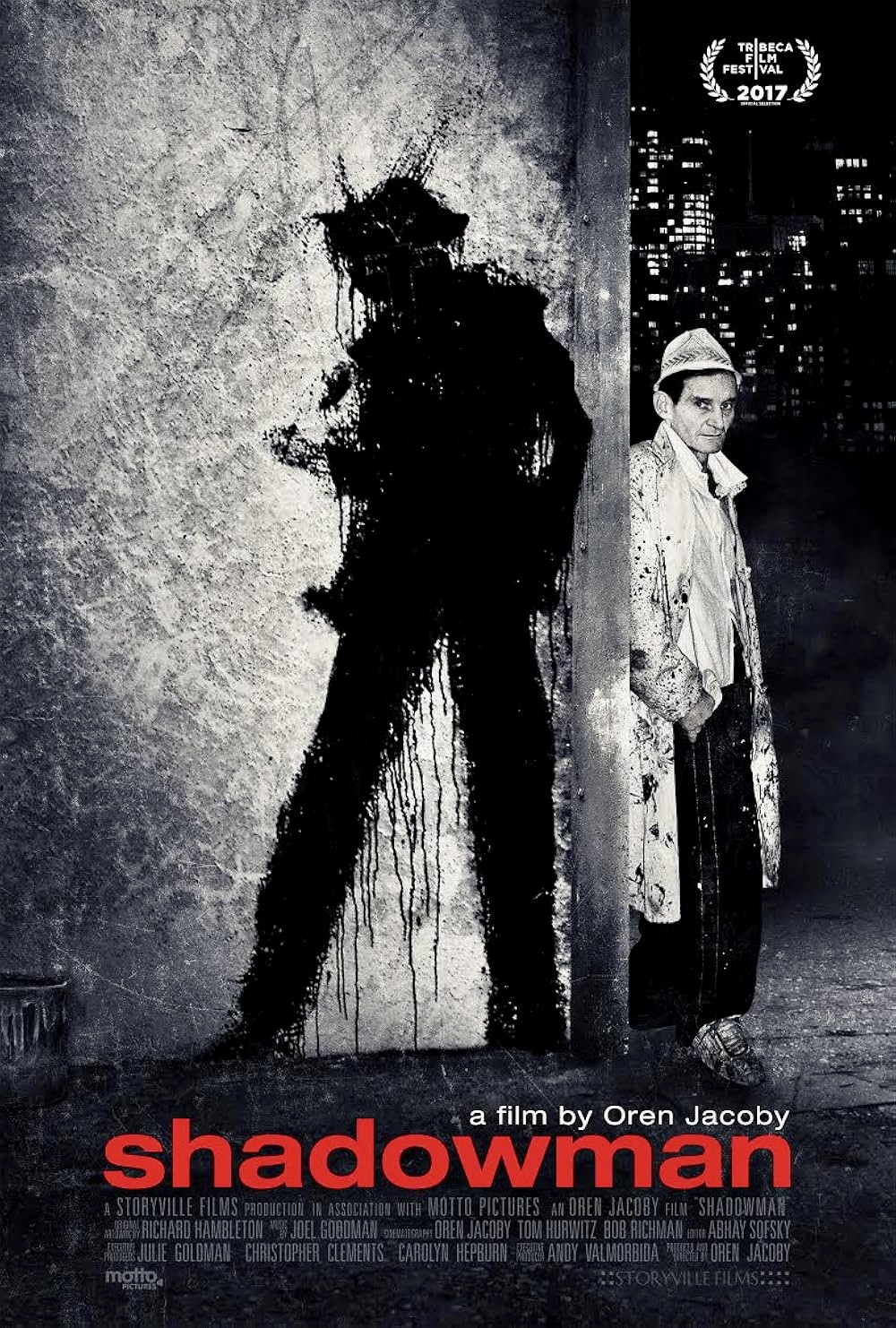
When did grafitti drawings and spray paint signage graduate from being considered vandalism to a recognized art movement? Pop culture historians pinpoint the late 1960s as the time that subway art and other movements began appearing in major cities with Philadelphia and then New York City paving the way. Some believe that grafitti taggers Cornbread aka Darryl McCray and Top Cat 126 from Philadelphia were among the first to elevate spray paint signage out of its defacement stigma. And by the late seventies/early eighties grafitti art had become much more elaborate and pervasive, thanks to the pioneering efforts of cult figures like Jean-Michel Basquiat and Keith Haring, who eventually made their brand of street art wildly popular and collectible. What most people don’t know is that a Canadian artist named Richard Hambleton created a public art series between 1976 to 1978 in major cities across America and Canada that were inspired by real life crime scenes. These homicide victim street portraits actually prefigured the spray paint artists movement in New York City and Shadowman (2017), a documentary by Oren Jacoby, delves into the elusive figure of Hambleton, who was famous before contemporaries Basquiat and Harring, but is the least known of the three today.
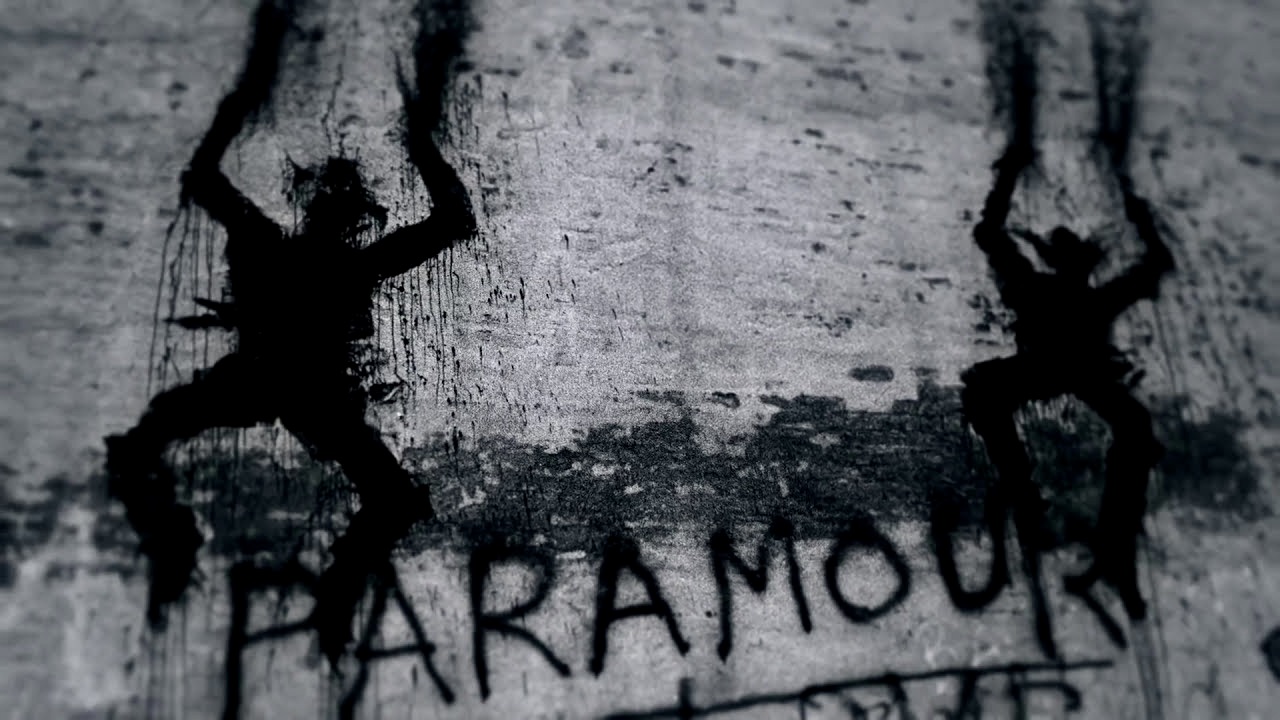
Jacoby’s portrait succeeds in the daunting task of rescuing from semi-obscurity the artist who was once called “the Godfather of NY Street Art.” Although Hambleton was usually characterized as a graffiti artist, he preferred the term public artist and his work influenced later street graffiti superstars like Banksy and the stencil artist Blek le Rat.
Originally from Vancouver, Hambleton moved to Manhattan’s Lower East Side in 1979, his aesthetic agenda already in place. Including extensive documentation from various video and film sources, photographs, media coverage and Jacoby’s own footage, Shadowman unfolds like a crime procedural drama beginning with Hambleton’s Image Mass Murder series from 1976-79. Making his mark on 15 major cities across the U.S., Hambleton startled, shocked and intrigued local residents with his faux murder scenes, which juxtaposed body outlines in chalk with red paint highlights in prominent public areas.
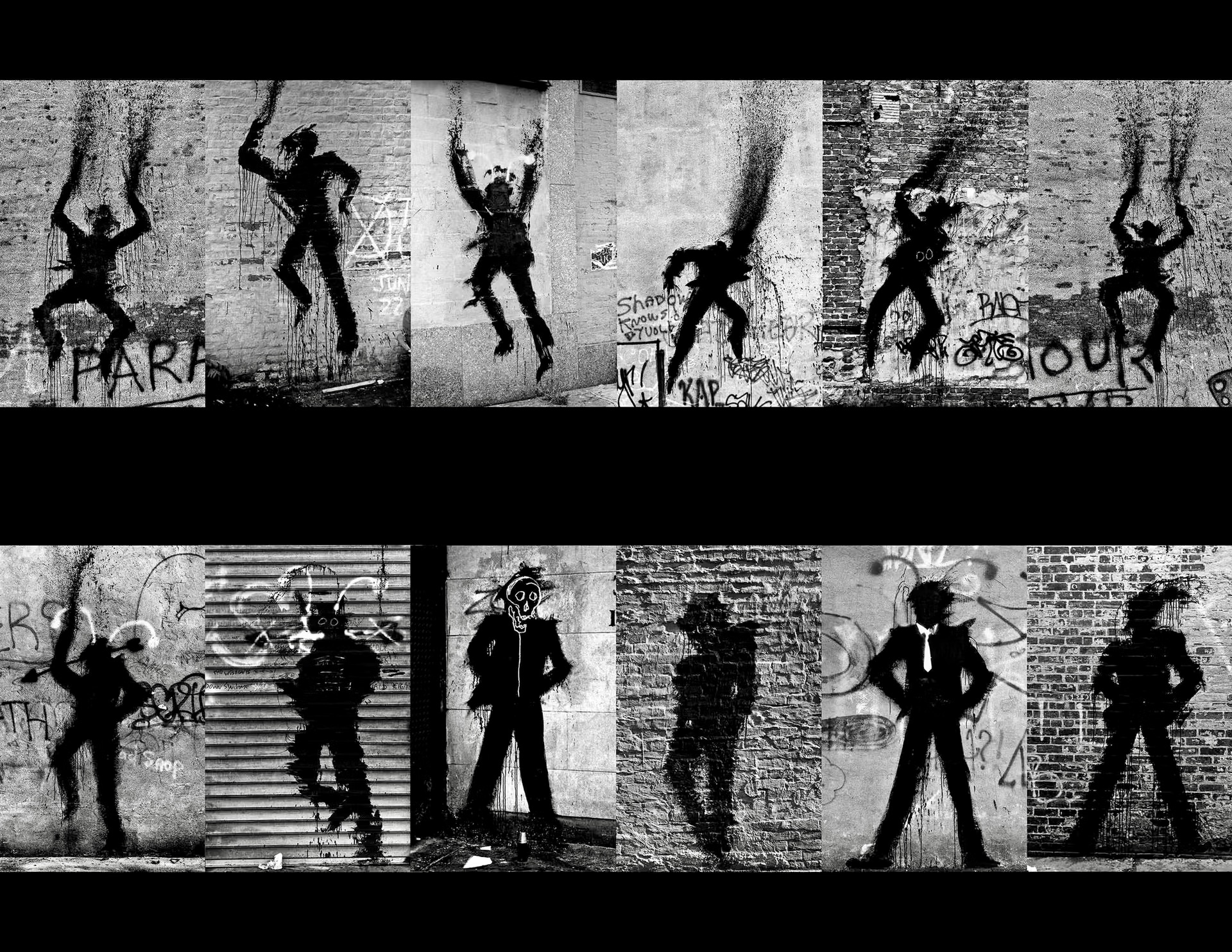
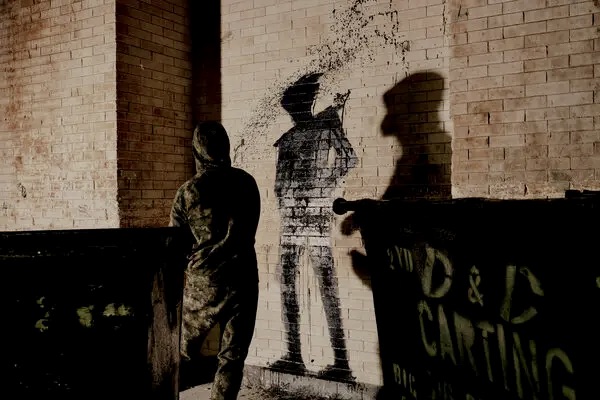
Hambleton followed this up with another multi-city tag campaign in 1980-81 known as I Only Have Eyes for You, for which he plastered street walls with hundreds of life-sized posters featuring himself as a stylish bon vivant with an unnerving, wide-eyed stare. But it was the Nightlife series he launched in NYC in 1982 that established his fame in the art world. Prowling the nocturnal streets of the Lower East Side, Hambleton would appropriate street corners, alleyways and other public wall spaces and, using black paint, create variations of a life-size silhouette that appeared to be watching the passing pedestrians.
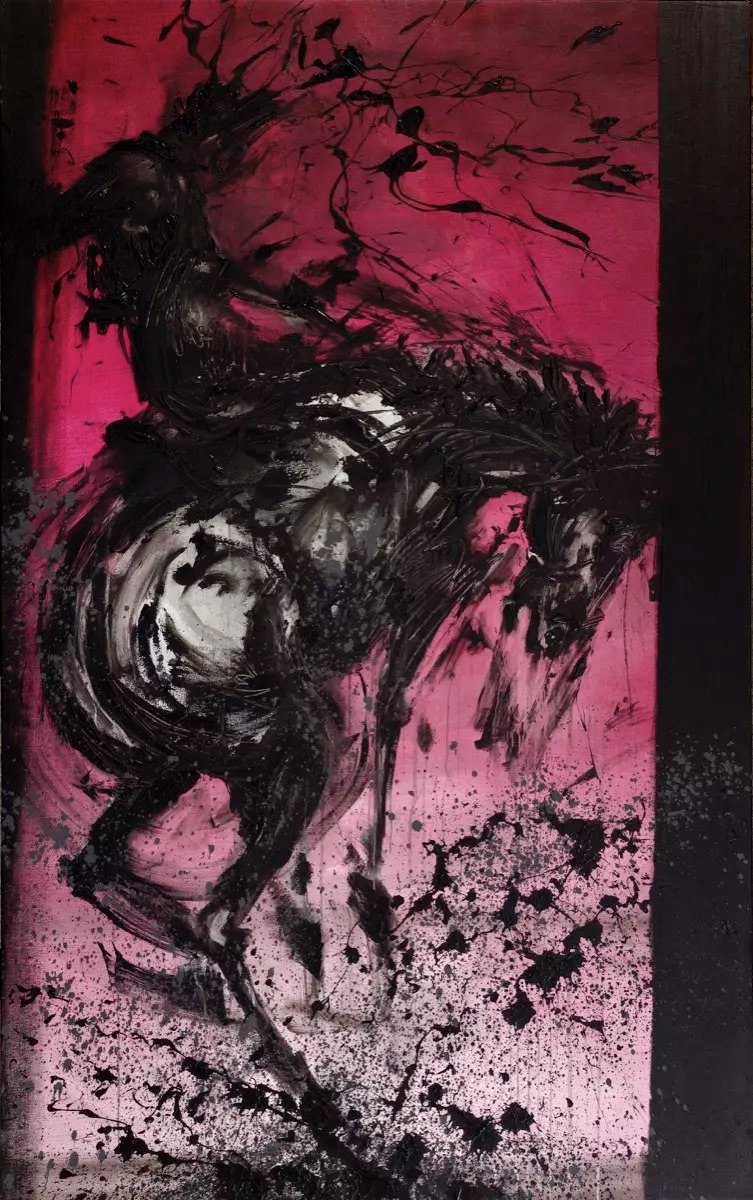
Sometimes he would tag these figures with skull heads or crowns but eventually the Shadowman character would evolve into ink blot rodeo riders or cowboys resembling the Marlboro Man in a subversive urban twist on the famous icon. In an article for The Independent, journalist Alice Jones wrote, “Courted by Andy Warhol, who begged to paint his portrait, only to be refused point blank, praised by Life magazine, who put him on their cover not once, but twice and feted across Europe where he exhibited at the Venice Biennale, his high point came in 1984, when he painted 17 life-size figures on the East side of the Berlin Wall, before returning, a year later, to paint the West side too.” Then, at the height of his fame, Hambleton withdrew from the world, becoming a virtual recluse.
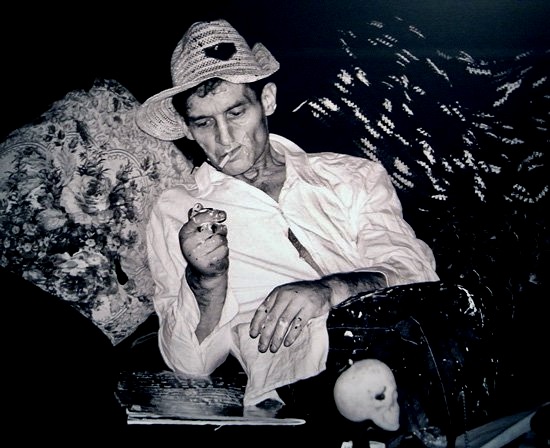
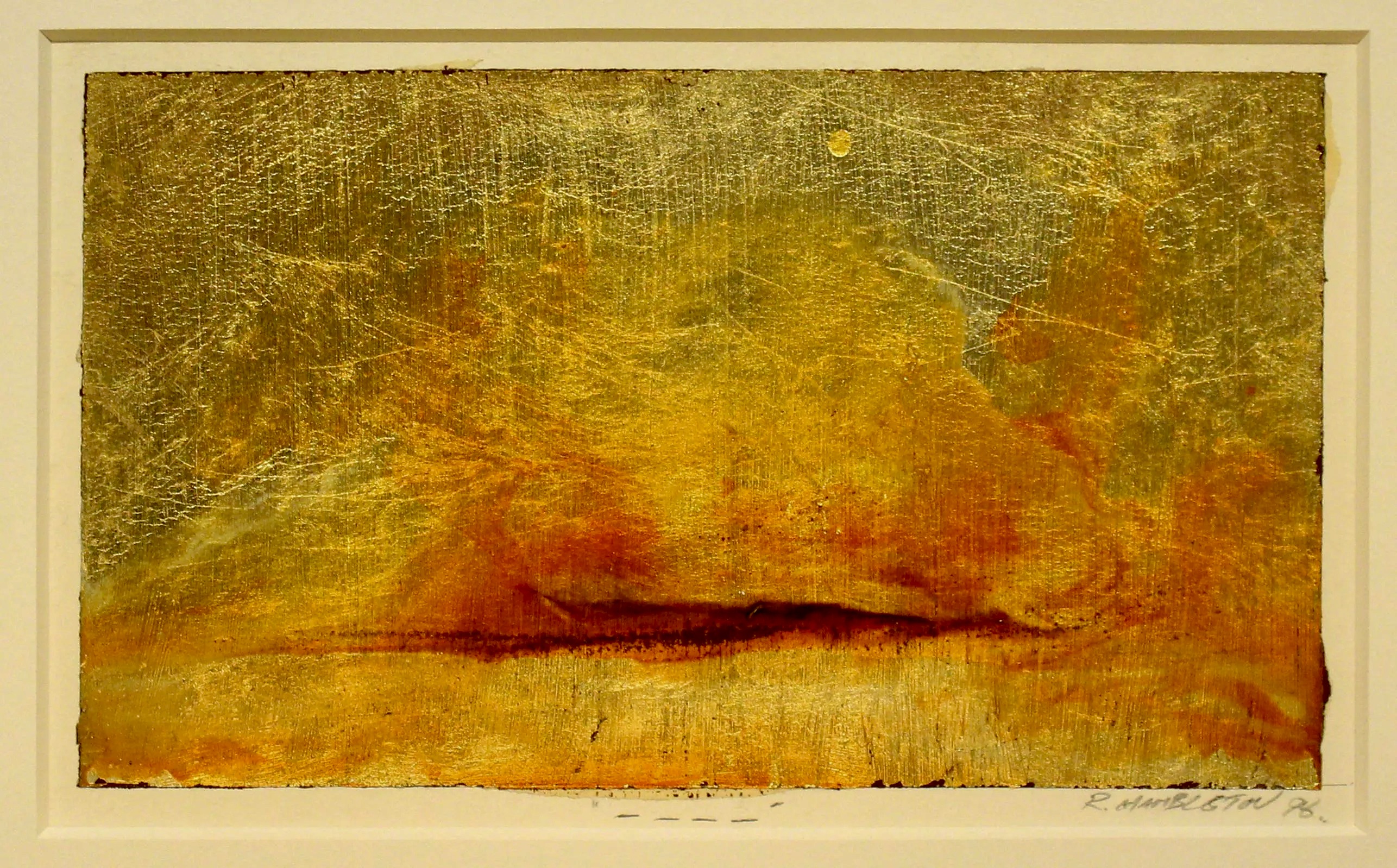
Jacoby’s Shadowman not only documents those heady days of early success but Hambleton’s lost years when he descended into heroin addiction, homelessness, erratic behavior and serious health issues such as advanced scoliosis and facial cancer that he attempted to hide under an increasingly large bandage. Yet through it all, his art remained his obsession. Even under the most desperate circumstances he produced the “Beautiful Paintings,” a remarkable body of work that contemplated natural landscapes in otherworldly colors and were a complete departure from his street art.
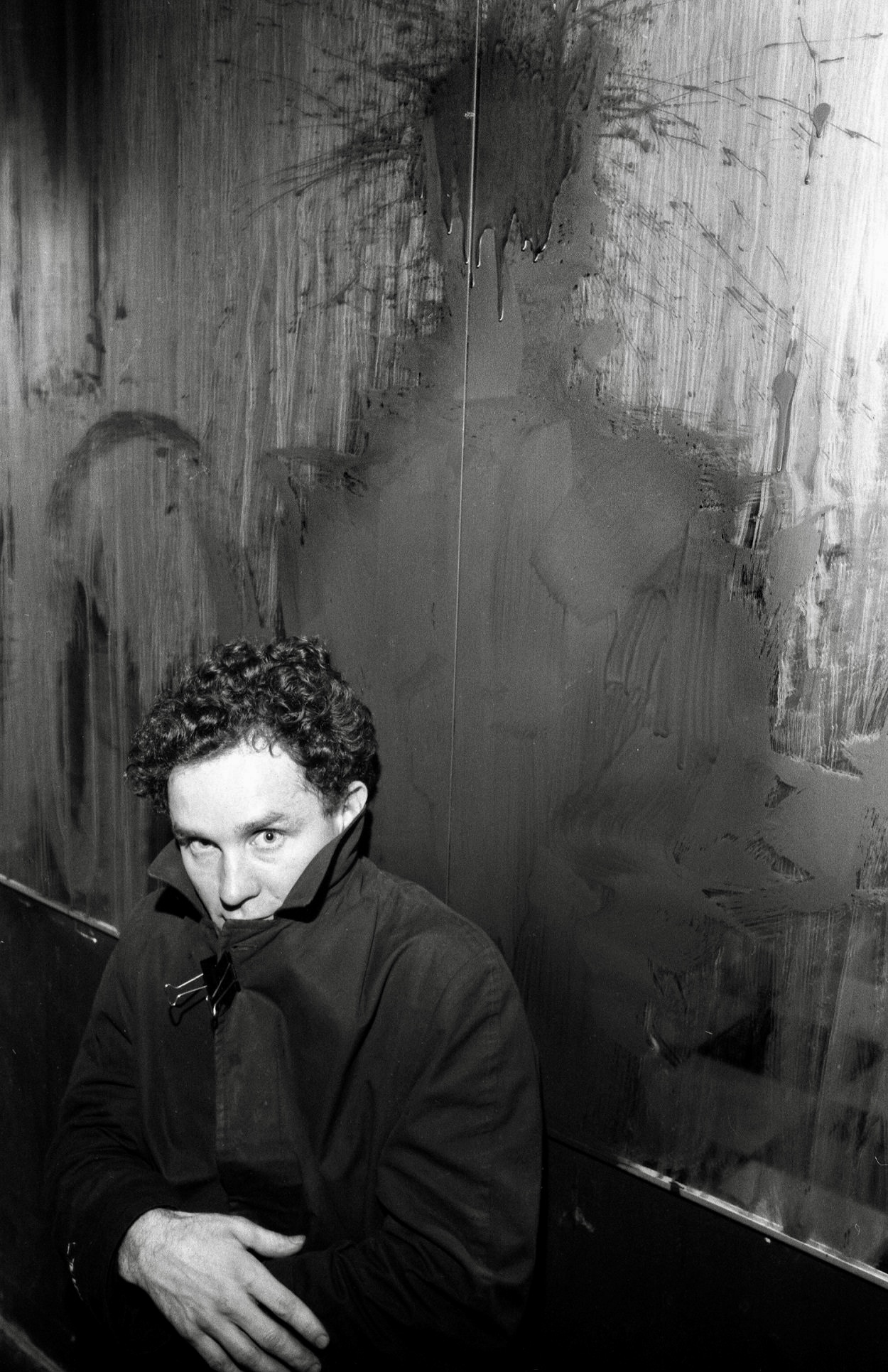
Despite an on-and-off relationship with Hambleton, Jacoby was able to document a lot from the artist’s final years, including a career resurgence in 2007-09 and then again in 2017. Jacoby states in his production notes, “Sometimes the experience of following Richard with a camera gave me a sense of what it must have been like to see Van Gogh in his fateful, final years as he was consumed by madness, addiction and his last burst of artistic passion.” The resulting film is a riveting portrait of creativity under constant, mostly self-inflicted duress.

Shadowman was deemed a success on the film festival circuit and critical reviews during its limited theatrical release were predominantly glowing. A typical example is this excerpt from Peter Goldberg in Slant magazine: “The late painter seems too protean to warrant a simple portrait, so it’s fitting that Shadowman doesn’t merely embrace Hambleton as a would-be star screwed over by a tempestuous industry. He’s presented as an inspired talent, but this isn’t taken at face value. The film rounds out its portrait by facing the grotesque realities and mysteries of Hambleton’s acerbic personality. For every interviewee praising him as a misunderstood Van Gogh of his time, the film underscores his deleteriously uncompromising and shifty, self-victimizing nature. That this question of Hambleton’s genius is ultimately left unsettled speaks to Shadowman’s merits as a gruesome art-world fairy tale unafraid to face the bitter details of its hero’s tumultuous life.”
Originally released theatrically by Film Movement, Shadowman is also available on DVD from their website and the disc includes 30 minutes of bonus footage.
*This is a revised and expanded version of an article that originally appeared on Burnaway.org
Other links of interest:
https://yieldgallery.com/biography/richard-hambleton-biography
https://nofilmschool.com/2017/04/oren-jacoby-shadowman-interview
https://myitaliansecret.com/bios
https://www.widewalls.ch/magazine/20th-century-the-rise-of-graffiti
 Cinema Sojourns