
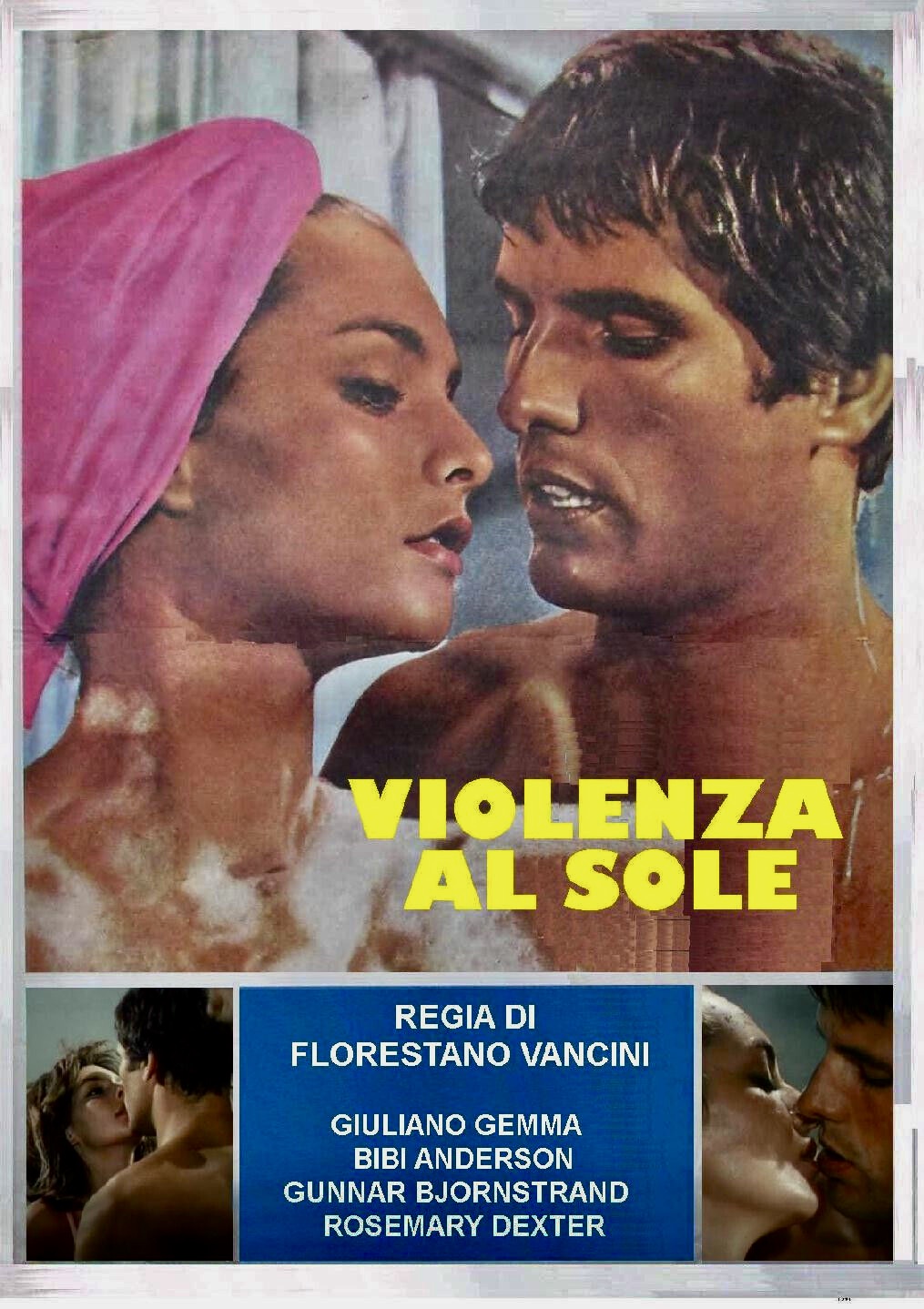
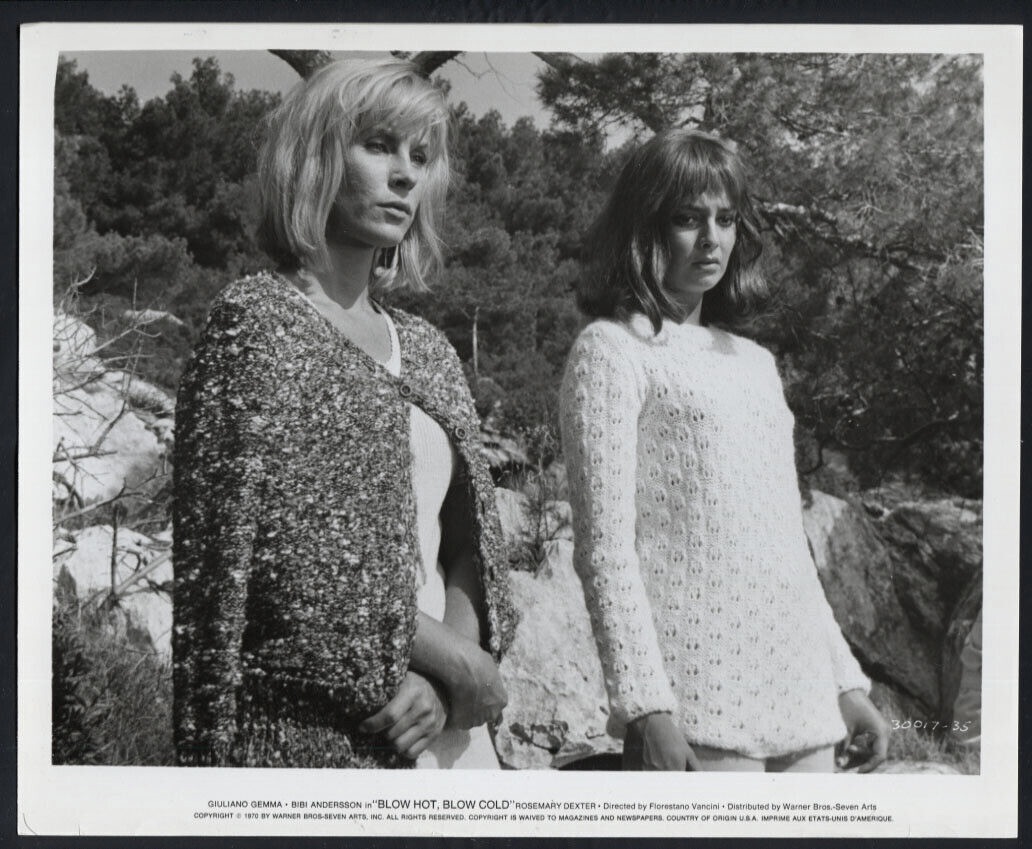
During the peak years of the Italian film industry in the 1960s and 70s, there were numerous films released which never received a theatrical release in the U.S. and are completely unknown to American audiences. Of course, some of these are forgettable but there are several that deserve a second chance at being re-discovered and Violenza al Sole (English title: Violence in the Sun aka Blow Hot, Blow Cold aka Hot Blood in the Veins, 1969), directed by Florestano Vancini, is a prime example. It is also a fascinating anomaly in the careers of the four main actors, Giuliano Gemma, Rosemary Dexter, and two stars who are most often associated with director Ingmar Bergman, Bibi Andersson and Gunnar Bjornstrand.
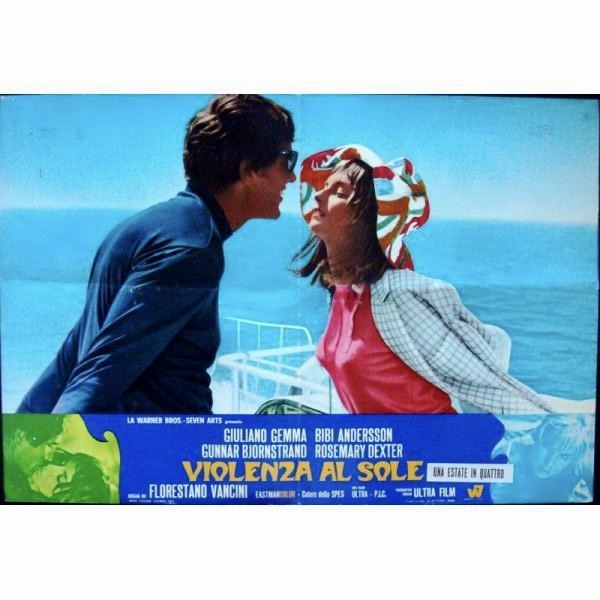
At first the film, which begins with a high speed catamaran ferry carrying tourists to a vacation destination, seems destined to follow the predictable formula of an erotic melodrama where an older couple become infatuated with a younger couple, leading to adultery and sexual intrigue. But Blow Hot, Blow Cold avoids that cliched plot staple and becomes a penetrating psychological study of two couples at different points in their relationships.
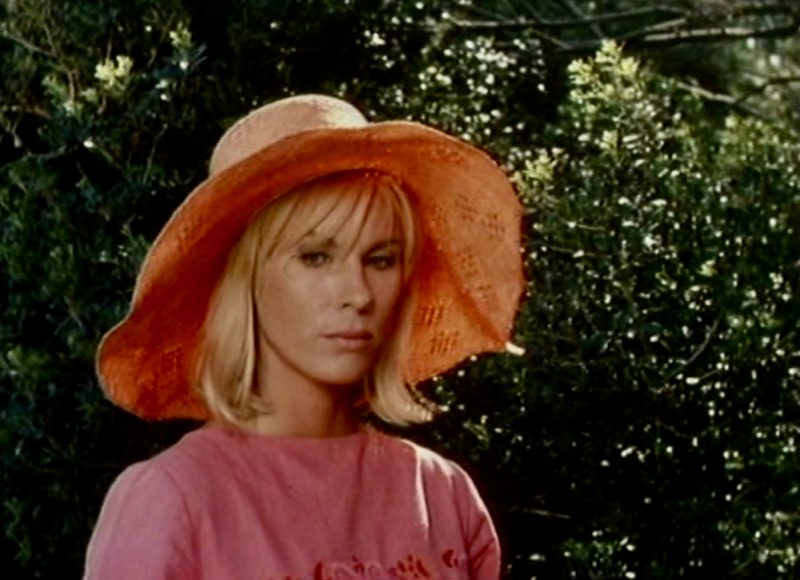
Gunnar Lindmark (Bjornstrand), a psychiatrist on holiday with his wife Margit (Andersson), is clearly a control freak with an arrogant and condescending attitude toward others. It is no surprise that his wife appears detached and uncommunicative and their tense relationship suggests that the marriage may be far beyond repair at this point. Both of them, however, can’t help but notice and feel envious toward Giulio (Gemma) and Laetitia (Dexter), a young, amorous couple who appear to be on their honeymoon.
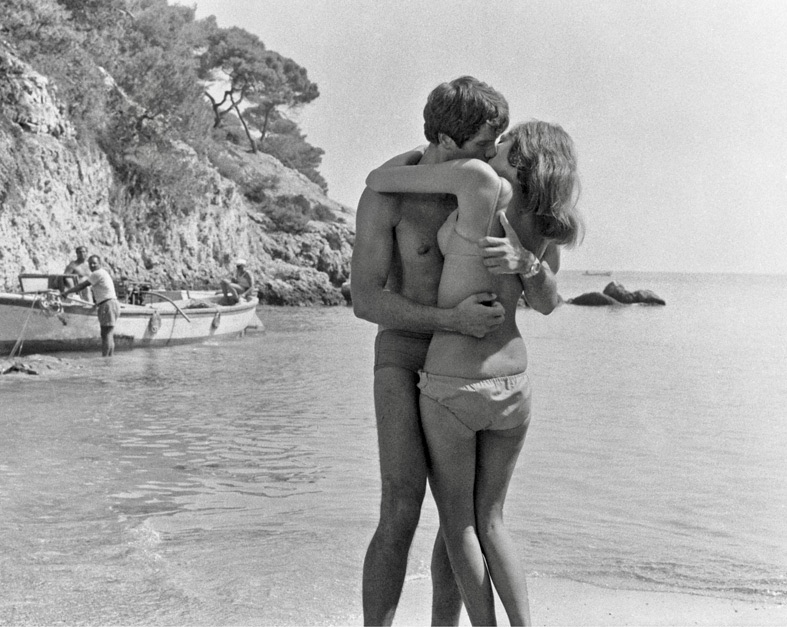
At the start of their vacation in the idyllic setting of the Tremiti Islands in the Adriatic Sea, Gunnar and Margit keep their distance from the other tourists but eventually befriend the younger couple, even though Margit can’t speak Italian. Gunnar, in particular, seems revitalized by their sexually charged presence, telling Giulio, “I like being with young people. They transfer some of their vitality.”
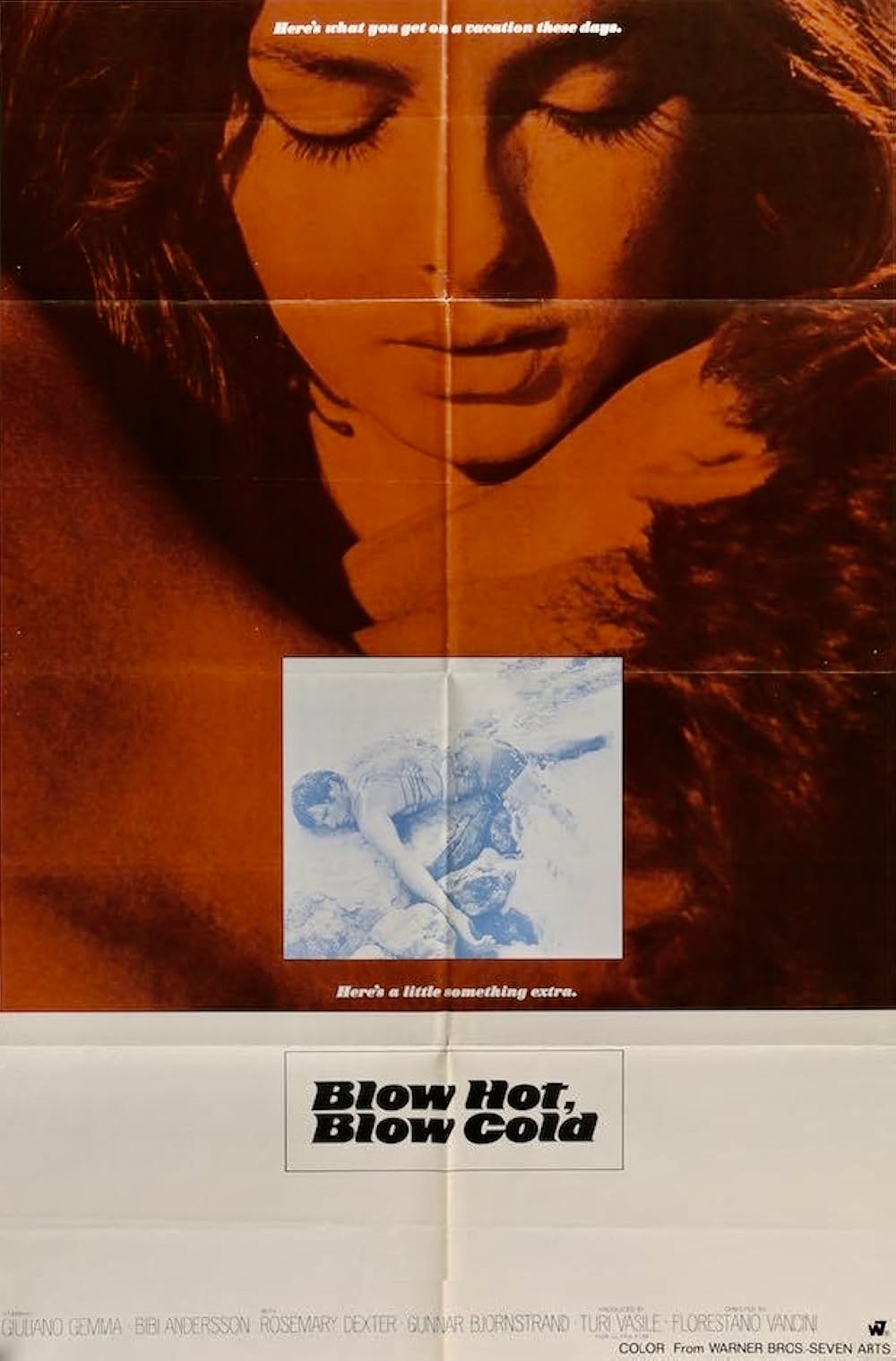
For Margit, the passionate young couple, triggers memories of a happier time when she was on a winter holiday with her lover Frederick. [Spoilers ahead!] Unfortunately, the affair ended with Frederick’s suicide…or was it murder disguised to look like suicide? We also learn that Margit was only 17 when she married Gunnar (he was 32) and the age difference has become more polarizing.
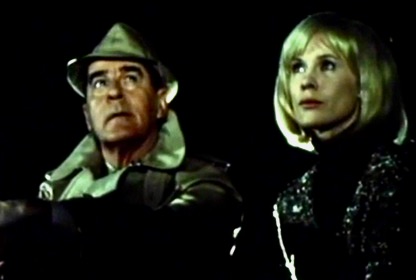
Gunnar’s own reaction to Giulio and Laetita is more complicated. It begins like a magnetic attraction he can’t resist and ignites long dormant sexual desires in him, especially after an evening of drinking and partying with the young couple. But it ends in a humiliating rejection by Margit when he attempts to make love to her. His obsession with Giulio and Laetitia then turns to outrage as he begins spying on them like a stalker. He compares their uninhibited coupling in the bushes to wild animals mating and states contemptuously at one point, “I’m not a moralist but I don’t think it’s appropriate to do those things in public.”
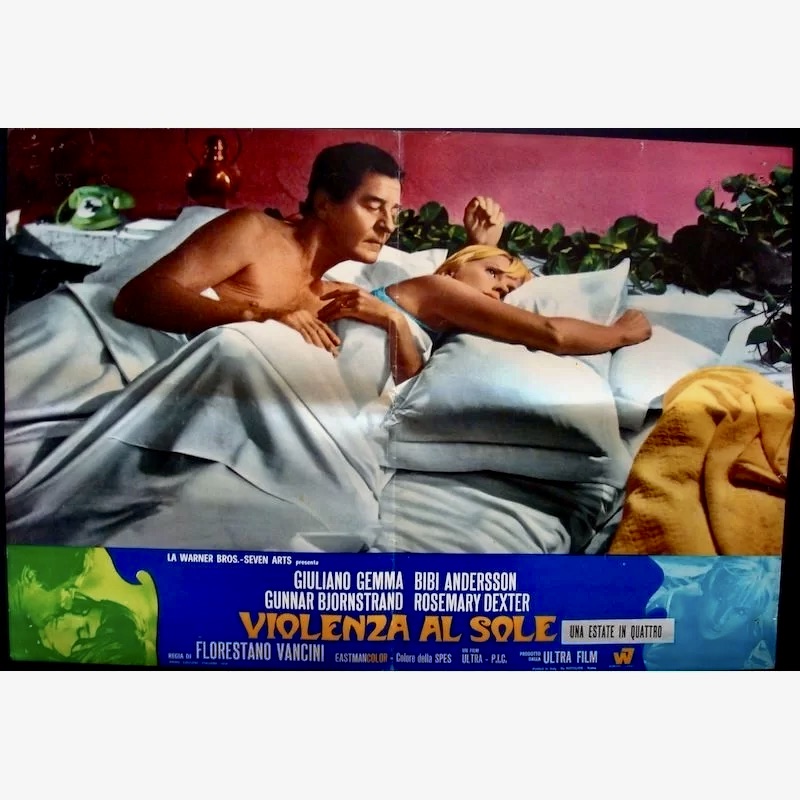
Blow Hot, Blow Cold sets up an intriguing dynamic between the two couples with the repressed, coolly detached Swedish duo contrasted against the hot, sexually active Italian lovers, who turn out to harbor secrets of their own. For one thing, Giulio is an unmarried antiques dealer and Laetitia is a married woman whose husband is away on business in Brazil. Laetitia is already anxious and unhappy with the prospect of returning to her former life within a week. But the Lindmarks never learn the truth about the Italian couple until the end of their holiday when Margit remarks, “They were too happy to have been married.”
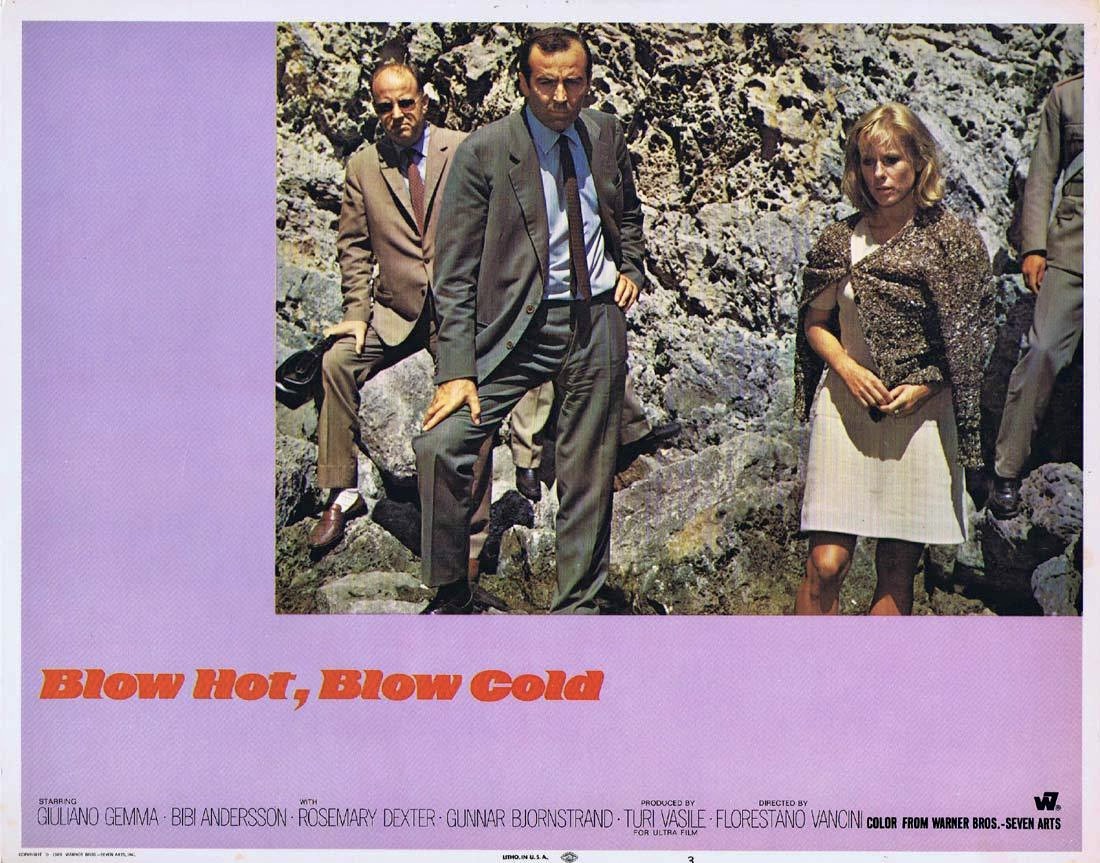
The film culminates in an inevitable tragedy as the most likeable and sympathetic member of the quartet is murdered and we only discover the culprit and the motive in the ensuing police investigation that closes the movie. But Blow Hot, Blow Cold is less of a murder mystery than a cautionary tale of how extreme envy and jealousy leads to destructive urges. It also demonstrates that people carry their problems with them wherever they go, and even the most stunning travel destinations on earth can’t bring them happiness or allow them to escape who they really are.
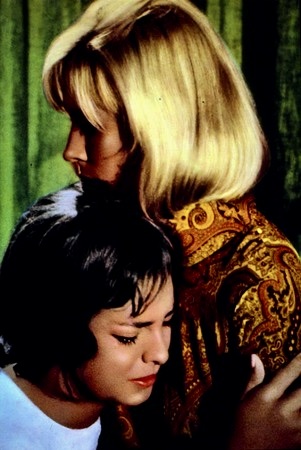
The performances showcased in Blow Hot, Blow Cold are uniformly excellent with Gunnar Bjornstrand and Bibi Andersson channeling the spirit of Ingmar Bergman in their portrait of a marriage made in hell. Providing a completely different vibe, Giuliano Gemma and Rosemary Dexter are so drop dead sexy and charismatic that it is obvious why they become the center of attention and they spend most of the movie in various states of undress that accent their physical beauty. The sumptuous color cinematography of Ennio Guarnieri (The Garden of the Finzi-Continis [1970], Brother Sun, Sister Moon [1972]) and the haunting music score by Carlo Rustichelli (Divorce, Italian Style [1961], Blood and Black Lace [1964]) also conjures up the perfect atmosphere for a vacation in paradise that turns dark.
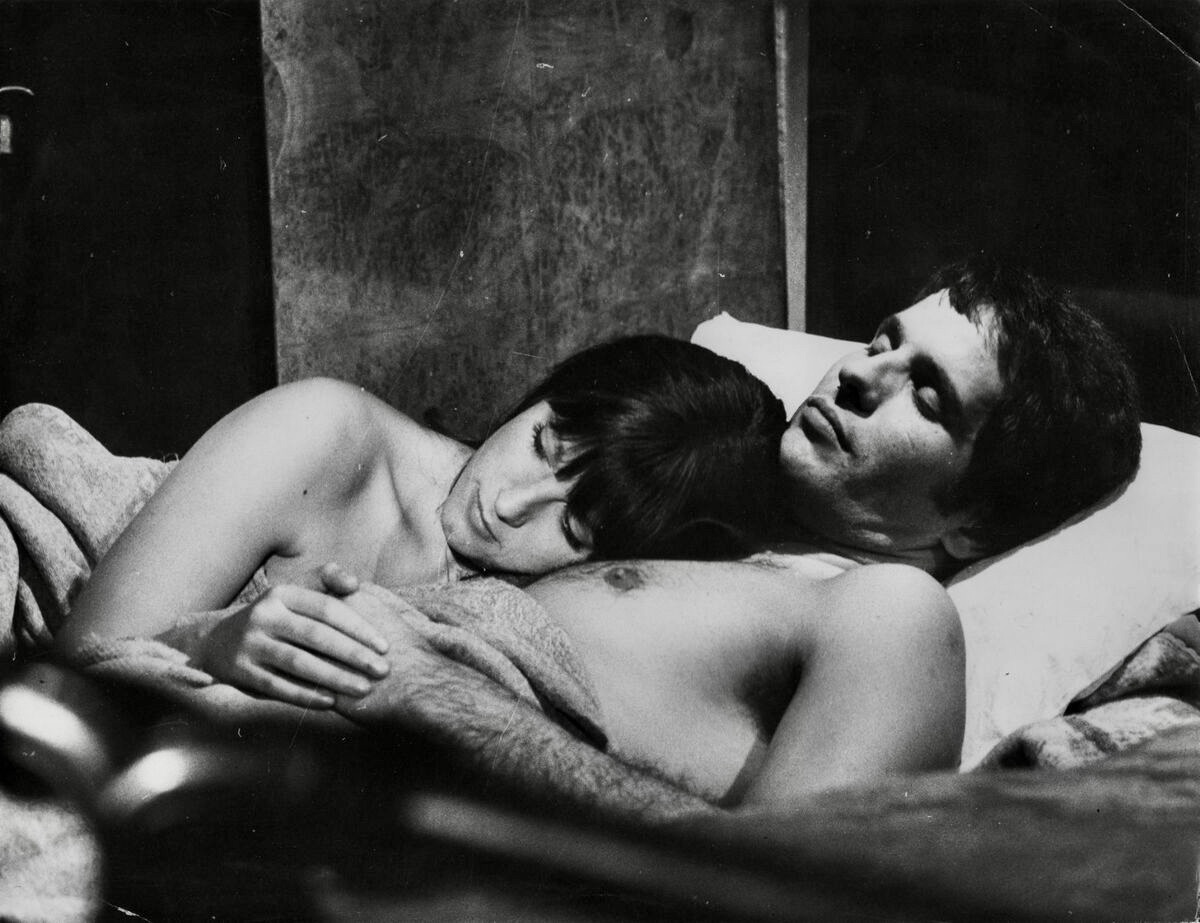
Considering the international appeal of the four main players, it is hard to understand why Blow Hot, Blow Cold isn’t better known or appreciated. It was a curious casting choice for Gemma, who at the time was one of the most popular stars of the spaghetti western genre in his own country. He had already appeared in such key works as A Pistol for Ringo (1965), The Return of Ringo (1965) and Day of Anger (1967) and would go on to appear in Sundance Cassidy and Butch the Kid (1969) and Tonino Valerii’s political conspiracy influenced The Price of Power (1969).
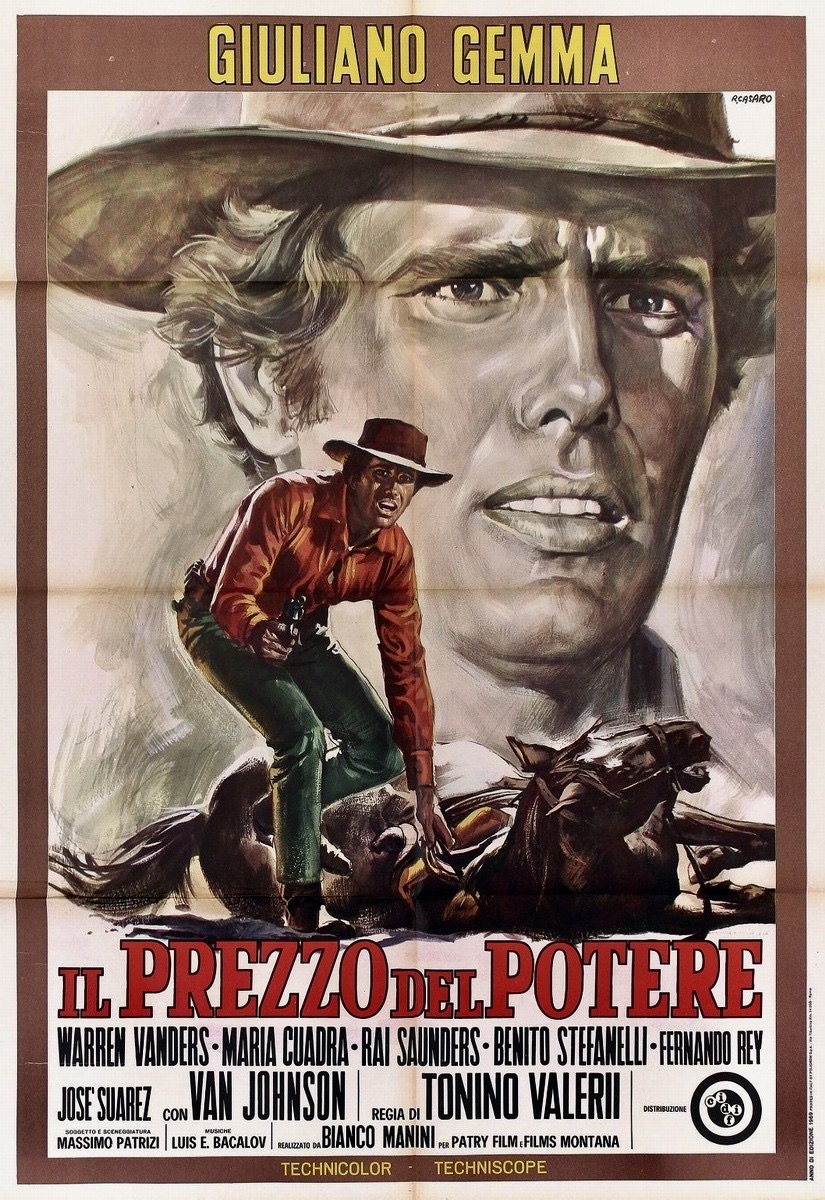
Yet, despite Gemma’s fame and popularity, he wasn’t considered a “serious” actor by film critics until his performance in Valerio Zurlini’s critically acclaimed period drama The Desert of the Tartars (1976). After that, he attracted more attention for his acting, moving easily between genre films and prestige projects like Il Prefetto di Ferro (English title: The Iron Prefect, 1977) and Corleone (1978). The funny thing is that Gemma had been giving outstanding performances for years, even in Wild West fare like Long Days of Vengeance (1967), and Blow Hot, Blow Cold marked a real turning point for him.
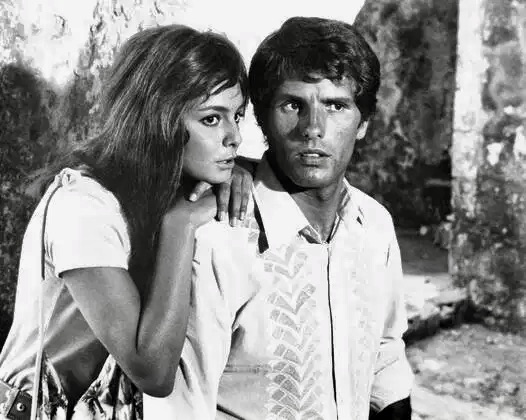
In comparison to Gemma, Gunnar Bjornstrand and Bibi Andersson seemed to be playing variations on characters they had already created in films for Ingmar Bergman, Vilgot Sjoman and other Swedish directors but there is no denying that they are both ideally suited for their characters. In fact, Bjornstrand had just completed Bergman’s TV drama The Rite (1969) when he appeared in Blow Hot, Blow Cold and Andersson would go on to appear in Bergman’s The Passion of Anna (1969) just after this.
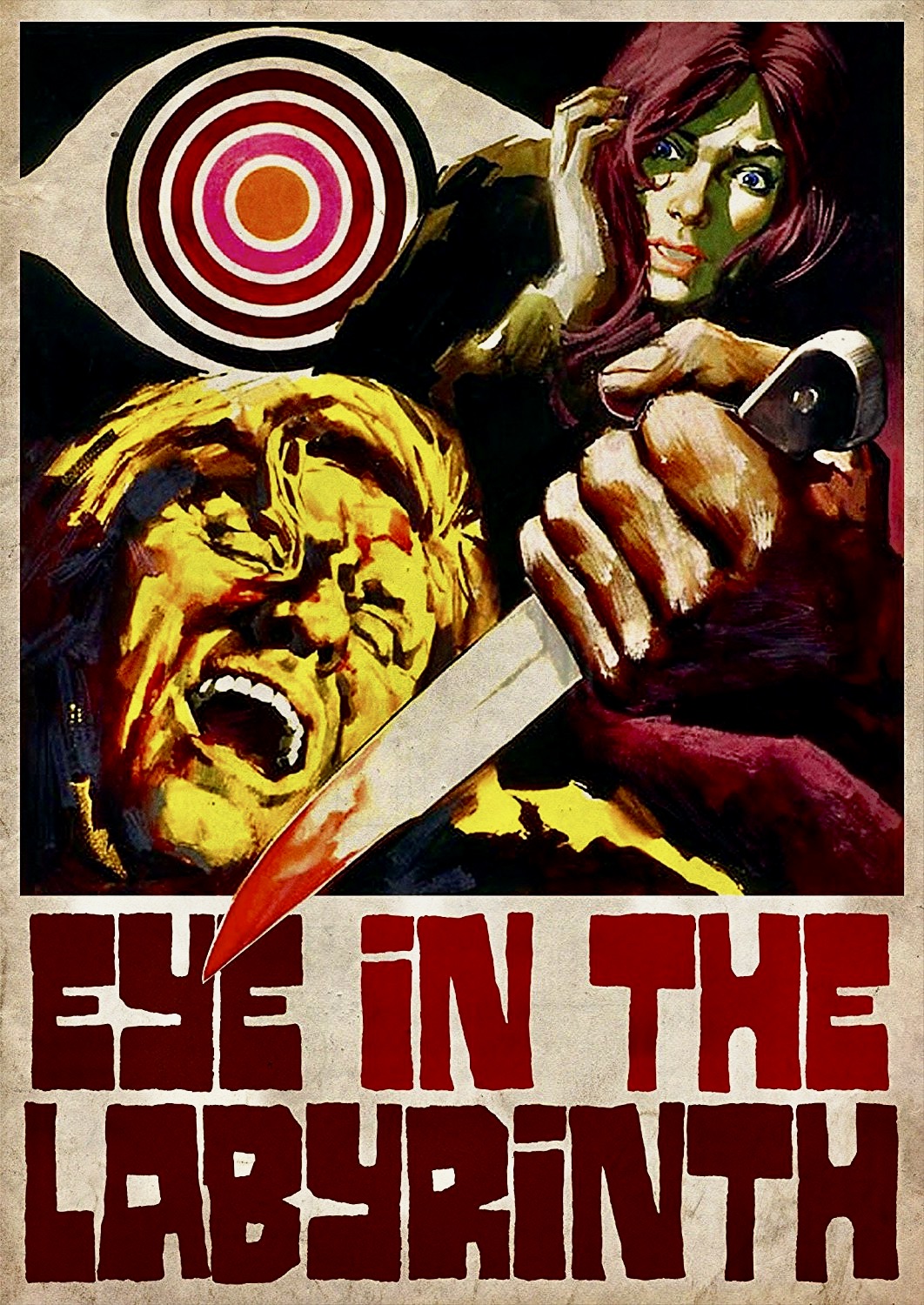
Lesser known that her three co-stars, Rosemary Dexter was born in Pakistan but established herself in Italian films in mostly decorative roles that showcased her stunning beauty. She can also be a compelling actress when given a chance – Vittorio De Seta’s experimental drama Un Uomo a Meta (1966) is considered her breakout role – but Dexter is mostly known for her presence in cult films such as The Sex of Angels (1968), Marquis de Sade’s Justine (1969), directed by Jess Franco, and the giallo Eye of the Labyrinth (1972).
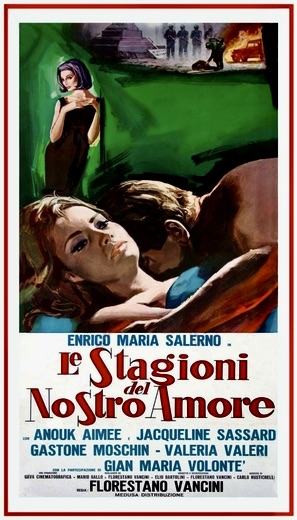
Last but not least is director Florestano Vancini, who was well regarded by film critics and moviegoers in Italy but is practically unknown outside his country. He started as a documentary filmmaker but soon gravitated toward social and historical dramas that reflected his own interest in Italian subject matter and culture such as the WW2 tale It Happened in ’43 (1960), the Antonioni-influenced art house award winner Seasons of Our Love (1966) and The Assassination of Matteotti (1973), an expose of a real event involving the Italian Fascist Party. Blow Hot, Blow Cold is an offbeat change of pace in his filmography but it also explores issues of Italian identity in its depiction of Giulio and Laetitia and how they are perceived by the Swedish couple they refer to as “the Vikings.”
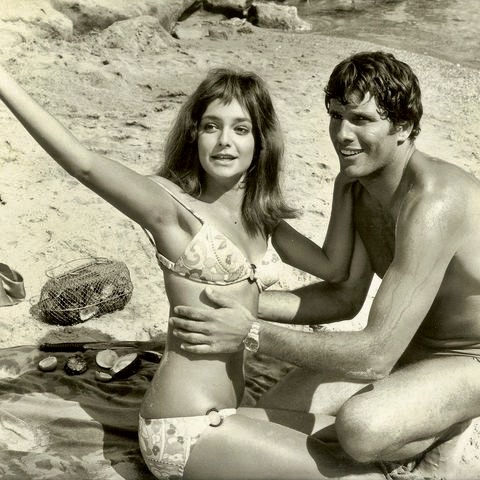
As far as I can determine Blow Hot, Blow Cold was never given an official release on DVD or Blu-ray in any country and has drifted into obscurity with one exception: there is a decent print of the movie streaming on Youtube but the dialogue is in German with English subtitles, which is odd because the movie was filmed in Italy with a mostly Italian crew.
Other links of interest:
https://rivista.fondazioneestense.it/en/2009/num-30/item/648-florestano-vancini-un-ricordo
https://www.spaghetti-western.net/index.php/Giuliano_Gemma
https://www.hollywoodreporter.com/movies/movie-news/italian-actor-giuliano-gemma-dies-641710/
https://filmstarpostcards.blogspot.com/2014/05/rosemary-dexter.html
https://www.tutorialathome.in/goddesses-silver-screen/bibi-andersson
 Cinema Sojourns