
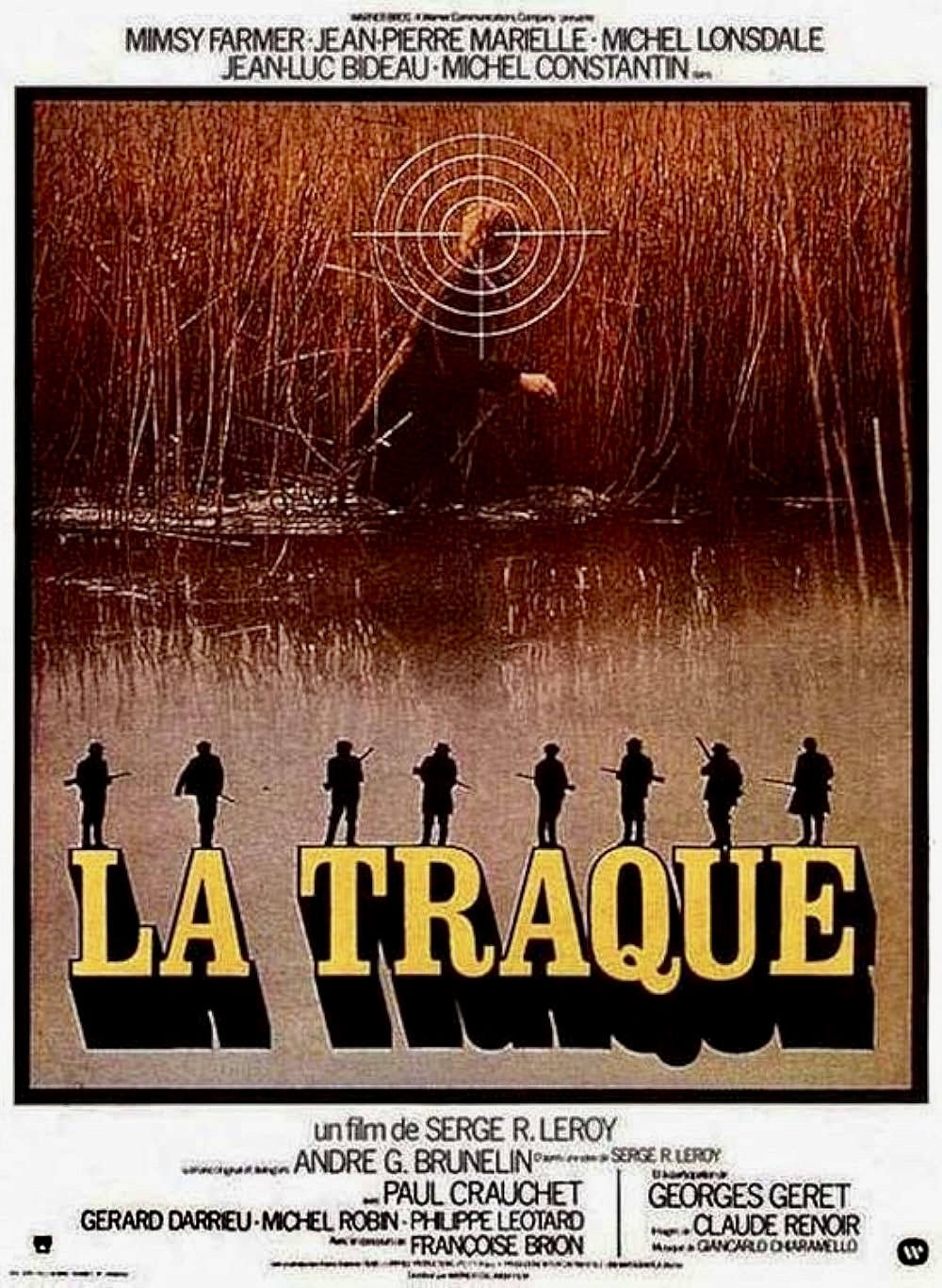
What happens when you get a bunch of men together, some of them armed with flasks of brandy or whiskey, give them guns and set them loose in the forest? It sounds like a lethal combination but it doesn’t have to be and rarely is in the world of experienced outdoorsmen. At the movies, though, it’s a different story as witnessed by so many thrillers about hunting parties and their targets. Certainly the many film adaptations of Richard Connell’s short story The Most Dangerous Game is a famous example but there are also variations such as armed officers hunting a prisoner (Antonio Isasi-Isasmendi’s A Dog Called Vengeance, 1977), men hunting each other (Carlos Saura’s The Hunt, 1967), men and women stalking each other (Elio Petri’s The 10th Victim, 1965) or men hunting women (the Australian revenge flick Fair Game, 1986). La Traque (aka The Track), a French film by Sergio Leroy, fits into the last category, but it is not a predictable genre entertainment, a satire or a blatant exploitation film.
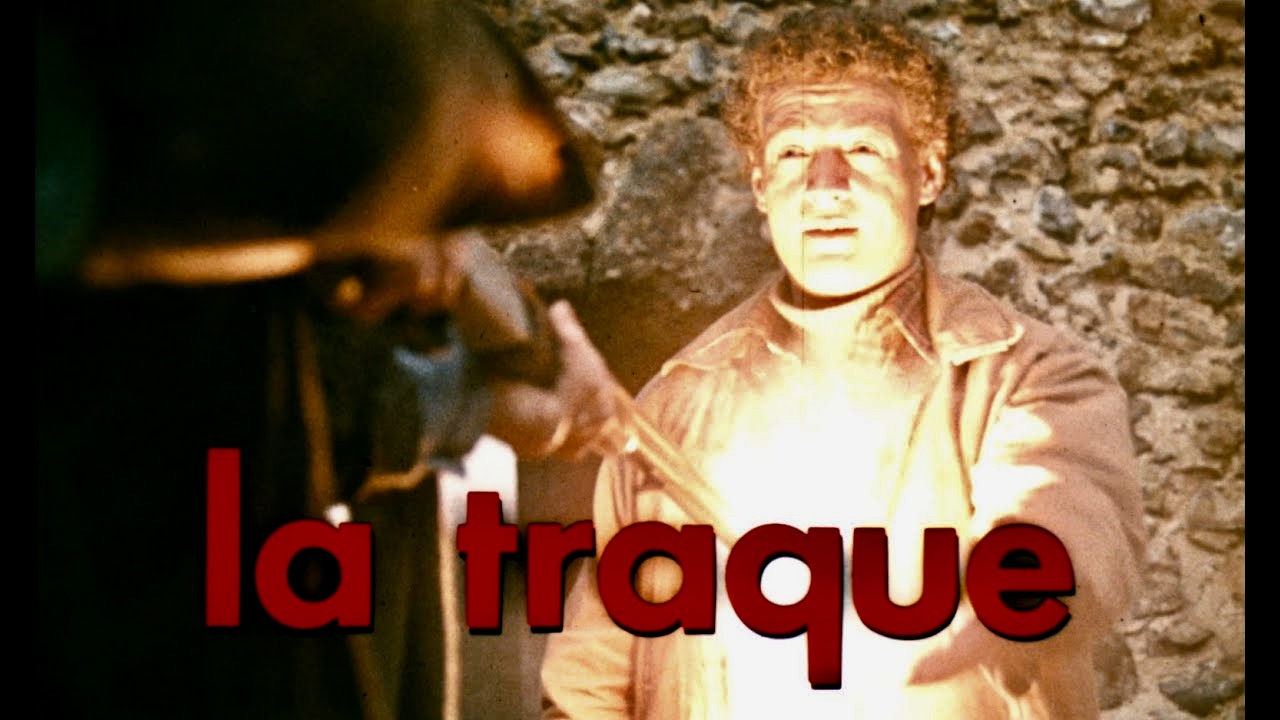
A brief synopsis of the film and the presence of Mimsy Farmer as the top billed star may led some viewers to expect a revenge thriller with a female avenger but it is not that movie. What you get instead is a chilling and relentlessly grim psychological portrait of men under pressure and how they react to a tragic turn of events that could ruin their lives, reputations and land them in jail.
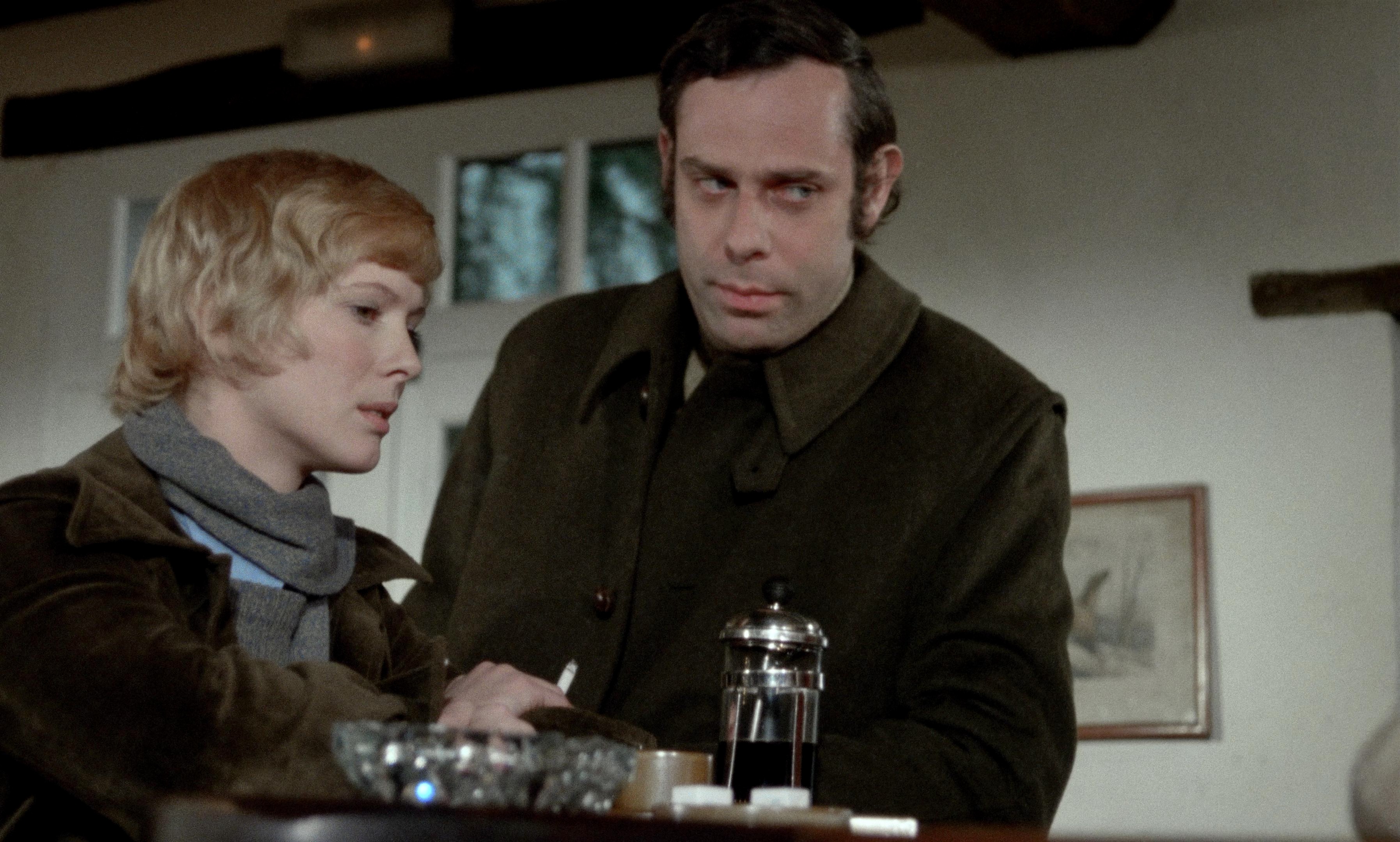
La Traque has an innocuous opening with Helen (Farmer), an English tourist, arriving in a rural French village where she has rented a cottage. At the local tavern where she gets directions to her rental, she meets Philippe (Jean-Luc Bideau), a local politician who is having a secret affair with a married woman (Francoise Sutter). He seems friendly enough and volunteers to drive Helen to her destination.
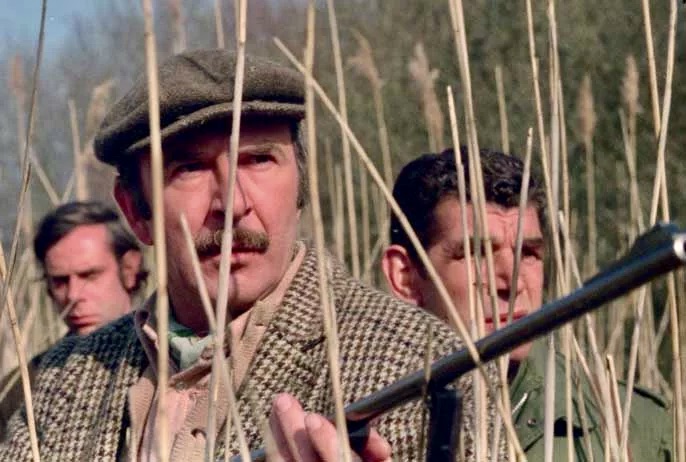
As soon as they head down the road into the countryside, the movie shifts gears and becomes ominous. Philippe has come to the village to join a group of hunters for their annual wild boar hunt and a trio of rowdy marksmen begin tailgating Philippe’s car for fun and almost run them off the road. They all stop at the road to Helen’s cottage and she goes off on her own, but it is obvious that two of the hunters, Paul (Philippe Leotard) and his brother Albert (Jean-Pierre Mareille), are overly aggressive in their friendliness.
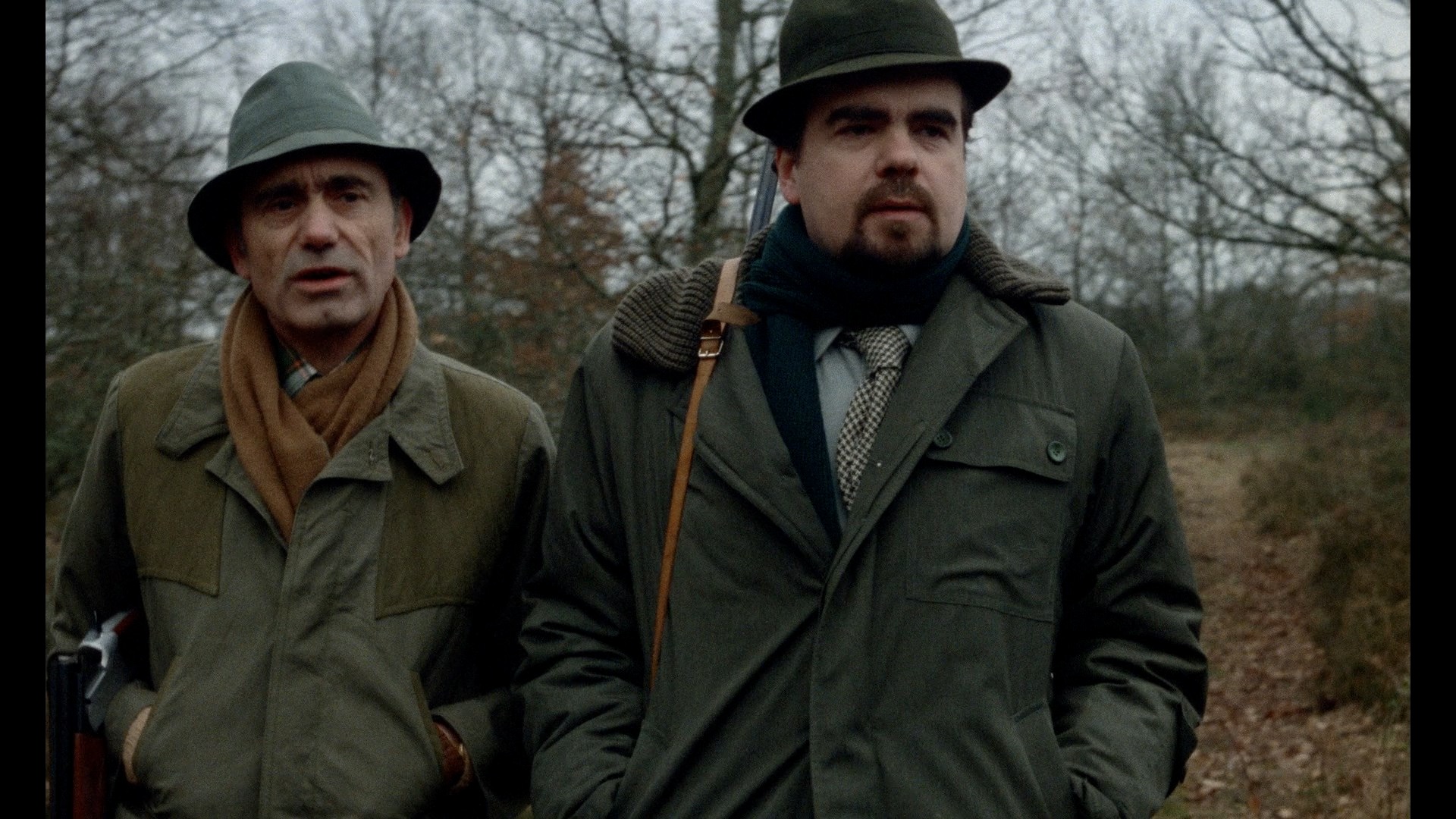
The hunt soon begins and Nimier (Michel Constantin), the leader of the hunting party, and his companion Maurois (Gerard Darrieu) are seen running down an injured boar with Nimier finishing it off with a knife (the scene looks uncomfortably real and probably was). Meanwhile, Helen decides to explore the bucolic surroundings of her cottage and wanders into the ruins of a barn. Paul, Albert and Chamond (Michel Robin), who seems inexperienced with guns, are led to the ruins by their hunting dogs who corner the frightened woman. Paul and Albert try to calm Helen with an offer of hot coffee but their friendly discourse quickly dissolves when the men feel like Helen is shunning their company. Without warning, Paul attacks Helen and rapes her while Albert holds her down and Chamond serves as the lookout. When they are finished, the trio leave while Helen lies on the ground in a state of shock.
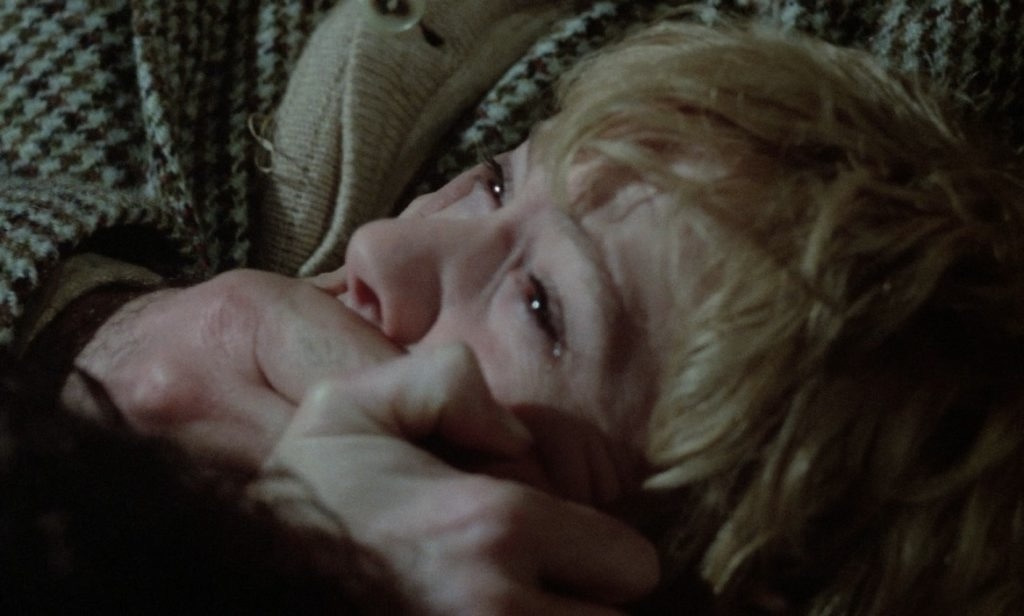
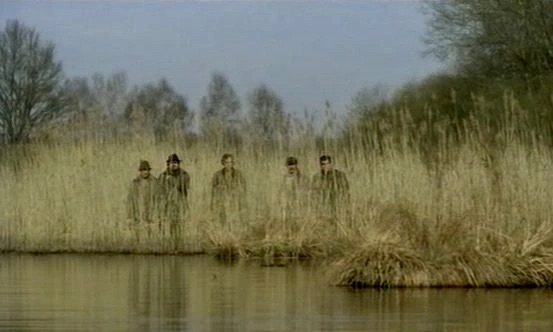
The rape scene is truly gut-wrenching and terrible to behold but the worst part is just beginning. Chamond realizes he left his gun behind at the ruins and Paul goes to retrieve it. He encounters Helen again and seems apologetic for what happened. He even strokes her face tenderly but she suddenly grabs his gun and shoots him. He collapses with a mortal wound while she flees into the woods. Chamond and Albert hear the shot and come running and go into panic mode over the situation. They tell the dying Paul that they are going to get an ambulance but realize that might attract the police. The better solution is to catch Helen before she goes to the local authorities and make a deal with her so she doesn’t report them. Soon the other hunters are informed about the tragic turn of events but instead of getting Paul emergency medical help they bicker among themselves about how to deal with Helen. (Spoilers ahead).
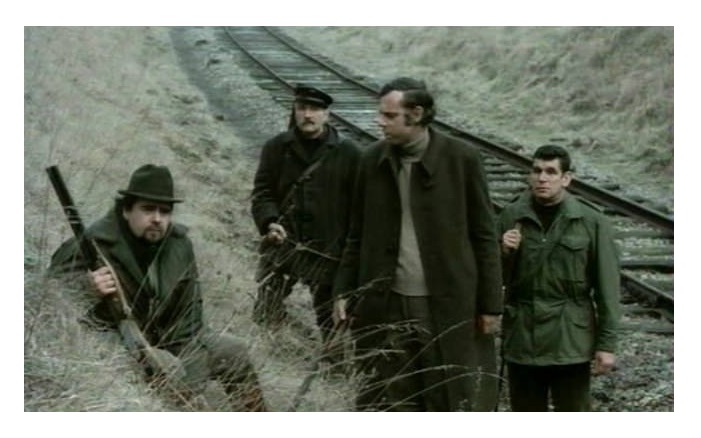
The remainder of La Traque is a gripping and often hard to watch examination of what some people do when faced with a moral decision that could upend their own lives. What is more important? To save the life of a single person or to save the reputation and social order of a community? The community, in this case, is a group of men from different walks of life, some are local businessmen and bureaucrats, some are working class family men, but all of them are united through their hunting expeditions despite their personal differences.
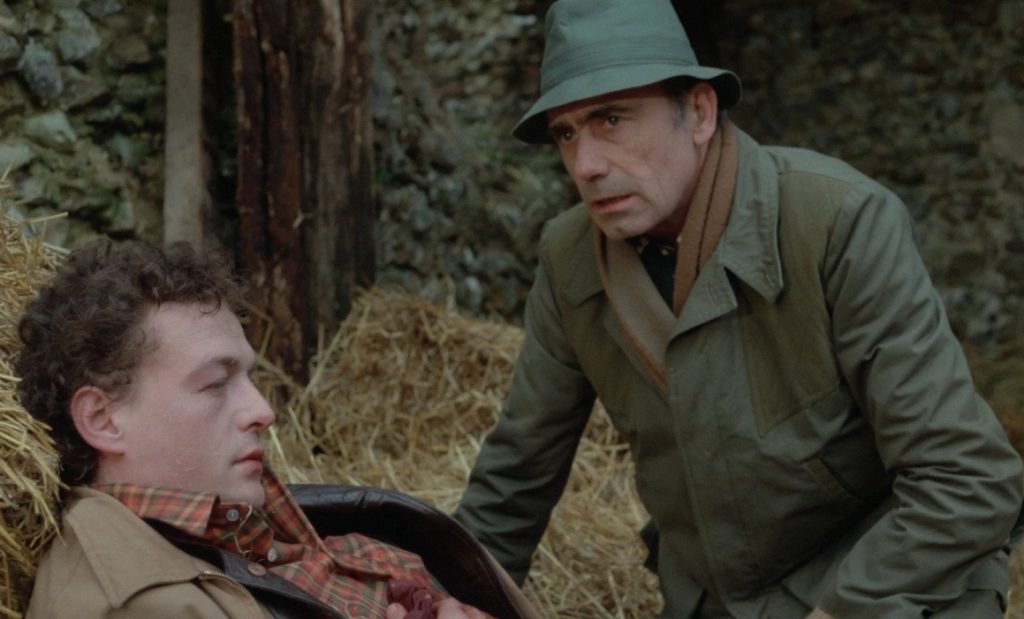
The most unnerving aspect of La Traque is to see how a pack mentality triumphs in the end. Philippe and David (Michael Lonsdale) appear to be more sensible and humane than their hunting companions and even Nimier appears at first to be repulsed by Paul and Albert’s actions. But the film pulls no punches as it marches toward a bleak resolution.
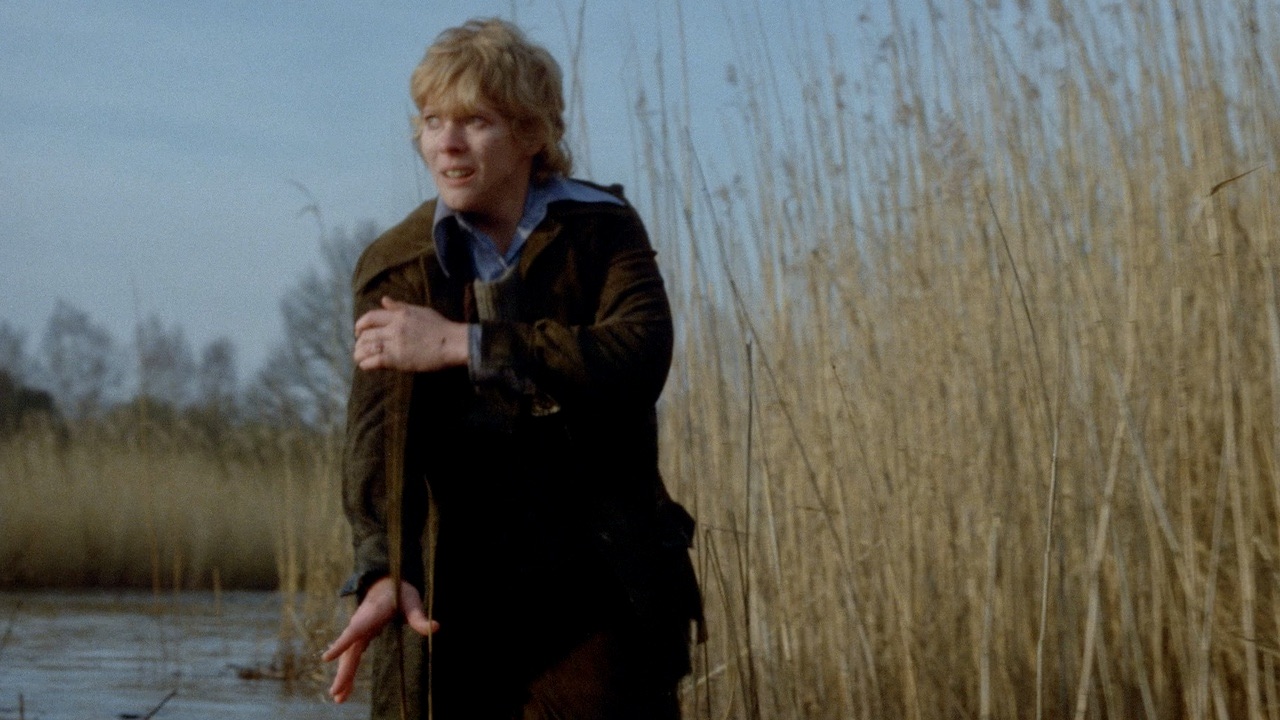
Even though Mimsy Farmer gets top billing in La Traque, her character is barely developed beyond that of being an innocent victim of circumstances but she gives an impressive physical performance, running wildly through the woods or flailing about in knee-deep swamp water. For those who have seen Farmer in U.S. exploitation fodder like Hot Rods to Hell (1966) and Riot on Sunset Strip (1967) or Eurotrash like Autopsy (1975) and Lucio Fulci’s The Black Cat (1981), La Traque is an unexpected bucket of cold water in the face.
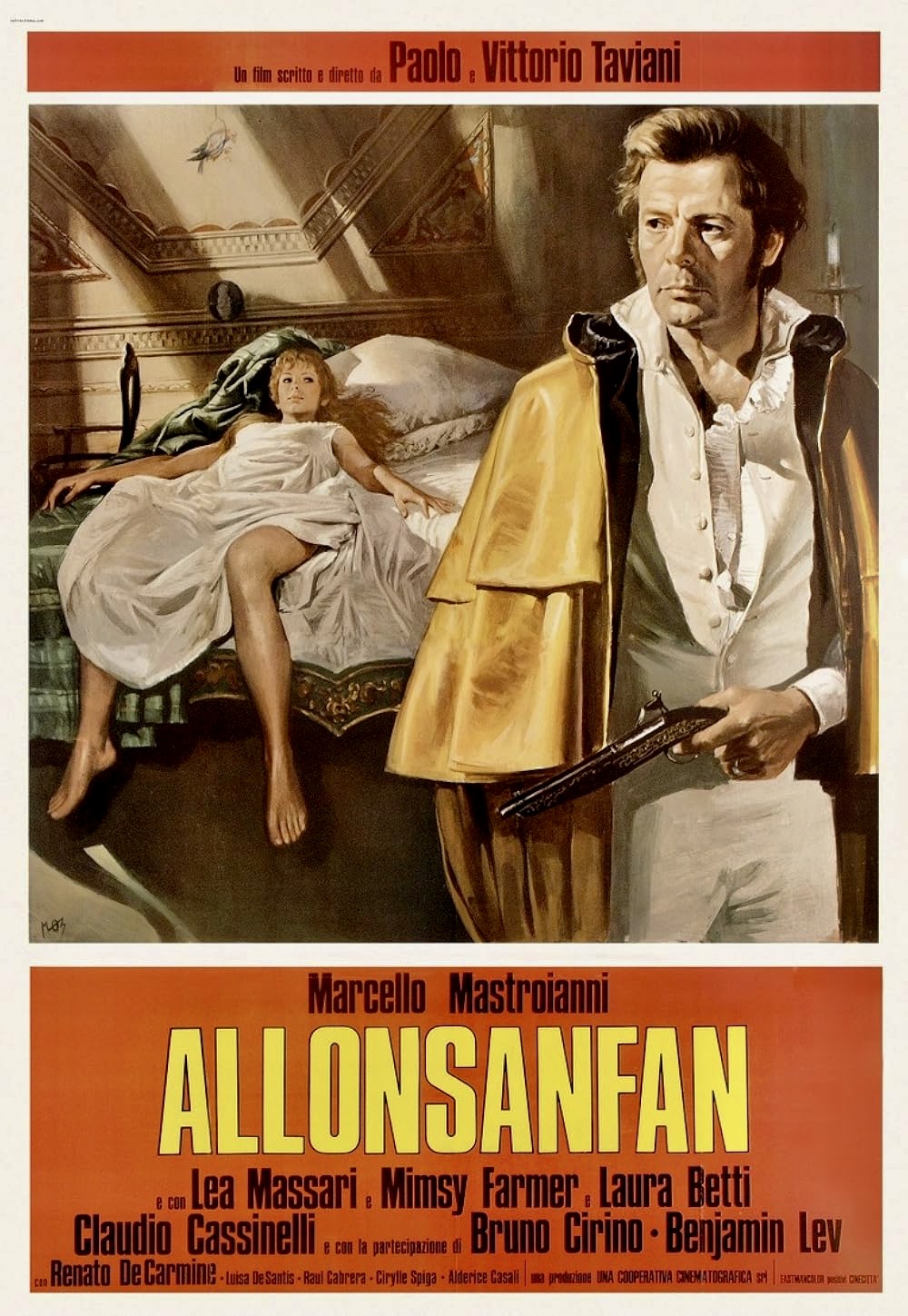
In an interview with Mark F. Berry for Video Watchdog in 2010, Farmer called La Traque her “favorite movie” and added, “It’s a very French movie but it’s a good movie – wonderful actors, very good script and very good direction, and the cinematographer was Claude Renoir, Jean Renoir’s nephew. It’s a hard movie, a terrible story of these hunters that rape a girl; she kills one of them, and then they track her down. They’re all dignitaries, they’re all very well known in this small town and, if it gets out that they raped her, well, it’s going to be bad news, so they have to get rid of her and they literally track her down…the end is very, very shocking..It might not be my best role, but it’s certainly the best all-around movie I’ve done.” This is an impressive statement since the actress has appeared in several cult film favorites like Dario Argento’s Four Flies on Grey Velvet (1971) and critically acclaimed movies such as Barbet Schroder’s More (1969), Aleksandar Petrovic’s The Master and Margarita (1972) and Allonsanfan (1974), directed by Paolo and Vittorio Taviani.
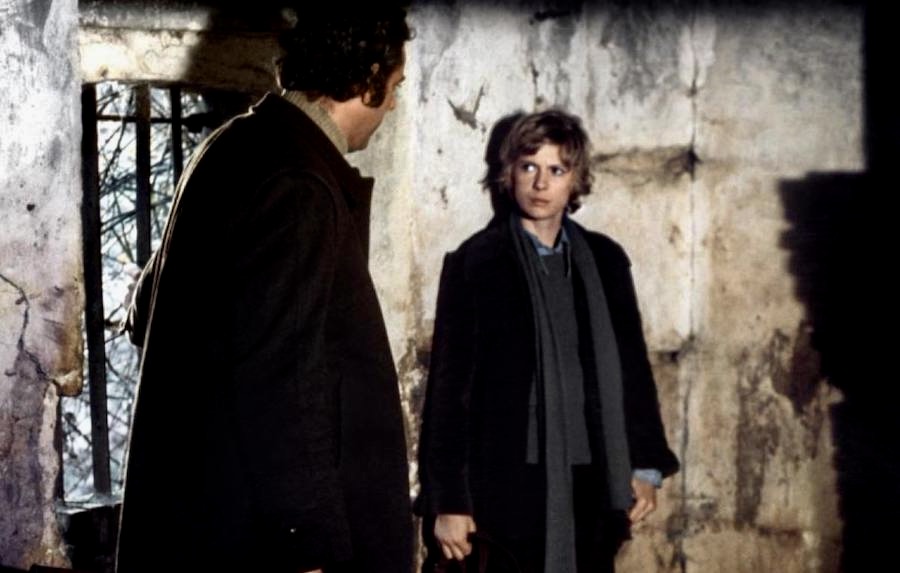
While it is hard to imagine anyone perceiving La Traque as anything but a condemnation of the human cruelty on display, I still wanted some kind of closure over the fate of the men at the fadeout. Did they all go on to lead relatively normal lives without any emotional or psychological repercussions after the tragedy? Wasn’t there one man in the lot whose conscience drove him to right the wrongs that were done? But Leroy’s depiction is all too convincing and realistic to dismiss. There is even a scene near the end of the movie where David admits to Philippe that there was a village cover-up of another “accidental” death of an outsider in the past.
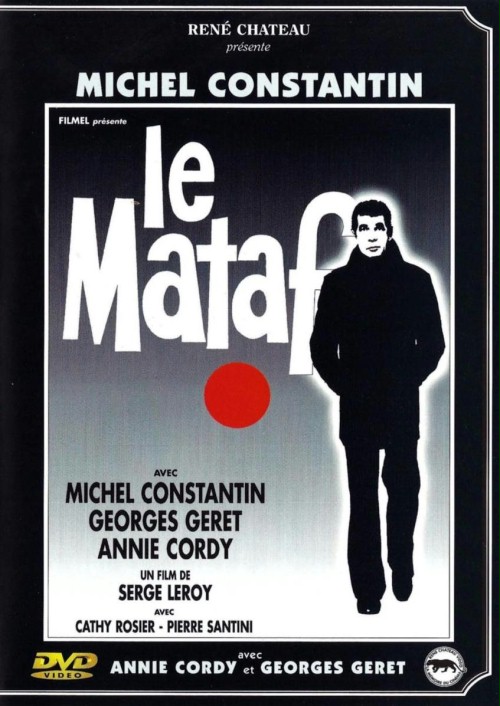
La Traque deserves to be better known than it is but Sergio Leroy’s work is practically unknown outside of France. He is best known for gritty crime dramas like Le Mataf (1973) and brutal thrillers such as Les Passagers (1977) and Legitime Violence (1982) plus some popular French TV series. Allegedly he conceived the idea for La Traque by hanging out with a group of hunters and observing their behavior and the way they talked (the screenplay is by Andre G. Brunelin).
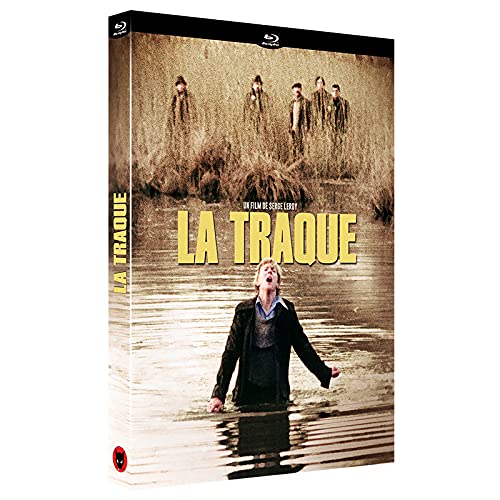
Never released in any authorized format in the U.S., La Traque remains unavailable for viewing other than gray market dubs, which is odd because the film was released in France by Warner Bros. There was a Blu-ray release from the German outfit Camera Obscura in 2022 and you might be able to still purchase a copy from online sellers but you need an all-region player for viewing. This seems like another ideal restoration project for Severin Films or Vinegar Syndrome.
Other links of interest:
https://www.screenslate.com/articles/legitimate-violence
http://www.frenchfilms.org/review/legitime-violence-1982.html
 Cinema Sojourns