
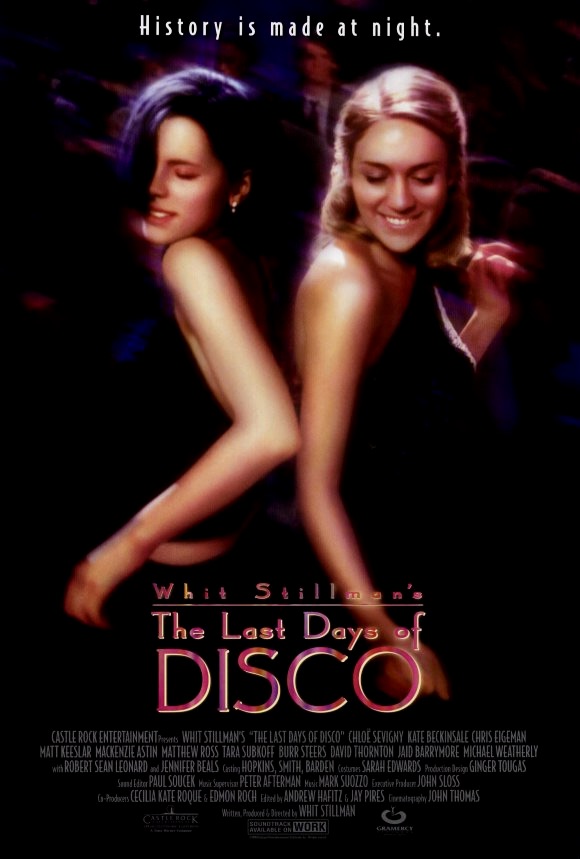
When writer-director Whit Stillman made his film debut in 1990 with Metropolitan, he stood out from other filmmakers of his generation by creating a witty comedy-drama that felt like a drawing room farce from another era, one that might have been co-written by Oscar Wilde and Jane Austin. A Harvard graduate who worked in both journalism and publishing ventures in New York City, Stillman has built a successful career as an indie filmmaker who specializes in highly educated, well-heeled character portraits drawn from his own experiences. These protagonists, usually young, upwardly mobile yuppies from wealthy families and graduates from some Ivy League college, has led some critics to label him the WASP alternative to Woody Allen’s brand of urban tales. This sort of specialized focus might seem too self-absorbed and unhip compared to the work of filmmaking peers like Spike Lee and Steven Soderbergh, but look closer and you’ll see that Stillman is crafting a kind of late 20th century chamber play which addresses social mores, class differences, economic disparity and city life as it relates to a very specific demographic. And in his third feature film, The Last Days of Disco (1998), it proves to be a sexy, romantic, poignant and often hilarious group portrait with a distinctive literary quality (Whitman would subsequently turn the screenplay into the novel, The Last Days of Disco, With Cocktails at Petrossian, which was published in 2000).
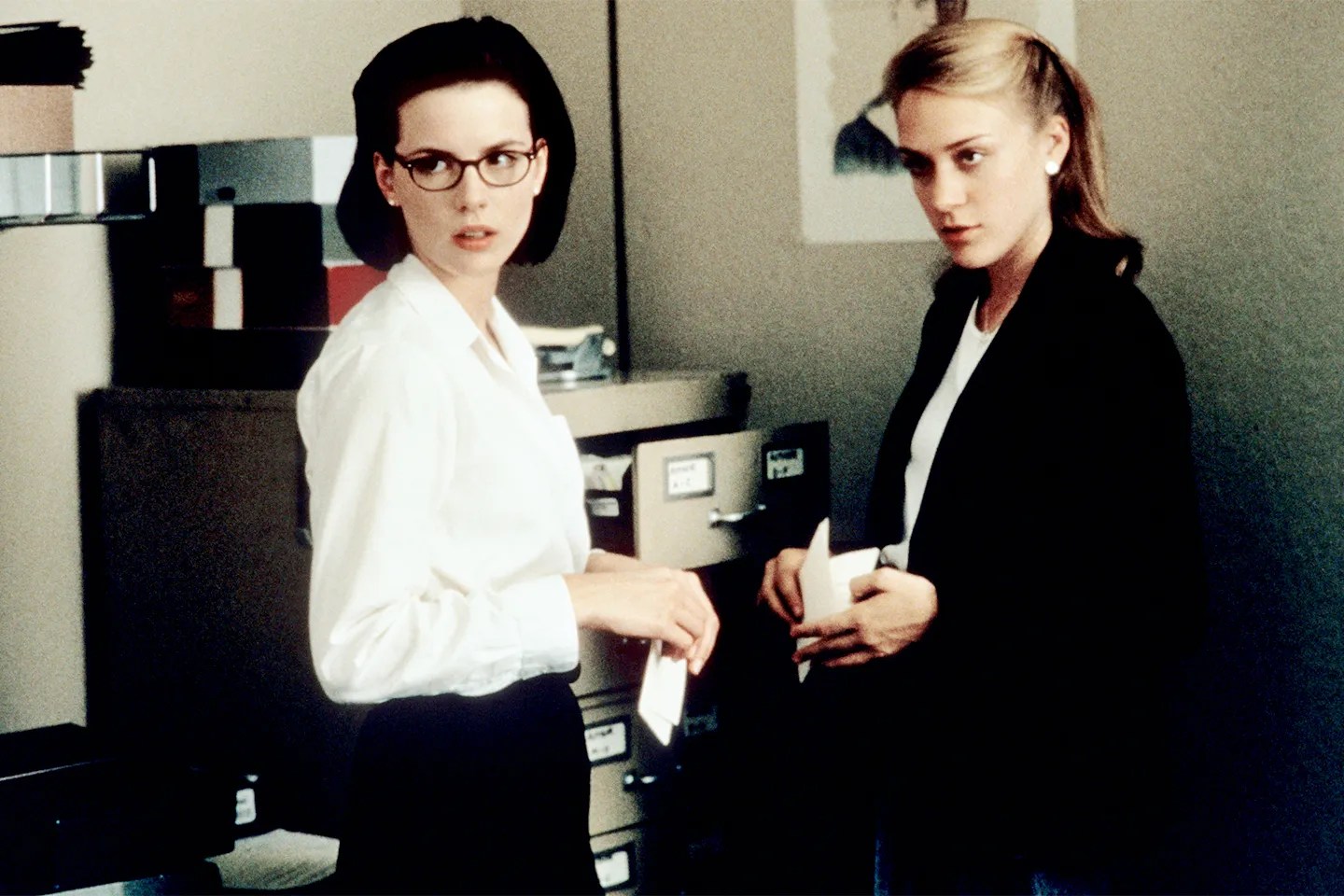
Set during the early 1980s, Whitman’s film introduces us to Charlotte (Kate Beckinsale) and Alice (Chloe Sevigny), two office assistants at a publishing firm who are struggling to survive on their meager salaries in New York City while hoping for a promotion to editor. They pool their resources to rent a long, narrow “railroad apartment” with a third roommate Holly (Tara Suboff), but the cramped conditions and rising tensions between Charlotte and Alice create complications for everyone, especially the men in their lives.
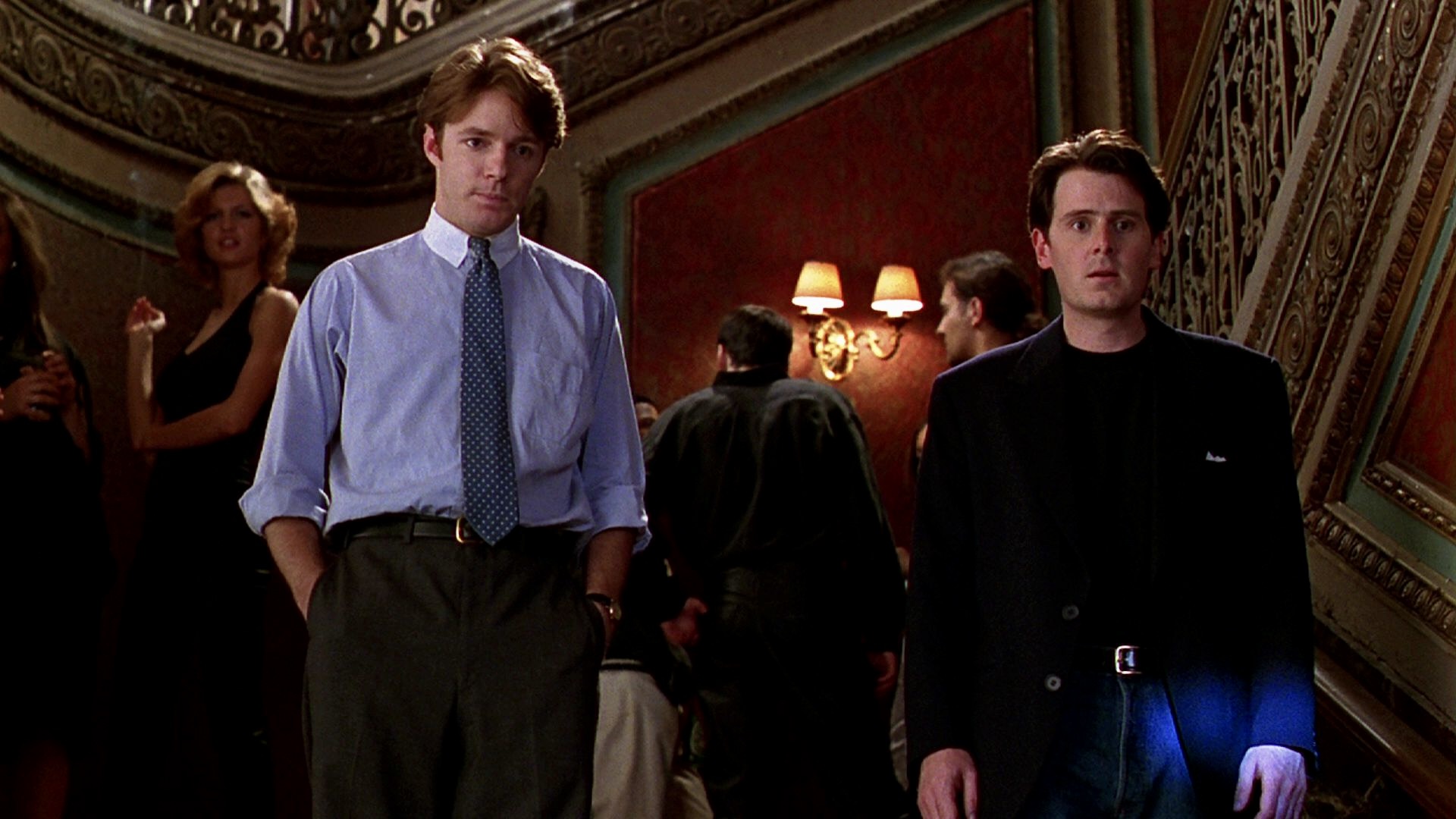
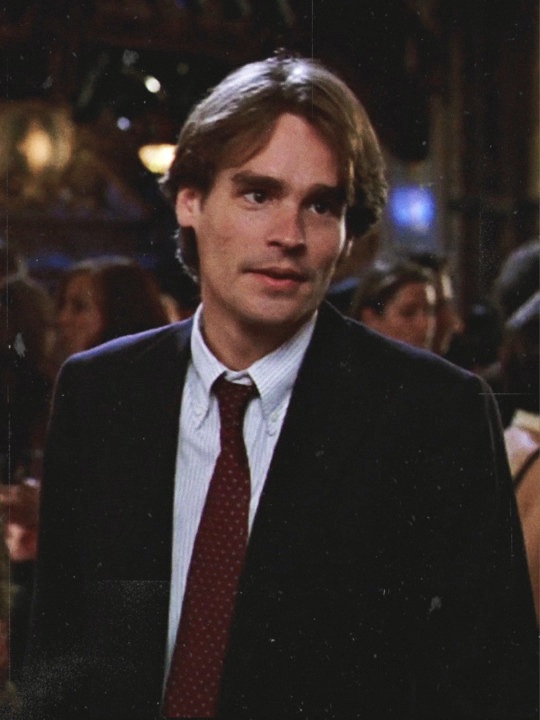
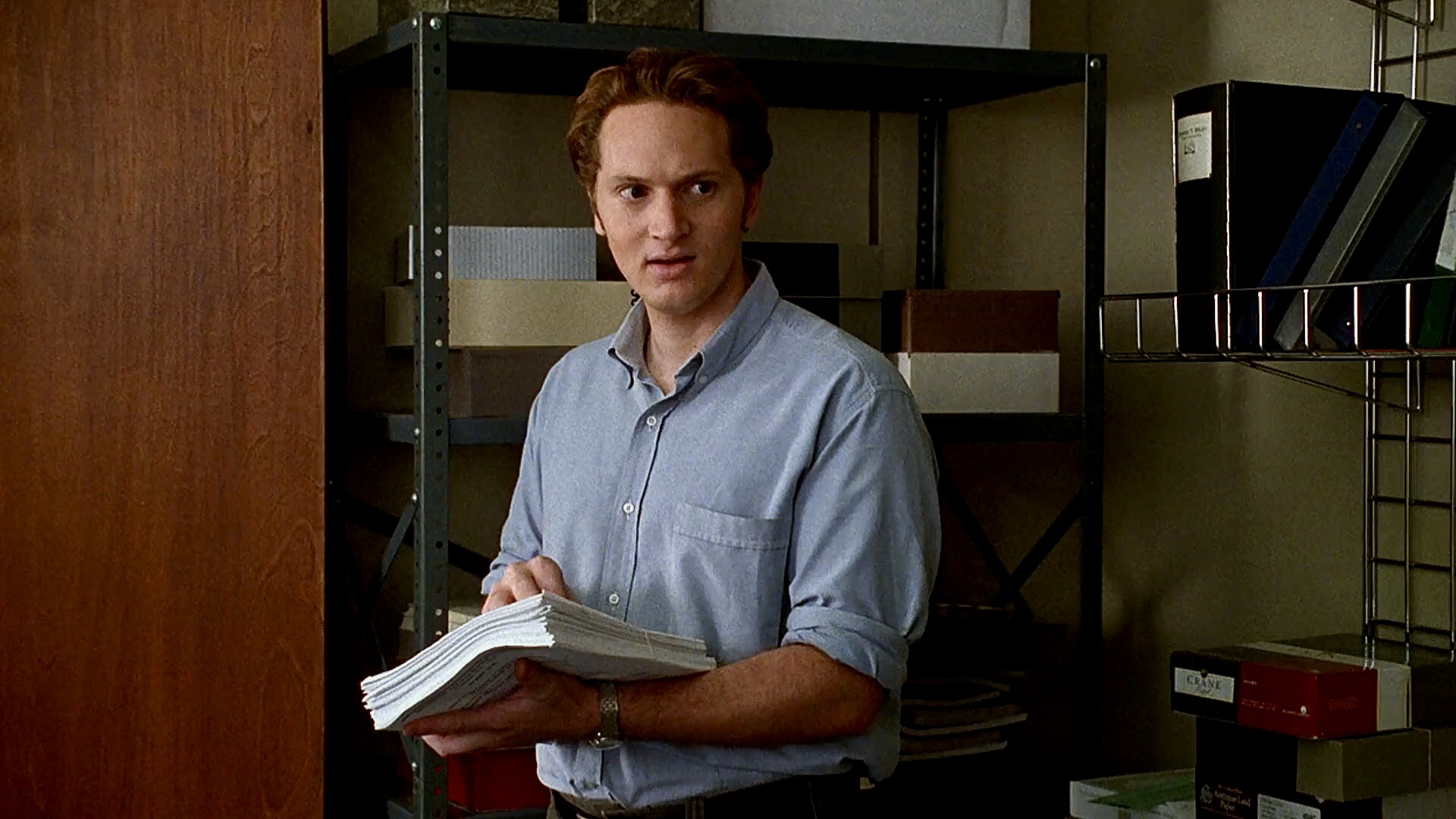
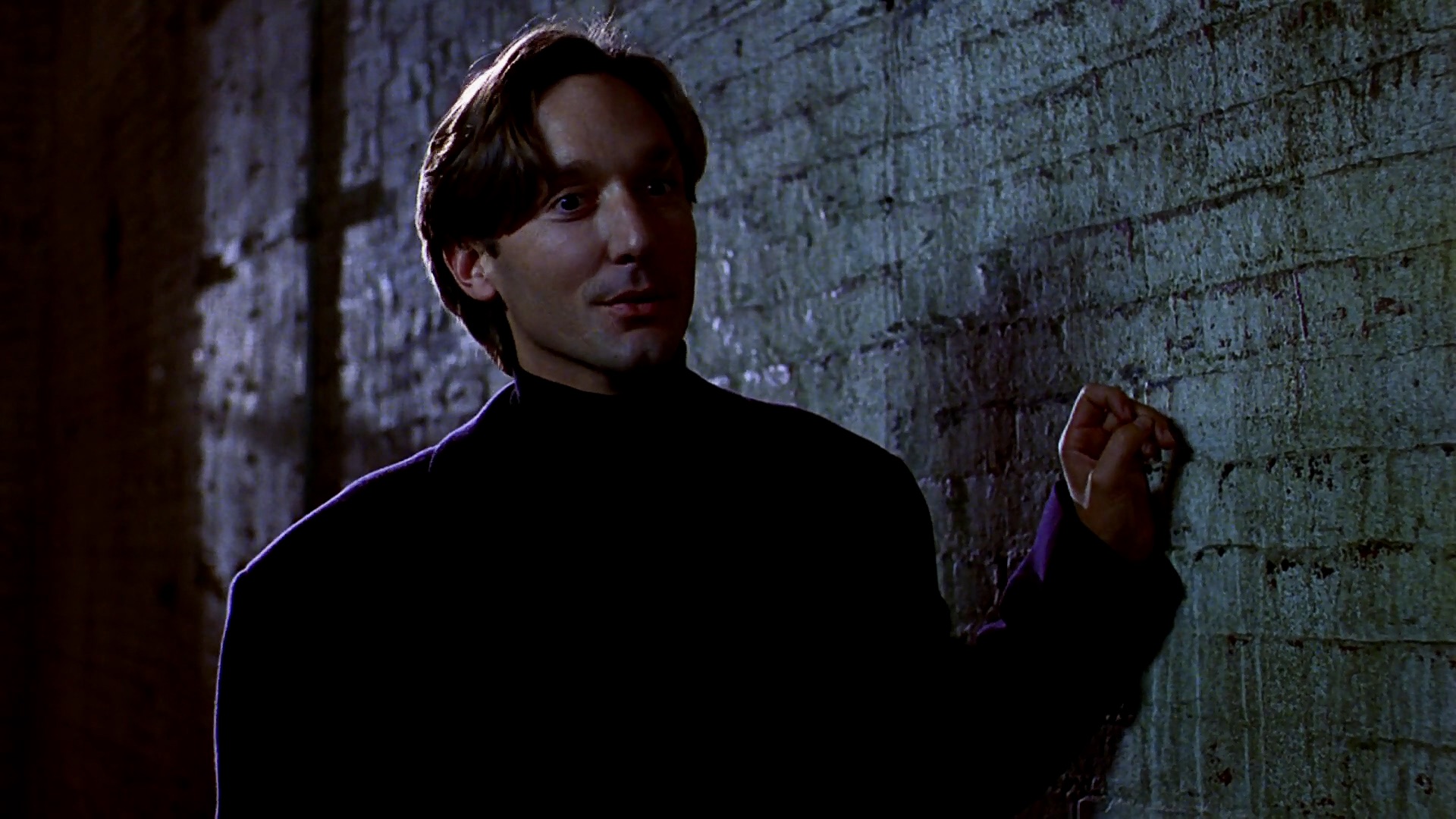
These include Des (Chris Eigeman), the cynical assistant manager of a popular disco nightclub modeled on Studio 54, his friend Jimmy (Mackenzie Astin), who works in advertising, Josh (Matt Keeslar), a former college acquaintance who works as an assistant D.A., Dan (Matt Ross), a co-worker from Charlotte and Alice’s office, and Tom (Robert Sean Leonard), a potential suitor for Alice.
Even though much of The Last Days of Disco revolves around incidents and conversations that occur at the featured nightclub, the disco scene and its music take a definite backseat to the group dynamic on display. This was not the case with films like Saturday Night Fever (1978), Thank God It’s Friday (1978) and Can’t Stop the Music (1980), which were all about disco culture as escapism for the young and restless and music was key. Whitman’s film, in comparison, has fun using the nightclub scene as a place where his semi-sophisticated urbanites struggle with their developing adult personas amid a world of job competition, romantic rivalry and friendships in transition.
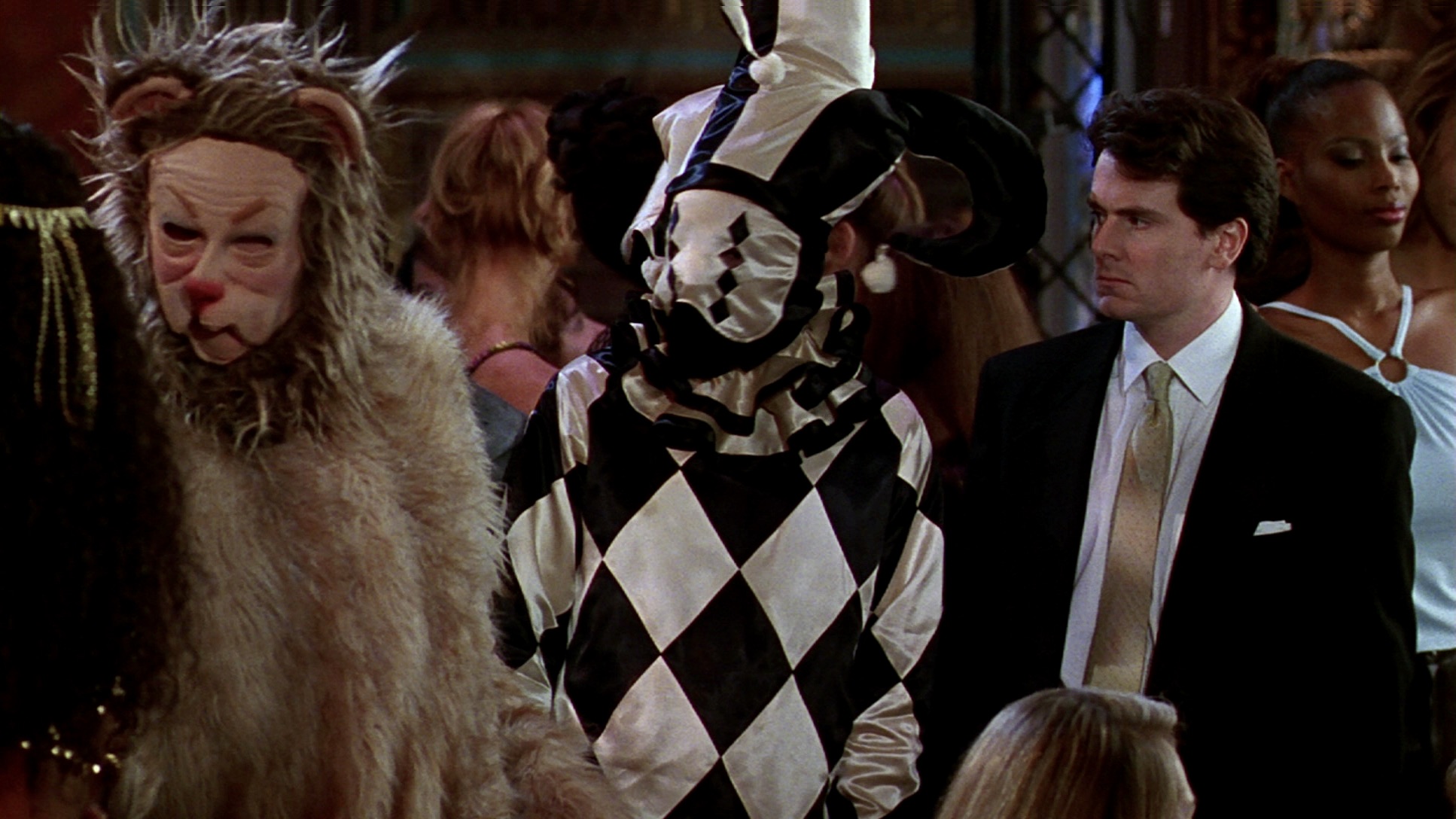
Stillman’s disco world is also miles away from the sort of wild and decadent cavorting that occurred in clubs like Studio 54 although it does feature a subplot about underworld connections and mysterious bags of money in the boiler room basement that mirrored the police bust that brought an end to that infamous New York institution. Even the dancing depicted in the film says more about the main characters’ awkward self-consciousness than it does about the uninhibited spirit of the times.

Unfortunately, The Last Days of Disco was not a box office success in relation to its production costs, unlike Stillman’s two previous films, Metropolitan and Barcelona (1994). Yet, the film features some of Whitman’s most acerbic and delightful dialogue, served up by an impeccable ensemble cast. Chris Eigeman, in particular, as the pessimistic and argumentative Des is a constant source of amusement with his barely suppressed outrage at everything. He might be even funnier when he gets introspective with confessions like “You know that Shakespearean admonition, “To thine own self be true”? It’s premised on the idea that “thine own self” is something pretty good, being true to which is commendable. But what if “thine own self” is not so good? What if it’s pretty bad? Would it be better, in that case, *not* to be true to thine own self?… See, that’s my situation.”
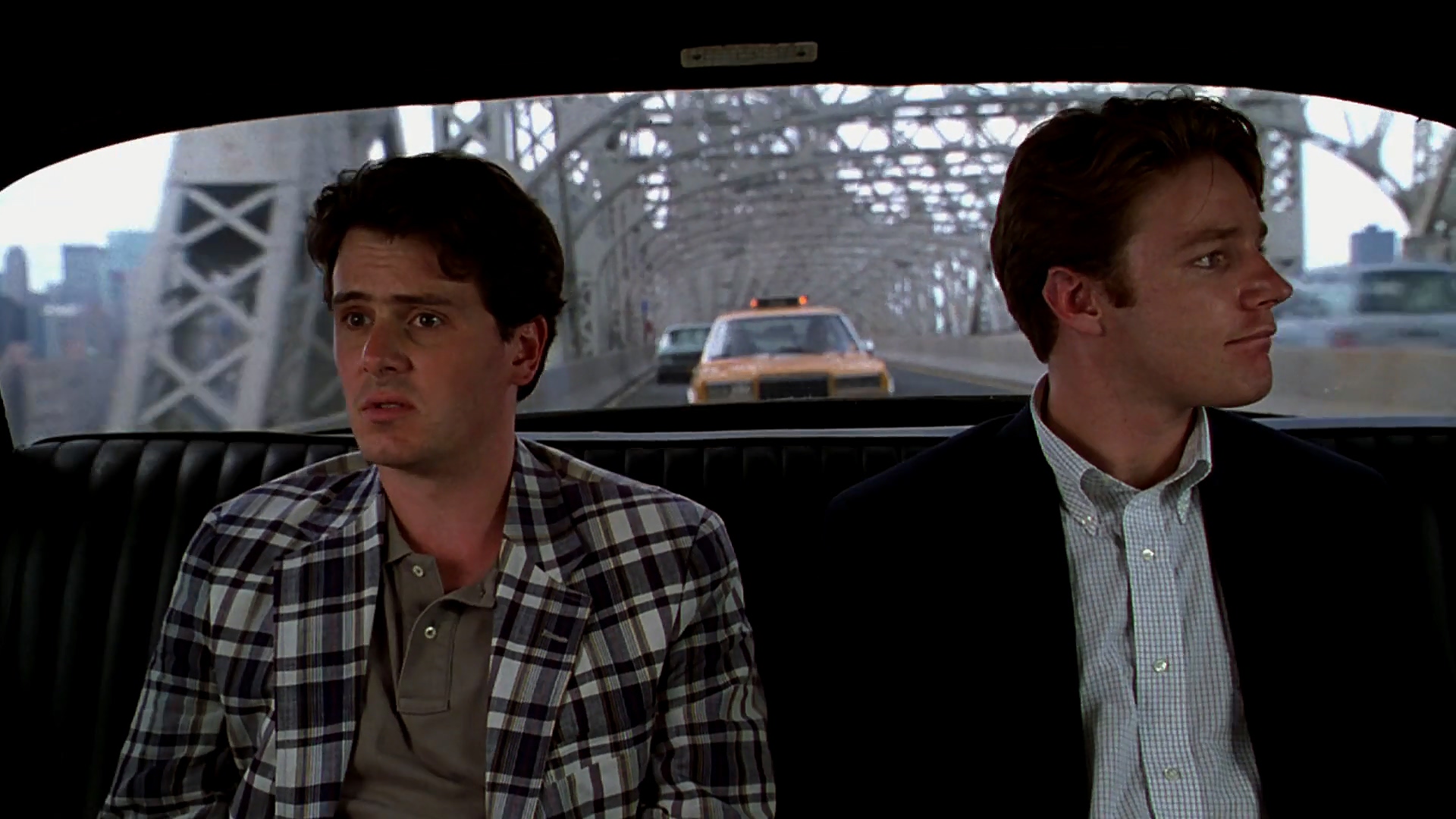
When the movie opens, Des is seen breaking up with Nina (Jennifer Beals of Flashdance fame in a cameo), one of his many sexual conquests at the club. Whenever the woman in question starts to get serious, Des always breaks it off by telling her he thinks he might be gay, something that was triggered by his sexual attraction to the younger host on the popular TV series Wild Kingdom. It’s all a ridiculous ruse, of course, but a typical example of Des’s disingenuous and flippant approach to womanizing.
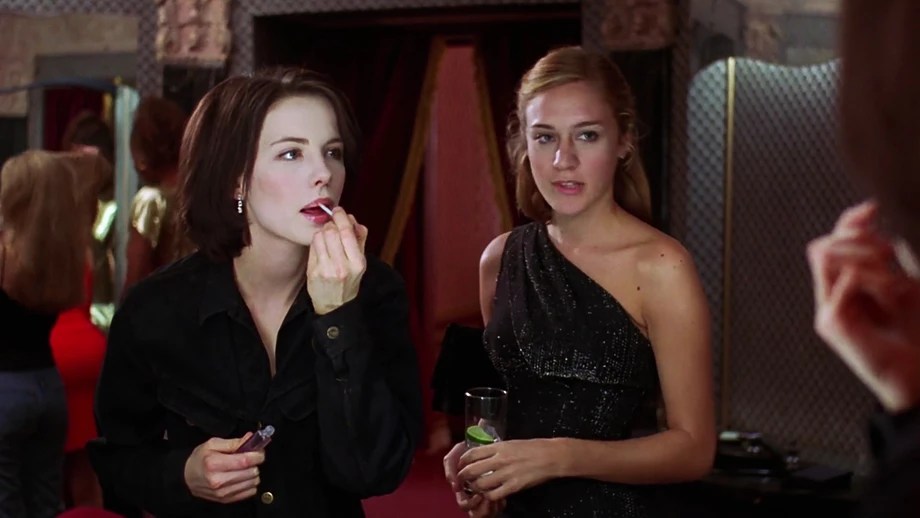
Matching Des for deception and a superior attitude toward everyone is Charlotte, who would be the perfect villainess if she wasn’t so transparent and self-deluded herself. Her blatant attempts to undermine Alice’s self-confidence while pretending to be a mentor only accelerates Alice’s emergence as the film’s true heroine. “You’re a good conversationalist but there’s something of a kindergarten teacher about you,” Charlotte tells Alice during a conversation about attracting the right man. “Whenever you can, throw the word sexy into the conversation,” she adds as valuable advice, which Alice takes seriously in a later seduction scene. It backfires, of course, but Alice eventually learns from her mistakes and ends up with possibly her ideal male counterpart in the end.
The film is crammed with witty discourses on the definition of yuppie, the proper etiquette for getting past the front door fashion police at nightclubs and subtle putdowns of people who work in the advertising world or collect Scrooge McDuck memorabilia. It also wouldn’t be a Whit Stillman film without heated arguments about seemingly inconsequential things like the true meaning behind the Aesop fable The Tortoise and the Hare or the 1955 Walt Disney animation feature Lady and the Tramp. The latter topic becomes one of the film’s signature scenes as Josh attacks what he sees as the story’s true meaning. “What’s the function of a film of this kind? Essentially it’s a primer on love and marriage directed at very young people, imprinting on their little psyches the idea that smooth-talking delinquents recently escaped from the local pound are a good match for nice girls from sheltered homes. When in ten years the icky human version of Tramp shows up around the house, their hormones will be racing and no one will understand why. Films like this program women to adore jerks.”
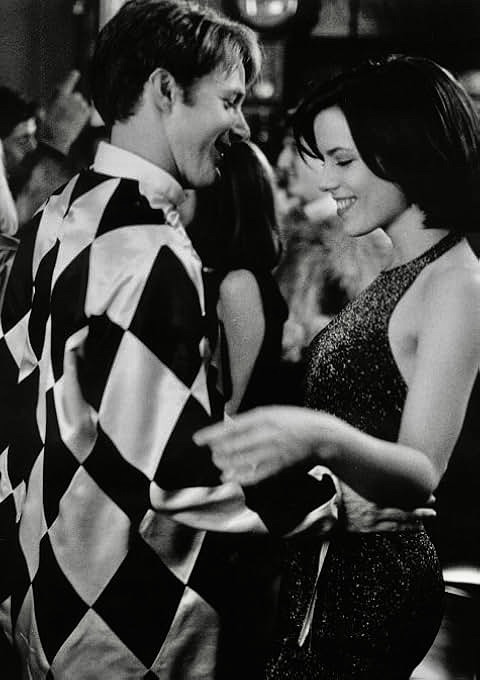
Not everyone responds favorably to Whitman’s specialized approach to dialogue in his screenplays and, in an interview with Hillary Weston for The Criterion Collection, he said, “I remember when the Castle Rock people [the producers/distributors] saw the debate about [J.D.] Salinger in The Last Days of Disco, they said, “Well, there goes a couple hundred thousand in box office,” thinking this kind of arcane conversation in the middle of the film would put a lot of people in the wider audience off.”
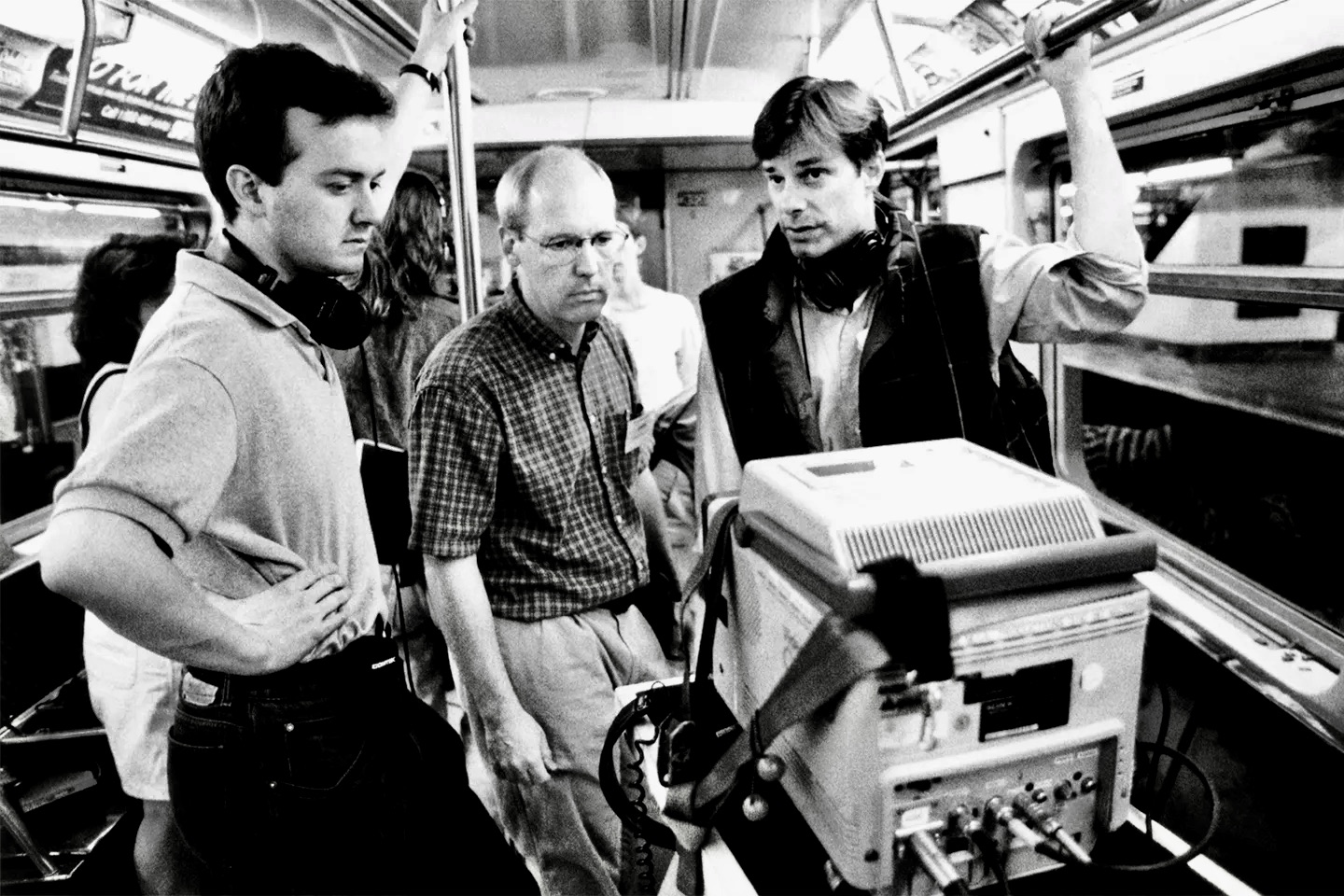
Still, this is one aspect of Whitman’s talent and personality that makes his films so personable and engaging. His expertise at choosing the right casts for his movies is another creative gift. In an interview with The Guardian, Stillman discussed the casting of The Last Days of Disco. ”I happened to see John Schlesinger’s Cold Comfort Farm, and I could see Kate Beckinsale as very close to Charlotte in Last Days of Disco. Charlotte is very much a Jane Austen character, and Cold Comfort Farm was based on Austen’s Emma. We were about to cast Winona Ryder as Charlotte’s friend Alice, but my editor on Barcelona had been telling me how much I’d like Chloe Sevigny. The casting people were against her, but her audition was fantastic.” He also admitted, “We had a $9m budget, and I wanted to knock everybody’s eyes out. We shot the club scenes in the Loew’s Jersey theatre, a baroque 1920s cinema. We were sharing it with Illuminata, a John Turturro film; they paid for the red carpeting, we paid for everything else. It was an enormous amount of work and money to fit it out, and then you have to people it with extras.”
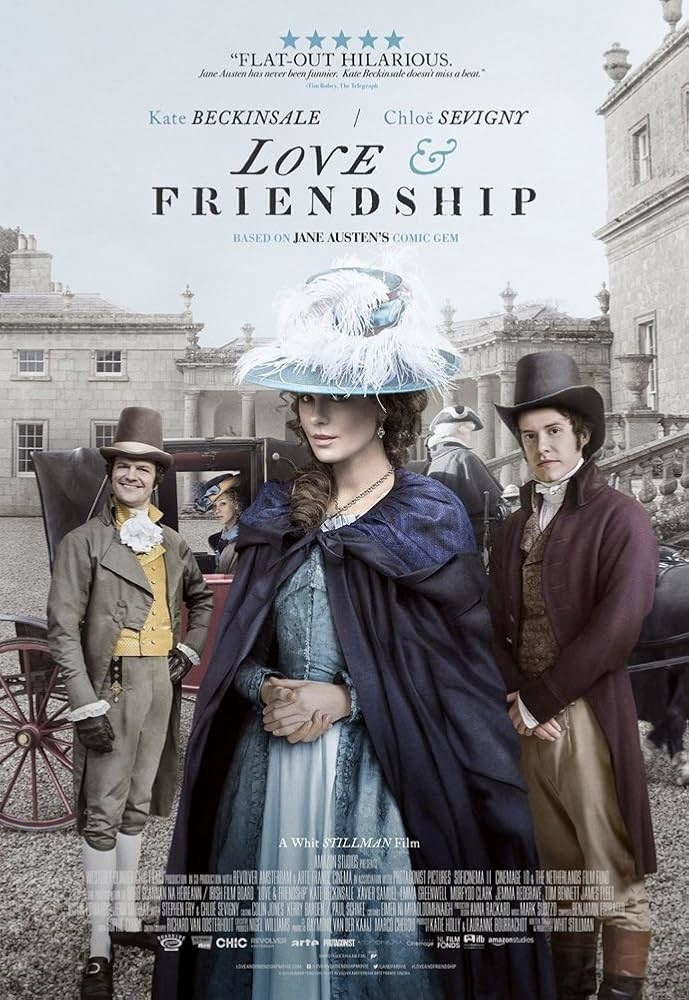
Sevigny and Beckinsale would become good friends during the making of The Last Days of Disco and go on to star in Stillman’s 2016 film adaptation of Jane Austin’s Love & Friendship. Chris Eigeman is also known as a frequent Stillman collaborator, having appeared in the director’s unofficial trilogy of Metropolitan, Barcelona and Disco. Luckily, he has been able to carve out an acting career apart from his friend’s work in such critical favorites as Noah Baumbach’s Kicking & Screaming (1995) and Nicholas Jarecki’s hedge fund scandal drama Arbitrage (2012).
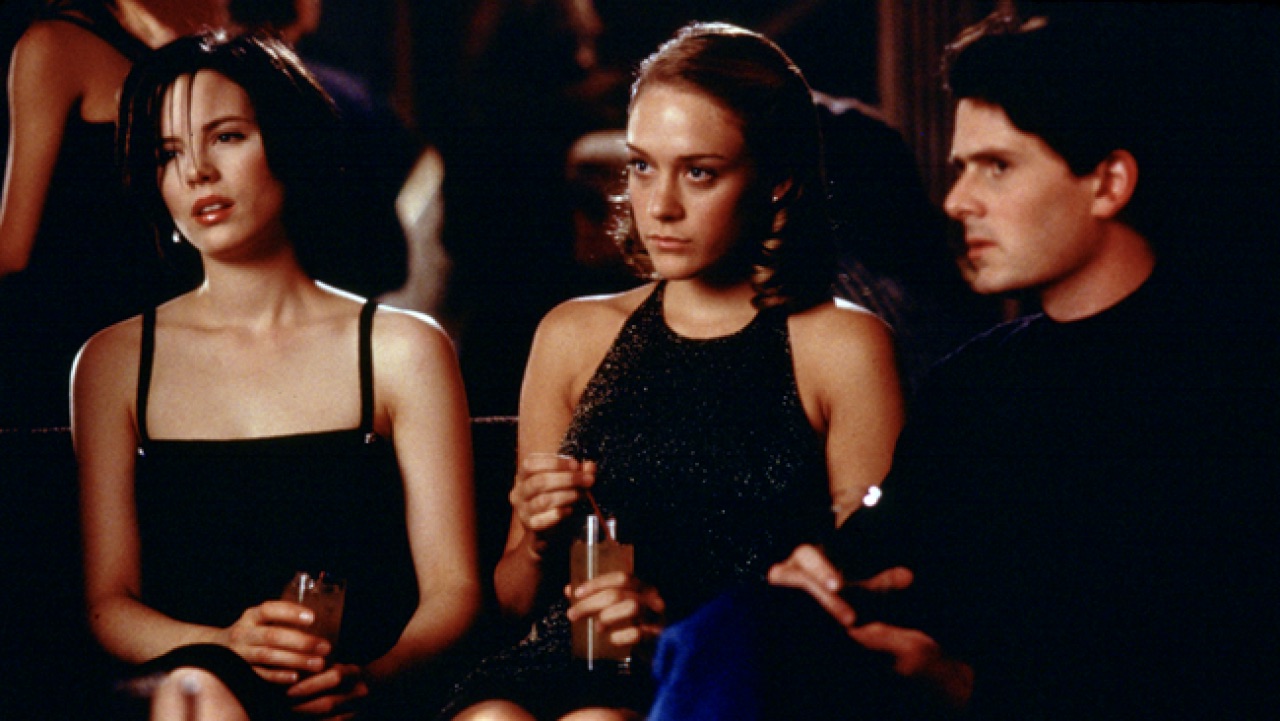
The Last Days of Disco was well received by most film critics during its initial release with Janet Maslin of The New York Times writing, “Humorously and fondly, with an entertaining supply of what he has called “prosaic license,” Stillman again displays a pitch-perfect ear for both the cattiness and the camaraderie that bind his characters into collective friendship.” And Mick LaSalle of the San Francisco Chronicle called it, “The most Stillmanesque Stillman movie yet. It’s about a mood, part wistful, part sardonic. It’s about a time of life, about repartee, about the vivid character saying the unexpected thing.”
One of the few dissenters was Todd McCarthy of Variety, who stated, “Whit Stillman’s stiff directorial approach ill suits the sensual ambiance of the club scene so intently depicted, and the mostly self-conscious, uptight characters seem to have made a left turn out of “Metropolitan” and walked through the wrong door to turn up in this flamboyant druggie scene.”
There was actually a soundtrack album released in promotion with The Last Days of Disco and it includes some of the biggest hits of that era such as “He’s the Greatest Dancer” (Sister Sledge), “Le Freak” (Chic), “Turn the Beat Around” (Vicki Sue Robinson), “Love Train” (The O’Jays) and “Dolce Vita” (Ryan Paris), which was an international hit single but not as well known in the U.S. Not all of the music was of the disco variety and, for scenes that took place in Rex’s, a fictitious bar, and other locations, you can hear “The Oogum Boogum Song” (Brenton Wood), “Heart of Glass” (Blondie), “Everybody Loves Somebody” (Dean Martin), “Rockin’ Chair” (Gwen McCrae) and other pop favorites.
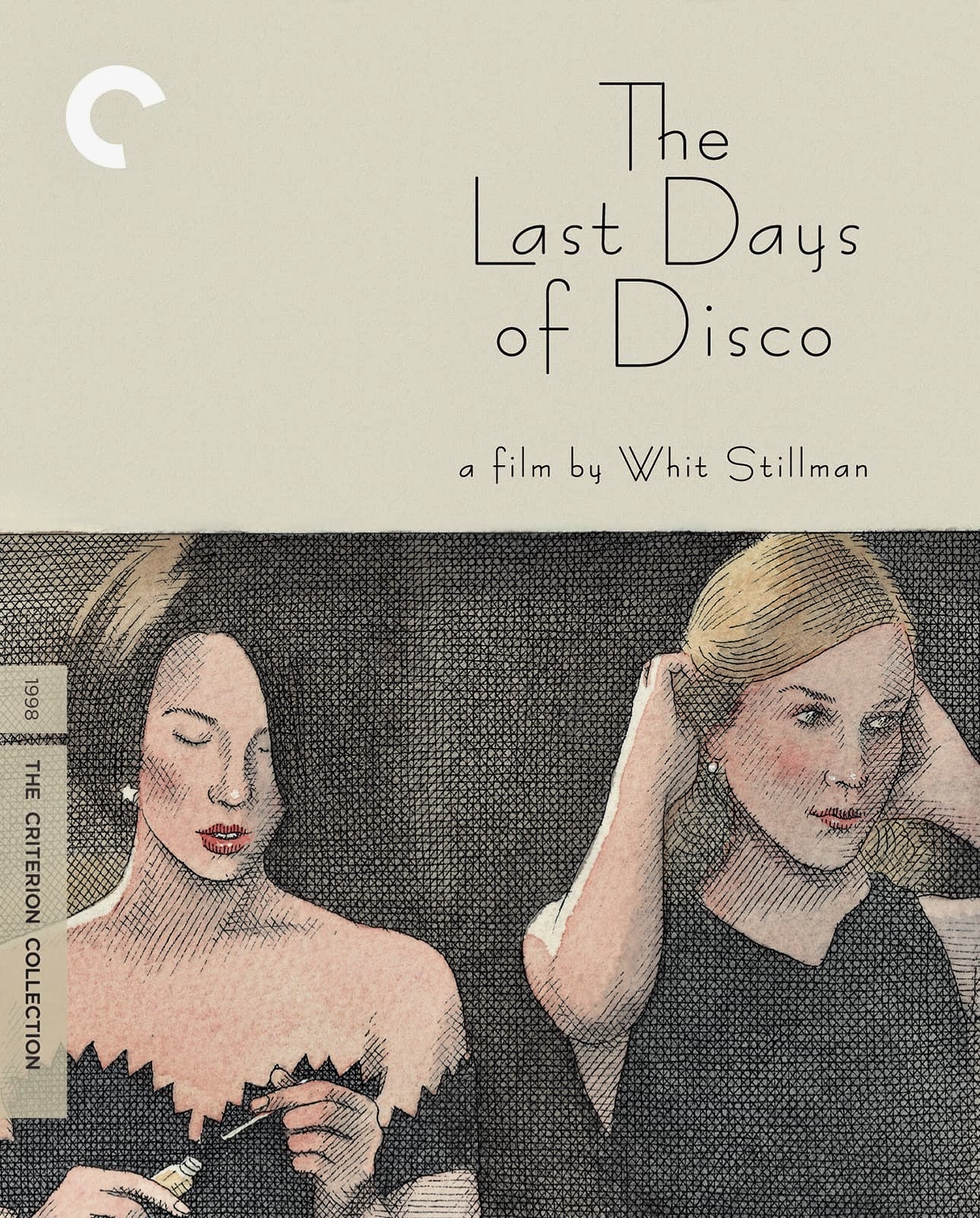
In July 2012, The Criterion Collection released The Last Days of Disco on Blu-ray and this is still the best option for seeing the film. The extra features include an audio commentary by the director with Chris Eigeman and Chloe Sevigny, four deleted scenes from the movie with commentary, a “making of” featurette and other supplementary material.
Other links of interest:
https://www.criterion.com/current/posts/4041-talking-with-whit-stillman-about-his-places-of-the-past
https://bombmagazine.org/articles/2015/08/06/whit-stillman-and-chris-eigeman/
 Cinema Sojourns