
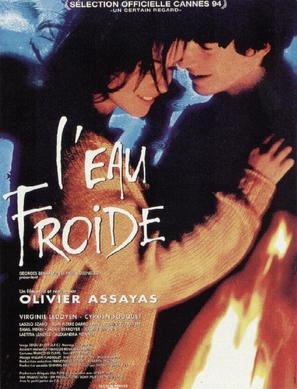
Was high school the most emotionally turbulent rite of passage every teenager had to endure? For some, like French director Olivier Assayas, it was a period of time that helped transform him into the person he is today. Those years provided the raw material to create a deeply personal cinematic experience that was not just an artistic triumph in France but earned the director international attention and acclaim. L’eau Froide (English title: Cold Water, 1994) was Assayas’s fifth feature film but he credits it with being the movie that marks his first real breakthrough as a director. The story of Gilles (Cyprien Fouquet), a troubled student from an upper-class family, and his on-again, off-again infatuation with Christine (Virginie Ledoyen), a rebellious sixteen-year-old from a divorced working-class couple, is semi-autobiographical in nature with some incidents taken directly from the director’s life. Assayas would later state, “Cinema has the capacity for making you experience moments, emotion in your life and looking back on it I have the strange feeling that this movie belongs to the seventies.”
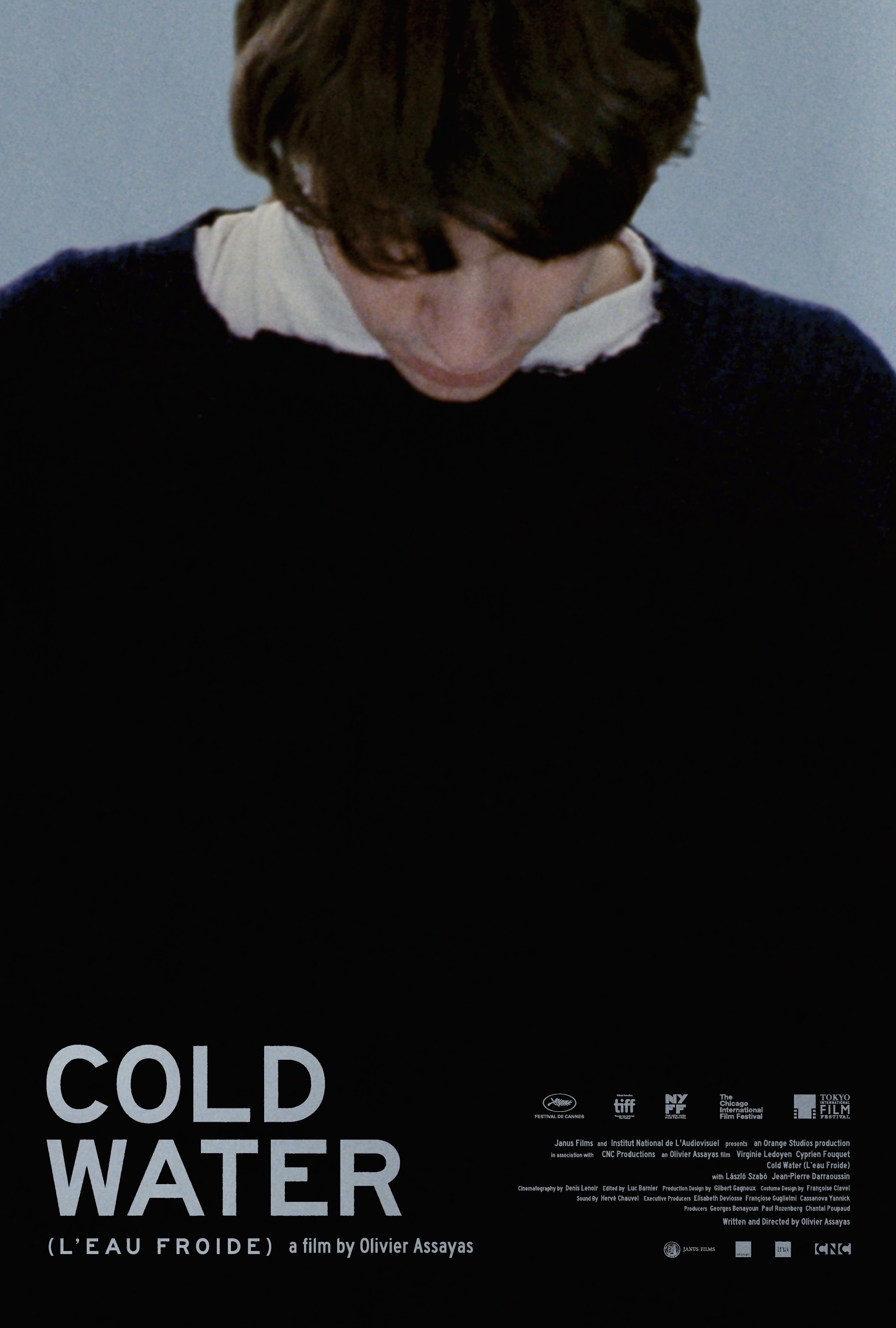
Truer words were never spoken and to see Cold Water is to be enveloped in a river of conflicting emotions that you experience in the moment just as the main characters do. And it is just as vivid and timeless now as it was in 1994…or 1972, which is when it takes place.
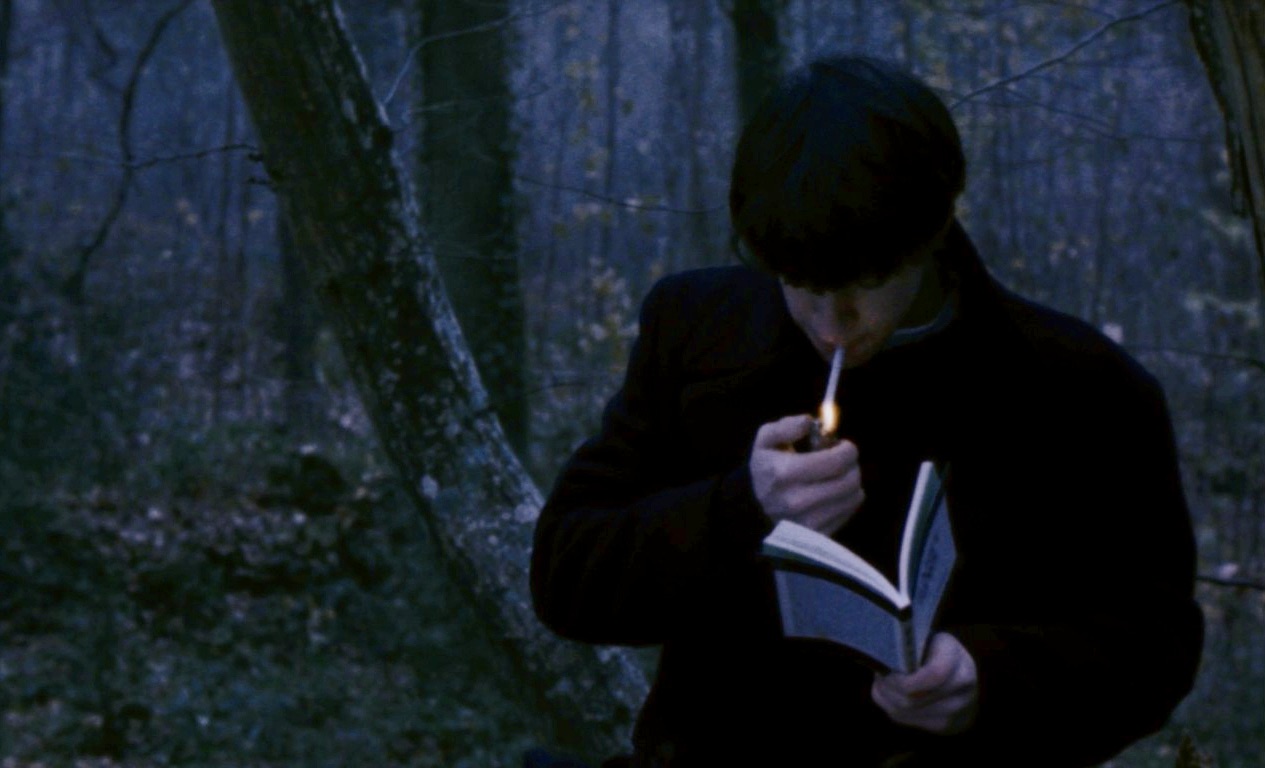
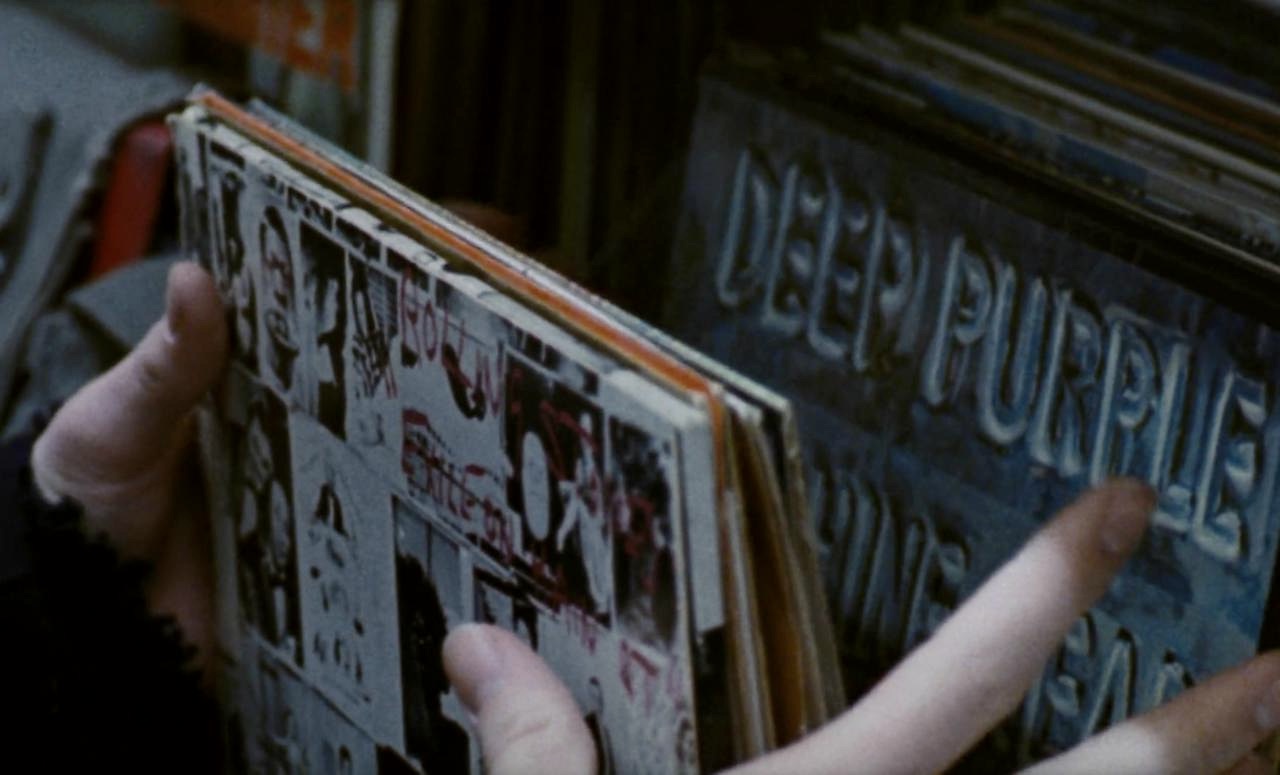
At that time in France, the violent clashes between the younger generation and the old guard of 1968 were still unhealed wounds that haunted the present and permeated everything. Gilles has no interest in school, can’t communicate with his father (Laszlo Szabo) and is acting out his unhappiness with anti-social behavior. He not only is stealing records from stores to sell to school chums but he is toying with the idea of a terrorist act (why else would he buy eight sticks of dynamite from a thief and fellow student?).
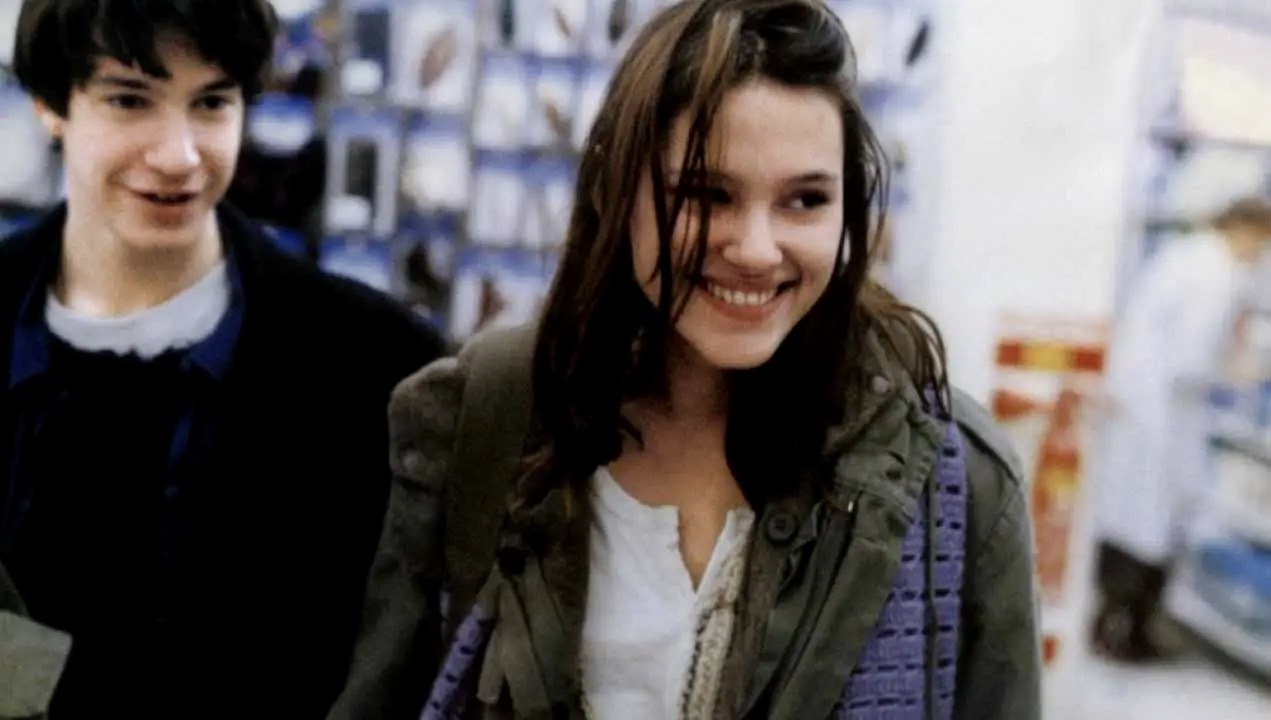
Christine, his sometime partner-in-crime, has her own problems, which includes a father who wants her committed a second time to a psychiatric clinic and an ineffectual mother (Dominique Faysse) and her Arab lover Mourad (Smail Mekki), who can’t reason with her or understand her combative personality. When Christine gets arrested by store detectives during a record-stealing binge with Gilles, her father packs her off to a prison-like sanitorium for treatment.
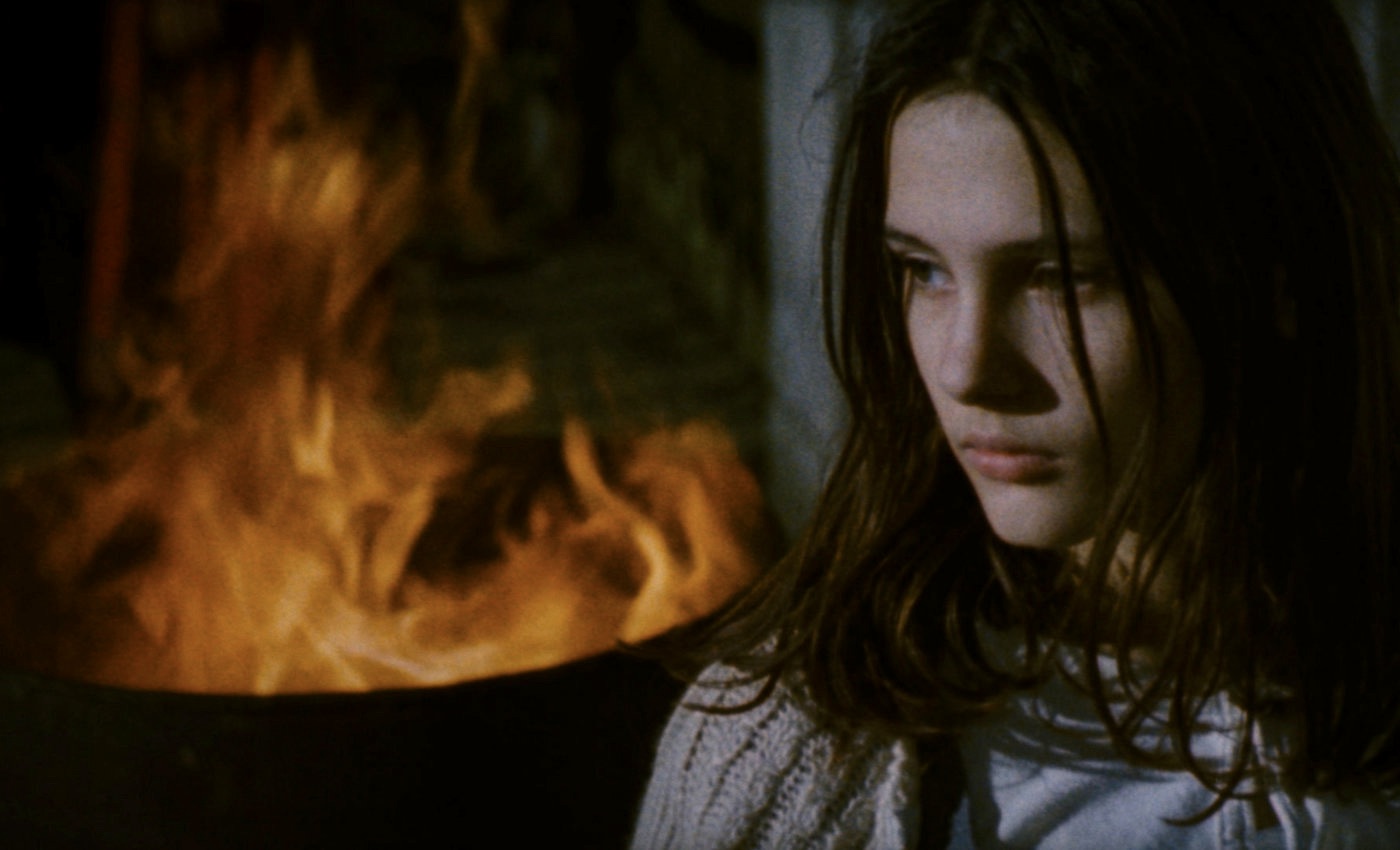
She eventually escapes from the facility and meets up with Gilles at a wild party in an abandoned chateau in the countryside. During a long night of drinking, smoking pot and occasional squabbles with former friends, Christine and Gilles renew their relationship and decide to run off together to visit Chloe, an old school friend of Christine’s who is now living in an artists’ colony in a remote area. It is unclear whether Christine is inventing this escapist fantasy or whether she is being truthful but Gilles firmly commits to their uncertain future together.
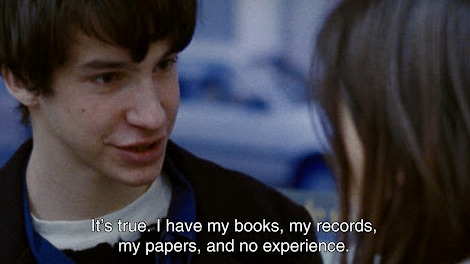
Cold Water, however, is not so much about what happens to this young couple as it is about the emotions and thoughts that are driving their behavior. Filmed in super 16mm with a skeleton crew, the cinematography by Denis Lenoir is mostly held-hand with intense close-ups that travel with the actors as they move through their surroundings and convey a palpable sense of intimacy and high energy. There are also a number of astounding tracking shots that were completely improvised during the shoot but help capture the often unpredictable mood swings and physical reality of these restless teenagers.
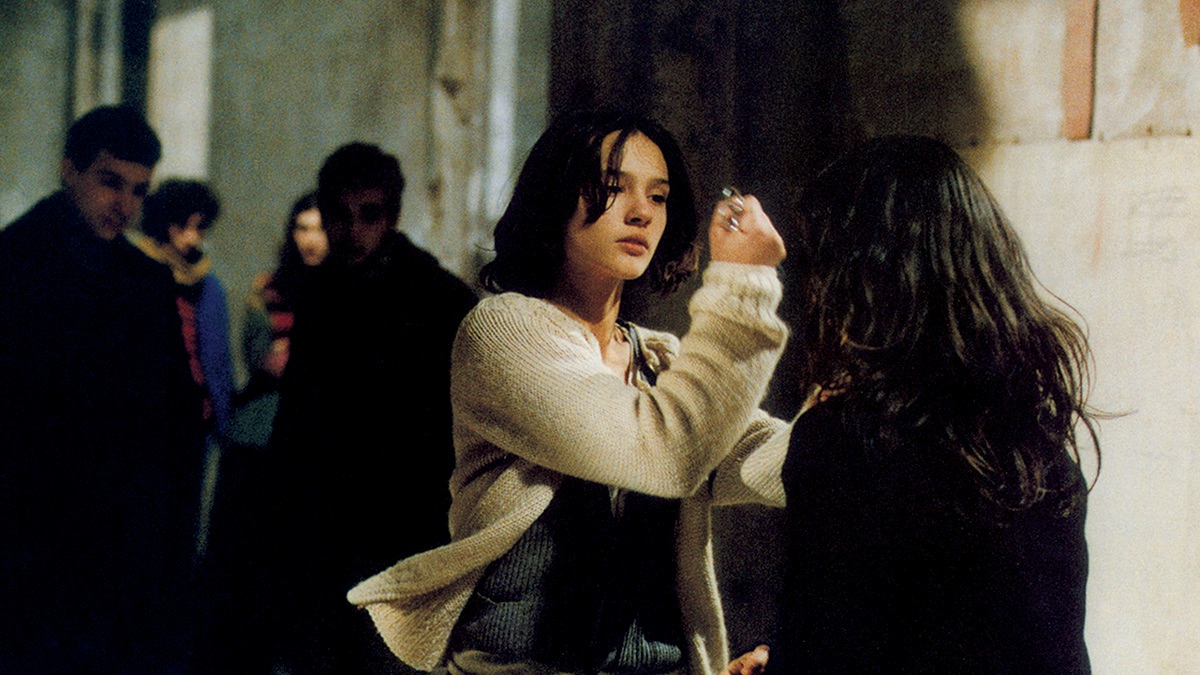
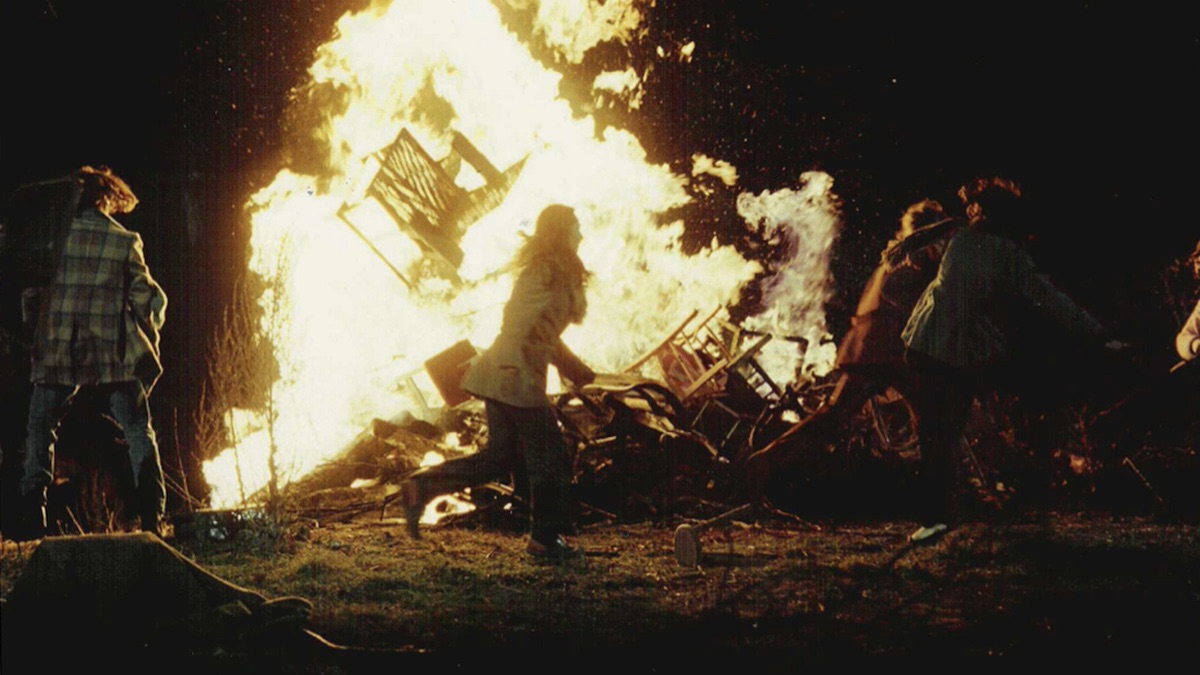
The justly famous chateau party sequence, which takes up roughly a half hour of the film, is a cinematic tour de force combining movement with music from the period, specifically British and American rock. A raucous, free-for-all mood is established as the teens play rock ‘n’ roll favorites like Alice Cooper’s “School’s Out” and reach a crescendo as the partiers start tossing furniture into a roaring bonfire to the tune of Creedence Clearwater Revival’s “Up Around the Bend.” When Christine’s mother and Mourad show up unexpectedly to find her and take her home (they are unsuccessful), the music switches to Uriah Heep’s “Easy Living” as the adults search anxiously through the chaotic crowd.
There is also a sequence where joints are rolled and a pipe is passed around as “Knockin’ on Heaven’s Door” by Bob Dylan provides the perfect contact high music for a tribal ritual. And for the morning after, when the fire has turned to embers and everyone has a hangover, Nico’s mournful “Janitor of Lunacy” is the ideal song to greet the gray dawn.
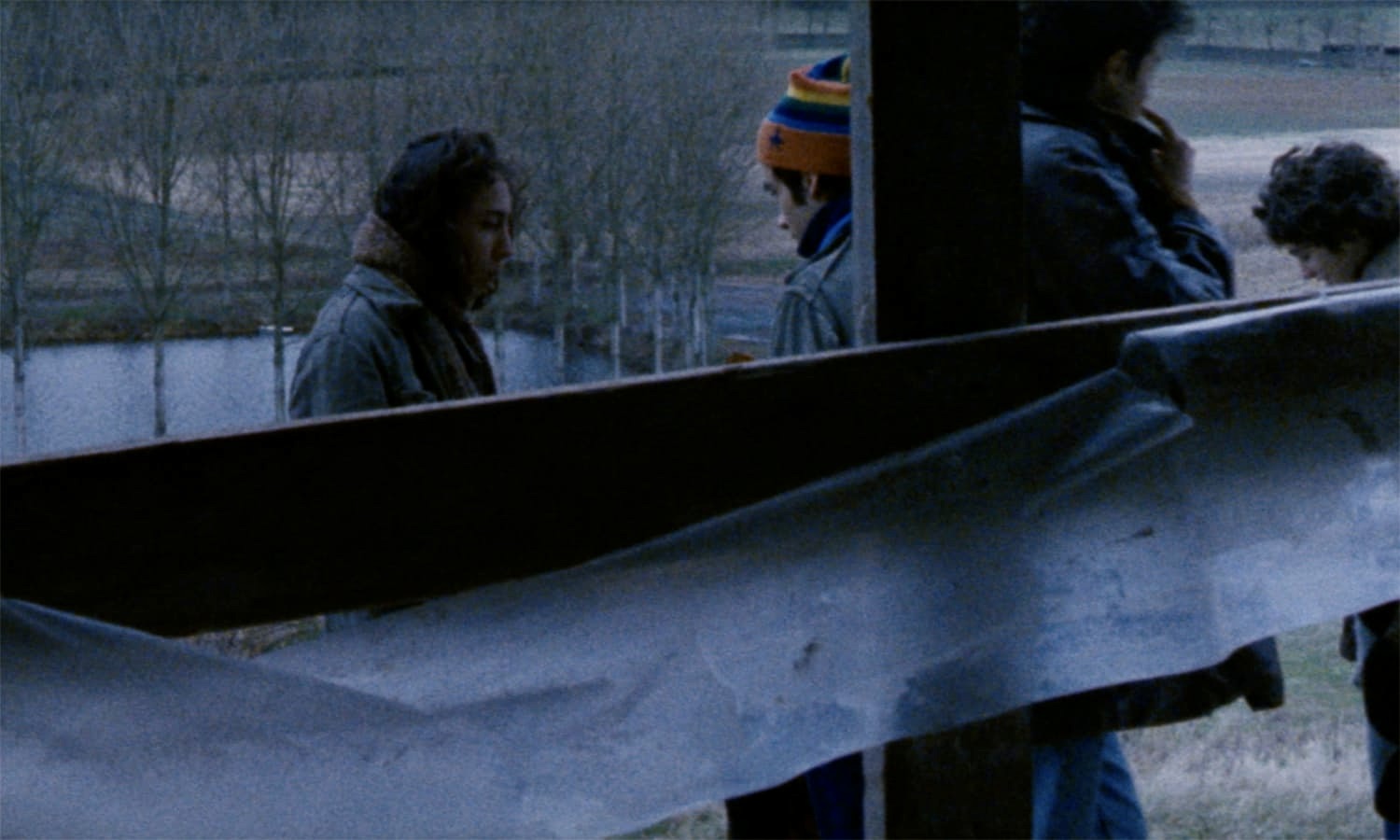
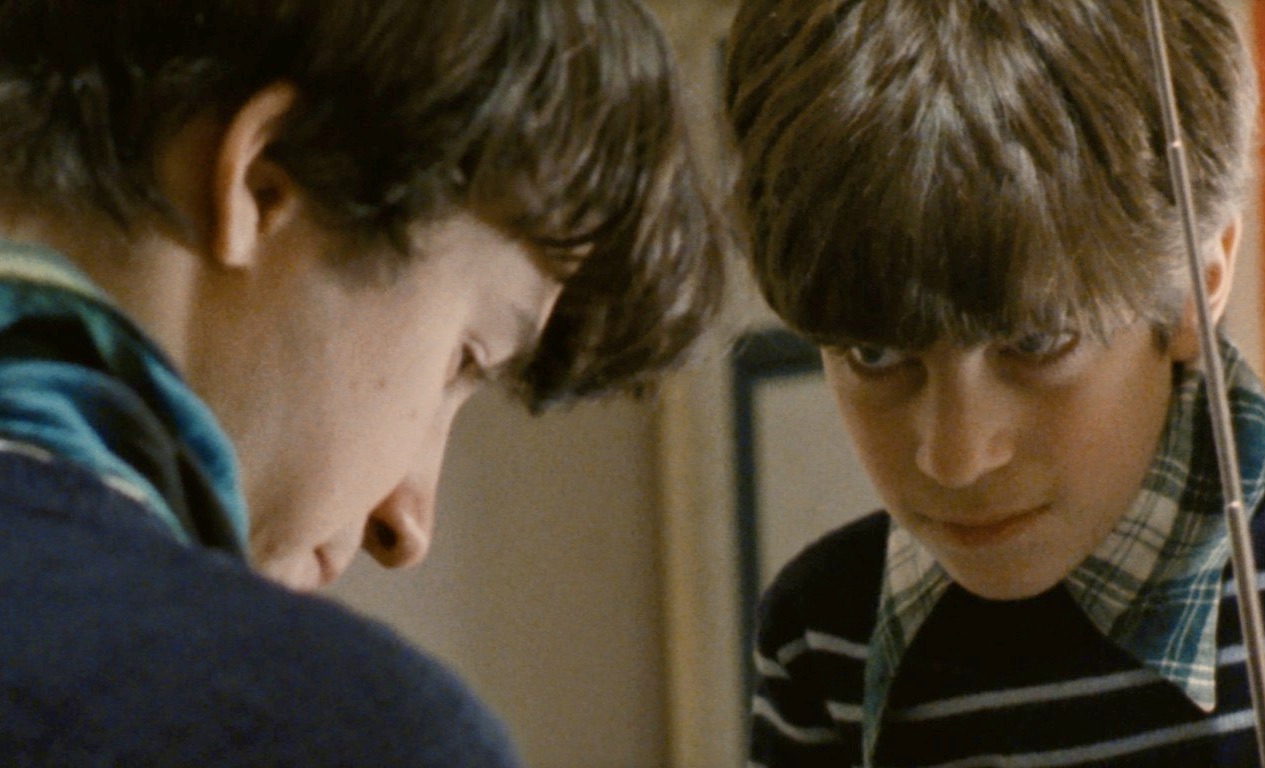
For Assayas, the music is key to understanding Cold Water and he even said in an interview that “the songs become the narrative.” In fact, the obsession with music is introduced early in the film in the scene where Gilles and his younger brother (Mathieu Markdoukhaev) race around their house with a transistor radio searching for the right spot to tune into a British rock station. When they lock into the signal, they sit transfixed, hanging on every word of the lyrics to Roxy Music’s “Virginia Plain.” Assayas considers the Roxy Music song “pre-punk” and also sees the troubled teenagers of Cold Water as pre-punk avatars, even though the punk rock movement didn’t fully erupt until 1976.
Cold Water was initially intended as a hour-long episode of a made-for-French television anthology series called Tous les garcons et les filles de leur age (All the Boys and Girls of Their Age). Nine filmmakers including Assayas, Claire Denis and Chantal Akerman were asked to create films based on their own teenage years using music of the period. The project also required that the filmmakers shoot on super 16mm within a 23-day period or less on a budget of approximately a million dollars. Each film also had to include a party scene. Assayas not only completed the episode but expanded it into a separate feature film running 95 minutes.
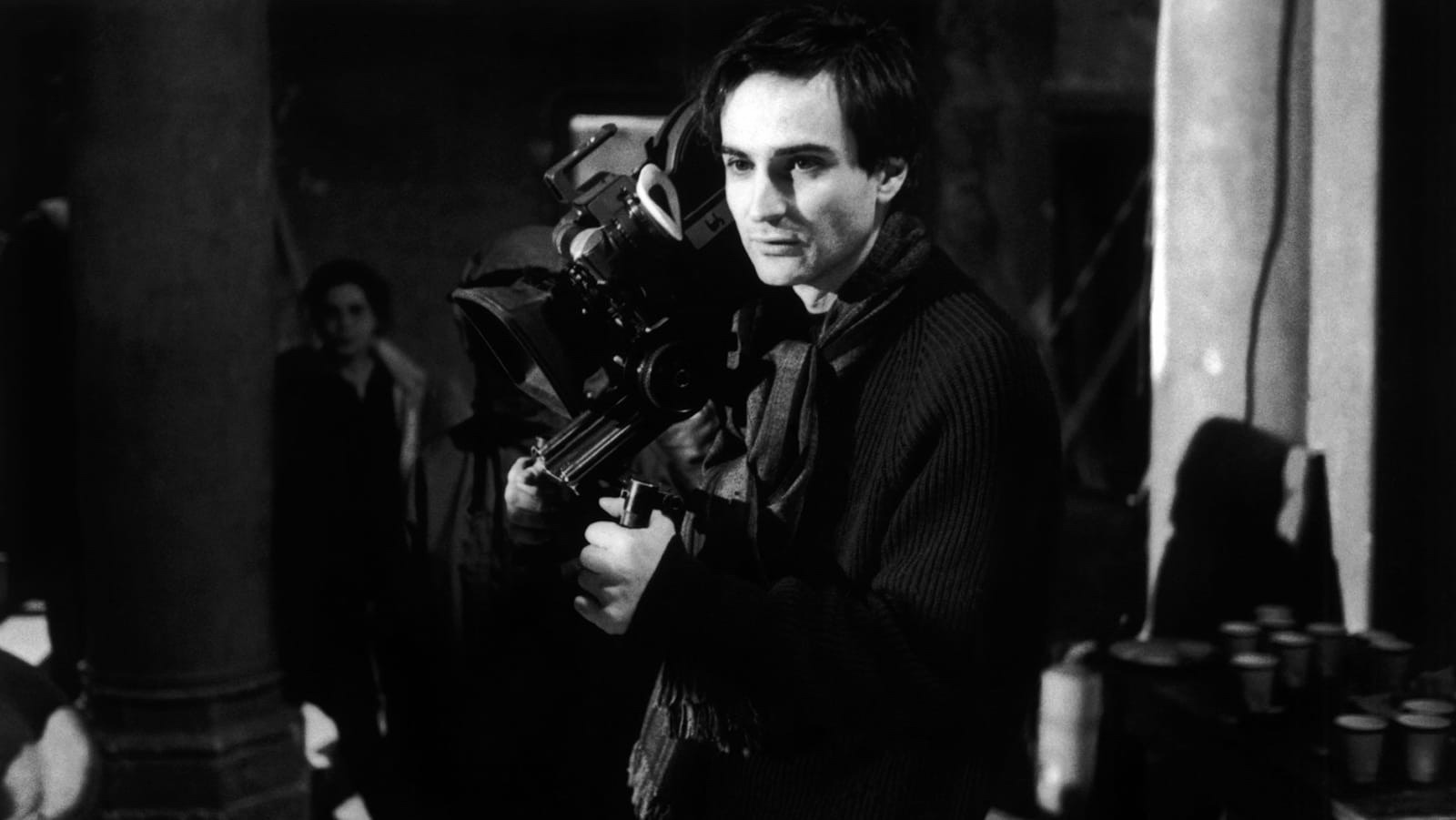
In an Interview with Hillary Weston for The Criterion Collection, Assayas said, “I wanted to make a feature. I didn’t want to make a fifty-minute TV movie; I was not interested in shooting something autobiographical and just having it be something that’s aired on television once. I needed to make something that was a bit more lasting…I was going to make—with whatever small budget they were giving me—a ninety-minute semi-experimental film. And everything fell into place…I also used songs by Leonard Cohen and Donovan that were from mature albums, not carried by the energy of their early days. These albums had the melancholy texture of artists who were producing beautiful music but were not that much a part of the zeitgeist. There was already something about the late sixties and early seventies that was fading, and those songs were about the fading.”
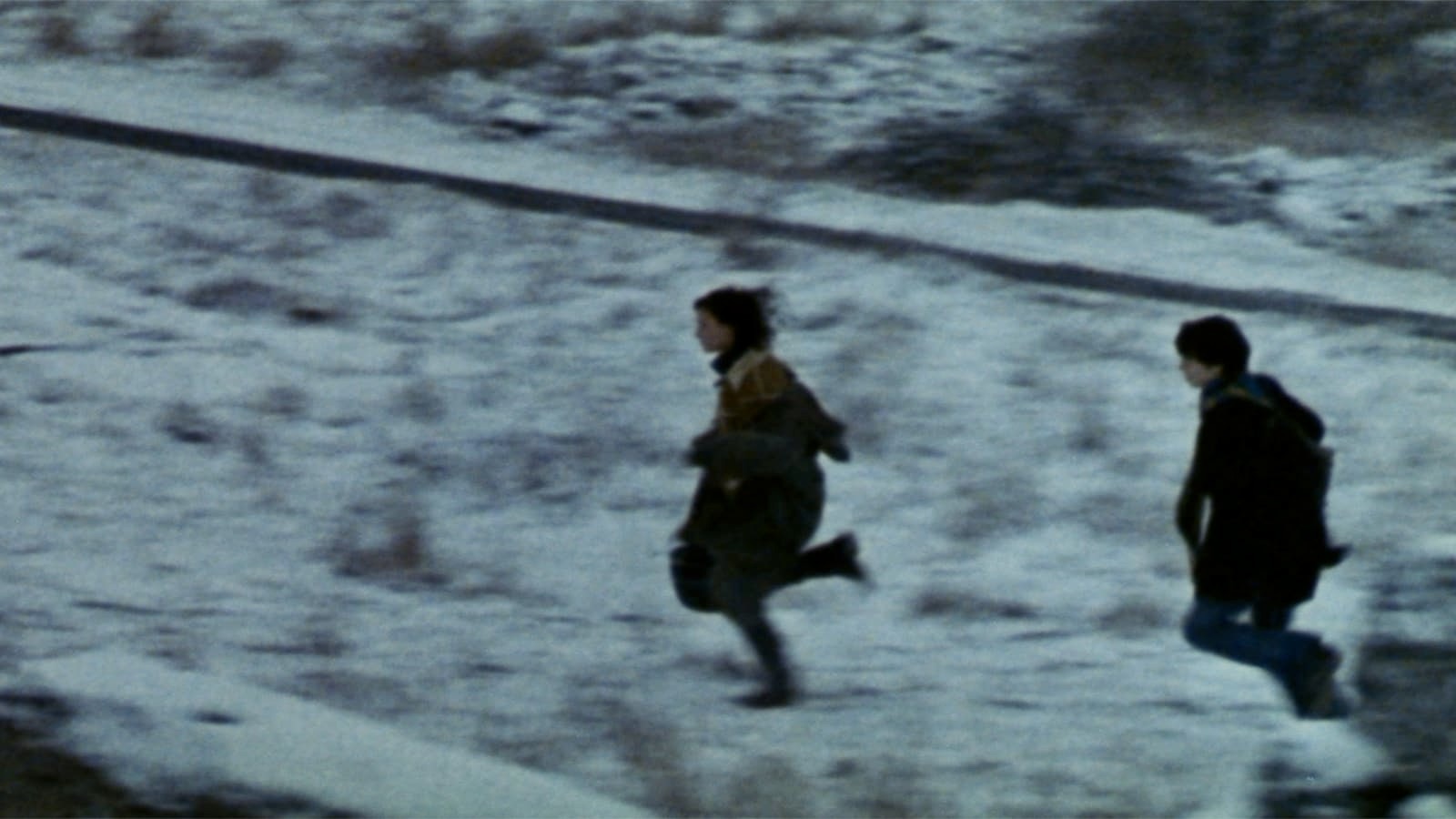
The beauty of Cold Water is that the emotional texture of the film reflects the mercurial nature of the main characters, moving from rage to giddy high spirits to melancholy contemplation. And the audience is invited to share the same things through the soundtrack of their lives in the early seventies. Also helping to ground the movie in a kind of cinema verite reality is Assayas’s use of mostly non-professional actors with the exception of Virginie Ledoyen (who was a child actress and had been making films since 1986), Laszlo Szabo (a familiar character actor from the French New Wave period) and Jean-Pierre Darroussin (who plays the police inspector).
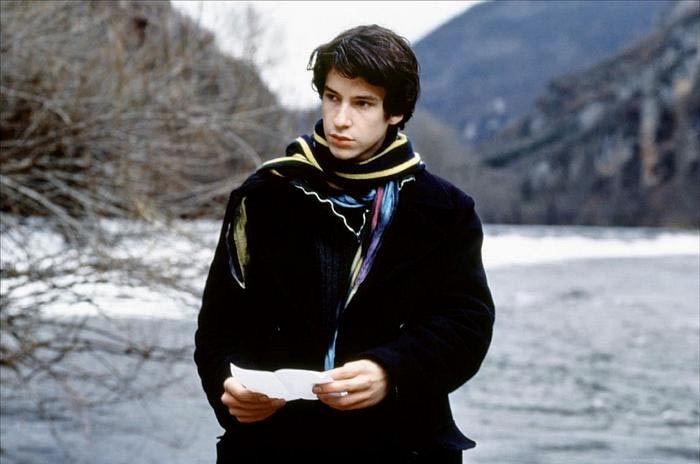
Cold Water ended up premiering at the Cannes Film Festival prior to the French television broadcast and it was a huge word-of-mouth success but, due to music rights issues, most U.S. moviegoers didn’t get a chance to see the movie until it was released on DVD/Blu-ray in 2018. Still, most American critics were impressed and a typical response is this excerpt from Justin Chang’s review in The Los Angeles Times: “What strikes you by the end of “Cold Water” is just how fast it moves, how swiftly our time spent with these characters simply slips away. As in any Assayas picture, nothing about the story feels calculated or deterministic, or even especially story-like. But it has a momentum that feels all but inexorable, as though picking up its characters mid-stream and flinging them toward a wrenchingly uncertain future.”
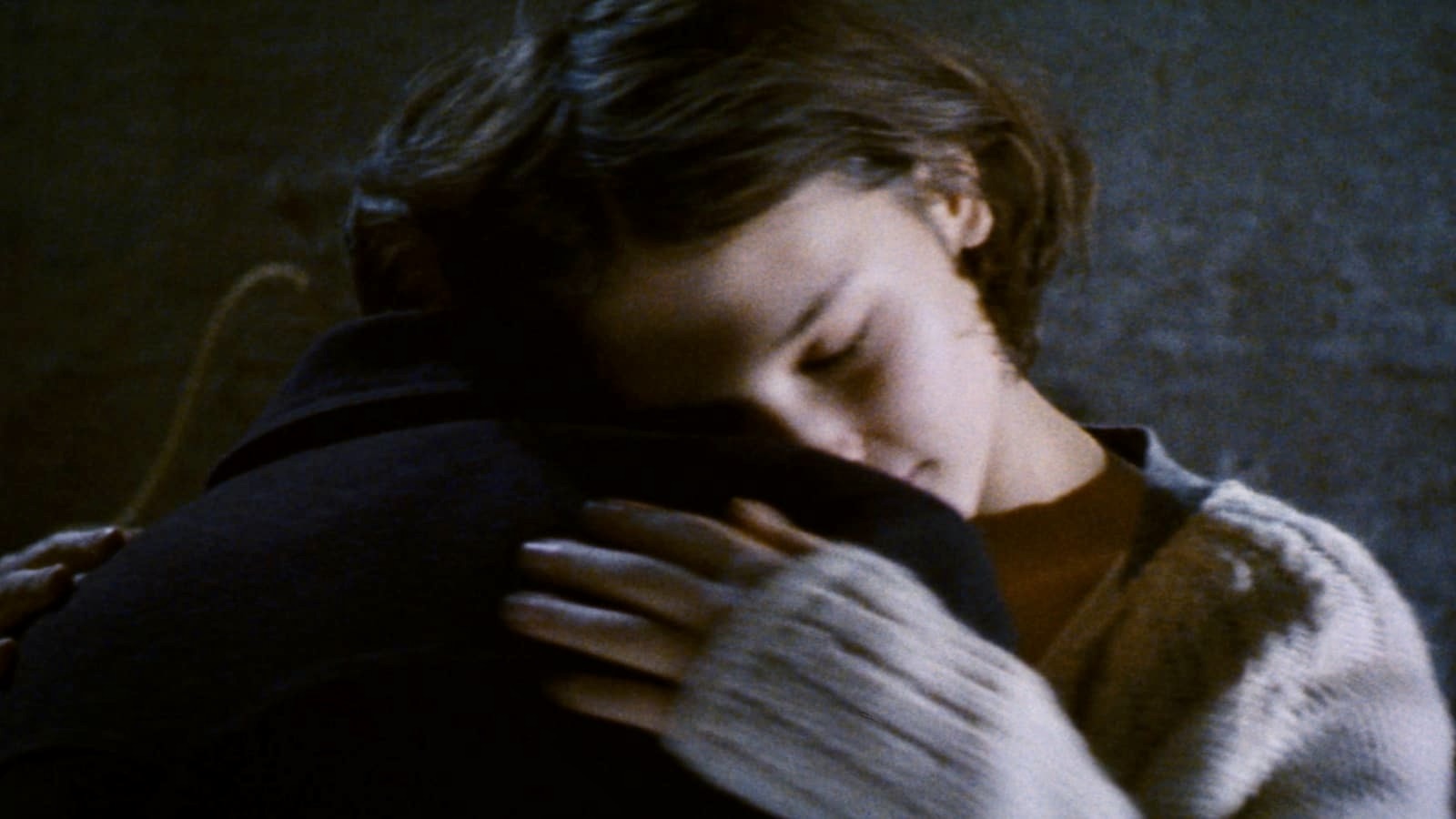
Michael Phillips of The Chicago Tribune expressed a similar opinion: “As Assayas himself has pointed out, the passing years have magically transformed a movie made in 1994 into a seeming product of post-1968 cultural turbulence and unresolved matters of the heart. It feels honest, in other words.”
After completing Cold Water, Assayas demonstrated his versatility and idiosyncrasy by directing Irma Vep (1996), a unique re-imaging of the silent French serial Les Vampires as a film-within-a-film starring Maggie Cheung. And he continued to expand his range and original approach to narrative with several genre-hopping, art house hits like Late August, Early September (1998), Demonlover (2002), Clean (2004), Boarding Gate (2007), Summer Hours (2008) and the TV mini-series Carlos (2010), based on the Venezuelan revolutionary IIich Ramirez Sanchez. Assayas would even return to the theme of troubled youth in Something in the Air (2012), which follows a group of disillusioned drifters in the wake of the May ’68 riots and shares several similarities to Cold Water including an evocative soundtrack (Nick Drake, Soft Machine, Captain Beefheart & the Magic Band, Amazing Blondel, etc.) and a decadent party scene.

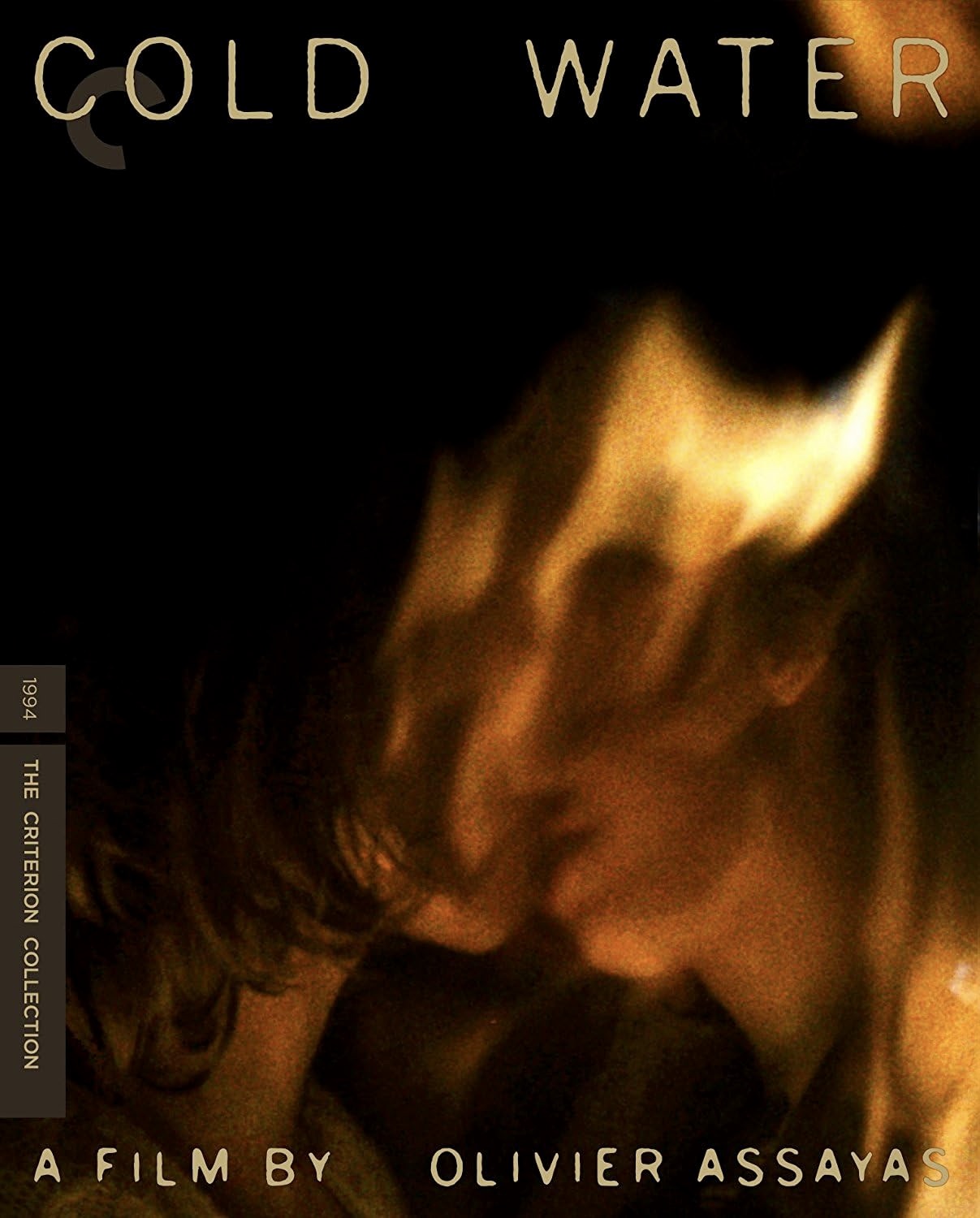
For those interested, the best option for viewing Cool Water is the Criterion Collection DVD/Blu-ray edition released in September 2018. The supplementary features include interviews with Assayas, cinematographer Denis Lenoir and an excerpt from a 1994 French TV program on the film featuring the director and his two young leads.
Other links of interest:
https://www.theyshootpictures.com/assayasolivier.htm
https://sabzian.be/director/olivier-assayas
https://www.festival-cannes.com/en/p/virginie-ledoyen/
https://mubi.com/en/notebook/posts/laszlo-szabo-remembers
 Cinema Sojourns