
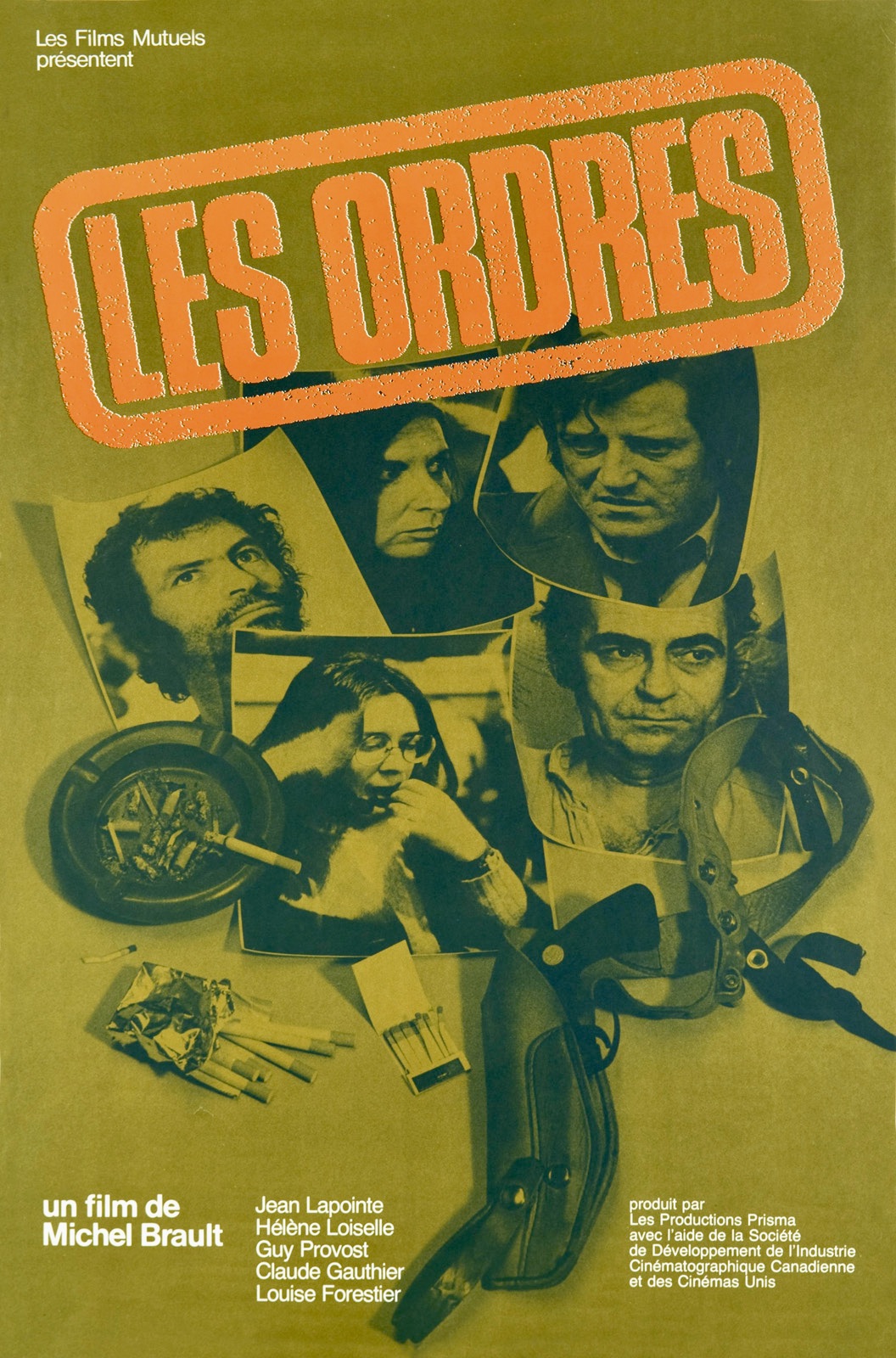
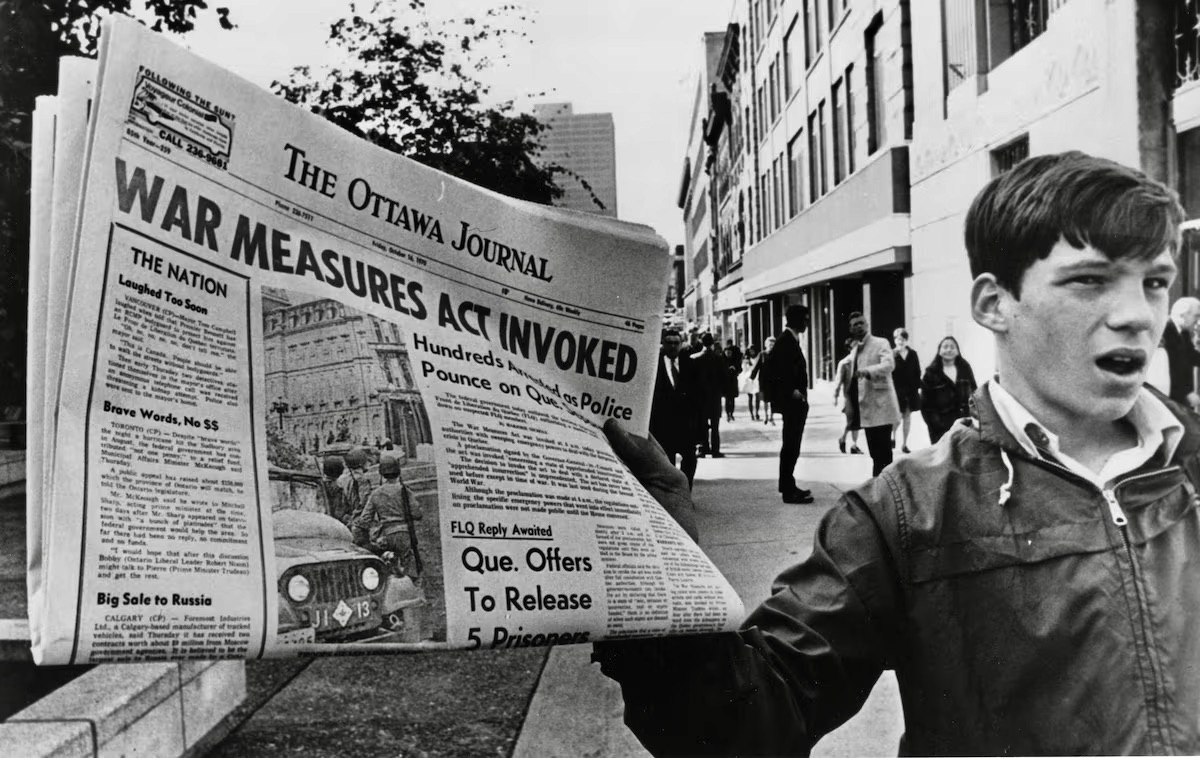
In October of 1970, the Canadian government was thrown into a state of turmoil by the actions of Front de Liberation du Quebec (FLQ), a terrorist group that wanted to achieve independence for Quebec and make it a socialist province. After the FLQ first kidnapped British diplomat James Cross on October 5th and followed it up with the abduction of Quebec Cabinet Minister Pierre Laporte five days later, Pierre Trudeau, Canada’s Prime Minister, called in the army and invoked the War Measures Act, which gave the police complete authority to arrest and interrogate anyone deemed suspicious, regardless of whether there was any evidence or not. Over 400 people were rounded up and subjected to numerous human rights abuses before being released, some after more than 21 days in jail. Les Ordres (1974), a cinema verite dramatization of this incident by Canadian director/cinematographer Michel Brault, follows the travails of five suspects, based on the actual transcripts of their incarceration.
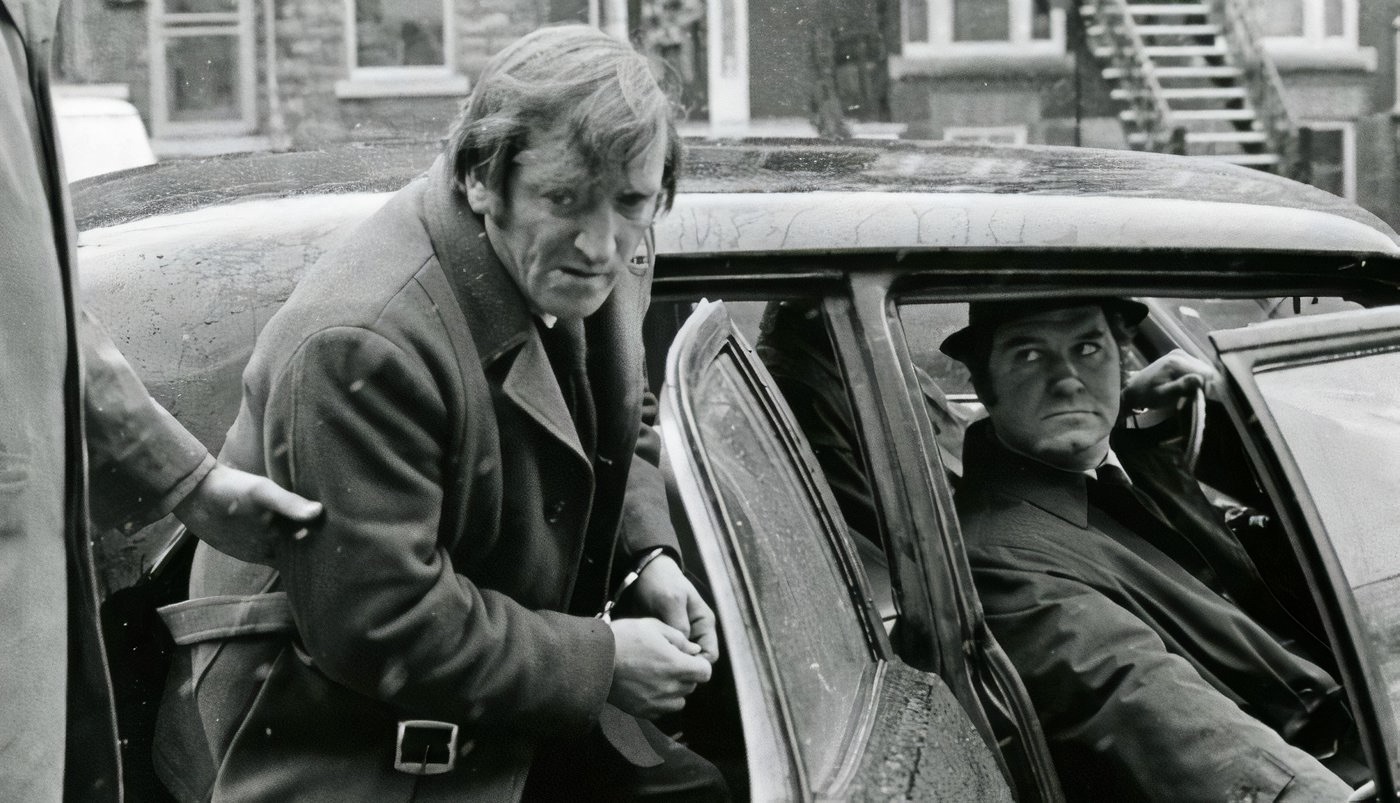
Often hailed as one of the most important films to emerge from Canada in the 1970s, if not the 20th century, Les Ordres is a harrowing emotional experience which is less interested in explaining the politics behind “The October Crisis” than it is in capturing the physical and psychological impact it had on five of the unfortunate suspects who were imprisoned without explanation. This unfortunate group included Clermont Boudreau, a weaving mill worker and Union member, and his wife Marie; Claudette Dusseault, a social worker, Jean-Marie Beauchemin, who ran a health clinic for low income patients, and Richard Lavoie, an unemployed man with two small children and a working wife.
In one of many unusual touches, Brault has the five actors, who are portraying real people, introduce themselves directly to the camera before they delve into dramatizing their characters. The director also avoids using a music score, choosing instead a disturbing mixture of natural sound and aural details (a baby crying, a prison cell door closing, a man sobbing in private, etc.)
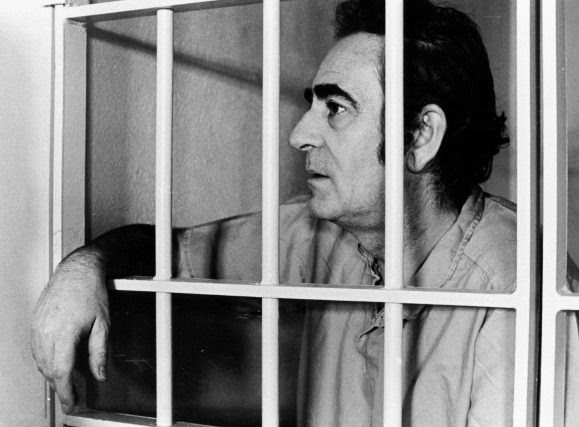
Unlike the more overtly political thrillers of Gillo Pontecorvo’s The Battle of Algiers (1966) and Costa-Gavras’s Z (1969), Les Ordres definitely qualifies as a thriller but the accent is on the effect, not the cause of a situation that resulted in a repressive police state for more than a month. The five suspects depicted in the film have no rights at all. They are never given any explanation for their arrests. Instead, they are forced to answer questions, submit to strip searches, denied access to lawyers or being able to contact family members and treated like dangerous criminals. The result is as disorienting and paranoid as one of Franz Kafka’s novels such as The Trial. The sense of menace is further intensified by presenting the interrogators and the police as anonymous authority figures whose actions and behavior remain inscrutable and inhumane. In the end, it is pure fear, cruelty and isolation that wreaks havoc on the mental state of the five protagonists. As Richard Lavoie later says of the experience, “They destroyed a part of me.”
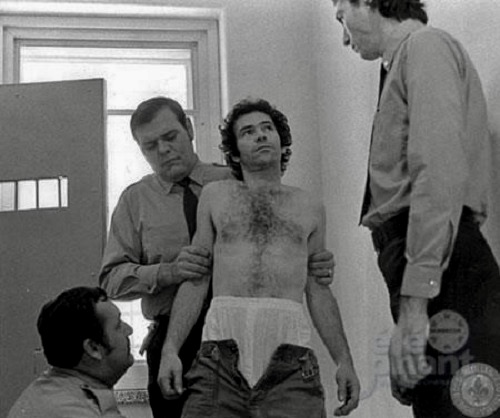
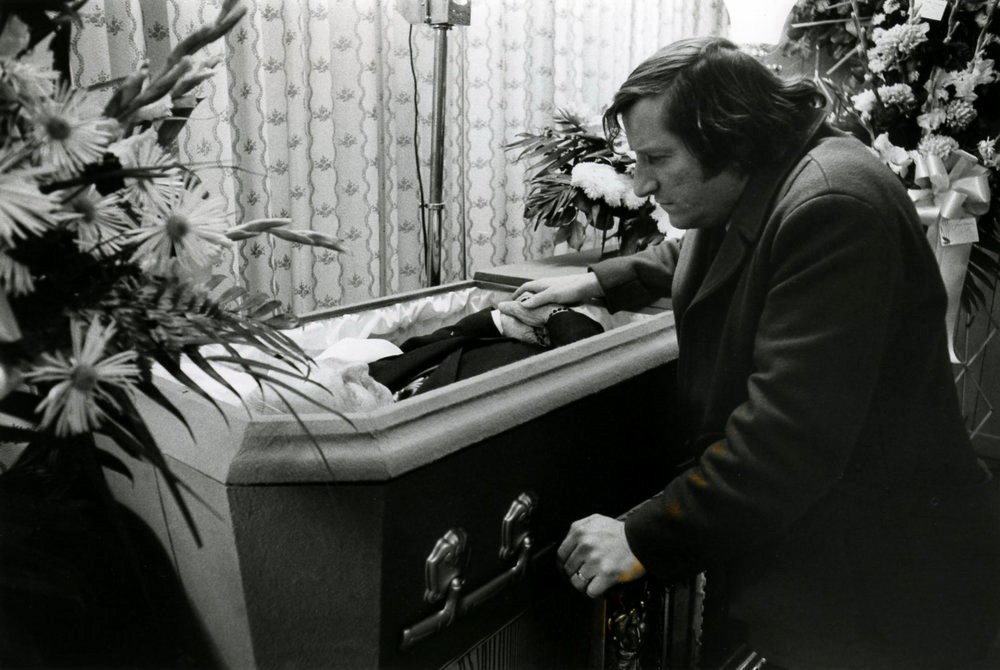
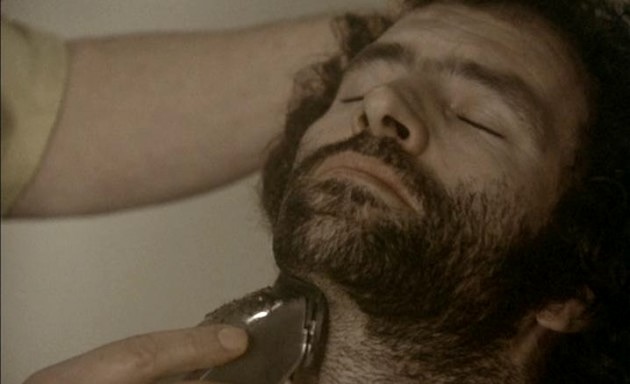
Numerous details from Les Ordres will stick with you long after the viewing experience: Marie Boudreau (Helene Loiselle) being forced to leave her young children unattended as the police cart her off, Richard Lavoie (Claude Gauthier) having his beard shaved off despite his protests, Claudette Dusseault (Louise Forestier) getting shuttled without explanation to numerous lockup facilities, Jean-Marie Beauchemin (Guy Provost) vomiting after eating some disgusting prison slop, or Clermont Boudreau (Jean Lapointe), who, after being denied a visit to see his ailing father, is transported in the middle of the night to view an open coffin display of his deceased parent. The film is truly nightmarish and is made all the more unsettling by the fact that this really happened in the province of Quebec in 1970. It begs the question – could this happen again? In a world where the extreme left and the extreme right seem to be capturing the majority of media coverage, it seems highly probable.
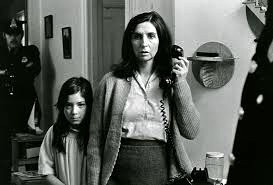
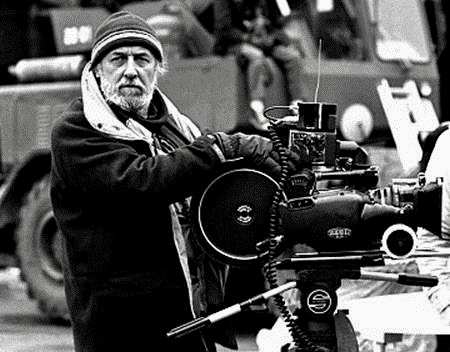
Les Ordres was highly praised by most film critics upon its release and it remains the only Canadian film to ever win the Best Director award at the Cannes Film Festival (Brault shared it with Costa-Gavras for his 1975 political thriller Special Section). A major figure in Canadian cinema, Brault worked on more than 100 films as either cinematographer, director or both. Several of these are considered classics in Canada such as Brault’s documentary Of Whales, the Moon and Men (1963), Claude Jutra’s My Uncle Antoine (1971) and Kamouraska (1973) and Francis Mankiewicz’s Les Bons Debarras (1980).
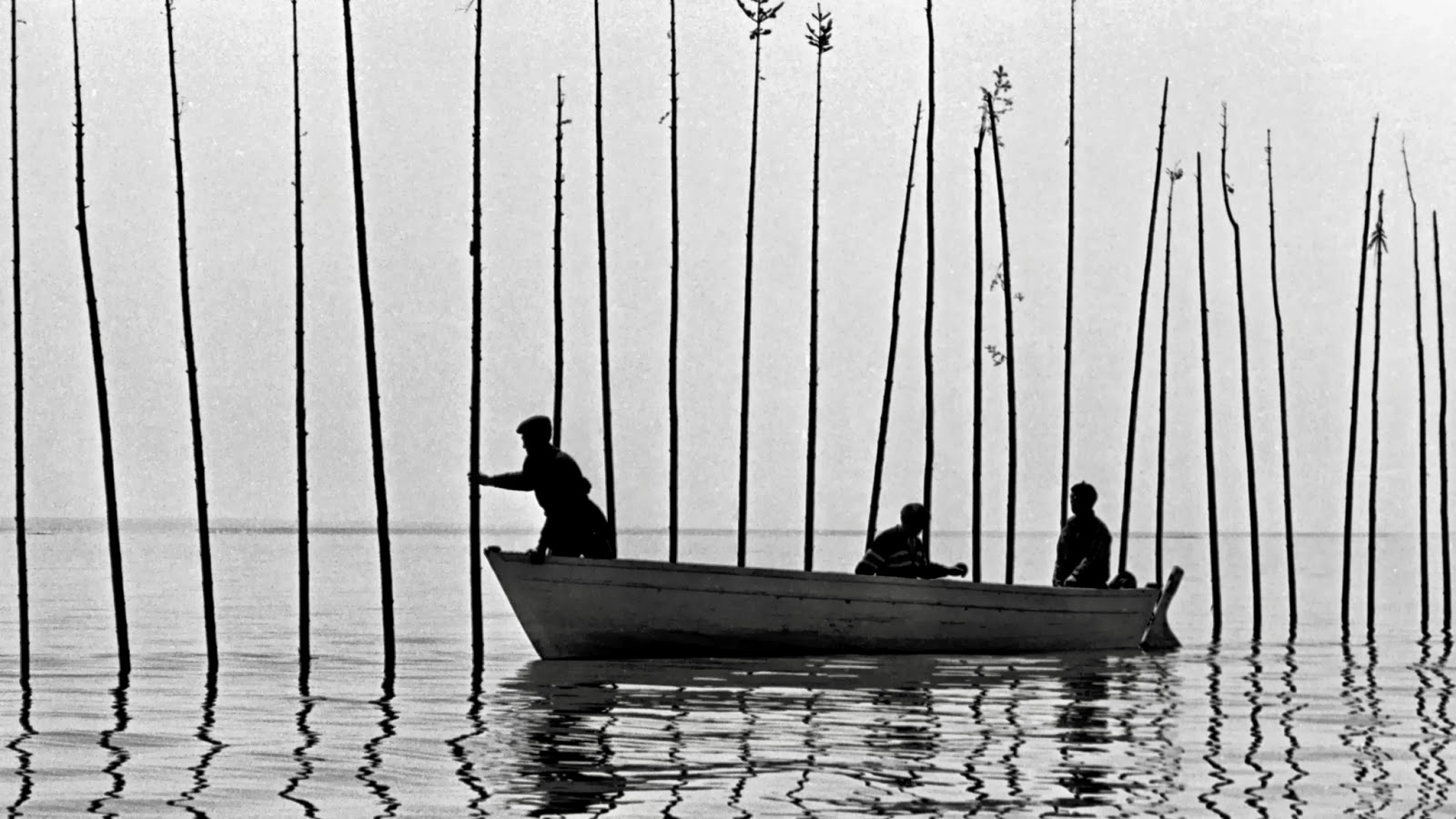
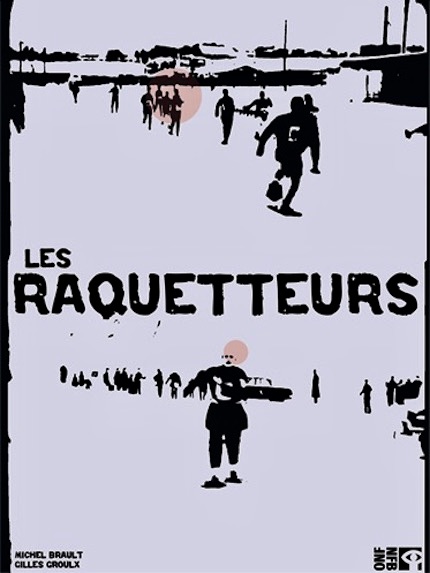
Brault was one of the high profile practitioners of Direct Cinema, a popular film movement of the late fifties/early sixties in the U.S. and Canada in which filmmakers used handheld cameras, skeleton crews and a non obtrusive, fly-on-the-wall approach to non-fiction cinema. Some of the more famous examples of this movement include Les Raquetteurs (1958), co-directed by Brault and Gilles Groulx, Robert Drew’s Crisis: Behind a Presidential Commitment (1963), Albert and David Maysles’s Meet Marlon Brando (1966), and Frederick Wiseman’s Titicut Follies (1967).
All of these Direct Cinema innovators added their own stylistic preferences to their work and Brault was no exception. As Robert Everett-Green noted in The Globe and Mail, Brault’s “cinéma direct” style of documentary didn’t include the authoritative voiceovers typical of the John Grierson type of NFB filmmaking. Brault chose the shots, but allowed the viewer space to decide how to interpret them. His feature films were shot the same way, at street level in ambient light, with no telephoto lenses or establishing shots or anything else to make the filmmaker’s view seem godlike. He dealt with the “trap” of fiction by making a feature as if it were a documentary.”
In some ways, Les Ordres has a “you are there” immediacy that is comparable to British director Peter Watkins’ approach to docudrama as in the case of Culloden (1964), a historic reenactment of the 1745 uprising, and The War Game (1965), a “what if” imagining of a nuclear attack on the U.K. The main different, however, is that Watkins favored using nonprofessional actors and Brault’s use of established Canadian actors like Jean Lapointe (One Man, 1977) and Helene Loiselle (Rejeanne Padovani, 1973) in Les Ordres grounds the movie in a more dramatically intimate recreation. And although Brault avoids overt political pandering in his narrative, he does set the appropriate tone and address moral considerations with the opening quote from Prime Minister Pierre Trudeau: “Whenever any form of authority unjustly abuses a man, all the other men are also guilty; for it is through their silence and consent that they permit the authorities to commit this abuse.”
Les Ordres is not currently available on any format for purchase in the U.S. but you might be able to find a DVD import (in French, no English subtitles) from online sellers. In the meantime, you can stream a very good transfer of the movie with English subtitles on the Cave of Forgotten Films website.
Other links of interest:
https://www.thecanadianencyclopedia.ca/en/article/michel-brault
https://www.thecanadianencyclopedia.ca/en/article/les-ordresorders
https://offscreen.com/view/les-ordres-at-fnc
 Cinema Sojourns