
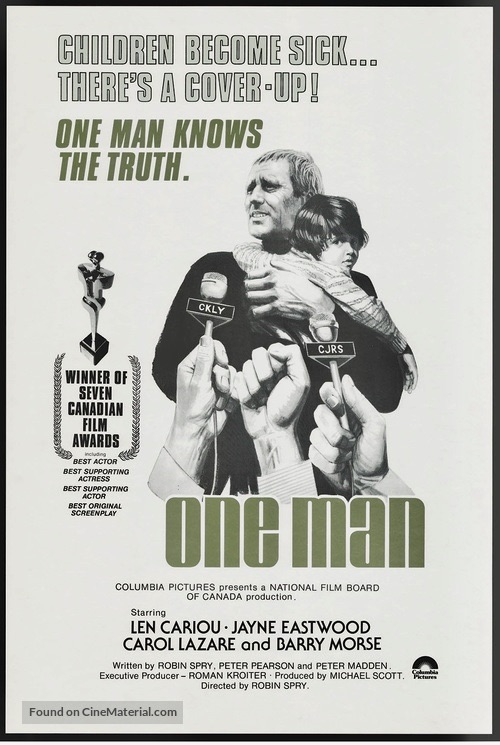
People can complain about the seventies all they want but it was a watershed decade in terms of launching new film genres like disaster movies (Airport, Earthquake, The Towering Inferno), Blaxploitation (Sweet Sweetback’s Baadasssss Song, Shaft, Superfly), conspiracy thrillers (Executive Action, The Parallax View, Three Days of the Condor), Eco-horror/sci-fi (Frogs, Night of the Lepus, Soylent Green) and slasher flicks (Black Christmas, Friday the 13th, Halloween). Arriving later in the decade was the environmental drama as represented by The China Syndrome (1979) and other films that addressed the dangers of nuclear power, man-made toxins and air pollution. Interestingly enough, one of the first movies to address the lethal health hazards of air pollution in the guise of an investigative thriller came from Canada entitled One Man (1977). It was produced by the National Film Board of Canada, directed and co-written by Robin Spry and featured Len Cariou in the leading role of a television reporter who is threatened by a powerful corporation over a controversial news story
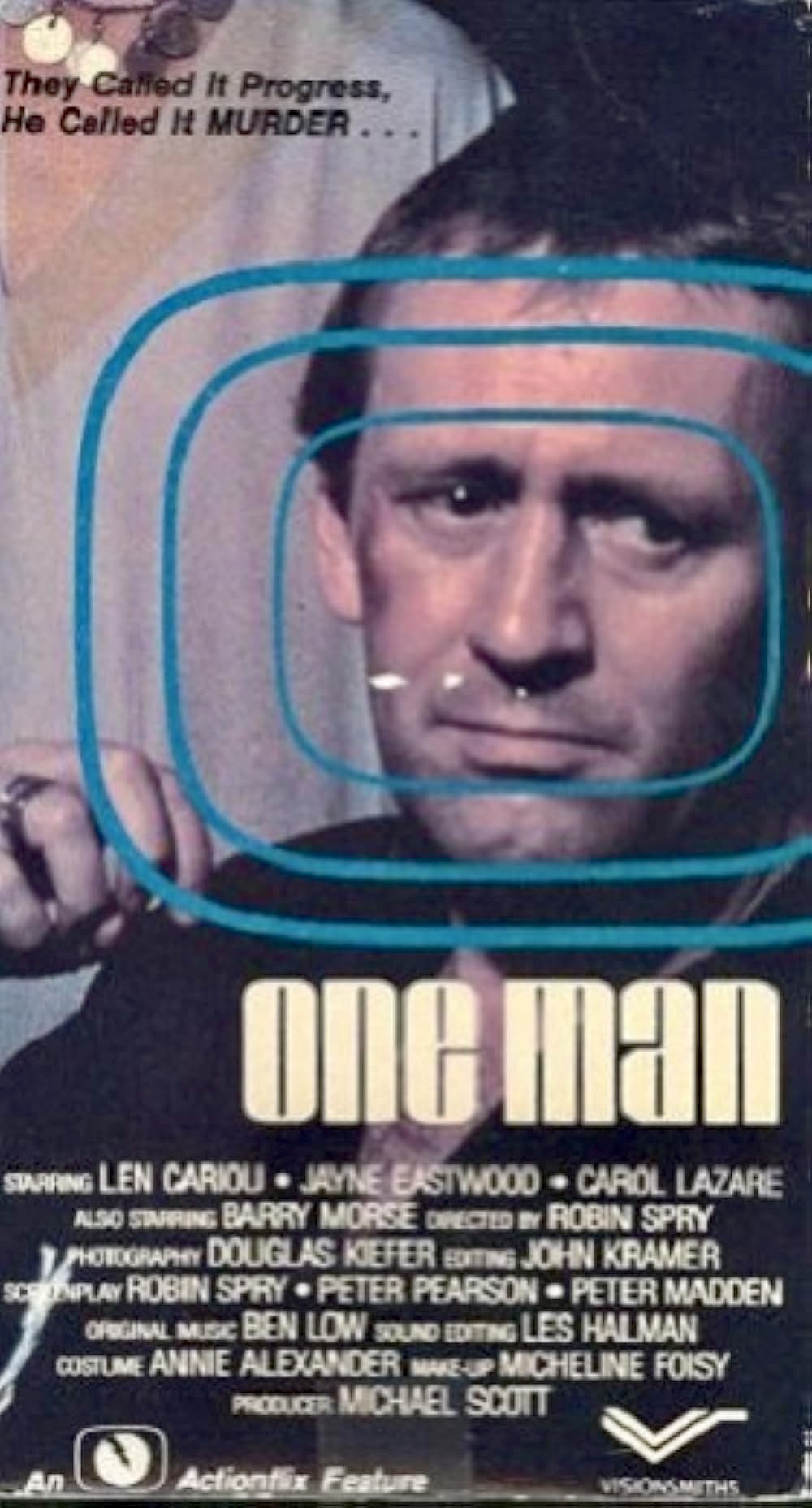
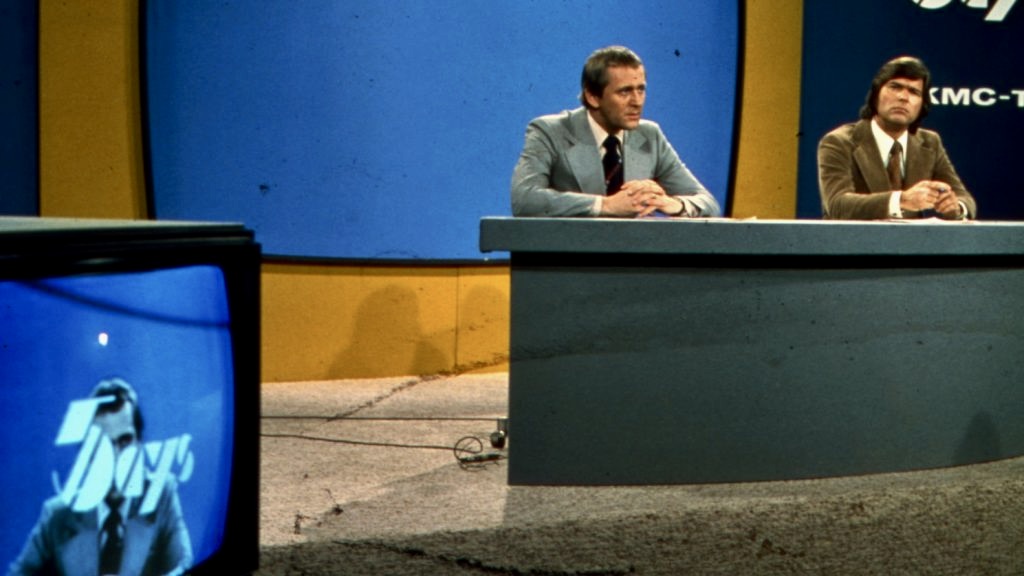
Like the crusading protagonist, One Man is not without some obvious flaws but the virtues outweigh the negatives and the movie holds up today as a fast-paced social drama with still timely observations about corporate greed, environmental activism and the need for public awareness. The story follows Jason Brady (Len Cariou), a high profile investigative reporter for Montreal news channel CKMC with his own show “Five Days.” When Jason and his cameraman partner Ernie (August Schellenberg) investigate the murders of some gang members in a turf war between rival drug syndicates, their trail leads to St. Xavier children’s hospital where local crime chieftain Ben Legault (Jean Lapointe) is a shadowy behind-the-scenes presence.
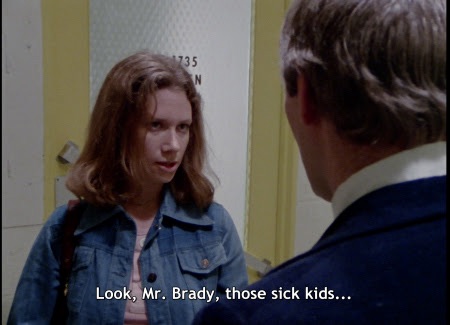
It turns out that many of the young patients at the hospital are suffering from the effects of BaP (Benzo(a)Pyrene, a laboratory reagent that is found in coal tar, chemicals and cigarette smoke. Marion Galbraith (Carol Lazare), a hospital employee, knows from inside sources that the nearby chemical processing company Konrads is responsible for releasing BaP into the air. With Marion’s help, Jason establishes a connection between Leo and Collin Campbell (Barry Morse), the corporate head of Konrads, and discovers how Campbell has suppressed the scientific and medical reports on the toxic smoke released by his factory. When Jason sets out to expose the corporate cover-up to the public, he quickly learns how dispensable he is in Campbell’s corrupt world of money and influence. Yet, despite death threats against himself and his family, Jason continues to search for the proof that will expose the truth about Konrads.
Robin Spry’s film depicts Jason as a committed and passionate defender of the truth but his investigative techniques often approach the level of a near zealot. Confidential sources are often exposed and in danger of being ruined by Jason’s insistence on going public with everything. He even appears conflicted when the choice comes down to revealing everything and losing his family in the process. It also doesn’t help that Jason is sexually attracted to certain women in his line of work despite his marriage to Alicia (Jayne Eastwood) and his collaboration with Marion on the Konrads investigation leads to an affair. Jason’s infidelity and its effect on his wife and their three children adds an additional level of tension to the paranoid proceedings.
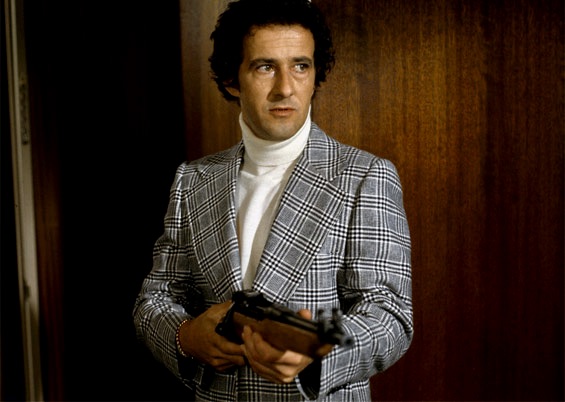
On the plus side, Len Cariou, in his feature film debut, is a personable, engaging actor who makes Jason an admirable character in spite of his often insensitive and reckless behavior. Cariou’s name might not ring a bell but, if you are a cinephile and TV watcher, you have no doubt seen this Canadian actor over the years in films such as The Four Seasons (1981), the supernatural mystery Lady in White (1988), and the Stephen King adaptation Secret Window (2004) plus TV series like Blue Bloods (2010-2024) and Law and Order (1990-2008).
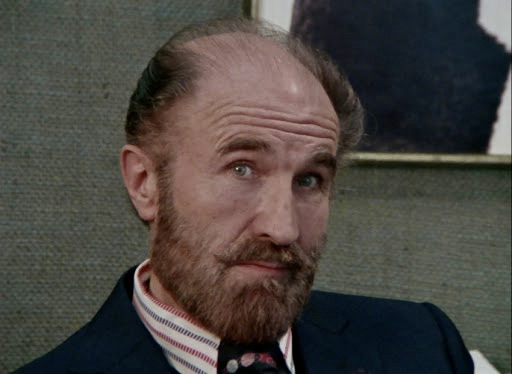
Equally impressive in a smaller role is Barry Morse as the sinister and quietly intimidating Campbell, who has the power and resources to make his enemies either disappear or admit defeat. Morse is mostly famous for his role as Lt. Philip Gerard, the relentless detective pursuing David Janssen as the star of the iconic TV series The Fugitive (1963).
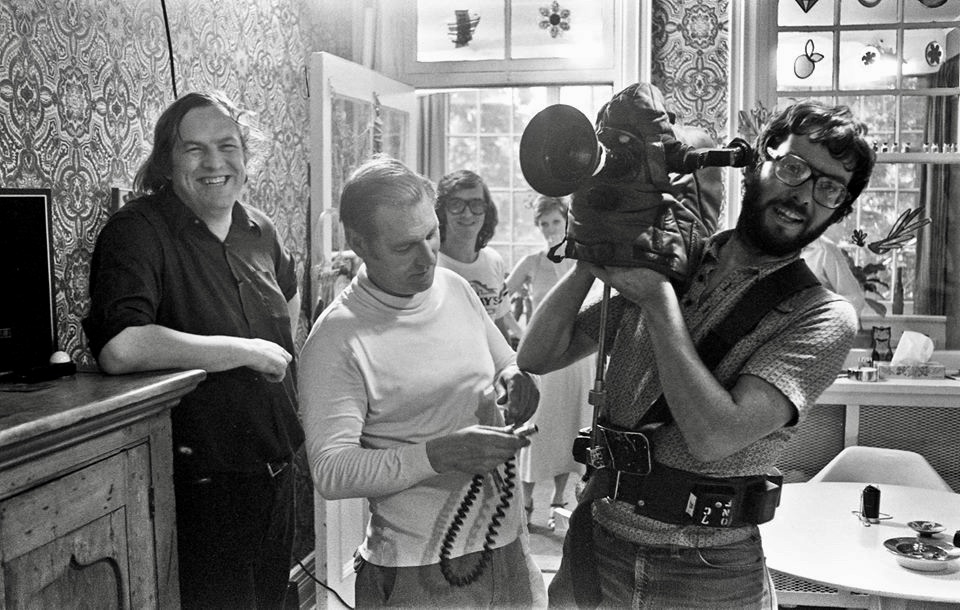
Although well known in Canada for his excellent and sometimes controversial shorts for the National Film Board of Canada, Robin Spry is probably unfamiliar to most U.S. viewers but One Man is a good introduction to his work. The film’s low-budget look is actually a strength and adds to the movie’s immediacy with its economically depressed settings (it was mostly filmed in Montreal). Spry also deserves credits for juggling several hot button topics like environmental pollution and corporate corruption without succumbing to message mongering or detracting from the fast-moving narrative.
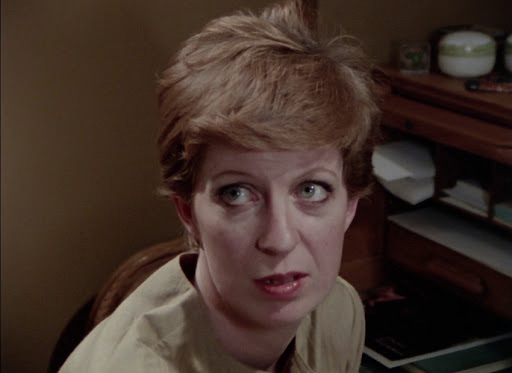
As for the film’s least successful aspects, both Jayne Eastwood as Jason’s wife and Carol Lazare as Marion give uneven performances. Eastwood, in particular, alternates between strident and flippant with her line readings and a confrontation scene in a grocery store with her husband is so overwrought that it is almost comical. Lazare, on the other hand, is often so low key and tentative in her performance that her character remains one dimensional. Sexist humor and some lame jokes between the prominent male characters don’t help either.
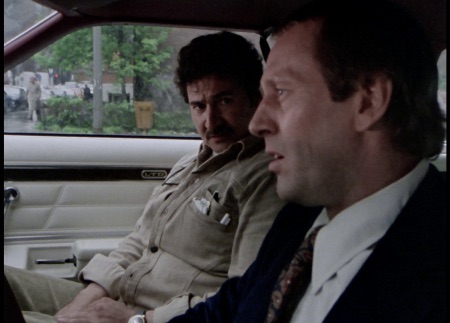
The climax of One Man is also going to be problematic for some viewers because of its mixed message. [Spoiler alert] Jason is eventually pressured into making a public apology on television for making unproven allegations against Campbell and his company Konrads. Marion walks away in disgust, telling him, “If you let them silence you, you’ll end up being one of them and won’t be of use to anybody.” Yet, Jason still takes his case to the people of Montreal but is beaten down in the street by factory workers from Konrads who blame him for jeopardizing their jobs. Even though they know the environmental hazards their work is creating and that people, especially children, are dying or suffering from the effects, the employees choose a paycheck over their own health and that of their families. Big money wins again. A cynical fade-out perhaps. But an alternate viewpoint could be that Jason is a lone wolf hero for his activism and deserves credit for lashing out against the corporate machine. In this regard, One Man reflects the uncertain ending of a paranoid thriller like Three Days of the Condor (1975) where you don’t know how the general public will respond to the truth, even when it is well documented and proven.
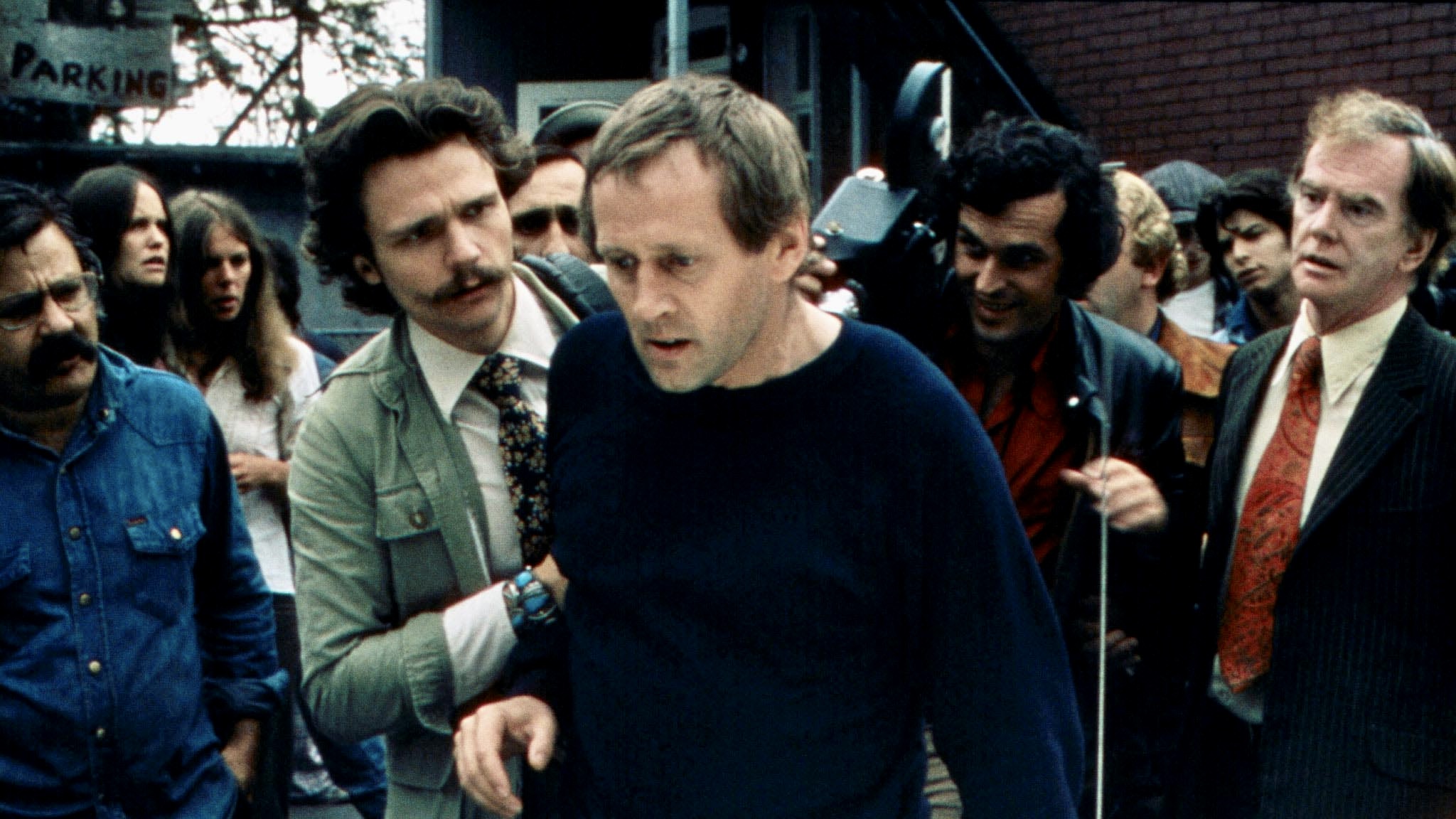
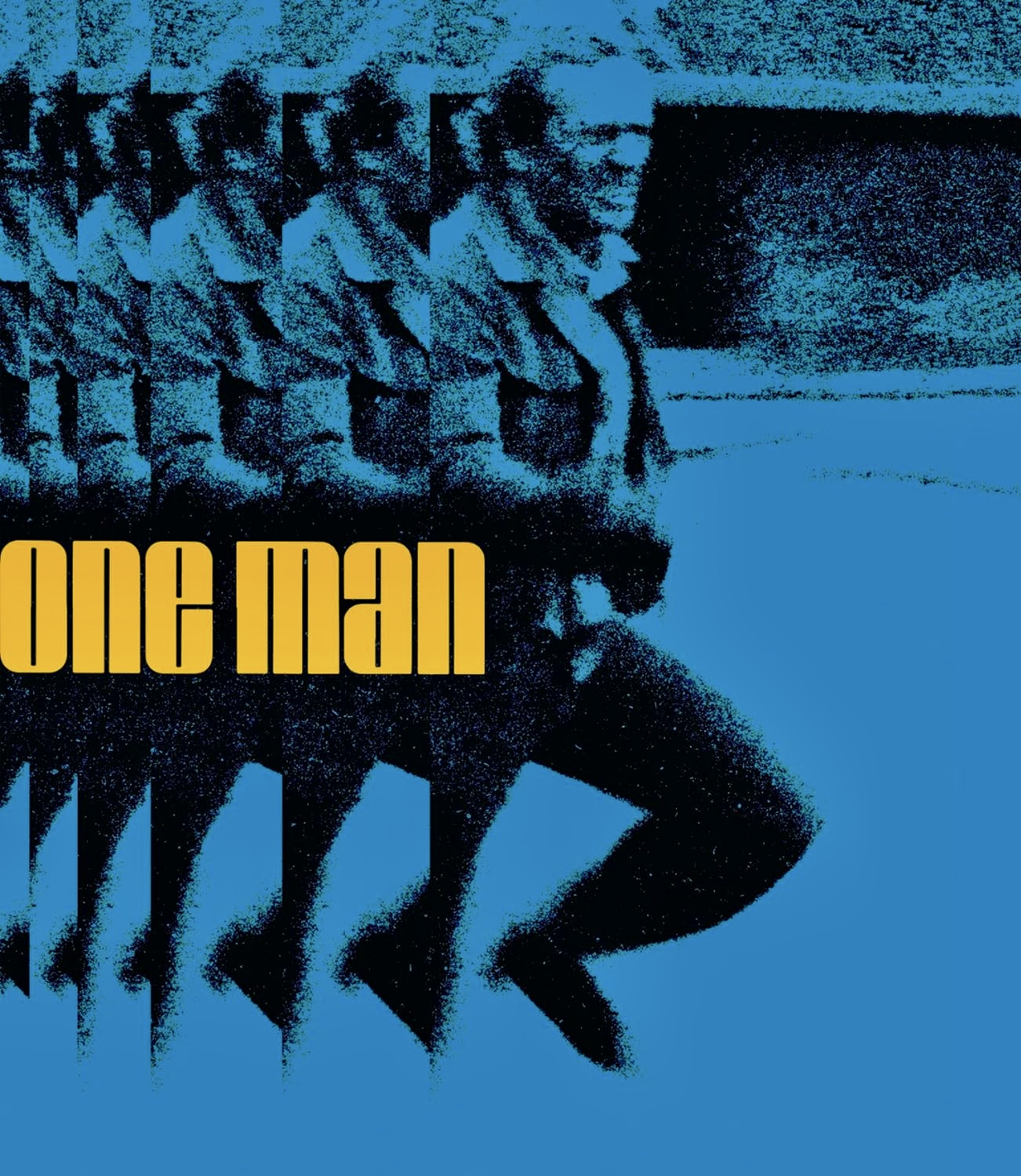
One Man is a relatively obscure Canadian production that had a very brief and limited release in the U.S. in 1979 and then disappeared. In February 2024 Canadian International Pictures released the film on Blu-ray in an impressive 2K restoration that included numerous film shorts produced by the National Film Board of Canada, several of which were directed by Robin Spry including the still disturbing 1967 short Illegal Abortion.
Other links of interest:
https://www.thecanadianencyclopedia.ca/en/article/robin-spry
https://www.talkinbroadway.com/page/regional/chicago/ch575.html
 Cinema Sojourns